实体经济

Search documents
9月末建行民营经济贷款余额超6.7万亿元
Xin Hua She· 2025-10-30 14:07
Core Viewpoint - China Construction Bank (CCB) has demonstrated strong performance in supporting the real economy, with significant growth in various loan categories and positive financial results for the first three quarters of the year [1] Financial Performance - CCB reported operating income of 560.281 billion yuan, an increase of 1.44% year-on-year [1] - The net profit attributable to shareholders reached 257.36 billion yuan, reflecting a year-on-year growth of 0.62% [1] Loan Growth - As of the end of September, CCB's manufacturing loan balance exceeded 3.5 trillion yuan [1] - Loans to the private economy surpassed 6.7 trillion yuan [1] - The balance of inclusive loans for small and micro enterprises reached 3.81 trillion yuan, an increase of 397.69 billion yuan from the end of last year [1] Investment in Innovation and Sustainability - CCB's investment in technology innovation bonds increased by over four times year-on-year [1] - The balance of green loans was 5.89 trillion yuan, representing a year-to-date growth of 18.38% [1] Asset Quality and Risk Management - CCB maintained a stable asset quality with a non-performing loan ratio of 1.32%, a decrease of 0.02 percentage points from the end of last year [1] - The provision coverage ratio stood at 235.05%, an increase of 1.45 percentage points from the end of last year [1] - The capital adequacy ratio was reported at 19.24% [1]
农业银行前三季度总资产超48万亿元
Zheng Quan Ri Bao Zhi Sheng· 2025-10-30 13:11
Core Insights - Agricultural Bank of China reported steady growth in operating performance for the first three quarters of 2025, with net profit reaching 222.3 billion yuan, a year-on-year increase of 3.28%, and operating income of 550.8 billion yuan, up 1.87% [1] - The bank's capital adequacy ratio stands at 17.78%, with a non-performing loan ratio of 1.27%, down 3 basis points from the beginning of the year [1] - Total assets of the bank reached 48.1 trillion yuan, with total loans amounting to 26.99 trillion yuan, an increase of 2.08 trillion yuan, reflecting a growth rate of 8.36% [1] Financial Performance - Daily average customer deposits increased to 38.49 trillion yuan, with a net increase of 3.52 trillion yuan, representing a growth rate of 10.06% [1] - The average daily deposit balance in domestic RMB reached 30.61 trillion yuan, with an increase of 1.85 trillion yuan, showing a growth rate of 6.4% [1] Focus on Rural and Agricultural Financing - The bank prioritized financial services for rural areas, with county loans totaling 10.90 trillion yuan, an increase of 1.0417 trillion yuan, and a growth rate of 10.57%, surpassing the bank's average growth rate by 2.21 percentage points [2] - Loans in key areas for rural revitalization, such as rural industries and construction, reached 2.74 trillion yuan and 2.47 trillion yuan, with growth rates of 22.8% and 9.7%, respectively, both exceeding the bank's overall growth rates [2] Support for Real Economy - The bank enhanced its financial services in key sectors, with technology loans exceeding 4.7 trillion yuan and green loans reaching 5.8 trillion yuan [2] - Inclusive finance for small and micro enterprises remains a priority, with inclusive loan balances at 4.33 trillion yuan, an increase of 731.1 billion yuan, and a customer base of 5.23 million [2] Infrastructure and Consumer Support - The bank supported infrastructure-related industries with loan balances of 6.3 trillion yuan, while personal consumption loans, including credit cards, reached 1.46 trillion yuan, with an increase of 126.1 billion yuan and a growth rate of 9.4% [3]

山西前三季度金融运行稳健 信贷“活水”精准润泽实体经济
Zhong Guo Xin Wen Wang· 2025-10-30 06:12
Core Insights - Shanxi Province's financial market shows stable operation with increased scale, steady growth rate, and improved structure, enhancing support for the real economy [1][2] Financial Performance - As of the end of September, the total social financing stock in Shanxi reached 7 trillion yuan, a year-on-year increase of 8.1% [1] - In the first three quarters, the increment of social financing was 471.93 billion yuan, with loans and net financing of government bonds to the real economy accounting for 93.6% [1] Loan Growth and Structure - The balance of various loans from financial institutions in Shanxi was 4.9 trillion yuan by the end of September, reflecting a year-on-year growth of 6.7%, surpassing the national average [1] - In the first three quarters, loans increased by 316.2 billion yuan, with a focus on key areas and weak links, indicating a clear optimization in structure [1] Green and Inclusive Finance - The balance of green loans reached 567.05 billion yuan by the end of September, showing significant growth since the beginning of the year [2] - Inclusive finance services improved, with micro-loans for small businesses growing by 21.5% year-on-year [2] - Loans to technology enterprises increased by 10.3% year-on-year as of the end of August [2] Manufacturing Sector Support - Long-term loans for the manufacturing sector grew by 12.7% year-on-year, providing strong financial support for the revitalization and upgrading of manufacturing in Shanxi [2] Deposit Growth - The balance of various deposits in financial institutions was 6.5 trillion yuan by the end of September, with a year-on-year increase of 6% [2] - Household deposits reached 4.3 trillion yuan, growing by 8.3% year-on-year, contributing 75.5% to the total deposit increment [2] Overall Financial Environment - The financial system in Shanxi operated steadily in the first three quarters, with an improved credit structure effectively meeting the diverse financing needs of the real economy, fostering a conducive monetary and financial environment for high-quality economic development [2]
首位任务!“十五五”为何将实体经济摆在最前?
Yang Guang Wang· 2025-10-30 02:48
Group 1 - The core focus of the "15th Five-Year Plan" is to prioritize the construction of a modern industrial system and strengthen the foundation of the real economy, highlighting its strategic importance [1][2] - The real economy is deemed essential for national strength, with China's manufacturing sector maintaining its position as the largest globally for 15 consecutive years, increasing total industrial added value from 31.3 trillion yuan to 40.5 trillion yuan [2] - The plan emphasizes the need for a solid foundation in the real economy to effectively respond to risks and challenges, ensuring competitiveness in the global market [2] Group 2 - The approach to consolidating and strengthening the real economy includes optimizing traditional industries, nurturing emerging industries, and enhancing the quality of the service sector, alongside modern infrastructure development [3] - Advanced manufacturing is identified as the backbone of the modern industrial system, with a call to accelerate the establishment of a manufacturing powerhouse and promote high-quality development in various sectors [3][4] - The integration and collaboration between advanced manufacturing and modern services are crucial, with a focus on breaking bottlenecks and ensuring efficient resource allocation to support industrial upgrades [4]
关键词读懂“十五五”丨首位任务!“十五五”为何将实体经济摆在最前?
Yang Guang Wang· 2025-10-30 01:43
Group 1 - The core strategy of the "14th Five-Year Plan" emphasizes the importance of strengthening the real economy as the foundation for national strength and resilience [1][3] - China's manufacturing industry has maintained its position as the world's largest for 15 consecutive years, with total industrial added value increasing from 31.3 trillion yuan to 40.5 trillion yuan, and manufacturing added value rising from 26.6 trillion yuan to 33.6 trillion yuan during this period [1] - The "15th Five-Year Plan" aims to solidify the foundation of the real economy to effectively respond to risks and challenges, ensuring competitiveness in the global market [1] Group 2 - The Fourth Plenary Session emphasizes advanced manufacturing as the backbone of a modern industrial system, calling for the acceleration of building a manufacturing power, quality power, aerospace power, transportation power, and network power [2] - Experts highlight the need for traditional industries to undergo upgrades focusing on high-end, intelligent, green, and integrated transformations, while also prioritizing the development of strategic emerging industries and future industries [2] - The relationship between building a modern industrial system and consolidating the foundation of the real economy is interdependent, requiring clear top-level design and resource allocation to avoid fragmentation [2] Group 3 - The focus for the "15th Five-Year Plan" is on strengthening the real economy, with a dual approach of consolidation and expansion to achieve high-quality development and gain competitive advantages [3]
“十五五”,“建设现代化产业体系,巩固壮大实体经济根基”排首位
Ren Min Ri Bao· 2025-10-30 01:01
Core Viewpoint - The importance of the real economy is emphasized as a foundation for China's economic development and international competitiveness, particularly in the context of the "14th Five-Year Plan" and the upcoming "15th Five-Year Plan" [1][2][3]. Group 1: Importance of the Real Economy - The real economy is described as the foundation of a major country, with a strong emphasis on not allowing the economy to become detached from reality [2][3]. - The real economy serves as a "ballast" for economic operations, with significant labor demand across manufacturing, construction, agriculture, and services, absorbing over 400 million jobs, which accounts for 53% of the national employment population [3]. - Manufacturing is highlighted as a crucial pillar of the national economy, directly related to national strategic security, with China maintaining the world's largest manufacturing scale for 15 consecutive years, providing resilience against external uncertainties [3][4]. Group 2: Strategic Tasks for the "15th Five-Year Plan" - The strategic tasks for the "15th Five-Year Plan" include four main areas: 1. **Solid Foundation and Upgrading**: Optimizing and upgrading traditional industries, which account for over 80% of manufacturing, aiming to create approximately 10 trillion yuan in new market space over the next five years [4]. 2. **Innovation and New Industries**: Cultivating and expanding emerging and future industries, focusing on strategic emerging industries like new energy and new materials, and planning for quantum technology and biomanufacturing, with a goal of creating a scale equivalent to a new high-tech industry in the next decade [4]. 3. **Service Industry Development**: Promoting high-quality and efficient development of the service industry, enhancing the integration of modern services with advanced manufacturing and modern agriculture to meet people's needs and open new economic growth spaces [4]. 4. **Infrastructure Modernization**: Accelerating the construction of a modern infrastructure system, ensuring coordinated planning and development of new infrastructure to enhance connectivity and safety [5]. Group 3: Response to External Challenges - The real economy is positioned as a key element for navigating external uncertainties, with a call for leveraging technological advantages to transform into industrial strengths, ensuring that China's economy can withstand challenges and explore broader horizons [5].
中央财经委员会办公室原副主任尹艳林:从五个关键点把握“十五五”时期经济社会发展
Zhong Guo Zheng Quan Bao· 2025-10-30 00:30
Core Viewpoint - The forum emphasizes the importance of economic development, focusing on the real economy, domestic market, reform and innovation, and improving people's livelihoods as key points for the "14th Five-Year Plan" period [1][3][4]. Economic Development as the Main Theme - From now until 2035, there are only 10 years left, and the first five years are crucial for establishing a solid foundation for future growth. The goal is to maintain an average annual GDP growth rate of around 5% and a nominal growth rate of about 7% [3]. Focus on the Real Economy - The central task is to build a modern industrial system and strengthen the foundation of the real economy. The emphasis is on intelligent, green, and integrated development while maintaining a reasonable proportion of manufacturing [3]. Domestic Market as the Main Battlefield - A strong domestic market is essential for China's modernization. Efforts should be made to boost consumption, expand effective investment, and improve the structure of government investment, particularly in people's livelihoods [4]. Reform and Innovation as the Driving Force - There is a need to enhance original innovation and tackle key core technologies. The integration of technological and industrial innovation is crucial, along with supporting the development of high-tech enterprises and small and medium-sized technology firms [4]. Improving People's Livelihoods as the Starting and Ending Point - High-quality employment, a fair income distribution system, and a robust social security system are essential. Specific measures include supporting the development of innovative drugs and medical devices, as well as optimizing policies to support childbirth [4].

从五个关键点把握“十五五”时期经济社会发展
Zhong Guo Zheng Quan Bao· 2025-10-29 21:09
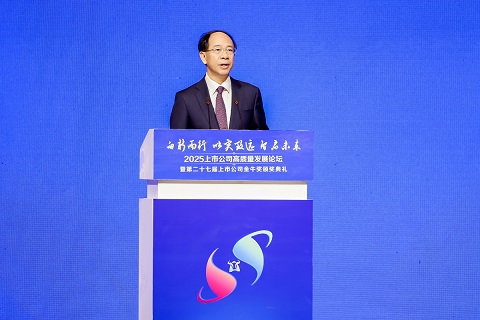
Core Viewpoint - The forum emphasizes the importance of economic development, focusing on the real economy, domestic market, reform and innovation, and improving people's livelihoods as key points for the "14th Five-Year Plan" period [1][2] Group 1: Economic Development - The target for average annual GDP growth over the next five years is set at around 5%, with a nominal growth rate of about 7% to accommodate reasonable price level recovery [1][2] Group 2: Real Economy - The strategic task of building a modern industrial system and consolidating the foundation of the real economy is prioritized, with a focus on intelligent, green, and integrated development while maintaining a reasonable proportion of manufacturing [1][2] Group 3: Domestic Market - Strengthening the domestic market is seen as a strategic support for modernization, with initiatives to boost consumption, expand effective investment, and enhance the role of private enterprises in major projects [2] Group 4: Reform and Innovation - Emphasis is placed on original innovation and tackling key core technologies, promoting deep integration of technological and industrial innovation, and supporting the development of high-tech enterprises and small and medium-sized technology firms [2] Group 5: Improving People's Livelihoods - The focus is on promoting high-quality employment, improving income distribution, enhancing education and social security systems, and advancing health and population quality development [2]
对话田轩:“十五五”扩大内需绝非“关起门搞建设”|新京报访谈
Xin Jing Bao· 2025-10-29 12:59
Group 1 - The core objective of the "15th Five-Year Plan" is to achieve significant results in high-quality development, emphasizing quality and efficiency over mere speed and scale expansion [4] - The plan indicates a shift in China's economic development stage, focusing on transforming development methods, optimizing economic structure, and converting growth drivers [4] - Resources will be directed towards innovation, industrial upgrading, green low-carbon initiatives, and improving people's livelihoods, aiming for sustainable development [4] Group 2 - The plan emphasizes building a modern industrial system and strengthening the foundation of the real economy, with a focus on intelligent, green, and integrated development [5] - It highlights the importance of the manufacturing sector in driving overall industrial advancement and enhancing the self-sufficiency of supply chains [5] - The strategy aims to address structural contradictions in development and improve the adaptability of the supply system to domestic demand [5] Group 3 - The "15th Five-Year Plan" promotes a dual approach of supporting both state-owned and private enterprises, enhancing the legal framework for private sector development [6] - The implementation of the Private Economy Promotion Law aims to ensure fair competition and protect the rights of private enterprises [6] - Special emphasis is placed on supporting small and medium-sized enterprises, which are crucial for the vitality of the private economy [7] Group 4 - The plan identifies expanding domestic demand as a strategic foundation for modernization, highlighting the importance of the domestic market [9] - It aims to enhance the resilience of the industrial chain and promote a dynamic balance between supply and demand through sustained domestic demand [9] - The strategy also seeks to optimize income distribution and improve public services, ensuring equitable access to development outcomes [9] Group 5 - The plan advocates for high-level opening up while simultaneously building a strong domestic market, indicating a complementary relationship between the two [10] - It emphasizes the need for internal and external market integration to stimulate domestic demand and enhance supply quality [11] - The plan outlines measures for expanding institutional openness and engaging in global economic governance, reflecting China's commitment to economic globalization [12][13]

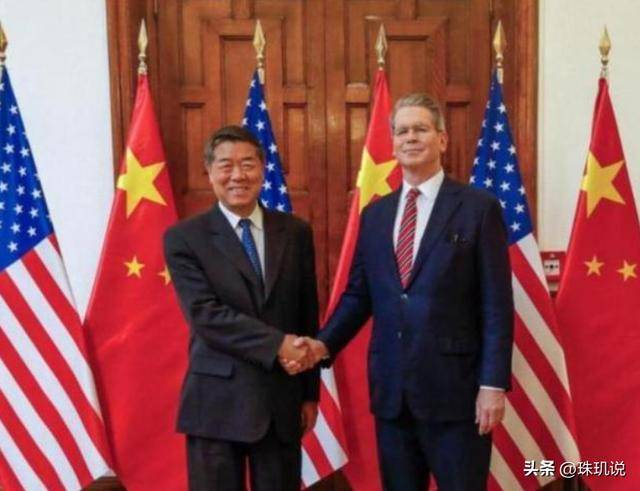
中美达成实质性协议!欧洲掏500亿买气递投名状,全球博弈新棋局
Sou Hu Cai Jing· 2025-10-29 09:58
Group 1 - The core point of the article discusses the contrasting paths chosen by the US and China in the context of global competition and their recent agreement on trade tariffs, indicating a potential shift in their bilateral relations [1][11][19] - The US is focusing on "shrinking its frontlines and prioritizing key issues," recognizing the negative impact of the trade war on domestic manufacturing costs and consumer prices [11][13] - China is committed to "rooting itself in the real economy and relying on technological breakthroughs," emphasizing the importance of economic construction and targeting six key technological areas for development [13][21] Group 2 - The article highlights Europe's strategic dilemma, as it attempts to align closely with the US while facing its own economic challenges and energy crises due to its stance on Russia and China [3][19] - Europe's historical reliance on colonial power and its current inability to adapt to new global dynamics is underscored, illustrating a decline in its global GDP share from over 50% in the past to below 16% in 2023 [5][19] - The article suggests that the new global order will not be dominated by a single power but will require cooperation and mutual respect among nations, moving away from the traditional hegemonic approach [17][21]