中国企业出海

Search documents
为什么直接到美国设厂?这家新能源企业谈中企出海
Bei Jing Ri Bao Ke Hu Duan· 2025-06-26 04:39
Core Insights - The core advantage of Chinese companies, particularly in the renewable energy sector, is their comprehensive competitiveness, which includes technology development, cost control, production processes, standard systems, supply chain management, and talent cultivation [1][2][4] Group 1: Advantages of Chinese Renewable Energy Companies - Chinese renewable energy companies, especially leading firms, have established mature solutions in technology research and development, cost control, and supply chain management [1][2] - JinkoSolar has achieved over 100 GW of production capacity through vertical integration and has extensive experience in overseas factory establishment [1][2] - The company emphasizes the importance of mastering domestic competitive advantages before expanding internationally [1] Group 2: Technological Leadership - Technology is the most critical factor in the renewable energy industry, with battery efficiency directly impacting cost per kilowatt-hour [3][4] - JinkoSolar has broken the world record for battery efficiency 30 times over the past decade, showcasing its commitment to continuous technological iteration [4] Group 3: Reasons for Going Global - The reasons for Chinese companies to expand internationally have evolved; unlike other industries driven by domestic market saturation, the solar energy sector is motivated by geopolitical factors and local manufacturing demands [5] - Countries are increasingly seeking to establish their own supply chains and production autonomy, especially those with strong intentions to transition to low-carbon energy [5] Group 4: Importance of Bilateral Relations - The bilateral relationship between China and target countries is crucial for the sustainable operation and development of Chinese factories abroad [6] - JinkoSolar prioritizes countries with strong political ties to China, such as Malaysia, Vietnam, and Saudi Arabia, for establishing manufacturing facilities [6] Group 5: Operational Insights in the U.S. - JinkoSolar's factory in the U.S. has a limited capacity of 2 GW, which is small compared to its overall production capacity of 100 GW [7][9] - The company is closely monitoring U.S. policies, including tariffs and the "Buy American" provisions, which significantly influence its strategic decisions in the U.S. market [7][8] Group 6: Manufacturing Strategy - The ideal strategy for JinkoSolar is "local manufacturing, local supply," which is considered safer as long as local market demand can support production capacity [8] - Currently, overseas production accounts for nearly 20% of JinkoSolar's total capacity, with no immediate plans for further expansion [9]



倒计时!凤凰网2025中国企业出海高峰论坛3天后在深圳举办
凤凰网财经· 2025-06-25 13:06
Core Viewpoint - The article highlights the challenges faced by Chinese companies in expanding overseas amidst rising global trade protectionism and complex geopolitical dynamics, emphasizing the need for a diversified partnership network and a collaborative ecosystem for sustainable international expansion [1][3]. Group 1: Trade Negotiations and Agreements - The deadline for reaching trade agreements with major partners set by U.S. President Donald Trump is approaching, with significant tariffs looming if no agreement is reached by July 9 [1]. - Currently, only the UK has reached a preliminary agreement with the U.S., while issues regarding steel tariffs remain unresolved [1]. - The trade truce between China and the U.S. has been extended to mid-August, allowing more time for negotiations [1]. Group 2: Forum Overview - The "2025 China Enterprises Going Global Summit" will be held on June 28-29 in Shenzhen, focusing on creating a high-end platform for Chinese companies to address challenges in international expansion [1][2]. - The forum will feature prominent leaders and experts from politics, business, and academia, including former UN Secretary-General Ban Ki-moon and various former Chinese government officials [2]. - The event aims to facilitate dialogue and resource connections among global stakeholders, addressing compliance, legal, and operational challenges faced by Chinese enterprises [2][4]. Group 3: International Collaboration - The forum will gather representatives from various countries and economic institutions, including the Asian Infrastructure Investment Bank and the Saudi Business Association, to build a cross-border ecological network [4]. - This initiative aims to connect Chinese companies with international resources, breaking down information silos and fostering efficient partnerships [4]. - The event is supported by multiple organizations, including the Global Services Trade Alliance and several academic institutions, highlighting its strategic importance [4].
中国家电业掀新一轮拉美投资热,美的TCL冲击百亿营收
Di Yi Cai Jing· 2025-06-25 09:44
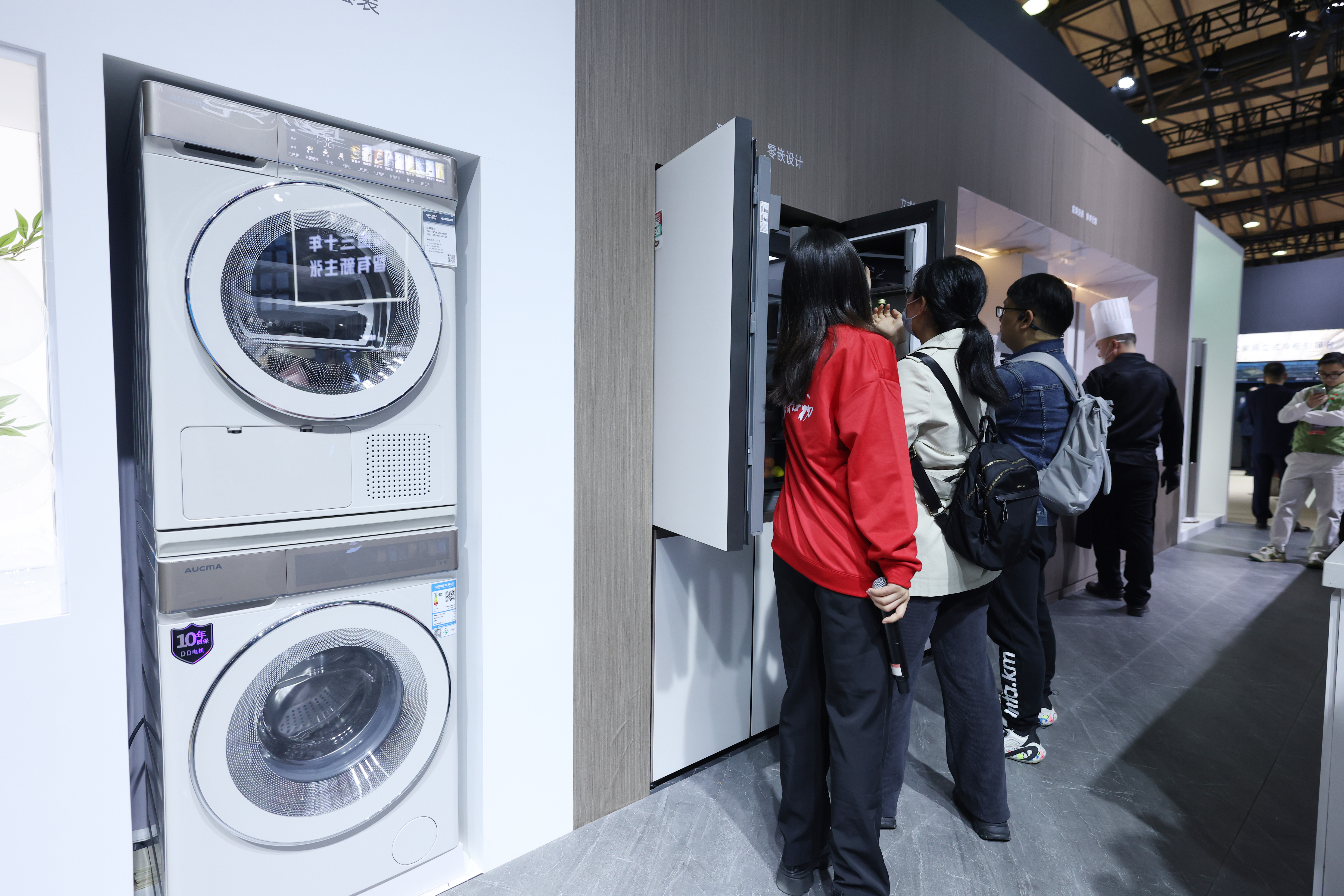
Core Viewpoint - Chinese companies are increasingly investing in Brazil, recognizing its potential as the largest market in South America, particularly in the home appliance sector where penetration rates remain low [4][6]. Group 1: Investment and Market Potential - Midea Group aims for annual revenue in Brazil to exceed 10 billion RMB, driven by the local market's growth potential [4]. - TCL plans to achieve 10 billion RMB in revenue this year and aims for its television business to reach the same target next year [4]. - The export of Chinese white goods to Latin America surpassed 10 billion USD last year and is expected to increase to 15 billion USD this year [4][6]. Group 2: Local Operations and Product Development - Midea has launched four new projects in Brazil and held product launches in Peru and Argentina, focusing on high-end market segments [5]. - Midea's new factory in Brazil, with an investment exceeding 700 million RMB, is set to produce over 1 million units annually [6]. - TCL has localized its manufacturing in Brazil, producing larger television models and expanding its product range to include air conditioners [7][10]. Group 3: Competitive Landscape and Challenges - Chinese brands have increased their market share in Brazil's electronics sector, now accounting for 20% of sales, up from 16.5% in 2019 [9]. - Companies face challenges such as high tariffs, currency fluctuations, and complex tax systems in Brazil [9][10]. - Midea and TCL emphasize the importance of local partnerships and understanding cultural nuances to succeed in the Brazilian market [10][11]. Group 4: Future Outlook - The growth trajectory for Chinese white goods exports to Latin America is expected to continue, with a projected 33% increase in 2024 [6]. - Midea aims to surpass competitors in the Brazilian white goods market, currently ranked third [11]. - The potential for Chinese brands in Latin America remains significant, with many unmet consumer needs and opportunities for innovation [12].

跨越山海——第一财经研究院金融机构服务中国企业出海调查问卷
第一财经· 2025-06-25 09:19
为更好了解金融机构在服务中国企业出海的过程中,所遇到的机遇与挑战,第一财经研究院特别发起 本次调研。调研结果将帮助优化金融机构对应企业出海的产品和服务,助力更多中国企业顺利出海, 高质量出海。 中国企业出海,金融服务陪伴! ...

高品质消费企业出海三大方向:品牌出海、文化出海、服务出海
Nan Fang Du Shi Bao· 2025-06-24 07:24
Group 1: Industry Trends and Observations - The "2025 High-Quality Consumption Brand TOP 100" initiative aims to boost economic development and consumer confidence by focusing on nine key sectors including beauty economy, sports and outdoor, food and health, smart consumer electronics, pet economy, experience economy, interest consumption, cross-border expansion, and consumption technology [2] - The report highlights the evolution of Chinese enterprises from OEM (Original Equipment Manufacturer) to ODM (Original Design Manufacturer) and finally to OBM (Own Brand Manufacturer), indicating a shift towards self-owned brands that can command higher profit margins [5][6] - By 2025, the brandization rate for China's B2C and B2B outbound sectors is projected to reach 20%-30% and 13%-20%, respectively, reflecting a significant increase from 2022 [5] Group 2: Market Expansion Strategies - Chinese brands are increasingly focusing on global market opportunities, with a notable shift from merely pursuing sales to emphasizing long-term brand building and value transmission [6][9] - Successful case studies, such as the cleaning robot company Ecovacs, illustrate the importance of localizing products to meet diverse consumer needs across different regions [9][10] - The pet industry is highlighted as a growing sector, with exports to the EU, ASEAN, and the US showing significant growth, particularly in emerging markets where competition is less saturated [12][13] Group 3: Cultural and Service Exports - The report identifies three main directions for Chinese enterprises going abroad: brand export, cultural export, and service export, with a focus on building self-owned brands to enhance product value [15] - The cultural export of Chinese toys, particularly in the US and Southeast Asia, is gaining traction, with a growing consumer base that resonates with local culture [18][19] - Chinese food and beverage brands, such as Haidilao, are leveraging their cultural identity and operational efficiency to expand into international markets [22]


秦朔:从中国制造到中国创造&全球制造 | 出海峰会
吴晓波频道· 2025-06-24 00:52
Core Viewpoint - The article emphasizes the transition of Chinese manufacturing from being a global manufacturing hub to becoming a leader in global manufacturing, highlighting the need for Chinese companies to adopt a global mindset and explore new markets while leveraging their manufacturing capabilities [3][5][12]. Group 1: Global Manufacturing Transition - Chinese manufacturing has evolved from "global manufacturing in China" to "Chinese manufacturing for the world," indicating a shift towards innovation and quality [3][6]. - The ability of Chinese companies to drive globalization is primarily reflected in the manufacturing sector, where China has developed a comprehensive manufacturing capability system [6][12]. - The restructuring of global supply chains is underway, moving from offshore and efficiency-driven models to more autonomous and diversified approaches [10][11]. Group 2: Strategic Global Expansion - Chinese companies are encouraged to adopt a global perspective when selecting overseas markets, identifying regions with favorable tariff conditions such as the Middle East, Southeast Asia, and Latin America [16][19]. - The case of Zhejiang Tongxiang's China Jushi illustrates how tariffs can significantly impact business decisions, leading to the establishment of manufacturing facilities in countries with lower tariffs [17][18]. - Companies must navigate the complexities of different markets, balancing opportunities and risks while adapting to local conditions [21][22]. Group 3: Export and Outbound Investment - In 2024, China's goods trade export scale is projected to reach 25.45 trillion yuan, with a year-on-year growth of 7.1%, indicating resilience despite external challenges [34][35]. - China's outbound non-financial direct investment is expected to grow by 10.5% to $143.85 billion in 2024, showcasing a simultaneous increase in both exports and outbound investments [35]. - The home appliance industry exemplifies the dual strategy of expanding domestic demand while actively pursuing international markets, with significant growth in both revenue and exports [38][39]. Group 4: Case Studies of Successful Globalization - Lenovo serves as a prime example of a company that has successfully integrated global resources while maintaining core manufacturing in China, achieving a balance between local delivery and global supply chains [44][46]. - The article highlights the importance of new infrastructure capabilities, particularly in digital technology and renewable energy, as Chinese companies expand their influence globally [48][50]. - Emerging companies in smart hardware are leveraging China's supply chain to innovate and redefine industry standards, moving from imitation to original innovation [51][52]. Group 5: Strategic Considerations for Global Operations - Companies must find a balance between exporting and establishing local production to navigate trade barriers and optimize costs [56]. - Emphasizing local operations while maintaining a global strategy is crucial for long-term success, requiring cultural sensitivity and community engagement [57]. - Collaboration with international firms presents opportunities for joint market development, reinforcing the role of Chinese companies in stabilizing and accelerating global supply chains [58].

跨越山海——第一财经研究院中国企业出海金融服务需求调查问卷
第一财经· 2025-06-23 07:41
为更全面了解中国企业在出海过程中,尤其在金融服务方面的真实需求与面临的困难,或者来自企业的好 建议,第一财经研究院特别发起本次调研。调研结果将帮助优化金融机构对应企业出海的产品和服务,助 力更多中国企业顺利出海,高质量出海。 中国企业出海,金融服务陪伴! ...

中国“地下华尔街”,垄断西方阴间经济命脉
凤凰网财经· 2025-06-21 12:03
Core Viewpoint - The article discusses the rising popularity of "Ancestor money" (冥币) in overseas markets, particularly among foreign social media users who have embraced this aspect of Chinese culture as a form of cultural expression and ritual practice [1][24]. Group 1: Cultural Phenomenon - The trend of burning Ancestor money began in 2014, when a foreign blogger introduced it as a form of "Eastern mystical power," leading to a cultural phenomenon on social media platforms [4]. - Foreign users have created unique rituals around burning Ancestor money, incorporating local cultural elements, such as tarot cards and symbolic offerings [5][9]. - The practice has evolved into a form of performance art, with various creative interpretations and adaptations by foreign users [24]. Group 2: Market Dynamics - The village of Mibeizhuang in Hebei province has become a hub for the production of Ancestor money, dominating 90% of the global market [20]. - The price of Ancestor money has significantly increased in international markets, with prices ranging from $7 to $20, translating to a substantial markup compared to domestic prices [12]. - Mibeizhuang has adapted to market demands by producing localized versions of Ancestor money, including designs featuring local currency symbols and cultural motifs [14][22]. Group 3: Emotional Connection - The practice of burning Ancestor money serves as a means for individuals to express their emotions and maintain connections with deceased loved ones, reflecting a deep cultural significance [26][27]. - Many foreign users have shared personal stories about their experiences with Ancestor money, highlighting its role in their grieving process and emotional healing [26][27]. - The article emphasizes that the appeal of Ancestor money lies in its ability to bridge cultural gaps and provide a tangible way for people to honor their ancestors [27].
买法拉利3年提不了车,店家:想退款先帮卖车,一辆卖500万
凤凰网财经· 2025-06-21 12:03
Core Viewpoint - The article highlights the ongoing issues faced by customers who have ordered Ferrari vehicles from Wuhan Jun Dong Automobile Sales Company, including delayed vehicle delivery and unfulfilled refund requests, indicating a significant financial strain on the dealership [1][2][5]. Group 1: Customer Experiences - Multiple customers, including Mr. Zhao and Mr. Li, reported that they paid substantial deposits (e.g., 450,000 yuan for a 4 million yuan Ferrari) but have not received their vehicles or refunds, with some waiting for over a year [2][4]. - Customers have been advised to send legal notices to escalate their refund requests, as the dealership struggles to address their concerns [5][7]. Group 2: Company Financial Status - The dealership's management acknowledged financial difficulties, stating that funds have been withdrawn by the parent company, Yuntian (China) Investment Co., Ltd., leading to operational challenges and delayed refunds [5][7]. - The dealership is reportedly unable to sell vehicles effectively, which exacerbates its cash flow issues, with the manager suggesting that selling a car could facilitate immediate refunds to customers [5][6]. Group 3: Parent Company Background - Yuntian (China) Investment Co., Ltd. is a subsidiary of the Hong Kong-based Chow Tai Fook Group, which has been an authorized dealer for Ferrari and Maserati in China since 2005 [7]. - The parent company has faced legal and financial troubles, including multiple court enforcements and tax penalties across various cities, indicating broader systemic issues within the dealership network [10][11].

“猫党”“狗党”举大旗,年内股价上涨66%,新华出海消费指数成份股走势强劲
Xin Hua Cai Jing· 2025-06-20 10:40
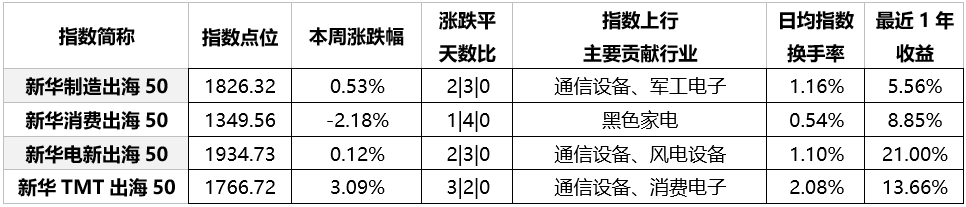
Core Insights - The pet consumption market is becoming a significant pillar for Chinese companies going global, with pet product sales during the "618" shopping festival showing that cat product sales are twice that of dog products [1] - The global pet market is projected to exceed $300 billion by 2025 and reach $500 billion by 2030, with China transitioning from a manufacturing hub to a brand-exporting nation [1][3] - Chinese pet food exports have shown robust growth, with a 16.17% increase in quantity and a 6.06% increase in value in the first four months of 2025 compared to the previous year [3] Industry Trends - Over 30,000 pet businesses participated in cross-border sales during the "618" event, with over 1,000 businesses seeing their sales double year-on-year [1] - The demand for smart pet products and eco-friendly toys is driving innovation and growth in the pet industry, with leading companies expanding their overseas operations [1][3] - The consensus in the pet industry is that companies must expand internationally to tap into the more mature overseas markets [2] Company Performance - Zhongchong Co., a leading player in the pet economy, has seen its stock price increase by nearly 66% this year, with revenue growing from 648 million yuan to 4.465 billion yuan from 2015 to 2024, representing a 589.04% increase [4] - In Q1 2025, Zhongchong Co. reported a revenue of 1.101 billion yuan, a 25.41% year-on-year increase, and a net profit of 91 million yuan, a 62.13% increase [4] - The company has established production facilities in multiple countries, including the U.S., Canada, and Thailand, to enhance its overseas capacity and mitigate risks [3]