
去美元化

Search documents
港股异动 | 铜业股集体上扬 花旗短期看好铜价走俏 潜在供应进一步受阻亦构成上涨因素
智通财经网· 2026-02-25 03:26
Group 1 - Copper stocks collectively rose, with China Nonferrous Mining (01258) up 5.6% to HKD 15.83, Minmetals Resources (01208) up 4.19% to HKD 10.69, China Daye Nonferrous Metals (00661) up 4.65% to HKD 0.18, and Jiangxi Copper (00358) up 3.8% to HKD 46.94 [1] - Citigroup released a report expressing a positive outlook on copper prices in the short term, predicting they will reach USD 14,000 per ton in the next three months, citing limited downside risk and bullish sentiment among investors [1] - Factors supporting copper price increases include inventory replenishment in China's supply chain post-Spring Festival, optimism regarding cyclical growth in copper prices, and potential supply disruptions [1] Group 2 - Goldman Sachs noted that after a rebound in the metal market in 2025, most commodities continued to show strong and volatile trends into early 2026, suggesting that ongoing asset allocation adjustments by investors may keep copper prices elevated [1] - The willingness of investors to diversify into hard assets amid rising macro and geopolitical risks has become a key driver of the current commodity market [1]
现货黄金涨超1%,白银站上89美元/盎司,机构:三重逻辑驱动贵金属行情
Sou Hu Cai Jing· 2026-02-25 02:52
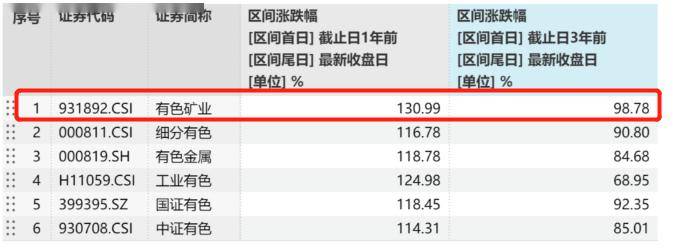
Group 1 - The core viewpoint of the articles highlights a significant rise in the non-ferrous metal sector, driven by strong performance in precious metals and industrial metals, with specific ETFs and stocks showing notable gains [1][2] - Precious metals, particularly gold and silver, have seen price increases, with gold reaching $5183.62 per ounce and silver surpassing $88 per ounce, attributed to concerns over U.S. fiscal sustainability, geopolitical tensions, and inflation risks [1] - The analysis from Shenwan Hongyuan indicates that the short-term drivers for precious metals include tariff decisions and geopolitical conflicts, while long-term factors such as de-dollarization and geopolitical risks will support gold's upward trend [1] Group 2 - In the industrial metals sector, LME tin prices increased by over 3% to $51,920 per ton, with other metals like zinc, copper, aluminum, and nickel also experiencing gains [2] - Long-term demand for industrial metals is expected to grow due to accelerated infrastructure projects in China, including power grid upgrades and photovoltaic power station constructions, as well as recovery in emerging sectors like electric vehicles and AI infrastructure [2] - The non-ferrous mining ETF (159690) has shown a remarkable performance, with a one-year increase of 131% and a three-year increase of 99%, indicating strong price elasticity and higher beta in a commodity bull market [2][3]

2026年02月25日申万期货品种策略日报-铂、钯:申万期货品种策略日报-铂、钯-20260225
Shen Yin Wan Guo Qi Huo· 2026-02-25 01:54
2026年02月25日 申万期货品种策略日报-铂、钯 | | | 申银万国期货研究所 | | | 陈梦赟(从业资格号:F03147376;交易咨询号:Z0022753) | | | | --- | --- | --- | --- | --- | --- | --- | --- | | | | | sunxm@sywgqh.com.cn | | 021-50585921 | | | | | | pt2606 | pt2608 | pt2610 | pd2606 | pd2608 | pd2610 | | | 现价 | 551.85 | 544.00 | 540.30 | 438.45 | 435.00 | 435.25 | | 期 | 前收盘价 | 523.80 | 517.10 | 509.20 | 416.80 | 410.00 | 409.15 | | 货 | 涨跌 | 28.95 | 29.85 | 29.70 | 19.15 | 19.30 | 22.00 | | 市 场 | 涨跌幅 | 5.54% | 5.81% | 5.82% | 4.57% | 4.64% | 5.32% | | | 持仓量 | ...
2026年2月25日申万期货品种策略日报-黄金白银-20260225
Shen Yin Wan Guo Qi Huo· 2026-02-25 01:54
Report Industry Investment Rating - Not provided in the content Core Viewpoints - The recent performance of precious metals has been strong, driven by three main factors: the change in US tariff policy impacting the US dollar's credit, the tense situation in Iran during the holiday boosting the safe - haven demand for gold, and the enhanced anti - inflation property of gold due to stagflation risks. In the short term, the tariff ruling and geopolitical conflicts have a resonance effect on precious metals, and in the long - term, factors like de - dollarization and geopolitical risks will support gold to return to an upward channel. Silver is expected to maintain a volatile and slightly strong trend in the short term due to the resonance of its industrial and financial attributes [6] Summary by Relevant Catalogues Futures Market - **Prices and Changes**: The closing prices of Shanghai Gold 2606 and 2604 increased by 40.36 and 40.40 respectively, with a growth rate of 3.62% and 3.64%. The closing prices of Shanghai Silver 2606 and 2604 increased by 2460 and 2545 respectively, with a growth rate of 12.57% and 12.87% [2] - **Positions and Volumes**: The positions of Shanghai Gold 2606 and 2604 are 93903 and 157411 respectively, and the trading volumes are 34008 and 126903 respectively. The positions of Shanghai Silver 2606 and 2604 are 136869 and 175097 respectively, and the trading volumes are 129011 and 210732 respectively [2] - **Spot Premiums or Discounts**: The spot premiums or discounts of Shanghai Gold 2606 and 2604 are - 6.94 and - 3.62 respectively, and those of Shanghai Silver 2606 and 2604 are - 544 and - 841 respectively [2] Spot Market - **Prices and Changes**: The closing price of Shanghai Gold T + D increased by 38.38, with a growth rate of 3.46%. The closing price of London Gold decreased by 95.42, with a decline rate of 1.83%. The closing price of Shanghai Silver T + D increased by 2216, with a growth rate of 11.50%. The closing price of London Silver decreased by 1.10, with a decline rate of 1.25% [2] - **Price Ratios**: The current value of the spread between Shanghai Gold 2606 and 2604 is 3.32, and the spread between Shanghai Silver 2606 and 2604 is - 297.00. The gold - to - silver ratio in the spot market is 53.38. The ratio of Shanghai Gold to London Gold is 1.01, and the ratio of Shanghai Silver to London Silver is 1.11 [2] Inventory - **Changes**: The inventory of Shanghai Futures Exchange gold is 105,072 kg, and the inventory of Shanghai Futures Exchange silver decreased by 3680 kg to 349,879 kg. The COMEX gold inventory decreased by 73343 ounces to 33,701,164 ounces, and the COMEX silver inventory decreased by 2969 ounces to 364,000,164 ounces [2] Related Derivatives - **Positions and Changes**: The position of SPDR Gold ETF increased by 8 tons to 1,094 tons, and the position of SLV Silver ETF increased by 313 tons to 15,830 tons. The net position of CFTC speculators in gold decreased by 97 to 159,915, and the net position in silver increased by 1048 to 24,003 [2] Macro News - **Military Deployment**: The US deployed 12 F - 22 fighter jets to Israel, and the F - 22s landed at an Israeli air base on Tuesday evening [3] - **Sanctions and Agreements**: The President of the European Commission is confident in passing the 20th round of sanctions against Russia. Iran's Deputy Foreign Minister said that Tehran is ready to reach an agreement with the US as soon as possible [3] - **Tariff Policy**: The Trump administration is working to raise the temporary global tariff rate from 10% to 15%. The US may simplify the wide - ranging tariffs on steel and aluminum products, and the scope of the 50% tariff on so - called steel and aluminum "derivative products" may be narrowed in a few weeks [3][5] - **Iran Situation**: US Secretary of State Rubio will brief major lawmakers on the situation in Iran. The US government is weighing possible strikes against Iran. A resolution requiring Trump to obtain congressional authorization before using force against Iran may be voted on next week or later, and its passage in the House of Representatives seems unlikely [4]
美元这样搞,黄金怎么办?
Sou Hu Cai Jing· 2026-02-25 01:35
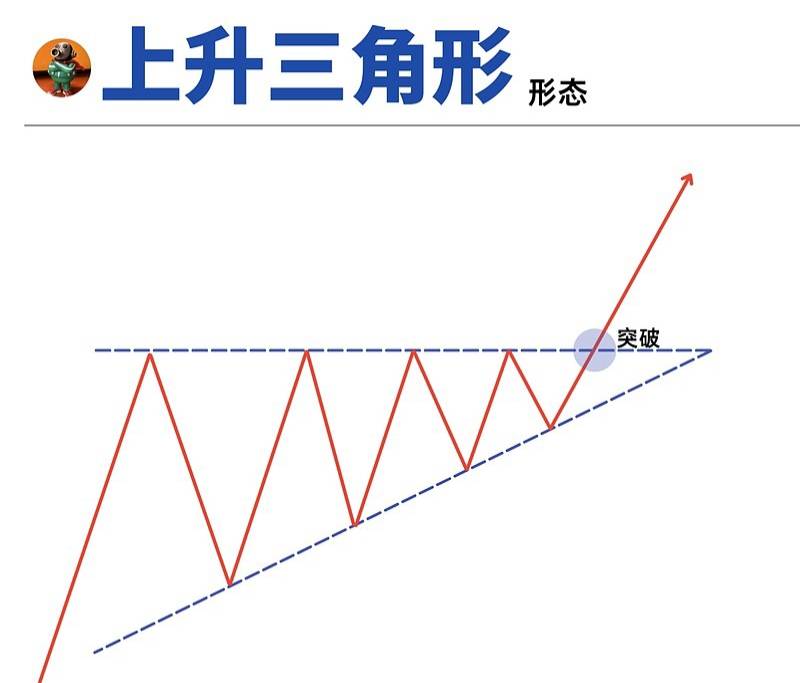
Core Viewpoint - The current market sentiment is predominantly bearish on the US dollar, particularly among retail investors, which may signal potential risks as market trends often diverge from retail expectations [1] Group 1: US Dollar Analysis - The technical outlook for the US dollar shows a potential ascending triangle pattern, indicating possible volatility ahead [1] - The medium-term fundamentals for the US dollar remain weak, with ongoing de-dollarization trends and expectations of interest rate cuts by the Federal Reserve, particularly in the second half of the year [6] - The demand for US Treasuries is expected to weaken, adding further pressure on the dollar index [6] Group 2: Gold Market Insights - Gold prices may not necessarily decline even if the dollar strengthens, as there have been instances where both assets have risen simultaneously due to geopolitical tensions and market uncertainties [7] - The medium-term fundamentals for gold remain strong, with central banks increasing their gold reserves to hedge against geopolitical and financial risks [8] - UBS forecasts that gold prices could reach approximately $6200 per ounce in the first three quarters of the year [9] Group 3: Investment Strategies - For long-term holders, it is advisable to maintain physical gold or non-leveraged gold investments, while short-term traders should consider buying on dips and selling on rallies without shorting [10] - Short selling gold is discouraged due to high risks in a volatile market, especially with potential geopolitical conflicts that could drive gold prices up rapidly [11] - Buying options in a volatile market is also not recommended, as the time value can erode quickly, making it difficult for buyers to profit [12]
西南期货早间评论-20260225
Xi Nan Qi Huo· 2026-02-25 01:33
1. Report Industry Investment Ratings No relevant content provided. 2. Core Views of the Report - The macro - economic recovery momentum needs to be strengthened, and the monetary policy is expected to remain loose. The market has certain pressure, and caution is required [6]. - The stock index is expected to gradually shift its fluctuation center upward, and long positions can be held [8]. - The precious metals market is expected to have significant fluctuations, and it is advisable to remain on the sidelines [10]. - For steel products such as rebar and hot - rolled coils, there is a lack of bullish drivers, but the valuation is low. Investors can pay attention to low - level long opportunities [11]. - The iron ore market has a weak supply - demand pattern, and investors can pay attention to low - level long opportunities [13]. - The coke and coking coal futures may continue to fluctuate in the medium term, and investors can pay attention to low - level buying opportunities [15]. - The ferroalloy market has an overall over - supply pressure. When the price falls back, investors can consider long opportunities in the low - level range [17]. - The crude oil price is expected to remain strong, and investors can focus on long opportunities for the main contract [18]. - The fuel oil price is expected to rise, and investors can focus on long opportunities for the main contract [21]. - The polyolefin market demand is expected to increase after the Spring Festival, and investors can focus on long opportunities [23]. - The synthetic rubber market is expected to be volatile and strong, and the key is the progress of tire enterprise inventory reduction after the Lantern Festival [25]. - The natural rubber market is expected to be volatile and strong, and attention should be paid to the inventory inflection point and production area dynamics [28]. - The PVC market may be volatile and strong, and attention should be paid to the impact of export tax rebates [30]. - The urea market is expected to be volatile and upward, and attention should be paid to policies and demand rhythm [34]. - The PX market is expected to be volatile and strong in the short term, and investors can consider participating at low levels [36]. - The PTA market is expected to be volatile, and interval operations are recommended after the festival [37]. - The ethylene glycol market is expected to maintain a bottom - building pattern, and cautious operations are recommended [38]. - The short - fiber market still trades on the cost - end logic, and attention should be paid to cost changes, device dynamics, and downstream factory resumption progress [39]. - The bottle - chip market is expected to follow the cost - end to fluctuate, and attention should be paid to the restart of maintenance devices [41]. - The soda ash market is basically stable, and the market rhythm is expected to be demand - based. Caution is required [42]. - The glass market may be slightly volatile and strong, but the sustainability is expected to be general, and attention should be paid to the risk of returning to the fundamentals [44]. - The caustic soda market needs time for demand recovery, and caution is required [45]. - The pulp market needs to pay attention to the resumption rhythm of downstream factories and the intensity of the first - round raw material replenishment [47]. - The lithium carbonate market has strong support at the bottom, but short - term fluctuations may increase [48]. - The copper price is expected to maintain a high - level wide - range fluctuation in the short term [50]. - The aluminum price is temporarily under pressure and fluctuating [52]. - The zinc price is expected to move upward after the Lantern Festival, and attention should be paid to inventory and downstream resumption progress [55]. - The lead price may be revised upward after the festival, but the rebound space is expected to be limited [57]. - The tin price has support at the bottom, but short - term commodity price fluctuations may intensify [60]. - The nickel market is in an oversupply pattern, and attention should be paid to Indonesian policies and macro - event disturbances [61]. - For soybean meal, investors can pay attention to long opportunities in the low - cost support range; for soybean oil, it is advisable to wait and see after the price breaks away from the low - cost range [64]. - The palm oil market can consider a bullish approach [66]. - The rapeseed oil market can consider a bullish approach [69]. - The cotton price is expected to be strong in the medium and long term [73]. - The sugar price is expected to be weak in the medium term [76]. - The apple price is expected to be strong in the medium and long term [80]. - The pig market has a supply - demand imbalance, and investors can wait for high - level short - selling opportunities [82]. - The egg market supply is expected to remain at a high level, and investors can consider high - level short - selling [84]. - The corn and corn starch market needs to wait for the release of post - festival supply pressure, and corn starch may follow the corn market [86]. - The log market price is expected to rise, and attention should be paid to the external market quotation and shipping dynamics [88]. 3. Summary by Catalog Treasury Bonds - On the previous trading day, treasury bond futures closed up across the board. The central bank carried out 526 billion yuan of 7 - day reverse repurchase operations, with a net withdrawal of 926.4 billion yuan on the day [5]. - The LPR in February remained stable for the ninth consecutive month. The State Council meeting studied the development of the silver - haired economy and elderly care services. The macro - economic recovery momentum needs to be strengthened, and the monetary policy is expected to remain loose. The market has certain pressure, and caution is required [6]. Stock Index - On the previous trading day, stock index futures showed mixed trends. During the Spring Festival, the number of domestic tourists and tourism spending reached new highs. The domestic economic recovery momentum is not strong, but the asset valuation is low, and the policy environment is favorable. The fluctuation center is expected to gradually shift upward, and long positions can be held [8]. Precious Metals - On the previous trading day, the gold and silver futures rose. The "anti - globalization" and "de - dollarization" trends are beneficial to the allocation and hedging value of gold. The central bank's gold - buying behavior also supports the gold price. However, the market lacks fundamental drivers, and significant fluctuations are expected. It is advisable to remain on the sidelines [10]. Rebar and Hot - Rolled Coils - On the previous trading day, rebar and hot - rolled coil futures fell slightly. In the medium term, the price is dominated by the industrial supply - demand logic. The demand for rebar is declining year - on - year, and the market is in the off - season. The supply pressure has been relieved. The price lacks bullish drivers but has a low valuation [11]. Iron Ore - On the previous trading day, iron ore futures fell significantly. The demand for iron ore is at a low level, and the port inventory is at a high level in the past five years. The supply - demand pattern is weak, and the futures may continue to correct in the short term. Investors can pay attention to low - level long opportunities [13]. Coking Coal and Coke - On the previous trading day, coking coal and coke futures fell sharply. The supply of coking coal is gradually recovering, and the demand for coke is weak. The futures may continue to fluctuate in the medium term. Investors can pay attention to low - level buying opportunities [15]. Ferroalloys - On the previous trading day, manganese - silicon and silicon - iron futures fell. The supply of ferroalloys is still in an over - supply situation, but the cost has limited downward space. When the price falls back, investors can consider long opportunities in the low - level range [17]. Crude Oil - On the previous trading day, INE crude oil rose sharply. The geopolitical risk between the US and Iran is high, which pushes up the oil price. However, the exploitation of Venezuelan crude oil by US companies exerts pressure on the oil price. The Brent oil price is expected to remain strong [18]. Fuel Oil - On the previous trading day, fuel oil rose first and then fell. The conflict between Russia and Ukraine and the high - pressure situation between Iran and the US are beneficial to the fuel oil price. The rise in the cost of crude oil will drive up the fuel oil price. Investors can focus on long opportunities for the main contract [20]. Polyolefins - On the previous trading day, the PP and LLDPE markets showed some upward trends. After the Spring Festival, the demand is expected to increase significantly, and the suppliers will actively ship. Investors can focus on long opportunities [23]. Synthetic Rubber - On the previous trading day, synthetic rubber futures rose. The raw material cost provides support, and the demand is marginally repaired. The market is expected to be volatile and strong. The key is the progress of tire enterprise inventory reduction after the Lantern Festival [25]. Natural Rubber - On the previous trading day, natural rubber futures rose. The supply is shrinking globally, and the demand is relatively stable. The market is expected to be volatile and strong, and attention should be paid to the inventory inflection point and production area dynamics [28]. PVC - On the previous trading day, PVC futures rose. After the festival, policy expectations and infrastructure start - ups may drive demand recovery. The market may be volatile and strong, but attention should be paid to the impact of export tax rebates [30]. Urea - On the previous trading day, urea futures rose. Before the festival, the market was in a high - level shock. After the festival, the daily output may remain high, and the demand is expected to recover. The price may be volatile and upward, and attention should be paid to policies and demand rhythm [34]. PX - On the previous trading day, PX futures rose. The short - term PXN spread and short - process profit are slightly compressed, and the cost of crude oil provides support. After the festival, PX is expected to enter the de - stocking channel and may be volatile and strong in the short term [36]. PTA - On the previous trading day, PTA futures rose. The supply is expected to increase after the festival, and the demand is expected to recover after the Lantern Festival. The short - term processing fee has reached the average level, and the market is expected to be volatile. Interval operations are recommended after the festival [37]. Ethylene Glycol - On the previous trading day, ethylene glycol futures rose. The supply is relatively stable, and the demand is at a low level. The inventory is accumulating, and the market is expected to maintain a bottom - building pattern. Cautious operations are recommended [38]. Short - Fiber - On the previous trading day, short - fiber futures rose. The cost has increased during the festival, and the supply has shrunk. The terminal factory inventory is low, and the market still trades on the cost - end logic. Attention should be paid to cost changes, device dynamics, and downstream factory resumption progress [39]. Bottle - Chip - On the previous trading day, bottle - chip futures rose. The supply is expected to shrink, and the demand is increasing. The market is expected to follow the cost - end to fluctuate, and attention should be paid to the restart of maintenance devices [41]. Soda Ash - On the previous trading day, soda ash futures rose. The fundamentals are loose, and the inventory is slightly accumulating. The market rhythm is expected to be demand - based, and caution is required [42]. Glass - On the previous trading day, glass futures fell. The production capacity is in the stage of active reduction, and the inventory has increased slightly. The market may be slightly volatile and strong, but the sustainability is expected to be general, and attention should be paid to the risk of returning to the fundamentals [43]. Caustic Soda - On the previous trading day, caustic soda futures fell. The supply is at a high level, and the demand needs time to recover. The market has a willingness to support prices, but caution is required [45]. Pulp - On the previous trading day, pulp futures rose. The inventory is accumulating, and the domestic supply has increased slightly. After the festival, the downstream has a rigid demand for replenishment, but the market confidence needs to be verified by real orders. Attention should be paid to the resumption rhythm of downstream factories and the intensity of the first - round raw material replenishment [46]. Lithium Carbonate - On the previous trading day, lithium carbonate futures rose. The geopolitical risk has increased, and the market sentiment has improved. The supply of lithium carbonate is tight, and the demand is improving. The price has strong support at the bottom, but short - term fluctuations may increase [48]. Copper - On the previous trading day, copper futures rose. The macro - environment is complex, and the supply of copper concentrate is tight. The downstream consumption is under pressure, and the inventory is expected to continue to accumulate until mid - March. The price is expected to maintain a high - level wide - range fluctuation in the short term [49]. Aluminum - On the previous trading day, aluminum futures fell. The cost support of alumina is not strong, and the supply - demand pattern is in surplus. The electrolytic aluminum output is increasing, but the growth rate is slowing down. The inventory is accumulating, and the price is temporarily under pressure and fluctuating [52]. Zinc - On the previous trading day, zinc futures fell. The processing fee of imported ore has decreased, and the production of refined zinc has decreased seasonally. The demand is in the off - season, but it is expected to recover after the Lantern Festival. The price is expected to move upward, and attention should be paid to inventory and downstream resumption progress [54]. Lead - On the previous trading day, lead futures rose. The production of primary lead has declined, and the production of secondary lead is not active. The terminal consumption is weak, and there is a short - term supply - demand mismatch. The price may be revised upward after the festival, but the rebound space is expected to be limited [57]. Tin - On the previous trading day, tin futures rose. The geopolitical risk has increased, and the supply of tin ore is under pressure. The demand in the emerging fields provides support, and the inventory is decreasing. The price has support at the bottom, but short - term commodity price fluctuations may intensify [59]. Nickel - On the previous trading day, nickel futures rose. The geopolitical risk has increased, and the supply of nickel ore is expected to be tight. The downstream consumption is weak, and the market is in an oversupply pattern. Attention should be paid to Indonesian policies and macro - event disturbances [61]. Soybean Meal and Soybean Oil - On the previous trading day, soybean meal futures fell, and soybean oil futures rose. The US tariff policy is unstable, and the export demand for US soybeans is expected to be optimistic. The domestic soybean supply is relatively loose, and the demand for soybean meal is growing moderately. For soybean meal, investors can pay attention to long opportunities in the low - cost support range; for soybean oil, it is advisable to wait and see after the price breaks away from the low - cost range [62]. Palm Oil - The Malaysian palm oil has fallen for three consecutive days. The export is weak, and the domestic inventory is at a medium - high level. The market can consider a bullish approach [65]. Rapeseed Meal and Rapeseed Oil - The Canadian rapeseed futures have risen for five consecutive days. The US tariff policy has changed, and China has adjusted the tariff on Canadian rapeseed. The domestic rapeseed meal and rapeseed oil inventories are in a medium - low level. The rapeseed oil market can consider a bullish approach [67]. Cotton - On the previous trading day, domestic cotton futures rose. The new - year global cotton production is expected to decrease, and the consumption is expected to increase. The domestic supply is expected to be tight, and the demand is resilient. The price is expected to be strong in the medium and long term [70]. Sugar - On the previous trading day, domestic sugar futures rebounded slightly. The domestic sugar production is in the peak period, and the import volume is high. The Indian sugar production is expected to increase, and the Brazilian sugar is expected to have a good harvest. The price is expected to be weak in the medium term [75]. Apple - On the previous trading day, apple futures fell first and then rebounded. The current market trading is in a vacuum period, and the inventory is at a low level in recent years. The new - season apple production and quality have declined. The price is expected to be strong in the medium and long term [78]. Pig - On the previous trading day, pig futures fell. After the Spring Festival, the supply of pigs is sufficient, and the demand is weak. The market is in a supply - demand imbalance, and investors can wait for high - level short - selling opportunities [82]. Egg - On the previous trading day, egg futures rose. The supply of eggs is expected to remain at a high level, and the far - month supply improvement prospect is worrying. Investors can consider high - level short - selling [83]. Corn and Corn Starch - On the previous trading day, corn and corn starch futures rose. The North Port corn inventory is low, and the domestic corn is basically in balance between production and demand. The supply pressure needs to be released after the festival, and corn starch may follow the corn market [85]. Log - On the previous trading day, log futures rose. The shipping volume has returned to normal, and the downstream demand is expected to recover after the festival. The price is expected to rise, and attention should be paid to the external market quotation and shipping dynamics [88].
江问樵:2.25多加机构看好黄金上行,日内操作建议
Sou Hu Cai Jing· 2026-02-25 00:48
黄金回调附近5120做多,止损20个点,目标5200附近。 文/江问樵专业国际市场点评,本人解读世界经济要闻,剖析全球投资大趋势,对原油、黄金、白银等大 宗商品等有深入的研究,以上内容属于个人建议,因网络发文有时效性,仅供参考,风险自担,若您对 这种即将选择方向的行情节奏把握需要更清晰的预判,欢迎关注交流探讨,让我们共同捕捉下一轮行情 的启动点。 消息面共振利好黄金上行,支撑多单看向5200附近目标。美联储内部降息分歧虽存,但市场普遍预期6月 将启动降息,宽松预期长期支撑金价走强;同时美元长期贬值趋势明确,财政赤字高企、去美元化浪潮 推进,进一步提升黄金避险与保值需求。此外,全球顶级投行密集释放看多信号,瑞银、高盛等均看好 黄金中期上行,叠加当前金价回调已消化短期波动情绪,日内反弹动能充足,5200附近作为前期震荡高 位及日内回调前的关键压力位,成为短期合理反弹目标。 国际黄金技术面呈现明确回调企稳信号,为5120附近做多提供支撑。截至当日7时,伦敦金现报5119.33美 元/盎司,回调幅度达2.21%,最低触及5093.17美元/盎司,5120附近已接近日内回调低位,且处于前期震 荡区间下沿,形成有效技术支 ...
正月初八金价狂飙!黄金再破新高,但短期可能回调,普通人该买还是该卖
Sou Hu Cai Jing· 2026-02-24 17:23
Core Viewpoint - The gold market experienced a significant surge, with international gold prices reaching a three-week high of approximately $5240 per ounce, while domestic prices also saw substantial increases. However, Goldman Sachs issued a warning about a potential short-term price drop to around $4700 per ounce, highlighting the contrasting dynamics in the market [1][21]. Group 1: Market Dynamics - International gold prices rose sharply, with the London spot price starting around $5180 and peaking at $5244, while New York futures saw a 3.29% increase, closing near $5249 [3]. - The Shanghai Gold Exchange's gold T+D price opened at 1150 yuan per gram, reflecting a more than 3% increase compared to the previous closing price [3]. - The retail price of gold jewelry in China has surged, with some brands exceeding 1603 yuan per gram, indicating a significant markup over the investment gold price [10]. Group 2: Driving Factors - The anticipated shift in the Federal Reserve's monetary policy, with expectations of interest rate cuts in 2026, is a primary driver for the gold price increase. Lower interest rates typically weaken the dollar, making gold cheaper for foreign holders and reducing the opportunity cost of holding non-yielding assets like gold [6]. - Central banks globally have maintained a trend of net gold purchases for 16 consecutive years, with 2025 seeing a net purchase of 863 tons. China's central bank has increased its gold reserves to approximately 2307 tons as of January 2026 [6][8]. - Geopolitical tensions, particularly in the Middle East, have heightened market uncertainty, driving investors towards gold as a safe haven asset [8]. Group 3: Institutional Perspectives - Goldman Sachs projects a gradual increase in gold prices to $5400 per ounce by the end of 2026, supported by central bank purchases and increased demand from private investors due to anticipated Fed rate cuts. However, they also caution about potential short-term volatility and a possible drop to $4700 [13][15]. - UBS has set a more aggressive mid-term target of $6200 per ounce, citing geopolitical risks and ongoing Fed easing as supportive factors for gold prices [15]. - The divergence in institutional forecasts reflects the current high volatility in the gold market, with significant price fluctuations observed since the beginning of 2026 [16]. Group 4: Investment Strategies - For ordinary investors, gold should be viewed as a hedge against risk rather than a speculative tool. Financial experts recommend allocating 5% to 15% of liquid financial assets to gold [18]. - Investment strategies should focus on gradual accumulation rather than chasing price spikes, with suggestions for dollar-cost averaging to mitigate risks associated with high volatility [19]. - Consumers looking to purchase gold jewelry should be aware of the significant price differences between investment gold and retail prices, emphasizing the importance of transparency in pricing [10][19].





国内黄金开盘,大幅下砸一百美金,是恐慌还是机会?
Sou Hu Cai Jing· 2026-02-24 16:42
Core Viewpoint - The recent sharp decline in gold prices is attributed to profit-taking after a significant surge, influenced by geopolitical tensions and uncertainty surrounding the Federal Reserve's leadership transition [1][3][4]. Geopolitical Factors - The immediate trigger for the gold price drop was the market's reaction to a previous day's surge of $119.56, driven by heightened global trade uncertainties and escalating tensions between the U.S. and Iran [3]. - The U.S. has issued a 10 to 15-day ultimatum to Iran, raising fears of potential military action, while Iran has conducted military exercises signaling its capability to disrupt global oil transport [3][9]. - The geopolitical landscape is further complicated by the ongoing negotiations between the U.S. and Iran, which have reached an impasse, with the next round of talks scheduled for February 26 [3][9]. Federal Reserve Leadership Transition - The nomination of Kevin Walsh to replace Jerome Powell as the Federal Reserve Chair has introduced significant uncertainty regarding future monetary policy, pending Senate approval [4][6]. - Walsh's background suggests a potential shift in monetary policy, with expectations of a unique combination of interest rate cuts and balance sheet reduction [6][9]. Market Reactions - Following the price drop, gold found temporary support in the $5140 to $5160 range, with traders attempting to capitalize on the volatility [6][12]. - The domestic market reacted sharply, with significant profit-taking observed, leading to increased selling pressure [10]. - Analysts are divided on the nature of the price drop, with some viewing it as a normal correction while others express caution, indicating that geopolitical risks and the Fed's policy direction will continue to influence gold prices [7][9]. Future Price Predictions - Various financial institutions maintain bullish outlooks for gold, with forecasts ranging from $5800 to $6200 per ounce, driven by ongoing geopolitical risks and central bank gold purchases [12]. - As of February 24, gold prices were in a consolidation phase around $5172, with market dynamics reflecting heightened sensitivity to geopolitical developments and U.S. political changes [12].

金属|范式转移与战略价值重估
2026-02-24 14:16
Summary of Key Points from Conference Call Records Industry Overview - **Metals Industry**: The records discuss various segments of the metals industry, including precious metals, industrial metals, energy metals, and strategic metals, highlighting their current status and future outlooks [1][5][6][7]. Precious Metals - **Investment Drivers**: Geopolitical tensions and U.S. economic data are driving the safe-haven and anti-inflation attributes of precious metals. Central bank purchases, de-dollarization, and geopolitical risks are long-term support factors. For instance, the People's Bank of China has increased its gold reserves for 15 consecutive months, with a projected global central bank purchase of approximately 683 tons in 2025 [1][3]. - **Price Trends**: Gold prices have stabilized above $5,000 per ounce, with expectations to hold around $5,100 per ounce. The valuation of gold stocks remains low, with companies like Shandong Gold International and Zhongjin Gold being recommended for investment [3][10]. - **Market Performance**: During the Spring Festival, gold and silver prices rebounded significantly, with gold surpassing 5,100 yuan per gram and silver exceeding $85 per ounce, influenced by geopolitical tensions and U.S. economic indicators [2]. Industrial Metals - **Demand Shift**: The demand structure for industrial metals is shifting from traditional sectors to electric infrastructure, renewable energy, and AI-driven data centers. This transition is expected to sustain an upward cycle for the next two to three years, with copper and aluminum valuations being attractive at around 10 times earnings [5]. - **Supply Constraints**: The supply side faces challenges such as depletion of high-grade mines, geopolitical risks, and insufficient exploration investments, leading to tight supply conditions [5]. Energy Metals - **Market Outlook**: Lithium inventories are decreasing amid strong demand, leading to a positive outlook for lithium prices. Cobalt and nickel are benefiting from quota and supply restrictions, while strategic metals like rare earths, tungsten, and uranium have solid long-term fundamentals despite short-term price corrections [6][12]. Steel Industry - **Current Challenges**: The steel industry is experiencing a downturn, with many companies reducing or halting production. Attention is needed on supply-side policies and support from the real estate sector. A potential improvement in demand is expected post-spring commencement [7][32]. - **Profit Projections**: The total profit for the steel industry is projected to be around 7 billion yuan in 2025, with a price-to-earnings ratio of 112 times [1][32]. Geopolitical and Economic Influences - **Tariff Implications**: The U.S. Supreme Court ruled that previous tariffs imposed by the former president were invalid, but details on refunds remain unclear. Future fluctuations in import tariffs may impact precious metal prices, with expectations of upward price movements in 2026, albeit less volatile than in 2025 [1][7]. Strategic Metals - **Price Trends**: Recent price increases for light rare earths, such as neodymium oxide, have been noted, with a 12% increase year-on-year. Heavy rare earths, however, are experiencing price declines due to weaker demand [20][21]. - **Supply Control**: Future supply is expected to be tightly controlled, with significant reductions in mining and refining quotas anticipated, which will maintain upward pressure on prices [23][25]. Recommendations - **Investment Opportunities**: Companies such as Shandong Gold International, Zhongjin Gold, and various firms in the lithium and nickel sectors are highlighted as potential investment opportunities due to their favorable market positions and growth prospects [3][10][12][19]. This summary encapsulates the key insights and projections from the conference call records, providing a comprehensive overview of the current state and future outlook of the metals industry.