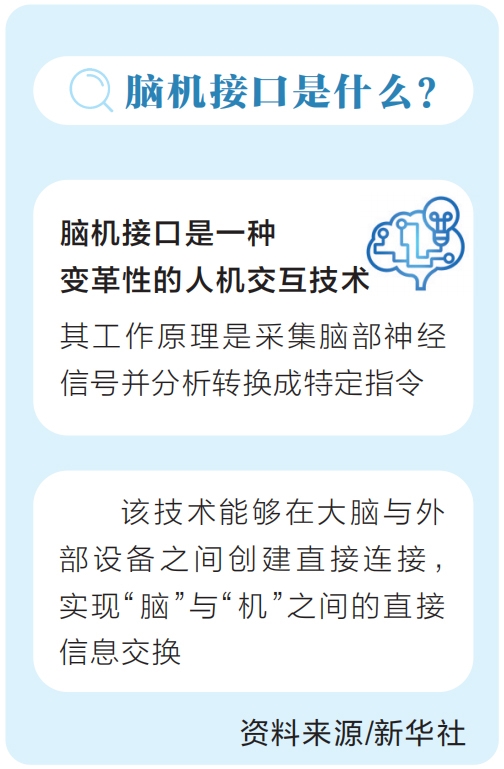
脑机接口技术

Search documents
脑机接口,大消息!
证券时报· 2025-06-29 05:05
Core Insights - Neuralink, a brain-machine interface company founded by Elon Musk, has showcased its latest research achievements and product development direction [1] Group 1: Clinical Trials and Patient Outcomes - Neuralink has implanted its N1 brain-machine interface in 7 patients, including 4 with spinal cord injuries and 3 with amyotrophic lateral sclerosis (ALS), enabling them to control computers using their thoughts [2] - One patient successfully controlled a cursor and performed tasks such as typing, browsing the web, managing emails, and playing games through the brain-machine interface [2] - Another patient utilized the brain-machine interface for professional work, including using CAD software for design tasks [2] Group 2: Funding and Financial Developments - In June, Neuralink completed a $650 million Series E funding round, with major investors including Ark Invest, DFJ Growth, Founders Fund, Lightspeed Venture Partners, Sequoia Capital, and Xingsheng Capital [2] - The funding aims to accelerate the dissemination of brain-machine interface technology to patients and promote future device innovations [2] Group 3: Market Potential and Growth Projections - The global brain-machine interface market is projected to reach $1.98 billion in 2023 and exceed $6 billion by 2028, with a compound annual growth rate (CAGR) of 25.22% [3] - In China, the brain-machine interface market is currently around 1 billion yuan, accounting for less than 10% of the global market share, but is expected to exceed 120 billion yuan by 2040, with an annual CAGR of approximately 26% [3] - Non-invasive brain-machine interfaces dominate the market, holding an 86% share, while invasive interfaces present significant potential due to high barriers to entry [3] Group 4: Regulatory and Policy Support - Recent policies in China are expected to accelerate the development of the brain-machine interface industry, including the establishment of national standards for non-invasive medical devices using brain-machine interface technology [4] - The National Medical Products Administration has proposed measures to optimize the regulatory process for high-end medical devices, including those based on brain-machine interface technology [5] - Action plans from Beijing and Shanghai aim to cultivate influential tech companies and promote the commercialization of brain-machine interface products across various sectors by 2030 [6]


夏季达沃斯论坛:安谋科技陈锋谈全球标准与本土芯片创新路径
Huan Qiu Wang· 2025-06-27 01:49
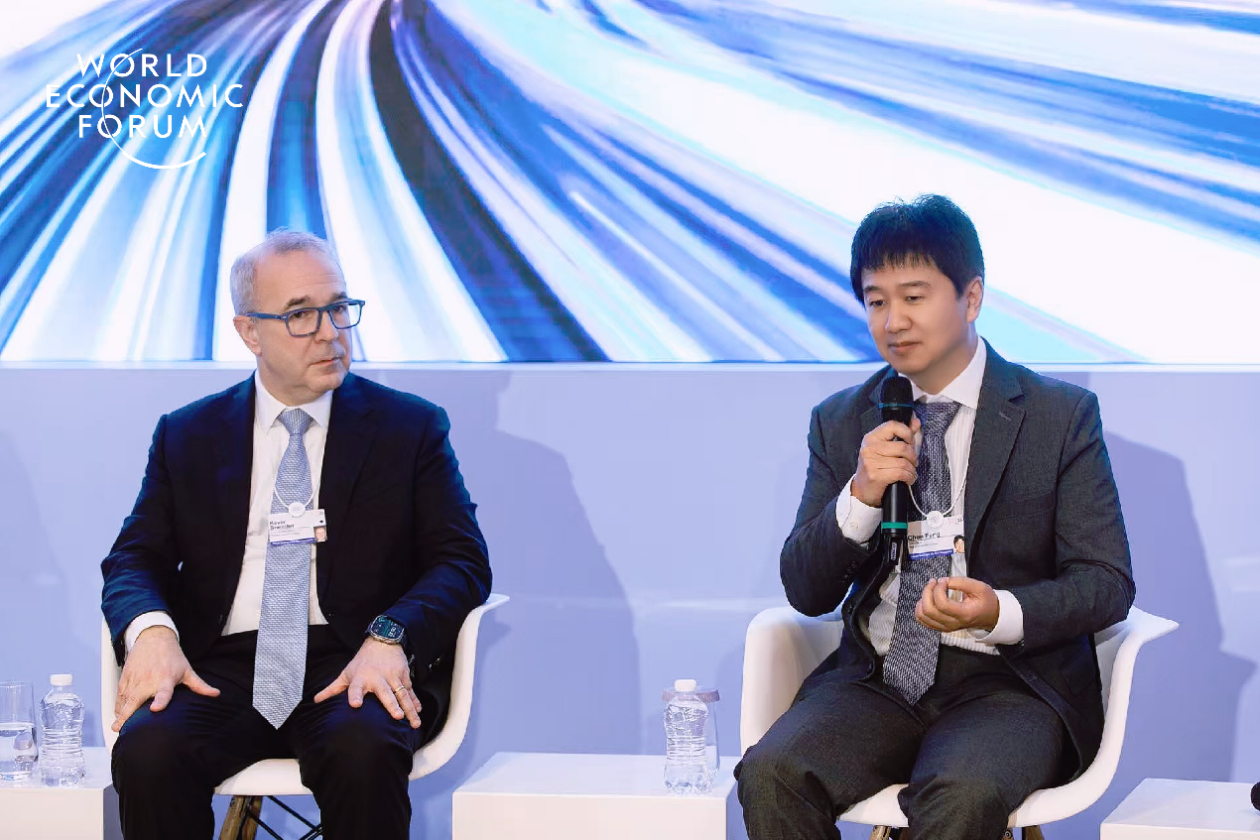
Group 1 - The World Economic Forum's 16th Annual Meeting of the New Champions, also known as the Summer Davos Forum, took place from June 24 to 26 in Tianjin, China, focusing on "Entrepreneurship in the New Era" and attracting over 1,800 leaders from politics, business, and academia from more than 90 countries and regions [1][3] - Chen Feng, CEO of Arm Technology (China) Co., Ltd., participated in a roundtable discussion on "Empowering New Breakthroughs in Chinese Technology," addressing topics such as industrial technological innovation and globalization [1][3] - The forum serves as a significant platform for dialogue among growth-oriented companies and industry leaders, providing insights into emerging market trends [3] Group 2 - Chen Feng highlighted that the global AI industry is transitioning from a technology competition phase to a scene-based implementation phase, emphasizing the importance of physical AI as a key development direction [3] - He discussed the potential of brain-computer interface technology as a disruptive breakthrough, detailing its critical dimensions, including silicon-based intelligence, carbon-based life, and neural interaction interfaces [3] - The company adheres to the philosophy of "global standards, local innovation," connecting with the Arm global ecosystem while focusing on local market demands to build a complete self-research IP supply chain [4] Group 3 - Arm Technology has authorized over 430 domestic clients, with cumulative chip shipments exceeding 37 billion units, and self-researched product chip shipments surpassing 900 million units [4] - The company holds over 200 core technology patents in its self-research business, reinforcing its position in the semiconductor industry [4] - The Summer Davos Forum addressed five core topics, including "Interpreting the Global Economy" and "China Outlook," aiming to provide multidimensional thinking for technological innovation [4]
安谋科技CEO陈锋受邀出席夏季达沃斯,分享产业升级与全球协作新思考
半导体芯闻· 2025-06-26 10:13
Core Viewpoint - The article highlights the participation of Arm Technology (China) CEO Chen Feng at the 16th Annual Meeting of the New Champions, emphasizing the importance of technological innovation and globalization in the development of the Chinese tech industry [1][2]. Group 1: Event Overview - The Summer Davos Forum, established in 2007, serves as a platform for dialogue among global growth enterprises and industry leaders, focusing on emerging market trends [2]. - This year's forum gathered over 1,800 leaders from politics, business, and academia from more than 90 countries, discussing how entrepreneurial spirit and technological innovation can drive global economic growth [2]. Group 2: Key Insights from Chen Feng - Chen Feng stated that the global AI industry has shifted from a technological competition phase to a critical stage of practical application [3]. - He identified "physical AI" as a significant development direction, integrating intelligent algorithms with physical hardware to create new pathways in robotics and embodied intelligence [3]. - Chen highlighted brain-machine interface technology as a potentially disruptive breakthrough, detailing its key dimensions: silicon-based intelligence layer, carbon-based life layer, and neural interaction interface [3]. Group 3: Globalization and Local Innovation - Chen emphasized the complementary nature of globalization and local innovation, advocating for companies to integrate into the global ecosystem while deeply exploring local customer needs [4]. - Arm Technology adheres to the principle of "global standards, local innovation," connecting with the global Arm ecosystem while focusing on domestic market demands [4]. - The company has over 430 authorized customers in China, with cumulative chip shipments exceeding 37 billion units, and self-developed product shipments surpassing 900 million units [4]. Group 4: Forum Themes and Future Directions - The forum addressed five core themes: "Interpreting the Global Economy," "China Outlook," "Industries in Transformation," "Investing in Humanity and the Planet," and "New Energy and Materials," providing multidimensional insights into technological innovation [4]. - As a key player in the semiconductor industry, Arm Technology aims to continue leading in technology and fostering collaborative innovation across the industry chain [5].
康哲药业拟在新加坡二次上市丨健讯Daily
2 1 Shi Ji Jing Ji Bao Dao· 2025-06-26 00:35
Group 1: Brain-Computer Interface Standards - The National Standard for Non-Invasive Medical Devices Using Brain-Computer Interface Technology is open for public consultation, aiming to establish performance indicators and testing methods for such devices [1] - The standardization is expected to enhance international cooperation and improve regulatory efficiency, addressing the rapid development in the non-invasive neural modulation sector [1] Group 2: Pharmaceutical Industry Innovation - The head of the National Medical Products Administration emphasized the importance of supporting drug and medical device R&D innovation to strengthen China's pharmaceutical industry [2] - Key strategies include early intervention, tailored guidance for enterprises, and promoting international multi-center clinical trials to synchronize the development and approval of innovative drugs and devices [2][3] Group 3: Clinical Trials and Approvals - Shenzhou Cell announced that its product SCTB39G received approval for clinical trials in advanced solid tumors [4] - Hanyu Pharmaceutical's subsidiary received approval for the listing of the raw material drug Acetate Degarelix, which is used for treating advanced prostate cancer [6] Group 4: Market Expansion and IPOs - Kangzhe Pharmaceutical plans a secondary listing in Singapore, reflecting a trend of pharmaceutical companies expanding into Southeast Asian markets [7] - Lianya Pharmaceutical's IPO application has been accepted, focusing on complex drug formulations and high-end generic drugs [9] Group 5: Strategic Collaborations - Bayer and Tsinghua University signed a strategic cooperation agreement to enhance research in various medical fields, aiming to accelerate drug innovation [11][12] Group 6: Clinical Trial Developments - Fuhong Hanlin announced the first patient enrollment in a bridging clinical trial for its drug H, which is approved for first-line treatment of small cell lung cancer in multiple countries [13] Group 7: Corporate Leadership Changes - Fosun Pharma held a shareholder meeting to elect new board members, appointing Chen Yuqing as chairman and Liu Yi as CEO [14]

早新闻|低空经济大消息
Zheng Quan Shi Bao· 2025-06-25 23:51
Macro Highlights - As of the end of May, the number of fixed internet broadband users with access speeds of 1000Mbps and above reached 223 million, with a net increase of 16.35 million users compared to the end of last year, accounting for 32.7% of total users [1] - The total number of fixed internet broadband users reached 682 million, with a net increase of 12.16 million users compared to the end of last year [1] - In May, national lottery sales reached 57.036 billion yuan, a year-on-year increase of 19.8%, primarily driven by increased sales of sports lottery due to numerous sporting events [1] Company News - BYD signed a cooperation agreement with voestalpine, a European steel manufacturer, for steel supply to its Hungary passenger car factory [6] - SAIC Group and CATL invested in the establishment of a power system company with a registered capital of 50 million yuan, focusing on battery sales and related services [7] - China Mobile's fund and other investors increased their stake in Seres Automotive, raising the registered capital from 10.305 billion yuan to 10.637 billion yuan [8] - DeMa Technology signed a sales contract worth 43.3888 million USD with a subsidiary of MercadoLibre for smart logistics systems [9] - Guangda Special Materials announced that it has achieved mass supply of materials for nuclear fusion superconducting coil armor [10] - ST Huamei's controlling shareholder will change to Jilin State-owned Assets Supervision and Administration Commission, with stock resuming trading on June 26 [11] - Zhongxin Saike received a dividend of 25 million yuan from its wholly-owned subsidiary [13] - Hangxiao Steel Structure signed a cooperation framework agreement for the Hongkan base project, with a planned first phase development of approximately 250 acres [13] - TuoJing Life Sciences' subsidiary obtained two medical device registration certificates [13] - Boshi Co. signed a product sales contract worth 116 million yuan with Rongsheng Petrochemical [14] - Hongjing Technology signed a 149 million yuan contract for computing power integration services [15]
规范产业发展,脑机接口技术即将有国家标准
Xuan Gu Bao· 2025-06-25 15:26
Group 1 - The National Medical Device Standardization Technical Committee is seeking public opinion on the project for the national standard titled "General Technical Conditions for Non-invasive Medical Devices Using Brain-Computer Interface Technology" [1] - The document outlines performance indicators and testing methods for non-invasive medical devices that utilize brain-computer interface technology, including data collection, decoding, external control devices, and user interaction [1] - The establishment of internationally aligned standards is expected to enhance international cooperation and improve regulatory efficiency, reducing difficulties and costs associated with inconsistent standards [1] Group 2 - The rapid development of the non-invasive neuromodulation field is attracting more companies to invest in the research and production of related products, necessitating standardized testing methods to regulate the industry and promote healthy market competition [1] - Brain-computer interface technology is recognized as a key technology for human-machine interaction and hybrid intelligence, with applications expanding across various fields such as bionics, medical diagnosis and intervention, and consumer electronics [1] - Innovation Medical has a stake in Boling Brain Machine (Hangzhou) Technology Co., Ltd., which focuses on the research and clinical application of brain-computer interface technology [1] - Cheng Yi Tong has developed a transcranial magnetic navigation system and a magnetic stimulation device for the brain, collaborating with well-known universities to establish a smart rehabilitation joint laboratory [2]
熵基科技(301330) - 301330熵基科技投资者关系管理信息20250625
2025-06-25 11:16
Group 1: Company Overview and Business Strategy - The company aims to enhance market competitiveness through AI technology and brand influence, targeting revenue growth aligned with high equity incentive goals [2] - Focus on optimizing product and business structure, controlling costs, and improving operational efficiency to achieve performance growth [2] Group 2: Brain-Machine Interface (BMI) Technology - The company is exploring non-invasive BMI technology, particularly in the fields of elderly care, healthcare, and education [2][4] - Utilizes multi-modal data fusion technology ("EEG + EOG + EMG") to overcome precision limitations of traditional single-modal devices [2] Group 3: Applications in Education - Launching non-invasive brain-computer interface products aimed at enhancing focus among youth through interactive games and real-time EEG signal collection [3] Group 4: Partnerships and Collaborations - Established a long-term partnership with Workday to provide payroll calculation services for various sectors, enhancing operational efficiency for clients [5] Group 5: Mergers and Acquisitions - Ongoing audit of financial indicators related to the acquisition of "Longzhiyuan," with expectations of synergistic effects in product, technology, and market resources [6] Group 6: Ralvie AI Business Model - Ralvie AI focuses on work management and operational efficiency, quantifying employee work time and efficiency as a basis for performance evaluation [7] Group 7: Mars Wisdom Solutions - Mars Wisdom leverages advanced AI technologies to address semantic understanding, visual analysis, and data retrieval challenges, integrating with existing business platforms for enhanced service delivery [8] Group 8: Investor Relations Activity - The investor relations activity did not involve any undisclosed significant information [9]

新华财经晚报:6月中期流动性净投放总额已达3180亿元
Xin Hua Cai Jing· 2025-06-25 09:54
【重点关注】 ·央行开展3000亿元MLF操作 6月中期流动性净投放总额已达3180亿元 ·《采用脑机接口技术的医疗器械非侵入式设备通用技术条件》国家标准立项申请公开征求意见 ·国泰君安国际正式获批提供加密货币等虚拟资产交易服务 【国内要闻】 ·6月25日上午,国务院总理李强在天津出席2025年夏季达沃斯论坛开幕式并致辞。李强表示,当前国际 经贸格局正在发生深刻变化。经贸体系更趋多元,全球南方力量快速崛起;传统贸易增速放缓,新兴贸 易逆势增长;全球性机制受到冲击,区域协作日渐增多;跨境投资波动下行,产供链碎片化风险上升。 我们应当顺应正道和大势,拿出智慧和担当,采取积极的态度和建设性的行动,坚定不移拥抱普惠包容 的经济全球化,维护自由贸易和多边主义,促进世界经济稳定发展。 ·中共中央政治局委员、国务院副总理何立峰23日至24日在河北调研时指出,要加快构建全国统一大市 场,积极扩大内需提振消费,加快构建房地产发展新模式,因地制宜发展新质生产力,更好推动经济高 质量发展。今年以来,我国经济顶住压力保持向好态势,社会信心持续提振。要持续推动大宗耐用消费 品以旧换新政策落地见效,有力有效稳定市场预期。各相关城市可从实 ...
搭起“连心桥” 铺就“融合路”
Ren Min Ri Bao Hai Wai Ban· 2025-06-23 23:02
Group 1 - The core theme of the 17th Cross-Strait Forum is "expanding civil exchanges and deepening integrated development," featuring 56 activities across youth, grassroots, culture, and economy [1] - The forum highlights the emotional and cultural ties between the people of Taiwan and the mainland, emphasizing the shared heritage and the importance of understanding the true mainland to break the misinformation barrier in Taiwan [2][3] - The participation of Taiwanese youth in rural development and cultural exchanges is seen as a significant aspect of cross-strait integration, with examples of successful collaborations shared during the forum [3][5] Group 2 - The forum included discussions on various collaborative initiatives, such as enhancing cross-strait worker innovation, improving technical skills, and promoting traditional Chinese medicine [5] - The integration of advanced technologies, particularly artificial intelligence, in cultural and economic sectors was a prominent topic, with calls for both sides to leverage these technologies for cultural promotion and improving living standards [6] - The event served as a platform for Taiwanese businesses to explore opportunities in the mainland market, encouraging them to integrate into the mainland's industrial and innovation chains [6]

首页脑机接口让意念操控不再是科幻
He Nan Ri Bao· 2025-06-23 22:46
Group 1 - The core focus of the article is on the advancements in brain-computer interface (BCI) technology, particularly its application in rehabilitation for patients with paralysis, showcasing the integration of human brain signals with precision instruments [3][4]. - The company, Xiangyu Medical, is a leading player in the rehabilitation medical industry in China, holding the largest market share for its core product series [5]. - Xiangyu Medical has independently developed key components in BCI technology, including hardware, chips, electrodes, algorithms, and rehabilitation devices, making it a pioneer in the practical application of BCI technology in the country [5]. Group 2 - The article highlights the rapid development of BCI technology in China, emphasizing its transition from laboratory research to clinical applications, supported by government initiatives to foster future industries [4]. - A significant project mentioned is the collaboration between Xiangyu Medical and Nankai University, aiming to develop a modular rehabilitation robot system by the end of 2027, which will enhance comprehensive rehabilitation training and brain function coordination [4]. - The company is also involved in a national key research and development project that aims to improve the precision of remote operations in aerospace by establishing a neural response model, expected to be completed by the end of next year [4].