
自主创新

Search documents
国投丰乐:公司将进一步提升自主创新能力
Zheng Quan Ri Bao· 2025-11-06 07:37
Core Insights - The core competitiveness of seed industry enterprises lies in varieties and technology [2] - The company aims to enhance its independent innovation capabilities and increase R&D investment in breeding technology, biotechnology, and information technology [2] - The goal is to develop core technologies with independent intellectual property rights, strengthen the company's capabilities, expand market scale, and participate in international market competition [2]


中国创新何以“柳暗花明”(评论员观察)
Ren Min Ri Bao· 2025-11-05 22:11
Group 1 - Innovation is a process of exploring the unknown, which cannot be achieved overnight; it requires bold attempts and the acceptance of mistakes [1][2] - Resource constraints can limit innovation but can also drive it; the key to breaking through is transforming "stumbling blocks" into "stepping stones" [3][4] - Difficulties often inspire significant mental strength and determination, as seen in the development of advanced military aircraft despite financial hardships [4] Group 2 - Companies like Yushutech and BYD exemplify how overcoming initial challenges can lead to significant advancements in technology and market reputation [1][2] - The release of domestically developed technologies, such as the 90 GHz real-time oscilloscope, demonstrates the ability to break through foreign technological barriers [1] - The experience of Chinese companies shows that resource limitations can lead to innovative breakthroughs by returning to the essence of technology and finding alternative paths [3][4] Group 3 - The Chinese government's emphasis on enhancing the national innovation system and autonomous innovation capabilities indicates a strategic focus on technological advancement [5] - The historical context of China's innovation journey highlights the resilience and determination required to achieve significant technological progress despite various constraints [4][5]

深圳市一博科技股份有限公司关于披露简式权益变动报告书的提示性公告
Shang Hai Zheng Quan Bao· 2025-11-05 19:45
Core Viewpoint - Shenzhen Yibo Technology Co., Ltd. announced a reduction in shareholding by its shareholder, Shenzhen Lingyu Jicheng Equity Investment Partnership, which now holds less than 5% of the company's shares, thus no longer being classified as a major shareholder [3][4][7]. Group 1: Shareholding Changes - The shareholder Lingyu Jicheng reduced its holdings from 5.7490% to 4.999999%, selling a total of 1,569,380 shares through centralized bidding from September 25 to November 5, 2025 [4][5]. - Following this reduction, Lingyu Jicheng now holds 10,476,808 shares, which is below the 5% threshold [3][4]. - The change in shareholding does not affect the company's controlling shareholder or actual controller, and it will not have a significant impact on the company's ongoing operations [3][7]. Group 2: Patent Acquisition - The company has recently obtained an invention patent certificate (No. 8325655) for a circuit that generates a reference clock in a PCIE fixture, which was applied for on May 18, 2022, and announced on October 3, 2025 [10][11]. - This patent represents the company's independent research and development achievements and is relevant to its main business operations [11]. - While the patent acquisition is not expected to have a major immediate impact on production and operations, it supports ongoing innovation and strengthens the company's competitive edge in the market [11].
中国打破美日垄断!10万吨超纯铁仅含8公斤杂质,核心技术终突破
Sou Hu Cai Jing· 2025-11-05 02:15
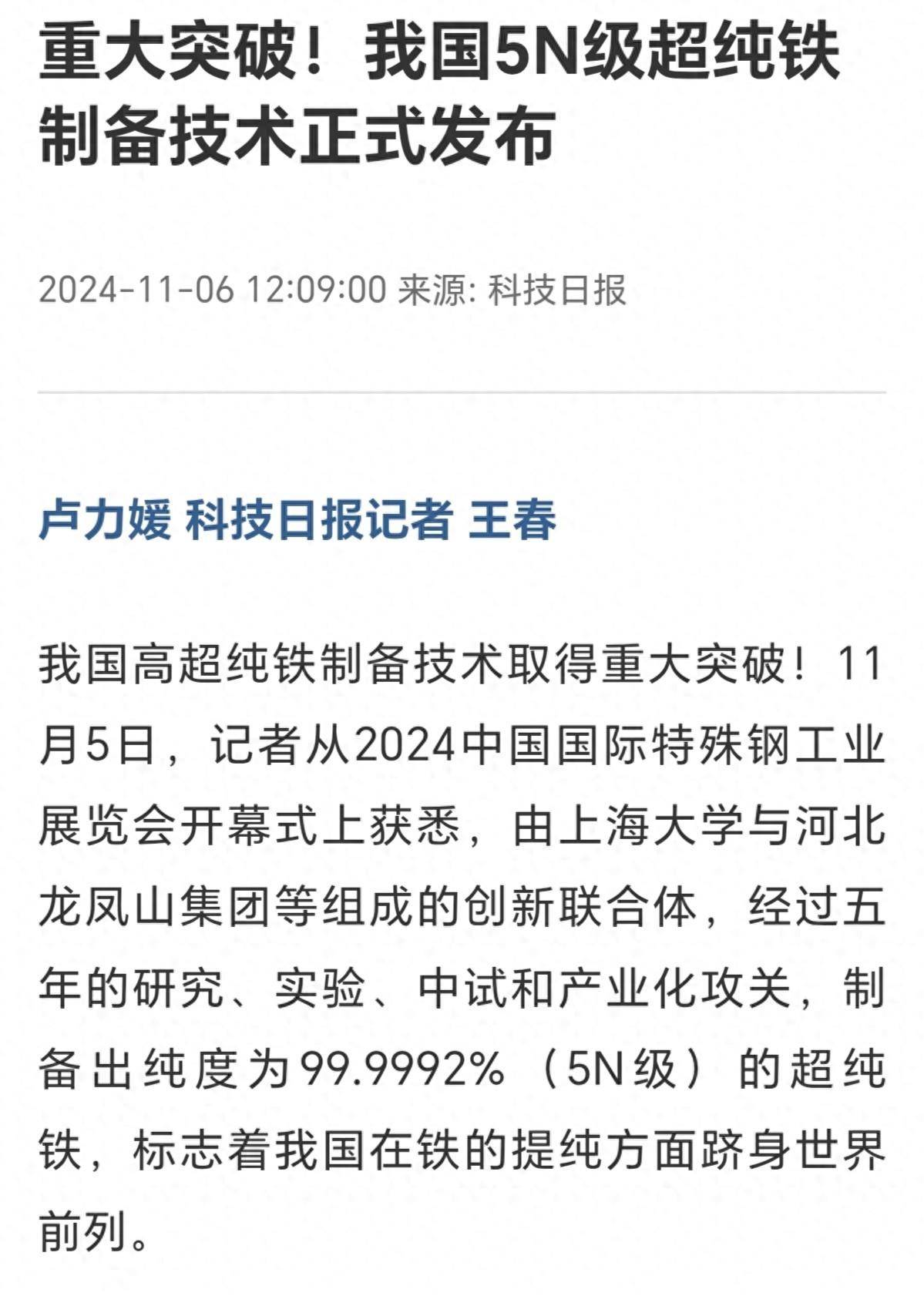
在材料科学的巍峨殿堂中,一项堪称"材料界珠穆朗玛峰"的技术难关——超纯铁的制备,长期以来如同悬在中国高端制造业头顶的达摩克利斯之剑。这一看 似略显专业的名词,实则关乎着国家战略性新兴产业的命脉。长期以来,这项关键技术被美国和日本两国牢牢掌握,如同为我国航空航天、半导体等尖端领 域发展设下的一道无形枷锁,严重制约了其前进的步伐。 然而,令人振奋的消息传来,这道长期存在的科技壁垒已被彻底打破!上海大学与河北龙凤山铸业有限公司的联合研发团队,凭借非凡的智慧与不懈的努 力,成功研制出纯度高达99.9992%的超纯铁。这一数字的背后,蕴含着惊人的意义——这相当于在十万吨铁矿石中,仅存八公斤的杂质!这一里程碑式的 突破,标志着中国一举跻身于全球超纯铁制备技术的领先阵营。 要深刻理解这项突破的非凡价值,我们首先需要厘清"超纯铁"究竟为何物。在日常生活中,我们接触到的绝大多数铁制品都不可避免地含有相当数量的杂 质。工业界通常按照纯度将铁划分为六个等级:99%的2N级和99.9%的3N级,被称为工业纯铁;99.99%的4N级则称之为高纯铁;而唯有纯度达到5N级 (99.999%)及以上,方能被冠以"超纯铁"之名。 在此之前,我 ...
瑞银中国经济学家张宁:未来产业目前规模偏小,但是非常重要的潜能所在
Zhong Guo Jing Ji Wang· 2025-11-04 06:59
Group 1 - The core viewpoint emphasizes China's goal to reach a per capita GDP of $25,000 to $30,000 by 2035, requiring an average annual nominal GDP growth of over 6% in the next decade [1] - The document highlights the importance of maintaining a reasonable proportion of the manufacturing sector, indicating that advanced manufacturing will be the backbone of the modern industrial system [2] - The focus on four key areas includes strengthening the global competitiveness of traditional industries, prioritizing strategic emerging industries, identifying potential future industries, and enhancing new infrastructure construction [2] Group 2 - The emphasis on innovation includes enhancing self-innovation capabilities, accelerating high-level technological independence, and focusing on key core technologies such as integrated circuits and advanced materials [3] - Research and development investment as a percentage of GDP is projected to increase from approximately 2.7% last year to over 3.2% by 2030 [3] - The development of artificial intelligence is highlighted as a dual focus on expanding computational power and algorithms while also applying AI across various industries, referred to as the "AI+" initiative [3]
坚定走高水平科技自立自强之路
Jin Rong Shi Bao· 2025-11-04 00:53
《中共中央关于制定国民经济和社会发展第十五个五年规划的建议》(以下简称《建议》)提 出"建设现代化产业体系,巩固壮大实体经济根基""加快高水平科技自立自强,引领发展新质生产力"等 要求。 分析人士认为,与"十四五"规划相比,《建议》进一步强化了"科技自立自强"的要求。基于全会对 形势的判断,意味着"十五五"期间我国必须实现科技自立自强,强化产业链安全。 "中国式现代化要靠科技现代化作支撑。'十五五'时期,中国必须更加坚定地走高水平科技自立自 强之路,巩固拓展优势,破除瓶颈制约,补短板强弱项,在激烈的国际竞争中赢得战略主动。"中银证 券全球首席经济学家管涛表示。 建设现代化产业体系 为高质量发展注入持久动能 《建议》将"建设现代化产业体系,巩固壮大实体经济根基"摆在战略任务的第一条。 产业是实体经济发展的物质基础。我国已经是制造业强国,传统产业增加值在制造业中占比80%左 右,是我国产业体系的基本盘。同时,新兴产业正成长为经济增长新引擎。2024年,我国"三新"经济增 加值占国内生产总值比重已经超过18%。 在此背景下,《建议》部署了四方面重点任务。"可以从'固本升级、创新育新、扩容提质、强基增 效'来把握。" ...

超越北京上海,深圳登顶“专精特新第一城”!
3 6 Ke· 2025-11-04 00:07
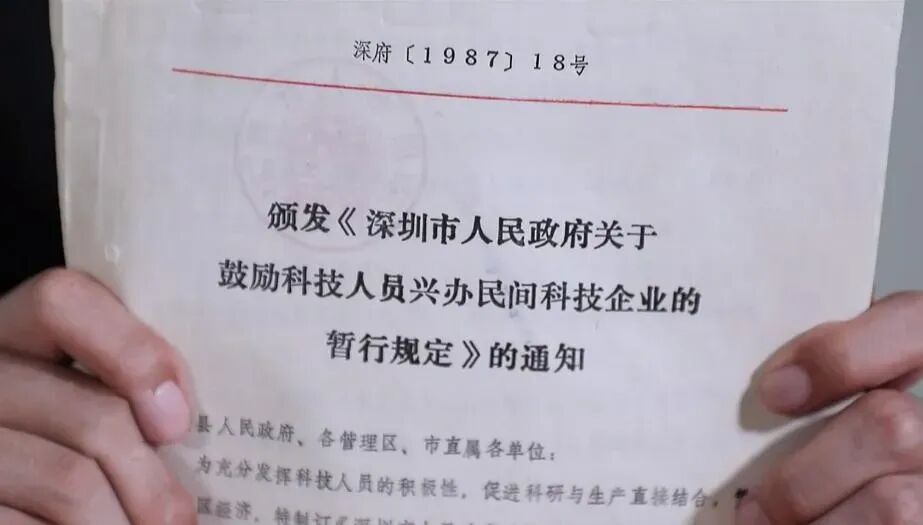
Core Insights - Shenzhen has emerged as the "first city of specialized, refined, unique, and innovative small giants" in China, surpassing other major cities in the number of national-level specialized small giant enterprises [1][7][21] - The city has a total of 1,025 national-level specialized small giant enterprises as of 2024, with a significant increase in the number of new enterprises each year [7][21] - Shenzhen's innovation model is market-driven, focusing on solving real-world problems rather than relying solely on academic research [8][12] Historical Context - In 1987, Shenzhen issued the "Document No. 18," encouraging the establishment of private technology enterprises and clarifying property rights, which laid the foundation for companies like Huawei [3][4] - The city faced a technological void in the 1980s, with minimal academic resources, but the introduction of supportive policies catalyzed the growth of the tech sector [3][4] Key Developments - The "specialized, refined, unique, and innovative small giant" enterprise cultivation plan was initiated by the Ministry of Industry and Information Technology in 2018, further promoting innovation among small and medium-sized enterprises [5][7] - Shenzhen's government has adopted a supportive role, creating an environment conducive to innovation rather than directly controlling it [14][21] Innovation Ecosystem - Shenzhen's innovation is characterized by a high density of high-tech enterprises, with over 25,000 national high-tech companies and an average of 12 companies per square kilometer [9][10] - The average R&D intensity of Shenzhen's small giant enterprises is 7.63%, with annual R&D funding averaging 33.39 million yuan, surpassing national averages [10] Government Support - The Shenzhen government has implemented various measures to support innovation, including opening application scenarios for new technologies and providing financial incentives for recognized enterprises [15][20] - The city has established investment platforms to support early-stage companies, significantly increasing their survival rates [19][20] Conclusion - Shenzhen's success in fostering innovation and entrepreneurship demonstrates that a city can thrive without relying solely on prestigious academic institutions or subsidies, emphasizing the importance of market freedom and trust in enterprises [21]

中国又一匹黑马出世!西方巨头纷纷力求合作,这项黑科技有多牛?
Sou Hu Cai Jing· 2025-11-03 16:48
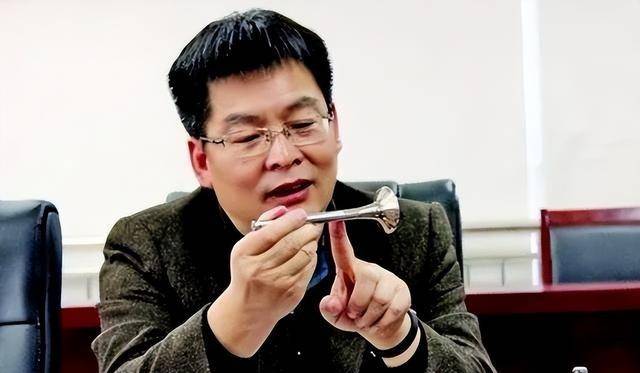
中国制造业这些年的进步,总有那么些技术让人觉得眼前一亮,就比如这个豪克能技术。它不是天上掉 下来的馅饼,而是实打实从基层车间里钻研出来的。赵显华这个人,早年在济南的国营工厂里干金属加 工,积累了不少经验。 那时候,中国高端制造领域还挺依赖国外设备,金属表面处理多用抛光或喷丸这些老办法,效果一般, 零件硬度不够高,容易疲劳损坏,使用寿命短。赵显华看到这些问题,就开始琢磨怎么改进。 2003年,他在一项科研试验中发现了激活能和冲击能复合的办法,搞出了豪克能技术。这东西能在室温 下处理金属表面,让硬度提升20%以上,疲劳寿命直接延长百倍,还不用加热,节能环保。 刚开始,这技术没人看好,国内专家觉得传统工艺够用就行。赵显华没灰心,自己掏钱做实验,参加展 会,用样品数据说服人。 到2006年,山东华云机电科技有限公司正式专注推广这项技术。公司其实从1993年就成立了,原先做振 动时效设备,后来转到豪克能上。团队一步步优化,积累专利147项,其中发明专利46项。 赵显华作为发明人,带队攻关,补上了中国金属强化领域的短板。早期推广难,资金少,用户不多,但 他坚持下来,市场渐渐打开。现在,这技术不光是加工工具,更是一种能量转 ...
华为旗下鸿蒙麒麟海思昇腾齐聚高交会 国家尖端科技成果凸显高水平自立自强
Sou Hu Cai Jing· 2025-11-03 10:09
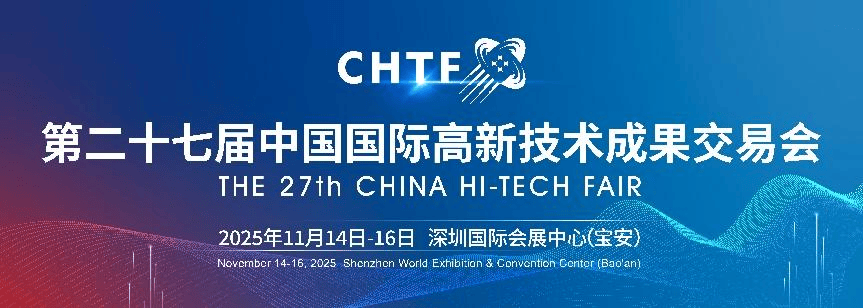
Core Viewpoint - Huawei's advanced technologies, including HarmonyOS, Kirin chips, HiSilicon semiconductors, and Ascend AI, collectively showcased at the 27th China International High-Tech Achievements Fair, represent China's significant breakthroughs in the semiconductor and operating system ecosystems amid global technological competition [1][2]. Group 1: Event Overview - The 27th China International High-Tech Achievements Fair will take place from November 14-16, 2025, at the Shenzhen International Convention and Exhibition Center, highlighting China's latest technological innovations [2]. - Since its inception in 1999, the fair has evolved into a crucial platform for showcasing China's technological advancements and fostering innovation [4][11]. Group 2: Huawei's Technological Innovations - HiSilicon, Huawei's semiconductor company, focuses on chip design across various fields, contributing to the advancement of China's semiconductor industry and achieving self-sufficiency in high-end chip design [4]. - The Kirin chip, designed by HiSilicon, serves as the technological foundation for Huawei's hardware ecosystem, driving progress in domestic chip design and manufacturing [5]. - The Ascend series AI processors provide significant computational power, essential for AI model training, and support the development of China's AI industry [7]. - HarmonyOS, as the third-largest mobile operating system globally, ensures complete autonomy from kernel to application layer, covering over 1 billion devices and enhancing China's digital infrastructure [7]. Group 3: Importance of the Fair - The fair serves as a vital platform for the exchange of high-tech achievements and promotes China's self-reliance in technology [11]. - It integrates resources from government, industry, academia, and research, fostering a collaborative ecosystem for innovation and technological advancement [11]. - The event features over twenty exhibition areas focusing on cutting-edge technologies and strategic emerging industries, showcasing the forefront of technological innovation [9].
格力电器2025年三季报:单季利润率创历史同期新高海外自主品牌占比跃升至70%中期分红55.85亿元
Xin Lang Cai Jing· 2025-11-03 09:11
Core Insights - Gree Electric's total revenue for the first three quarters of 2025 was 137.65 billion yuan, a year-on-year decrease of 6.62%, while net profit attributable to shareholders was 21.46 billion yuan, down 2.27% [1] - The company plans to distribute a cash dividend of 10 yuan per 10 shares, totaling 5.585 billion yuan, which accounts for 26.02% of the net profit for the period [1][5] - Gree's self-owned brand market share in split air conditioners reached 70% in 2024, up from less than 30% in 2015, marking a significant rise in the brand's global standing [1][4] Financial Performance - Gree's net profit margin for the first three quarters of 2025 was 15.59%, an increase of 0.69 percentage points year-on-year [1] - In Q3 2025, the net profit reached 7.05 billion yuan, with a net profit margin of 17.61%, setting a historical high for the same period [1] Innovation and Technology - Gree has made multiple technological breakthroughs and product innovations in Q3 2025, emphasizing a "technology-driven" approach to meet consumer demands [2] - The launch of solar-powered air conditioners represents a new dual power supply model, showcasing Gree's commitment to green energy and advanced comfort technologies [3] Market Expansion - Gree has accelerated its national store layout, with a total of 1,012 stores across various cities, enhancing its market presence [4] - The company has established a strong foothold in international markets, with leading market shares in countries like Canada, Brazil, and Saudi Arabia [4] Shareholder Returns - Gree has consistently maintained high dividend payout ratios, with recent distributions of 44.60%, 41.58%, and 26.02% in 2025, significantly higher than industry peers [5] - Cumulatively, Gree has returned over 177.6 billion yuan to shareholders since its listing, reinforcing its commitment to shareholder value [5]
