光伏反内卷

Search documents
四川大决策投顾 :指数延续震荡格局 情绪强分歧或是低吸良机
Sou Hu Cai Jing· 2025-08-20 12:55
盘前投资策略 四川大决策投顾 核心观点: 指数短期或延续震荡格局 情绪强分歧或是低吸良机 2025-08-20 行情回顾 国际方面:美股周二三大指数收盘涨跌不一,纳指跌1.46%,标普500指数跌0.59%,道指涨0.02%。热 门中概股普跌,纳斯达克中国金龙指数收跌0.9%。 A股方面:周二沪深创三大股指全天宽幅震荡,收盘均微跌,日K线报收十字星。盘面出现分歧,个股 涨多跌少,涨跌比为2984:2255。板块方面,动物保健、钨、白酒、机器人、减速器等涨幅居前,保 险、兵装重组概念、地面兵装、钴、玻璃玻纤、半导体材料、航空装备等跌幅居前。沪深两市全天成交 额2.59万亿,较上个交易日缩量1758亿,成交额连续5个交易日超2万亿。 周二市场资金主要流向白酒板块,驱动因素是:消息面上,据报道,高层强调,要进一步提升宏观政策 实施效能,深入评估政策实施情况,及时回应市场关切,稳定市场预期。要抓住关键着力点做强国内大 循环。持续激发消费潜力,系统清理消费领域限制性措施,加快培育壮大服务消费、新型消费等新增长 点。 主力动向 1、大盘成交量 周二上证指数单边成交10609亿元,深成指单边成交15275亿元,沪深两市全天 ...

多部门联合召开光伏反内卷座谈会!光伏反内卷全面升级,光伏龙头ETF(516290)V型反转翻红,连续2日吸金!剧烈阵痛后,光伏板块如何修复?
Sou Hu Cai Jing· 2025-08-20 09:22
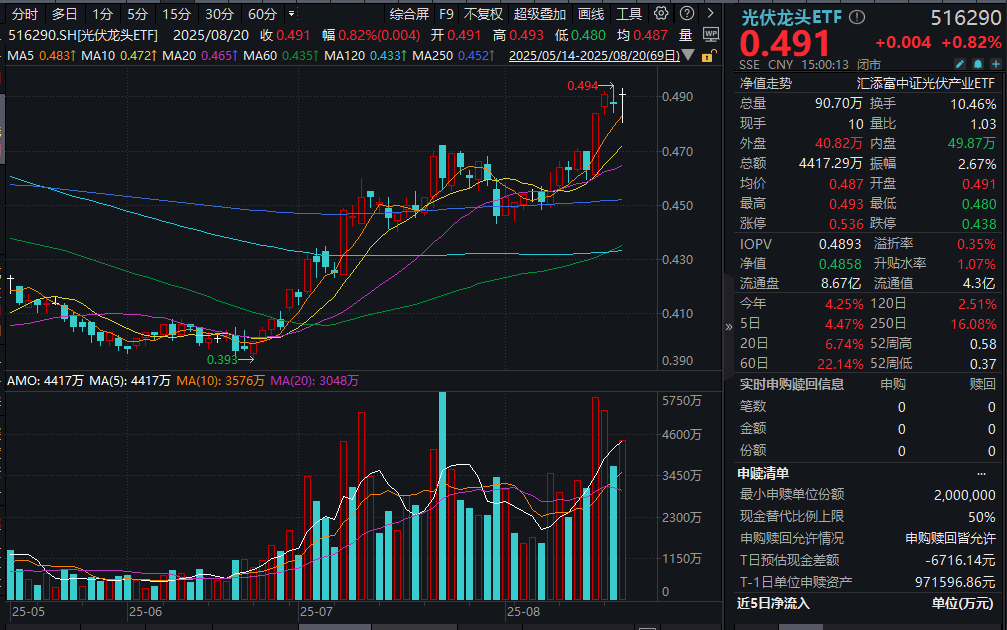
Core Viewpoint - The photovoltaic sector is undergoing a significant recovery phase after experiencing severe challenges, with industry self-discipline and regulatory measures contributing to a more balanced supply-demand relationship [6][8][11]. Group 1: Market Performance - The photovoltaic leader ETF (516290) experienced a V-shaped reversal, closing up 0.82% after a volatile afternoon session, with over 25 million yuan in inflows for two consecutive days [1]. - Most component stocks of the photovoltaic leader ETF saw gains, with notable performances from companies like Lianhong Xinke, which hit the daily limit, and others like TCL Technology and Longi Green Energy showing positive growth [2][3]. Group 2: Industry Regulation and Self-Discipline - A recent meeting on August 19 emphasized the need for stricter regulation in the photovoltaic industry, focusing on managing project investments, curbing low-price competition, and ensuring product quality [4]. - The photovoltaic industry has seen a collective effort from 33 companies to sign a capacity self-discipline agreement, and major glass manufacturers have announced a 30% production cut to stabilize the market [5][8]. Group 3: Price Recovery and Profitability - The price of polysilicon, a key upstream material, has rebounded from a low of 35 yuan/kg in June 2025 to over 40 yuan/kg recently, indicating a potential improvement in profitability for upstream companies [9]. - The recovery in upstream prices is expected to provide cost support for downstream battery and module sectors, creating opportunities for profit restoration [9]. Group 4: Future Outlook - The photovoltaic sector is anticipated to continue its recovery, with the current price increases viewed as a response to previous significant declines, suggesting further upside potential as supply-side adjustments take effect [11]. - The photovoltaic leader ETF (516290) is highlighted as a low-fee investment option, with management fees at 0.15% and custody fees at 0.05%, significantly lower than the market average [11].
弘元绿能上半年减亏至2.97亿,折射光伏“反内卷”任重道远 | 看财报
Tai Mei Ti A P P· 2025-08-20 08:18
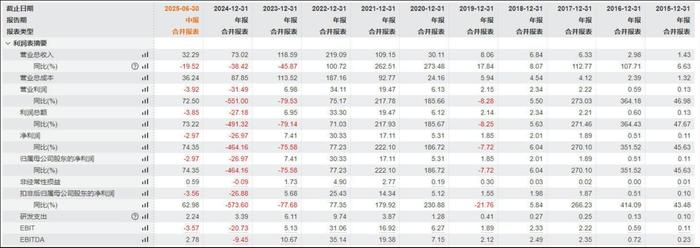
Core Viewpoint - The company, Hongyuan Green Energy, is facing significant challenges due to oversupply in the photovoltaic industry, leading to a 19.52% decline in revenue and a net loss of 297 million yuan in the first half of the year, although the loss has narrowed significantly compared to previous periods. The company is shifting its focus to overseas markets and plans to participate in the restructuring of Wuxi Suntech, which may help accelerate its global expansion [1][2][5]. Financial Performance - Hongyuan Green Energy reported a revenue of approximately 3.229 billion yuan in the first half of the year, a year-on-year decrease of 19.52% [2]. - The net profit attributable to shareholders was approximately -297 million yuan, representing a significant reduction in losses by 74.35% compared to the previous year [2][4]. - The company recorded an asset impairment loss of 95.09 million yuan, with inventory write-down losses amounting to 87.40 million yuan [2]. Market Strategy - In response to intense competition in the photovoltaic sector, Hongyuan Green Energy is targeting international markets. The company has signed a cooperation agreement with Jiangsu Shunfeng Photovoltaic Technology Co., Ltd. to manage production and operations, and it intends to invest in the restructuring of Wuxi Suntech [5][8]. - Wuxi Suntech, a pioneer in the international photovoltaic market, has a global sales network covering over 100 countries and regions, which could provide Hongyuan Green Energy with valuable channels for expansion [5]. Industry Context - The photovoltaic industry is currently under pressure, with a significant oversupply leading to declining prices and inventory impairment. Despite a temporary rebound in polysilicon prices due to policy expectations, the overall supply-demand situation remains unclear [1][12]. - The first half of 2025 saw a surge in new installations in China, driven by policy incentives, but this was followed by a sharp decline in June as the policy window closed [9]. - The industry is experiencing a shift from price competition to value competition, focusing on product quality, technological innovation, and service capabilities, as part of a broader effort to achieve sustainable development [11].

港股概念追踪 | 光伏“反内卷”加码!产业链景气度向上将获得更强持续性(附概念股)
智通财经网· 2025-08-19 23:22
Core Viewpoint - The recent meeting held by multiple government departments emphasizes the need for stronger regulation in the photovoltaic (PV) industry, aiming to eliminate low-price competition and manage project investments effectively [1][2]. Industry Overview - The PV industry is experiencing a significant price increase since July 2025, with polysilicon prices rising by 22.22% and 27.54% for dense and granular silicon respectively compared to early June [2]. - Prices for silicon wafers and battery cells have also seen substantial increases, with 183N wafers rising to 1.20 RMB per piece (up 26.32%) and battery cell prices exceeding 15% compared to June [2][3]. Supply-Side Dynamics - The industry is focusing on two main strategies: addressing below-cost sales and consolidating production capacity. Initial success has been noted in curbing low-price competition, leading to increased prices for polysilicon and wafers [3][5]. - The current polysilicon production capacity exceeds 3 million tons, with 75% of this capacity being newly established since 2022. The focus will be on phasing out high-cost, outdated production capacity [3][6]. Demand-Side Considerations - Demand for PV products is expected to remain stable in the second half of 2025, but uncertainties loom for 2026, with global demand growth anticipated to decline. This necessitates strict control over supply to manage inventory levels effectively [4][6]. - Recent data indicates a rise in bidding volumes for N-type products, with prices reaching 0.7 RMB/W or higher, although overall bidding volumes have decreased significantly year-on-year [4]. Company Insights - **Kaisun New Energy (01108)**: The company is engaged in the R&D, production, and sales of new energy materials, with a recent investment of approximately 1.399 billion RMB for a new photovoltaic component project [6]. - **GCL-Poly Energy (03800)**: The company reported a 24.7% increase in polysilicon sales in 2024, with a notable rise in granular silicon production and a significant reduction in cash costs, showcasing strong competitive advantages [6]. - **Xinyi Solar (00968)**: The company has maintained its photovoltaic glass production capacity while seeking to diversify its overseas production to meet market demands, with a projected 10.3% decrease in domestic production for 2025 [7].
华泰证券:关注BC产业链、TOPCon领先企业,以及辅材龙头
Mei Ri Jing Ji Xin Wen· 2025-08-19 00:17
Core Viewpoint - The current "anti-involution" measures in the photovoltaic industry have shown initial effectiveness, with significant price increases in silicon materials and wafers since early July 2025, and a recovery in battery and module prices [1] Group 1: Industry Trends - The price of silicon materials and wafers has risen significantly since the implementation of "anti-involution" measures [1] - Battery and module prices have also shown signs of recovery, indicating a positive trend in the photovoltaic sector [1] Group 2: Supply-Side Reforms - Silicon materials are identified as a key focus for supply-side reforms, with energy consumption control and capacity storage being advanced simultaneously [1] - The introduction of new technologies is accelerating the elimination of outdated production capacity, which is crucial for the industry's long-term health [1] Group 3: Investment Opportunities - Attention is recommended on the silicon material segment, particularly on leading companies in the BC industry chain and TOPCon technology, as well as leading auxiliary material firms [1]

光伏行业研究框架培训
2025-08-18 15:10
Summary of the Solar Industry Conference Call Industry Overview - The solar industry value chain includes silicon materials, silicon wafers, solar cells, and modules, with similar supply-demand dynamics across these segments, influenced by profitability pressures in the module segment [1][3][15] - Inverters, brackets, and energy storage devices, which directly serve power plants, have relatively better profitability [1][4] Key Points and Arguments Silicon Material Segment - High technical barriers and significant price volatility characterize the silicon material segment, with leading companies adopting different technological routes [1][5] - Major players like Tongwei and Xiexin represent two distinct technological paths: improved Siemens method and silane fluidized bed method [5] - Investment for a production capacity of 10,000 tons ranges from 600 to 800 million yuan, with a construction period of about 1.5 years [5] Silicon Wafer Segment - The silicon wafer production process has completed major technological changes, with a current investment of approximately 150 to 200 million yuan per GW [6] - The segment faces intense competition and has seen a decline in profitability due to an oversupply of raw materials [6] Solar Cell Segment - The solar cell segment is critical for photovoltaic power generation, focusing on improving conversion efficiency [7][8] - The mainstream technology has shifted to TOPCon, which now holds over 90% market share, while PERC technology is nearing obsolescence [8] Module Production Segment - Module production involves assembling solar cells and requires strong brand power due to the long outdoor usage period [9] - Companies with better market positioning, especially in regions with trade barriers like the U.S., tend to have higher profitability [9] Supporting Materials - The encapsulation film segment is dominated by Foster, which holds over 50% market share, making it difficult for smaller players to remain profitable [10] - The solar glass segment is characterized by high investment costs and long construction periods, with major players like Flat and Xinyi controlling 50% to 60% of the market [11] Inverter Segment - The inverter market is divided into centralized and string inverters, with leading companies like Huawei and Sungrow dominating the centralized inverter market [12][13] - Energy storage inverters are gaining attention due to their higher value and profitability compared to standard inverters [14] Supply-Demand Dynamics - The solar industry is significantly influenced by supply-demand relationships, with optimistic global demand projections of around 1,000 GW of installed capacity over the next 30 years [3][18] - The industry is transitioning to a parity era, where solar power can compete with coal without subsidies [16][17] Current Industry Trends - The industry is experiencing a supply-demand mismatch, leading to profitability pressures, with a global installed capacity exceeding 1,100 GW [19][20] - The stock performance of the solar industry has shifted from being subsidy-driven to being influenced by fundamental changes post-2020 [21] Investment Opportunities - Investors are encouraged to focus on silicon materials and new technologies, as these areas are expected to perform better amid ongoing industry adjustments [24] - Companies with unique advantages, such as integrated components and strong market positions, are also recommended for investment consideration [24]
AIDC及储能出海景气增强,重视光伏反内卷催化
2025-08-18 15:10
Summary of Key Points from Conference Call Records Industry Overview - The conference call discusses the energy storage and photovoltaic (PV) industries, highlighting significant developments in distributed energy storage projects in Indonesia and the impact of the shutdown of CATL's mining operations on the lithium battery sector [1][3]. Core Insights and Arguments - **Energy Storage Sector**: - The Indonesian large-scale distributed energy storage plan is expected to enhance the value of household energy storage [1]. - Companies like Sungrow have seen a significant increase in global market share, with North America surpassing Forens and Europe’s share rising from 10% to 20% [1][6]. - Sungrow's performance is expected to exceed expectations, with profits projected to reach 15 billion in 2025, up from 12 billion [8]. - **Photovoltaic Industry**: - The development trend is centered around anti-involution policies, with the second round of policies showing effectiveness, leading to price increases in silicon materials [1][5]. - Non-traditional PV sectors, such as polymer and semiconductor materials, are also showing promising progress [5]. - **Lithium Battery Sector**: - The sector is influenced by dry lithium battery separator management and expectations of rising lithium carbonate prices due to CATL's mining shutdown [9]. - New technologies like solid-state batteries and HHVLP copper foil are expected to positively impact stock prices [9]. - **Wind Power Industry**: - The focus is on the recovery of main engine profitability and the realization of mid-term report expectations, with significant improvements anticipated in Q4 of this year and the first half of next year [10][11]. Additional Important Content - **Future Hotspots**: - Anticipated hotspots include AI DC (Artificial Intelligence Data Center), robotics, and solid-state technologies, with ongoing anti-involution policies and overseas order expectations driving growth in PV and energy storage sectors [7][16]. - **Investment Recommendations**: - Key investment opportunities are identified in silicon materials and back-contact (BC) batteries, which are expected to have better development prospects [7]. - In the wind power sector, companies like Daikin, Haili, Mingyang, and Zhongji United are recommended due to their strong order visibility [10][11]. - **Market Dynamics**: - The AI DC sector remains a strong recommendation, particularly in North America, despite a decline in capital expenditure [12][16]. - The robotics industry is buoyed by Tesla's third-generation robot launch and domestic collaborations, enhancing market confidence [17]. - **Performance Metrics**: - The energy storage sector is currently performing well, with notable companies like Sungrow and Haibo leading the way [8][18]. - The wind power sector is also showing significant short-term growth, with a focus on companies that demonstrate resilience and strong performance [18].

智通决策参考︱大方向看恒指往上的概率偏大
Zhi Tong Cai Jing· 2025-08-18 01:32
Group 1: Market Overview - The market is anticipating interest rate cuts, supported by domestic personal loan interest subsidy policies, leading to increased capital inflow [1] - The Hang Seng Index is expected to trend upwards, with the probability of a bullish market outlook [1] - The Federal Reserve is expected to adopt a dovish stance in upcoming meetings, which may influence market sentiment [1][8] Group 2: Solar Industry Insights - Multiple photovoltaic companies are set to participate in a meeting to discuss issues such as "anti-involution" and capacity reduction, with potential for storage solutions to be implemented [1] - The price of photovoltaic glass has been adjusted upwards to 11 yuan/m², indicating a rebound in pricing after a period of low prices [5][6] - The industry is experiencing a reduction in effective production capacity, with a cumulative cold repair capacity of 7,750 tons per day, leading to expectations of inventory reduction and price recovery [6] Group 3: Biotechnology Sector - Zhonghui Biotech has received IND approval for its recombinant respiratory syncytial virus vaccine from both the National Medical Products Administration (NMPA) and the FDA [3][4] - The global RSV drug market is projected to grow from $1.8 billion in 2020 to $12.8 billion by 2030, with a compound annual growth rate of 21.4% [4] - Zhonghui Biotech has a comprehensive product pipeline, including 11 vaccines in development, indicating strong growth potential in the biotech sector [4]
今日,南向资金新纪录!
Zheng Quan Shi Bao· 2025-08-15 09:44
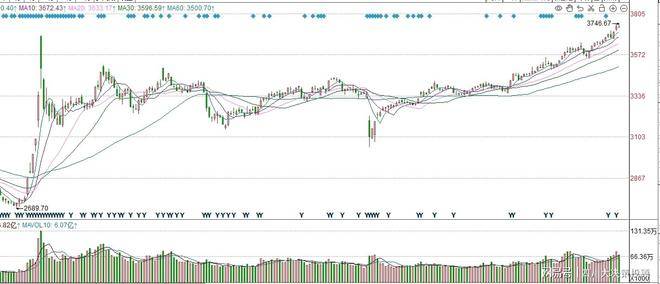
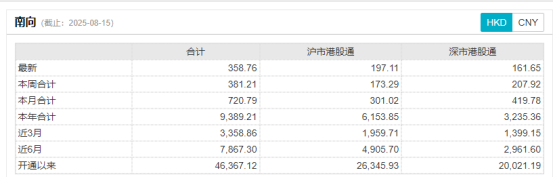
Market Overview - A-shares surged again on August 15, with the Shanghai Composite Index briefly surpassing 3700 points, while the Shenzhen Component Index and ChiNext Index reached new highs [1] - The total trading volume of the A-share market exceeded 20 trillion yuan for three consecutive days, while the Hong Kong stock market showed weakness with the Hang Seng Index down approximately 1% [1] - Southbound funds recorded a net inflow of 35.876 billion HKD, setting a new single-day record for net inflows [2][4] Southbound Funds - The net buy amount of southbound funds reached 35.876 billion HKD, surpassing the previous record of 35.586 billion HKD set on April 9 this year [4] - Year-to-date, southbound funds have accumulated a net inflow of 938.921 billion HKD, significantly exceeding the total for the entire previous year, which was 807.869 billion HKD [4] Brokerage Sector - The brokerage sector experienced a strong rally, with notable gains including Changcheng Securities hitting the daily limit for three consecutive days and Dongfang Wealth rising over 11% [7][9] - The increase in market activity is attributed to a rise in new account openings, with 1.96 million new accounts opened in July, a 71% year-on-year increase [9] - The total margin financing balance has surpassed 2 trillion yuan, indicating a heightened risk appetite among investors [9] Semiconductor Sector - The semiconductor sector also saw significant gains, with stocks like Jiewa Technology and Huahong Semiconductor rising over 11% [1] Consumer Electronics - The consumer electronics sector was active, with stocks such as Jiewa Technology, Yidong Electronics, and Ying Shi Innovation hitting the daily limit of 20% [15][17] - The sector is expected to benefit from ongoing tariff negotiations and continuous innovation in consumer electronics products [17] Photovoltaic Industry - The photovoltaic industry chain stocks surged, with companies like Jiejia Weichuang and Jingao Technology seeing increases of over 10% [11] - The market for photovoltaic components is experiencing a price rebound, with some models facing supply shortages [12][13]



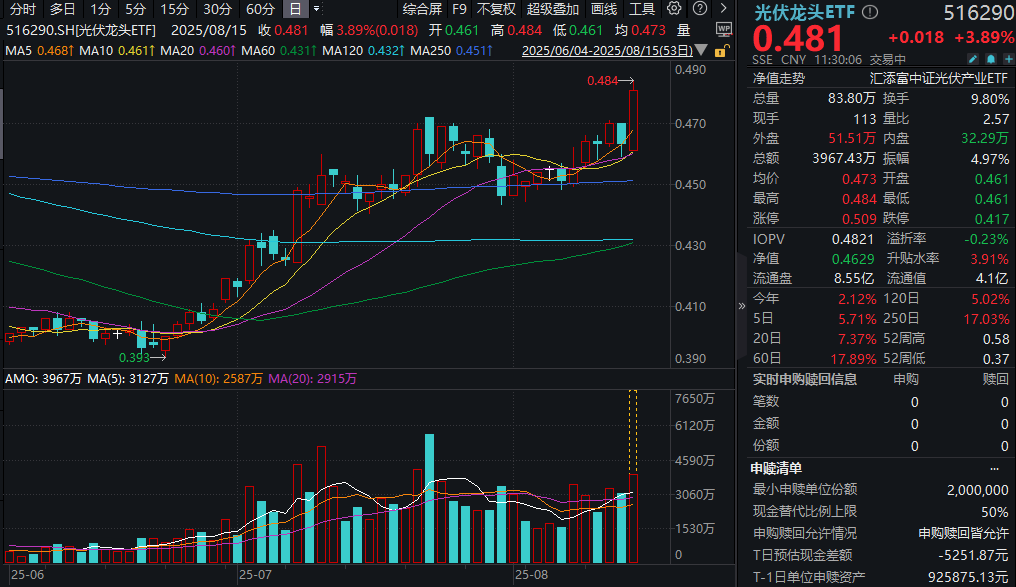
组件市场再现缺货涨价潮!联泓新科、科士达涨停,费率最低档的光伏龙头ETF(516290)爆量大涨4%,光伏“反内卷”板块加速!
Xin Lang Cai Jing· 2025-08-15 05:22
Core Viewpoint - The A-share market has shown a significant recovery, particularly in the photovoltaic sector, with the leading photovoltaic ETF (516290) experiencing a surge of nearly 4% and a trading volume reaching 40 million yuan [1][3]. Group 1: Market Performance - The photovoltaic leading ETF (516290) saw most of its constituent stocks rise sharply, with notable increases such as Jiejia Weichuang up over 11%, Quartz Co. up 10%, and several others hitting the daily limit [3]. - The top ten constituent stocks of the photovoltaic leading ETF include major players like Yangguang Electric (up 8.18%) and Tongwei Co. (up 7.16%) [3]. Group 2: Market Dynamics - The photovoltaic component market is experiencing shortages and price increases, with first-tier component companies quoting prices as high as 0.7 yuan/W [4]. - The European photovoltaic market is facing weak demand, leading to a general decline in inverter prices [4]. Group 3: Policy and Industry Outlook - There is a strong emphasis on reversing the "involution" in the photovoltaic industry, with recent government discussions focusing on eliminating low-quality, low-price competition and promoting the exit of outdated production capacity [5][6]. - The prices of key materials in the photovoltaic supply chain, such as polysilicon and silicon wafers, have seen significant increases, indicating a potential recovery in profitability for the industry [6][7]. - The photovoltaic sector is expected to benefit from a combination of government guidance and industry self-regulation, leading to a more rational pricing environment and improved fundamentals [7].