七天无理由退货

Search documents
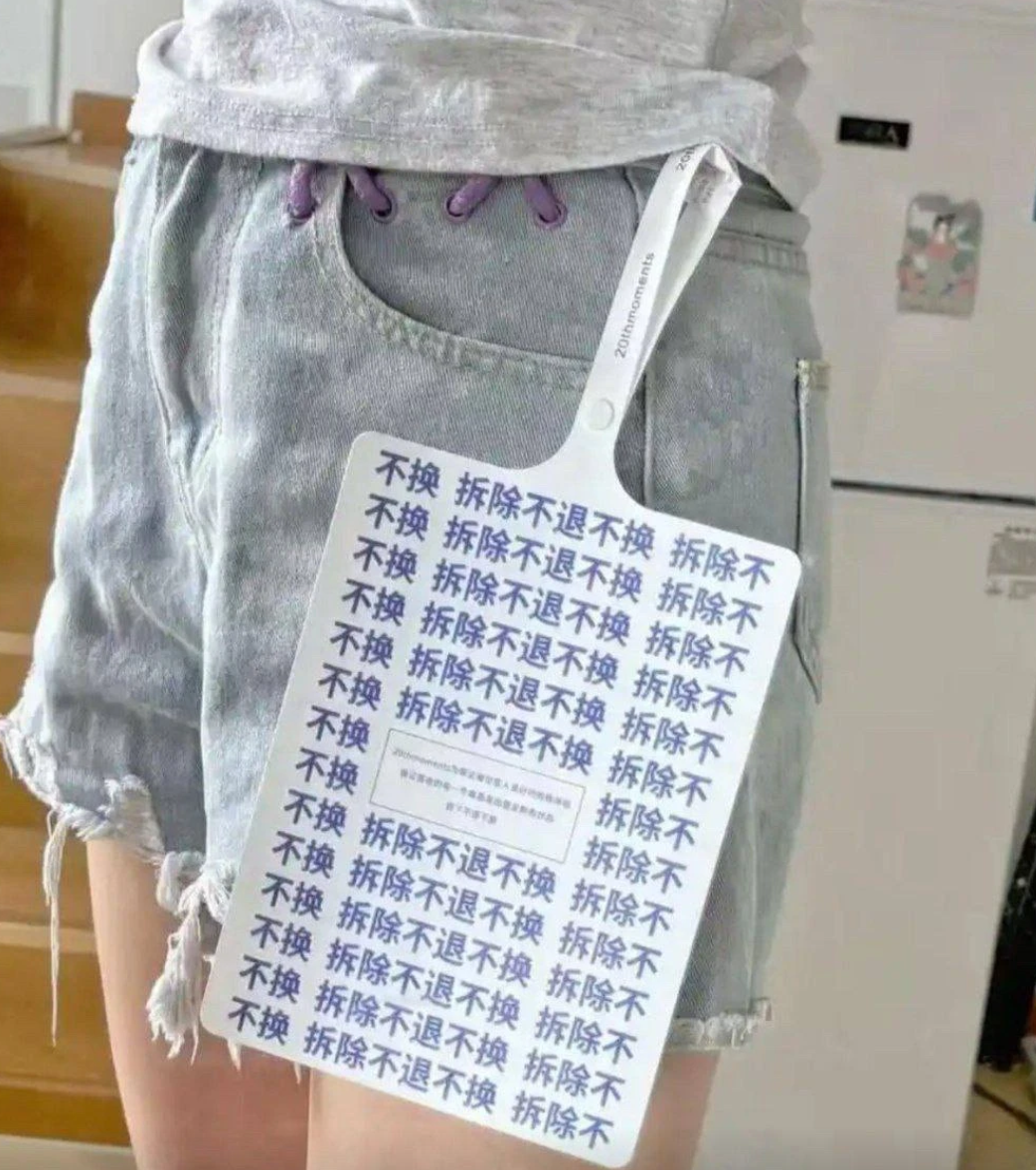
退货乱象倒逼商家奇招,巨型吊牌能否整治“穿完就退”
Yang Guang Wang· 2025-11-07 06:58
Core Viewpoint - The introduction of "giant tags" by e-commerce merchants aims to combat the high return rates associated with online shopping, particularly in women's clothing, by making it less convenient for consumers to return items after wearing them [1][2]. Group 1: E-commerce Challenges - The return rate for online clothing sales is alarmingly high, with some platforms reporting rates as high as 90%, particularly in women's apparel [2]. - Many consumers exploit the "seven-day no-reason return" policy, leading to a significant number of returns that are not due to product quality but rather to misuse of the return policy [2][4]. Group 2: Merchant Strategies - Merchants are adopting "giant tags," which are larger and made from stiffer materials, to deter consumers from wearing items before returning them [1][2]. - The placement of these tags is strategically considered to maximize visibility and minimize the likelihood of removal or concealment by consumers [3]. Group 3: Consumer Reactions - Consumer feedback on "giant tags" is mixed; while some support the initiative to reduce returns, others criticize the negative impact on the shopping experience, particularly for legitimate customers [3][4]. Group 4: Expert Insights - Experts suggest that while "giant tags" may provide a temporary solution to high return rates, they do not address the underlying issues of trust between consumers and merchants [4][5]. - A more comprehensive approach is needed, including improved consumer credit systems and better service environments to reduce the incentive for malicious returns [5].
网购退货乱象倒逼商家使出“巨型吊牌”奇招 买卖双方信任如何重构?
Yang Guang Wang· 2025-11-07 04:00
Core Viewpoint - The introduction of "giant tags" by e-commerce merchants aims to combat high return rates, particularly in women's clothing, by making it uncomfortable for consumers to wear items before returning them [1][2][7]. Group 1: E-commerce Challenges - The "seven-day no-reason return" policy, intended to protect consumer rights, has been exploited by some consumers, leading to high return rates of around 60% to 90% for certain platforms [2][4]. - Merchants report that many returned items show signs of wear, complicating the resale process and increasing operational costs [7][8]. Group 2: Merchant Strategies - Merchants like Xiao Ma have switched from small tags to A4-sized hard tags to deter consumers from trying on clothes and returning them [2][3]. - The placement of giant tags has been strategically adjusted to minimize the chances of being removed or overlooked by consumers [3][5]. Group 3: Consumer Reactions - Consumer feedback on giant tags is mixed, with some supporting the initiative to prevent receiving worn items, while others criticize the negative impact on the trial experience for genuine buyers [4][7]. Group 4: Expert Insights - Experts suggest that while giant tags may provide a temporary solution to high return rates, they do not address the underlying issues of trust and consumer behavior [8][9]. - A more comprehensive approach involving improved trust mechanisms between consumers and merchants, as well as enhanced service quality, is recommended to reduce return rates sustainably [8][9].


斗智斗勇!商家为防“蹭穿”给衣服上锁!网友热议……
新华网财经· 2025-11-06 13:31
Core Viewpoint - The article discusses the rising phenomenon of consumers exploiting the "seven-day no-reason return" policy, particularly during the "Double Eleven" shopping festival, leading to retailers implementing measures like oversized tags and padlocks to prevent returns after wearing the items [1][4][8]. Group 1: Consumer Behavior - Some consumers are taking advantage of return policies by wearing clothing briefly and then returning them, a practice referred to as "sheep shearing" [1]. - There are reports of customers wearing new clothes with tags still attached for photo opportunities at tourist attractions [13]. Group 2: Retailer Responses - Retailers are adopting strategies such as oversized tags to deter returns, but this has proven costly and ineffective [1][8]. - A specific clothing retailer has started using padlocks on zippers to prevent customers from wearing items outside before returning them, claiming that this method is less expensive and more effective than oversized tags [4][8]. - The retailer noted that many returned items had a laundry detergent smell, indicating they had been worn [8]. Group 3: Public Reactions - Some consumers support the retailers' measures, understanding the need to prevent abuse of return policies [8]. - Conversely, others argue that high return rates may stem from issues like poor fit or quality, and that such measures could negatively impact the fitting experience [10].

衣服拉链上挂密码锁,确认收货再给密码! “巨型吊牌"后,商家又出防蹭穿新招:锁不到3元,确认后送给客人
Mei Ri Jing Ji Xin Wen· 2025-11-06 07:19
Core Viewpoint - The upcoming "Double Eleven" shopping festival is causing significant concern for merchants due to high return rates, particularly in the apparel sector, where many returns are attributed to consumers exploiting the "seven-day no-reason return" policy [8][14]. Group 1: Merchant Strategies - Some merchants are resorting to extreme measures, such as attaching oversized tags to clothing, to deter consumers from returning items after wearing them [8][11]. - A Beijing clothing merchant has implemented a strategy of using a visible password lock on zippers to prevent customers from wearing items and then returning them without reason [9][11]. - The cost of a password lock is approximately 3 yuan, which is considered a worthwhile investment compared to the losses incurred from returns and the cost of oversized tags [14]. Group 2: Return Rate Statistics - The return rate for women's apparel in e-commerce is reported to be as high as 50% to 60%, with live-streamed sales seeing rates exceeding 80% [14]. - Many returns are not due to quality issues but rather consumers wearing items for events and then returning them, leading to significant losses for merchants [14][16]. Group 3: Financial Impact on Merchants - A leading online sales company with annual sales exceeding 100 million yuan experiences a net profit of only 2 to 3 million yuan, primarily due to costs associated with returns, which can reach nearly 10 million yuan annually [16]. - A small business owner reported a staggering 75% return rate, resulting in losses exceeding 800,000 yuan during the previous Double Eleven festival due to high return volumes and associated costs [16]. Group 4: Industry Concerns and Recommendations - The overall situation highlights the need for a balance between consumer rights and merchant protection, with suggestions for improving return processes to reduce the burden on merchants [16][17]. - The introduction of measures like oversized tags could help align the interests of both consumers and merchants, potentially leading to a more sustainable retail environment [17].
演出门票退票难,困局何解
Qi Lu Wan Bao· 2025-08-23 06:45
Core Viewpoint - The article discusses the challenges and controversies surrounding ticket refunds for performances, highlighting the disparity between consumer expectations for refunds and the ticketing platforms' policies that often deny refunds due to the unique nature of event tickets [1][2]. Group 1: Consumer Complaints and Trends - A significant increase in complaints related to ticket refunds has been reported, with over 90% of concert-related complaints in the first half of 2025 focusing on refund requests [1][2]. - The issue of difficulty in obtaining refunds for event tickets has been a prominent topic in consumer rights discussions, particularly in 2023 [1][2]. Group 2: Legal and Regulatory Context - The legal framework allows for a "seven-day no-reason return" policy for online purchases, but event tickets are classified as "time-sensitive" and "scarce," which justifies their exclusion from this policy [2][3]. - Current laws do not provide clear guidelines on the refundability of tickets, leading to ongoing disputes and confusion among consumers and legal experts [3][6]. Group 3: Consumer Rights and Industry Practices - Many consumers face strict refund policies, with platforms often refusing refunds even in cases of personal emergencies, citing the nature of tickets as non-refundable items [3][5]. - The ticketing industry has established a norm of "no refunds," which has been criticized as an unfair practice that limits consumer rights [7][10]. Group 4: Proposed Solutions and Regulatory Improvements - Experts suggest that a more structured refund mechanism should be implemented, similar to those in the airline and railway industries, to provide clearer guidelines for consumers [7][10]. - Recommendations include establishing a tiered refund system based on the time remaining until the event, allowing for partial refunds under certain conditions [9][10].
演出门票退票难 困局何解
Xin Hua Wang· 2025-08-22 23:31
Core Viewpoint - The article discusses the challenges consumers face regarding ticket refunds for performances, highlighting the increasing complaints and the legal complexities surrounding the issue [1][2][3] Group 1: Consumer Complaints and Experiences - A significant rise in complaints related to ticket refunds has been reported, with over 90% of concert-related complaints focusing on refund requests [1] - Consumers often encounter rigid refund policies, as illustrated by cases where individuals were denied refunds despite valid reasons such as family emergencies [3][4] - Many consumers express confusion and frustration over the inability to return tickets, especially when the event date is far off and does not impact resale opportunities [5][6] Group 2: Legal and Regulatory Framework - The legal basis for the "no refund" policy on tickets stems from the unique characteristics of performance tickets, which are time-sensitive and scarce, unlike regular consumer goods [2][3] - Current consumer protection laws provide a "cooling-off" period for online purchases, but tickets are often classified under exceptions that do not allow for refunds [2][3] - There is a lack of clear legal guidelines specifically addressing ticket refunds, leading to inconsistent court rulings on similar cases [6][7] Group 3: Industry Practices and Recommendations - The ticketing industry is criticized for its inconsistent refund policies, with some platforms allowing refunds under certain conditions while others outright prohibit them [8][10] - Experts suggest adopting a tiered refund system similar to those in the airline and railway industries, which could provide a fairer approach to ticket refunds [10][11] - Regulatory bodies are urged to establish clearer rules and enhance oversight to protect consumer rights in the ticketing market [12]
“退票难、卖假票” 演出票务纠纷频发 法院出手!
Yang Shi Wang· 2025-07-31 16:08
Group 1 - The domestic performance market has been thriving over the past two years, with an increase in large concerts, popular dramas, and music festivals, yet ticket scarcity remains a significant issue for consumers [1] - Consumers often face difficulties in ticket refunds due to complex refund policies set by ticketing agencies, leading to disputes [1][5] - Recent court cases in Chengdu highlight the legal challenges consumers face regarding ticket disputes and the enforcement of refund policies [1][9] Group 2 - In a case involving a consumer named Mr. Ji, he purchased a ticket for a kite music festival but did not receive it due to a change in the ticket collection method, leading to a lawsuit against the platform [2][5] - The court ruled that the platform's refusal to refund based on a "no refund" policy was invalid, as the platform failed to deliver the ticket as per the contract [6][9] - The court emphasized that ticket sales are subject to consumer protection laws, including the "seven-day no reason return" policy, which applies to performance tickets [10][11] Group 3 - A separate case involved a consumer named Ms. Xu, who purchased concert tickets but received fake tickets, leading to a ruling of fraud against the ticketing company [14][17] - The court ordered the ticketing company to refund the ticket price and pay triple damages, highlighting the legal repercussions of fraudulent ticket sales [17] - The court clarified that disclaimers from ticketing companies do not automatically exempt them from liability, especially if they mislead consumers [18][19] Group 4 - The Chengdu Railway Transportation Intermediate Court has noted the importance of consumers purchasing tickets through official channels to avoid fraud and ensure ticket authenticity [19][21] - The recent joint notice from the Ministry of Culture and Tourism and the Ministry of Public Security emphasizes the need for a reasonable refund mechanism for large-scale performances to protect consumer rights [13]
网售沙发“不支持七天无理由退货”,真的不能退吗?
Ren Min Wang· 2025-07-05 00:51
Core Viewpoint - The court ruled in favor of the consumer, stating that the seller must refund the purchase despite the product page indicating "no seven-day unconditional return" due to discrepancies between the product and its online representation [1][2]. Group 1: Legal Context - According to the Consumer Rights Protection Law, consumers have the right to a seven-day unconditional return for online purchases, and the sofa in question is not classified as an exception [2]. - The seller failed to provide evidence that the product's nature would change or lose value upon unsealing, thus the seller's claim of "no return" was deemed non-binding [2]. Group 2: Case Details - The consumer, Ms. Li, purchased a sofa priced at 2000 yuan, which did not match the color and size displayed online, leading her to seek a return [1]. - The seller's refusal to process the return based on the product page's note was rejected by the court, which found that the seller's unilateral terms were not valid [2]. Group 3: Consumer Guidance - Consumers are advised to carefully review product details and service terms before purchasing online and to confirm key information with sellers [3]. - The law allows for returns unless the product is inherently unsuitable for return, and sellers cannot arbitrarily expand the scope of non-returnable items [3].
针对网络消费那些“坑”,最高法发布典型案例维护消费者权益
Xin Hua She· 2025-06-16 08:29
Group 1 - The Supreme People's Court released five typical civil cases related to online consumption, emphasizing the importance of merchants' integrity and the legal protection of consumers' rights [1][3] - In a case involving a handbag purchase, the court ruled that the seller must refund the buyer despite the seller's claim of no return policy, as the seller failed to provide reasonable justification for the return restriction [1][2] - A furniture company misled a customer regarding a promotional discount, resulting in a court ruling that the company must refund the customer half of the payment due to misleading promotional practices [2][3] Group 2 - A ticketing platform was ordered to refund a customer fully for concert tickets, as the platform's return policy was deemed ambiguous and not clearly communicated [3] - The cases highlight the need for clear and consumer-friendly return policies in the online retail and ticketing industries to prevent misunderstandings and protect consumer rights [3] - The Supreme Court indicated a commitment to exploring and summarizing trends in online consumption, aiming to support the expansion of online shopping through legal frameworks [3]
马上评|演出服“穿过就退货”的闹剧不该一再重演
Xin Lang Cai Jing· 2025-05-07 07:06
Core Viewpoint - The collective return of clothing by students from Shenyang Liaomei Vocational School highlights issues surrounding the "seven-day no-reason return" policy, raising questions about consumer rights and the integrity of the return process [2][3][5] Group 1: Legal Framework - The "seven-day no-reason return" policy is designed to protect online consumers, allowing returns without explanation within seven days of receipt [2] - However, the law stipulates that returned items must be in "good condition," meaning they should not be used or damaged, which the returned clothing clearly violated [2][3] Group 2: Ethical Considerations - The principle of good faith in civil activities is emphasized, indicating that consumers should act honestly, and the students' actions of returning used clothing contradict this principle [3] - The incident reflects a broader issue of social integrity, as exploiting return policies undermines trust in consumer transactions [3] Group 3: E-commerce Platform Issues - The e-commerce platform's reliance on algorithms for risk control led to a blanket ban on the merchant's store due to high return rates, indicating a flaw in the platform's operational mechanisms [3][4] - The lack of a manual review process for unusual return patterns can result in unjust penalties for honest merchants [3][4] Group 4: Institutional Responsibility - The school bears some responsibility for the incident, as the event should have been planned with consideration for costs and integrity education [3][4] - Previous similar incidents at other institutions suggest a pattern of exploiting return policies, indicating a need for better oversight and education on consumer rights [4] Group 5: Recommendations for Improvement - There is a call for legal clarification on "malicious returns" and increased penalties for exploitative behaviors to protect merchants [4] - E-commerce platforms should implement a hybrid review system combining artificial intelligence and human oversight to better manage return policies [4] - Schools should develop fair cost-sharing mechanisms for event-related expenses to prevent students from resorting to unethical practices [4]