演出门票

Search documents
2025年终经济观察|供需两端齐发力 激活消费“主引擎”
Xin Hua She· 2025-12-25 14:18
Group 1 - Consumption is the "main engine" of economic growth and a barometer of people's well-being, with policies effectively boosting consumption potential throughout the year [1][2] - In the first 11 months, the total retail sales of consumer goods increased by 4% year-on-year, surpassing both the same period last year and the total growth for the previous year [1] - The Central Economic Work Conference emphasized the importance of domestic demand and outlined specific measures to stimulate consumption, including the implementation of special actions to boost consumption and the release of service consumption potential [1][2] Group 2 - There is a shift in consumer demand from "availability" to "quality," with high-end products experiencing strong demand, such as the Huawei Mate80 series and energy-efficient home appliances [3][4] - The automotive sector saw record production and sales, with new energy vehicles accounting for 53.2% of total new car sales in the first 11 months [3] - The service retail sector also showed growth, with a 5.4% year-on-year increase in service retail sales, indicating a recovery in this area [4] Group 3 - Large-scale consumption, such as automobiles and home appliances, is crucial for solidifying the consumption base, supported by policies and technological innovations [4][5] - The rise of new consumption patterns, including digital consumption and quality e-commerce, is creating new growth points in the market [7][8] - The introduction of L3-level autonomous driving vehicles and the expansion of charging infrastructure are expected to stimulate new market opportunities and consumer experiences [6] Group 4 - High-level opening up and policy support are enhancing the attractiveness of the Chinese market, with measures like optimizing tax refund processes and expanding visa-free policies contributing to increased consumer interest [8][9] - Local governments are implementing various measures to enhance consumer capacity and willingness, such as extending parental leave and optimizing housing policies [9][10] - A comprehensive approach is being taken to boost consumption, focusing on supply-demand coordination and creating a favorable environment for consumer confidence [10]
《学习时报》:何为“犒赏经济”|宏观经济
清华金融评论· 2025-12-22 09:08
Core Viewpoint - The article discusses the emergence of a new consumption model called "Reward Economy" among the younger demographic in China, which is becoming a significant driver of domestic demand and consumption expansion as the economy transitions from high-speed growth to high-quality development [2][3]. Group 1: Definition and Characteristics of "Reward Economy" - "Reward Economy" refers to consumers purchasing non-essential goods or experiential services within their financial means to gain immediate pleasure, self-affirmation, and psychological healing in response to work and life pressures [3][4]. - This consumption behavior is increasingly popular among young people, serving as an important indicator of the vitality and resilience of the current Chinese consumer market [3][4]. Group 2: Psychological and Social Drivers - The rise of "Reward Economy" is driven by psychological and sociological factors, including the need for self-repair of psychological resilience and the significant elevation of demand levels as per Maslow's hierarchy of needs [6][7]. - Approximately 30% of young consumers engage in spending for emotional healing, indicating a shift from functional consumption to meaningful consumption, where products carry emotional significance beyond their material value [6][7]. Group 3: Impact on Industry and Market Dynamics - The development of "Reward Economy" is reshaping consumer behavior and imposing higher demands on the supply side, promoting industrial structural transformation and market vitality [7]. - Companies are adjusting product strategies to meet diverse, personalized, and quality-oriented consumer preferences, leading to innovation and the creation of new business models that integrate emotional value [7][8]. Group 4: Cultural Consumption and Economic Growth - A significant portion of spending within the "Reward Economy" is concentrated in the cultural and creative sectors, such as domestic cultural products and traditional crafts, which are driving the growth of the cultural industry and promoting the innovative development of traditional Chinese culture [7][8].

学习时报:何为“犒赏经济”
财联社· 2025-12-18 06:20
Core Viewpoint - The rise of the "Reward Economy" among young consumers in China reflects a shift in consumption patterns, driven by the desire for self-care and emotional fulfillment, as the economy transitions from high-speed growth to high-quality development [1][2][3] Group 1: Definition and Characteristics of the "Reward Economy" - The "Reward Economy" refers to consumers purchasing non-essential goods or experiences to gain immediate pleasure and psychological relief in response to work and life pressures [1] - Unlike the traditional "lipstick effect," which is a reaction to economic downturns, the "Reward Economy" showcases a proactive approach where consumers prioritize emotional value over mere functionality [2] - This consumption behavior indicates a significant shift in consumer decision-making, where emotional and psychological needs are increasingly prioritized alongside basic necessities [2][3] Group 2: Psychological and Social Drivers - The "Reward Economy" is supported by psychological resilience, where self-rewarding behaviors help individuals cope with stress and enhance mental well-being [3] - A notable increase in emotional and self-actualization needs, as per Maslow's hierarchy, drives consumers to seek products that provide emotional significance beyond their functional use [3] Group 3: Impact on Industry and Market Dynamics - The "Reward Economy" is reshaping consumer behavior and placing higher demands on supply-side industries, prompting innovation and the development of unique, high-quality products and services [4] - It encourages cross-industry integration, where traditional sectors like manufacturing and services merge to create new business models that enhance emotional value [4] - Cultural consumption is significantly boosted, particularly in areas like creative cultural products, which fosters the development of traditional culture through innovative transformation [4] Group 4: Regulatory and Market Considerations - The government is encouraged to promote rational consumption and prevent the pitfalls of consumerism associated with the "Reward Economy," ensuring that it serves broader human development goals [5] - Market regulation is essential to address issues like product quality and deceptive marketing practices, ensuring a trustworthy environment for consumers [5] - Companies are urged to enhance their supply capabilities and focus on delivering high-quality, emotionally resonant products, moving beyond superficial marketing tactics [5]

“蜀里安逸”品牌彰显天府之国活力——四川"十四五"消费市场纪实
Sou Hu Cai Jing· 2025-11-27 13:28
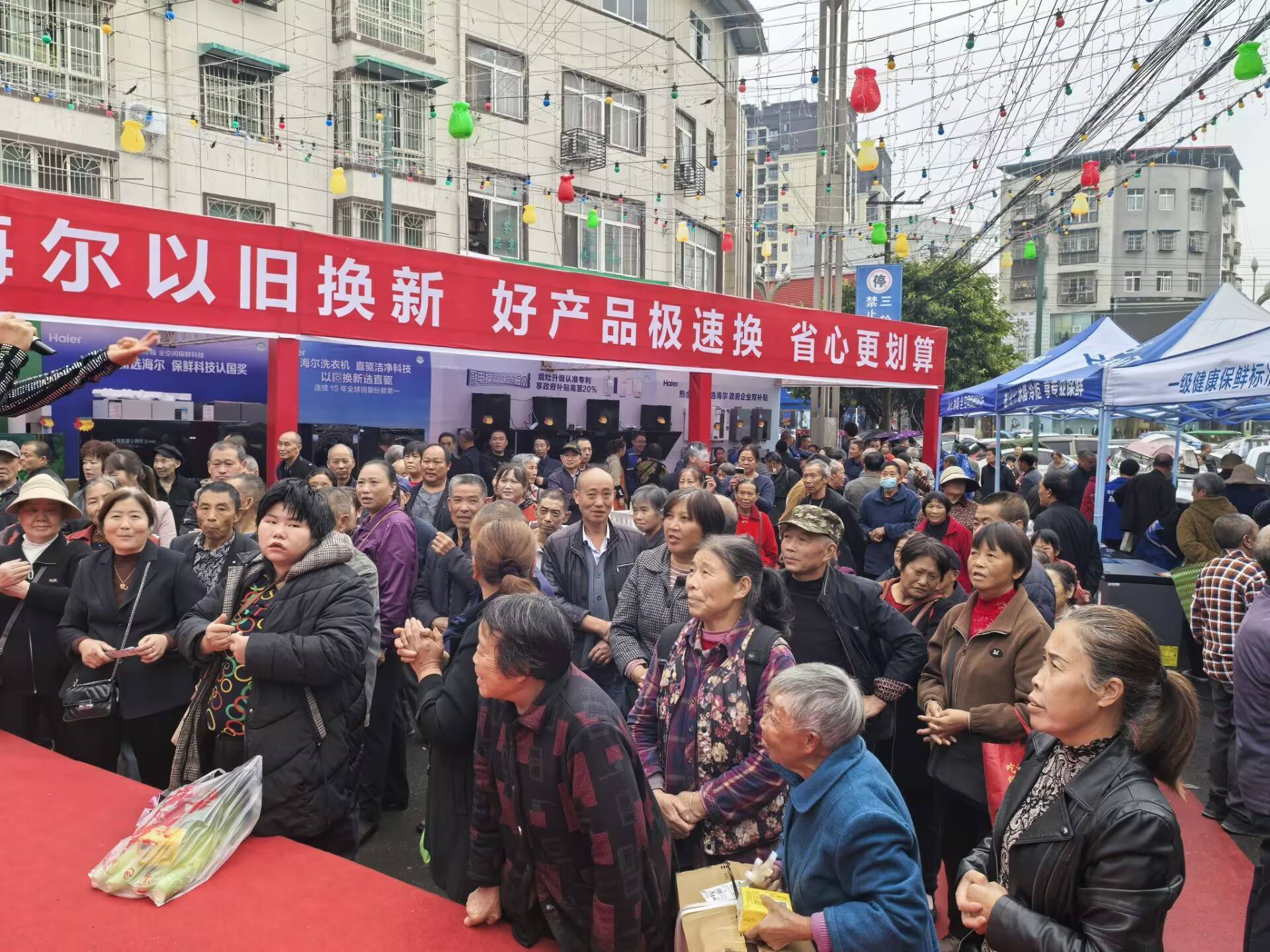
Core Insights - Consumption is a key driver of economic growth and reflects the needs of people's quality of life. During the "14th Five-Year Plan" period, Sichuan has focused on building the "Shu Li An Yi" brand, achieving an average annual consumption growth of 7.4%, surpassing the national average by 2 percentage points, and ranking fifth in the country in total consumption [1] Policy Precision - The "old-for-new" program is crucial for activating the stock market and stimulating incremental demand. Sichuan has established a "home appliance old-for-new information system" and an "automobile replacement service platform," leading to a total of 13.19 million units replaced since 2025, generating over 132.7 billion yuan in consumption [2] Service Consumption Expansion - In 2024, the share of dining revenue in total retail sales reached 14%, exceeding the national average by 2.4 percentage points. Sichuan has introduced the "Sichuan Cuisine Promotion Regulation" to stabilize the dining industry and has established a global Sichuan cuisine promotion center [5][6] Digital Transformation - Digital transformation has injected new momentum into consumption, with online retail sales growing at an average annual rate of 10.6% and live e-commerce sales exceeding 15%. Sichuan has implemented the "Jiao Shang You Gong" model, enhancing the flow of agricultural products to urban areas and industrial goods to rural households [12][14] Housing Consumption Optimization - During the "14th Five-Year Plan," Sichuan sold 420 million square meters of commercial housing, with a total of 398.3 billion yuan withdrawn from housing provident funds to support housing consumption. The province has also established a multi-tiered system for affordable housing, building 367,000 units of guaranteed housing [15][16]
演出门票退票难,困局何解
Qi Lu Wan Bao· 2025-08-23 06:45
Core Viewpoint - The article discusses the challenges and controversies surrounding ticket refunds for performances, highlighting the disparity between consumer expectations for refunds and the ticketing platforms' policies that often deny refunds due to the unique nature of event tickets [1][2]. Group 1: Consumer Complaints and Trends - A significant increase in complaints related to ticket refunds has been reported, with over 90% of concert-related complaints in the first half of 2025 focusing on refund requests [1][2]. - The issue of difficulty in obtaining refunds for event tickets has been a prominent topic in consumer rights discussions, particularly in 2023 [1][2]. Group 2: Legal and Regulatory Context - The legal framework allows for a "seven-day no-reason return" policy for online purchases, but event tickets are classified as "time-sensitive" and "scarce," which justifies their exclusion from this policy [2][3]. - Current laws do not provide clear guidelines on the refundability of tickets, leading to ongoing disputes and confusion among consumers and legal experts [3][6]. Group 3: Consumer Rights and Industry Practices - Many consumers face strict refund policies, with platforms often refusing refunds even in cases of personal emergencies, citing the nature of tickets as non-refundable items [3][5]. - The ticketing industry has established a norm of "no refunds," which has been criticized as an unfair practice that limits consumer rights [7][10]. Group 4: Proposed Solutions and Regulatory Improvements - Experts suggest that a more structured refund mechanism should be implemented, similar to those in the airline and railway industries, to provide clearer guidelines for consumers [7][10]. - Recommendations include establishing a tiered refund system based on the time remaining until the event, allowing for partial refunds under certain conditions [9][10].
演出门票退票难 困局何解
Xin Hua Wang· 2025-08-22 23:31
Core Viewpoint - The article discusses the challenges consumers face regarding ticket refunds for performances, highlighting the increasing complaints and the legal complexities surrounding the issue [1][2][3] Group 1: Consumer Complaints and Experiences - A significant rise in complaints related to ticket refunds has been reported, with over 90% of concert-related complaints focusing on refund requests [1] - Consumers often encounter rigid refund policies, as illustrated by cases where individuals were denied refunds despite valid reasons such as family emergencies [3][4] - Many consumers express confusion and frustration over the inability to return tickets, especially when the event date is far off and does not impact resale opportunities [5][6] Group 2: Legal and Regulatory Framework - The legal basis for the "no refund" policy on tickets stems from the unique characteristics of performance tickets, which are time-sensitive and scarce, unlike regular consumer goods [2][3] - Current consumer protection laws provide a "cooling-off" period for online purchases, but tickets are often classified under exceptions that do not allow for refunds [2][3] - There is a lack of clear legal guidelines specifically addressing ticket refunds, leading to inconsistent court rulings on similar cases [6][7] Group 3: Industry Practices and Recommendations - The ticketing industry is criticized for its inconsistent refund policies, with some platforms allowing refunds under certain conditions while others outright prohibit them [8][10] - Experts suggest adopting a tiered refund system similar to those in the airline and railway industries, which could provide a fairer approach to ticket refunds [10][11] - Regulatory bodies are urged to establish clearer rules and enhance oversight to protect consumer rights in the ticketing market [12]
“退票难、卖假票” 演出票务纠纷频发 法院出手!
Yang Shi Wang· 2025-07-31 16:08
Group 1 - The domestic performance market has been thriving over the past two years, with an increase in large concerts, popular dramas, and music festivals, yet ticket scarcity remains a significant issue for consumers [1] - Consumers often face difficulties in ticket refunds due to complex refund policies set by ticketing agencies, leading to disputes [1][5] - Recent court cases in Chengdu highlight the legal challenges consumers face regarding ticket disputes and the enforcement of refund policies [1][9] Group 2 - In a case involving a consumer named Mr. Ji, he purchased a ticket for a kite music festival but did not receive it due to a change in the ticket collection method, leading to a lawsuit against the platform [2][5] - The court ruled that the platform's refusal to refund based on a "no refund" policy was invalid, as the platform failed to deliver the ticket as per the contract [6][9] - The court emphasized that ticket sales are subject to consumer protection laws, including the "seven-day no reason return" policy, which applies to performance tickets [10][11] Group 3 - A separate case involved a consumer named Ms. Xu, who purchased concert tickets but received fake tickets, leading to a ruling of fraud against the ticketing company [14][17] - The court ordered the ticketing company to refund the ticket price and pay triple damages, highlighting the legal repercussions of fraudulent ticket sales [17] - The court clarified that disclaimers from ticketing companies do not automatically exempt them from liability, especially if they mislead consumers [18][19] Group 4 - The Chengdu Railway Transportation Intermediate Court has noted the importance of consumers purchasing tickets through official channels to avoid fraud and ensure ticket authenticity [19][21] - The recent joint notice from the Ministry of Culture and Tourism and the Ministry of Public Security emphasizes the need for a reasonable refund mechanism for large-scale performances to protect consumer rights [13]
护航网络消费市场,让“消费马车”跑得更快更稳
Ren Min Wang· 2025-06-17 00:32
Core Viewpoint - The rapid development of online consumption necessitates improvements in consumer protection and the regulation of online marketing practices, particularly in live-streaming sales and promotional activities [1][2][3]. Group 1: Online Retail Growth - In 2024, China's online retail sales reached 15,522.5 billion yuan, a 7.2% increase from the previous year, with physical goods accounting for 13,081.6 billion yuan, growing by 6.5% and representing 26.8% of total retail sales [1]. - Online consumption has become a significant method for consumers, highlighting the need for enhanced consumer rights protection [1]. Group 2: Legal Cases in Online Marketing - A case involving a seller who misrepresented the material of a product during a live-stream led to a court ruling that the seller must honor a "fake one pays ten" guarantee, emphasizing the importance of truthful advertising in live-streaming [2][3]. - Another case highlighted the responsibilities of businesses during promotional activities, where misleading information led to a ruling against a furniture company for not properly informing a customer about promotional conditions [4]. Group 3: Consumer Rights and Return Policies - The "seven-day no-reason return" policy is a critical consumer right in online shopping, with legal backing to ensure its enforcement [5][6]. - Courts have ruled against sellers who attempt to deny this right through vague or misleading terms, reinforcing the legal obligation to allow returns unless explicitly justified [6][7]. Group 4: Privacy and Data Protection - Issues surrounding privacy policies in apps, including forced consent and excessive data collection, have raised significant legal concerns, leading to court rulings that protect consumer rights against overreach by service providers [9][10][11]. - A recent case resulted in a ruling that a company must delete unlawfully collected personal information and compensate the consumer, highlighting the judiciary's role in safeguarding personal data rights [11][12].
高考生专属优惠上新 夏日毕业旅行正当时
Guang Zhou Ri Bao· 2025-06-09 19:07
Group 1 - The graduation travel trend is set to rise as various scenic spots across the country offer discounts for high school graduates and their parents, enhancing the celebratory atmosphere of the graduation season [1][2] - Discounts for high school and college entrance examination students are available from mid-June to August, with many scenic areas providing free admission [2] - Specific examples include free entry for students at various locations such as the Huizhou Ancient City and Jiuhua Mountain from June to August, as well as discounts for accompanying parents [2] Group 2 - Theme parks are popular destinations for students post-exams, with significant discounts on tickets, such as 40-50% off at Guangzhou Sunac Parks from June 9 to July 6 [3] - The Guangzhou Tower Theater offers a 30% discount on tickets for a musical for students with valid examination permits, promoting cultural engagement during the graduation season [3] - Local restaurants and hotels are also providing exclusive dining packages and themed events to celebrate graduation, enhancing the overall experience for students [3]
“真金白银”惠民提升票根“含金量” “链式体验”激活“吃住行游购娱”活力
Yang Shi Wang· 2025-06-04 07:49
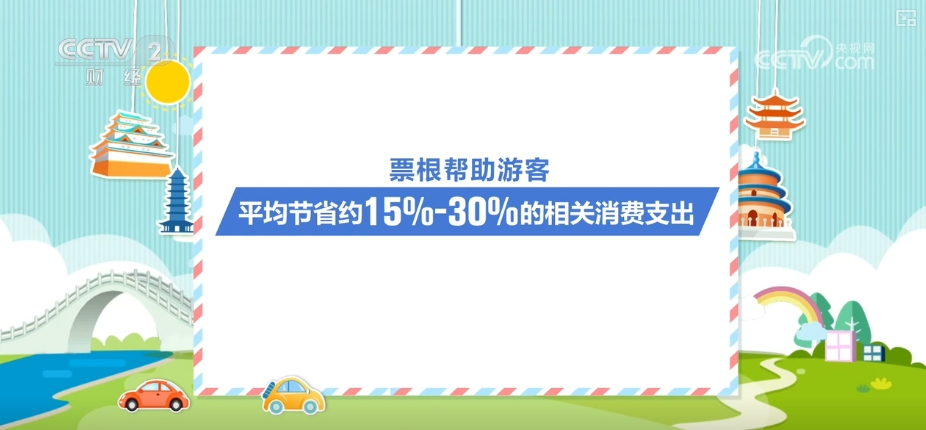
Core Insights - The recent Dragon Boat Festival holiday saw a surge in the "ticket stub discount" trend across various regions, transforming traditional ticket stubs into unique discount vouchers that stimulate consumption in cultural and tourism sectors [1][3]. Group 1: Impact on Consumer Spending - On average, a ticket generates 1.5 to 2 times its price in secondary consumption [3]. - 40% of ticket holders for high-speed trains and flights increased their travel spending [3]. - Ticket stubs for performances and events led to over 100% growth in surrounding hotel and entertainment spending [3]. - Tourists saved approximately 15% to 30% on related expenses due to ticket stub discounts [3]. Group 2: Regional Initiatives and Promotions - In Beijing, a music festival offered ticket holders discounts of over 30% on various exclusive activities [5]. - In Hebei's Langfang, visitors enjoyed free access to art exhibitions and exclusive discounts on dining and cultural products, with some attractions seeing a 45% increase in visitor numbers [7]. - Tianjin's comedy festival provided ticket holders with exclusive offers from over 50 merchants [9]. - Jiangxi's Nanchang expanded its ticket stub discount program, with some offers reaching up to 60% off [11]. - In Luoyang, train ticket holders received discounts at well-known attractions and a guidebook with over 50 exclusive vouchers worth over 1,000 yuan [13]. Group 3: Development of Ticket Stub Economy - The ticket stub economy is connecting the entire consumption chain of "food, accommodation, transportation, travel, shopping, and entertainment," becoming a new lever for market consumption [13]. - Various regions are forming "ticket stub economic alliances" to unlock new consumption potential [13][15]. - Shanghai's Hongkou District launched a new entertainment ticket stub economic matrix, promoting discounts across different sectors [14]. - Cities like Shanghai, Pingdingshan, and Lanzhou are continuously integrating new business types and consumer categories to enhance the value of ticket stubs [15].