互联互通

Search documents
“联通先生”李小加:从沪港通到滴灌通|我们的四分之一世纪
经济观察报· 2025-12-29 08:15
Core Viewpoint - The essence of all financial products is a swap, exchanging current funds for future cash flows or values [4] Group 1: Background and Career of Li Xiaojia - Li Xiaojia, known as "Mr. Connect," has built bridges between Chinese enterprises and international capital throughout his financial career [3] - His tenure at Hong Kong Exchanges and Clearing (HKEX) focused on deepening the connectivity between China's financial market and the world [4] - Li Xiaojia founded "滴灌通" (Drip Irrigation) to connect global capital with micro and small enterprises, aiming to enhance financial supply channels for these businesses [4] Group 2: Development of Market Connectivity - The initial concept of the Shanghai-Hong Kong Stock Connect was sketched on a napkin by Li Xiaojia and the then-chairman of the Shanghai Stock Exchange, outlining a path for cross-border trading [8] - The core challenge was to achieve a market-oriented connection between the open Hong Kong capital market and the capital-controlled mainland market [8] - The Shanghai-Hong Kong Stock Connect was officially launched on November 17, 2014, marking a significant step towards the two-way opening of the mainland capital market [10] Group 3: Innovations and Reforms - The introduction of "same share, different rights" structures for companies like Xiaomi was a pivotal reform, allowing innovative firms to list in Hong Kong instead of the U.S. [13][14] - Li Xiaojia's efforts to acquire the London Stock Exchange were driven by the strategic value of its assets, including global clearing and index-setting capabilities [19][15] Group 4: Drip Irrigation's Business Model - Drip Irrigation aims to provide financial services to micro and small enterprises, which are often underserved by traditional financial products [17] - The company faced challenges in its initial phase, particularly during the pandemic, but managed to achieve nearly 10% returns despite the difficulties [18] - The transition to the 2.0 phase revealed the need for standardized financial products to meet institutional investors' demands [19] Group 5: Future Plans and Market Structure - The 3.0 phase of Drip Irrigation focuses on creating a "central kitchen" to standardize cash flows from numerous small enterprises into asset-backed securities (ABS) [20] - The plan includes developing various investment products to cater to different types of investors, enhancing the overall market ecosystem [21]



(年终特稿)“硬联通”叠加“软联通” 香港参与大湾区建设向“心”而行
Zhong Guo Xin Wen Wang· 2025-12-26 14:37
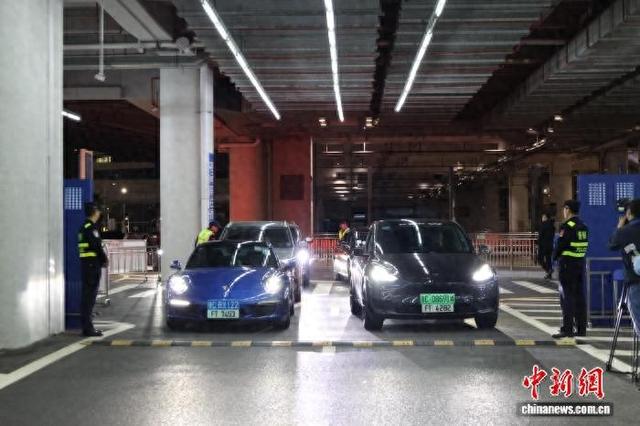
Core Viewpoint - The article highlights the progress of Hong Kong's participation in the Greater Bay Area (GBA) development through both "hard connectivity" and "soft connectivity" initiatives, emphasizing the importance of these developments in enhancing cross-border collaboration and integration within the region [1][3]. Group 1: Hard Connectivity - The "Yue Car Southbound" initiative has officially been implemented, allowing vehicles from Guangdong to enter Hong Kong, marking a significant step in GBA connectivity [3]. - The opening of the Hong Kong section of the He Tao Shenzhen-Hong Kong Innovation and Technology Cooperation Zone has been a milestone, with an occupancy rate of approximately 80% in its two wet laboratory buildings, attracting over 60 top enterprises and institutions [3][5]. - The commencement of the cross-river bridge project connecting the Shenzhen-Hong Kong park is expected to facilitate efficient cross-border flow of innovation and technology resources [3][5]. Group 2: Soft Connectivity - The expansion of "Hong Kong Capital and Law" measures from Qianhai to cover all of Shenzhen and Zhuhai, along with the extension of "Hong Kong Capital Arbitration" measures to include all nine cities in the GBA, represents a significant move towards regulatory integration [5]. - These measures are seen as a fusion and complement of the two legal systems under "One Country, Two Systems," providing institutional support for industrial integration in the GBA [5]. - The successful hosting of the 15th National Games, which included cross-border events, has strengthened emotional connections among residents of the three regions [5][7].
“联通先生”李小加:从沪港通到滴灌通|我们的四分之一世纪
Jing Ji Guan Cha Bao· 2025-12-23 07:56
Core Insights - The article highlights the career of Li Xiaojia, known as "Mr. Connect," who has played a pivotal role in linking Chinese enterprises with international capital throughout his financial career [3][4] - Li Xiaojia's initiatives, including the establishment of the Hong Kong-Shanghai Stock Connect (沪港通), have significantly advanced the interconnectivity of financial markets between China and the world [5][6][7] - The article also discusses Li Xiaojia's recent venture, Drip Irrigation Capital (滴灌通), which aims to connect global capital with small and micro enterprises, addressing the financial needs of the grassroots economy [12][13] Interconnectivity Initiatives - In 2012, Li Xiaojia and the then-chairman of the Shanghai Stock Exchange sketched the initial concept for the Stock Connect on a napkin, which later evolved into a formalized trading mechanism [5][6] - The Stock Connect was officially launched on November 17, 2014, marking a significant step towards the mutual opening of capital markets between mainland China and Hong Kong [7][8] - Subsequent initiatives like the Shenzhen-Hong Kong Stock Connect and Bond Connect followed the same foundational logic established by the Stock Connect [7][8] Challenges and Reforms - The article outlines the challenges faced in implementing reforms, particularly regarding the acceptance of dual-class share structures, which were initially met with resistance due to concerns over fairness and regulatory integrity [9][10] - The successful listing of Xiaomi in 2018 under a dual-class share structure marked a significant milestone in these reforms, demonstrating the potential for innovation within Hong Kong's financial market [10][11] Drip Irrigation Capital - Drip Irrigation Capital was founded to provide financial services to small and micro enterprises, which have traditionally been underserved by conventional financial products [12][13] - The company aims to create a sustainable investment model that balances risk and return, particularly in the context of high capital costs associated with overseas financing [12][13] - The venture has undergone multiple phases of development, with the current focus on standardizing cash flow assets from small enterprises to meet the investment needs of larger institutional investors [14][15]
高志凯:以高质量互联互通与产业协作 破解西方“产能过剩”偏见
Xin Lang Cai Jing· 2025-12-21 14:33
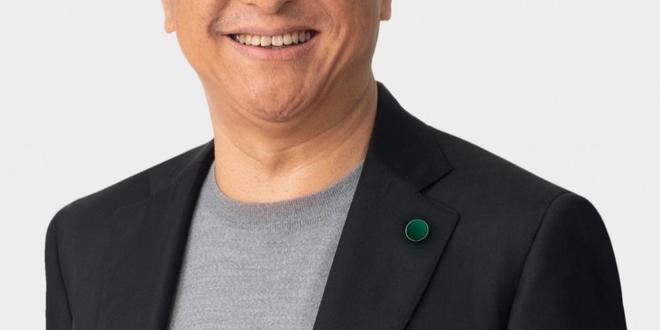
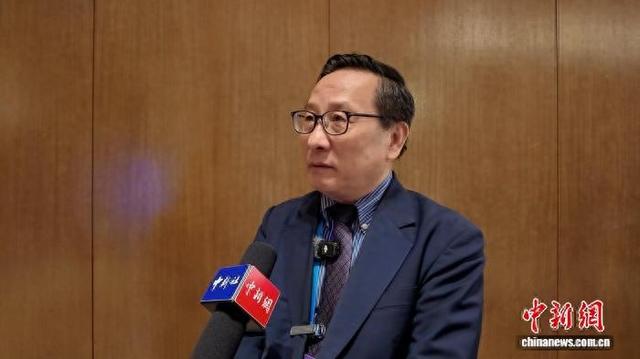
中新网南宁12月21电(陈沿佑)2025中国(广西)—东盟智库对话论坛20日在南宁开幕。全球化智库副主任 高志凯在论坛间隙接受中新网记者采访,并对中国—东盟如何进行更深度合作进行解析。 凯在接受中新网记者采访。陈沿佑 摄 高志凯介绍,中国与东盟国家要进行更深度的合作,就要以更高质量的举措推进互联互通,并切实促成 这一领域"质"的提升。 "过去我们说起互联互通,主要是道路、港口、机场等,现在的互联互通也要包括通讯、技术、金融、 人工智能等。我相信中国与东盟11国如果在互联互通方面能够有新的进步,那对于提高我们双方的贸易 总额会有非常大的进步。"高志凯说。 中国是新能源汽车出口大国,许多车企将新能源汽车售卖至东盟国家。中国汽车工业协会信息显示,截 至2025年10月,中国新能源汽车出口量为201.4万辆。亮眼的出口数据背后,是新能源汽车产业颠覆式 变革的浪潮,这也成为高志凯眼中中国—东盟深化合作的重要抓手。 高志凯认为,新能源汽车是一场革命,它必将重塑历史已经有100多年的汽车行业。 图为高志 "在推动新能源汽车的发展中,不管是从零部件、供应链,还是从上游、中游、下游,从数据、硬件、 软件等方面,我觉得单靠中国一 ...
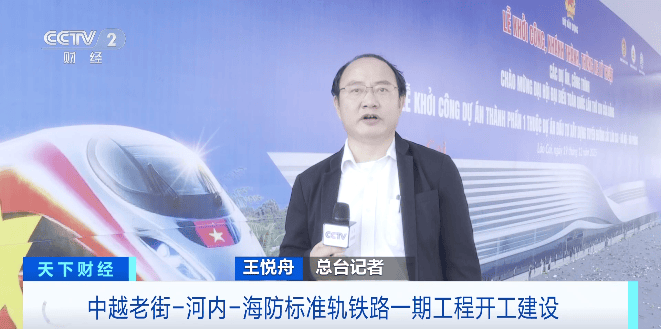
中越老街-河内-海防标准轨铁路一期工程开工建设
Sou Hu Cai Jing· 2025-12-20 12:06
Group 1 - The core viewpoint of the article is that the construction of the Lao Cai-Hanoi-Haiphong standard gauge railway in Vietnam marks a significant step in the China-Vietnam cooperation under the Belt and Road Initiative, enhancing connectivity between the two countries [1][3]. - The railway is an electrified dual-use line with a total length of approximately 390 kilometers and a maximum design speed of 160 kilometers per hour, with a total investment of about 8.37 billion USD, expected to be completed by 2030 [3]. - Once completed, the railway will serve as a major transportation artery through Vietnam's northern economic corridor, covering about 20% of the country's population across seven provinces and two cities [5]. Group 2 - The standard gauge of 1435 millimeters will allow for higher speed operations and significantly increased freight capacity compared to the existing meter-gauge railway of 1000 millimeters [7]. - According to government forecasts, by 2050, the annual freight capacity of the Lao Cai-Hanoi-Haiphong railway is expected to increase from 4.1 million tons to 397 million tons, while passenger volume is projected to rise from 3.8 million to 334 million [7].
港交所CEO陈翊庭:正在处理的上市申请超过300家,将继续扩大上市公司来源
Sou Hu Cai Jing· 2025-12-16 11:19
Core Insights - The Hong Kong IPO market has welcomed over 100 companies since 2025, raising more than HKD 270 billion, with over 300 applications currently being processed for 2026 [2][3] Group 1: Market Performance and Drivers - The primary drivers behind the Hong Kong market's performance include the global trend of diversified capital allocation and the shift in China's economic development model [3] - Global investors are increasingly seeking diversified growth and risk management opportunities, with Hong Kong being a key market for this trend [3] - The "DeepSeek moment" in January 2025 highlighted China's strength in advanced technology and its transition to a high-value, innovation-driven growth model [3] Group 2: Competitive Advantages and Future Strategies - The interconnectedness with the mainland market is a significant advantage for the Hong Kong Stock Exchange (HKEX) compared to other international exchanges [4] - HKEX aims to strengthen this advantage by optimizing connectivity with the mainland and promoting the internationalization of the RMB [4] - Over the next decade, HKEX plans to enhance regional cooperation and connect Asian markets with opportunities in China [4] Group 3: Strategic Focus Areas - The first strategic focus is to expand and enhance a diversified asset ecosystem, introducing products tailored for Asian clients, particularly retail and professional investors [5] - The second focus is on technological and operational advancements, including market consultations on settlement cycle reforms and the adoption of emerging technologies like AI [5][6] - The third focus is on developing emerging businesses such as data, analytics, indices, digital currencies, and tokenization, with plans to launch more index products to facilitate investment in Asian assets [6]
港交所陈翊庭:推动亚洲其他市场与中国机遇的互联互通
Zheng Quan Shi Bao Wang· 2025-12-16 10:08
Core Insights - The article emphasizes two main driving forces behind the recent market performance: the trend of global capital diversification and the shift in China's economic development model [1][3]. Group 1: Global Capital Diversification - Global capital is increasingly seeking diversified growth and risk management opportunities due to ongoing macroeconomic uncertainties, leading to a shift in capital allocation patterns [1]. - Hong Kong has become a focal point for this trend, with the most active trading days in its stock market occurring after September 2024, indicating a growing interest from global investors [1]. - The Asian market, particularly Hong Kong, is experiencing a surge in IPOs, with over 100 companies listed since 2025, raising more than 270 billion HKD [2]. Group 2: China's Economic Transition - China's economic model is transitioning from traditional manufacturing to high-value, innovation-driven industries, attracting capital inflows [1]. - The "DeepSeek moment" in January 2025 highlighted China's strengths in frontier technology and its evolving growth model [1]. Group 3: Future of Hong Kong Market - The long-term outlook for the Asian market, including Hong Kong, is positive, with expectations of continued economic growth and development of financial markets [4]. - Hong Kong is positioned to become a core global financial market, leveraging its unique connectivity with mainland China's capital markets [6][7]. Group 4: Strategic Initiatives - The Hong Kong Stock Exchange (HKEX) aims to enhance its multi-asset ecosystem, focusing on products and tools that meet the evolving needs of global investors [8]. - There is a commitment to improving technology and operations to facilitate easier investment and risk management for both Asian and international investors [10]. - The development of emerging businesses, including data analytics, indices, and digital currencies, is a priority to support core operations and enhance market liquidity [11]. Group 5: Market Records and Future Plans - Despite macroeconomic volatility, the Hong Kong market has set multiple records in 2025, with HKEX launching new products and market structure reforms [12]. - The management team of HKEX plans to share updates on strategic initiatives through a series of short videos, emphasizing their commitment to enhancing connectivity in the global capital market [12].
陈翊庭:正在处理上市申请超300家
Jin Rong Jie· 2025-12-16 09:09
Core Viewpoint - The Hong Kong Stock Exchange (HKEX) has seen significant activity from mainland companies utilizing its financing platform to accelerate their international expansion strategies in 2025, with over 100 companies listed and total fundraising exceeding HKD 270 billion [1] Group 1: Market Activity - In 2025, the HKEX welcomed over 100 new listings, including the two largest IPOs globally this year, raising more than HKD 270 billion [1] - Looking ahead to 2026, the HKEX is processing over 300 listing applications [1] Group 2: Strategic Focus - HKEX will focus on three strategic areas over the next decade: expanding a diversified asset ecosystem, enhancing technology and operations, and developing emerging businesses [1] - The first strategy involves expanding fixed income, currency, and commodity businesses while attracting more international companies to list in Hong Kong [1] - The second strategy includes ongoing technological advancements, such as consulting on reforms to the settlement cycle, implementing paperless securities measures, upgrading derivatives trading platforms, and incorporating AI and other emerging technologies [1] - The third strategy focuses on developing new businesses, including data, analytics, indices, digital currencies, and tokenization [1] Group 3: Connectivity and Positioning - HKEX aims to deepen connectivity with mainland China and facilitate connections between other Asian markets and Chinese capital, reinforcing Hong Kong's status as a global financial hub [1]
陈翊庭发声!港交所重磅信号
Huan Qiu Wang· 2025-12-16 08:15
Core Insights - The CEO of Hong Kong Stock Exchange (HKEX), Charles Li, outlined a strategic vision for HKEX to become a financial superhub connecting China, Asia, and the global market by 2025 [1] Group 1: Market Performance - In 2025, HKEX experienced significant growth, with record trading volumes and over 100 new listings, including the two largest IPOs globally, raising over 270 billion HKD [2] - The growth was driven by global capital seeking diversification and a shift in China's economic model towards high-value and innovative industries, attracting international investment [2] Group 2: Strategic Initiatives - HKEX's strategy for the next decade includes three core initiatives: - Enhancing a diversified asset ecosystem by expanding product offerings in stocks, derivatives, fixed income, currencies, and commodities, aiming to establish Hong Kong as a commodities hub [4] - Continuously improving technology and operational capabilities to ensure market efficiency, including consulting on settlement cycle reforms and integrating AI technologies [4] - Actively developing emerging businesses such as data, indices, digital currencies, and asset tokenization to enhance market liquidity and provide comprehensive investment tools for global investors [5] Group 3: Connectivity and Opportunities - HKEX's unique advantage lies in its connectivity with mainland capital markets, which has successfully attracted global capital through mechanisms like Stock Connect and Bond Connect [6] - The company aims to strengthen this advantage by promoting the opening of China's capital markets and the internationalization of the Renminbi, while also connecting other Asian markets with Chinese opportunities [6]
「迟到半世纪」的港交所指数来了
Hua Er Jie Jian Wen· 2025-12-15 14:17
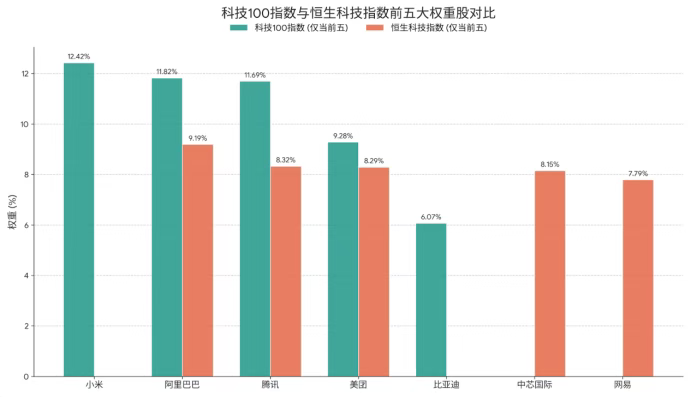
Core Viewpoint - The Hong Kong Stock Exchange (HKEX) has launched its first self-developed index, the Hong Kong Exchange Technology 100 Index, marking a significant shift in the market's evaluation system, which has long been dominated by the Hang Seng Index [1][3][13]. Group 1: Introduction of the Technology 100 Index - The Technology 100 Index aims to reflect the performance of the 100 largest Hong Kong-listed companies related to technology themes, including artificial intelligence, biotechnology, electric vehicles, information technology, the internet, and robotics [3][4]. - This index is seen as a response to the growing demand from mainland investors for a more relevant benchmark that aligns with their investment logic, especially as capital flows from mainland China into Hong Kong continue to rise [3][4]. Group 2: Future Developments and Strategy - HKEX plans to continue developing new indices in thematic investment and cross-market connectivity, indicating a strategic shift towards self-research and development in index creation [2][7]. - The exchange has recognized the need for diverse investment tools to cater to the increasing interest in technology and innovation sectors among investors [3][7]. Group 3: Comparison with Existing Indices - The Technology 100 Index differs from the Hang Seng Technology Index in terms of coverage and weight distribution, encompassing a broader range of companies and including significant players like Xiaomi, Alibaba, Tencent, Meituan, and BYD [5][6]. - This new index provides mainland investors with more options beyond the traditional reliance on the Hang Seng Technology Index, potentially reshaping their investment strategies [4][5]. Group 4: Historical Context and Market Evolution - Historically, the HKEX has not played a significant role in index creation, relying instead on the Hang Seng Index as a benchmark since its inception in 1964 [11][12]. - The launch of the Technology 100 Index is viewed as a corrective measure to align with the evolving market dynamics, particularly with the influx of A-share companies into Hong Kong [13][14].