
人才培养

Search documents
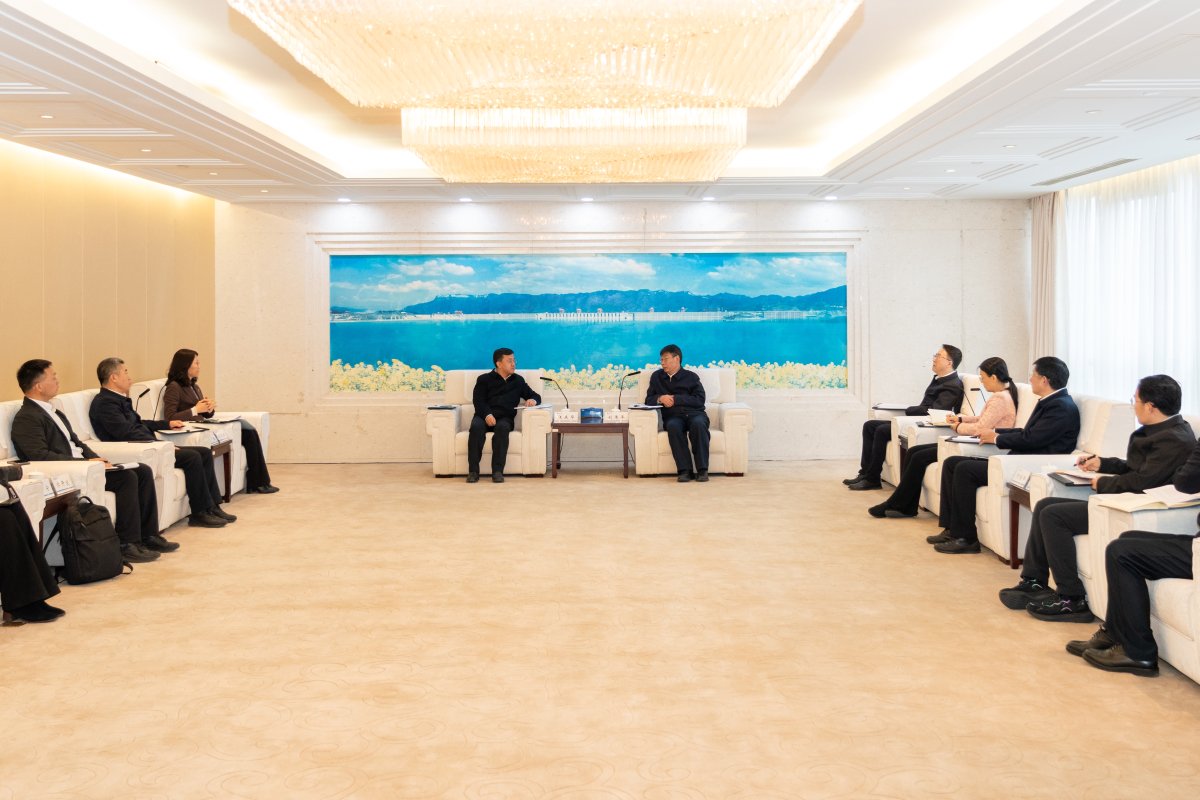
三峡集团与华北电力大学座谈
Xin Lang Cai Jing· 2026-01-31 17:24
本网讯(雷海超)1月30日,三峡集团董事长、党组书记刘伟平在北京与华北电力大学党委书记汪庆华,校长、党委副书记毕天姝座谈。双方就贯彻落实党 的二十届四中全会精神,深化在科技创新、人才培养等方面合作进行深入交流。三峡集团副总经理、党组成员王昕伟,华北电力大学党委常委、副校长刘威 出席。 刘伟平对汪庆华、毕天姝一行来访表示欢迎,对华北电力大学长期以来给予三峡集团的支持和帮助表示衷心感谢。刘伟平表示,华北电力大学是能源电力领 域享有盛誉的全国知名高校,双方在科技攻关、平台建设、人才培养等方面开展长期务实合作,建立了紧密的校企合作关系。希望双方继续发挥各自优势, 聚焦水利水电、清洁能源,围绕"沙戈荒"大基地、海上风电、新型储能等领域持续深化合作,加快推进科技创新和科研平台共建,强化人才支撑、培养和交 流,更好服务能源强国、科技强国和人才强国建设。 汪庆华、毕天姝对三峡集团长期以来给予华北电力大学的大力支持表示感谢。汪庆华、毕天姝表示,双方合作紧密且富有成效,具有坚实合作基础和广阔合 作前景。华北电力大学将聚焦三峡集团高质量发展所需,依托能源电力科学与工程学科群特色优势,携手推进原始创新和关键核心技术攻关,加强科技创新 ...


《贞观政要》中的选人用人之道
Xin Lang Cai Jing· 2026-01-30 19:46
Core Viewpoint - The article emphasizes the importance of talent selection, utilization, and cultivation in governance, as illustrated by the principles from the Tang Dynasty's "Zhenguan Zhenyao" [1][9] Group 1: Talent Selection - The key to governance lies in selecting individuals with both virtue and talent, breaking free from the constraints of aristocratic lineage and regional biases [2][3] - The Tang Dynasty implemented a dual selection mechanism of the imperial examination and recommendation system to ensure fair opportunities for all, regardless of background [3] - The core selection standard established was "virtue and talent combined," ensuring that candidates were evaluated on both moral character and capabilities [4] Group 2: Talent Utilization - Effective talent utilization involves matching individuals to roles that suit their strengths, ensuring that each person can contribute maximally to governance [5][6] - The principle of "the official does not need to be perfect, only the person" was adopted to streamline bureaucratic structures and enhance administrative efficiency [6] - Trust and shared governance between the emperor and officials were emphasized, fostering a collaborative environment for decision-making [6] Group 3: Talent Cultivation - The Tang Dynasty focused on long-term talent cultivation through structured education and training systems, establishing a sustainable talent management framework [7][8] - A dynamic management mechanism was created, emphasizing continuous assessment and lifelong learning to ensure the ongoing development of officials [8] - The establishment of educational institutions and a rigorous examination system helped standardize and improve the quality of talent in governance [7]
增强产学研协同育人效能
Jing Ji Ri Bao· 2026-01-28 22:03
产学研深度融合,是科技创新引领产业升级的重要一招,也是提升创新人才培养效率的必要路径。当 前,如何通过建立健全产学研一体推进的协调机制,推动科技自主创新与人才自主培养良性互动,成为 题中应有之义。 突出思政引领,校准创新育人方向。以建设融合青年大学生兴趣与主流价值观的短视频资源为切入口, 以建设优质网络思想政治资源数据库为基础,实现从"大水漫灌"式传统思想政治教育模式向"精准滴 灌"式数智化思政育人模式的转变。支持有条件的高校根据国家以及市场、产业发展需求,优化学科布 局,加强基础学科、新兴学科、交叉学科建设。推进与行业企业联合招生、联合培养,积极引导企业参 与创新人才培养全过程,探索建立以创新为导向的人才培养机制。 (文章来源:经济日报) 从时代背景看,产学研协同育人是增强国家战略人才力量的必然要求。通过产学研协同,将人才培养嵌 入产业发展与技术创新全过程,有利于引导科研攻关和人才供给更加精准对接国家和区域发展需求,推 动科技成果加快转化为现实生产力,为高质量发展提供有力的人才支撑。根据《中国科技成果转化年度 报告2025》,2024年全国高校院所科技成果转化总合同金额高达2269.1亿元,校企共建的研发与 ...
清华博士团队走进烟台中科网络技术研究所开展社会实践调研
Qi Lu Wan Bao· 2026-01-28 03:00
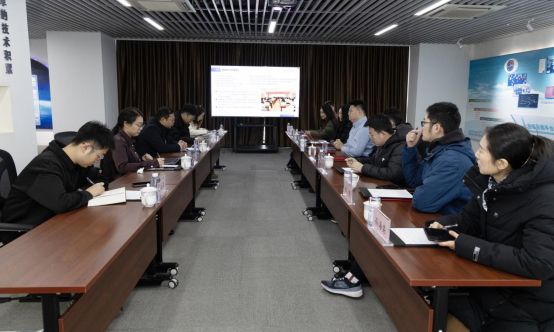
支队成员一行对网络所的精心安排表示感谢,刘依童博士表示,此次社会实践活动的主题是"以科技领 军企业驱动产业创新"。团队将结合前期调研成果与实地调研感受,积极搭建起清华大学与网络所之间 的人才桥梁,助力校地合作务实深化。双方还就人才培养、科技成果转化、实践基地建设等领域的深化 协作进行了充分探讨,力求探索科研攻关、成果转化与人才共育的新模式,实现资源共享、优势互补。 座谈现场还举行了青年科技联络员聘任仪式,王海洋所长代表网络所向支队成员颁发聘书,标志着双方 人才交流与合作迈入常态化阶段。 网络所将以此次交流为契机,持续构建常态沟通机制,广聚英才、引智赋能,推动各项合作落地见效, 为服务国家和区域重大战略任务、促进区域经济高质量发展贡献更多力量。(通讯员韩馨茹) 1月22日上午,清华大学"社践烟程,E箭凌云"社科学院-电子系赴山东烟台联合支队走进烟台中科网络 技术研究所开展社会实践调研。网络所所长王海洋,所长助理初杰、董一凡等陪同活动,双方就人才培 养、科技成果转化、实践基地建设等内容开展了深入座谈交流。 座谈会伊始,王海洋代表网络所对支队成员的到来表示热烈欢迎,并介绍了网络所的战略定位、发展历 程与技术成果。他 ...
对话独角兽 | 沐曦支招国产GPU突围:生态是支点,用户是核心
Di Yi Cai Jing· 2026-01-26 11:31
Core Insights - The GPU industry, as a core support for the digital economy, is dominated by international giants, while domestic GPU companies face multiple bottlenecks in supply chain, ecosystem, and talent [1] - Shanghai-based Muxi Integrated Circuit, established in 2020, has emerged as a unicorn in the domestic GPU sector, with its IPO application accepted to raise 3.904 billion yuan for technology iteration and industrial implementation [1] Supply Chain Challenges - The global GPU industry is characterized by a monopoly of international giants in core segments, with domestic companies facing challenges such as reliance on EDA software and insufficient yield in advanced processes [3] - Muxi focuses on "segment breakthroughs + ecosystem collaboration" as a dual-path strategy to address these challenges, emphasizing the need for end-to-end platform capabilities [3] - Muxi proposes a "project integration" strategy to enhance domestic EDA tools through real product development projects, facilitating the connection between domestic EDA and local wafer fabs [3] Industry Collaboration - The autonomy of the GPU supply chain cannot be achieved by a single company; collaboration is essential among upstream materials and equipment sectors [4] - Government subsidies for classic customer projects may help promote the collaboration between domestic EDA and wafer fabs, addressing common issues [4] Ecosystem Development - The domestic GPU ecosystem faces issues such as disorganization, resource scarcity, and talent shortages, with many open-source associations lacking official support [6] - Muxi differentiates itself by adopting a generalized underlying architecture and an open-source strategy to build a collaborative ecosystem, aiming to attract developers and expand market reach [6][8] - Muxi's complete software stack (MXMACA) is designed to be compatible with mainstream GPU ecosystems, encouraging users to choose domestic solutions [6] Talent Development - The GPU industry requires highly skilled, cross-disciplinary talent, with product development often taking 2-3 years, yet there is a significant talent shortage in the domestic integrated circuit industry [10] - Muxi's core team has an average of nearly 20 years of experience in high-performance GPU development, which is a key factor in its rapid rise [10] - Muxi has established a three-pronged talent cultivation system focusing on vocational education, industry-academia integration, and open-source community engagement to address the talent shortage [10] Systemic Upgrades - The breakthrough of domestic GPUs is not just a technical competition among individual companies but requires a systemic upgrade across the supply chain, ecosystem, policies, and market [11] - Addressing deep-seated contradictions is essential for domestic GPUs to transition from "replacement" to "independent leadership," providing reliable computing power for digital economic development [11]
潍坊市奎文区工信局“牵线”校企精准育才
Qi Lu Wan Bao· 2026-01-21 09:33
齐鲁晚报.齐鲁壹点潘英杰 近日,潍坊市奎文区工信局与山东豪迈模具有限公司、潍坊浩泰机械有限责任公司走进山东工业技师学 院、潍坊市技师学院举办招聘宣讲,推动高素质技能人才培养与企业需求同频共振。 对于新落地重点项目,快速组建高素质员工队伍是关键。豪迈集团在奎文投资高端模具项目后,奎文区 工信局迅速响应,精准锁定企业在机械加工、数控技术等领域的人才需求,组织企业与院校召开专题座 谈会,就岗位要求、实习就业等进行深入交流,有效缩短招聘周期,保障了企业"招得进、留得住、用 得好"。 下一步,潍坊市奎文区工信局将重点推动海王中药饮片、淳和服饰等多家企业与潍坊学院、山东科技职 业学院等院校围绕生物医药、纺织服装等产业开展合作,探索联合招聘、定向培养、实习基地共建等路 径。通过一系列务实举措,有效破解企业用工瓶颈,强化产业发展人才支撑,为制造业升级与实体经济 壮大塑造新的竞争优势。 ...
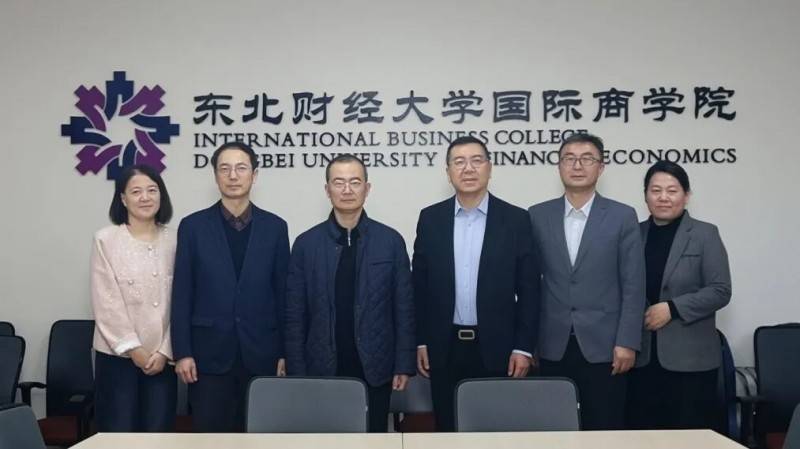
致同与东北财经大学国际商学院共建校企合作人才培养基地
Sou Hu Cai Jing· 2026-01-20 10:44
近日,致同与东北财经大学国际商学院举行"校企合作人才培养基地"交流座谈会暨校企合作协议签订仪式。 致同大连办公室管理合伙人李宜、人力资源部高级经理吴金娣,东北财经大学国际商学院院长孟韬、副院长耿 玮、职业发展与校友工作部主任李一鸣等出席活动。 座谈会上,致同大连办公室管理合伙人李宜结合致同的发展历程和业务布局,介绍了事务所当前的规模及人才需 求。他指出,此次与国际商学院签约,是致同与东北财经大学自2019年开展校企合作以来的又一重要进展,也是 致同积极践行社会责任、持续助力大学生就业的切实举措。 致同大连办公室高级经理吴金娣对学院积极推动并共同组织本次活动表达感谢,并围绕"实习实践"与"招聘就 业"两方面,具体阐述了致同的人才选拔标准与相关流程。 会上,双方代表正式签署《校企合作人才培养基地协议》,并举行授牌仪式。 李宜表示,致同期望通过产学合作、产教融合携手促进会计专业应用型人才培养,协同破解企业人才需求难题, 推动高端人才扎根辽宁,为区域经济发展提供高质量人才支持。 孟韬院长指出,与致同的深度合作是学院深化教育教学改革、提升人才培养质量的重要举措。学院将以此次人才 培养基地建立为契机,充分发挥教育资源优势 ...
SHEIN的“人才引擎”,如何激活服装产业升级新动能?
Ge Long Hui· 2026-01-20 05:24
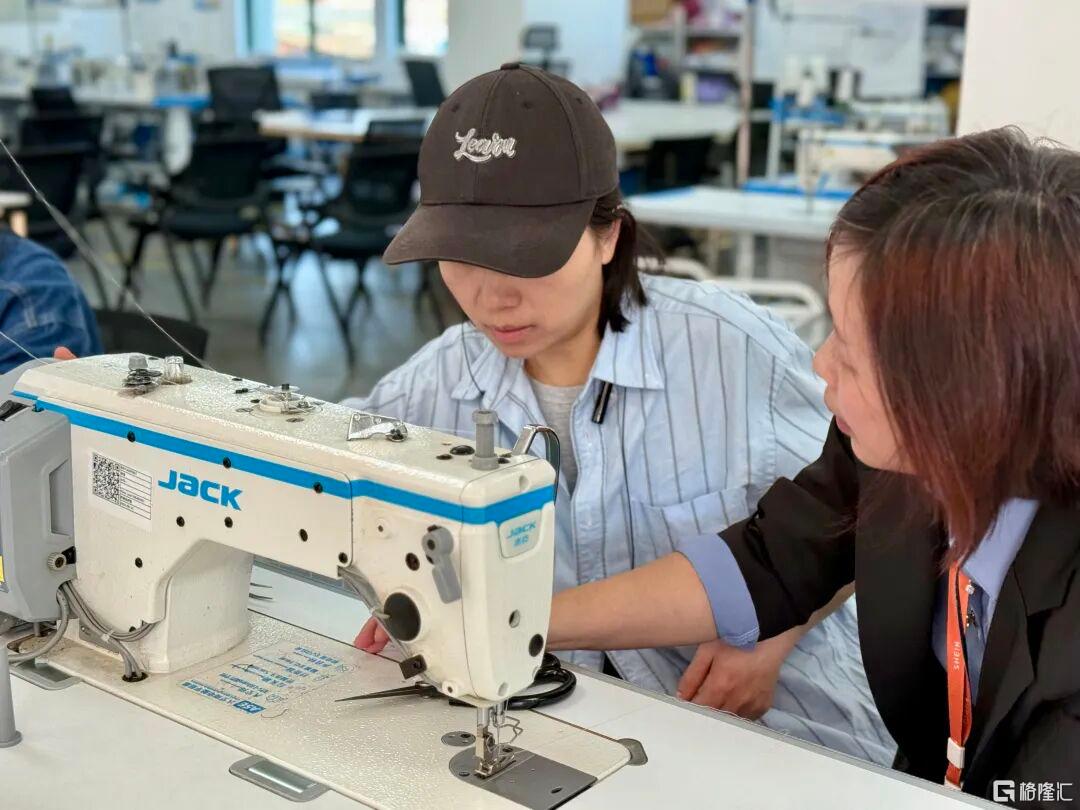
Core Viewpoint - The textile and apparel industry in China is facing structural talent shortages, which hinder its transformation towards digitalization and sustainability. SHEIN is addressing this issue through comprehensive training programs aimed at various employment groups, thereby enhancing the industry's talent pool and overall competitiveness [1][3]. Group 1: Talent Development Initiatives - SHEIN has launched a free employment support skills training program targeting key employment groups, including unemployed graduates and flexible workers, focusing on two roles: sewing workers and garment pattern makers [1][13]. - The company has established a three-dimensional training system that integrates suppliers, educational institutions, and social groups, embedding talent development into its core industry empowerment strategy [1][3]. - In 2025, SHEIN conducted nearly 600 supplier empowerment training sessions, covering approximately 37,000 suppliers and certifying skills in six job categories [6]. Group 2: Training Methodologies - SHEIN employs a "full-cycle training + on-site teaching" approach to address industry pain points, significantly reducing defect rates among suppliers by 50% within a month after training [4][6]. - The company has developed a four-part integration mechanism for industry needs, professional capability modeling, curriculum restructuring, and joint assessments with educational institutions, ensuring that training aligns with real industry demands [9]. - SHEIN's training programs are designed based on real business scenarios, allowing students to gain practical skills that are directly applicable in the workforce [9][13]. Group 3: Employment Support and Community Impact - The "zero-based" skills training program not only equips participants with practical sewing skills but also enhances their employability, creating a complete cycle from job demand to skills training and employment services [13][15]. - SHEIN's initiatives have resulted in a dual benefit of addressing employment challenges for key groups while simultaneously building a reservoir of skilled talent for the apparel industry [15]. - The company has invested in community support programs, such as funding for workers' families and providing after-school care for employees' children, which enhances employee retention and morale [18]. Group 4: Industry Collaboration and Ecosystem Development - SHEIN's talent development is integrated into its broader "4+1" industry empowerment system, which includes investments in technology, factory upgrades, and community services, promoting sustainable development in the textile and apparel sector [16]. - The company has committed to investing 500 million yuan over five years for supplier empowerment, which includes both physical and human capital investments [16]. - SHEIN's training and support initiatives have created significant employment opportunities, impacting over one million jobs across various sectors, including trade, manufacturing, and logistics [19].
SHEIN的“人才引擎”,如何激活服装产业升级新动能?
格隆汇APP· 2026-01-19 09:06
Core Viewpoint - The article emphasizes that "talent" is the key to overcoming development bottlenecks in the transformation and upgrading of China's traditional manufacturing industry, particularly in the textile and apparel sector, which faces structural talent challenges [2][3]. Group 1: Talent Development Initiatives - SHEIN, in collaboration with the Guangdong Provincial Federation of Trade Unions, has launched free employment support skills training programs targeting key employment groups, including unemployed graduates and workers in transition, focusing on popular job roles in the market [3][18]. - The training program includes "zero-based" employment support for roles such as sewing workers and garment pattern makers, aiming to enhance the skill sets of participants and facilitate their entry into the job market [18][21]. - SHEIN's training initiatives have resulted in a significant reduction in defect rates among suppliers, with a reported 50% decrease in defective products following targeted training sessions [7][9]. Group 2: Comprehensive Training Models - SHEIN has established a multi-faceted training system that includes regular and special training sessions, both online and offline, to empower suppliers and enhance their skill levels [8][9]. - The company has conducted nearly 600 training sessions in 2025, covering approximately 37,000 supplier instances and certifying skills across six job roles, thereby contributing to the industry's talent pool [9][10]. - The training model is characterized by a "from industry to industry" approach, ensuring that training is relevant and directly addresses the needs of suppliers [11]. Group 3: Industry-Academia Collaboration - SHEIN has developed a four-part integration mechanism that connects industry needs with educational institutions, ensuring that the training curriculum aligns with real-world job requirements [12]. - The establishment of the SHEIN Industry-Education Evaluation Shared Training Base facilitates hands-on learning experiences for students, bridging the gap between theoretical knowledge and practical application [12][14]. - The company plans to collaborate with educational institutions to create "micro-specialties" and share training resources, focusing on cultivating talents with composite skills in digital garment technology [14]. Group 4: Employment Support for Key Groups - The "zero-based" skills training program has received positive feedback from participants, with many reporting increased confidence and practical skills that enhance their employability [15][21]. - SHEIN's training not only provides structured courses but also includes practical training environments and industry-experienced instructors, ensuring that participants acquire valuable skills [19][21]. - The company has established a complete cycle of "job demand—skills training—skills evaluation—employment services," which helps address employment challenges for key groups while simultaneously building a talent pipeline for the apparel industry [21]. Group 5: Synergy Between Talent Development and Industry Ecosystem - SHEIN's talent development is integrated into its broader "4+1" industry empowerment system, which includes investments in technology innovation, factory upgrades, and community services, promoting sustainable development in the textile and apparel sector [23]. - The company has invested over 600 million yuan in upgrading factory facilities, benefiting more than 33,000 individuals, while also developing over 180 innovative tools that enhance production efficiency by an average of 35% [24]. - SHEIN's initiatives have created a positive feedback loop where talent development and hardware upgrades work in tandem, leading to improved production efficiency and product quality across the supply chain [24][25].

法国山东商会2026年度会议暨新春招待会在巴黎举行
Ren Min Wang· 2026-01-19 06:36
Core Viewpoint - The France Shandong Chamber of Commerce held its 2026 annual meeting and New Year reception in Paris, emphasizing the importance of promoting Sino-French economic cooperation and cultural exchange among overseas Shandong compatriots [1]. Group 1: Meeting Highlights - The meeting gathered nearly a hundred attendees, including members of the chamber, media guests, and families of overseas Chinese, showcasing a strong sense of community and collaboration [1]. - Liu Sheng, the president of the chamber, presented the 2025 work report, highlighting the chamber's achievements in facilitating economic and cultural exchanges since the last leadership transition [1]. - The chamber has received nearly a hundred economic and cultural delegations from various cities in Shandong, establishing an efficient cooperation platform [1]. Group 2: Economic Outlook - Shandong Province is projected to surpass a GDP of 10 trillion RMB by 2025, reflecting its robust development strength and boosting the confidence of overseas Shandong compatriots in supporting their hometown and promoting Sino-French exchanges [1]. Group 3: Future Initiatives - The chamber plans to focus on three key areas: enhancing cultural exchange through collaboration with French media to produce a series of documentaries showcasing Shandong's hospitality, strengthening economic cooperation by building a service center for Shandong enterprises in Europe, and nurturing the next generation of overseas compatriots [2].