
差异化发展

Search documents
华菱钢铁:公司长期坚持差异化发展和品种结构高端化的战略
Zheng Quan Ri Bao Wang· 2026-01-15 01:48
Core Viewpoint - The company emphasizes its commitment to differentiated development and high-end product structure, focusing on long-term growth and competitiveness through continuous investment in digital transformation, production line quality enhancement, and product structure adjustment [1] Group 1: Strategic Initiatives - The company is investing in digital transformation and improving production efficiency as part of its long-term strategy [1] - Continuous adjustments in product structure are aimed at enhancing the company's competitive edge in the industry [1] Group 2: Financial Performance and Shareholder Returns - The company has maintained a stable increase in dividend payout ratios over recent years, with the cash dividend and share buyback amounting to 44% of the net profit attributable to shareholders for the year 2024 [1]

端牢“中国饭碗” 多省份“十五五”农业规划路线图出炉
2 1 Shi Ji Jing Ji Bao Dao· 2026-01-14 23:04
Core Viewpoint - The "14th Five-Year Plan" emphasizes strengthening food security and enhancing the supply capacity of important agricultural products, with a focus on technological innovation and land management as key strategies for agricultural development across various provinces [1][2]. Group 1: Food Security and Agricultural Production - Food security is identified as a national priority, with the "14th Five-Year Plan" proposing a new round of actions to increase grain production capacity by 100 billion jin [2]. - Provinces like Heilongjiang aim to achieve a grain output of 1640.1 billion jin by 2025, with a target of 2000 billion jin by 2030 [2]. - Each province has specific goals, such as Jilin focusing on maintaining national food security and Shandong on building a higher-level grain storage system [2]. Group 2: Technological Innovation - Technological innovation is highlighted as a core driver for enhancing agricultural production capacity and quality, addressing critical issues in seed technology and promoting smart machinery and agricultural big data applications [3][4]. - Various provinces are implementing seed industry revitalization actions, with initiatives to establish breeding centers and promote advanced agricultural technologies [4][5]. Group 3: Land Management and Agricultural Infrastructure - High-standard farmland construction is a key focus for ensuring food security during the "14th Five-Year Plan," with multiple provinces outlining specific measures for land protection and quality improvement [6]. - The development of a diversified food supply system is emphasized, with provinces proposing targeted actions to enhance livestock, aquaculture, and specialty agricultural sectors [6]. Group 4: Agricultural Industry Upgrading - The "14th Five-Year Plan" encourages the upgrading of agricultural industries and the development of specialty products, with provinces like Jilin and Henan prioritizing modern agricultural practices and the integration of various agricultural sectors [8][9]. - There is a strong emphasis on extending industrial chains, improving agricultural product processing, and enhancing logistics and storage infrastructure to facilitate market access [9]. Group 5: Regional Differentiation and Consumer Demand - Agricultural development strategies should be tailored to local resource endowments, with a focus on consumer demand to strengthen local specialty industries [7][9]. - The plan advocates for the development of organic food and convenience food industries to meet changing consumer preferences, particularly among younger demographics [7].
华菱钢铁:公司长期坚持差异化发展和品种结构高端化战略
Zheng Quan Ri Bao Wang· 2026-01-13 12:45
Core Viewpoint - The company, Hualing Steel, is committed to a differentiated development strategy and high-end product structure, aiming to launch six products that are either "domestically first" or "import substitutes" by the first half of 2025 [1] Group 1 - The company has developed a series of high value-added products, including bearing steel, cold heading steel, spring flat steel, gear steel, and radial tires, to strengthen and expand its competitive advantage in the special steel sector [1]
凝聚共识谋发展 谱写期货服务产业新篇章
Qi Huo Ri Bao Wang· 2026-01-13 01:04
Core Viewpoint - The 2026 Industry Service Alliance Conference in Zhengzhou focused on enhancing the futures industry's service to the real economy, addressing challenges in differentiation, digital transformation, compliance, and talent cultivation [1] Group 1: Service to the Real Economy - The futures market's core mission is to serve the real economy, but challenges such as cognitive differences, insufficient tools, and a lack of professional talent hinder effective service [2] - A multi-layered risk management service system is needed, requiring collaboration among regulatory bodies, exchanges, futures companies, and real enterprises [2] - Large state-owned enterprises prioritize compliance and precision in service, with training and simulations improving understanding of hedging in industries like steel [2] Group 2: Differentiation and Development - Differentiation is crucial for futures companies to overcome competition and achieve high-quality development [3] - Futures companies should focus on their backgrounds: industry-focused firms should deepen service in the supply chain, while those with brokerage backgrounds should integrate investment research with AI [3] - The asset management business needs to overcome challenges in product management, fundraising, and research support to avoid homogenization [3] Group 3: Digital Transformation - Digital transformation is essential for enhancing service efficiency, with AI and big data as key drivers [5] - Companies are developing intelligent systems based on AI to improve efficiency without replacing human roles [6] - Regulatory clarity on financial technology is necessary to support innovation while ensuring risk control [6] Group 4: Talent Support - Talent shortages are a significant barrier to the futures industry's development, necessitating partnerships between companies and educational institutions to enhance talent supply [8] - A scientific incentive system is recommended to retain talent and enhance their sense of belonging [8] - Practical empowerment through industry research is essential for young researchers to develop their professional skills [9] Group 5: Compliance and Ecosystem Building - The future of compliance in the securities and futures industry will shift towards a dual accountability model for companies and individuals [7] - Building a diverse cooperation ecosystem involving banks, insurance, and private equity is vital for long-term development [7] - The industry should focus on customer needs to create a service ecosystem that enhances financial literacy and market understanding [7] Group 6: Summary and Future Directions - The conference highlighted the importance of serving the real economy, with a focus on optimizing tools, addressing funding constraints, and enhancing talent supply [10] - Differentiation and asset management transformation are key paths for futures companies, with knowledge-based services emerging as growth points [10] - The Industry Service Alliance aims to foster collaboration across institutions and fields to support the futures industry's long-term development [10]
分层竞争!券商国际化加速推进
中国基金报· 2026-01-11 13:43
Core Viewpoint - The internationalization process of Chinese securities firms is accelerating, with a focus on capital raising and expansion into overseas markets, particularly Hong Kong [2][4]. Group 1: Capital Raising and Investment Plans - In 2026, GF Securities plans to raise approximately HKD 61.1 billion through "H-share placement + convertible bond issuance" to support its international business expansion [2]. - Since 2025, at least five securities firms have announced capital increase plans for their Hong Kong subsidiaries, with a total proposed amount nearing HKD 20 billion [4]. - Notable firms like China Merchants Securities and CITIC Securities have also disclosed significant capital increase plans for their international subsidiaries, indicating a trend towards overseas investment [4]. Group 2: Drivers of Internationalization - The push for internationalization is driven by multiple factors, including supportive policies, market opportunities, and competitive pressures [4]. - The China Securities Regulatory Commission has set a goal for 2 to 3 investment banks with international competitiveness by 2035, providing a clear policy direction [4]. - The Hong Kong IPO market has seen over HKD 280 billion in fundraising in 2025, enhancing market activity and liquidity for Chinese securities firms [5]. Group 3: Focus Areas for Overseas Business - Chinese securities firms are concentrating on three main areas for overseas business: cross-border financing, wealth management, and asset management [5]. - The unique advantages of the Hong Kong market, such as connecting mainland China with global markets, are driving a surge in cross-border fundraising [5]. Group 4: Competitive Landscape - A "layered competition" and "differentiated development" are expected in the overseas business landscape over the next 3 to 5 years [9]. - Leading firms like CICC, CITIC, and Huatai are forming oligopolies in large-scale cross-border mergers and A+H listings, capturing over 70% of market share [9]. - Mid-sized firms are focusing on niche sectors like renewable energy and healthcare, while foreign investment banks are retreating to high-value areas like wealth management [9][10]. Group 5: Strategic Approaches - "Localization" is a critical challenge for firms venturing abroad, particularly in compliance, talent acquisition, and client relationship management [7]. - Huatai Securities' model of "strategic investment + collaborative development" offers valuable insights for internationalization [8]. - Firms are expected to enhance their competitive edge by leveraging their deep understanding of the Chinese market and focusing on specific business segments [10].


专访中国酒业协会工坊啤酒专业委员会副秘书长孟路:个性化场景释放京城精酿啤酒消费情怀
Xin Lang Cai Jing· 2026-01-08 16:57
Core Insights - The Chinese craft beer market is projected to reach approximately 41.5 billion yuan in 2024, with expectations to exceed 100 billion yuan within three years, and a market size of 30-40 billion yuan by 2025 [3] - The penetration rate of craft beer in China is expected to rise to 6.3% by 2025, with consumption volume increasing from 143,000 kiloliters in 2022 to 230,000 kiloliters, reflecting a compound annual growth rate of 17% [3] Market Trends - The craft beer market in Beijing has evolved from a niche hobby to a mainstream consumer choice over the past decade, with a significant increase in the number of craft beer bars [5] - Despite the growth, many craft beer bars are facing challenges of homogenization in product offerings and venue experiences, leading to a lack of differentiation [4][6] Challenges - The craft beer concept lacks a clear definition, resulting in market confusion, while high rental costs and regulatory constraints hinder the survival of self-brewing brands [7] - The rise of e-commerce poses a challenge for craft beer bars, as they must compete on price while maintaining the unique value of the in-person experience [7] Future Development - Craft beer bars are increasingly focusing on high cost-performance ratios to attract price-sensitive consumers, which may dilute brand identity but expand the customer base [8] - There is a clear trend towards differentiation between chain and independent craft beer bars, with chains leaning towards a standardized dining experience, while independent bars focus on community engagement and unique offerings [9]

大集合谢幕,9万亿券商资管转型加速
2 1 Shi Ji Jing Ji Bao Dao· 2026-01-08 07:12
Core Insights - The transition of brokerage collective asset management products towards public offerings is nearing completion, with only three products remaining as of the end of 2025 [1][2][3] - The total scale of the securities industry asset management business has exceeded 9 trillion yuan, with private asset management scale reaching 5.8 trillion yuan [1] - The application for public fund licenses by brokerage asset management subsidiaries has slowed down significantly, indicating a shift in market dynamics and regulatory guidance [4][5] Group 1: Transition of Collective Asset Management Products - By the end of 2025, only three brokerage collective products remain, with most transitioning to public fund products or opting for liquidation [1][2] - The historical context of brokerage collective products dates back to 2003, with the first product launched in 2005, but new setups have been prohibited since 2013 [2] - The transition to public fund standards is ongoing, with many products facing direct pressure on management scale and income due to competition from public funds and bank wealth management subsidiaries [3] Group 2: Public Fund License Applications - A wave of applications for public fund licenses occurred in 2023, with several brokerages successfully obtaining licenses, but the approval process has since slowed [5] - The withdrawal of applications by multiple brokerages indicates a significant change in the competitive landscape, with the public fund market becoming increasingly saturated [5] - Currently, 14 brokerages and their asset management subsidiaries have been approved to conduct public fund management business [5] Group 3: Differentiated Development Strategies - Brokerages are focusing on reducing channel and non-standard business while increasing resources towards actively managed products, particularly in equity and fixed income sectors [6] - National Securities has emphasized risk control and management while enhancing active management scale to provide stable investment returns [6] - The trend suggests that larger institutions may benefit more from public paths, while specialized brokerages may find private paths more advantageous [6]
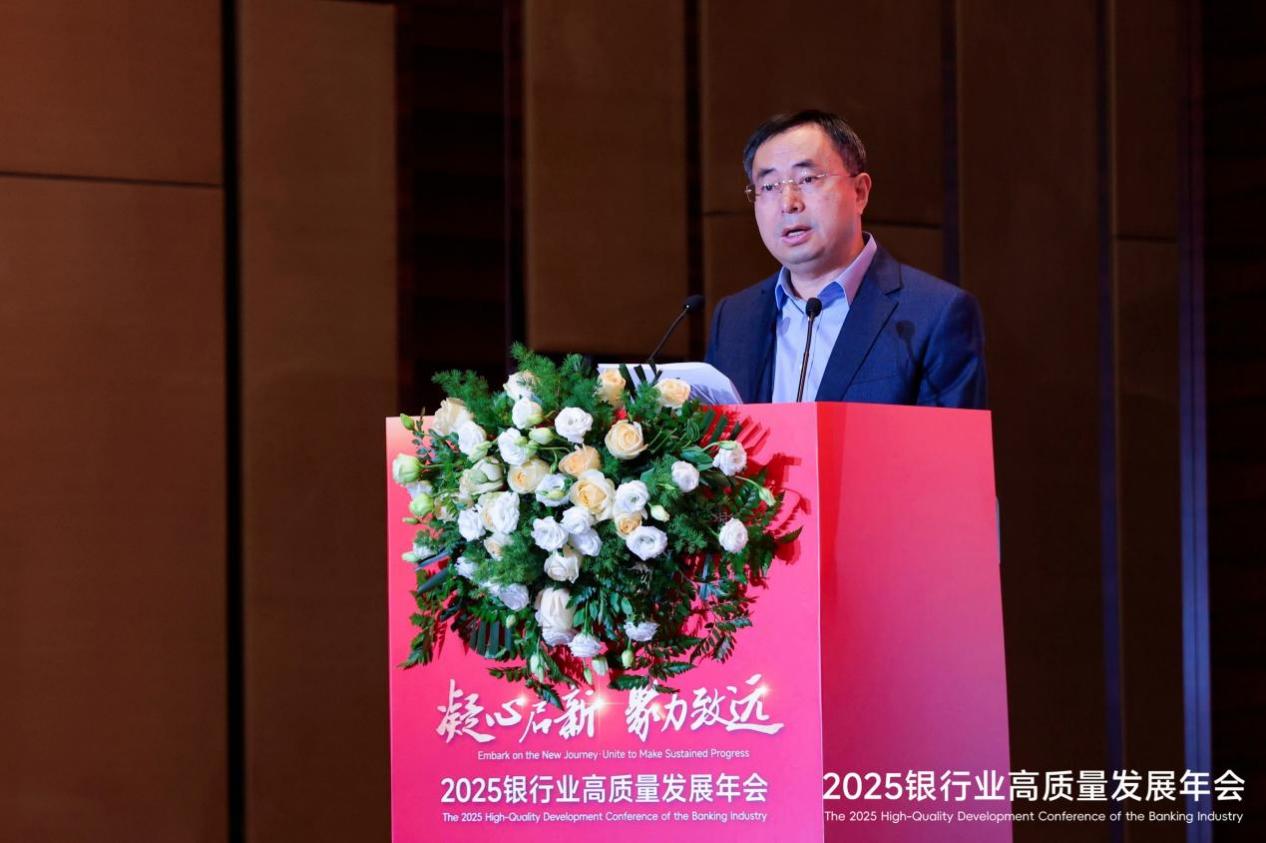
凝心启新,聚力致远,启航・2025银行业高质量发展年会成功举办
Jin Rong Jie· 2025-12-27 10:45
在创业投资领域,江小涓进一步分析,除传统科创投资外,产业创投资金与政府创投资金均是科创金融的关键力量,这类资本兼具战略投资与耐心资本的特 征,为科技创新提供了稳定且可持续的资金支持。 "当前产业端在合作中已不再处于弱势地位,反而具备了自主选择投资者的主动权。"江小涓提醒金融业需树立紧迫感,必须加快市场化、数智化、国际化转 型步伐,自身做得好才能抓住我国科技创新带来的新机遇,拓展自身的发展空间。 岁末启新,共谋发展。在"十四五"收官与"十五五"开局的关键节点,由金融界主办、宁波银行支持、清华大学经济管理学院中国金融研究中心提供学术支持 的"启航・2025银行业高质量发展年会"于12月26日在北京成功举办。本次年会以"凝心启新,聚力致远"为主题,汇聚监管专家、学界精英、行业领袖及科技 企业代表,围绕服务实体经济、数字化转型、AI+金融创新、风险防控等核心议题展开深度讨论,为银行业高质量发展建言献策。 锚定高质量发展核心方向 会上,多位行业专家从宏观视角与专业维度精准施策,为银行业高质量发展锚定方向。中国银行业协会副秘书长殷有祥在致辞中指出,银行业作为国民经济 的核心,是服务实体经济的主力军、防控金融风险的主战场、 ...
“躺赚”时代结束,大型物业公司进入差异化发展深水区
第一财经· 2025-12-16 13:18
Core Viewpoint - The property management industry is undergoing significant transformation in 2025, shifting from traditional service models to asset management and specialized operational strategies to enhance profitability and service differentiation [3][6]. Group 1: Industry Trends - Property management companies are evolving from basic service providers to asset operators, focusing on creating diverse revenue streams through innovative service models [3][6]. - The industry is moving away from homogeneous competition towards differentiated development based on core competencies, emphasizing the need for specialized and vertical service offerings [3][6]. Group 2: Company Strategies - Poly Property has introduced the "All-Domain Scenic City" model, integrating property services with cultural tourism to create new profit models [3][6]. - Wanwu Cloud is transitioning from traditional property management to asset services, utilizing AI and low-carbon solutions to enhance operational efficiency and tenant satisfaction [7][8]. - Country Garden Services is concentrating on basic services, particularly in managing old residential communities, addressing common issues such as outdated facilities and low resident satisfaction [11][12]. Group 3: Case Studies - Poly Property's management of the Xichong scenic area has transformed it from a simple tourist spot into a comprehensive experience destination, increasing secondary consumption by 78% within six months [5][6]. - Wanwu Cloud's "Ling Stone 3.0" solution has improved operational efficiency significantly, achieving a 95% increase in inspection efficiency at certain projects [8][9]. - Country Garden Services has implemented various value-added services in old communities, such as community retail and home maintenance, to create sustainable revenue streams [12][13].


“躺赚”时代结束,大型物业公司进入差异化发展深水区
Di Yi Cai Jing· 2025-12-16 11:32
Group 1: Industry Trends - The property management industry is undergoing a transformation from basic services to specialized and differentiated offerings, creating competitive advantages through professionalization [1] - Companies are shifting from a focus on traditional property management to asset management, with an emphasis on enhancing service value and establishing business moats [1][5] - The industry is moving away from homogeneous competition towards differentiated development based on core competencies, with opportunities in vertical market exploration [1] Group 2: Company Strategies - Poly Property has introduced the "All-Domain Scenic City" model, integrating property services with cultural tourism to create new profit models [1][4] - Poly Property is enhancing its service offerings in scenic areas like Xichong by transitioning from basic services to operational management, including ticketing and event planning [2][3] - Wanwu Cloud is transitioning from traditional property management to asset services and AI solutions, aiming to address pain points in asset management through its "Lingstone 3.0" system [5][6] - Country Garden Services is focusing on basic services and old community management, establishing a separate brand "Yuebaijia" to provide modern property services in aging neighborhoods [7][9] Group 3: Operational Improvements - Poly Property's operational improvements in Xichong have led to a 78% increase in secondary consumption and enhanced visitor experience within six months [3] - Wanwu Cloud's "Lingstone" system has improved inspection efficiency by 95% and reduced traffic congestion by 70% in various projects [6] - Country Garden Services is implementing diverse value-added services in old communities, such as community retail and home services, to achieve sustainable profitability [9][10]