注册制改革

Search documents
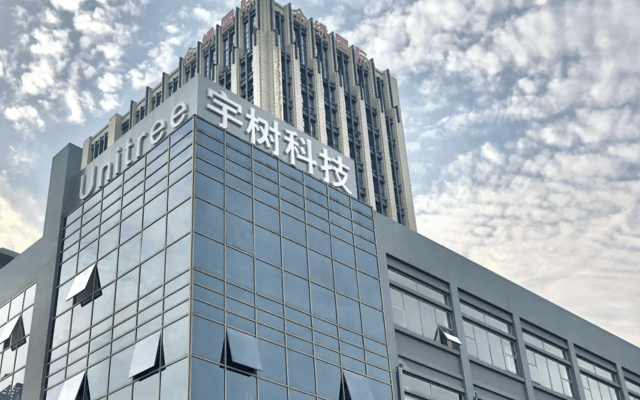
宇树科技澄清未申请"绿色通道" 以稳健姿态推进上市进程
Sou Hu Cai Jing· 2026-01-05 07:05
Group 1 - The core message of the article highlights the importance of transparency in the IPO process, as demonstrated by Yushu Technology's recent clarification regarding the "green channel" rumors [2][3] - Yushu Technology's statement reflects the sensitivity of the current IPO market and the potential disruption caused by such rumors, which can lead to investor concerns about market fairness [2] - The company emphasizes that its listing process is proceeding normally, showcasing a commendable attitude of stability and focus on core operations rather than seeking shortcuts [2] Group 2 - Yushu Technology's technological advancements in quadruped robotics have gained international recognition, establishing a strong competitive edge based on core technology [2] - The ongoing reforms in China's capital markets, including the implementation of the registration system for the Sci-Tech Innovation Board and the Growth Enterprise Market, provide a standardized and market-oriented financing platform for hard-tech companies [2] - The article suggests that companies focusing on internal development rather than shortcuts will ultimately find success in the IPO process, marking a shift towards a new phase in China's capital market centered on information disclosure and company quality [3]

科创板:硬科技“主阵地”崛起 600家企业绘就创新发展新图景
Di Yi Cai Jing· 2026-01-05 03:52
Core Viewpoint - The number of companies listed on the Sci-Tech Innovation Board has officially surpassed 600, marking a significant milestone in the integration of technology and capital in China [1] Group 1 - The Sci-Tech Innovation Board has become the preferred platform for hard technology companies to go public, reflecting its role as a testing ground for the registration-based reform [1] - Over the past six years, the board has not only injected capital into enterprises but also allowed investors to share in the development dividends [1] - The achievement of 600 listed companies signifies a vibrant intersection of technology and capital in China, establishing a high ground for innovation in key sectors [1]
600家公司撬动逾10万亿硬科技版图
第一财经· 2026-01-05 03:04
Core Viewpoint - The article discusses the significant changes in China's capital market and "hard technology" development since the establishment of the Sci-Tech Innovation Board (STAR Market) over seven years ago, highlighting its role in supporting technological innovation and providing a favorable investment environment [3]. Group 1: Overview of the Sci-Tech Innovation Board - As of January 5, 2026, the number of listed companies on the Sci-Tech Innovation Board reached 600, with a total market capitalization exceeding 10 trillion yuan, and IPO and refinancing funds raised exceeding 1.1 trillion yuan [3][5]. - Over 80% of the listed companies are from emerging industries such as new-generation information technology, biomedicine, and high-end equipment manufacturing, with an average R&D intensity maintained above 10% [3][5]. - The Sci-Tech Innovation Board has over 100 listed ETFs, with a total scale of over 310 billion yuan for related index tracking products [3]. Group 2: Impact on Companies - Companies listed on the Sci-Tech Innovation Board have experienced significant growth, with a compound annual growth rate (CAGR) of 19% in revenue and 8% in net profit over the past five years [5][6]. - The board has facilitated a balanced match between policy supply and industry demand, helping companies like Zhongwei achieve multi-channel financing and enhance market recognition [4][8]. - The board's inclusive and adaptive system has allowed companies to overcome uncertainties in technology innovation and capital returns, providing solid support for national strategic goals [4][6]. Group 3: Characteristics of the Sci-Tech Innovation Board - The Sci-Tech Innovation Board exhibits "three highs and one strong" characteristics: high "new" content, high "science" content, high "gold" content, and strong institutional adaptability [7]. - The board has introduced innovative systems and continuously optimized them, serving as a "testbed" for capital market reforms [7]. - Companies like Ailis have benefited from the board's inclusive policies, achieving rapid development post-listing [7]. Group 4: Sector-Specific Developments - The semiconductor industry has become a core focus, with 127 listed companies on the Sci-Tech Innovation Board, accounting for 60% of the total A-share semiconductor companies [11]. - These semiconductor companies have a combined market value of 5 trillion yuan, with a revenue increase of 25% year-on-year in the first three quarters of 2025 [11][12]. - The board has supported semiconductor companies through direct financing, high-quality mergers and acquisitions, and talent retention strategies [12]. Group 5: Biomedicine Sector Growth - The Sci-Tech Innovation Board has become a major listing venue for biomedicine, with nearly 120 companies and a total market value of 1.75 trillion yuan [13]. - The board has implemented policies to support unprofitable biotech companies, enhancing their financing flexibility [13][14]. - Biomedicine companies listed on the board have significantly contributed to the development of innovative drugs, with 14% of new drugs approved in China originating from these companies [14][15].



600家公司撬动逾10万亿硬科技版图,科创板七年跑出改革创新加速度
Di Yi Cai Jing Zi Xun· 2026-01-05 01:40
Group 1 - The Science and Technology Innovation Board (STAR Market) has seen significant growth since its establishment over seven years ago, with 600 listed companies and a total market capitalization exceeding 10 trillion yuan [1][3] - The STAR Market has raised over 1.1 trillion yuan through IPOs and refinancing, with more than 80% of companies in emerging industries such as new-generation information technology, biomedicine, and high-end equipment manufacturing [1][3] - The average R&D intensity of STAR Market companies remains above 10%, leading all A-share sectors, and over 100 STAR Market ETFs have been launched, with a total scale exceeding 310 billion yuan [1][3] Group 2 - STAR Market companies have achieved a compound annual growth rate of 19% in revenue and 8% in net profit over the past five years, based on 2019 figures [3] - The STAR Market has created a favorable investment environment, allowing investors to share in the benefits of China's technological innovation [1][3] - The STAR Market has established a "three highs and one strong" characteristic, focusing on high innovation, high technology, high financial performance, and strong institutional adaptability [4] Group 3 - The semiconductor and biomedicine sectors have become the main forces in achieving self-sufficiency, with 127 semiconductor companies listed on the STAR Market, accounting for 60% of the total A-share semiconductor companies [7][8] - The total market value of semiconductor companies on the STAR Market has reached 5 trillion yuan, representing half of the total market capitalization of the STAR Market [7] - Biomedicine companies on the STAR Market have raised a total of 184.2 billion yuan, with a combined market value of 1.75 trillion yuan, making it a major listing venue outside the US and Hong Kong [9][10] Group 4 - STAR Market has implemented policies to support the rapid development of semiconductor companies, including significant financing for R&D and high-quality mergers and acquisitions [8] - The STAR Market has also facilitated talent retention and attraction through stock incentive plans, with 93 semiconductor companies launching such plans, covering over 50,000 core technical or business personnel [8] - The STAR Market has become a backbone for China's innovative drug industry, with approximately 14% of the total number of domestically approved Class 1 new drugs coming from STAR Market companies [10]
板块迎来第600家上市公司科创板“硬科技”阵地积厚成势
Xin Lang Cai Jing· 2025-12-30 20:11
Core Insights - Strong One Co., Ltd. (688809.SH) officially listed on the Sci-Tech Innovation Board, becoming the 600th company, marking a significant milestone in the board's growth since its inception in 2019 [1] - The Sci-Tech Innovation Board has established itself as a key platform for empowering hard-tech enterprises, reflecting China's commitment to innovation-driven development and the cultivation of new productive forces [1] Financial Performance - In the first three quarters of 2025, companies on the Sci-Tech Innovation Board achieved a total operating revenue of 1,105.01 billion yuan, representing a year-on-year growth of 7.9% [2] - Net profit reached 49.27 billion yuan, with an 8.9% year-on-year increase, while the net profit after deducting non-recurring items was 31.97 billion yuan, up 5.5% [2] - R&D investment totaled 119.75 billion yuan, 2.4 times the net profit, with a median R&D intensity of 12.4%, indicating a strong focus on technological innovation [2] Industry Development - The Sci-Tech Innovation Board has formed a distinctive hard-tech industry cluster, particularly in the semiconductor sector, which includes over 100 companies, accounting for about 60% of the total in the A-share market [3] - Revenue in the integrated circuit industry grew by 25% year-on-year, with net profit increasing by 67% [3] - The biopharmaceutical sector saw the approval of nine Class 1 new drugs and potential total transaction amounts exceeding 13 billion USD from 16 outbound BD deals, enhancing industry competitiveness [3] Future Outlook - The emergence of the 600th company is seen as both a summary of past achievements and a starting point for future development [3] - The Sci-Tech Innovation Board aims to deepen reforms and enhance support for hard-tech enterprises, fostering the growth of high-quality tech companies through capital [3] - The board is expected to attract and cultivate more world-class technology enterprises, leading to the emergence of more innovative company stars in the future [3]

数据差一倍,回款说不清,研发掺水分!雅图高新“带病”三闯IPO
Hua Xia Shi Bao· 2025-12-26 09:52
Core Viewpoint - Yatu High-Tech's financial data, particularly regarding its overseas income from the Russian market, has raised significant concerns due to discrepancies exceeding 100% compared to official statistics, leading to questions about the authenticity of its revenue and overall financial health [3][4][11] Financial Discrepancies - Yatu High-Tech's revenue from 2022 to 2024 is projected to grow from 554 million to 741 million yuan, with overseas sales consistently accounting for over 50% of total revenue, primarily driven by high-margin sales in Russia [3] - The reported income from the Russian market shows a staggering difference of 101.66% compared to data from the Russian tax authority, indicating potential issues with revenue recognition or data accuracy [4][5] Concerns Over Revenue Authenticity - A financial expert highlighted that the significant discrepancies in both revenue and asset data (with a 51.74% difference in asset totals) suggest deeper financial issues, such as asset inflation or improper cost accounting [4] - Yatu High-Tech's explanation for the discrepancies, attributing part of the revenue to direct exports rather than local subsidiaries, has not alleviated external concerns regarding the validity of its income [4][11] Third-Party Payment Anomalies - The company has reported a high proportion of third-party payments, peaking at 38% of total revenue, which is notably higher than industry peers, raising alarms about potential irregularities in financial practices [7][8] - The increase in third-party payments from overseas clients, particularly in Russia, has been attributed to foreign exchange controls, but the lack of proper documentation for these transactions has intensified scrutiny [7][8] R&D Expense Controversies - Yatu High-Tech's accounting treatment of R&D expenses has come under fire, particularly for including finished products in the "material consumption" category, which is atypical and raises questions about the legitimacy of reported R&D expenditures [9][10] - The significant fluctuations in the amounts reported for finished products versus raw materials over the years suggest possible manipulation of financial data to meet listing requirements [10] Regulatory Scrutiny - The North Exchange has expressed concerns about the authenticity of Yatu High-Tech's overseas revenue and has mandated a broader investigation into the company's financial flows, reflecting heightened regulatory vigilance [11] - As Yatu High-Tech progresses in its IPO journey, it faces not only regulatory inquiries but also the need to address investor skepticism regarding its financial integrity and governance practices [11]
增近1000万户!网上打新人数创新高
证券时报· 2025-12-26 09:07
Core Viewpoint - The recent surge in new stock listings in the A-share market, particularly with companies like Moer Thread and Muxi Co., has significantly boosted investor enthusiasm for new stock subscriptions [1][12]. Group 1: New Stock Subscription Data - The number of online subscriptions for new stocks on the Sci-Tech Innovation Board has reached nearly 670,000 households, setting a historical high [2]. - The main board has seen over 16.5 million households participating in online subscriptions, an increase of nearly 10 million households in just over a year, breaking records since early 2022 [2]. - The number of online subscriptions for the ChiNext board is close to 14 million households, returning to levels seen at the end of 2021 [2][6]. Group 2: New Stock Performance - The online issuance of Shuangxin Environmental attracted 16.55 million investor subscriptions, with a total effective subscription amount reaching 335.23 billion shares, setting a new record for the main board in 2022 [4]. - Moer Thread's stock opened at a 468.78% increase on its first day, reaching a peak price of 941.08 yuan per share, allowing investors to earn over 410,000 yuan per subscription [12]. - Muxi Co. also saw a first-day opening increase of 568.83%, with a peak price of 895 yuan per share, yielding nearly 400,000 yuan per subscription for investors [12]. Group 3: Market Trends and Investor Behavior - The influx of investors into the new stock subscription market has led to increased competition, resulting in a decline in the new stock winning rate [2][13]. - Despite the current market recovery, the probability of new stocks breaking below their issue price is low, but investors are advised to enhance their understanding of the fundamentals of new stocks to avoid unnecessary risks [2][13]. - The overall market activity has increased, with A-share market transactions exceeding 2 trillion yuan, and the Shanghai Composite Index showing a nearly 2% increase in December [15].

安永专家:资本市场有望从资源配置平台升级为支撑现代化产业体系的核心枢纽
Zheng Quan Shi Bao Wang· 2025-12-22 06:52
Group 1 - The core viewpoint is that the capital market is expected to upgrade from a resource allocation platform to a core hub supporting a modern industrial system, as outlined in the "14th Five-Year Plan" recommendations [1] - The recommendations emphasize enhancing the inclusiveness and adaptability of the capital market system, indicating a strategic upgrade in its functional positioning [1] - The capital market's institutional framework will deepen its innovation inclusiveness, further serving technological innovation and industrial upgrades [1] Group 2 - The central economic work conference proposed to deepen comprehensive reforms in capital market investment and financing, marking a shift in the capital market's tone from "emergency regulation" to "institutional foundation" [2] - Measures to enhance market stability include promoting long-term capital entry, with insurance funds steadily increasing their stock and fund holdings, and public funds implementing long-term assessments [2] - A multi-layered stability mechanism has been established, integrating regulatory bodies, institutional capital, and industrial entities, which has withstood market fluctuations [2] Group 3 - A stable stock market can inject more capital into the real economy and enhance economic circulation through wealth, psychological, and expectation effects [3] - The stability mechanism can directly increase disposable income for residents through dividends and asset appreciation, thereby boosting consumption [3] - Indirectly, the stability mechanism supports company financing and development, promoting job creation and forming a virtuous cycle of enterprise expansion, income growth, and consumption upgrading [3]
中证2000指数盘中翻红,关注中证2000ETF易方达(159532)等产品投资价值
Mei Ri Jing Ji Xin Wen· 2025-12-10 07:07
Core Viewpoint - The market is experiencing a rebound in the afternoon, led by small and mid-cap stocks, with the CSI 2000 index rising by 0.3% as of 14:13, indicating a positive shift in investor sentiment [1] Group 1: Market Performance - The CSI 2000 index, which consists of 2000 stocks with smaller market capitalizations and better liquidity, has shown a significant increase, with stocks like Shennong Agricultural, Jindao Technology, Huaxi Co., and Xinlong Holdings hitting the daily limit [1] - The index covers 30 primary industries and focuses on emerging sectors such as machinery, electronics, and computers, benefiting from the national innovation-driven strategy and the advantages of the registration system reform [1] Group 2: Investment Outlook - Analysts suggest that the current loose liquidity environment is favorable for the performance of small and mid-cap stocks, positioning the CSI 2000 index as a key target for capturing the benefits of technological transformation and industrial upgrades [1] - The index has shown good long-term annualized returns and Sharpe ratios, with its growth potential expected to continue being released against the backdrop of explosive growth in AI and green energy sectors, along with increased policy support [1]
专访田轩:金融如何服务新质生产力
Jing Ji Guan Cha Wang· 2025-12-08 09:45
Group 1 - The concept of "new quality productivity" is defined as an advanced productivity driven by technological breakthroughs, innovative allocation of production factors, and deep industrial transformation, aiming to enhance total factor productivity through qualitative changes in labor, materials, and objects [2] - The cultivation and growth of new quality productivity require a financial system to provide systematic support, emphasizing the need for precise matching and efficient allocation of financial resources at every stage [2] Group 2 - Financial institutions should transition from being mere fund providers to becoming value co-creation ecosystem builders, deeply engaging in the incubation and integration of industrial innovation chains [3][4] - The traditional financial model focuses on collateral assessment and financial metrics, while the new model for empowering new quality productivity necessitates a proactive value judgment based on technological evolution and industrial transformation trends [4] Group 3 - The structural mismatch between traditional financial risk aversion and the characteristics of technology companies, which often have high R&D and low fixed assets, leads to difficulties in financing [5] - An example is provided of an AI chip design startup with 12 core patents and annual revenue of 120 million yuan, which was denied a loan due to lack of tangible assets, ultimately securing funding through a financial asset investment company [5] Group 4 - The challenges faced by the financial system include a mismatch between the financial structure and the evolving needs of the real economy, particularly in supporting technological innovation and industrial upgrades [9] - Reforms should focus on enhancing the efficiency of financial resource allocation, optimizing credit structures, and promoting the development of multi-tiered capital markets to better meet the financing needs of specialized and innovative enterprises [10] Group 5 - Local governments have expanded government investment funds to support innovation, but there is a need to balance the safety of fiscal funds with investment risks [11] - Recommendations include defining the functions of government investment funds, adopting a market-oriented approach, and enhancing post-investment management to improve efficiency and reduce risks [11]