
消费金融

Search documents
北京农商银行“随心花”荣获“杰出消费金融创新实践奖”
Jin Rong Jie Zi Xun· 2026-01-29 02:31
2025年末,北京农商银行"随心花"个人消费贷款产品在第十四届"金智奖"年度评选中荣获"杰出消费金融创新实践奖"。这一奖项充分肯定了北京农商银行在 个人消费贷款产品领域的创新拓展,以及在发展消费金融、服务普惠客群方面的有益实践。 责任编辑:栎树 同时,通过运用大数据、人工智能风控模型等先进手段,构建精准授信与动态风险管理模型,有效保障了资产质量的持续优良。 此次获奖,既是对过去成绩的肯定,更是对未来发展的激励。北京农商银行将继续秉持创新驱动发展的理念,以优质服务赢得客户口碑,为消费金融业务发 展注入更多动力与活力,开启消费金融发展的新篇章! 银行频道更多独家策划、专家专栏,免费查阅>> "随心花"个人互联网消费贷款作为北京农商银行自营产品,依托数字化技术,以互联网模式实现了大规模获客和自主风控能力的突破性创新。 该产品以机制创新、技术创新和模式创新为核心,精准服务新市民、年轻群体等客群,满足其消费信贷需求。其高效便捷的审批流程和优质的用户体验,为 客户提供了无缝衔接的金融服务,充分满足了用户的多场景消费需求。 ...


降成本、提意愿 银行打造“全场景覆盖”消费支持体系
Zhong Guo Jing Ying Bao· 2026-01-23 08:38
在政策引导与市场趋势的双重推动下,金融促消费的发力方向也日益清晰。上海金融与发展实验室副主 任、招联首席研究员董希淼接受《中国经营报》记者采访时指出,金融机构大力发展数字消费金融,构 建更精准的用户画像,减少过度授信和多头借贷行为,有序压降利率和费率,加强消费者合法权益保 护。金融管理部门推动在食、住、行、游、购、娱、医等场景畅通"卡、码、币"支付渠道,继续提升支 付便利度。 中经记者 郝亚娟 夏欣 上海、北京报道 岁末新春消费旺季叠加政策红利,全国消费市场持续升温。 为实现精准促消费,各家银行着力打造"全场景覆盖"的消费支持体系:一方面,涵盖购物、餐饮、出 行、文旅、冰雪等多元场景,兼顾传统高频消费;另一方面,针对消费信贷推出利率优惠、审批提速、 额度提升等服务,降低居民消费成本,提升消费意愿。 值得一提的是,财政部、中国人民银行、金融监管总局发布《关于优化实施个人消费贷款财政贴息政策 有关事项的通知》指出,将个人消费贷款财政贴息政策实施期限延长至2026年年底。 《中共中央关于制定国民经济和社会发展第十五个五年规划的建议》将拉动内需明确为"十五五"时期推 动经济增长的关键抓手,提出促进形成更多由内需主导、 ...
深圳最新发布:14.63万亿元!
Zhong Guo Ji Jin Bao· 2026-01-23 04:51
Core Insights - In 2025, Shenzhen's total deposits and loans reached 14.63 trillion yuan, maintaining the third position among major cities in China, with a year-on-year growth of 7.8% [1][2] Financial Performance - As of the end of 2025, Shenzhen's total deposits and loans stood at 14.63 trillion yuan, with deposits increasing by over 1 trillion yuan compared to the beginning of the year, and loans reaching 9.97 trillion yuan, up 5.1% year-on-year [2] - The social financing scale in Shenzhen saw a reasonable increase, with an annual increment exceeding 630 billion yuan, and direct financing accounting for about 40% of the total, a historical high [2] - The average interest rate for newly issued corporate loans in December 2025 was 2.55%, down 0.47 percentage points year-on-year [2] Loan Structure and Support for Economic Development - The loan structure in Shenzhen has been optimized to support high-quality economic development, with loans for technology, green, and digital economy industries increasing by 1.9, 3.3, and 1.4 percentage points respectively compared to the end of 2024 [3] - Loans to the private economy reached 4.35 trillion yuan, accounting for 43.7% of total loans, while inclusive small and micro loans amounted to 2.01 trillion yuan [3] Innovation in Financial Products - The issuance of technology bonds in Shenzhen reached 44.15 billion yuan, ranking second among cities in China, with technology loans totaling 2.28 trillion yuan by the end of 2025 [4] - New consumer loans related to service consumption and elderly care exceeded 80 billion yuan, with personal medium- and long-term non-housing consumption loans growing by 13.12% year-on-year [4] Inclusive and Green Finance - Inclusive finance in Shenzhen has effectively supported the vitality of the private economy, with over 2 trillion yuan in inclusive small and micro loans [5] - Shenzhen has become one of the first cities in China to conduct green external debt pilot programs, with three enterprises signing contracts exceeding 170 million yuan [5] Cross-Border Financial Activities - Shenzhen ranked third in the country for cross-border payment and receipt scale, with a total of 5.83 trillion yuan in cross-border RMB transactions [6][7] - The city has implemented high-level pilot policies to enhance cross-border trade and investment facilitation, benefiting over 1,900 enterprises [7] - By the end of 2025, Shenzhen's cross-border RMB receipts for goods trade reached 1.2352 trillion yuan, a year-on-year increase of 191.3 billion yuan, marking a new high since the business's inception in 2009 [7] Service Quality in Cross-Border Finance - Shenzhen has continuously optimized the quality and efficiency of cross-border financial services, launching initiatives to enhance communication between government, banks, and enterprises [8]
深圳最新发布:14.63万亿元!
中国基金报· 2026-01-23 04:44
Core Viewpoint - In 2025, Shenzhen's financial performance shows stable growth, with total deposits and loans ranking third among major cities in China, and the balance of various deposits in domestic and foreign currencies reaching 14.63 trillion yuan, a year-on-year increase of 7.8% [2][4]. Group 1: Financial Growth and Structure - As of the end of 2025, Shenzhen's total deposits and loans remain third among major cities in China, with a balance of various deposits at 14.63 trillion yuan, up 7.8% year-on-year, and an increase of over 1 trillion yuan compared to the beginning of the year [4]. - The balance of various loans in domestic and foreign currencies reached 9.97 trillion yuan, growing by 5.1% year-on-year, with an increase of 4.83 billion yuan compared to the beginning of the year [4]. - The social financing scale in Shenzhen maintained reasonable growth, with an annual increment exceeding 630 billion yuan, a year-on-year increase of over 150 billion yuan, and direct financing accounting for about 40% [4]. Group 2: Loan Structure and Support for Economic Development - The loan structure has been optimized to support high-quality economic development, with loans for technology, green, and digital economy industries increasing by 1.9, 3.3, and 1.4 percentage points respectively compared to the end of 2024 [5]. - The balance of loans for the private economy in Shenzhen reached 4.35 trillion yuan, accounting for 43.7% of total loans, while inclusive small and micro loans amounted to 2.01 trillion yuan [5]. - In 2025, loans in the "Five Major Areas" of finance became a significant driver of credit growth, with technology loans reaching 2.28 trillion yuan and consumer loans growing by 13.12% year-on-year [6][7]. Group 3: Cross-Border Financial Activities - Shenzhen ranked third in the country for cross-border payment and receipt scale, with a total of 5.83 trillion yuan in cross-border RMB transactions, maintaining its position as the primary currency for cross-border settlements between Shenzhen and Hong Kong [9]. - The total cross-border RMB receipts for goods trade reached 12.352 billion yuan in 2025, a year-on-year increase of 1.913 billion yuan, marking a new high since the business began in 2009 [10]. - The city has implemented high-level pilot policies to enhance cross-border trade and investment facilitation, benefiting over 1,900 enterprises and achieving a business scale exceeding 250 billion USD [9].

银行消费贷专题报告:国有大行投放力度较大,不良压力或企稳
GUOTAI HAITONG SECURITIES· 2026-01-23 01:42
股票研究 /[Table_Date] 2026.01.23 国有大行投放力度较大,不良压力或企稳 [Table_Industry] 商业银行 银行消费贷专题报告 1)银行消费贷,占比约 27%(25Q2 末约 5.80 万亿),上市国有大 行、股份行、城农商行消费贷分别为 2.7 万亿、1.8 万亿、1.2 万亿 (在国有大行、股份行、城农商行全部贷款的比重分别为 2.6%、 5.1%、9.7%),分别同比增长 26.0%、2.4%、12.1%。 2)持牌消金公司合计 31 家,规模占比约 7%,2024 年末消费金融 公司资产规模达到 1.38 万亿元,同比增长 14.6%。根据 18 家消金 公司数据(资产规模合计 1.2 万亿元),25Q2 末消金公司资产规模 同比增长 14.6%,仍维持较快增速。 其余为信用卡(占比约 41%)及汽车金融公司、小额贷款公司、互 联网消费金融平台等(合计占比约 25%)。 价:设置底线利率 3%,网贷利率逐步压降。 1)信用消费贷:2023 年以来消费贷价格战趋于白热化,个别银行 产品利率低至 2.4%。据证券时报,2025 年 4 月起信用消费贷产品年 化利率或上调至 ...
信用卡账单分期业务纳入贴息支持范围
Sou Hu Cai Jing· 2026-01-22 22:48
Group 1 - The core viewpoint of the article is the comprehensive upgrade of the consumer loan "national subsidy" policy, which includes extending the policy deadline to the end of this year and incorporating credit card bill installment services into the support scope [1] - The annual subsidy rate for credit card bill installments is set at 1%, which is a significant highlight of the policy upgrade that consumers are concerned about [1] - Major financial institutions, including China Construction Bank and Agricultural Bank of China, have clarified the application process for the subsidy, indicating that consumers can benefit from automatic subsidy calculations during repayment [1][2] Group 2 - The policy aims to enhance consumer willingness and ability to spend by making it easier for credit card holders to access consumer credit support without needing to apply for personal loans [2] - The policy has expanded the list of eligible institutions to include city commercial banks, rural cooperative financial institutions, foreign banks, consumer finance companies, and auto finance companies, which will help boost local consumption [2] - The focus on third and fourth-tier cities and county-level consumption is highlighted as a significant growth point for China's consumer market, with local banks and non-bank institutions expected to play a crucial role in promoting consumption and expanding domestic demand [2]
信用卡账单分期业务纳入贴息支持范围 年贴息比例为一个百分点
Ren Min Ri Bao· 2026-01-22 22:01
Group 1 - The core viewpoint of the news is the comprehensive upgrade of the consumer loan "national subsidy" policy, which includes extending the policy deadline to the end of this year and incorporating credit card bill installment services into the support scope [1] - The annual subsidy rate for credit card bill installments is set at 1%, which is a significant highlight of the policy upgrade that consumers are concerned about [1] - Financial institutions such as China Construction Bank and Agricultural Bank of China have clarified the application process for credit card bill installment subsidies, emphasizing that the process remains generally the same but requires signing specific agreements [1] Group 2 - Credit card holders can enjoy consumer credit support through bill installments without needing to apply for personal consumer loans, making it more convenient and often at lower rates than credit card overdrafts, which can effectively enhance consumer willingness and capacity [2] - Major banks like Industrial and Commercial Bank of China and Bank of China have stated that loans with completed subsidy applications do not need to re-sign subsidy agreements, and transactions from January 1, 2026, will automatically apply the latest subsidy policy [2] - The policy has expanded the range of institutions eligible for subsidies, including city commercial banks, rural cooperative financial institutions, foreign banks, consumer finance companies, and auto finance companies, which will help boost consumption in lower-tier cities and rural areas [2]



日本消费金融的发展经验与启示
Sou Hu Cai Jing· 2026-01-22 03:33
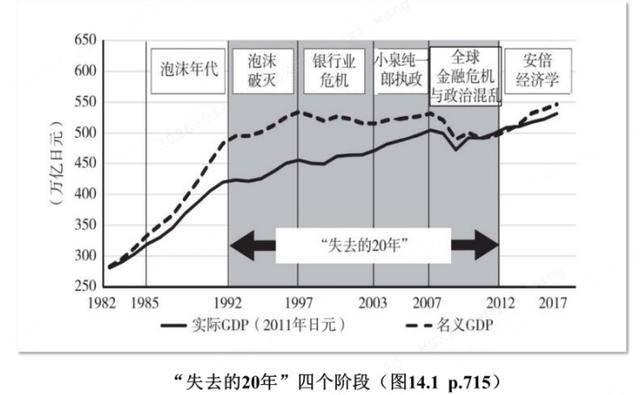
(王梦汐为马上消费研究院首席研究员) 日本消费金融行业起步早于中国,历经多轮市场周期沉淀,已形成成熟完善的发展体系。其依托独特银 企关系,走出了一条由流通业引领,逐步向消金公司、商业银行延伸的特色发展路径,为全球消费金融 行业提供了宝贵的实践样本,也印证了消费金融在经济发展中的重要价值与广阔前景。 一、日本消费金融行业的发展历程 (一)经济腾飞期:流通系消金崛起,激活消费增长动能 日本在1945年之后的三十年间实现了经济快速复苏与腾飞,1960至1975年间GDP增速长期稳定在15%以 上,居民收入与财富水平同步攀升,消费需求迎来爆发式增长。汽车、冰箱、电视、洗衣机等耐用消费 品成为市场主流需求,为消费金融的兴起提供了肥沃土壤。在此背景下,消费金融行业顺势扩张,90% 以上的汽车分销商推出分期付款服务,松下、东芝等流通业巨头纷纷布局消金板块,中小企业则通过 与"信贩公司"合作、组建商业企业协会,实现消费金融业务的规范化运营。市场活力持续释放,大量经 营消金业务的主体涌现,20世纪70年代末相关企业数量超20万家,其中以小额消费贷为核心的企业快速 成长,标志性企业武富士(Takefuji)公司应运而生并迅速崛起 ...
这位南开人成为总理座谈会“座上宾”
Xin Lang Cai Jing· 2026-01-20 13:39
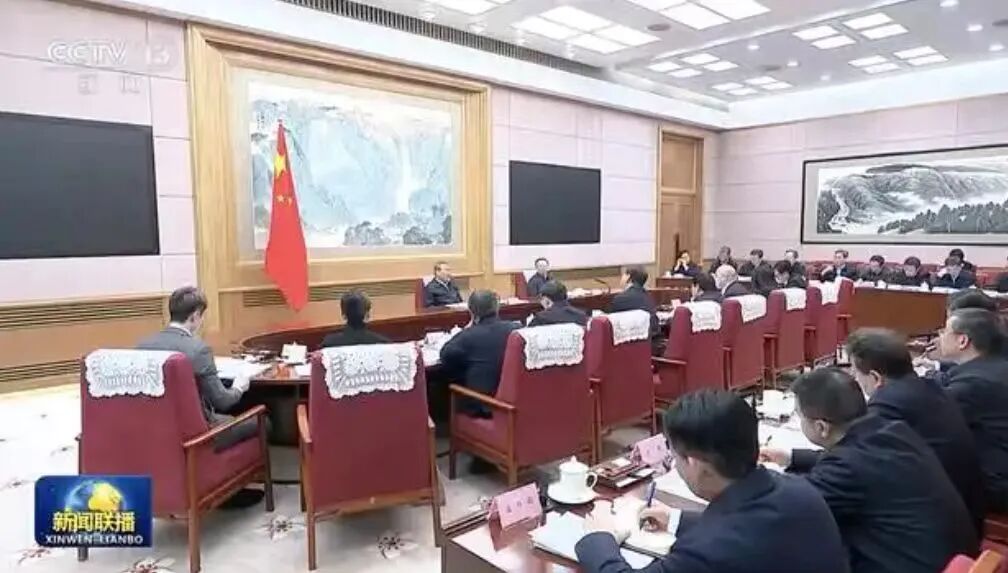
Group 1 - The meeting was chaired by Li Qiang, a member of the Standing Committee of the Political Bureau of the CPC Central Committee and Premier of the State Council, to gather opinions on the "Government Work Report" and the draft of the "14th Five-Year Plan" [1][4] - The meeting included experts, entrepreneurs, and representatives from various fields such as education, culture, and health [1][4] - Among the nine speakers at the meeting was He Jia, a professor and vice dean at Nankai University's Finance School, who is also a doctoral supervisor [5][8] Group 2 - He Jia has an academic background that includes a bachelor's degree from Nankai University and a PhD from the National University of Singapore, specializing in real estate finance, household finance, and consumer finance [3][7] - She has published multiple papers in prestigious journals and has received several academic awards, including the PWC3535 Best Paper Award and the Global Social Science Institute Best Paper Award [3][7] - He Jia is recognized as a national-level young talent by the Ministry of Education and has been awarded the Tianjin Youth May Fourth Medal [3][7]
个人消费贷款财政贴息政策实施期限延长至2026年底,信用卡账单分期也能享受补贴
Mei Ri Jing Ji Xin Wen· 2026-01-20 13:14
Core Viewpoint - The extension of the personal consumption loan interest subsidy policy until the end of 2026 and the inclusion of credit card installment payments in the subsidy scope are expected to enhance the policy's inclusiveness and stabilize long-term consumer expectations in the market [1][8]. Group 1: Policy Changes - The Ministry of Finance, the People's Bank of China, and the Financial Regulatory Bureau announced the optimization of the personal consumption loan interest subsidy policy, which now includes credit card installment payments and extends the implementation period to the end of 2026 [1][8]. - The previous policy, which limited the subsidy to a specific period from September 1, 2025, to August 31, 2026, and excluded credit card business, has been significantly upgraded [2][9]. Group 2: Market Impact - The inclusion of credit card installment payments indicates a shift in policy focus from large purchases to frequent daily consumption, aiming to activate overall demand rather than just specific sectors [2][10]. - This policy change is expected to effectively reach cardholders and stimulate consumption among younger and lower-tier market groups, aligning with new consumption trends such as entertainment and pet spending [2][10]. Group 3: Financial Institutions Involvement - The policy expansion includes a broader range of financial institutions, allowing local financial departments to develop their own subsidy policies, thus increasing the coverage of the program [3][11]. - The central and provincial governments will share the subsidy costs, with the central government covering 90% and the provincial government 10% [3][10]. Group 4: Consumer Incentives - The removal of previous limits on subsidy amounts for individual transactions and cumulative subsidies is expected to enhance the attractiveness of the subsidy policy for consumers, encouraging them to utilize it to expand consumption [4][11]. - The policy aims to support the consumption capacity and willingness of residents, particularly in third and fourth-tier cities, which are crucial growth points for the consumption market [3][11].