生态构建

Search documents
全球LED显示龙头利亚德三十而立,以“显示+文旅+AI”重构增长逻辑
财富FORTUNE· 2025-09-24 13:10
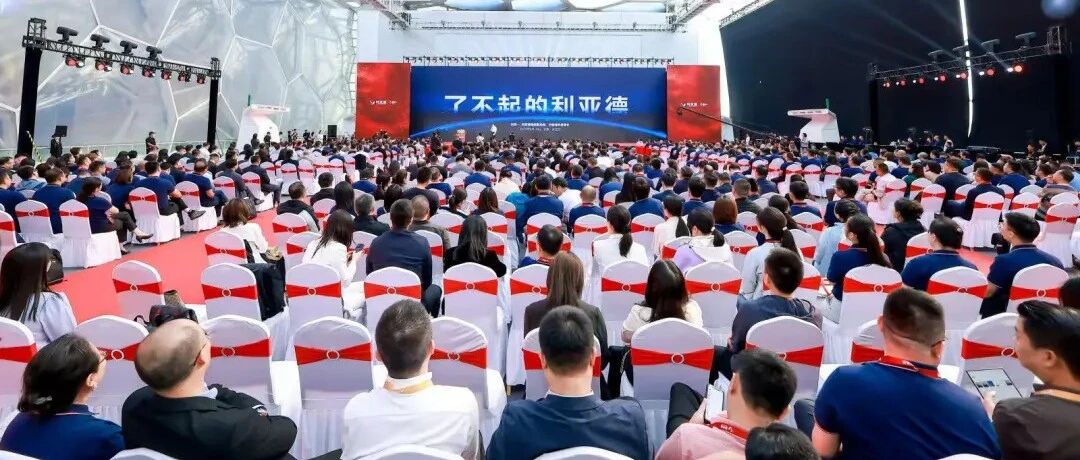
Core Viewpoint - The article highlights the strategic upgrade of Leyard, a leading company in the global LED display industry, marking its 30th anniversary with a focus on building a collaborative ecosystem centered around "display as the foundation, cultural tourism as the wings, and AI as the core" [1][4]. Group 1: Company Achievements - Leyard's chairman, Li Jun, shared three proud achievements over the past 30 years: promoting "common prosperity" through employee stock ownership, leading technological innovation in the industry, and completing a global layout with brands like PLANAR establishing a foothold in high-end markets [2][12]. - The company has become a "visual representative" for major national events, showcasing its technological prowess through significant projects like the Beijing Olympics and the Wuhan Military Games [10]. Group 2: Strategic Direction - Li Jun emphasized the next phase of the company's direction, which includes fully embracing AI and creating a second growth curve while maintaining a spirit of equality, trust, cooperation, and win-win collaboration with partners [4][6]. - The strategic focus is on three core areas: "display, cultural tourism, and AI with spatial computing," aiming to become a leading comprehensive service provider in cultural tourism [7][25]. Group 3: Technological Innovations - Leyard is committed to continuous innovation in display technology, with upcoming products like the Hi-Micro technology for Micro LED and AR smart glasses designed for business scenarios, which integrate real-time translation and AI assistance [22][20]. - The company aims to enhance the user experience in cultural tourism through partnerships and innovative products that replace traditional tour guide devices [22]. Group 4: Future Vision - Leyard's future vision is to transition from being an "industry leader" to an "ecosystem builder," fostering a collaborative environment that promotes shared technology, co-created scenarios, and mutual value among industry players [25][24]. - The next 30 years will focus on enhancing China's influence in the global display industry, positioning Leyard as a key player in the transformation of the LED sector [25].


奔驰高管“炮轰”宝马、奥迪!背后究竟发生了什么?
Zhong Guo Qi Che Bao Wang· 2025-09-15 03:31
Core Viewpoint - The discussion initiated by Gorden Wagener, Mercedes' global design director, regarding the interior designs of BMW and Audi at the 2025 Munich Auto Show has sparked a broader conversation about automotive interior design trends and philosophies [3][4]. Group 1: Professional Opinions - Gorden Wagener criticized a BMW model for its "small capacity and cumbersome operation" and described an Audi concept car's interior as reminiscent of designs from 1995 [4]. - He praised Mercedes' "Hyperscreen," a 39.1-inch large display, emphasizing the necessity for clear visual information and entertainment options for users [4][5]. - The automotive interior design is evolving under the influence of electric and intelligent vehicle trends, leading to diverse design philosophies rather than a uniform approach [5]. Group 2: Industry Transformation - The automotive interior is transitioning from a functional space to an "intelligent ecological terminal," driven by advancements in AI and sensor technologies [6]. - Technologies like AR-HUD have evolved from simple monochrome displays to full-color 3D displays, enhancing safety and convenience by integrating critical information into the driver's field of vision [6]. - Biometric technologies are enabling personalized settings for seats, climate, and music, creating a "one person, one car, one mode" experience [7]. Group 3: Sustainable Design Trends - Environmental sustainability is becoming a core principle in interior design, moving away from traditional materials like plastic and leather to more sustainable options [7][8]. - Innovative materials such as mycelium-based materials are emerging as alternatives to leather, offering low-energy production and zero emissions [8]. - Graphene heating elements are improving seat heating efficiency by 30%, contributing to energy savings and enhanced comfort [8]. Group 4: User-Centric Design Evolution - The shift from driver-centered to user-experience-centered design reflects the transition towards autonomous driving, transforming vehicles into "smart mobile living spaces" [9]. - In autonomous modes, vehicles can switch to entertainment modes, providing immersive experiences for passengers [9]. - Future automotive interiors will focus on multifunctionality, catering to work, entertainment, rest, and social interactions, thus redefining mobility and lifestyle [9][10]. Group 5: Competitive Landscape - The competition in automotive interiors is shifting from hardware comparisons to ecosystem building, emphasizing a deep understanding of user needs [10]. - As electric vehicle technology levels the playing field, interior design is becoming a key differentiator for brands [10]. - Brands that can innovate and meet user demands through breakthrough technologies will gain a competitive edge in the market [10].

港股消费IPO狂潮:资本盛宴下的全球化突围与产业进化论
Sou Hu Cai Jing· 2025-08-30 03:54
Group 1: Capital Frenzy - The Hong Kong stock market is experiencing a "collective carnival" among consumer enterprises, with significant IPOs and market valuations, reflecting the upgrade of China's consumption industry and global capital restructuring [1][3] - As of May, over 160 companies are queued for IPOs in Hong Kong, with nearly 16% being consumer-related, driven by supportive policies from six ministries to encourage consumer enterprise listings [3][4] - More than 70% of IPO companies plan to use 20%-30% of their fundraising for international expansion, with Hong Kong serving as a crucial exit channel for VC/PE investments [3][4] Group 2: Valuation Disparity - Capital is increasingly concentrated in leading enterprises, while small and mid-cap companies face heightened pressure, with some rushing to list despite questionable profitability [4][5] - The market is witnessing a homogenization of strategies among new tea beverage companies, leading to a loss of novelty in capital markets [4][5] Group 3: Globalization Strategy - The push for globalization among Chinese consumer enterprises is a key driver of the IPO wave, with over 70% of companies planning to use raised funds for international ventures [5][6] - Cultural differences, policy barriers, and supply chain disruptions are identified as major challenges for these companies as they expand globally [5][6] Group 4: Long-term Competition - The real challenge for companies is to convert short-term financing advantages into long-term competitive benefits amid industry homogenization and valuation bubbles [6][7] - Hong Kong's market allows unprofitable companies to list, with a significantly shorter approval process compared to A-shares, facilitating rapid capital access for consumer brands [6][7] Group 5: Future Competition Landscape - The next phase of competition among consumer enterprises will focus on ecosystem building, driven by a shift in China's consumption structure, with service consumption surpassing 42% [7][8] - Companies leveraging Hong Kong as a strategic platform for capital and industry interaction are expected to establish a strong presence in the global consumer market [7][8] Group 6: Market Dynamics - The new tea beverage sector is facing challenges, with some companies experiencing immediate post-IPO declines, indicating a cycle of capital-driven expansion leading to valuation overreach [9] - International investors' optimistic views on China's consumer market often overlook the need for differentiated competitive analysis, leading to potential pitfalls in the "concept stock" trap [9]

三星重申Galaxy AI核心功能继续免费 付费策略或聚焦高级服务
Huan Qiu Wang Zi Xun· 2025-07-15 03:10
Group 1 - Samsung confirms that all core Galaxy AI features on Galaxy smartphones will remain free, contrasting previous market speculation about potential charges after 2025 [1][3] - Starting from 2024 with the Galaxy S24 series, over 20 basic AI functions, including instant translation and AI photo editing, will be available for free to eligible Galaxy devices until July 2025 [3][4] - Samsung's free strategy differentiates it from competitors like Apple and Google, aiming to attract more mid-range users and expand market share [3][5] Group 2 - Despite offering basic features for free, Samsung is exploring a paid model for resource-intensive advanced AI functions, with details expected to be announced in Q3 2025 [4] - Advanced features such as AI video generation and 3D modeling will require a subscription to "Galaxy AI Pro," with pricing potentially starting at 118 yuan per year [4] - Samsung's AI strategy has shifted from "technology showcase" to "ecosystem building," aiming to create a closed-loop ecosystem of hardware, software, and services to compete with Apple and Huawei [5]
宁德时代投资逻辑生变?
Xin Lang Cai Jing· 2025-06-25 01:15
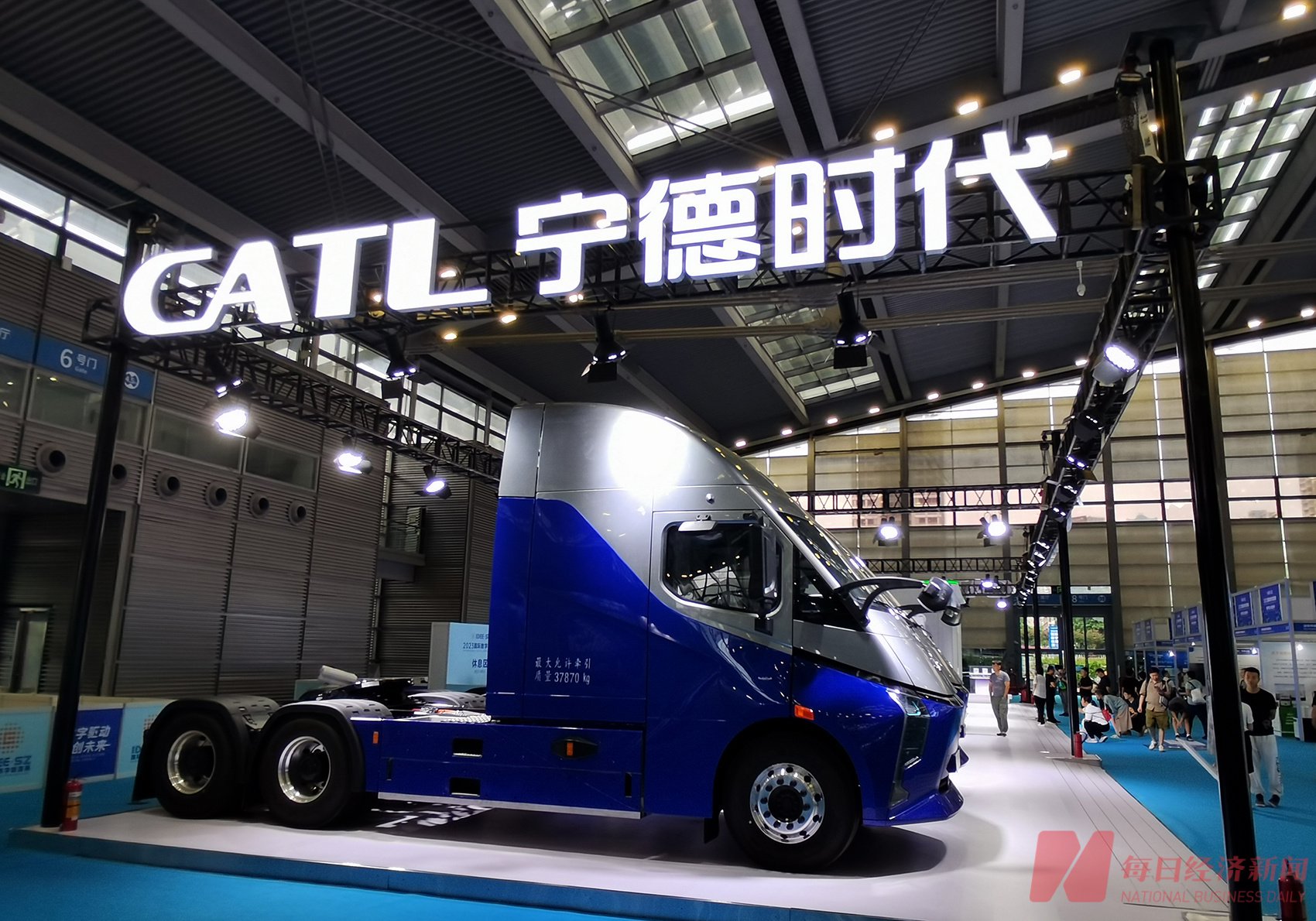
Core Viewpoint - CATL is reshaping its business landscape through strategic investments, focusing on L4 autonomous driving technology and expanding into non-battery sectors [1][4]. Group 1: Strategic Investments - On June 23, CATL, along with Hello Chuxing and Ant Group, established "Shanghai Zhaofu Intelligent Technology Co., Ltd." with a registered capital of 1.288 billion yuan, aimed at L4 autonomous driving technology development [1]. - CATL is collaborating with Beijing Galaxy General Robotics, which recently completed an 1.1 billion yuan financing round led by CATL, to develop intelligent retail solutions using humanoid robots [3]. Group 2: Collaboration and Development - The partnership between CATL, Hello Chuxing, and Ant Group will focus on smart driving, new energy travel service platforms, and after-market services for new energy batteries [3]. - CATL signed a strategic cooperation agreement with Baidu on February 27, focusing on digital intelligence and autonomous driving, promoting AI applications in industry [3][4]. Group 3: Strategic Intent and Market Position - CATL's recent investments indicate a strategic shift towards "industry synergy," moving beyond traditional financial investments to enhance core battery business and explore new growth areas [4]. - CATL aims to achieve a global market share of 37% in 2024, indicating its leadership position in the battery industry while seeking new markets amid increasing competition and slowing technology iteration [4].

研判2025!中国可穿戴腕带设备行业产业链、相关政策及出货量分析:全球可穿戴腕带设备市场出货量增长13%,生态驱动转型加速[图]
Chan Ye Xin Xi Wang· 2025-06-15 02:56
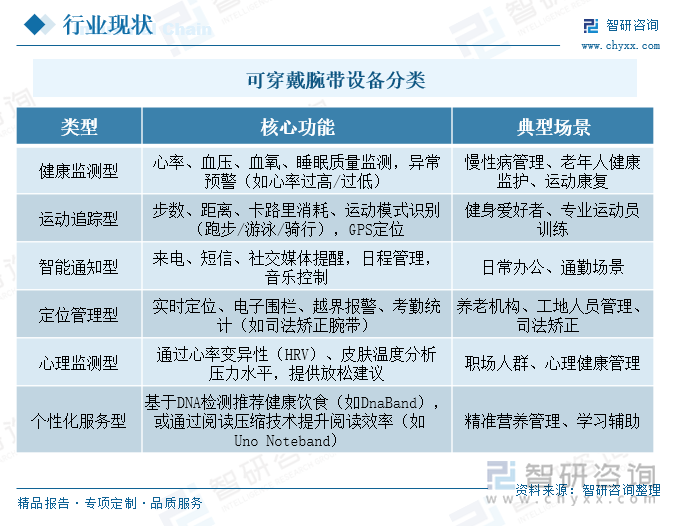
Core Insights - The global wearable wristband device industry is experiencing rapid growth and transformation, with Q1 2025 shipments reaching 47 million units, a 13% year-on-year increase, driven by low base effects and recovering market demand [1][14] - Major product categories, including basic bands, basic watches, and smartwatches, have all seen significant growth, becoming key drivers of market expansion [1][14] - The market is shifting from a "hardware-driven" model to an "ecosystem-driven" model, with manufacturers accelerating the development of platforms and services to enhance user retention and sustainable revenue [1][14] Industry Overview - Wearable wristband devices are portable electronic devices worn on the wrist, integrating sensors, chips, and smart algorithms for health monitoring, activity tracking, and information interaction [2] - The industry has evolved through four main stages: the nascent phase (2000-2014), rapid growth phase (2015-2018), innovation upgrade phase (2019-2023), and stable development phase (2024-present) [5][6][7] Current Industry Status - In Q1 2025, Xiaomi regained the top position in global shipments with 8.7 million units, a 44% increase, primarily due to the popularity of the Redmi Band 5 [16][21] - Apple ranked second with 7.6 million units shipped, a 5% increase, while Huawei maintained third place with 7.1 million units, a 36% increase [16][18] - Samsung's shipments surged by 74% to 4.9 million units, leveraging a dual-track strategy to expand its user base in emerging markets while maintaining a premium position in developed markets [16] Industry Development Trends - The industry is witnessing a technological convergence that drives product evolution towards "unobtrusive, proactive, and specialized" devices [23] - Wearable devices are increasingly penetrating vertical markets such as healthcare, industrial safety, and elder care, with specific requirements for reliability and compliance [25] - Chinese manufacturers are building competitive advantages through "hardware + software + services" ecosystems, while facing intensified global competition from established players like Apple and Samsung [26]

华为发布新款手机 原生鸿蒙终端领域迎规模升级
Zheng Quan Ri Bao· 2025-06-11 18:49
Core Viewpoint - Huawei's launch of the Pura 80 series smartphone, featuring the HarmonyOS 5.1 operating system, marks a significant step in its innovation and ecosystem development, aiming to reclaim its position in the high-end smartphone market [1][2]. Group 1: Product Launch and Features - The Pura 80 series is the first high-end direct-screen smartphone equipped with a dual-lens telephoto camera and HarmonyOS 5.1 [1]. - The smartphone features an upgraded eighth-generation ISP and a one-inch RYYB large sensor, enhancing real-time data processing capability by 200%, AI color engine capability by 120%, AI noise reduction by 113%, and AI real-time HDR by 41% [1]. - The Pura 80 series is positioned as a key flagship product in the mid-to-high-end market, crucial for Huawei's strategy to regain market share [2]. Group 2: Market Performance and Sales - Huawei regained the top position in the Chinese smartphone market with a 19.4% market share in Q1, the highest since 2021, representing a year-on-year growth of 28.5% [2]. - The Pura 70 series played a significant role in this resurgence, achieving over 10 million units sold within eight months of its launch [2]. - Analysts predict that the Pura 80 series will surpass its predecessor in sales and potentially spark a new wave of upgrades in the high-end smartphone market [2]. Group 3: Research and Development - Huawei has invested over 1.2 trillion yuan in R&D over the past decade, with nearly 180 billion yuan (specifically 179.7 billion yuan) spent in the last year, accounting for 20.8% of its revenue [2]. - The company holds 150,000 valid global patents, reflecting its commitment to continuous technological advancement [2]. Group 4: Ecosystem and Supply Chain - The Pura 80 series smartphone features a highly localized supply chain, with multiple listed companies serving as key suppliers [4]. - The HarmonyOS ecosystem is expanding, with plans for a large-scale upgrade of HarmonyOS 5.1 in July, and HarmonyOS 6.0 expected to launch between October and November 2025 [4].
陈春花:AI时代企业家能力跃迁——从技术适应者到生态构建者
Jing Ji Guan Cha Bao· 2025-06-10 00:17
Core Insights - The article discusses the transformation of entrepreneurs from technology adopters to ecosystem builders in the era of artificial intelligence (AI) [2] - It emphasizes the need for entrepreneurs to develop higher-level leadership skills centered around ecological thinking, strategic decision-making, organizational change, and technology integration [2] Group 1: Key Dimensions of Entrepreneurial Capability Transition - Entrepreneurs must cultivate two fundamental abilities: agile adaptability to quickly integrate technological changes and reflective introspection to capture essence amid uncertainty [3] - The transition involves four key dimensions: AI strategic framework capability, ecological architecture capability, human-machine collaborative organizational change capability, and ethical decision-making with data governance capability [3] Group 2: AI Strategic Framework Capability - Entrepreneurs need to lead their teams with technological penetration, integrating AI into business development [4] - Strategic decision-making has shifted from traditional resource allocation to deep coupling of technology and business, requiring an understanding of AI's application potential to meet customer needs [4] Group 3: Ecological Architecture Capability - The shift from traditional competition to value network co-evolution necessitates the construction of new ecological architecture capabilities [5] - This includes cross-domain resource integration, collaborative value creation, and flexible governance mechanisms [5] - Companies like Tesla and Ping An Group exemplify successful ecological systems that enhance their competitive edge [5][6] Group 4: Human-Machine Collaborative Organizational Change Capability - Organizations are transitioning from human-led to human-machine symbiosis, requiring a new organizational capability [7] - This involves restructuring organizational forms, reshaping capability systems, and innovating governance mechanisms to achieve deep integration of human and machine [7][8] - Companies like ByteDance and Microsoft illustrate effective implementation of these changes [7][8] Group 5: Ethical Decision-Making and Data Governance Capability - The commercialization of AI raises ethical challenges, necessitating entrepreneurs to develop ethical decision-making and data governance capabilities [9] - Establishing robust data management systems is crucial for ensuring data quality, security, and user privacy [9] Group 6: Role Transformation of Entrepreneurs - Entrepreneurs are evolving from business leaders to metacognitive coaches, requiring them to facilitate cognitive upgrades within their teams [10] - They must also transition from resource allocators to ecosystem creators, fostering environments conducive to innovation and collaboration [12] - The shift from industry competitors to cross-domain connectors emphasizes the need for integrating resources across various fields to create new value [13] - Finally, entrepreneurs are becoming meaning architects, focusing on mission-driven strategies and ethical value creation [14]

深度 | 后牌照时代的能力突围:券商私募业务如何赢得未来?
券商中国· 2025-06-04 04:02
Core Viewpoint - The article discusses the evolution and transformation of the private equity fund industry in China over the past decade, highlighting the shift from a commission-based service model to a comprehensive service ecosystem that includes various financial services for private equity funds [1][2]. Group 1: Development of Private Equity Business - The revision of the Securities Investment Fund Law in 2013 marked the beginning of legal regulation for private equity funds, allowing securities firms to provide comprehensive custody services [2]. - By the end of 2017, the number of private equity fund managers had increased to 20,289, with the total management scale reaching 19.91 trillion yuan, reflecting significant growth in the industry [3]. - The implementation of the Asset Management New Regulations in 2018 led to a more standardized private equity management environment, prompting securities firms to focus on compliance and risk management [4][5]. Group 2: Service Model and Market Competition - Securities firms have enriched their service offerings, developing a comprehensive service system that includes trading, product distribution, and derivative services to capture market share in quantitative private equity [6][8]. - The market has seen a trend towards headquarter consolidation, with leading firms leveraging their unique advantages in various segments, such as comprehensive service capabilities and expertise in derivatives [9]. Group 3: Regulatory Changes and Industry Trends - The introduction of the Private Securities Investment Fund Operation Guidelines in 2024 is expected to enhance data disclosure requirements and improve the collaboration between private equity firms and securities companies [7][10]. - The competition is shifting from a "license dividend" to a "capability competition," with firms needing to strengthen their core competencies to meet evolving private equity demands [10][11]. Group 4: Future Directions and Innovations - There is a growing demand for cross-border investment services among private equity firms, indicating a need for securities companies to enhance their capabilities in this area [11][12]. - The rise of AI and advanced technologies is transforming the service requirements of quantitative private equity funds, necessitating a shift towards comprehensive service offerings beyond traditional trading channels [12].



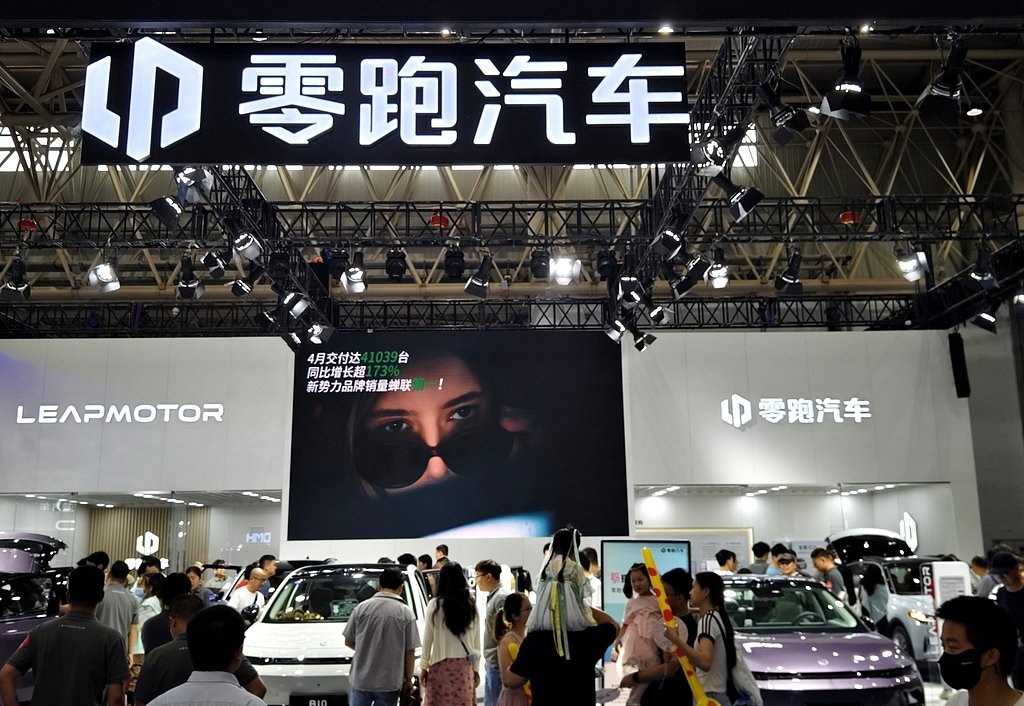
5月新势力销量:零跑蝉联冠军,鸿蒙智行紧咬,小米依旧好卖
Xin Lang Cai Jing· 2025-06-03 09:22
Group 1: Sales Performance of New Energy Vehicle Brands - Leap Motor leads the new energy vehicle brands with a delivery volume of 45,067 units in May, achieving a year-on-year growth of over 148%, driven by its self-research strategy and "high configuration at low price" advantage [1] - Hongmeng Zhixing follows closely with a record sales of 44,454 units, with the AITO brand contributing 36,600 units, and the AITO M9 achieving a monthly delivery of 15,481 units [3] - Li Auto ranks third with a delivery volume of 40,856 units, reflecting a year-on-year increase of 16.7% and a month-on-month growth of 20% [3] - Xpeng Motors delivered 33,525 units in May, marking a year-on-year surge of 230%, maintaining monthly sales above 30,000 units for seven consecutive months [4] Group 2: Other Notable Brands and Market Trends - Xiaomi Auto secured a position in the top five with over 28,000 units delivered, and cumulative deliveries from January to May exceeded 130,000 units [4] - NIO delivered 23,231 units in May, with a year-on-year growth of 13.1%, benefiting from the scale effect of its battery swapping network [4] - Geely Group's new energy vehicle sales reached 138,021 units in May, with a year-on-year growth of 135%, and a penetration rate of 59% for new energy vehicles [6] - BYD's sales of new energy vehicles reached 382,476 units in May, with a year-on-year increase of 38.7%, and overseas exports accounting for nearly one-quarter of its total sales [6] - The market trend indicates that new energy vehicle brands are solidifying their positions through technological advancements and multi-brand strategies, while traditional automakers are accelerating their catch-up through resource integration [6]