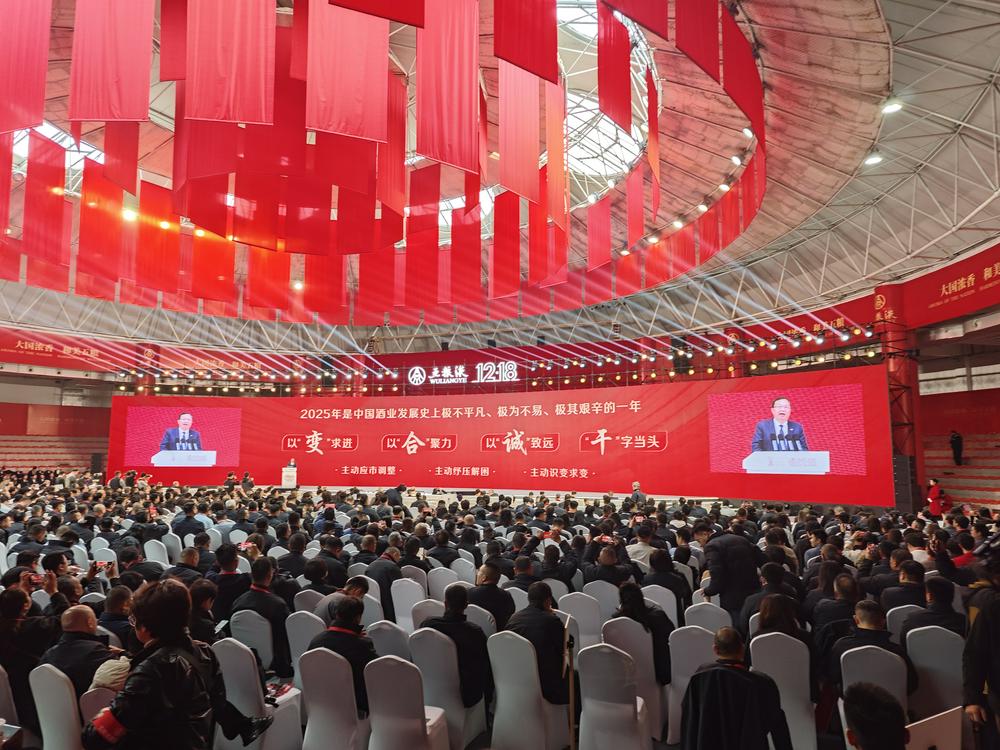
白酒行业调整

Search documents
白酒2026:迟到且漫长的筑底才开始
Sou Hu Cai Jing· 2026-01-09 01:01
Core Viewpoint - The white liquor industry is experiencing its most severe adjustment since 2015, driven by increased regulatory pressures, generational shifts in consumption, and high channel inventory, leading to a transition from "scale expansion" to "value cultivation" [4][5][22] Industry Overview - In 2025, the white liquor industry faced a dual contraction in external environment and internal ecology, with the liquor industry being recognized as a "historical classic industry" [5][6] - The implementation of new standards for sauce-flavored liquor and stricter food labeling regulations aims to enhance transparency and curb false advertising [5][6] - The revised regulations on government spending have led to a significant decline in high-end liquor consumption, with a reported drop of about two-thirds in high-end liquor opening rates from May to August [5][6] Market Performance - In the first half of 2025, the number of large-scale liquor enterprises decreased by over 100, with production down by 5.8% and profits down by 10.93% [6] - By November 2025, production had decreased by 11.3% year-on-year, with a record low monthly decline of 13.8% [6] - The total revenue of 20 A-share liquor companies fell by 5.90% to 317.79 billion yuan, with net profits down by 6.93% [6] Stock Market Trends - The white liquor sector saw a significant decline in market value, with the index dropping to 2694.38 points by the end of 2025, reflecting a total market capitalization of 2.88 trillion yuan [6] - Only one company, Jinhui Liquor, saw a slight increase in stock price, while 11 companies experienced declines exceeding 20% [7] Price Dynamics - The price of major liquor products has been declining, with average retail prices dropping by over 30% by the end of 2025 [12] - The price of certain well-known liquor brands fell back to levels not seen since 2017, indicating a collapse of the previous price rigidity [8][12] Inventory Challenges - The average inventory turnover days for the industry reached 900 days in the first half of 2025, increasing to 1424 days by the end of the third quarter [13] - The total inventory of 20 listed liquor companies exceeded 170 billion yuan by the end of the third quarter, marking an 11% year-on-year increase [13] Strategic Responses - Liquor companies have begun to implement measures such as price stabilization and inventory control, with major brands like Moutai and Wuliangye taking steps to manage supply and innovate product offerings [9][19] - The industry is witnessing a shift towards mid-range and low-end products, as well as a focus on cash flow management among distributors [16][19] Future Outlook - Analysts predict that the white liquor sector may have entered a bottoming phase, with potential for performance recovery in 2026 as inventory issues are addressed and macroeconomic conditions improve [19][20] - The strategic focus for leading companies in 2026 will be on core business consolidation and adapting to changing consumer demands [20][21]




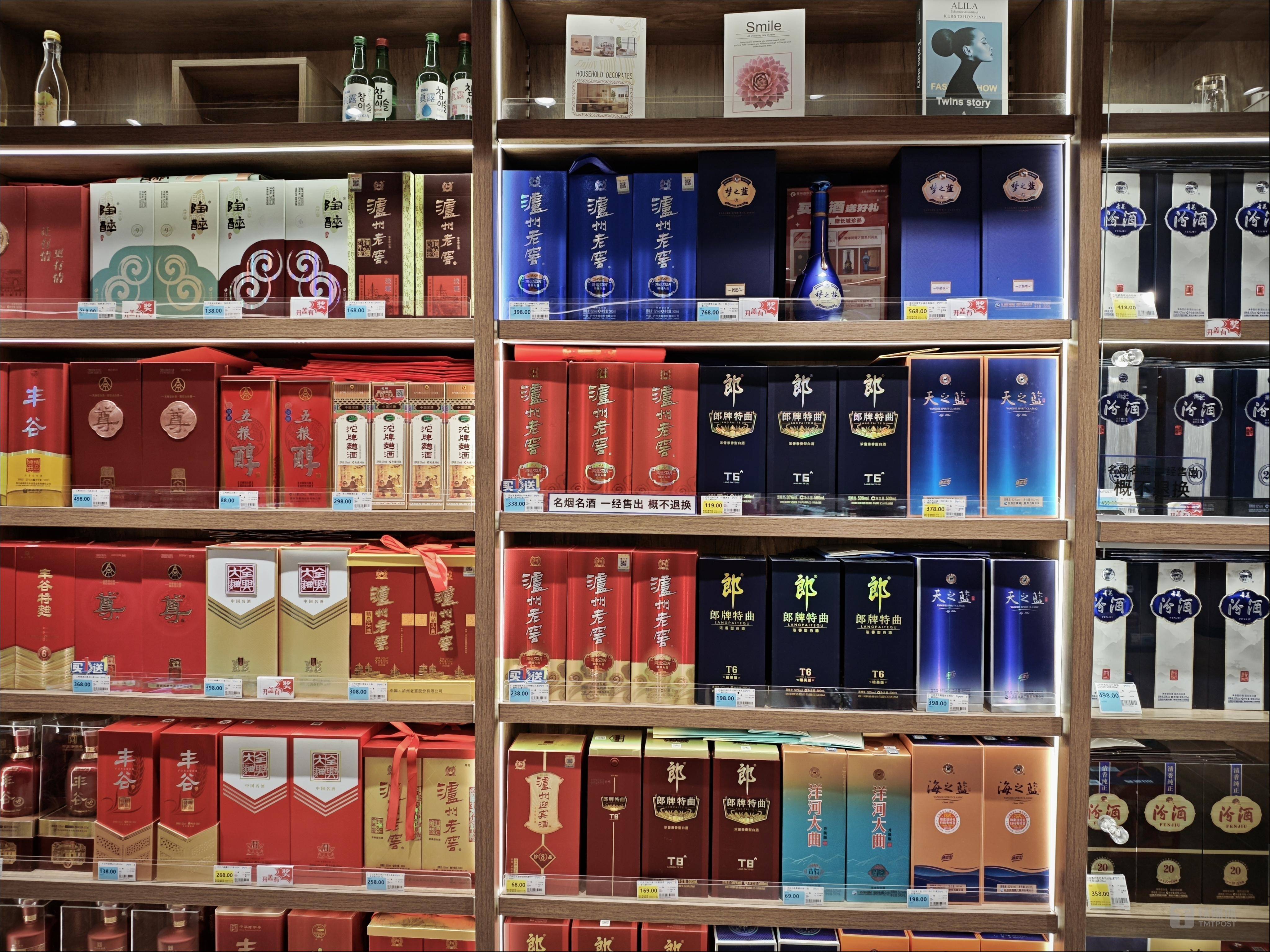
2025,中小酒企“渡劫”之年
Sou Hu Cai Jing· 2026-01-08 09:37
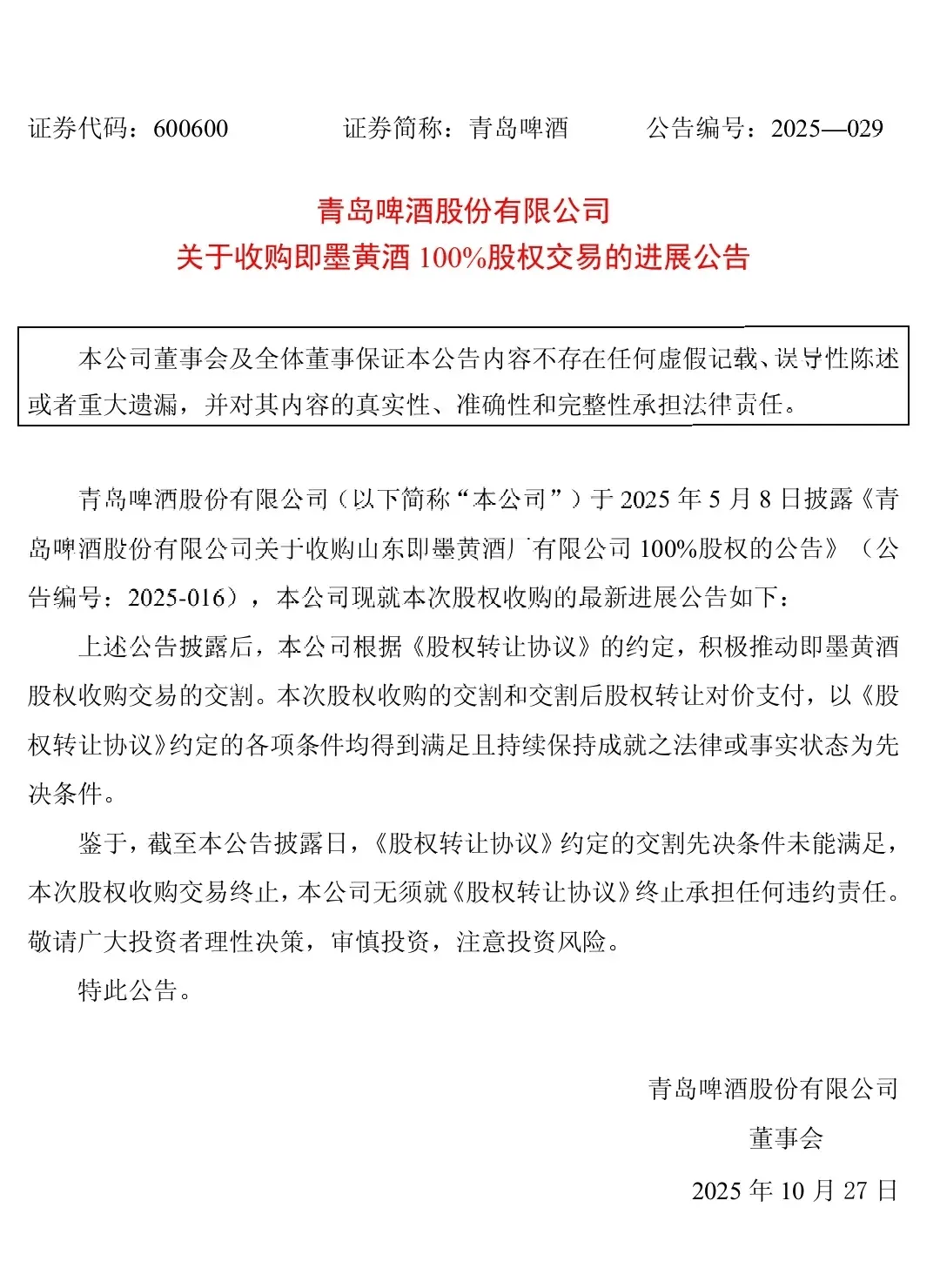
Core Viewpoint - The year 2025 is characterized by significant adjustments in the liquor industry, particularly affecting small and medium-sized enterprises (SMEs), which face survival challenges amid industry-wide turmoil and transformation [1][2]. Industry Overview - The survival crisis for SMEs in the liquor industry has escalated from individual operational difficulties to a collective industry-wide predicament, with a noticeable acceleration in market clearing [2]. - Capital activity in the sector has been marked by frequent mergers and acquisitions, with state-owned enterprises actively consolidating quality regional assets during this downturn [2]. - Conversely, some companies are witnessing capital withdrawal, as evidenced by Qingdao Beer terminating its acquisition of a yellow wine company and a tech firm divesting its stake in a liquor business due to underperformance [2]. Financial Strain - Many SMEs are under increased pressure due to cautious capital, with some previously rumored acquisition deals failing to materialize, indicating hidden risks within these companies [5]. - The industry is experiencing a surge in financial distress, with companies like Guizhou Wuyou Liquor facing significant debt issues, including a total of 62.55 million yuan in execution orders [5][6]. - The overall inventory pressure in the liquor industry remains high, with total inventory exceeding 300 billion yuan and an average turnover period of 900 days, reflecting a 10% year-on-year increase [7]. Market Dynamics - The competitive landscape has shifted, with national brands dominating local markets, leading to diminished sales for regional liquor brands [8]. - SMEs are struggling to maintain their market presence as larger brands penetrate deeper into local markets, eroding the competitive advantages that SMEs once held [8][9]. - The rapid expansion of production capacity during previous market booms has left many SMEs with excess inventory and financial burdens as demand wanes [9]. Strategic Responses - To survive, SMEs are advised to focus on their core markets and avoid blind expansion, emphasizing product quality and differentiation [13][15]. - Some SMEs are adopting strategies to target specific consumer segments and exploring innovative business models, such as integrating tourism with liquor production [13][15]. - The current industry reshuffle is seen as an opportunity for capable SMEs to carve out niches in the market, emphasizing the importance of recognizing their new roles within the industry ecosystem [15].
口子窖发布2025年业绩预告:行业调整期承压前行,积极探寻转型路径
Sou Hu Cai Jing· 2026-01-08 04:55
Core Viewpoint - The performance forecast from Kuozi Jiao indicates a significant decline in net profit for 2025, reflecting broader challenges in the liquor industry, particularly for regional enterprises facing transformation pains [2][4]. Group 1: Company Performance - Kuozi Jiao expects a net profit attributable to shareholders of 662 million to 828 million yuan for 2025, representing a year-on-year decrease of 50% to 60% [2]. - The net profit after excluding non-recurring gains and losses is projected to be between 645 million and 811 million yuan, a decline of 49.65% to 59.93% year-on-year [2]. Group 2: Industry Challenges - The liquor industry is experiencing a "three-phase overlap" turmoil in 2025, characterized by capacity clearance pressures, stringent alcohol regulations, and macroeconomic fluctuations affecting consumer behavior [4]. - The market differentiation and intensified channel changes in the liquor industry, combined with declining demand and policy impacts, have led to a significant drop in sales of high-end products, which are Kuozi Jiao's core profit sources [4]. Group 3: Market Dynamics - The main price range for liquor consumption has shifted from 300-500 yuan down to 100-300 yuan, with the 500-800 yuan segment facing the most pressure, complicating product upgrades for Kuozi Jiao [7]. - Increased competition in the 100-300 yuan price range, which is Kuozi Jiao's primary market segment, has directly impacted overall performance [7]. Group 4: Strategic Initiatives - Despite facing performance pressures, Kuozi Jiao is actively exploring transformation paths, such as the opening of its first community store "Kuozi Jiufang" in Huai Bei, Anhui Province, aimed at enhancing direct consumer engagement [8]. - The company plans to continue expanding the Kuozi Jiufang layout, which is expected to create new growth opportunities [8].

白酒股年报“首只黑天鹅”:口子窖净利预降50%-60%
Feng Huang Wang· 2026-01-07 15:12
Core Viewpoint - The liquor industry is undergoing significant adjustments, and the first earnings forecast from a major player, Kuozi Jiao, indicates a projected net profit decline of over 50% for 2025, prompting the company to shift focus towards the bulk liquor market [1][2]. Group 1: Earnings Forecast - Kuozi Jiao expects a net profit of between 662 million to 828 million yuan for 2025, representing a year-on-year decrease of 50% to 60% [1]. - The company's net profit after deducting non-recurring items is projected to be between 645 million to 811 million yuan, reflecting a decline of 49.65% to 59.93% year-on-year [1]. - The decline in performance is attributed to market segmentation, intensified channel changes, demand downturn, and policy shifts, leading to a significant drop in sales of high-end products [1]. Group 2: Previous Performance - For the first three quarters of 2025, Kuozi Jiao reported revenues of 3.174 billion yuan, down 27.24% year-on-year, and a net profit of 742 million yuan, down 43.39% year-on-year [2]. - The third quarter alone saw revenues of 643 million yuan, a decline of 46.23%, and a net profit of 26.97 million yuan, down 92.55%, marking the worst quarterly performance since 2016 [2]. - The earnings deterioration exceeded most broker expectations, with a consensus forecast of 1.081 billion yuan, indicating a 34.71% decline [2]. Group 3: Strategic Shift - In response to the declining performance, Kuozi Jiao is targeting the bulk liquor market, having opened its first direct-operated "Kuozi Liquor Workshop" in Huai Bei, Anhui, focusing on pure grain bulk liquor and community experiences [2]. - The strategy aims to rebuild terminal touchpoints and regain control over pricing, display, and sales data while addressing low-end demand to prevent market share loss to competing brands [3].
口子窖预计去年净利至少腰斩,核心利润来源高端窖产品销量大幅下滑
Xin Lang Cai Jing· 2026-01-07 12:54
Core Viewpoint - Kuaizi Jiao expects a significant decline in net profit for 2025, projecting a decrease of 50% to 60% year-on-year, primarily due to market differentiation, channel changes, and a drop in high-end product sales [1][3]. Group 1: Company Performance - Kuaizi Jiao forecasts a net profit attributable to shareholders of between 662 million to 828 million yuan for 2025, with a non-GAAP net profit of 645 million to 811 million yuan, reflecting a year-on-year decrease of 49.65% to 59.93% [1]. - For the first three quarters of 2025, Kuaizi Jiao reported revenue of 3.174 billion yuan, a decline of 27.24% year-on-year, and a net profit of 742 million yuan, down 43.39% year-on-year [2][3]. - The third quarter of 2025 saw revenue drop to 643 million yuan, a decrease of 46.23% year-on-year, with net profit plummeting to 26.97 million yuan, down 92.55% year-on-year, marking the worst quarterly performance since its listing in 2015 [2][3]. Group 2: Industry Context - The white liquor industry is currently undergoing a deep adjustment period, with a reported 13.8% year-on-year decline in industrial white liquor production in November 2025, and an 11.3% decrease in cumulative production from January to November 2025 [3]. - Kuaizi Jiao acknowledges that the industry is facing pressures from economic downturns, low consumer demand, and high inventory levels, which have become the norm [3]. Group 3: Strategic Initiatives - In response to the challenging market conditions, Kuaizi Jiao is exploring transformation paths, including the opening of its first community store, Kuaizi Jiu Fang, in Huai Bei City, Anhui Province, aimed at enhancing community consumption [3].
冰火两重天:茅台官方商城原价飞天被抢空,市场批发价跌破1499元|公司舆情哨
Sou Hu Cai Jing· 2026-01-06 05:11
Core Viewpoint - The launch of the official sales channel for Feitian Moutai at a price of 1499 yuan has significantly impacted the market dynamics, leading to a drop in wholesale prices and altering the profit landscape for distributors [1][10]. Group 1: Market Dynamics - The official sales of Feitian Moutai at 1499 yuan have led to complaints from scalpers, indicating a shrinking profit margin for them as the price difference between market and official prices diminishes [1]. - The market wholesale price for Feitian Moutai has fallen below 1499 yuan, creating a stark contrast between the official sales and market conditions [3][4]. - On January 3, 2025, the wholesale price for Feitian Moutai was reported between 1500 and 1510 yuan, and by January 4, it had dropped below 1499 yuan [4]. Group 2: Distributor Challenges - Distributors are facing significant pressure as the price of Feitian Moutai has dropped from approximately 2320 yuan per bottle at the beginning of 2025 to below the official price, leading to a situation where market prices are lower than their purchase costs [10]. - The company has indicated that the era of high profits for distributors is over, requiring them to adapt by actively seeking new customer bases and refining their operations [10][11]. - The shift in the sales strategy has forced distributors to transition from a passive to an active sales approach, focusing on various consumer scenarios [10]. Group 3: Company Strategy - The company has initiated a reform to ensure consumers can purchase Moutai products fairly and conveniently, marking a significant shift in its marketing strategy [6]. - Starting in 2026, the company will no longer use a distribution model, which will relieve distributors from the burden of selling non-standard products [9]. - The company's leadership has emphasized the need for distributors to earn their profits based on performance rather than relying on previous pricing structures [7].

寒意加剧!中小酒企将加速洗牌
Qi Lu Wan Bao· 2026-01-01 16:31
Core Viewpoint - The adjustment trend in the liquor industry is becoming increasingly severe, as evidenced by the third-quarter financial reports of 20 A-share liquor companies, indicating significant declines in revenue and net profit [1] Financial Performance - The total revenue of 20 liquor companies in the third quarter reached 77.976 billion yuan, a year-on-year decline of 18.47% [1] - The net profit for these companies was 28.011 billion yuan, reflecting a year-on-year drop of 22.22%, marking a new low for this cycle [1] Industry Dynamics - The "Matthew Effect" is becoming more pronounced, with only Kweichow Moutai and Shanxi Fenjiu achieving growth in both revenue and net profit, while the performance decline of the other 18 companies has worsened compared to the second quarter [1] - Over half of the liquor companies reported a year-on-year decline in net profit, with regional companies facing particularly severe challenges [1] Regional Company Challenges - Kuozi Jiao's net profit plummeted by 92.55%, nearing a loss, while several companies like Jiu Gui Jiu and Huang Tai Jiu Ye have also fallen into losses [1] - Jinzhongzi Jiu experienced a slight revenue increase of 3.73%, but still reported a net loss, failing to reverse the industry's downturn [1] Market Trends - The industry is witnessing a dual pressure from top-tier companies and the inherent brand and channel weaknesses of regional firms, leading to a shrinking survival space [1] - The trend towards lower alcohol content and targeting younger consumers is becoming irreversible in the liquor industry, with the market for low-alcohol beverages expected to exceed 74 billion yuan by 2025, with a compound annual growth rate of 25%, significantly outpacing the overall liquor industry [1] - Both top-tier and regional liquor companies need to optimize product structures and cultivate younger customer bases to explore new growth avenues [1]


2025白酒行业专题报告:茅五亮牌,剑向何方?
Sou Hu Cai Jing· 2025-12-31 12:03
Core Viewpoint - The high-end liquor market, represented by Moutai and Wuliangye, is experiencing a significant price decline, leading to concerns about market confidence and a potential restructuring of the industry [1][2][11]. Group 1: Market Dynamics - The overall white liquor sector has seen a decline of approximately 7% since December, with Moutai's price dropping to around 1500 yuan and Wuliangye's to about 780 yuan, reflecting intensified supply-demand conflicts [1][11]. - Moutai and Wuliangye have initiated measures to stabilize prices, including Moutai's decision to halt the release of unfulfilled quotas and reduce the supply of high-value products [1][2][22]. - Wuliangye has adjusted its payment policy for the first time since 2014, offering a discount of 119 yuan per bottle to ease financial pressure on distributors [2][31]. Group 2: Strategic Adjustments - Moutai's recent actions include holding meetings with distributors to communicate its commitment to controlling supply and stabilizing prices, which has led to a rebound in Moutai's price to around 1600 yuan [1][22][29]. - Wuliangye has implemented various incentives, including market expansion rewards and bottle scanning subsidies, to enhance channel vitality and stabilize its pricing system [2][31]. - The report indicates a shift in the industry from "volume-driven by price" to "price-driven by volume," emphasizing the importance of sales performance [2][3]. Group 3: Future Outlook - The adjustments made by leading companies are expected to gradually alleviate overall inventory pressure in the industry, although other brands still face significant pricing and inventory challenges [2][3]. - The industry is undergoing a structural transition from rapid growth to rational management, with a focus on maintaining channel health and price stability for future high-quality development [3][14]. - The performance of sales and collections before and after the Spring Festival will be critical in determining the industry's trajectory [2][36].

量价齐跌,价格倒挂!白酒业2025年艰辛收官,明年“挤压式”竞争将加剧|2025年终大盘点
Sou Hu Cai Jing· 2025-12-31 00:13
Core Insights - The Chinese liquor industry is entering a deep adjustment period in 2025, characterized by declining volume and price, with a significant contraction in consumption scenarios, leading to a challenging market environment [1][2][4] - Looking ahead to 2026, the industry is expected to face intensified competition due to weak demand, but leading companies are shifting their strategies to focus on consumer-centric approaches, targeting younger consumers and low-alcohol products [1][5] Industry Overview 2025 - The year 2025 is described as exceptionally challenging for the Chinese liquor industry, with companies, distributors, and investors facing severe tests [2] - The mid-to-high-end liquor market is projected to have lost 30-40% of its value, with significant sales declines reported during the summer months [4] Industry Outlook 2026 - The liquor industry is anticipated to remain in a weak demand environment, with ongoing adjustments and increased competitive pressure [5][6] - Companies are focusing on consumer-centric strategies to solidify their market positions, with a clear trend towards product differentiation [5] Competitive Landscape - Companies like Wuliangye aim to dominate the 800-1000 yuan price segment and are working to establish their flagship product, Wuliangye 1618, as a billion-yuan product [6][7] - Luzhou Laojiao is pursuing a differentiated competition strategy by promoting low-alcohol products, which have gained popularity among younger consumers [7] - Shanxi Fenjiu is also focusing on younger consumers and expanding its national presence [7] Long-term Opportunities - Despite short-term challenges, the liquor industry holds structural growth opportunities driven by the expansion of the middle class and new consumer scenarios [8] - The Chinese economy is expected to maintain a GDP growth rate of around 5% during the 14th Five-Year Plan, providing a solid foundation for the liquor industry to navigate through the adjustment period [8] - Upcoming supportive policies from the government are anticipated to benefit the liquor industry, with specific measures expected from regions like Sichuan [8][9]

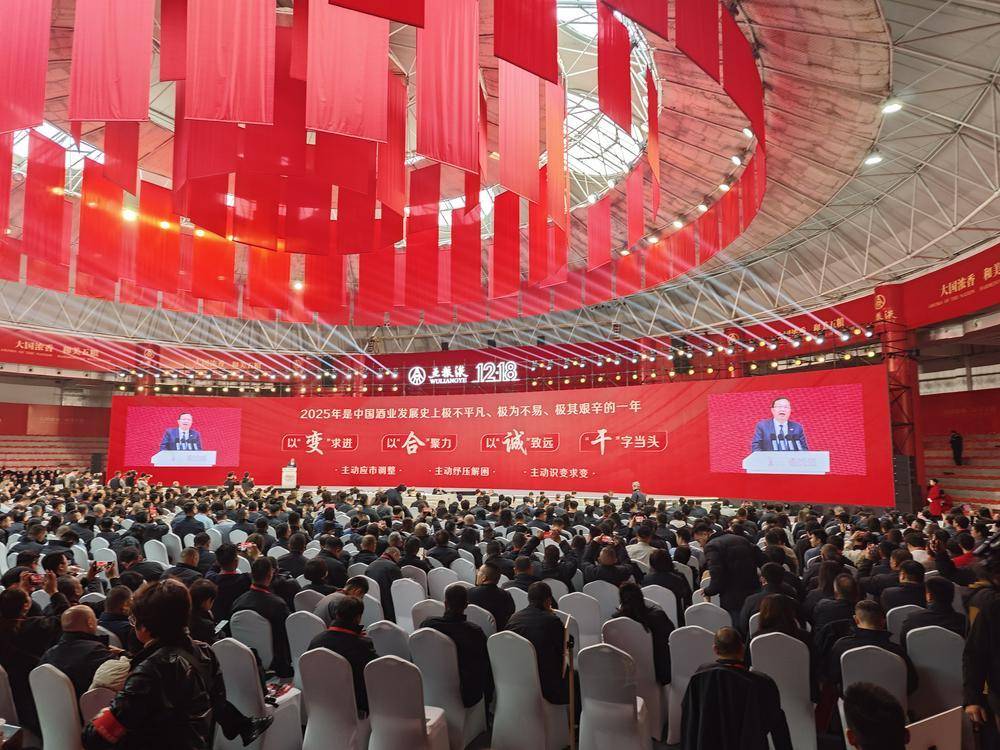
量价齐跌,价格倒挂!白酒业2025年艰辛收官,明年“挤压式”竞争将加剧|2025年终大盘点
Xin Lang Cai Jing· 2025-12-30 14:04
Core Viewpoint - The Chinese liquor industry is entering a deep adjustment period in 2025, characterized by declining volume and price, with a challenging market environment expected to continue into 2026 [1][2][4]. Industry Overview - 2025 is described as an exceptionally difficult year for the Chinese liquor industry, with companies, distributors, and investors facing severe challenges [2]. - Major players like Kweichow Moutai and Wuliangye have acknowledged the industry's severe conditions, indicating widespread issues such as declining sales and shifting consumption patterns [3][4]. Market Performance - The high-end liquor market has seen a significant contraction, with estimates suggesting a 30-40% evaporation in the mid-to-high-end market during the Mid-Autumn Festival [3]. - Sales data indicates a drastic decline, with distributors reporting an average sales drop of 73% during peak months [3]. - Kweichow Moutai's flagship product has seen its price drop from approximately 2300 RMB to about 1580 RMB per bottle [3]. Competitive Landscape - The industry is expected to experience intensified competition due to weak demand, with companies focusing on consumer-centric strategies to maintain market share [4][5]. - Wuliangye aims to dominate the 800-1000 RMB price segment, while other companies are also shifting towards lower-alcohol products to attract younger consumers [7][8]. Strategic Initiatives - Wuliangye plans to develop its 1618 product into a billion-yuan brand to fend off new entrants [7]. - Kweichow Moutai is focusing on maintaining its core product's market position while promoting premium offerings [7]. - Luzhou Laojiao is pursuing a differentiated strategy by emphasizing lower-alcohol products, which have gained popularity among younger consumers [7]. Long-term Outlook - Despite short-term challenges, the industry holds structural opportunities, driven by the expansion of the middle class and new consumption scenarios [9]. - The government is expected to introduce supportive policies for the liquor industry, which could provide a boost in 2026 [9][10]. - Companies are optimistic about the potential for recovery, with expectations that the industry may hit bottom and begin to rebound in 2026 [10].