行业转型

Search documents
2025年A股十大最惨板块,跌麻了
Ge Long Hui· 2025-12-30 11:30
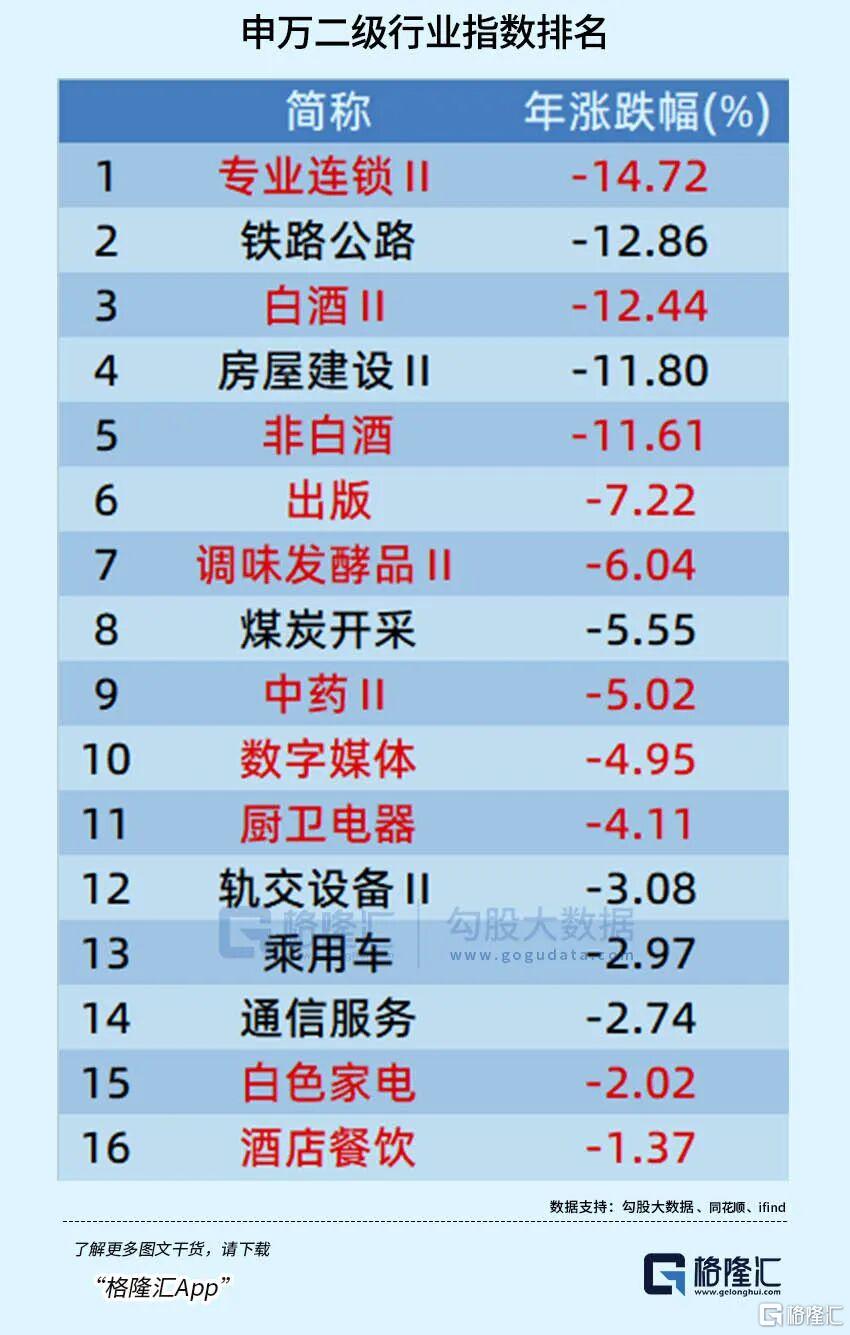
Core Viewpoint - The consumer sector has faced significant challenges in the past year, with many sub-sectors experiencing declines despite overall market growth. The focus on domestic demand and consumption has not translated into positive performance for many consumer-related industries [1][5]. Consumer Sector Performance - In the first half of the year, 10 out of 16 declining industries were from the consumer sector, indicating a broader trend of underperformance [1]. - The white liquor sector, a key component of the consumer market, has seen a year-to-date decline of 12.44%, with major brands like Wuliangye experiencing significant drops in revenue and profit [6][9]. - The professional chain sector has been particularly hard-hit, with a year-to-date decline of 14.72%, exemplified by the struggles of companies like Renrenle [16][20]. White Liquor Sector - The white liquor industry is facing its eighth consecutive year of production decline, with both volume and price dropping simultaneously [10]. - Wuliangye reported a 10.26% decline in revenue and a 13.72% drop in net profit for the first three quarters, marking its first negative growth in a decade [9]. - The industry is shifting from a growth-driven model to one focused on consumer choice, with a need for companies to adapt to changing consumer preferences [15]. Professional Chain Sector - The professional chain sector is experiencing a crisis, with many physical stores closing and traditional business models failing [16][20]. - Renrenle, once a leading private supermarket, has seen its market value plummet and is now facing delisting due to ongoing financial struggles [21][24]. - The shift towards online shopping and personalized consumer demands has further exacerbated the challenges faced by traditional retail chains [24][25]. Non-White Liquor Sector - The non-white liquor sector, including beer and wine, has also faced declines, with the beer segment seeing a notable drop in sales and profits [27][32]. - Budweiser APAC reported an 8.2% decline in domestic sales and a 24.4% drop in net profit, reflecting broader industry challenges [32][33]. - The market is witnessing a trend of cross-industry competition, with liquor companies diversifying into new beverage categories [34]. Publishing Sector - The publishing industry has shown resilience despite a 10.4% decline in the overall market for printed books, with listed companies managing to increase net profits by 14.65% [43][44]. - However, leading companies like Zhongwen Media are struggling, with significant revenue and profit declines due to changes in educational material procurement policies [45][48]. Seasoning Sector - The seasoning industry has faced a 6.04% decline, with companies like Qianhe Flavor struggling due to falling revenues and a loss of consumer trust [51][55]. - The industry is experiencing a shift in consumer preferences and increased competition, necessitating a reevaluation of business strategies [60]. Traditional Chinese Medicine Sector - The traditional Chinese medicine sector is facing challenges, with companies like Pian Zai Huang reporting significant declines in revenue and profit due to rising costs and regulatory pressures [61][66]. - The industry is undergoing a transformation as companies seek to innovate and diversify their product offerings [70]. Digital Media Sector - The digital media industry has seen a 4.95% decline, with companies like Mango TV reporting significant drops in revenue and profit due to changing consumer behaviors and market dynamics [71][74]. - The sector is grappling with the need to adapt to new content consumption trends while facing pressure from traditional advertising models [75]. Kitchen and Bathroom Appliances Sector - The kitchen and bathroom appliance sector has experienced a 4.11% decline, largely due to reduced demand from the real estate market [78][79]. - Companies like Boss Electric are facing revenue declines for the first time in years, highlighting the challenges of adapting to a changing market landscape [79][80]. White Goods Sector - The white goods sector has seen a 2.02% decline, with major players like Gree Electric facing significant revenue and profit pressures due to increased competition and market saturation [83][84]. - The industry is shifting towards a focus on product quality and brand strength as external stimuli diminish [88]. Hotel and Restaurant Sector - The hotel and restaurant sector has faced a 1.37% decline, with revenue pressures stemming from changing consumer spending habits and increased competition from online platforms [89][92]. - Companies are beginning to adopt more refined operational strategies to navigate the challenging market environment [96].




“一年少了300多人”
3 6 Ke· 2025-12-28 23:28
Core Insights - The investment banking industry in China is experiencing a structural adjustment, with a notable decrease in the number of registered representatives, indicating a "clearing out" phase despite a recovery in IPOs and listings [1][2] - There is a significant shift of investment banking professionals towards the real economy, particularly in mergers and acquisitions and overseas listings, reflecting a demand for talent with investment banking backgrounds [1][3] - The industry is facing a paradox of layoffs alongside aggressive recruitment, highlighting a mismatch in talent supply and demand, with a need for high-end professionals who can understand client needs more comprehensively [1][4] Group 1 - As of December 27, the total number of registered representatives in the industry has decreased to 8,493 from 8,800 at the beginning of the year, a reduction of 307 [1] - The trend of investment banking professionals moving to the real economy is expected to become more pronounced by 2025, driven by increased demand from industrial capital for talent in capital operations [1][2] - The industry is undergoing a "capacity reduction" process that is still in its early stages, with many professionals remaining in a state of observation [2][3] Group 2 - A significant number of investment bankers are transitioning to roles in large state-owned enterprises, with motivations including a reevaluation of career value and dissatisfaction with the current state of the investment banking sector [2][3] - The tightening of policies prior to the recent recovery has led to a perception that the previous boom was not sustainable, resulting in overcapacity in the industry [2][3] - The number of investment bankers moving to listed companies has accelerated, with nearly a hundred professionals making the switch since 2025 [3] Group 3 - Despite the overall reduction in workforce, there is a simultaneous "war for talent" as firms seek to adapt to changing market conditions and explore new business opportunities [5][6] - Some firms are focusing on specific sectors and regions to differentiate themselves, with notable recruitment efforts in areas like aerospace and robotics [5][6] - The Hong Kong market is becoming increasingly important for investment banks, with projections indicating that A+H share listings will contribute significantly to the IPO market [6][7] Group 4 - The net income of listed securities firms' investment banking divisions reached 25.2 billion yuan in the first three quarters of 2025, a year-on-year increase of 23.46%, with A-share and H-share IPO volumes growing by 61% and 237% respectively [7][8] - The market share of the top five investment banking firms has risen to 52%, an increase of 8 percentage points compared to the previous year [7] - The future landscape of investment banking is expected to be characterized by a concentration of top firms alongside regional specialization, as firms adapt to competitive pressures [7][8]
银行「开门红」往事
Xin Lang Cai Jing· 2025-12-24 08:48
Core Viewpoint - The transformation of the banking industry's "opening red" from a celebratory event to a burdensome obligation reflects a significant shift in the economic landscape and the challenges faced by banks in adapting to new market realities [2][5][10]. Group 1: Historical Context - The period from 2010 to 2020 was considered the golden era for banks' "opening red," characterized by high performance and aggressive competition fueled by economic growth and consumer demand [3][16]. - During this time, banks actively engaged in extensive marketing and customer acquisition strategies, with significant incentives for employees and a focus on achieving ambitious targets [4][18]. Group 2: Current Challenges - Since 2020, the banking sector has faced a dramatic shift, with economic slowdown leading to reduced consumer spending and a decline in demand for traditional banking products [5][19]. - The regulatory environment has tightened, making previous aggressive marketing tactics and high-interest offerings unsustainable, resulting in increased pressure on banks to meet performance metrics [6][20]. - The accumulation of performance targets has become overwhelming, with banks struggling to balance growth objectives with risk management [21][22]. Group 3: Market Dynamics - The competitive landscape has evolved from intense rivalry to a more subdued environment, where banks are hesitant to take risks due to regulatory constraints, leading to homogenized marketing strategies [8][22]. - Customer engagement has declined, with banks finding it increasingly difficult to attract clients who are now more discerning and less responsive to traditional incentives [23]. Group 4: Future Outlook - The cooling of the "opening red" phenomenon may signal a necessary maturation of the banking industry, pushing banks to focus on long-term value creation rather than short-term gains [10][24]. - As interest rate markets continue to evolve, banks are compelled to shift towards a model that emphasizes service quality and risk management over mere volume and price competition [11][24].
60亿现金躺在账上,“奶粉一哥”为啥迷上理财?
Sou Hu Cai Jing· 2025-12-21 04:03
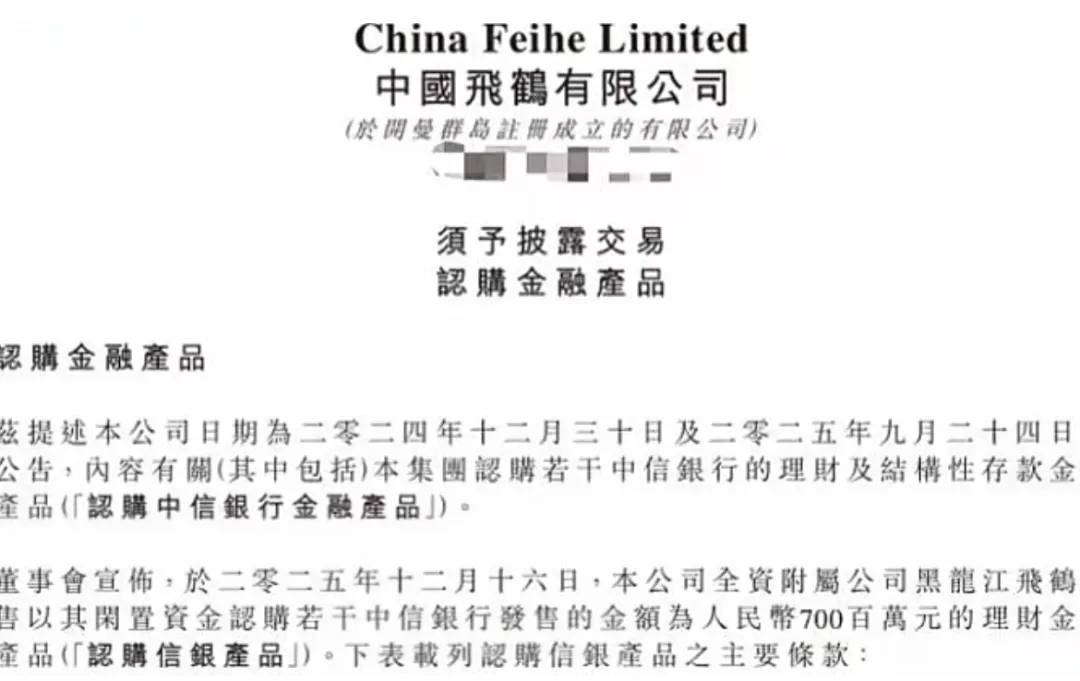
Core Viewpoint - China Feihe, despite having nearly 6.5 billion in cash, has invested 700 million in bank wealth management products, indicating a strategic approach to managing excess liquidity and seeking better returns [1][3]. Group 1: Investment Activities - Recently, China Feihe's wholly-owned subsidiary, Heilongjiang Feihe Sales, purchased a 700 million wealth management product from Citic Bank, with expected returns between 2.4% and 2.9%, maturing in one year [3]. - This 700 million investment is part of a larger trend, as the company has announced similar purchases 19 times in 2025, totaling over 4 billion [3]. - Currently, there is still 2.2 billion in principal invested in wealth management products at Citic Bank alone [3]. Group 2: Financial Position - As of the first half of the year, China Feihe reported cash and cash equivalents exceeding 6.4 billion, indicating a strong liquidity position [5]. - The company has become a "cash cow" in the industry due to its high-end strategy, generating significant profits [5]. Group 3: Market Challenges - The declining birth rate and intense competition in the infant formula market have led to a slowdown in revenue growth for China Feihe [7]. - As finding new growth opportunities becomes challenging, the large amount of idle funds has made wealth management a preferred option for the company [9]. Group 4: Future Considerations - The company's investment in wealth management may reflect the broader challenges faced by the infant formula industry as it matures and seeks transformation [10]. - There is uncertainty about whether these investments are a temporary measure or indicate a shift in the company's strategic focus [10].
名酒降价VS白酒社区“散打”
Xin Lang Cai Jing· 2025-12-16 08:48
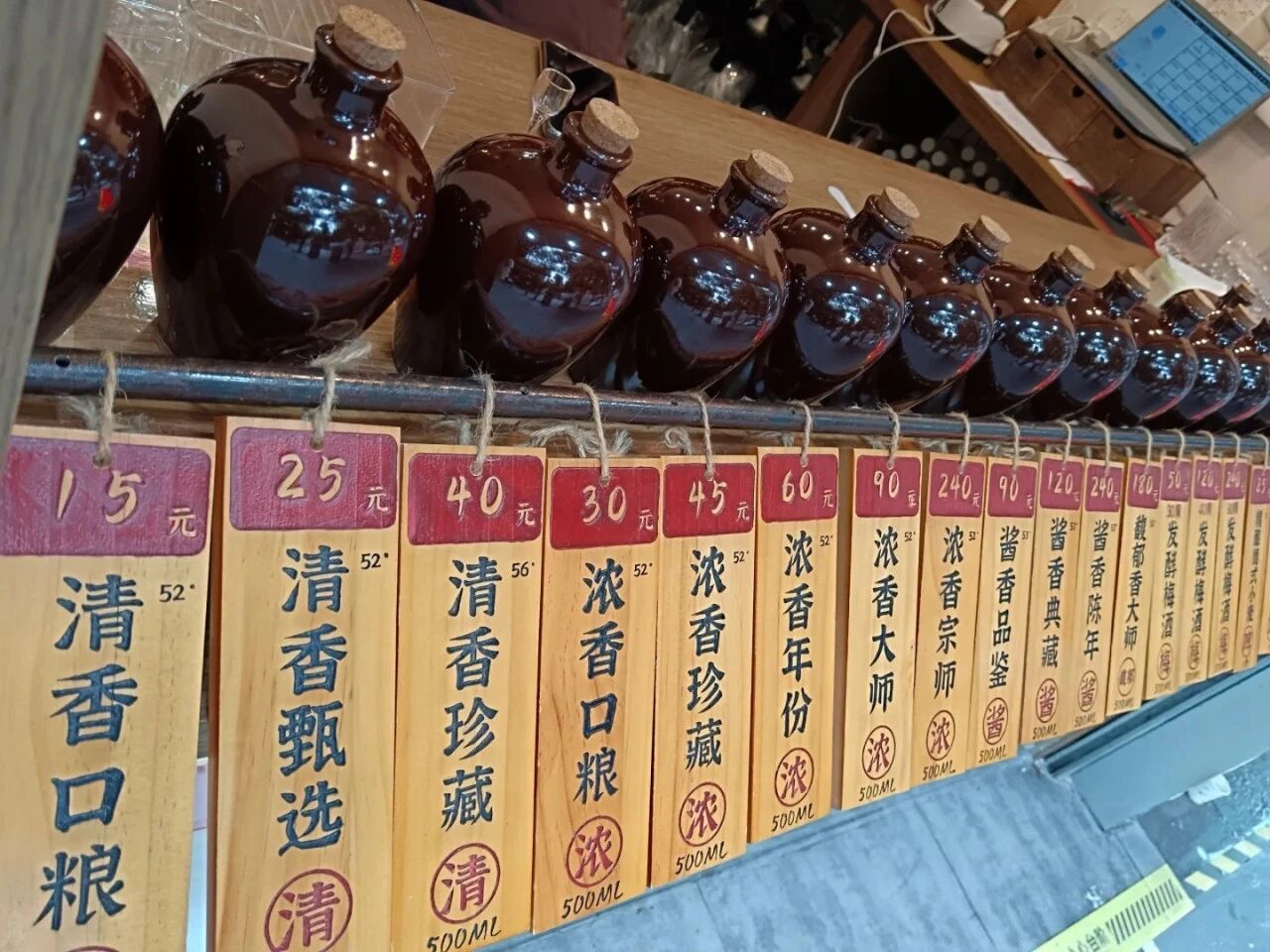
Core Insights - The high-end liquor market, particularly represented by Feitian Moutai, is experiencing a significant price drop, with prices falling below the official guidance price of 1499 yuan, indicating a collapse of the previously strong pricing system [1][4][17] - The low-end market for bulk liquor is emerging as a strong competitor, with companies increasingly establishing community liquor stores that promote a "pay by the cup" model, marking a significant shift in consumer behavior [1][9][22] Market Dynamics - Analysts suggest that the drastic differentiation across high, medium, and low-end markets is not merely a short-term price fluctuation but a necessary outcome of a deep correction in the liquor industry, with a shift in consumer logic from "brand premium worship" to "value for money" [3][16] - The power dynamics in distribution are shifting from producers to consumers, fundamentally reshaping the industry's value framework [3][16] Price Trends - As of December 12, 2025, the wholesale reference price for 500ml Feitian Moutai has dropped to 1485 yuan per bottle, marking a historical low and the first time it has fallen below the official guidance price [4][17] - The price decline is not isolated to Moutai; Wuliangye is also adjusting its pricing strategy, offering discounts to alleviate pressure on distributors [4][17] Inventory and Supply Issues - Data indicates that 60% of liquor companies are facing price inversion, particularly in the 800-1500 yuan price range, with an average inventory turnover period of 900 days, which has increased by 10% year-on-year [6][19] - The supply-side "pressure selling" growth model has exacerbated inventory issues, leading to a vicious cycle where distributors are forced to sell at lower prices to recover funds [8][21] Rise of Bulk Liquor - The bulk liquor market is rapidly growing, with a market size exceeding 800 billion yuan in 2024 and an annual growth rate of over 15%, projected to reach 1 trillion yuan by 2025 [9][22] - New bulk liquor stores are entering high-end communities and commercial areas, offering a modern and appealing shopping experience [9][22] Consumer Behavior Changes - The primary consumers of bulk liquor are younger individuals aged 25-35, who now prioritize personal enjoyment over social necessity, favoring a "small quantity, multiple purchases" approach [10][23] - The demand from lower-tier markets is significant, contributing approximately 60% of new growth, with consumers seeking high cost-performance products [10][23] Challenges in Bulk Liquor Market - Despite rapid expansion, the bulk liquor market faces food safety concerns, with reports of non-compliance in product quality and storage practices [11][24] - Increased competition is leading to homogenization in product offerings, with a lack of differentiation among new brands [13][26] Industry Transformation - The contrasting dynamics in the liquor industry reflect a deep struggle between consumption upgrades and industry transformation, as premium brands lose their financial allure and bulk liquor sheds its low-end image [13][26]
石油ETF(561360)涨超1%,机构称行业转型与油价韧性形成支撑
Sou Hu Cai Jing· 2025-12-15 03:46
Group 1 - The core viewpoint of the article highlights that the oil and petrochemical industry is supported by industry transformation and resilient oil prices, despite facing challenges such as global economic recovery pressures, rising geopolitical risks, and fluctuating international oil prices in 2024 [1] - China Petroleum Group is achieving high-quality business development through its full industry chain advantages, particularly in refining, where it is deepening research and development of high-end new materials like SBC and POE catalysts, leading to technological breakthroughs and increased value addition in the industry chain [1] - The company is optimizing governance efficiency through state-owned enterprise reforms, and its ESG performance ranks among the best in the industry, attracting long-term capital allocation [1] Group 2 - The oil ETF (561360) tracks the oil and gas industry index (H30198), which selects listed company securities involved in the entire industry chain of oil and gas exploration, development, production, and services to reflect the overall performance of related listed companies in the oil and gas sector [1] - The industry demonstrates strong risk resistance and sustainable development potential driven by both stable production of traditional energy and the transition to new energy [1]
基金销售行业进一步规范,多家券商优化两融业务布局
Soochow Securities· 2025-12-14 08:31
Investment Rating - The report maintains an "Overweight" rating for the non-bank financial sector [1] Core Insights - The non-bank financial sector has shown resilience, with the insurance and securities industries outperforming the CSI 300 index recently. The insurance sector increased by 2.41%, while the securities sector rose by 0.36% [11] - The report highlights the regulatory changes in the fund sales industry, aiming to standardize practices and enhance investor protection [16][20] - The insurance industry is expected to benefit from economic recovery and rising interest rates, with a focus on health and pension insurance products [33][48] Summary by Sections Non-Bank Financial Subsector Performance - In the last five trading days (December 8-12, 2025), the insurance sector and securities sector outperformed the CSI 300 index, with overall non-bank financials rising by 0.83% [11] - Year-to-date performance shows the insurance sector up by 23.19%, while the overall non-bank financial sector increased by 8.70% [12] Securities Sector - Trading volume has decreased month-on-month, with an average daily trading volume of 21,190 billion CNY in December, a 20.67% increase year-on-year but a 5.45% decrease from the previous month [16] - The margin financing balance reached 25,080 billion CNY, a year-on-year increase of 32.96% [16] - The average price-to-book (PB) ratio for the securities industry is projected at 1.3x for 2025 [21] Insurance Sector - The total assets of the insurance industry surpassed 40 trillion CNY, reflecting a 12.5% increase from the beginning of the year [32] - Regulatory changes have been implemented to optimize long-term stock holding risk factors, encouraging insurance companies to adopt a long-term investment approach [23][24] - The insurance sector's valuation is currently at historical lows, with a projected P/EV of 0.62-0.95 for 2025 [33][48] Multi-Financial Sector - The trust industry is experiencing a transition phase, with total assets reaching 29.56 trillion CNY, but profits have significantly declined [34] - The futures market saw a trading volume of 7.70 billion contracts in November, with a transaction value of 66.61 trillion CNY, indicating growth in trading activity [40][41] - The report suggests that innovation in risk management will be crucial for the future development of the futures industry [42] Industry Ranking and Recommendations - The report ranks the sectors as follows: Insurance > Securities > Other Multi-Financial [48] - Key companies recommended include China Life, Ping An, New China Life, China Pacific Insurance, CITIC Securities, and Tonghuashun [48]
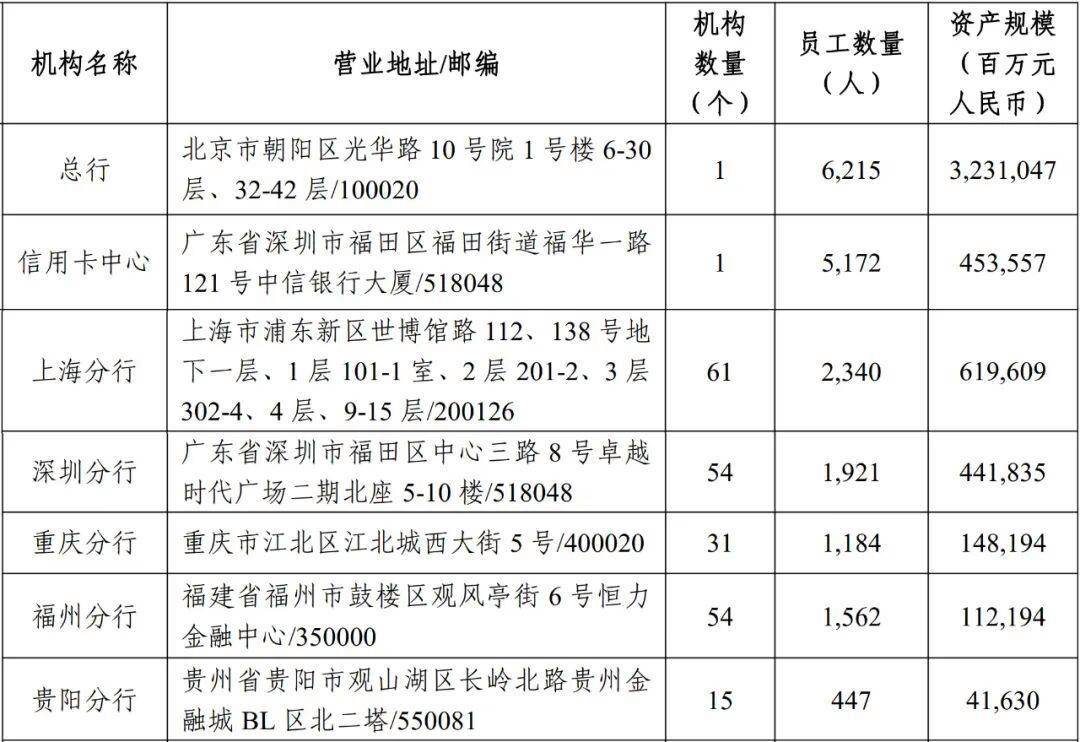
中信银行近日迎来一系列中层人事调整,涉及多家分行行长及子公司高管变动。新任风险总监金喜年正式履职,上海分行行长赵元新拟调任总行授信执行部总经理,重庆、贵阳、福州等分行负责人更迭,信银投资、信银理财等子公司高管同步调整。此次调整覆盖风险管理、资产负债、审计等多个核心部门,凸显中信银行年末对组...
Sou Hu Cai Jing· 2025-12-08 14:46
Group 1 - The core point of the article highlights a series of personnel adjustments at CITIC Bank, involving changes in branch managers and executives of subsidiaries, indicating an optimization of the organizational structure as the year ends [1] - The new risk director, Jin Xinian, has officially taken office, and significant changes include the transfer of Shanghai branch manager Zhao Yuanxin to the head office as the general manager of the credit execution department [1] - The adjustments reflect CITIC Bank's strategic thinking during the industry's transformation period, emphasizing the strengthening of risk management by appointing experienced branch leaders to key positions at the head office [1] Group 2 - The frequent rotation of subsidiary executives and branch leaders, such as Dong Wenzan moving from CITIC Wealth Management to the Fuzhou branch, indicates the group's intention to cultivate versatile talents [1] - The newly established CITIC Investment, led by Jiang Dongming from the Guiyang branch, has a registered capital of 10 billion, signaling CITIC's increased focus on financial asset investment [1] - Amid a narrowing net interest margin of 1.63%, these adjustments are seen as a response to performance pressures and a strategy to seek new growth points through organizational change [1]

止跌企稳后,中国房地产:下一步怎么走?
Sou Hu Cai Jing· 2025-11-25 21:44
Core Insights - The Chinese real estate market is transitioning from rapid growth to a period of adjustment and transformation, focusing on "stock deepening" rather than "incremental expansion" due to high inventory pressure and the rise of the existing market [1][3] Market Conditions - The current market adjustment is ongoing, with inventory reduction remaining a core challenge; as of March 2025, 41% of cities have a commodity housing de-stocking cycle exceeding 18 months, indicating persistent inventory pressure [3] - By June 2025, the narrow inventory of new residential properties in 50 cities is projected to reach 309 million square meters, with a de-stocking cycle of 21.82 months [3] - Policy benefits released in September 2024 have been absorbed by the market, with the National Bureau of Statistics stating that the real estate market is still in a phase of adjustment and transformation [3] Future Projections - Goldman Sachs predicts that new home sales in China will shrink by 40% over the next decade due to urbanization slowdown, stock replacement, and demographic changes, indicating the end of the "bull market" logic [3][5] - The rise of the existing market is supported by data, with domestic second-hand housing transaction area expected to grow by 5% to 630 million square meters in 2025, capturing 46% of the market share [5] Market Dynamics - By 2035, second-hand housing sales are forecasted to reach 800-900 million square meters, equivalent to the total new home sales in 2024, activating a new value chain in sectors like renovation and community operations [5] - The "Matthew Effect" in the industry will intensify, with the market share of the top ten developers expected to rise from 21% in 2024 to 50% in 2025, and up to 60% in first and second-tier cities [5] Investment Opportunities - Investment logic is being restructured, with urban differentiation becoming a key feature; only major cities like Beijing, Shanghai, Guangzhou, Shenzhen, and strong second-tier cities such as Hangzhou and Suzhou are seen as viable investment areas [7] - Three major transformation opportunities for real estate finance professionals include focusing on second-hand housing transaction services in core cities, engaging in stock housing renovation and community services, and monitoring quality projects and bonds from leading developers to mitigate risks associated with smaller firms [7]

周大生(002867):金价上涨&收入结构变化驱动毛利率稳健向上 盈利能力改善
Xin Lang Cai Jing· 2025-11-19 08:36
Group 1 - The gold price has been rising, leading to a transformation in the gold jewelry industry, shifting from channel-driven growth to brand and product-driven growth, with a clear trend towards differentiation, lightweight, and high-end products [1] - In Q3 2025, China's gold jewelry demand was 84 tons, down 18% year-on-year and up 21% quarter-on-quarter, marking the weakest performance for the third quarter since 2007, indicating a shift from pure volume growth to brand and craftsmanship focus [1] - The company's revenue in Q3 2025 was 2.18 billion, down 16.7%, with self-operated offline revenue at 450 million, up 15.5%, and online revenue at 780 million, up 68.2%, while franchise revenue was 920 million, down 46.8% [1] Group 2 - The recent adjustment in the value-added tax policy for gold in China may create short-term demand resistance but is expected to accelerate the industry's transformation towards innovation in craftsmanship and design [2] - The company is projected to achieve a net profit of 1.08 billion and 1.22 billion in 2025 and 2026, respectively, with a current price-to-earnings ratio of approximately 13x and 12x for those years, indicating a low valuation with safety margins [2] - The company has effectively managed costs and maintained stable gross margins, achieving steady profit growth despite fluctuations in gold prices [2]