
陪伴经济

Search documents
“野生”带玩管家出没迪士尼,从日赚上千卷到350元!专家看到的却是500亿元“陪伴经济”……
Mei Ri Jing Ji Xin Wen· 2025-11-29 00:47
Core Insights - The surge in visitor numbers at Shanghai Disneyland and other theme parks during the autumn holiday has exposed service gaps, leading to the emergence of "play guides" as a gray market response to high demand [2][4][11] - The "play guides" are seen as a spontaneous market response to the lack of sufficient supply in the theme park industry, with a hidden profit chain involving intermediaries [3][18] - The demand for personalized services in the tourism sector is growing, with the "accompanying economy" projected to reach a market size of 500 billion yuan by 2025 [35][41] Group 1: Visitor Experience and Demand - Shanghai Disneyland experienced overwhelming crowds during the autumn holiday, with wait times for attractions reaching up to 150 minutes, highlighting the park's inability to manage the influx of visitors [4][11] - The autumn holiday has driven significant tourism consumption, particularly among families with school-aged children, with potential consumer groups estimated at around 17.92 million in Zhejiang province alone [6][7] - The park's strong brand and emotional connection with consumers make it a preferred choice for families seeking safe and enjoyable experiences during peak times [6][11] Group 2: Emergence of "Play Guides" - "Play guides" have emerged as a response to the high demand for personalized services, offering assistance in navigating the parks and even selling premium tickets at a markup [3][24] - The pricing for "play guide" services varies widely, from 60 yuan for online guidance to 1,500 yuan for personalized, on-site assistance, indicating a diverse market catering to different consumer needs [22][24] - The presence of "play guides" raises concerns about the legality and regulation of such services, as many operate without proper licenses and can lead to consumer risks [29][41] Group 3: Industry Response and Future Outlook - Industry experts suggest that rather than outright banning "play guides," there should be a move towards formalizing their role within the tourism sector, potentially transforming them into legitimate service providers [35][41] - The ongoing demand for personalized and efficient services indicates that if official offerings do not meet consumer expectations, the market will continue to fill the gap with informal services [35][41] - Regulatory frameworks may need to be established to ensure the safety and reliability of "play guides," including certification and oversight to protect consumers and maintain industry standards [41][41]



迪士尼“带玩管家”内卷背后,500亿元“陪伴经济”催生行业新命题
Sou Hu Cai Jing· 2025-11-28 14:43
Core Insights - During the autumn holiday of 2025, theme parks such as Shanghai Disneyland and Beijing Universal Studios experienced a surge in visitor numbers, leading to issues like "overcrowding" and long wait times, highlighting a service gap in the industry [1] - The emergence of "play assistants" as a gray market service has been noted, offering route planning, priority viewing, and dining discounts, with fees ranging from 350 to 1500 yuan, and some even reselling sold-out official tickets at a premium [1] - The rise of the 50 billion yuan "accompaniment economy" indicates a strong willingness among Generation Z and family units to pay for efficient and personalized services, prompting industry calls for regulation rather than outright bans, suggesting a shift towards professional tourism service providers with established qualifications and transparent pricing mechanisms [1]
情绪价值成为新货币:这届消费者,只想买点“开心”
Ge Long Hui· 2025-11-15 06:04
Core Insights - The rise of emotional consumption reflects a significant shift in consumer behavior, where emotional needs are prioritized alongside functional needs [1][2][3] Group 1: Emotional Consumption Trends - Emotional consumption is becoming a key choice for the new generation of consumers, with 56.3% of young people willing to pay for emotional value, a 16.2% increase from 2024 [2][6] - Young consumers spend an average of 949 yuan per month on emotional consumption, equating to approximately 30 yuan daily [2][6] - Popular categories for emotional consumption include plush toys, aromatherapy, and experiences like concerts and psychological counseling [4][6] Group 2: Market Dynamics - The emotional consumption market in China is projected to reach 2 trillion yuan by 2025, with expectations to exceed 4.5 trillion yuan by 2029 [6][9] - The Z generation, comprising about 260 million individuals in China, is driving this emotional economy, seeking emotional connections and self-soothing through consumption [7][9] - Emotional consumption is characterized by a shift from material goods to experiences and services that fulfill emotional needs, as highlighted by the rise of the "accompanying economy" [5][8] Group 3: Consumer Behavior - A significant 88.2% of young people report experiencing frequent stress, with 60.3% believing that consumption helps alleviate this stress [3][4] - The trend of emotional consumption is not merely a fad; it represents a long-term shift in consumer priorities towards emotional fulfillment [14] - The COVID-19 pandemic has exacerbated feelings of loneliness, further driving the demand for emotional consumption [8][9] Group 4: Business Implications - Companies must adapt their production and marketing strategies to focus on emotional needs, moving from traditional product-centric approaches to consumer-centered models [12][13] - Brands that can effectively address emotional pain points and create products with both emotional and functional value will likely emerge as leaders in the emotional consumption space [14]

进博首开“萌宠赛道”,“它经济”成消费升级新信号
Hua Xia Shi Bao· 2025-11-11 01:08
Core Insights - The pet economy, once considered a niche hobby, has evolved into a core force supporting a trillion-yuan market, closely linked to rising consumer spending and changing demands for pet-related services [1][5][8] Industry Overview - The pet industry is experiencing significant growth, with the urban pet market in China expected to exceed 300 billion yuan in 2024 and reach over 400 billion yuan by 2027 [5] - The demographic of pet owners is becoming younger and more educated, with individuals born in the 1990s and 2000s accounting for over 60% of pet owners, driving a shift towards quality over quantity in pet products [5][6] Product Innovations - The exhibition showcased various innovative products, including an automatic pet toilet by Xiaopei Technology that monitors pet health and facilitates remote interaction [2][3] - Royal Canin presented a comprehensive nutritional solution for pets throughout their life stages, emphasizing the importance of tailored nutrition [2][3] Market Trends - The pet consumption structure is shifting from basic feeding to health, intelligence, and emotional companionship, indicating a trend towards premiumization in pet products [6][7] - The rise of e-commerce, particularly through social media and live-streaming platforms, is influencing purchasing decisions among younger consumers, who prioritize brand reputation and product transparency [6][7] Economic Impact - The pet economy is seen as a significant contributor to China's high-quality economic development, reflecting changing population dynamics and emotional needs [6][8] - The annual "Double Eleven" shopping festival has become a major battleground for pet product sales, with significant growth in pre-sale amounts compared to previous years [6][8]
“超单身”时代已到来?已达2.4亿的单身人群,或正催生经济巨变
Sou Hu Cai Jing· 2025-11-08 13:10
Core Insights - The rise of the "single economy" in China is driven by over 240 million single individuals, reflecting a significant shift in social norms and consumer behavior [1][3][5] - The single economy is projected to reach a scale of 7.92 trillion yuan by 2025, with a compound annual growth rate of approximately 20% from 5.3 trillion yuan in 2023 [3][5] - The "one-person dining" economy is expected to exceed 1.8 trillion yuan by 2025, with a remarkable annual growth rate of 15.3% [9] Demographic Trends - The single population in China represents one in every six individuals, with a declining marriage rate contributing to this trend [3][5] - Economic pressures, such as high costs of marriage and housing, are primary factors discouraging young people from marrying [7] - Gender imbalance exacerbates the difficulty of marriage, with a predicted ratio of 119 men to 100 women by 2027 among the eligible population [7] Consumer Behavior - The single demographic is becoming a core consumer group, characterized by autonomous, quality-focused, and emotional purchasing decisions [5][9] - Spending on self-improvement and quality of life is increasing, with young singles aged 20-25 spending an average of 7,700 yuan on aesthetic medical procedures [13] - The leisure and entertainment sector accounts for 36.26% of single consumer spending, with a preference for online entertainment and social activities [15] Market Opportunities - The "pet economy" is a significant pillar of the single economy, with many singles viewing pets as emotional companions and willing to spend on their care [11] - Brands are adapting to the single economy by offering "single-friendly" products, such as compact appliances and customized clothing [19][21] - Marketing strategies are evolving to resonate with single consumers, emphasizing respect for their choices and encouraging self-fulfillment [21]
路斯股份(920419):北交所信息更新:双品牌增强品牌影响力,美国、东南亚等海外市场潜力大
KAIYUAN SECURITIES· 2025-10-31 14:22
Investment Rating - The investment rating for the company is upgraded to "Outperform" [2][4]. Core Insights - The company reported a revenue of 619 million yuan for Q1-Q3 2025, representing a year-on-year growth of 7.61%, while the net profit attributable to the parent company was 46.78 million yuan, down 21.09% year-on-year [4]. - Due to intensified competition in the domestic pet food market and pressure on the gross margin of pet snacks, the profit forecast for 2025-2027 has been revised downwards [4]. - The company has launched a dual-brand strategy with "Miaoguan" focusing on high cost-performance products and "Lusi" continuing to innovate and upgrade to high-value-added product lines [5]. - The company is actively participating in major domestic and international pet industry exhibitions to enhance brand recognition and market influence [5]. Financial Performance - For 2025, the expected revenue is 863 million yuan, with a year-on-year growth of 11.0% [8]. - The projected net profit for 2025 is 69 million yuan, reflecting a decline of 12.4% compared to the previous year [8]. - The gross margin is expected to be 20.5% in 2025, with a net margin of 8.0% [8][11]. - The company’s total market capitalization is 19.11 billion yuan, with a current stock price of 18.50 yuan [2]. Market Potential - The U.S. pet industry is projected to reach a market size of approximately 157 billion USD in 2025, with pet food accounting for about 43.29% of this market [6]. - The Southeast Asian pet market is expected to grow significantly, with a projected market size exceeding 20 billion USD and an annual growth rate of 15% [6]. - The urban pet market in China is anticipated to reach a consumption scale of 300.2 billion yuan in 2024, with pet food making up 52.80% of the total pet consumption market [6].
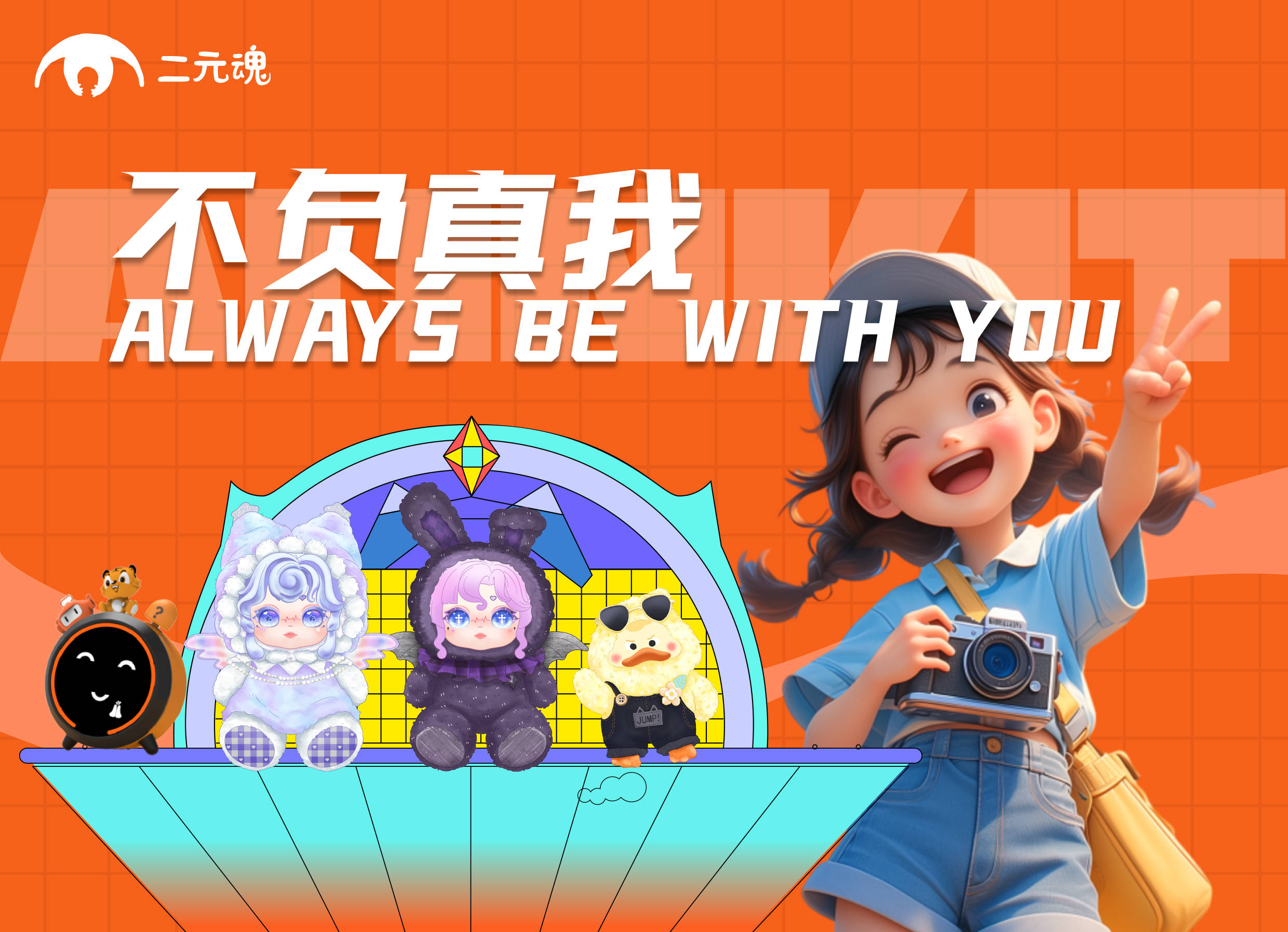
二元魂:潮玩消费市场概况(一)
Sou Hu Cai Jing· 2025-10-29 05:33
Core Insights - The rise of adult interest in toys, particularly "trendy toys" with cultural significance and emotional value, is reshaping the toy market [1][4] - The IP (Intellectual Property) trend in trendy toys is becoming a focal point, enhancing the commercial value and cultural symbolism of these products [1][4] Group 1: Definition and Characteristics - "IP trendy toys" are defined as trendy toys with high recognition and independent intellectual property attributes, primarily targeting adults rather than children [5] - Unlike traditional toys, trendy toys emphasize aesthetic and artistic value over playability or educational aspects, often possessing collectible and trendy attributes [5] Group 2: Development History - The trendy toy industry began in the late 1990s, evolving through over two decades to reach a mature development phase [7] - Initially driven by independent designers in Hong Kong, the industry became closely linked to street culture, with a significant rise in local designers in China during the early 2000s [7] - The introduction of the blind box concept from Japan and the explosive growth of brands like Pop Mart since 2016 have marked a period of diversification and prosperity in the IP trendy toy market [7] Group 3: Economic Value and Consumer Insights - The report aims to analyze the economic value and development potential of IP trendy toys, focusing on industry leaders' business models and consumer preferences [4] - Understanding consumer psychological needs and payment motivations is crucial for revealing the key role of IP in trendy toy licensing and innovation [4] Group 4: Future Trends - The concept of "companion economy" is central to redefining the trendy toy 3.0 era, creating a product system that integrates physical, virtual, and data elements [9] - The dynamic life form concept aims to upgrade traditional IP into interactive and nurturing digital companions, catering to the emotional and social needs of Generation Z [9]
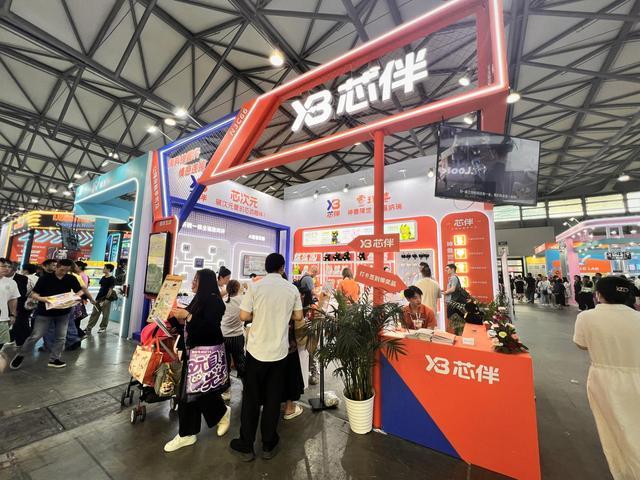
上古神兽遇上硬核科技:芯伴科技携AI潮玩系列产品首秀2025 CTE中国玩具展
Huan Qiu Wang Zi Xun· 2025-10-17 10:16
Core Insights - The 2025 CTE China Toy and Trend Exhibition in Shanghai showcased Nanjing Chipan Intelligent Technology Co., Ltd. (Chipan Technology) and its original IP "Lingrui Collection," highlighting its innovative approach to integrating AI into trendy toys [1][3] Industry Overview - The "companion economy" is experiencing rapid growth, with a projected global market size of $120 billion by 2025, and China expected to account for 35% of this market, growing at an annual rate of 55% [3] - Chipan Technology aims to address the shift from "functional satisfaction" to "emotional coexistence" by merging cutting-edge AI technology with trendy and traditional Chinese cultural IPs [3] Product Highlights - The "Lingrui Collection" features five characters inspired by ancient Chinese mythology, each equipped with AI capabilities for emotional interaction, transforming them into "spiritual companions" [5] - The AI plush toys and accessories allow users to receive personalized "fortune signs" through a simple shake, utilizing high-quality materials for a premium feel [6] - An innovative AI smart toy base can recognize any figurine placed on it, enabling real-time voice interaction and character customization, thus breaking the boundaries of static toys [6] Technological Advancements - Chipan Technology's AI solutions are characterized by their openness and independence, allowing partners to retain control over customer data and support online upgrades [8] - A notable product, an ultra-thin AI smart electronic card, integrates advanced technology for customizable virtual character interactions, reflecting the trend towards personalization and community engagement [8] Market Strategy - The "Lingrui Collection" products are set to be available for pre-sale on platforms like Tmall and Douyin, with various products launching in the coming months, including a test version of the AI smart electronic card expected in November [8] - Chipan Technology is committed to merging technology, art, and culture to enhance emotional connections between people and products, positioning itself as a key player in the AI toy market [9]
陪伴经济需监管相伴
Ren Min Ri Bao· 2025-10-10 06:52
Core Insights - The "accompanying economy" is emerging as a new economic form that provides various services such as online chatting, gaming companionship, and offline services like medical accompaniment, shopping, and travel companionship [1][2] - This economy is creating new job opportunities and consumption scenarios, but it also faces challenges such as inconsistent service quality, lack of safety guarantees, and unclear ethical boundaries [1][2] Group 1: Market Demand and Opportunities - There is a broad social demand for accompanying services, particularly among the elderly who struggle with complex medical processes and technology [1] - Young people are forming a "buddy culture," leading to the commercialization and platformization of various companionship services [1] - Accompanying services not only address practical issues but also provide emotional value, benefiting both service providers and consumers [1] Group 2: Challenges and Regulatory Needs - Issues such as opaque pricing in private travel companionship, lack of professionalism in medical accompaniment, and potential consumer manipulation in gaming companionship have raised concerns [2] - Both service providers and consumers require rights protection, as disputes over service quality and safety can arise [2] - There is a need for institutional and regulatory measures to safeguard the rights of both parties involved in the accompanying economy [2] Group 3: Regulatory Developments - The regulatory landscape is evolving, with initiatives like the issuance of the first "Accompanying Service Special Occupational Ability Certificate" in March and the release of service norms for elderly accompaniment in May [3] - Multiple stakeholders, including regulatory bodies and industry associations, are working to transition elderly accompanying services from unregulated growth to a more standardized and professional development phase [3] - The market for the accompanying economy is projected to reach 50 billion yuan by 2025, highlighting the need for improved legal frameworks and industry standards to ensure sustainable growth [3]
陪伴经济需监管相伴(多棱镜)
Ren Min Ri Bao· 2025-10-09 22:22
Core Insights - The "accompanying economy" is emerging as a new economic form that provides various services such as online companionship, medical accompaniment, and personalized travel services, addressing a wide range of social needs [1][2][3] - There are significant employment opportunities and service supply arising from the accompanying economy, but issues such as service quality, safety, and ethical boundaries need to be addressed through regulation [1][2] Group 1: Market Demand and Opportunities - The accompanying economy meets the needs of various demographics, including elderly individuals who require assistance with medical processes and younger people seeking companionship in activities like gaming and travel [1][2] - The market for accompanying services is projected to reach 50 billion yuan by 2025, indicating substantial growth potential [3] Group 2: Challenges and Regulatory Needs - The accompanying economy faces challenges such as lack of transparency in pricing, inadequate professional standards, and potential privacy violations, necessitating a robust regulatory framework [2][3] - Internet platforms play a crucial role in regulating the accompanying economy by ensuring the qualifications of service providers and implementing safety features [2][3] Group 3: Regulatory Developments - Recent initiatives include the issuance of the first "Accompanying Service Special Occupational Ability Certificate" and the establishment of service norms for elderly accompaniment, marking a shift towards professionalization and standardization [3] - Continuous improvement of regulations and industry standards is essential to guide the accompanying economy towards a more structured and professional future [3]