IP潮玩

Search documents
量贩零食店开进三环
经济观察报· 2026-03-29 04:11
Core Insights - The core viewpoint of the article is that leading snack retail brands are shifting their focus to core areas of first-tier cities, where market penetration is still low, marking a new phase of growth in the industry [1][11]. Group 1: Market Expansion - Snack retail brands like Zhao Yiming and Hao Xiang Lai are rapidly opening new stores in Beijing's core areas, indicating a strategic shift from expansion in lower-tier markets to exploring new growth opportunities in high-tier cities [2][6]. - The industry has reached a stage of high market concentration, with the CR2 (market share of Ming Ming Hen Mang and Wan Chen Group) reaching 75.1% by 2024 [8]. Group 2: Store Characteristics - New stores in first-tier cities are smaller, around 100 square meters, compared to larger stores in lower-tier markets, and feature a more compact layout with a focus on convenience items like drinks and snacks [5]. - Customer traffic patterns show that these stores experience low foot traffic during weekdays but see significant increases during after-school and after-work hours, indicating a reliance on local student and working populations [4][5]. Group 3: Cost Challenges - Opening stores in first-tier cities presents significant cost pressures, with annual rent for a store in Beijing's core area reaching 500,000 yuan, and average gross margins around 20% [13]. - In contrast, the cost structure in lower-tier markets is more favorable, with lower rent and investment requirements, making it easier for brands to operate profitably [13]. Group 4: Strategic Adaptations - In response to market saturation in lower-tier cities and high costs in first-tier cities, brands are diversifying their product offerings and exploring new store formats, such as discount supermarkets [14][15]. - Both Ming Ming Hen Mang and Hao Xiang Lai are developing private labels and optimizing supply chains to enhance operational efficiency and differentiate their product offerings across various locations [15].


鸣鸣很忙20260311
2026-03-12 09:08
Company and Industry Summary Company Overview - **Company Name**: Mingming Hen Mang - **Industry**: Snack Retail - **Current Store Count**: Over 21,000 stores - **Projected Store Count**: Potential to reach 35,000 stores, indicating over 65% growth from current levels [2][4] - **Market Position**: Leading player in the bulk snack retail sector, expected to rank first in store count by 2025 [3] Key Insights and Arguments Market Dynamics - **Market Concentration**: The company and its competitor, Wancheng, form a duopoly with a combined market share (CR2) of 70.7% in GMV and 63.5% in store count [2][8] - **Growth Sources**: Key growth areas include lower-tier cities and northern markets, with a focus on expanding store presence in these regions [2][4][5] Financial Performance - **Revenue Projections**: Expected revenues for 2025, 2026, and 2027 are 65.08 billion, 87.18 billion, and 101.31 billion CNY, respectively, with growth rates of 65.4%, 34.0%, and 16.2% [18] - **Profitability Targets**: Aiming for a net profit margin of 5%, with gross margin improvements driven by supply chain efficiencies and an increase in private label products [2][11][18] Store Efficiency and Sales Trends - **Store Revenue Recovery**: Q3 2025 saw a 7.1% year-on-year increase in single-store revenue for the "Snacks Are Busy" brand, indicating a recovery trend [2][9] - **Customer Metrics**: The average customer transaction value has decreased by 10.6%, but the company expects this to stabilize as price competition eases [9] Strategic Initiatives - **Brand Strategy**: The company is implementing a dual-brand strategy with "Snacks Are Busy" focusing on central China and "Zhao Yiming" expanding into eastern regions [3] - **Product Diversification**: Introduction of private label products and expansion into fresh food snacks through the "You Dian Chan" brand, targeting high-end markets [2][10][13] Additional Important Insights Competitive Landscape - **Industry Penetration**: The penetration rate of bulk snacks in the leisure food and beverage category is currently at 4%, with potential for 5-10% growth [8] - **Emerging Competitors**: New entrants in the Southeast Asian market, such as "You Dian Qu," are being explored, with initial success in Vietnam [15][16] Operational Improvements - **Cost Management**: The company is focused on reducing sales and management expenses, with a projected decrease of 1-1.5% in sales expense ratio by 2025 [11][12] - **Supply Chain Enhancements**: Plans to build additional smart warehouses to improve logistics efficiency and reduce costs [11][12] Future Growth Plans - **Store Expansion**: Plans to add 7,000, 4,500, and 2,500 new stores from 2025 to 2027, primarily through the "Zhao Yiming" brand [17] - **Long-term Goals**: Aiming for a significant increase in private label sales to enhance gross margins and overall profitability [12][18] Conclusion - **Investment Rating**: The company is rated as a "Buy" due to its strong growth potential, strategic positioning in the market, and expected improvements in profitability metrics [19]
实丰文化(002862) - 002862实丰文化投资者关系管理信息20260306
2026-03-06 11:38
Group 1: Sales Channels and Strategies - The company has established a diversified sales system for its IP toys, covering both online and offline channels [2] - Online sales include official stores on platforms like Douyin, Tmall, JD, Kuaishou, WeChat, and Xiaohongshu, along with self-operated live streaming [2] - Offline, the company collaborates with major retailers such as Walmart, Cool Play, and Miniso, adjusting sales channels based on product characteristics and market demand [2][3] Group 2: AI Toy Development - The company views AI toys as a core strategic focus, identifying three main development directions: tool-based, companion-based, and mentor-based toys [3] - AI toys will cater to diverse user preferences with varied designs, emphasizing "tool empowerment + personalized companionship + skill cultivation" [3][5] - The company has established Anhui Shifeng Zhilian Information Technology Co., Ltd. to focus on AI technology research and development [5] Group 3: Cost and Profitability - The breakeven point for a single AI toy model varies based on multiple factors, including R&D investment and market demand, with no fixed breakeven point [3][4] - The company conducts thorough assessments during product development to ensure reasonable input-output ratios [3] Group 4: IP Licensing - Core IP licensing typically lasts 1-2 years, with early renewals possible if sales meet expectations; the primary licensing area is mainland China, with some coverage in Southeast Asia [4] Group 5: Competitive Advantages - The company leverages its extensive experience in toy manufacturing, ensuring safety, durability, and compliance with quality standards [4] - A mature supply chain allows for efficient production and cost reduction while maintaining product quality [4] - The company has a deep understanding of children's needs and market trends, enabling precise product positioning [4] Group 6: Gaming Sector Strategy - Future gaming strategies focus on market growth, technology integration, and global expansion, aiming to enhance product quality and team capabilities [6] - The gaming business's revenue share has increased significantly, with core competitive advantages in market insight and R&D strength [6] - The company aims to create a synergistic ecosystem between toys and games, enhancing user engagement and brand influence [6]

粤企出海,如何拥抱全球数字化浪潮?
Sou Hu Cai Jing· 2026-02-25 01:30
Core Viewpoint - Guangdong's digital economy is experiencing rapid growth, with significant advancements in digital trade and cross-border e-commerce, positioning the province as a new growth engine for the economy [4][5]. Group 1: Digital Trade Growth - Guangdong's cross-border e-commerce imports and exports have increased 55 times over the past decade, accounting for over one-third of the national total [4]. - The province's service trade is expected to double during the 14th Five-Year Plan period, reaching $262.58 billion by 2025, with digital trade amounting to $104.28 billion [4]. - Guangdong has maintained its position as the top province in China for goods import and export for 40 consecutive years, with cross-border e-commerce leading the nation for 10 years [5]. Group 2: Government Policies and Initiatives - The provincial government introduced five policies to stabilize and expand cross-border e-commerce, focusing on improving inspection efficiency, developing bonded business, and enhancing overseas warehouse operations [9]. - Initiatives include upgrading inspection facilities, expanding bonded warehouse areas, and establishing a "Yue Warehouse Pass" platform to enhance overseas warehouse capabilities [9]. - Financial support measures are in place to assist local projects related to foreign trade [9]. Group 3: Technological Integration - AI technology is being leveraged to enhance the efficiency of cross-border e-commerce, with applications in product selection, design, and marketing [14]. - Companies are utilizing AI to reduce costs and improve decision-making, with AI capable of analyzing multiple products in a fraction of the time previously required [14]. - The integration of digital technologies is enabling companies to optimize resource allocation and respond quickly to market demands [10]. Group 4: Economic Impact and Future Outlook - By 2025, Guangdong is projected to handle $44.9 billion in service outsourcing, with a growth rate of 13.5%, expanding partnerships globally [15]. - The province's second-hand car export service platform has successfully facilitated the export of 37,000 vehicles, boosting its ranking in the national market [15]. - Digital products and services are becoming key drivers of economic growth, with a focus on cultural exports and the development of global brand IPs [19]. Group 5: Talent Development Challenges - There is a significant talent gap in Guangdong, with a need for professionals who understand both technology and economics [22]. - Educational initiatives are being developed to address this gap, including dual-degree programs and practical research projects [22]. - Companies are also exploring new ways to cultivate talent, emphasizing the importance of AI-driven innovation and collaboration with educational institutions [22].
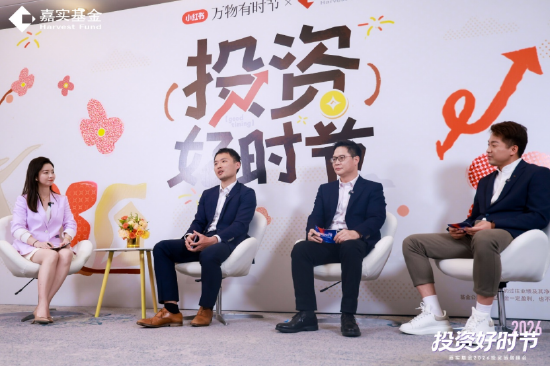
从“人感消费”到“人感投资”:三位专家解码2026消费投资主线
Xin Lang Cai Jing· 2026-01-27 06:52
Core Insights - The 2026 Investment Strategy Summit by Harvest Fund highlighted the evolving consumer trends and investment practices, focusing on the shift from brand loyalty to scenario-based emotional investments [1][10] Group 1: Consumer Trends - The core change in consumer behavior is a return to specific life scenarios, with consumers prioritizing products that address real-life pain points rather than abstract brand ideals [3][12] - The popularity of IP toys illustrates this trend, serving as both practical companions in daily life and social currency for emotional connections [3][12] - The Gen-Z demographic is particularly notable for a "value reordering," where personal interests and health take precedence, leading to a clear distinction in spending behavior across different categories [3][12][13] Group 2: Investment Outlook for 2026 - The investment strategy is based on a "dual mainline" logic, suggesting that traditional consumer sectors may see a mid-term turning point due to supply contraction and signs of demand recovery [5][14] - New consumer sectors are expected to present structural growth opportunities, particularly for brands that innovate and meet the changing needs of the new generation [5][14] - The concept of "consumption assetization" is emerging, where financial products are increasingly integrated into daily life, enhancing their appeal to modern consumers [5][14] Group 3: Investment Strategies - Key investment advice includes leveraging community feedback for decision-making, adopting contrarian thinking during market lows, and recognizing the right timing for investments in the consumer sector [8][17] - The importance of understanding deep emotional needs and practical life scenarios of consumers is emphasized as a critical factor for successful investment in the evolving market landscape [8][17]
一起“开箱”,解锁中国企业出海新图景!
21世纪经济报道· 2026-01-10 02:11
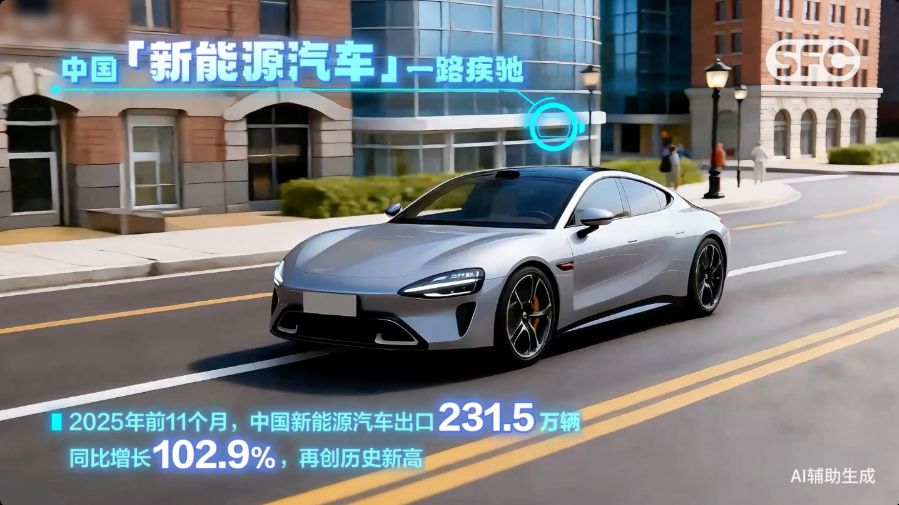
Group 1: Manufacturing and Technology Exports - Chinese "New Energy Vehicles" are rapidly expanding in global markets, showcasing strong growth potential [1] - The "New Energy Equipment" sector is injecting significant green energy capabilities into the global market [3] - Chinese "Industrial Robots" are increasingly entering global production facilities, while "Home Appliances" are experiencing explosive sales worldwide [5] Group 2: Biopharmaceuticals - Chinese "Innovative Drugs" are transitioning from a "follower" position to a "leader" in the global pharmaceutical landscape [7] Group 3: Future Industries - Chinese advancements in "Artificial Intelligence" and "Humanoid Robots" are making strides on the international stage [9] - The "Commercial Space" sector is pursuing ambitious goals in space exploration [11] - The "Low-altitude Economy" is positioning China as a global leader in this emerging market [13] Group 4: Consumer and Service Exports - Chinese "Smart Home" products are becoming integrated into overseas households, enhancing global consumer experiences [15] - The "IP Trendy Toys" sector is showcasing the charm of Chinese culture to international audiences [17] Group 5: Financial and Capital Markets - The Chinese "Financial Capital Market" is gaining prominence, highlighting its potential for international investment [19] - "Cross-border E-commerce" is facilitating the entry of "Chinese Quality Goods" into households around the world [19] Conclusion - By 2025, China's outbound ventures are set to open a new chapter, characterized by technological advancements and mutual trust [21]
一起“开箱”,解锁中国企业出海新图景!
2 1 Shi Ji Jing Ji Bao Dao· 2026-01-10 00:19
Group 1: Manufacturing and Technology Exports - Chinese "New Energy Vehicles" are rapidly expanding in global markets [1] - Chinese "New Energy Equipment" is contributing significantly to green energy initiatives [3] - Chinese "Home Appliances" are experiencing explosive sales worldwide [5] - Chinese "Industrial Robots" are increasingly integrated into global production facilities [7] Group 2: Biopharmaceuticals and Future Industries - Chinese "Innovative Drugs" are transitioning from a follower to a leader in the global market [9] - Chinese "Artificial Intelligence and Humanoid Robots" are making strides internationally [11] - Chinese "Commercial Space" ventures are pursuing ambitious goals in aerospace [13] - Chinese "Low-altitude Economy" is positioning itself as a global leader [15] Group 3: Consumer and Service Exports - Chinese "Smart Home Products" are becoming part of overseas households [17] - Chinese "IP Toys" are gaining popularity in international markets [19] - Chinese "Cross-border E-commerce" is facilitating the entry of "Chinese Good Products" into homes worldwide [21] Group 4: Financial and Capital Markets - Chinese "Financial Capital Markets" are showcasing significant growth and potential [23] Group 5: Future Outlook - By 2025, China's outbound ventures are set to enter a new chapter, emphasizing technology, brand trust, and collaborative growth [25]
策略深度报告:风格与趋势共振:新消费投资图景
Bank of China Securities· 2025-12-16 03:11
Group 1 - The report highlights that the new consumption market has a rotation and rebound configuration opportunity, driven by three main logics: fundamental, financial, and style rotation [9][10][12] - The fundamental aspect indicates that under the backdrop of US-China trade friction, there is a strong expectation for policies to boost domestic demand, which catalyzes the consumption style market [9][10] - Financially, global capital reallocation and valuation recovery in Hong Kong stocks are noted, with A-shares and Hong Kong stocks showing a resonance in consumer sectors [10][12] Group 2 - The report discusses structural changes in the Chinese consumption market driven by demographic shifts and weakening consumer confidence, with the middle-income group expanding and the "Z generation" becoming the main consumer force [28][29] - It emphasizes that the economic transformation and declining real estate cycle have led to a cautious consumer sentiment, affecting spending behavior [38][40] Group 3 - The report identifies three key trends in new consumption: "emotional consumption," "value-for-money consumption," and "service and experience consumption," each with distinct growth drivers and investment opportunities [48][59][68] - "Emotional consumption" is characterized by high margins and resilience to economic cycles, with significant growth in IP economy and pet economy sectors [48][51] - "Value-for-money consumption" is driven by rational consumption tendencies and supply chain optimization, leading to the rise of discount retail and bulk snack industries [59][62] Group 4 - The report notes that the service and experience consumption sector is expected to grow rapidly, particularly in outdoor sports, as GDP per capita surpasses 10,000 USD, influenced by the "single economy" and changing consumption preferences [68][71] - It highlights that outdoor apparel and footwear sales are projected to see significant growth, with a year-on-year increase of 87.3% expected in 2024 [68][71]
今日重点推荐:晨会报告-20251118
Shenwan Hongyuan Securities· 2025-11-18 02:15
Group 1: Global Asset Allocation Strategy - The global asset allocation environment is expected to transition from preemptive interest rate cuts by the Federal Reserve to a re-inflation cycle driven by both fiscal and monetary policy easing [2][8] - The focus for 2026 will be on the liquidity turning point's impact on asset rotation, with a gradual shift from liquidity-driven to fundamental trend-driven asset logic in domestic markets [8][11] - The report emphasizes the importance of monitoring inflation trends as a tactical timing cue for investment strategies, suggesting a balanced allocation between equities and bonds in the first quarter of 2026 [8][11] Group 2: Industry Investment Strategies - The defense and military industry is entering a new cycle driven by both domestic demand growth and external potential release, with a focus on modernization and technological advancements [2][15] - The young manufacturing industry is highlighted for its global supply chain opportunities, emphasizing the irreversible trend of globalization and the competitive landscape for Chinese enterprises [3][14] - The report identifies key sectors for investment, including defense, aerospace, and advanced manufacturing, driven by government policies and market demand [15][16] Group 3: Economic and Market Outlook - Economic demand is expected to stabilize and recover in 2026, with PPI bottoming out and turning positive, leading to a rotation in industry styles from technology growth to cyclical assets [10][11] - The report predicts that the overall market will see a recovery in corporate earnings, particularly in sectors benefiting from the recovery of industrial product inflation [11][12] - The analysis indicates that the current valuation of cyclical consumer assets remains below historical averages, suggesting potential for future appreciation [12][13]
二元魂:潮玩消费市场概况(一)
Sou Hu Cai Jing· 2025-10-29 05:33
Core Insights - The rise of adult interest in toys, particularly "trendy toys" with cultural significance and emotional value, is reshaping the toy market [1][4] - The IP (Intellectual Property) trend in trendy toys is becoming a focal point, enhancing the commercial value and cultural symbolism of these products [1][4] Group 1: Definition and Characteristics - "IP trendy toys" are defined as trendy toys with high recognition and independent intellectual property attributes, primarily targeting adults rather than children [5] - Unlike traditional toys, trendy toys emphasize aesthetic and artistic value over playability or educational aspects, often possessing collectible and trendy attributes [5] Group 2: Development History - The trendy toy industry began in the late 1990s, evolving through over two decades to reach a mature development phase [7] - Initially driven by independent designers in Hong Kong, the industry became closely linked to street culture, with a significant rise in local designers in China during the early 2000s [7] - The introduction of the blind box concept from Japan and the explosive growth of brands like Pop Mart since 2016 have marked a period of diversification and prosperity in the IP trendy toy market [7] Group 3: Economic Value and Consumer Insights - The report aims to analyze the economic value and development potential of IP trendy toys, focusing on industry leaders' business models and consumer preferences [4] - Understanding consumer psychological needs and payment motivations is crucial for revealing the key role of IP in trendy toy licensing and innovation [4] Group 4: Future Trends - The concept of "companion economy" is central to redefining the trendy toy 3.0 era, creating a product system that integrates physical, virtual, and data elements [9] - The dynamic life form concept aims to upgrade traditional IP into interactive and nurturing digital companions, catering to the emotional and social needs of Generation Z [9]