
隐私计算

Search documents
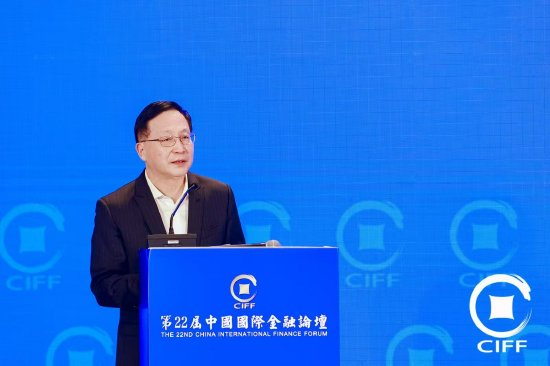
如何构建健康可持续智能金融生态?上海金融业联合会孔庆伟:夯实数字基础设施,打破数据孤岛
Xin Lang Cai Jing· 2025-12-19 09:57
Core Viewpoint - The 22nd China International Financial Forum emphasizes the construction of an intelligent financial ecosystem in the digital economy era, highlighting rapid growth in China's digital economy driven by policy guidance and practical innovation [1][5]. Group 1: Digital Economy Development - China's digital economy is developing rapidly, supported by a multi-layered policy system that includes top-level design, special deployments, and local pilot programs [3][7]. - Shanghai has implemented various measures such as policy guidance, infrastructure support, and industry integration to achieve rapid growth in the scale, structure optimization, and quality enhancement of the digital economy [3][7]. Group 2: AI Technology in Finance - Financial institutions are actively adopting AI technology, transitioning from digitalization to intelligentization, impacting areas from customer service to risk management and investment decision-making [3][7]. Group 3: Building a Sustainable Intelligent Financial Ecosystem - Key recommendations for constructing a healthy and sustainable intelligent financial ecosystem include: 1. Strengthening digital infrastructure by accelerating the construction of new infrastructures like 6G and gigabit optical networks, promoting public data sharing, and breaking data silos [3][7]. 2. Enhancing core technology innovation, particularly in AI, blockchain, privacy computing, and quantum computing, while encouraging deep integration of industry, academia, and research [3][7]. 3. Innovating regulatory models to balance innovation incentives with risk prevention, utilizing tools like regulatory sandboxes and real-time monitoring [3][7]. Group 4: Financial Education Reform - There is a scarcity of talent that understands both finance and technology, necessitating a reform in traditional financial education models to cultivate new financial professionals suited for the AI era [4][8]. - The Shanghai Financial Industry Association aims to facilitate high-level exchange platforms, promote collaboration between financial institutions and top universities, and develop training programs for new financial talent [4][9].

智慧监管能力获认可,中国电信翼支付参与国务院国资委穿透式监管课题研究
Di Yi Cai Jing· 2025-12-16 10:14
Core Viewpoint - The State-owned Assets Supervision and Administration Commission (SASAC) of the State Council is conducting research on enhancing the penetrating supervision of state-owned enterprises, with China Telecom's Yipay participating as a key support unit, showcasing its capabilities in digital technology for intelligent regulatory transformation [1][2]. Group 1: Research and Development - China Telecom's Yipay has formed a specialized research team that integrates data, technology, and business fields to support the development of a penetrating supervision system [2]. - The research focuses on two main directions: "system construction" and "data responsibility," aiming to create a systematic implementation plan for intelligent penetrating supervision [2]. Group 2: Implementation Pathway - The "Yufeng" platform is developed based on research and practice, featuring a six-step implementation path that includes organizational support, top-level design, infrastructure preparation, data foundation construction, model platform development, and operational supervision [3]. - The platform aims to address governance challenges by providing a real-time, automated warning system for penetrating supervision [3]. Group 3: Technological Capabilities - The "Yufeng" platform operates on a data-driven, risk-insight, and intelligent supervision philosophy, featuring a core architecture that enables comprehensive risk visibility and intelligent early warning [5]. - It has the capacity to process EB-level massive data, integrating over 300 million business entities and more than 2 billion relational data points, significantly enhancing model inference speed by up to 6.5 times [5]. Group 4: Practical Outcomes and Recognition - The "Yufeng" platform has received multiple authoritative recognitions, including being selected as a high-value scenario for artificial intelligence by SASAC and winning the Wu Wenjun Artificial Intelligence Science and Technology Progress Award [6]. - The platform has effectively improved risk prevention capabilities for over 30 central enterprises, addressing key risk scenarios such as illegal affiliations and false trade [6].

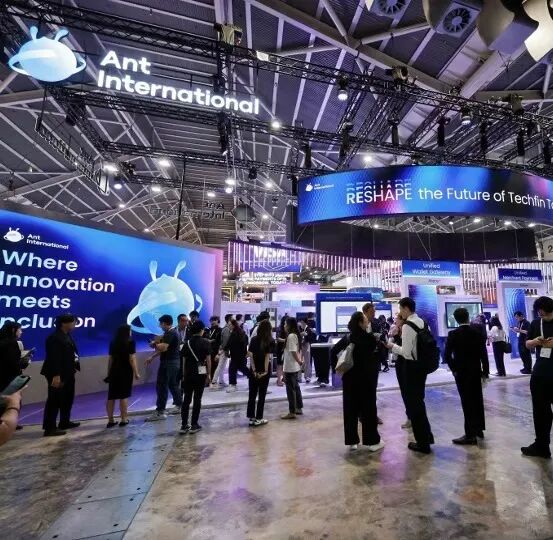
AI时代的超级连接器:蚂蚁国际想象Fintech 3.0
Xin Lang Cai Jing· 2025-12-11 10:10
Core Insights - The core mission of fintech in the Asia-Pacific region is to connect transactions and enable all markets and businesses to overcome long-term economic turbulence, gaining access to global reach previously reserved for multinational corporations [2][20]. Group 1: Financial Services Challenges - Emerging markets, particularly in the Asia-Pacific region, face multiple financial service challenges, including high local payment barriers, fragmented global liquidity, and decreased visibility in multi-market fund management [2][18]. - These obstacles particularly hinder small and medium-sized enterprises (SMEs), widening the competitive gap with large multinational companies [2][18]. Group 2: Fintech 3.0 Vision - Ant Group is accelerating investments in a Fintech 3.0 vision characterized by an open ecosystem, multi-dimensional payment innovations, and trusted security technology [5][20]. - The focus is on establishing cross-border and cross-system connectivity to create a compliant, low-friction, and high-efficiency global payment ecosystem [6][21]. Group 3: Payment Innovations - Ant Group's Alipay+ has partnered with 40 major e-wallets and over 10 national QR code networks, covering more than 100 markets, allowing over 150 million merchants to seamlessly access mainstream payment methods in the Asia-Pacific region [6][21]. - The introduction of real-time payment pathways between mobile payment systems and traditional card banking systems is a significant breakthrough, enabling users to make contactless payments through NFC technology [7][22]. Group 4: AI and Payment Technology - AI and blockchain technologies are driving profound changes in the payment sector, with Ant Group focusing on agentic payments that assist in complex tasks beyond simple transactions [9][24]. - The company is developing an AI service platform, GenAI Cockpit, to provide customized solutions for fintech companies in countries like Malaysia and Pakistan [10][25]. Group 5: Real-Time Payment and Forex Management - Real-time global payment settlement (RTP) is a key area of focus, allowing businesses to achieve 24/7 settlement and significantly reduce delays and costs associated with traditional banking networks [10][26]. - Ant Group's AI model, Falcon, is designed to manage foreign exchange needs, processing $15 trillion in funds by 2025 and helping clients reduce hedging costs by 40% [11][26]. Group 6: Security and Trust - Ant Group is investing in advanced privacy computing architectures to ensure data protection while sharing business insights securely [15][30]. - The introduction of the Alipay+ GlassPay smart glasses payment solution incorporates advanced biometric verification methods, enhancing security in digital transactions [12][27]. Group 7: Empowering SMEs - The launch of the AI operational app EPOS 360 aims to provide SMEs with insights and responsiveness comparable to large institutions, representing a significant opportunity for inclusive financial growth [16][31].
AI时代的超级连接器:蚂蚁国际想象Fintech 3.0
经济观察报· 2025-12-11 08:38
Core Insights - The core mission of fintech in the Asia-Pacific region is to connect transactions and enable all markets and enterprises to overcome long-term disruptions, achieving true economic growth and global reach previously reserved for multinational corporations [2][4]. Group 1: Financial Services Challenges - Emerging markets, particularly in the Asia-Pacific region, face multiple financial service challenges, including high local payment barriers, fragmented global liquidity, and decreased visibility in multi-market fund management [2]. - These challenges particularly hinder small and medium-sized enterprises (SMEs), widening the competitive gap with large multinational companies [2]. Group 2: Fintech 3.0 Vision - Ant Group is accelerating investment in a Fintech 3.0 vision characterized by an open ecosystem, multi-dimensional payment innovations, and trusted security technology [4]. - The company aims to establish a compliant, low-friction, and high-efficiency global payment ecosystem by promoting collaboration between public and private sectors across different regions and payment systems [5]. Group 3: Payment Innovations - Ant Group's Alipay+ has partnered with 40 major e-wallets and over 10 national QR code networks, covering more than 100 markets, allowing over 150 million merchants to seamlessly access major payment methods in the Asia-Pacific region [5]. - The introduction of real-time payment pathways between mobile payment systems and traditional banking systems is a significant breakthrough, enabling users to make instant payments at POS networks [6]. Group 4: AI and Payment Transformation - AI and blockchain technologies are driving profound changes in the payment sector, with Ant Group focusing on developing agentic payment solutions that assist in complex tasks beyond simple transactions [7]. - The company has launched Antom Copilot, an AI assistant for merchants, which simplifies onboarding and payment integration processes [8]. Group 5: Real-Time Payment and Forex Management - Real-time global payment settlement (RTP) is a key area for Fintech 3.0, allowing businesses to achieve 24/7 real-time settlements and improve liquidity management [9]. - Ant Group's Falcon AI model processed $15 trillion in funds in 2025, helping clients reduce forex hedging costs by 40% [9]. Group 6: Security Innovations - Ant Group introduced Alipay+ GlassPay, a smart glasses payment solution featuring advanced biometric identification methods, enhancing security in payment transactions [11][13]. - The company has developed the AI SHIELD TRANSFORMER risk control model, which processes over 720,000 transactions per minute with a high accuracy rate in identifying high-risk transactions [14]. Group 7: Privacy and Data Protection - Ant Group is investing in advanced privacy computing architectures to ensure data protection while sharing business insights securely [15]. - The establishment of the "Digital Wallet Guardians Alliance" aims to promote security technology sharing and best practices among partners [15]. Group 8: The Future of Fintech - The emergence of Fintech 3.0 represents a "super connector" era, integrating various payment tools and accounts, AI practices, transaction processes, and growth resources [16]. - Ant Group's new AI operational app, EPOS 360, aims to provide SMEs with insights and responsiveness comparable to large institutions, promoting inclusive growth [16].

山大地纬:12月5日召开业绩说明会,投资者参与
Sou Hu Cai Jing· 2025-12-05 12:15
Core Insights - The company emphasizes its commitment to "I + Blockchain" as a core driver for innovation and product competitiveness, focusing on AI, blockchain, big data, and privacy computing [1] - The company has developed a smart ecosystem centered around its self-developed large model, DareWen, which enhances various business sectors through intelligent applications [1][2] - The company reported a slight decline in revenue for the first three quarters of 2025, while net profit showed a modest increase [3] Group 1: Business Strategy and Innovation - The company is advancing its research in AI, blockchain, and big data, with a focus on lightweight large models and intelligent data space capabilities [1] - The application of AI spans multiple sectors, including social security, healthcare, electricity, and government services, creating a comprehensive digital governance system [1] - The trusted data space product facilitates data sharing and operational infrastructure, enhancing the data economy in cities and industries [1] Group 2: Financial Performance - For the first three quarters of 2025, the company reported a main revenue of 326 million yuan, a year-on-year decrease of 0.89%, while net profit increased by 1.3% to 31.5 million yuan [3] - In Q3 2025, the company’s single-quarter revenue was 117 million yuan, down 3.2%, but net profit rose by 14.49% to 11.7 million yuan [3] - The company maintains a debt ratio of 15.3% and a gross profit margin of 51.24% [3]

爱签重点支持2025(第十届)起点锂电行业年会暨锂电金鼎奖颁奖典礼举办!
起点锂电· 2025-12-03 10:13
Group 1 - The 2025 (10th) Qidian Lithium Battery Industry Annual Conference and Qidian Golden Ding Award Ceremony will be held on December 18-19 in Shenzhen, focusing on over 50 hot topics in the lithium battery industry [2] - Zhejiang Aiqian Digital Technology Co., Ltd. will be a key sponsor of the event, showcasing its latest technology products [2] - Aiqian is a professional AI electronic contract service provider in China, utilizing AI, blockchain, biometric recognition, and privacy computing technologies for secure electronic contract processes [2] Group 2 - Aiqian has provided AI electronic contract services to over 5,000 brand enterprises, listed companies, and government agencies across various sectors including e-government, banking, and logistics [3] - The annual conference will feature notable speakers, including Dr. Guo Chuntai, the "father of soft-pack batteries," and executives from various leading companies discussing advancements in battery technology [7]

百融云创旗下助贷屡被投诉36%利率 回应称合同合规
Zhong Guo Jing Ji Wang· 2025-11-28 06:13
Core Insights - Baidu Cloud's financial technology service provider, BaiRong YunChuang, has demonstrated strong growth in the financial digitalization sector, with loan service revenue exceeding 800 million yuan in the first half of the year [1] - Despite the revenue growth, there are ongoing complaints regarding high interest rates associated with its loan services, with reported annualized rates reaching as high as 35.95% [1] - The company claims that it has not received complaints regarding interest rates reaching 36%, asserting that all loan contracts are compliant and clearly state the applicable rates [1] Financial Performance - BaiRong YunChuang reported a revenue of 2.929 billion yuan for 2024, reflecting a year-on-year growth of 9% [4] - The revenue from Model as a Service (MaaS) was 932 million yuan, up 5% year-on-year, while Business as a Service (BaaS) revenue reached 1.997 billion yuan, growing by 12% [4] - The net profit for the year was 266 million yuan, a decline of 21%, with the net profit margin decreasing from 13% to 9% [4] Regulatory Context - The National Financial Regulatory Administration has issued guidelines requiring commercial banks to clearly define service fees in cooperation agreements and ensure that the total financing costs align with legal standards [2] - The Supreme People's Court has emphasized the need to regulate high-interest loans and support borrowers in reducing excessive interest rates that exceed 24% annually [3] - BaiRong YunChuang's subsidiary, Rongshu Loan, operates under these regulatory frameworks, providing intelligent financial services [3]
车险服务迈向“秒级时代”,互联网平台如何重建产业价值分配?
Huan Qiu Wang· 2025-11-27 09:10
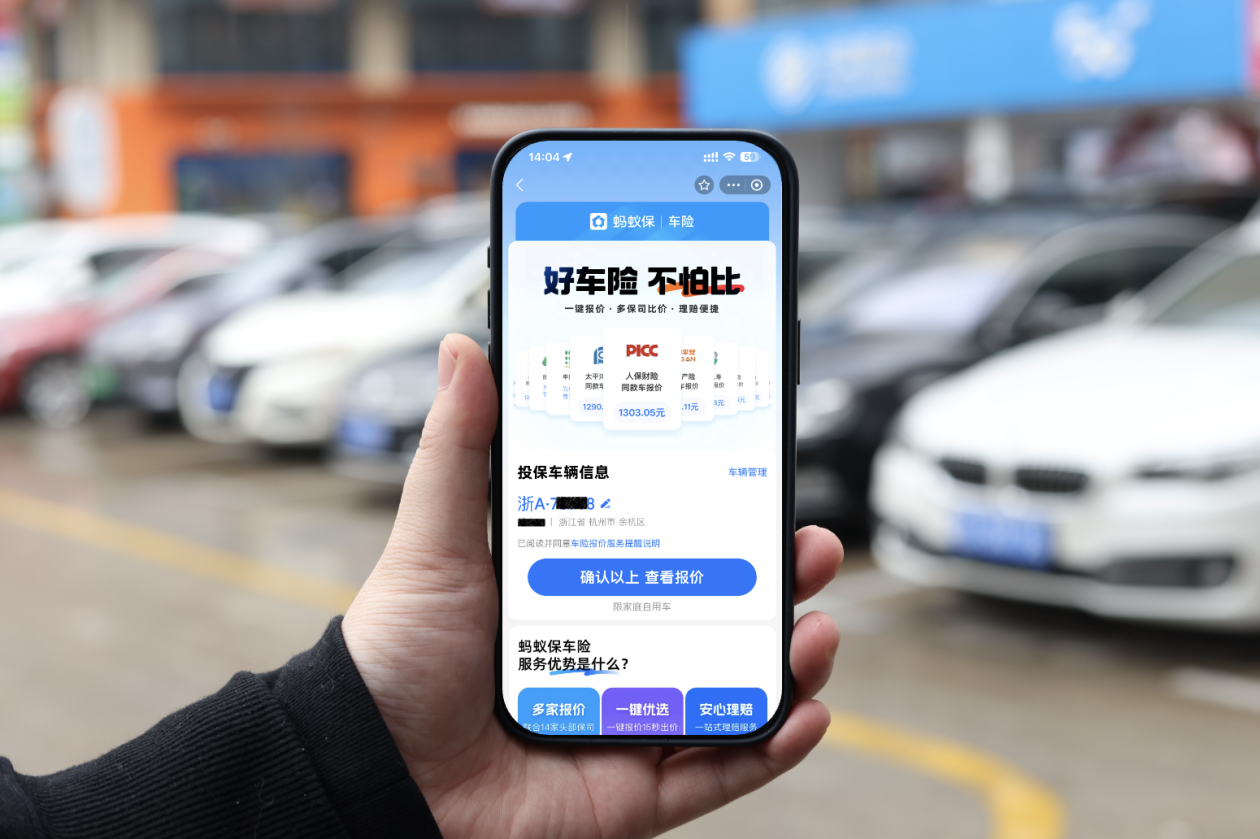
Core Insights - The car insurance market is undergoing a multi-dimensional transformation, with Ant Insurance integrating the "Anxin Pei" service for faster claims processing, indicating a shift towards digitalization in the industry [1][2] - Ant Insurance's car insurance business is projected to exceed 10 billion yuan in 2024, capturing 30% of the online car insurance market, with over 100 million users having accessed the platform [2][4] Online Migration and Pain Point Resolution - Car insurance premiums account for 54.7% of total property insurance premiums in China, highlighting its significant role in the market [2] - Traditional car insurance faces three main pain points: price opacity, complex plans, and excessive marketing calls, which Ant Insurance aims to address through its platform [2][4] Technological Reconstruction of Pricing Logic - The traditional pricing model based on vehicle factors is becoming inadequate in the era of electric vehicles, prompting a shift to a "joint pricing" model that combines user and vehicle data for accurate risk assessment [5][6] - The implementation of this technology has led to an average reduction of 3 percentage points in comprehensive cost rates for partner insurers, significantly impacting the profitability of the car insurance sector [5] Challenges from New Energy and Smart Vehicles - The rise of electric vehicles is reshaping the car insurance landscape, with a comprehensive cost rate exceeding 110%, leading to dissatisfaction among car owners and losses for insurers [6][7] - The integration of smart driving technology is expected to fundamentally change risk distribution and liability recognition in car insurance, with potential long-term reductions in overall risk [7][8] International Expansion and Innovation Boundaries - The competition in car insurance is extending internationally, particularly in Southeast Asia, as Chinese electric vehicle exports increase [8] - Ant Insurance is exploring partnerships with leading new energy vehicle manufacturers to leverage data technology and actuarial expertise, indicating a shift from price competition to a focus on technology, data, and service [8]

乘势而上 数联全球 上海探索建设全国一体化数据市场
Shang Hai Zheng Quan Bao· 2025-11-25 18:14
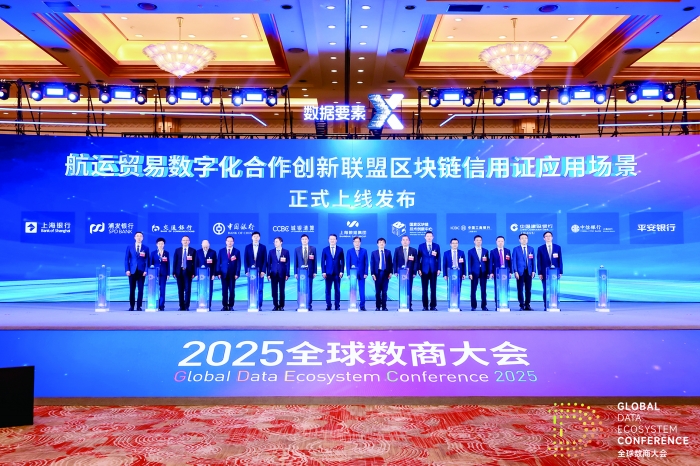
Group 1 - The core viewpoint of the article highlights the significant advancements in data element development showcased at the 2025 Global Data Business Conference in Shanghai, marking a crucial step towards the market-oriented allocation of data elements and the establishment of a unified national data market [2] - The launch of the blockchain letter of credit application scenario is a key focus, utilizing a dual-layer architecture to enhance cross-border financial services for foreign trade enterprises, addressing traditional challenges in cross-border settlements [2][3] - The Shanghai Data Group's Vice President emphasized that the blockchain application will streamline processes and improve efficiency in international trade, significantly reducing costs for enterprises [3] Group 2 - Shanghai is actively aligning with national strategies for high-level opening-up and is exploring cross-border digital trust services to enhance efficiency and security in identity verification and document authentication [4] - The Shanghai Blockchain Innovation Fund was unveiled, with a target scale of 3 billion yuan, focusing on investments in core technologies and applications in the blockchain and data element sectors [4] - The establishment of the National Data Group Alliance aims to break regional collaboration barriers and promote a unified data element market, marking a transition from fragmented efforts to collaborative progress in the data industry [5] Group 3 - China Unicom launched the "Shenfan" initiative to support enterprises in international expansion, aiming to create a digital hub in Shanghai that serves national and global markets [6] - The Shanghai Data Group's Chairman stated the importance of building an open, shared, and secure national integrated data market, emphasizing the integration of the real economy and digital economy as a significant mission with vast opportunities [6]
高精尖中心牵头 区块链课程覆盖北京十余所高校
Sou Hu Cai Jing· 2025-11-24 14:17
Core Viewpoint - A comprehensive blockchain talent training curriculum has been developed and is set to expand to over 30 universities in the Beijing-Tianjin-Hebei region by 2026, aiming to strengthen the talent foundation for the national blockchain network [1][4]. Group 1: Curriculum Development - The new blockchain curriculum includes textbooks, cloud training platforms, and nearly 100 graded experimental manuals tailored for undergraduate and graduate students [3]. - The curriculum has already reached thousands of students across more than 10 universities in Beijing, including Peking University and Beihang University [1][3]. Group 2: Practical Training Initiatives - A "Chang'an Chain Development Bootcamp" has been established, attracting over 300 teams from various universities to engage in real project development under the guidance of industry experts [3]. - Students are gaining hands-on experience in blockchain applications, such as carbon asset management, through practical projects that cover the entire development process [3]. Group 3: Future Plans and Competitions - The curriculum is set to be promoted in the spring semester of 2026, benefiting more students in the region [4]. - The "Chang'an Chain Development Competition" has been launched, featuring tracks for "Application Practice" and "Frontier Exploration," encouraging students to tackle real-world problems and explore new technologies [4].
