高性价比

Search documents
月销破66657辆!零跑驶过百万辆规模拐点,建构新势力“现象级盈利样本”
Di Yi Cai Jing· 2025-10-01 03:52
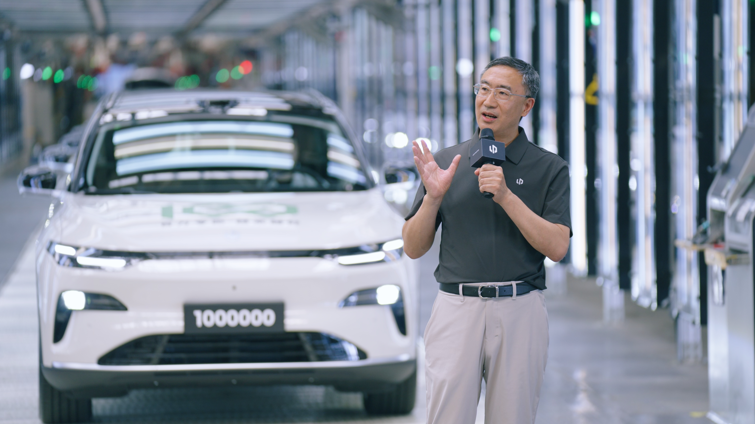
Core Insights - Leap Motor has officially reached a milestone by producing its one millionth vehicle, becoming the second Chinese new energy vehicle manufacturer to join the "million club" [1][4] - The company achieved this milestone in just 343 days, reflecting a significant acceleration in production speed compared to the previous 50,000 units, which took five years to reach [4][6] - Leap Motor's sales performance has been strong, with a record monthly delivery of 66,657 vehicles in September, maintaining its position as the top-selling new energy vehicle brand for seven consecutive months [1][6] Growth and Profitability - Leap Motor's rapid growth is characterized by a dual breakthrough in scale and profitability, transitioning from a technology development phase to a stage of efficiency and scale release [4][6] - The company reported a net profit of RMB 30 million in the first half of 2025, making it the second new energy vehicle manufacturer in China to achieve profitability [6][9] - Leap Motor's cumulative delivery from January to September 2025 surpassed 395,516 vehicles, leading the sales rankings among new energy brands in China [6][8] Strategic Initiatives - The company's self-research strategy, with a self-research ratio of 65%, has significantly reduced supply chain costs and established a technological moat [9][11] - Leap Motor's R&D investment reached RMB 1.89 billion in the first half of 2025, resulting in a record gross margin of 14.1% [11] - The company has developed a comprehensive product matrix with four series, focusing on high cost-performance to attract mainstream consumers [12][19] International Expansion - Leap Motor has partnered with Stellantis Group to accelerate its international market penetration, establishing nearly 700 sales and service outlets across over 30 countries [14][16] - The company has achieved over 30,000 vehicle deliveries in overseas markets from January to August 2025, ranking first among Chinese new energy brands [14][16] - Leap Motor's performance in the German market has been particularly notable, surpassing BYD to become the top player in the pure electric vehicle segment [14][19] Brand Positioning - Leap Motor is preparing to launch its D series, aiming to enter the 300,000 RMB market segment while addressing challenges related to brand perception [17][19] - The D series will feature advanced technology and is expected to begin production in the first quarter of the following year [17][19] - The introduction of the Lafa5 model is anticipated to enhance the brand's appeal among urban youth, with plans for global market entry by 2026 [19]

十余款“9”字头大六座SUV扎堆比拼
Di Yi Cai Jing· 2025-09-29 11:17
Core Insights - The competition in the mid-to-large SUV market is intensifying, with multiple models launching under the "9" series, including Tengshi N9, GAC S9, and others, all targeting the 2025 sales goals [1][2] - The price range for these SUVs spans from 170,000 to 500,000 yuan, indicating a significant price variation and heightened competition [1] - Intelligent features and high cost-performance ratios are becoming key selling points for these SUVs, with many models offering advanced technology as standard [2] Group 1 - The launch of Tengshi N9 and the upcoming pre-sale of Tengshi N8L highlight the brand's strategy to expand its SUV lineup, which will include various vehicle types in the future [2] - The market is seeing a trend where brands are enhancing their models with similar intelligent configurations, making it uncertain how much market share each model can capture [3] - Sales data shows that from January to June 2025, mainstream six-seat SUV sales reached 368,000 units, reflecting a year-on-year growth of 2.2% [3] Group 2 - The competitive landscape is characterized by a significant number of models vying for consumer attention, with the top ten large SUV models frequently changing positions in sales rankings [3] - Recent data indicates that only 1 to 3 models in the large SUV category achieve monthly sales exceeding 10,000 units, underscoring the fierce competition [3] - Industry insiders note that the differentiation among mid-to-large SUVs is minimal, with many models offering similar intelligent features, leading to a saturated market [3]
半年卖了1000万,贵妇们为什么抢着给柘光钻石“送钱”?
商业洞察· 2025-09-23 09:48
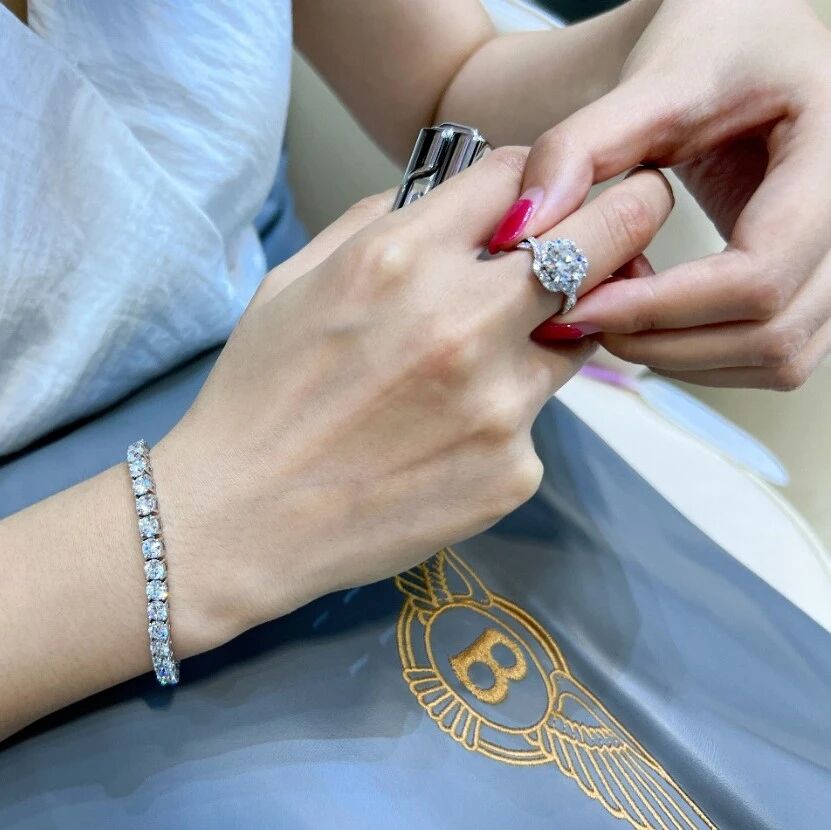
Core Viewpoint - The article emphasizes that the value of diamonds is not determined by price, and premium pricing should not define the diamond industry. Lucas, the founder of Zheguang Diamonds, challenges the traditional luxury brand pricing model and aims to make high-quality diamonds accessible to consumers [1]. Group 1: Market Positioning - Zheguang Diamonds has achieved over 10 million in sales in the first half of the year, with more than 90% of sales coming from custom orders, indicating a strong market presence [1][3]. - The brand has attracted a significant number of high-end consumers, with over 70% of its customers having a history of purchasing luxury brands [8]. Group 2: Value Proposition - Zheguang Diamonds breaks the traditional luxury brand premium pricing model by offering high-quality diamonds at competitive prices, such as 8,000 yuan for a 1-carat diamond, compared to over 150,000 yuan for similar products from luxury brands [5][6]. - The brand's strategy aligns with the current trend of rational consumption among affluent consumers, who prioritize product quality and value over brand prestige [7]. Group 3: Customization and Emotional Connection - The brand focuses on emotional expression through its customizable services, allowing customers to create unique pieces that reflect personal significance [10]. - Zheguang offers a comprehensive customization process, including the ability to replicate celebrity designs and incorporate personal elements, enhancing customer engagement [11][14]. Group 4: Quality Assurance and Brand Trust - Zheguang Diamonds emphasizes quality control, employing rigorous standards in diamond sourcing and craftsmanship, which helps build consumer trust [17][18]. - The brand's commitment to quality is reflected in its high customer retention rate, with a 55% repurchase rate, significantly above the industry average [20]. Group 5: Future Challenges and Growth Strategy - Despite its success, Zheguang faces challenges in expanding its brand recognition beyond niche markets to a broader audience [22]. - The company plans to enhance its market presence by opening new physical stores in major cities and investing in innovative product development, such as diamond engraving and detachable jewelry [24].
百果园筹钱还债:近两年业绩严重恶化,老板曾称不会迎合消费者
Guan Cha Zhe Wang· 2025-09-22 10:27
Core Viewpoint - The company, Baiguoyuan Group, announced a fundraising plan to repay debts, leading to a significant increase in its stock price by 20.69% on September 22, 2023 [1][3]. Fundraising and Debt Repayment - Baiguoyuan plans to raise approximately 300 million yuan to repay debts, with a share placement agreement signed on September 21, 2023, to issue 279.5 million shares at a price of 1.17 HKD per share [3]. - The placement shares represent about 19.2% of the total H shares and 18.2% of the total shares as of the announcement date [3]. - The estimated net proceeds from the placement are approximately 325 million HKD (around 298 million yuan), with 61.5% allocated for trade payables, 30.8% for bank loan repayment, and 7.7% for general working capital and administrative expenses [3]. Financial Performance - In 2024, Baiguoyuan reported a revenue of 10.273 billion yuan, a year-on-year decline of 9.8%, and a gross profit of 764 million yuan, down 41.9%, resulting in a net loss of 386 million yuan [4]. - For the first half of 2025, the company achieved a revenue of 4.376 billion yuan, a decrease of approximately 21.8% compared to the same period in 2024, with a gross profit of 216 million yuan, down 65.1%, and a net loss of 342 million yuan [5]. Operational Challenges - The company's gross margin has significantly declined, from 11.1% in the first half of 2024 to 4.9% in the first half of 2025, indicating challenges in maintaining profitability [5]. - Baiguoyuan's retail store count decreased by 1,639 stores, or about 27.0%, from 6,025 stores in June 2024 to 4,386 stores in June 2025, reflecting a contraction in market coverage and brand strength [7]. - The company's strategy of not catering to consumer price sensitivity has drawn criticism, suggesting a disconnect with market realities during economic downturns [7].

“盒马NB”改名为“超盒算NB”,有哪些变化?
3 6 Ke· 2025-09-11 03:32
Core Viewpoint - The rebranding of "盒马NB" to "超盒算NB" emphasizes affordability and community-oriented retail, aiming to attract price-sensitive families while distinguishing itself from the parent brand, 盒马鲜生 [1][2] Innovation in Branding and Positioning - The new name "超盒算NB" highlights a focus on value and community, with a clearer distinction from 盒马鲜生, targeting cost-conscious consumers [1][2] - The slogan change from "天天低价,件件爆款" to "真实惠,够放心" reinforces the focus on affordability and quality assurance [2] Visual Identity Innovation - The brand's visual identity has been updated with a new red and blue color scheme to enhance public recognition and differentiate from 盒马鲜生 [3][4] Product Development Innovation - The store's product presentation has been revamped, featuring pre-packaged items to reduce waste and improve efficiency [4] Market Expansion Innovation - 超盒算NB plans to expand its store count to 1,000 by 2025, focusing on the Jiangsu, Zhejiang, and Shanghai regions, while enhancing online order capabilities through partnerships [5] Store Layout Innovation - The new store layout adopts a minimalist design, eliminating certain product sections to streamline operations and reduce costs [6] Competitive Positioning - The rebranding positions 超盒算NB as a direct competitor to 奥乐齐, signaling a strategic focus on high value and cost-effectiveness in the community retail sector [7] - 奥乐齐 has been rapidly expanding in Shanghai, with new store openings, creating competitive pressure for 超盒算NB in the same market [8]
品质家具白牌价!京东京喜自营近千款家居上新
Zhong Jin Zai Xian· 2025-09-05 10:07
Core Insights - The real estate and home decoration market is experiencing a surge in demand as the "Golden September and Silver October" peak season approaches, driven by seasonal changes and consumer needs for home renovation and upgrades [1] - In 2025, the building materials and home furnishing market is expected to show enhanced consumer vitality and a clear trend towards smart products, influenced by policies promoting "trade-in for new" and online sales promotions [1] - Mainstream consumers are shifting their home decoration preferences from "high-end" to "practical, durable, and high cost-performance" products, with a focus on storage, quality, and affordability [1] Group 1: Product Offerings - JD's Jingxi self-operated platform has integrated the supply chain of furniture and building materials across the country, launching nearly 1,000 high-quality domestic white-label home products that offer comparable quality to major brands [1] - The platform covers various categories including furniture, lighting, bathroom fixtures, and hardware tools, utilizing a "factory direct delivery" model to achieve low prices across the network [1] - The furniture offerings include multifunctional designs such as expandable TV cabinets and integrated desk and bookshelf units, catering to diverse user needs and modern home aesthetics [3] Group 2: Smart and Practical Solutions - Smart home products like the Xiaomi Snail 3D facial recognition electronic lock enhance security and convenience with features like "open upon arrival" [5] - Lighting products such as LED ceiling lights are designed to adapt to various scenarios, providing adjustable color temperatures for different activities [6][8] - Bathroom and kitchen products focus on smart, health-conscious, and easy-to-clean features, including AI-controlled smart toilets and self-cleaning bathtubs [9][11] Group 3: Promotions and Discounts - The Jingxi platform offers various promotional discounts, such as 150 yuan off for purchases over 1,000 yuan and 20 yuan off for purchases over 99 yuan, catering to different consumer needs [17] - The platform's strategy includes a wide range of products from high-end items to affordable essentials, ensuring comprehensive coverage across all price points [17] - The ongoing "Jingxi Home Decoration Festival" allows consumers to easily access a variety of home improvement products through the JD app [17]


便利店+商超=烘焙新势力?全球商超烘焙市场给中国的启示
东京烘焙职业人· 2025-08-22 08:34
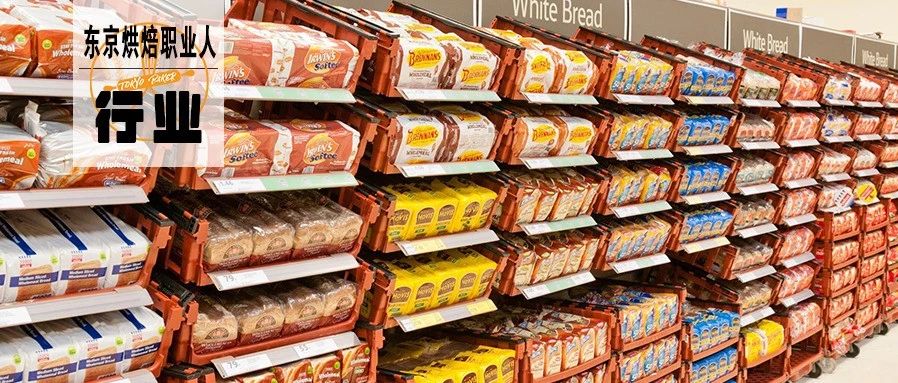
Core Viewpoint - The Chinese baking market is experiencing a shift from independent bakeries to new retail channels such as supermarkets and convenience stores, indicating a change in consumer demand despite stable market demand [1]. Group 1: Market Dynamics - In 2024, the number of baking stores in China saw a net growth of nearly zero, with 92,000 new stores and 91,000 closures, highlighting a stagnation in traditional bakery growth [1]. - New retail channels are showcasing strong sales, with examples including Sam's Club's Swiss roll sales exceeding 1 billion yuan, Hema's strawberry box cake generating 200 million yuan in seasonal sales, and Pang Donglai's mooncake sales estimated at 200 million yuan [1]. Group 2: International Comparisons - The trends observed in the Chinese baking market are not unique but are part of a broader global phenomenon influenced by the development of industrial food technology and rapid market expansion [4]. - Mature baking markets in Japan, South Korea, Europe, and North America have established stable supermarket baking models that meet consumer needs while continuously creating popular products [5]. Group 3: Asian Market Insights - Japan and South Korea serve as benchmarks in the Asian baking market, characterized by high-frequency purchases and a preference for soft bread, with a supply chain model centered around short shelf-life products [6]. - The emphasis on freshness is a common principle in Japanese and Korean supermarkets, supported by a mature "factory collaboration + regional distribution" system [7]. Group 4: Consumer Preferences - In Japan, 82.8% of consumers prefer to buy bread from supermarkets, while in South Korea, this figure is 76%, indicating a strong consumer preference for supermarket-bought baked goods [11]. - Health considerations have become essential, with products like "no added sugar toast" and "low GI whole grain bread" dominating sales in Japan and South Korea [12]. Group 5: North American Market Characteristics - The U.S. baking market is characterized by family-oriented consumption, with supermarkets catering to bulk purchases and family needs, leading to a unique model of large packaging and high cost-effectiveness [23]. - Supermarkets in the U.S. account for approximately 70% of total bread sales, with a focus on stable quality and low prices, although they lack the innovative marketing strategies seen in Japanese convenience stores [30]. Group 6: European Market Trends - The European baking market is projected to reach $157.36 billion by 2025, with supermarkets contributing approximately 60%-70% of sales, reflecting a high dependency on supermarket channels [31]. - Different countries in Europe have tailored their baking strategies based on local consumer preferences, with Germany focusing on cost control through self-owned factories and local ingredients [33]. Group 7: Strategic Recommendations for China - Chinese supermarkets and chain brands can learn from international practices by adopting strategies such as fine segmentation, local sourcing, and fresh product delivery to enhance consumer trust and satisfaction [42][43]. - Emphasizing family-oriented products and transparent labeling can help build consumer confidence and cater to local market demands [44][46].
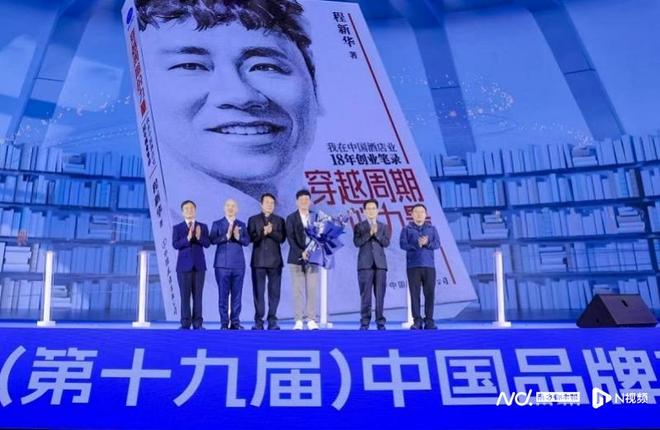
东呈集团程新华新书首发 专家论道穿越周期的智慧火花
Sou Hu Cai Jing· 2025-08-11 13:16
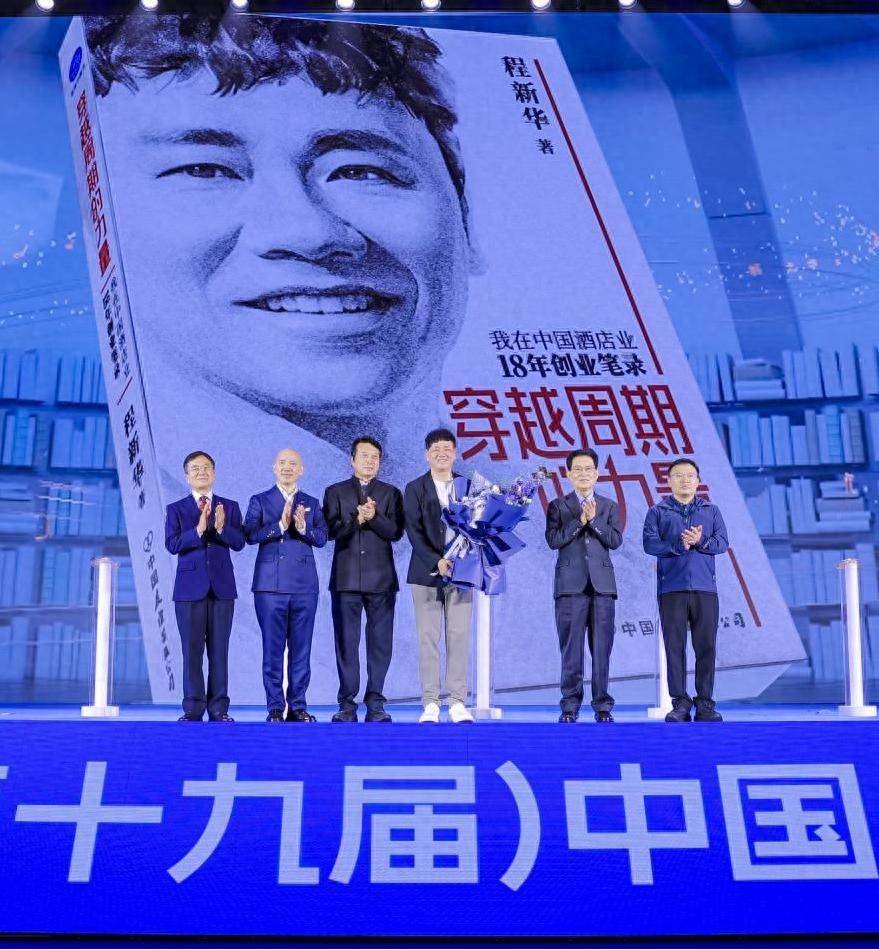
Core Insights - The 19th China Brand Festival was held in Shenzhen, where industry leaders discussed the future of brand development in the new era [1][2] - Cheng Xinhua, Chairman and CEO of Dongcheng Group, released a new book titled "The Power to Cross Cycles," emphasizing the importance of high cost-performance in the hotel industry [2][4] - The book launch was accompanied by a forum focusing on breaking through industry cycles, featuring discussions on strategies for the hotel sector [5][7] Company Overview - Dongcheng Group has achieved a "tenfold growth in five years," ranking among the top five hotel groups in China and the top fourteen globally [2][13] - The company has maintained a long-term commitment to high cost-performance and has adapted its strategies to embrace digital technology and younger demographics [7][13] - Dongcheng's future vision is likened to a forest, emphasizing sustainable growth rather than short-term gains [7] Industry Trends - The hotel industry is facing challenges due to economic slowdowns and shifting consumer trends, necessitating enhanced risk resilience among industry players [5][9] - Experts at the forum highlighted the need for differentiation and innovation in the hotel sector to overcome existing bottlenecks [9][11] - The importance of leveraging AI and data analytics for operational efficiency and customer engagement was emphasized by various industry leaders [11][13] Recognition and Achievements - Dongcheng Group was recognized in the "Top Brand 2025 China Brand 500 Strong" list, with a brand value of 10.466 billion [13]
东呈首发《穿越周期的力量》!中国品牌节论道“高性价比”
Nan Fang Du Shi Bao· 2025-08-11 12:51
Core Viewpoint - The launch of the book "The Power to Cross Cycles: My 18 Years of Entrepreneurship in China's Hotel Industry" by Cheng Xinhua, founder and CEO of Dongcheng Group, highlights the company's journey and insights into the hotel industry, emphasizing high cost-performance and long-termism as key strategies for navigating industry cycles [1][4][9]. Group 1: Book Launch and Event Highlights - The book was officially launched at the 19th China Brand Festival, attended by notable figures from cultural and business sectors, enhancing the event's significance [3]. - Cheng Xinhua's speech shared practical examples of Dongcheng's strategies for overcoming industry challenges, focusing on the company's evolution and strategic insights [4][7]. Group 2: Company Growth and Strategy - Dongcheng Group, founded in 2006, has achieved rapid growth, becoming one of the top five hotel groups in China and the top fourteen globally, recognized as a "dark horse" in the industry [4]. - The company has adopted a long-term perspective, emphasizing high cost-performance as a guiding principle for development, which resonates with current market trends [7][9]. Group 3: Industry Insights and Trends - The hotel industry is transitioning from rapid growth to stable growth, necessitating a shift in operational focus from expansion to efficiency and profitability [7]. - Cheng Xinhua's insights reflect a broader understanding of consumer trends, advocating for localized innovation and a commitment to balancing business growth with social responsibility [8]. Group 4: Brand Value and Recognition - Dongcheng Group has been recognized in the "Top Brand 2025 China Brand 500 Strong" list, achieving a brand value of 10.466 billion, indicating its strong market presence and potential for future growth [11].
月薪两万吃不起的百果园,去年关店近千家
创业邦· 2025-08-11 03:14
Core Viewpoint - The article discusses the backlash against Baiguoyuan's chairman Yu Huiyong for his comments on consumer education, highlighting a disconnect between the company's pricing strategy and consumer expectations for quality [5][12][29]. Group 1: Consumer Sentiment - Consumers express disappointment and frustration with Baiguoyuan's high prices and perceived decline in quality, feeling that they are being "educated" rather than served [11][12][29]. - The backlash includes humorous and critical comments on social media, indicating a strong negative reaction to the company's stance [6][7][8]. - There is a clear demand from consumers for reasonable prices that match the quality of the products offered [12][29]. Group 2: Company History and Promises - Baiguoyuan was founded in 2001 by Yu Huiyong with a clear focus on providing high-quality fruit, initially gaining consumer trust through promises like "best tasting fruit" and a refund policy for unsatisfactory products [14][15]. - The company has faced multiple quality issues in recent years, including reports of selling spoiled or misrepresented fruit, which has eroded consumer trust [16][18][19][29]. Group 3: Financial Performance - Baiguoyuan's financial performance has deteriorated, with a reported revenue of 10.27 billion RMB in 2024, a decline of 9.8% from the previous year, and a pre-tax loss of 391 million RMB [35][36]. - The company has closed nearly 1,000 stores, reducing its total to 5,127, averaging 2.6 closures per day [37]. - Membership numbers have also dropped significantly, with a loss of 317,000 paying members, a decrease of 27.1% [39]. Group 4: Market Position and Competition - Baiguoyuan's market position is challenged by increasing competition from community group buying and local fresh food stores that offer fresher and cheaper options [41]. - The company's stock has seen a dramatic decline, with its market value dropping by 71.5% since its IPO [41]. - Despite claims of not catering to consumer demands, Baiguoyuan's financial reports indicate a shift towards emphasizing "high cost-performance" products, suggesting a contradiction in its strategy [31][32].