
现代化产业体系

Search documents
北京将谋划13方面重大战略任务
Xin Lang Cai Jing· 2026-01-27 03:20
Core Insights - The "15th Five-Year Plan" for Beijing aims to enhance the capital's functions, promote high-quality development, improve public welfare, elevate urban governance, and ensure stability through 13 major strategic tasks [2] Group 1: Planning and Public Involvement - The planning outline is a result of extensive public consultation, gathering nearly 40,000 suggestions and over 53,000 valid survey responses from various societal groups [3] - The outline consists of 15 sections and includes 29 key indicators, with 20 indicators carried over from the previous "14th Five-Year Plan," ensuring continuity and stability [3] Group 2: Economic Development Goals - The plan emphasizes high-quality economic development as essential for modernization, with a focus on building a competitive modern industrial system and enhancing digital and green economies [4] - Investment is targeted to maintain an annual scale of 1 trillion yuan, aiming to stimulate technological innovation and urban renewal investments [5] Group 3: Social Welfare and Urban Development - The plan prioritizes improving living standards, particularly for vulnerable groups such as the elderly and youth, by enhancing inclusive and foundational elderly care services and supporting policies for child-rearing [5] - Urban development is shifting from expansion to quality enhancement, with initiatives to upgrade urban governance and create four vibrant urban areas to boost regional vitality [5]

开创“五个中心”人民城市建设新局面 市委常委会扩大会议举行
Jie Fang Ri Bao· 2026-01-27 01:41
Core Insights - The meeting emphasized the importance of aligning thoughts and actions with the spirit of Xi Jinping's important speech, aiming to create a new situation in the construction of the "Five Centers" and the People's City [1][2] Group 1: Strategic Implementation - The meeting highlighted the significance of comprehensively understanding the spirit of the 20th Central Committee's Fourth Plenary Session and the central strategic intentions, focusing on the implementation of the "14th Five-Year Plan" [2] - It stressed the need to enhance the ability to lead economic and social development, strengthen the Party's innovative theory, and promote a fighting spirit to become proficient in economic leadership [2][3] Group 2: Economic Development Focus - The focus on high-quality development should be placed on the real economy, with advanced manufacturing as the backbone, accelerating the construction of a modern industrial system [3] - The integration of technological innovation and industrial innovation is crucial, with an emphasis on cultivating new productive forces and promoting the digital and green transformation of manufacturing [3] Group 3: Investment and Consumption Strategies - The meeting called for optimizing investment structures and enhancing investment efficiency, while also stimulating private investment and increasing investment in human resources [3] - It emphasized the need to deepen the strategy of expanding domestic demand and to continue implementing special actions to boost consumption [3] Group 4: Urban Governance and Social Development - The meeting underscored the importance of urban governance modernization and enhancing the resilience and safety of cities [3] - It called for a scientific approach to compiling the city's "14th Five-Year Plan" outline, ensuring accurate positioning and clear boundaries for various plans [3]
李诚:找准新阶段强化产业链韧性着力点
Jing Ji Ri Bao· 2026-01-27 00:02
Core Viewpoint - The resilience of industrial chains is crucial for a country's economic risk resistance and development autonomy, with a shift from efficiency-first to a balance of security and efficiency in global industrial chain layouts [1][2]. Group 1: Industrial Chain Resilience - The industrial chain is defined as the related supporting chain and system formed by upstream, midstream, and downstream links based on the production of final products, playing a vital role in the modern economy [1]. - China is the only country with all industrial categories listed in the United Nations industrial classification, indicating a complete industrial system [1]. - During the 14th Five-Year Plan period, China has made significant progress in enhancing industrial chain resilience, particularly addressing issues like "chip shortages" and "weak foundations" through various policy measures [1]. Group 2: Opportunities and Challenges - Opportunities include the acceleration of cutting-edge technologies such as artificial intelligence and quantum technology, which will enhance the integration of the real economy with digital technologies [2]. - The steady advancement of institutional openness is expanding cooperation space, with China aligning with international high-standard trade rules to improve the business environment [2]. - Challenges involve intensified technological competition and geopolitical tensions, leading to increased risks in industrial chain security, particularly in high-tech sectors [3]. - The difficulty in restructuring supply chains is compounded by high external dependency in certain industries, necessitating the establishment of a self-reliant and diversified supply chain system [3]. Group 3: Strategic Focus Areas - Emphasizing self-reliance, key core technologies are essential for solving development challenges and ensuring smooth industrial circulation, with a focus on areas like integrated circuits and industrial mother machines [4]. - Digital empowerment is crucial, with a push for deep integration of artificial intelligence in manufacturing and the promotion of smart transformation across various sectors [4]. - Regional collaboration is highlighted, leveraging comparative advantages of different regions to enhance cross-regional cooperation and support the transfer of traditional industries to central and western regions [5]. Group 4: Open Cooperation - A higher level of openness is necessary to address domestic and international circulation bottlenecks, promoting economic globalization and maximizing trade benefits [5]. - Continuous optimization of the business environment and alignment of domestic regulations with international standards are essential for attracting foreign investment [5]. - Strengthening international cooperation in key and emerging technology fields, along with establishing globally recognized Chinese standards, is vital for building a secure and efficient global industrial chain system [5].
保持定力精心运筹赢得战略主动
Jing Ji Ri Bao· 2026-01-27 00:02
这样的信心,来自于锚定目标、接续奋斗的勇毅登攀——"十四五"时期,中国经济总量先后突破 110万亿元、120万亿元、130万亿元、140万亿元,实现"四连跳",经济实力、科技实力、综合国力跃上 新台阶,为向下一程的目标迈进提供了坚实基础。 这样的信心,更来自于以习近平同志为核心的党中央的坚强领导——在"十四五"时期顶压前行的跋 涉中,以习近平同志为核心的党中央审慎决断、果敢决策、果断出手,团结带领全党全国各族人民走自 己的路、集中精力办好自己的事,推动党和国家事业取得新的重大成就。 保持战略定力,并不意味着一成不变,而是要处理好战略定力与应变能力的关系,以识变之智、应 变之方、求变之勇,在因地制宜、因势而动、顺势而为中精心运筹战术,科学有序安排节奏和进度。 当前,大国关系牵动国际形势,国际形势演变深刻影响国内发展。在战略机遇和风险挑战并存、不 确定难预料因素增多的时期,我国以何赢得战略主动? "要胸怀全局、登高望远,在战略上保持定力,在战术上精心运筹,不断增强我国发展的确定性和 可持续性。"在"十五五"开局之年的"第一课"上,习近平总书记从战略与战术、定力与运筹的辩证关 系,指明发展的关键。 有必胜的信心,才 ...
两会聚焦丨建设现代化产业体系 巩固壮大实体经济根基
He Nan Ri Bao· 2026-01-26 23:42
Group 1 - The core focus of the government work report is to enhance the advantages, momentum, vitality, and efficiency of the economy, aiming for qualitative improvement and reasonable quantitative growth [1] - The province is transitioning from a manufacturing powerhouse to a manufacturing stronghold, with emphasis on upgrading ten traditional industries including steel, coal, and non-ferrous metals [2] - Innovations in manufacturing are highlighted, such as the use of autonomous cranes in a new energy vehicle factory, showcasing a shift towards intelligent machinery [2] Group 2 - Emerging industries are gaining attention, particularly in the fields of brain-machine interfaces and embodied intelligence, which are transforming the rehabilitation sector [3] - The province is working to establish a billion-level aerospace industry chain, enhancing its high-quality development through advanced positioning capabilities and leading international standards in 5G positioning [3] - The integration of various sectors, including electronic information, artificial intelligence, and biomedicine, is expected to create new economic growth points [3] Group 3 - The healthy development of the real economy relies on multi-dimensional collaboration, with efforts to strengthen market circulation and financial support [4] - The importance of institutional innovation and full industry chain layout is emphasized to maximize the "multiplier effect" of the province's key hub role [4] - The synergy between the real economy and financial development is crucial for injecting strong momentum into high-quality economic growth [4] Group 4 - The Agricultural Bank of China in Henan is committed to supporting agricultural development, focusing on food security, rural industries, and urban-rural integration [5] - The bank aims to innovate financial products that cater to local needs and enhance the quality of financial services to empower the province's economic and social development [5]
做好“特”字文章
Xin Lang Cai Jing· 2026-01-26 22:08
Core Insights - The construction of a modern industrial system should leverage urban industrial foundations, resource endowments, and existing industrial advantages, focusing on distinctive features to create a sustainable development pattern [1][2] - Emphasizing uniqueness is essential for respecting development laws and building core competitiveness through the creative transformation of regional advantages [1] - The modernization of the industrial system is a process of re-evaluating and upgrading existing industrial foundations, with a focus on distinctive industries to foster a synergistic ecosystem [2] Group 1 - The core of the modern industrial system is to maintain a focus on distinctive features, which requires strategic determination and long-term commitment from decision-makers [1] - Distinctive industries rooted in local resources can attract supporting enterprises, reduce operational costs, and enhance supply chain resilience [2] - The integration of digital technology and green low-carbon initiatives into distinctive industries can significantly boost efficiency and economic vitality [2] Group 2 - The development of distinctive industries necessitates collaboration between proactive government and effective market mechanisms, emphasizing the need for a conducive business environment [2] - Governments must transition to roles as "service providers" and "partners" to foster an ecosystem that encourages innovation and development in distinctive industries [2] - The goal is not to achieve the largest scale or the most comprehensive range of industries, but to ensure strong competitiveness and clear distinctiveness [2]
沈阳向新向优强动能
Xin Lang Cai Jing· 2026-01-26 22:08
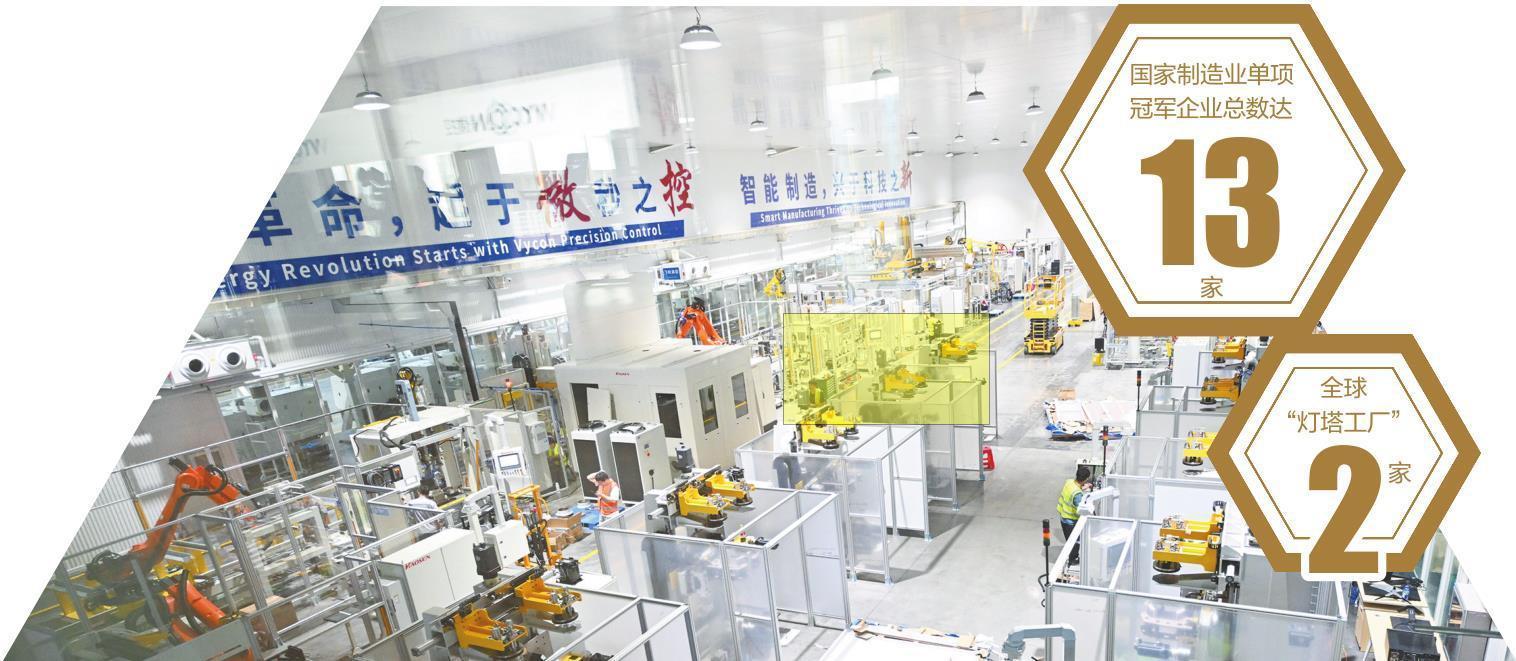
Core Viewpoint - Shenyang aims for strategic emerging industries to account for 33.5% of the city's industrial output by 2025, marking a significant increase from previous years and indicating a shift towards innovation-driven economic growth [4][5]. Group 1: Economic Development and Industry Growth - The proportion of strategic emerging industries in Shenyang's industrial output has increased by 2.2 percentage points from the previous year and by 9.2 percentage points since 2020, surpassing the one-third threshold for the first time [5]. - Industrial technological transformation investment in Shenyang is projected to grow by 12.2% by 2025, with the number of technology-based enterprises exceeding 30,000 and "Four Up" enterprises surpassing 10,000 for the first time [5]. - Shenyang is focusing on nurturing new growth drivers while revitalizing traditional industries, aiming to build a resilient and secure modern industrial system [5][11]. Group 2: Technological Innovation and Product Development - Neusoft Medical has launched the first photon-counting CT in China and the world's first 8 cm wide-body photon-counting CT, positioning China as the third country to master this technology [8][10]. - The introduction of innovative products like the 1024-layer ultra-high-definition CT demonstrates Shenyang's commitment to technological advancement in the medical equipment sector [9][10]. - Shenyang's biopharmaceutical and medical equipment sectors are experiencing rapid growth, with companies focusing on innovation rather than price competition, leading to significant advancements in technology and product offerings [10]. Group 3: Strategic Industry Layout - Shenyang's industrial layout is defined by a "3+4+3" strategy, which includes optimizing traditional industries and nurturing four emerging sectors: aerospace, new-generation information technology, biomedicine, and new energy [11][12]. - The city is also focusing on future industries such as embodied intelligence, advanced materials, and deep-sea and deep-space equipment to secure a competitive edge [11][12]. Group 4: Policy Support and Economic Environment - New policies aimed at promoting digital economy development and reducing operational burdens for companies are set to take effect, enhancing the business environment in Shenyang [21][22]. - The "Intelligent Transformation and Digital Transition Action Plan" outlines measures to support manufacturing enterprises in their digital transformation efforts, with specific targets for 2027 [22][23]. - Shenyang is actively working to improve its investment environment and attract talent, aiming to create a city that is friendly to youth development and innovation [26].

阜新:聚链成群攀高向新
Xin Lang Cai Jing· 2026-01-26 22:08
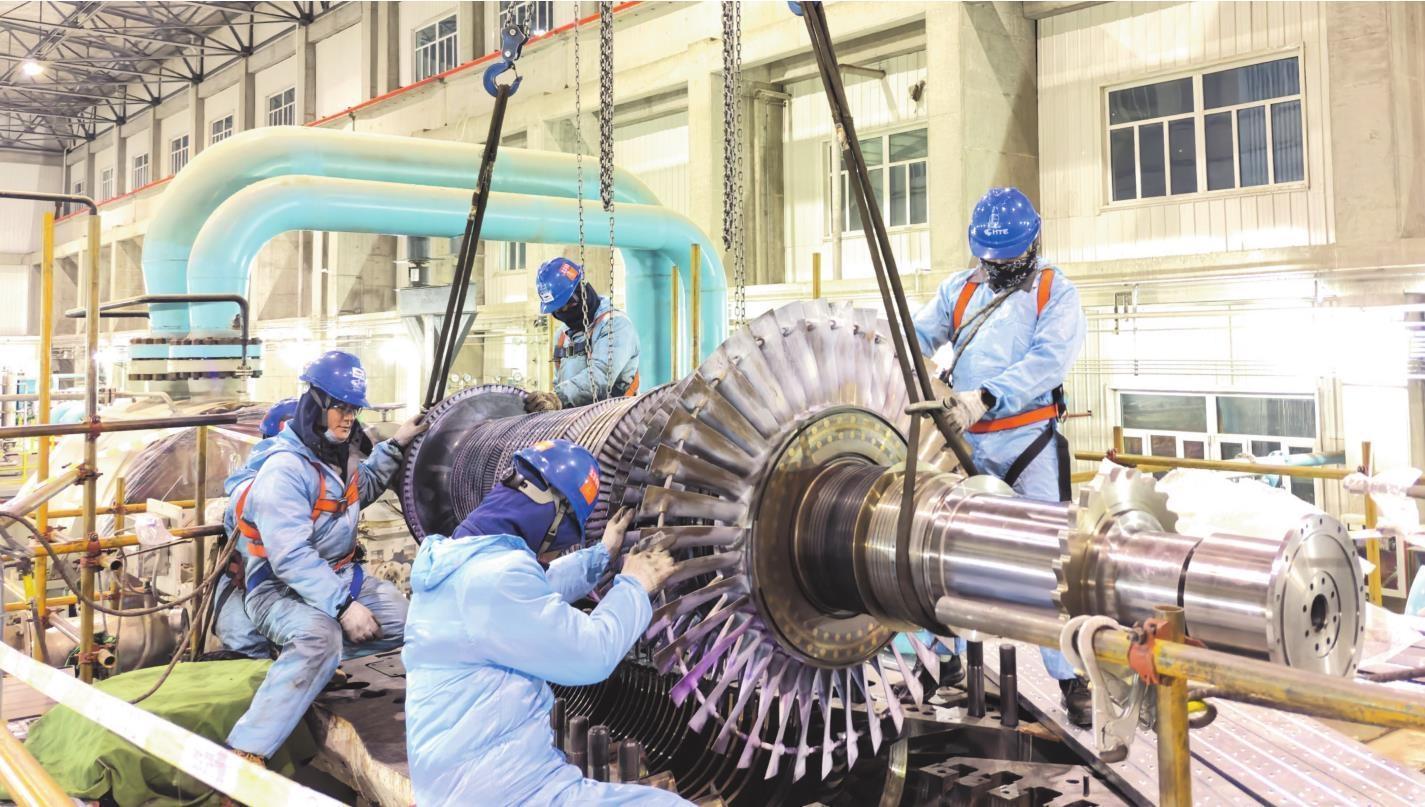
Core Viewpoint - The article emphasizes the importance of industrial development as a driving force for urban growth, highlighting the transformation and revitalization efforts in Fuxin, which aims to build a modern industrial system to support high-quality development [8][19]. Group 1: Industrial Development and Strategy - Fuxin is focusing on upgrading its industrial system by aligning with Liaoning Province's "2211" industrial layout and creating an "8151" modern industrial system, which includes 8 advantageous industrial clusters, 15 key industrial chains, and 100 key enterprises [9][10]. - The Daqing Fuxin coal-to-natural gas project is a key national energy strategy project and represents the largest single investment in Fuxin's history, utilizing Mongolian East lignite as raw material to produce natural gas [9][10]. - The project aims to enhance energy security, optimize the provincial energy structure, and promote green and low-carbon development, serving as a pivotal point for industrial upgrading and diversification in Fuxin [9][10]. Group 2: Technological Innovation and Transformation - Companies in Fuxin are actively pursuing digital transformation and technological upgrades, with examples like Wanda Foundry Group implementing smart manufacturing processes to enhance efficiency and precision [13][14]. - The article highlights the importance of innovation in traditional industries, showcasing how companies like Liaoning Jianxing Solid Waste Resource Recycling Co. are utilizing advanced technologies to address waste disposal challenges while achieving resource recycling [14][15]. - The modernization of production lines in the food processing sector, such as at Liaoning Zhengyuan Food Co., is also noted, with plans to introduce automated production lines to improve efficiency and product quality [15]. Group 3: Supportive Business Environment - Fuxin's government is actively facilitating a supportive business environment by addressing challenges faced by enterprises, such as coordinating between departments to resolve issues like safety concerns related to infrastructure [16][18]. - The establishment of dedicated project managers and streamlined communication channels between various government departments has significantly reduced bureaucratic hurdles for businesses, enhancing their operational efficiency [18]. - The article illustrates how these supportive measures have led to faster project completion times, exemplified by Wanda Foundry's new R&D building being completed in less than a year [18].
打好产业强省建设攻坚战
Xin Lang Cai Jing· 2026-01-26 22:08
Core Viewpoint - Yunnan Province is prioritizing the construction of a modern industrial system through the "14th Five-Year Plan," focusing on key industries and investment to establish itself as a strong industrial province [1][2]. Group 1: Key Industry Development Directions - The industrial blueprint emphasizes three categories: "4+5+6," where "4" includes strengthening resource-based industries such as green aluminum, silicon photovoltaic, phosphorus chemical, and non-ferrous and rare metals [1]. - "5" focuses on consolidating and enhancing five characteristic advantageous industries: plateau characteristic agriculture, cultural tourism, green energy, tobacco, and modern logistics [1]. - "6" targets six key breakthrough areas: biomedicine, new materials, advanced equipment manufacturing, digital economy, low-altitude economy, and biomanufacturing, aiming to develop strategic emerging industries and future industries [1]. Group 2: Implementation and Strategic Focus - The plan requires local governments and departments to understand and implement the strategy effectively, as these selected industries contribute over 90% of the province's industrial added value [2]. - The focus on resource-based industries like aluminum and silicon is based on solid foundations, with an emphasis on extending and strengthening supply chains and improving quality [2]. - The strategy aims to convert resource advantages into industrial strengths, with a focus on major projects that drive significant industrial breakthroughs, particularly in the non-ferrous and rare metals sectors [3].
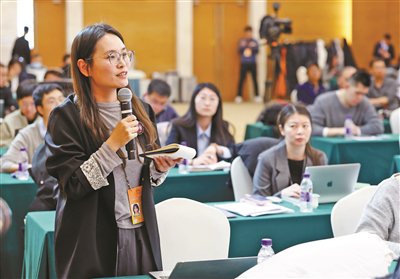
市十六届人大四次会议首场发布会全面解读北京市“十五五”规划纲要 北京将谋划13方面重大战略任务
Xin Lang Cai Jing· 2026-01-26 19:00
Core Viewpoint - The "15th Five-Year Plan" for Beijing aims to optimize capital functions, promote high-quality development, enhance public welfare, improve urban governance, and ensure stability through 13 major strategic tasks [6][8]. Group 1: Development Strategy - The plan incorporates public input, gathering nearly 40,000 suggestions and over 53,000 valid survey responses to shape its content [7]. - It consists of 15 sections with 29 key indicators, maintaining 20 indicators from the previous "14th Five-Year Plan" for continuity while adding 9 new indicators focusing on urban living quality, such as childcare and elderly care [7][8]. Group 2: Economic Goals - The plan emphasizes high-quality economic development as essential for modernization, with a focus on building a competitive modern industrial system and a vibrant domestic demand system [8]. - Investment is targeted to maintain an annual scale of 1 trillion yuan, aiming to stimulate technological innovation and urban renewal investments [8]. Group 3: Social Welfare and Urban Development - The plan prioritizes improving living standards, particularly for the elderly and youth, by enhancing basic and inclusive elderly care services and creating youth-friendly environments [9]. - Urban development will shift from expansion to quality enhancement, with initiatives to upgrade urban governance and create four vibrant urban areas to boost economic growth [9].
