
电动化转型

Search documents
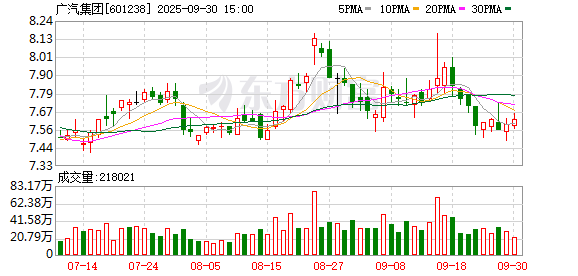
11.72亿底价成交?广汽本田拟收购东本发动机
Zhong Guo Jing Ying Bao· 2025-10-01 12:08
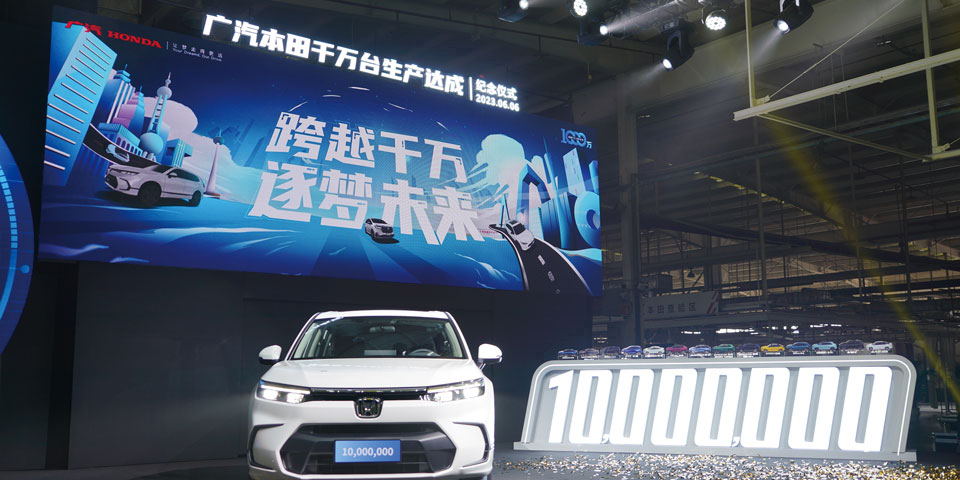
Core Viewpoint - GAC Group has approved the acquisition of a 50% stake in Dongfeng Honda Engine Co., Ltd. by its joint venture GAC Honda, which will lead to Dongfeng Honda Engine becoming a wholly-owned subsidiary of GAC Honda [2][3] Group 1: Acquisition Details - GAC Honda will acquire the 50% stake in Dongfeng Honda Engine through a public transfer, with Honda also increasing its investment in GAC Honda using its remaining 50% stake [2][3] - The acquisition is expected to enhance GAC Honda's integration in the engine business, improve supply chain autonomy and stability, increase management efficiency, reduce operational costs, and boost overall operational effectiveness [3] Group 2: Financial Overview - Dongfeng Honda Engine reported a projected revenue of 9.566 billion yuan for 2024, with a net loss of 228 million yuan; in the first half of the year, it achieved a revenue of 3.807 billion yuan and a net profit of 371 million yuan [3] - As of June, Dongfeng Honda Engine had total assets of 5.23 billion yuan and net assets of 2.512 billion yuan; the starting price for the 50% stake was set at 1.172 billion yuan [3] Group 3: Strategic Implications - The transaction marks a significant shift in the collaboration model between Honda and its partners in China, which has been in place since 1998 [4] - This move is seen as a critical step for GAC Honda to enhance its industry chain layout and drive long-term development [4]


“摩都”战事下半场:国内换轨,“下南洋”答题
2 1 Shi Ji Jing Ji Bao Dao· 2025-09-30 14:55
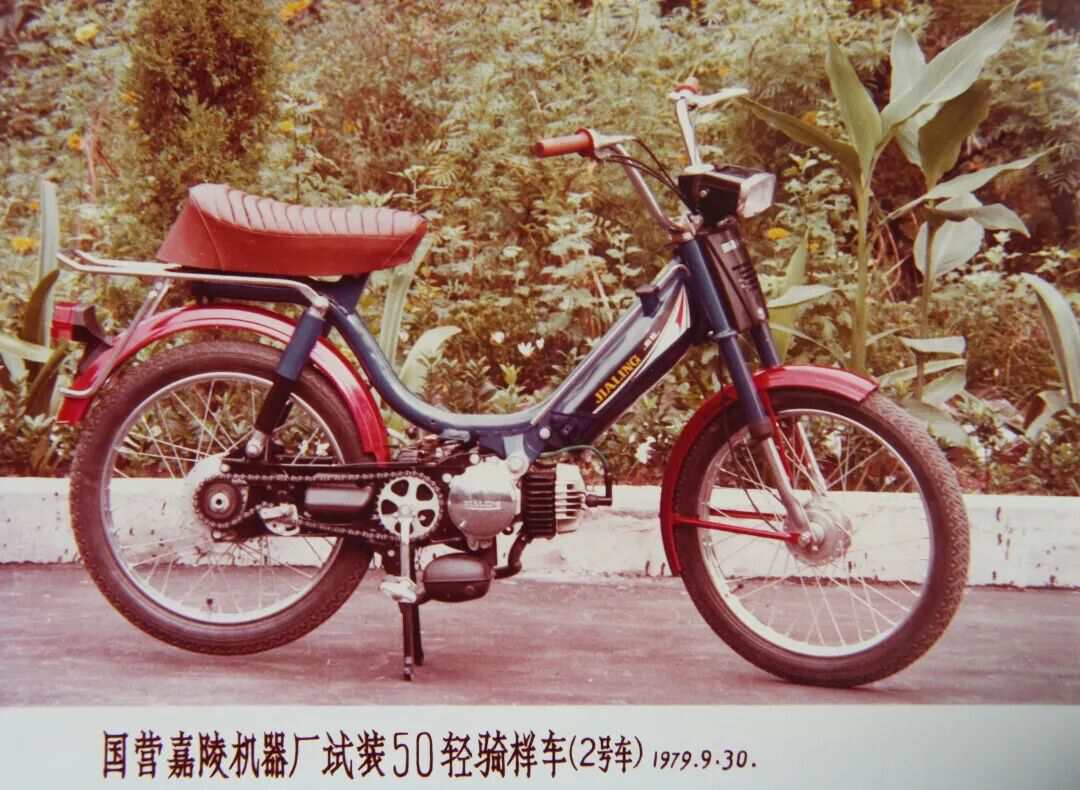
Core Viewpoint - Chongqing is transforming into a global hub for smart electric vehicles, with ambitious production targets and a focus on electric two-wheelers, aiming for an annual output of over 15 million units by 2027 [1][17]. Group 1: Industry Transformation - Chongqing's electric two-wheeler production is projected to reach 2.98 million units in 2024, a 19% increase year-on-year, and 2.1975 million units in the first half of 2025, marking a 58.6% surge [1]. - The city has attracted seven of the top ten electric vehicle companies in China, achieving over 60% local supply chain integration for key components [2]. - The electric motorcycle production from January to July this year reached 1.45 million units, reflecting a 34% year-on-year growth [2]. Group 2: Historical Context - The history of Chongqing's motorcycle industry began with the production of the first civilian motorcycle, the "Jialing CJ50," in 1979, symbolizing the start of motorization in China [3]. - The city was once known for its three major motorcycle manufacturers: Jialing, Longxin, and Zongshen, with Jialing being the industry leader [6]. Group 3: Challenges and Shifts - The motorcycle industry faced challenges from regulatory policies limiting motorcycle use, leading to a decline in traditional fuel motorcycle sales [7][8]. - The shift towards electric two-wheelers has been driven by lower operating costs and simpler driving experiences compared to fuel motorcycles [8]. Group 4: Smart Vehicle Development - The focus is shifting from mere electrification to the integration of smart technologies, with companies like Tailin developing electric motorcycles equipped with Huawei's HarmonyOS for enhanced connectivity [14]. - The Chongqing government is promoting the development of a smart electric vehicle data service system to support future applications like battery swapping and shared mobility [11][17]. Group 5: Global Expansion - With the domestic market reaching saturation, Chongqing's motorcycle companies are looking to expand internationally, particularly in Southeast Asia, Africa, and Latin America [2][18]. - The logistics network in Chongqing is being enhanced to support global distribution, with efficient transport routes established to key markets [21]. Group 6: Competitive Landscape - Chongqing manufacturers face competition from established Japanese brands in the Southeast Asian market, where electric motorcycles are still perceived as expensive compared to traditional fuel models [22][24]. - Companies are adopting different strategies to penetrate international markets, such as focusing on small-displacement motorcycles or customizing products for specific regional needs [24].
东本发动机50%股权挂牌 广汽集团增资支持广汽本田收购
Jing Ji Guan Cha Wang· 2025-09-30 14:02
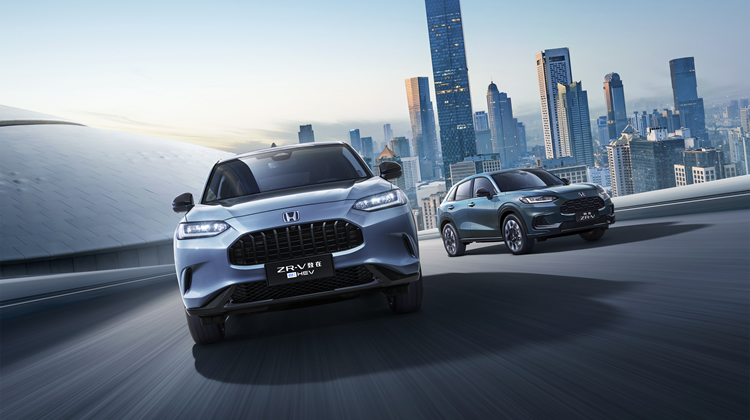
Core Viewpoint - GAC Group has approved the acquisition of a 50% stake in Dongfeng Honda Engine Co., Ltd. from Dongfeng Motor Group, which will enhance GAC Honda's operational efficiency and support its transition towards electrification and smart technologies [2][3][4]. Group 1: Acquisition Details - GAC Group will acquire the 50% stake in Dongfeng Honda Engine for a base price of approximately 1.172 billion RMB, funded through cash capital increase [2]. - After the acquisition, GAC Honda will become a wholly-owned subsidiary of GAC Group, maintaining a 50:50 ownership structure with Honda Motor [2][3]. - The acquisition is expected to stabilize and enhance the supply chain for GAC Honda, improving management efficiency and reducing costs [2][3]. Group 2: Strategic Importance - The acquisition will enrich GAC Honda's engine product matrix, which is crucial for hybrid and plug-in hybrid vehicles, thereby strengthening its competitive position in the market [3][4]. - This move aligns with GAC Honda's strategic transformation plan, "Yunxin Zhiyuan," aimed at advancing towards an intelligent and electrified future [4]. Group 3: Financial Performance - Dongfeng Honda Engine reported a revenue of 9.566 billion RMB and a net loss of 228 million RMB for the year 2024, while achieving a revenue of 3.807 billion RMB and a net profit of 371 million RMB in the first half of 2025 [3]. - As of June 30, 2025, the total assets of Dongfeng Honda Engine were valued at 5.230 billion RMB, with a net asset value of 2.512 billion RMB [3]. Group 4: Market Context - GAC Honda's sales in China from January to August this year totaled 191,100 units, reflecting a year-on-year decline of 30.27% [6].
广汽本田将收购东风本田发动机50%股权,挂牌底价为11.72亿元
Ju Chao Zi Xun· 2025-09-30 13:31
Core Viewpoint - GAC Group's board meeting approved the acquisition of a 50% stake in Dongfeng Honda Engine Co., Ltd. by GAC Honda, enhancing operational integration and supply chain stability [2] Group 1: Acquisition Details - GAC Honda will acquire the 50% stake from Dongfeng Motor Group at a base price of 1,172.4854 million yuan [2] - The funding for this acquisition will come from GAC Group's cash capital increase [2] - After the acquisition, GAC Group and Honda will maintain a 50:50 shareholding ratio in GAC Honda, making the target company a wholly-owned subsidiary of GAC Honda [2] Group 2: Strategic Implications - The acquisition will enable GAC Honda to achieve integrated operations in the engine sector, enhancing supply chain stability and autonomy [2] - It is expected to improve management efficiency, reduce costs, and enhance operational effectiveness [2] - This move lays a solid foundation for accelerating the transition towards smart and electric vehicle technologies [2]

欧洲车企,走上一条偏裂之路
Hu Xiu· 2025-09-29 23:46
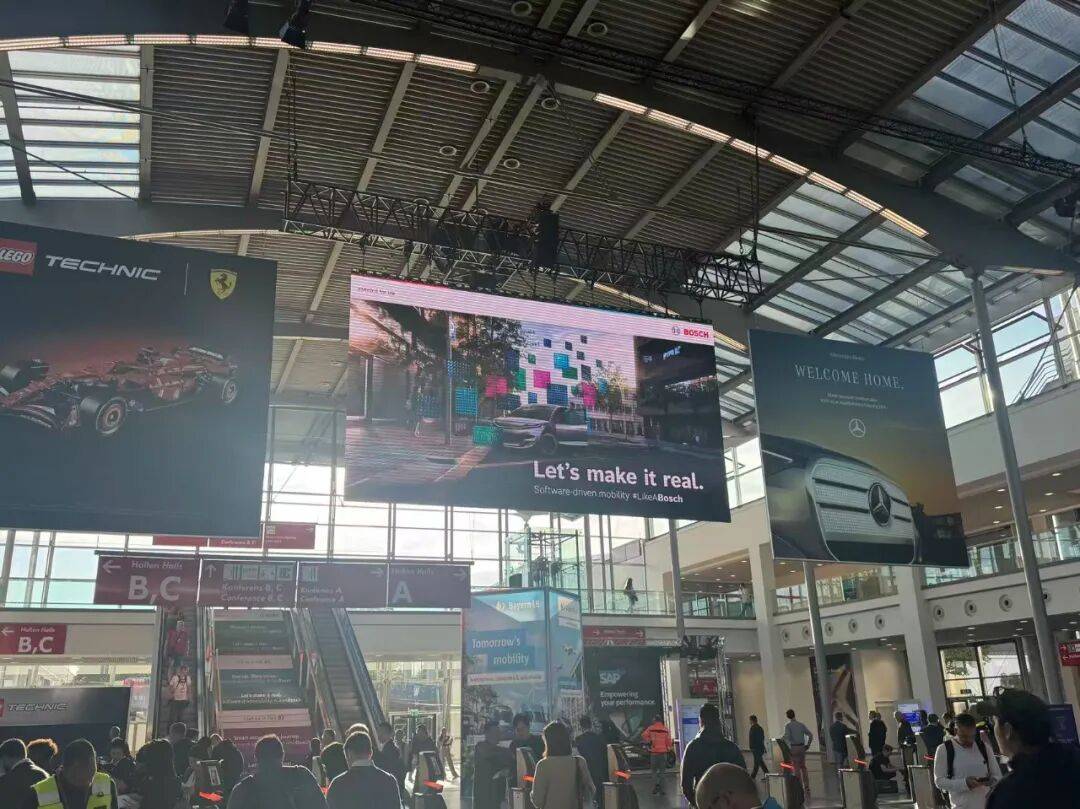
Core Viewpoint - The Munich Auto Show, one of the world's most prestigious auto exhibitions, is often misunderstood as a gateway for Chinese manufacturers to enter the European market, while in reality, the entrenched arrogance of the European automotive market remains unchallenged [1][3][6]. Group 1: European Market Dynamics - The historical arrogance of the European automotive industry is rooted in its industrial revolution and colonial expansion, which has not dissipated despite attempts at modernization [4][6]. - The European automotive market is experiencing significant layoffs and overcapacity in electric vehicle factories, indicating that the push for electrification is not yielding the expected results [6][7]. - The presence of Chinese battery manufacturers at the show highlights the dominance of the "ternary lithium" battery technology, but challenges remain for lithium iron phosphate batteries to penetrate the European market [12][13]. Group 2: Chinese Companies at the Show - Many Chinese manufacturers and suppliers mistakenly view the Munich Auto Show as a platform to gain visibility in Europe, but the actual engagement with European stakeholders is minimal [2][8][22]. - The exhibition space and style of Chinese companies starkly contrast with local European firms, reflecting a disconnect in understanding the European market [10][29]. - Some Chinese companies, like BYD, have adopted a more strategic approach by focusing on networking with European political and business leaders rather than solely showcasing products [35][36]. Group 3: Challenges Faced by Chinese Manufacturers - The lack of genuine engagement and understanding of European consumer preferences among many Chinese manufacturers leads to poor reception and ineffective marketing strategies [72][120]. - The overall scale of the Munich Auto Show is significantly smaller compared to other global exhibitions, limiting the exposure for lesser-known companies [29][30]. - The cultural and operational differences between Chinese and European companies create barriers that hinder successful market entry for many Chinese firms [9][101]. Group 4: Technological Landscape - European Tier 1 suppliers like Bosch and Mobileye continue to dominate the intelligent driving technology market, while many Chinese companies struggle to compete at this level [74][78]. - The slow progress in the deployment of charging infrastructure in Europe reflects broader inefficiencies within the region's automotive ecosystem [15][16]. - The emergence of UK and US AI startups at the show indicates a shift in focus towards innovative technologies, contrasting with the stagnation observed among some European firms [95][96].



28岁的奇瑞,还在用油车利润养电车
阿尔法工场研究院· 2025-09-29 04:18
Core Viewpoint - Chery Automobile has successfully listed on the Hong Kong Stock Exchange after 28 years, marking a significant milestone for the company and providing opportunities for increased financing and global recognition [6][18]. Group 1: Company Overview - Chery Automobile, a veteran in the domestic automotive industry, has established a strong foundation despite being late to the market compared to competitors like Great Wall Motors and Geely [3][4]. - The company has five major brands, including its main brand targeting family users, and others focusing on off-road travel, luxury performance, and electric vehicles [5][7]. Group 2: Sales and Financial Performance - In 2022, Chery's sales surpassed one million vehicles for the first time, reaching 1.23 million units, and are projected to grow to 1.88 million in 2023 and 2.6 million in 2024, ranking 11th globally among passenger car brands [8]. - Revenue figures for Chery from 2022 to 2024 are 92.618 billion, 163.205 billion, and 269.897 billion RMB, respectively, indicating a compound annual growth rate (CAGR) of over 70% [9]. - The net profit for the same period is 5.806 billion, 10.444 billion, and 14.334 billion RMB, with a CAGR of 57% [9]. Group 3: Export and Market Strategy - Chery has been a leader in China's passenger car exports for 22 consecutive years, with over 13 million units sold globally [9]. - The company has a strong presence in emerging markets such as Russia, the Middle East, Latin America, and Southeast Asia, while maintaining a low exposure to potential tariffs in the EU and the US [12][13]. Group 4: Challenges and Opportunities - Chery faces challenges in its electric vehicle (EV) transition, with a significant portion of its revenue still coming from fuel vehicles, which accounted for 63% of sales in 2025 [15]. - The company has implemented localization strategies for design, research, and production to mitigate risks associated with tariffs and currency fluctuations [11][13]. - Despite the growth in its EV segment, Chery's performance lags behind competitors, with only 58.36 thousand EVs sold in 2024 compared to BYD's 4 million [17].
佟欧福:秉持“奔驰标准”携手中国合作伙伴突破电动时代技术边界
Zhong Guo Qi Che Bao Wang· 2025-09-29 02:59
Core Insights - Mercedes-Benz is committed to a diversified development model that meets market and customer demands during the electric transformation of the automotive industry [2] - The company aims to continue its technological breakthroughs in the electric era by collaborating with Chinese partners and leveraging innovative technologies [3] Group 1: Technological Innovations - Mercedes-Benz was awarded for its innovative axial flux motor technology, which has been applied in the latest Mercedes-AMG GT XX concept car [2] - The Mercedes-AMG GT XX concept car set 25 world records, including traveling 40,075 kilometers at nearly 300 km/h in 8 days, showcasing the company's electric drive capabilities [2] - A modified Mercedes-Benz EQS test vehicle completed a 1,205-kilometer journey without recharging, breaking previous records and demonstrating advancements in solid-state battery technology [4] Group 2: New Model Launches - By 2027, Mercedes-Benz plans to launch over 40 new models globally, including 7 models exclusive to China, covering various drive systems [5] - The upcoming all-electric CLA will feature a new 800-volt electrical architecture and a range of up to 866 kilometers, with an energy consumption of only 10.9 kWh per 100 kilometers [5] - The new electric GLC SUV made its global debut at the Munich Auto Show, featuring a new design language, 800-volt architecture, and the largest screen in Mercedes-Benz history at 39.1 inches [5] Group 3: Strategic Partnerships - Mercedes-Benz is deepening its collaboration with top Chinese tech companies like ByteDance and Momenta to enhance product experiences for Chinese customers [3][6] - The company has established a strong "innovation ecosystem" in China, collaborating with leading firms across various sectors, including Tencent and CATL [6] - The new CLA's advanced driver assistance features were developed by a Chinese research team, highlighting the importance of local innovation [6]

上汽奥迪E5上市:订单超预期,传统豪华品牌打响“反击战”
2 1 Shi Ji Jing Ji Bao Dao· 2025-09-29 00:23
Core Insights - The Audi E5 Sportback has exceeded expectations with over 10,153 orders within half an hour of its launch at a starting price of 235,900 yuan, highlighting its significance in Audi's transition to electric vehicles [1] - The E5 Sportback represents a strategic collaboration between Audi and SAIC, aiming to blend German engineering with Chinese technological advancements [2][3] - The vehicle's development cycle was notably rapid, taking only 24 months from project initiation to mass production, showcasing an efficient "24-hour seamless relay" development model between German and Chinese teams [1][2] Product and Market Positioning - The E5 Sportback is priced competitively between 235,900 and 319,900 yuan, targeting a new segment of "German intelligent electric coupes" rather than directly competing with existing models like Tesla Model 3 [3] - Over 50% of the orders are for the quattro all-wheel-drive version, indicating strong consumer recognition of Audi's traditional strengths in driving dynamics and quality [3] - The vehicle is positioned to appeal to younger consumers with a focus on smart technology, while maintaining a classic luxury image through the traditional Audi branding [3][4] Strategic Initiatives - Audi plans to open over 240 full-function user centers this year, marking it as the only luxury brand in a joint venture expanding its dealership network [4][5] - The brand emphasizes an "experience-driven sales" model, incorporating unique customer experiences to strengthen emotional connections with consumers [4] - The E5 Sportback's launch is seen as a significant move for traditional luxury brands in the electric vehicle market, with a focus on localizing products to meet Chinese consumer demands [5][6] Long-term Considerations - The initial order success is primarily from brand loyalists and early adopters, with future sales dependent on converting subsequent consumer groups [5] - The collaboration between Audi and SAIC aims to create products that resonate with local market needs, moving away from solely relying on brand prestige [5][6] - The E5 Sportback is viewed as a starting point for Audi's journey in the electric vehicle sector, with ongoing challenges ahead in establishing a strong brand presence in the smart electric era [6]

奥迪中国:以“双品牌”战略坚定推进在华电动化转型
Zhong Guo Qi Che Bao Wang· 2025-09-28 15:38
Core Insights - The seventh World New Energy Vehicle Conference (WNEVC) was held in Haikou, Hainan, showcasing Audi's commitment to the Chinese market with the display of two flagship electric models: Audi Q6L e-tron and Audi E5 Sportback [1][3] - Audi's strategy emphasizes "For China, in China," highlighting the company's determination to deepen its presence in the Chinese market amid increasing competition from local manufacturers [3][4] Market Context - According to CounterPoint Research, domestic manufacturers have captured nearly 90% of the Chinese electric vehicle market in the first half of the year, putting significant pressure on multinational companies like Audi [3] - China is not only the largest automotive market globally but also a key source of technological innovation, making it essential for Audi to focus on this market to navigate the ongoing industry transformation [3] Product Development - The Audi Q6L e-tron, produced on the luxury electric platform PPE, sets new standards in driving performance, charging capabilities, and overall efficiency, featuring a 107 kWh CATL lithium-ion battery and advanced Bank Charging technology [4] - The Q6L e-tron offers a maximum range of 765 kilometers under CLTC conditions, with the ability to add 294 kilometers of range in just 10 minutes of charging, addressing consumer range anxiety [4] Technological Innovations - The Audi E5 Sportback, launched as part of Audi's new brand strategy, features an AI-driven cockpit system with advanced voice recognition and seamless application connectivity, tailored for the Chinese market [5] - Audi has developed a customized advanced driver assistance system for the Q6L e-tron in collaboration with Huawei, making it the first international luxury brand to implement such technology in China [7] Safety and Testing - Audi prioritizes safety, having met new national battery safety standards ahead of their official implementation, and conducts extensive testing under extreme conditions to ensure user safety [7] Strategic Goals - In the past 50 days, Audi has launched five new models, including three electric and two internal combustion engine vehicles, as part of its dual-brand and multi-platform strategy to maintain competitiveness [8] - Audi plans to continue its aggressive product rollout in China, with more new models expected by the end of the year, marking the largest product layout in the brand's history [8]

销量转型双承压,福特中国重启“渠道整合”能否破局?
Bei Ke Cai Jing· 2025-09-28 10:35
Core Viewpoint - Ford China is restructuring its sales channels by establishing a wholly-owned subsidiary, Ford Automotive Sales Service (Shanghai) Co., Ltd., to manage marketing, sales, and service for Ford's passenger cars and pickups in China, effective October 1 [2][4]. Group 1: Company Restructuring - The new subsidiary will consolidate the sales services of Ford's two joint ventures in China: Jiangling Ford and Changan Ford, aiming to enhance operational efficiency and profitability amid increasing market competition [3][6]. - Chen Xiaobo has been appointed as the president of the new sales service company, reporting to Ford China's president and CEO, Wu Shengbo [5][6]. - Jiangling Motors has signed a distribution service contract with the new company, indicating that it will still participate in the sales of Ford vehicles, sharing sales responsibilities with the new entity [7]. Group 2: Market Challenges - Ford is facing significant pressure in the Chinese market, with declining sales and the need for transformation, as evidenced by a 16.43% year-on-year drop in Changan Ford's sales in the first five months of the year [4][12]. - Jiangling Ford's projected sales from 2022 to 2024 are not expected to exceed 50,000 units, with losses exceeding 1.6 billion yuan during the same period [13]. - The competitive landscape in the Chinese automotive market is intensifying, prompting Ford to consolidate resources to improve efficiency and maintain competitiveness [10][14]. Group 3: Historical Context - This is not Ford's first attempt at channel integration in China; previous efforts, such as the establishment of the National Dealer Service Development (NDSD) in 2018, were unsuccessful due to limitations in resource allocation [9]. - The automotive industry expert Mei Songlin noted that the current market conditions necessitate channel consolidation to enhance operational efficiency, especially as foreign and joint venture brands face declining sales [10].

