
耐心资本

Search documents
杭州耐心资本“静待花开”
Hang Zhou Ri Bao· 2025-12-05 02:33
常言道:"为人之父母,则为之计长远"。在杭州,以"投早投小投长期"为主要特点的耐心资本如泉 水般不断涌现,润泽充满希望的"小不点",陪伴新锐企业慢慢成长。 12月4日,越发凸显"耐心"特质的杭州润苗基金完成首轮投资决策。基金首期资金20亿元,设立20 年超长存续期,面向全市3.4万家省级科技型中小企业。 "在时间上,杭州科创基金存续期一般在8-10年,润苗基金将存续期大幅拉长至20年,创下国内政 府主导型早期科创基金的纪录,可以说重新定义了'耐心资本'。"润苗基金拟投企业、光合智能创始人 付强充满期待,"时间对于科技型初创企业至关重要,我们拥有全球首创的物理AI数字原生技术,需要 时间和资金寻找技术应用场景,推进成果转化。长期资本的支持,真正体现了对我们这样的早期企 业'包容十年不鸣、静待一鸣惊人'的战略定力和耐心。" 被誉为"创新活力之城"的杭州,正全力构建科技型初创企业"铺天盖地"、领军企业"顶天立 地"的"金字塔"企业梯队,科技产业朝着AI与实体经济深度融合、机器人产业"黄金十年"、全球化技术 标准输出三大方向发展。瞄准科创"最初一公里",让更多新锐企业风起云涌,越来越成为共识。 "杭州是打造耐心资本较 ...
平安集团副首席投资官路昊阳: 低利率周期增配权益 是各国险企必经之路
Zheng Quan Shi Bao Wang· 2025-12-04 23:26
Core Viewpoint - The insurance industry is increasingly recognizing the necessity of allocating more equity assets in a low-interest-rate environment, as highlighted by the insights from Ping An Group's Deputy Chief Investment Officer, Lu Haoyang [1][3]. Group 1: Investment Strategy - The insurance sector is facing challenges in asset-liability matching due to low asset yields not meeting liability costs, necessitating a shift towards equity investments [3]. - Ping An Group emphasizes a long-term investment approach, focusing on companies that can provide profit growth and valuation expansion over time [1][3]. - The company has established five matching principles for investments, including alignment of asset and liability durations, investment and return requirements, liquidity needs, risk safety, and financial reporting [2]. Group 2: Market Context and Trends - The average liability duration for the life insurance industry is currently 16.3 years, with a duration gap of 9.2 years after industry scale adjustments [2]. - As of Q3 2025, the total investment balance of insurance funds in China reached 37 trillion yuan, with stock investments exceeding 3.6 trillion yuan [2]. - Ping An Group manages over 6 trillion yuan in insurance assets, with equity investments in the secondary market exceeding 800 billion yuan [2]. Group 3: Global Insights - Global insurance companies have explored strategies to navigate low-interest-rate environments, with examples from Japan and the U.S. demonstrating the importance of increasing overseas allocations and high-dividend domestic stocks [3]. - The U.S. insurance sector has opted to lower liabilities while significantly increasing equity allocations to share risks with clients [3]. Group 4: Policy Support - Recent policies in China have encouraged long-term capital market entry, particularly supporting insurance investments in equity assets [4]. - Ping An Group's equity investment in the secondary market has seen a compound growth rate exceeding 17% from 2021 to mid-2025, significantly outpacing the growth of the company's insurance fund scale [4]. - The company employs a balanced equity allocation strategy focusing on high-dividend and growth stocks, with specific sectors targeted for investment based on national policy support [4].

万亿耐心资本驱动科创裂变 广东打造股权投资创新高地
2 1 Shi Ji Jing Ji Bao Dao· 2025-12-04 23:12
南方财经记者观察到,"十四五"以来,广东围绕股权投资"募、投、管、退"全链条,密集出台一系列高 含金量政策举措,着力打通"科技—产业—金融"循环堵点,为资本精准赋能战略性新兴产业和未来产业 构建起坚实的制度支撑。 在政策引导、资本集聚与生态优化的同频共振下,广东正加速形成"以投促产、以退促投"的良性循环机 制:科技企业凭借硬核创新吸引资本青睐,资本通过多元化退出渠道实现高效回流,并迅速再投入下一 个创新主体。这一闭环不仅夯实了区域创新底座,也推动产业结构向更高附加值跃升,为打造高质量发 展的新质生产力引擎奠定坚实基础。 "耐心资本"重塑股权投融资格局 科技创新企业普遍具有技术迭代迅速、研发周期长、早期风险高等特征,其成长路径亟需具备长期视 野、能穿越市场周期的"耐心资本"提供全生命周期陪伴与深度赋能。 数据显示,截至2025年二季度,全国私募基金在广东辖区的在投项目达9678个,对应在投本金高达 5851.47亿元。其中,投向中小企业、高新技术企业及初创科技型企业的项目分别达6029个、5145个和 2249个,充分彰显私募基金"投早、投小、投科技"的功能定位正加速落地。 数据背后,是广东以政府引导基金、产业 ...
“耐心资本”作答时代课题 险资详解长期投资实践
Zheng Quan Shi Bao· 2025-12-04 17:49
证券时报记者 刘敬元 邓雄鹰 "十五五"即将开篇,在培育壮大新兴产业与未来产业的进程中,37万亿元险资如何更好发挥"耐心资本"作用,仍是 亟待解答的时代课题。 近日,在"第十九届深圳国际金融博览会暨2025中国金融机构年会"分论坛"2025中国保险业资产负债管理年会"上, 四位保险资管高管以"壮大耐心资本,赋能新质生产力"为主题展开了圆桌讨论,分享不同业务条线的实践和思 考。 这四位高管包括新华资产总裁陈一江,太保资产副总经理、董事会秘书赵峰,中意资产总经理助理陈伍斌,中邮 资管首席风险管理执行官张超。 长期投资试点 是"上下结合"的成果 自去年鸿鹄基金入市以来,保险资金长期投资试点改革在资本市场上受到高度关注,今年试点规模进一步扩围到 2220亿元。 张超表示,中邮资管获得第三批试点资格,在投资思路上,基金将发挥"耐心资本"的核心优势,坚持长期投资、 价值投资、责任投资的理念,重点围绕服务国家战略、科技等领域,展开深入研究和投资。 做好支持科技的"耐心资本" 科技创新的金融支持是当前重要命题,保险资金凭借"耐心资本"属性,正积极投身"科技金融"实践,相关领域已积 累诸多经验认识。 陈一江表示,对于险资这类大 ...


专家观点 | 靳海涛:从全球视角看创投的战略作用以及对中国创投发展趋势的展望
Xin Lang Cai Jing· 2025-12-04 11:36
Core Insights - The conference highlighted the strategic role of venture capital in China's development and its future trends, emphasizing the importance of supply-demand dynamics and strategic choices in the industry [1][14]. Global Analysis Framework - The speaker categorized countries into two distinct innovation strategies: "innovation investment-driven" represented by the US, Israel, and China, and "traditional investment-driven" represented by Japan, parts of Western Europe, and Russia [2][15]. - The "innovation investment-driven" countries focus on creating a vibrant venture capital ecosystem that directs capital towards SMEs and disruptive technologies, leading to sustained economic growth [2][16]. - In contrast, the "traditional investment-driven" countries rely on conservative financing systems that favor established enterprises, resulting in stagnation in innovation and growth [2][16]. China's Venture Capital Strategy - China's commitment to a venture capital-driven strategy over the past two decades has facilitated its transition from learning to leading in various sectors, establishing a comprehensive industrial chain [3][16]. Investment Fund Mission - The primary goal of investment funds is to generate good returns for investors, which is a fundamental principle in the venture capital landscape [4][17]. Key Investment Directions - The speaker outlined five strategic investment directions: - **Addressing Shortcomings**: Emphasizing proactive positioning in technology sectors, particularly in semiconductors, with significant investments exceeding 2 billion yuan [5][18]. - **Digital Transformation**: Recognizing the necessity of digital technology integration, with investments in companies like 聚玻网 and 越疆机器人 showcasing a long-term vision in industrial internet and cutting-edge technology [6][19]. - **Carbon Neutrality**: Highlighting the shift from policy-driven to demand-driven energy transitions, with a focus on breakthrough technologies like solid-state batteries [7][20]. - **Healthcare**: Anticipating advancements in biomedicine, particularly in gene editing and cell therapy, which could lead to significant improvements in human health [9][21]. - **Consumer Upgrades**: Challenging the market's undervaluation of the consumer sector, emphasizing its dual role in economic growth and societal well-being [10][22]. Future Outlook - The speaker proposed seven systemic recommendations for the next phase of venture capital development, focusing on the need for "patient capital" and addressing structural imbalances in capital sources [11][24]. - Recommendations include encouraging innovation, adjusting fund durations, and advocating for supportive policies to facilitate the growth of venture capital [11][24]. - The ideal capital structure should balance government, financial, and family wealth, addressing the current dominance of government capital [11][24]. Conclusion - The speaker encapsulated the vision for China's innovation ecosystem with the principles of "inclusive systems, diverse capital, smooth exits, and deep service," which are seen as the pillars for the growth of innovative enterprises [12][25]. - A call for collective effort and bold reforms was made to navigate the changing landscape and fulfill the potential of China's venture capital industry [13][26].
股权投资行业信用风险展望(2025年11月)
Lian He Zi Xin· 2025-12-04 11:18
股权投资行业信用风险展望(2025 年 11 月) 工商评级二部 丨 孔祥一 股权投资行业募资情况 股权投资行业投资情况 股权投资行业退出情况 股权投资行业信用风险展望丨 2026 摘要 公司邮箱:lianhe@lhratings.com 网址:www.lhratings.com 电话:010-85679696 传真:010-85679228 地址:北京市朝阳区建国门外大街 2 号中国人保财险大厦 17 层 www.lhratings.com 信用风险展望 0 2025 年以来,国家层面聚焦股权投资领域培育耐心资本、畅 通私募股权"募投管退"全流程、规范政府投资基金运作等 核心方向,出台了一系列举措。《中共中央关于制定国民经济 和社会发展第十五个五年规划的建议》围绕股权投资对现代 化产业体系的支撑作用深化聚焦,通过募资、投资、退出三 大维度构建政策闭环,为耐心资本壮大及创业投资高质量发 展铺就清晰路径。 2025 年前三季度,中国股权投资募资端和投资端均持续回 暖,完成募集基金数量和募资规模、投资案例数和投资金额 同比均有增长;退出端的下滑趋势较上半年有所收窄,在政 策鼓励引导下,并购类退出数量强势增长,IP ...
靳海涛:中国创投往何处去
Xin Lang Cai Jing· 2025-12-04 07:49
Core Insights - The annual China Private Equity Annual Conference will be held from December 2-5, 2025, in Shenzhen, focusing on observing China's technological innovation [2][18] - The chairman of Qianhai Ark Asset Management shared insights on the strategic role of venture capital and the development trends in China's venture capital landscape [2][19] Group 1: National Strategic Demand - Innovation is a core development strategy for every country, with two main paths: innovation investment-driven strategy and traditional investment-driven strategy [3][20] - Countries like the US, Israel, and China exemplify the innovation investment-driven strategy, which supports small enterprises and disruptive technologies, leading to significant capital inflow into the tech innovation sector [3][20] - In contrast, countries like Japan and Russia follow a traditional investment-driven strategy, relying on conventional financing channels and often missing out on technological advancements [4][20] Group 2: Impact of Venture Capital on China's Economy - Since the emergence of venture capital in 1999, China's GDP has grown over 13 times, with venture capital contributing more than 43% to this growth [5][21] - Venture capital has played a crucial role in nurturing high-quality enterprises, with over 90% of companies listed on the Sci-Tech Innovation Board and over 50% on the ChiNext Board being supported by venture capital [5][22] - The sector has significantly contributed to the development of key industries, including semiconductors, renewable energy, communication, transportation technology, artificial intelligence, and biomedicine [6][22] Group 3: Five Key Investment Directions - The first direction is the "short board" process, focusing on technological breakthroughs to ensure supply chain security and autonomy, with over 2 billion yuan invested in semiconductor companies [7][24] - The second direction is the digitalization process, which aims to transform traditional industries using digital technology, with significant investments in projects like 聚玻网 and autonomous driving [7][24] - The third direction is the carbon neutrality process, which has evolved from being finance-driven to policy-driven and now demand-driven, with investments in emerging technologies [7][25] - The fourth direction is the health sector, shifting from symptomatic treatment to root cause resolution, with predictions that China will lead in biopharmaceuticals in the next 7-8 years [7][26] - The fifth direction is consumer upgrade, emphasizing the importance of consumer sectors in economic growth and the need for investment support [7][26] Group 4: Recommendations for Future Development - The industry should focus on "early, small, and future" investments, promoting "patient capital" as a fundamental requirement for a healthy venture capital ecosystem [11][28] - There is a need to optimize the capital source structure in the venture capital industry, aiming for a balanced approach involving government capital, financial capital, and family wealth [12][29] - Emphasis should be placed on post-investment management and support, moving away from solely chasing "blockbuster" investments [12][30] - The development of S funds and follow-up funds is crucial for creating a sustainable innovation investment ecosystem [12][30] - A balanced support for various industries is essential to avoid over-concentration and to foster innovation across sectors [12][31]
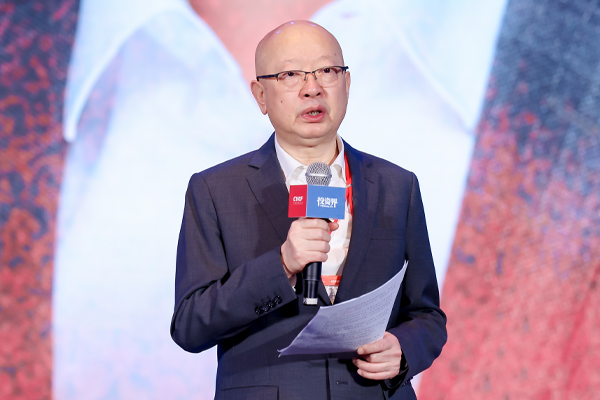
前海方舟靳海涛:没有活跃的S基金市场,耐心资本就成为空话
Xin Lang Cai Jing· 2025-12-04 02:12
Core Viewpoint - The 25th China Private Equity Annual Conference emphasizes the importance of developing "patient capital" to build a healthy and resilient venture capital ecosystem in China [1][18]. Group 1: Key Suggestions for Private Equity Investment - The focus should be on "investing early, investing small, and investing in the future," which is essential for the venture capital ecosystem [3][20]. - There should be a gradual optimization of capital sources, aiming for a balanced structure of government capital, various financial capital, and family wealth [3][15]. - The commercial strategies and product designs of venture capital institutions must adapt to the trend of local governments using equity finance and capital attraction as a means to transform land finance [3][32]. Group 2: Emphasis on Post-Investment Management - Venture capital institutions should prioritize post-investment management and support, adhering to a principle of "30% investment, 70% management" to help companies integrate resources and overcome challenges [3][16]. - The development of S funds and follow-up funds is crucial for creating a sustainable innovation investment ecosystem [4][33]. - A balanced support for various industries is necessary to avoid excessive concentration and ensure that innovation across all sectors is nurtured [4][33]. Group 3: Market Dynamics and Trends - A healthy secondary market is vital for supporting IPOs and mergers and acquisitions of innovative companies, as the prosperity of the primary market relies on good valuations and smooth exit channels in the secondary market [4][17]. - The current investment landscape should not overly worry about market polarization resulting from expansion, as this is considered a normal phenomenon [4][17]. - The historical contribution of venture capital to China's GDP growth, which has increased over 13 times since 1999, highlights its significant role in establishing a complete industrial chain [8][25]. Group 4: Global Perspective on Investment Strategies - There are two main development paths for countries: innovation-driven investment strategies that support small and disruptive innovations, and traditional investment strategies that rely on established financing channels [6][24]. - China's adherence to an innovation-driven investment strategy has led to significant achievements in technology and industry, positioning it favorably in the global market [6][23]. - The focus on addressing "bottleneck" issues in supply chains and promoting digital transformation is essential for future investment returns [10][11].
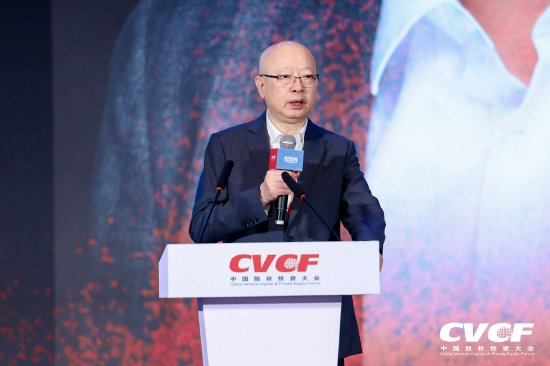
为发展新质生产力提供长期资金支持
Jing Ji Ri Bao· 2025-12-04 00:41
Core Viewpoint - The article emphasizes the importance of long-term capital support for the development of new quality productivity in China, which is driven by technological innovation and modernization [1][2]. Group 1: Long-term Capital and Technological Innovation - Long-term capital is crucial for the transformation of scientific and technological achievements, as it supports continuous investment in basic research and enterprise R&D activities [2][4]. - The lack of stable long-term investment can disrupt innovation processes and hinder the conversion of technological achievements into practical applications [2][5]. Group 2: Policy Framework and Government Initiatives - The Chinese government encourages the development of angel investment, venture capital, and private equity to enhance the role of patient capital in supporting modern industrial systems [3]. - Recent policies have been introduced to create a more comprehensive institutional framework for long-term capital, including guidelines for government investment funds and mechanisms to facilitate financing for technology enterprises [3][4]. Group 3: Current Investment Trends and Data - In 2024, China's R&D expenditure reached 36,326.8 billion yuan, with an intensity of 2.69%, consistently exceeding the average level of EU countries [4]. - The loan balance for technology-based small and medium-sized enterprises reached 3.46 trillion yuan by June 2025, reflecting a year-on-year growth of 22.9% [4]. Group 4: Challenges and Recommendations - There is a mismatch between long-term investment and the needs of new quality productivity, with issues such as a preference for short-term projects and uneven capital allocation across sectors [5][6]. - Recommendations include optimizing the investment environment, expanding patient capital, and innovating financial products to enhance support for technological innovation [5][6].
祝国平:为发展新质生产力提供长期资金支持
Jing Ji Ri Bao· 2025-12-04 00:14
Group 1 - The core viewpoint emphasizes the need for high-level technological self-reliance and innovation as a foundation for China's modernization, highlighting the importance of long-term capital in fostering new productive forces [1][2][3] - New productive forces are characterized by technological breakthroughs, innovative allocation of production factors, and deep industrial transformation, with a significant increase in total factor productivity as a key indicator [1][2] - The government is actively promoting the development of angel investment, venture capital, and private equity to enhance the role of patient capital in supporting modernization and new productive forces [3] Group 2 - In 2024, China's R&D expenditure reached 36,326.8 billion yuan, with an intensity of 2.69%, consistently exceeding the average level of EU countries [4] - The annual growth rate of R&D expenditure during the first four years of the 14th Five-Year Plan was 10.5%, ranking among the top of major global economies [4] - By mid-2025, loans to technology-based SMEs reached 3.46 trillion yuan, with a year-on-year growth of 22.9%, outpacing other loan categories [4] Group 3 - Despite progress, there remains a mismatch between long-term investment and the needs of new productive forces, with issues such as a preference for short-term investments and uneven capital allocation across sectors [5][6] - Recommendations include optimizing the investment environment, expanding patient capital, and innovating financial products to enhance long-term capital support for technological innovation [5][6] - Specific measures proposed include improving tax incentives for investment in technology transfer and mid-term trials, and encouraging state-owned capital to invest in innovation and strategic emerging industries [6]