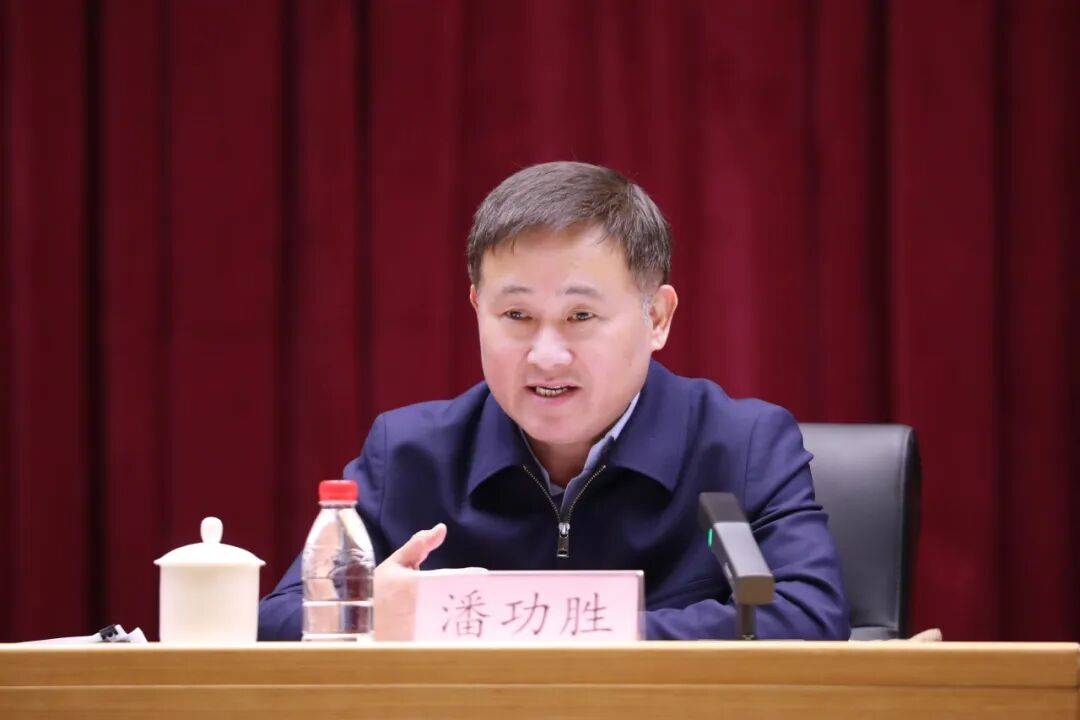
适度宽松的货币政策

Search documents
央行:灵活高效运用降准降息等政策工具
Xin Lang Cai Jing· 2026-01-06 18:32
Core Viewpoint - The People's Bank of China (PBOC) emphasizes the continuation of a moderately accommodative monetary policy to support high-quality economic development and manage financial risks in 2026 [1][2][3] Group 1: Monetary Policy - The PBOC will maintain a moderately accommodative monetary policy, focusing on promoting high-quality economic development and reasonable price recovery as key considerations [1] - The central bank plans to flexibly utilize various monetary policy tools such as reserve requirement ratio (RRR) cuts and interest rate reductions to ensure ample liquidity and relatively loose financing conditions [1] - The PBOC aims to keep the RMB exchange rate stable at a reasonable and balanced level while preventing excessive fluctuations [1] Group 2: Financial Services and Risk Management - The PBOC will enhance the financial support for key areas such as domestic demand, technological innovation, and small and micro enterprises through improved structural monetary policy tools [2] - The central bank will strengthen macro-prudential management and financial stability functions, establishing mechanisms to provide liquidity to non-bank institutions under specific scenarios [2] - There will be a focus on reinforcing financial market regulation and combating illegal activities in the financial market [2] Group 3: Financial Reform and Opening Up - The PBOC will continue to optimize mechanisms like "Bond Connect" and "Swap Connect" to support the construction of the Shanghai International Financial Center and enhance Hong Kong's status as an international financial hub [2] - The central bank will facilitate the use of RMB in trade and investment, improving cross-border financial services and infrastructure for RMB usage [2] Group 4: Financial Management and Digital Currency - The PBOC will promote legislative projects related to financial management and develop a financial statistical system that aligns with modern central banking [3] - There will be an emphasis on strengthening the regulatory framework for virtual currencies and continuing to combat related illegal activities [3] - The development of digital RMB will be pursued steadily [3] Group 5: Foreign Exchange Management - The State Administration of Foreign Exchange (SAFE) will focus on creating a more convenient, open, secure, and intelligent foreign exchange management system in 2026 [3] - Key tasks include optimizing trade foreign exchange business management and supporting the development of new trade formats like cross-border e-commerce [3] - SAFE will enhance foreign exchange market analysis and macro-prudential management to maintain stable foreign exchange market operations [3]


央行:继续实施好适度宽松的货币政策 专家:更加注重做好跨周期和逆周期调节
Mei Ri Jing Ji Xin Wen· 2026-01-06 17:35
Group 1 - The core viewpoint of the meetings held by the People's Bank of China emphasizes the continuation of a moderately loose monetary policy, focusing on promoting high-quality economic development and reasonable price recovery as key considerations [1] - The meetings highlighted the importance of maintaining ample liquidity and relatively loose social financing conditions, utilizing various monetary policy tools such as reserve requirement ratio (RRR) cuts and interest rate reductions [1][2] - Experts predict that in 2026, the central bank will primarily rely on Medium-term Lending Facility (MLF) and reverse repos to inject medium-term liquidity, while also using government bond transactions and RRR cuts for long-term liquidity, ensuring stable market liquidity [2] Group 2 - Structural monetary policy tools will be optimized to direct financial resources towards key areas of the economy, including technological innovation, manufacturing upgrades, green development, small and micro enterprises, and consumption stabilization [3] - The liquidity tool system in China is aligned with international frameworks, featuring a comprehensive range of tools that support daily liquidity supply and structural liquidity needs, ensuring a suitable liquidity environment [4] - The meetings stressed the need for effective execution and supervision of interest rate policies to promote low financing costs, with a focus on enhancing the market-oriented interest rate formation and transmission mechanisms [5][6]

央行2026年政策定调 降准降息可期
Sou Hu Cai Jing· 2026-01-06 16:33
[ 曾刚认为,在现行框架下,央行的流动性工具主要针对商业银行,非银机构只能通过银行间接获得流 动性支持,或者依赖自身的资产变现能力。这种间接机制在常态下可以运作,但在市场压力情景下,可 能因为银行的风险规避行为而失效。 ] 2026年中国人民银行工作会议于1月5日至6日召开,会议部署全年七大重点工作,围绕货币政策实施、 金融服务实体经济、风险防控、金融改革开放等核心领域明确行动路径。 央行明确2026年七大重点工作。 其中,在货币政策方面,会议强调,把促进经济高质量发展、物价合理回升作为货币政策的重要考量, 灵活高效运用降准降息等多种货币政策工具。 业内专家认为,适度宽松的货币政策将兼顾总量调节与结构优化,人民币汇率有望维持温和升值态势, 但考虑到潜在的不确定性,市场不宜押注单边行情。 适度宽松的货币政策 2026年适度宽松的货币政策将有两个主要方向:首先是总量政策,其次是结构性政策。 会议明确,2026年继续实施适度宽松的货币政策,将促进经济高质量发展、物价合理回升作为核心考 量,灵活高效运用降准降息等多种货币政策工具,保持流动性充裕,保持社会融资条件相对宽松,引导 金融总量合理增长、信贷投放均衡,使社会融 ...
【金融街发布】人民银行:继续实施好适度宽松的货币政策 稳妥化解重点领域金融风险
Xin Hua Cai Jing· 2026-01-06 16:13
Core Viewpoint - The People's Bank of China (PBOC) held a work meeting to summarize 2025's achievements, analyze the current economic situation, and plan for 2026, emphasizing the need for monetary policy support for economic stability and financial market operations [1][2]. Group 1: Key Work Areas for 2026 - The PBOC will continue to promote strict governance within the party, focusing on implementing Xi Jinping's directives and enhancing the effectiveness of central inspection rectification [2]. - A moderately loose monetary policy will be maintained, with an emphasis on promoting high-quality economic development and reasonable price recovery, utilizing various monetary policy tools to ensure sufficient liquidity and balanced credit allocation [2][3]. - Financial services will be improved to support high-quality economic development, with a focus on enhancing the financial service framework and supporting key sectors such as technology innovation and small and micro enterprises [3]. Group 2: Financial Risk Management - The PBOC will work on mitigating financial risks in key areas, including managing the debt risks of financing platforms and enhancing risk identification and early correction in small financial institutions [3][4]. - A macro-prudential management framework will be established to maintain financial stability, with improved monitoring indicators and mechanisms for providing liquidity to non-bank institutions under specific scenarios [4]. Group 3: Financial Reform and Global Cooperation - The PBOC aims to deepen financial reform and openness, enhancing supervision of various financial markets and supporting the construction of international financial centers [4][5]. - Global financial governance reform will be actively promoted, with a focus on multilateral cooperation and participation in international financial rule-making [5][6]. Group 4: Financial Management and Service Enhancement - The PBOC will enhance financial management capabilities, focusing on legislative projects and improving statistical systems to align with modern central banking practices [5][6]. - Efforts will be made to strengthen the regulatory framework for virtual currencies and improve the overall payment service environment for various demographics [6].

聚焦中国人民银行2026年任务清单
Sou Hu Cai Jing· 2026-01-06 14:41
金融如何为经济稳定增长提供有力支撑——聚焦中国人民银行2026年任务清单 谢光启介绍,中国人民银行将健全市场化的利率形成、调控和传导机制,理顺政策利率向各类市场利率 的传导关系,促进社会综合融资成本低位运行。做好政策沟通和预期引导,加强货币政策和财政、产业 等政策在需求管理、结构调整方面的协调配合,进一步畅通传导机制。 支持符合条件的外资金融机构在华参与新业务试点,完善境内外市场互联互通,完善人民币跨境使用政 策安排……来自会议的信息显示,我国金融高水平开放稳步拓展。 2026年是"十五五"开局之年,金融如何为经济稳定增长、高质量发展提供有力支撑?1月5日至6日召开 的2026年中国人民银行工作会议释放一系列政策信号。 中国人民银行表示,2026年继续实施适度宽松的货币政策,加大逆周期和跨周期调节力度,提升金融服 务实体经济高质量发展质效,着力扩大内需、优化供给,防范化解风险、稳定社会预期,为经济稳定增 长、高质量发展和金融市场稳定运行营造良好的货币金融环境。 作为宏观调控的主要政策工具,货币政策对经济运行具有深刻影响。围绕货币政策,中国人民银行工作 会议作出一系列部署:"把促进经济高质量发展、物价合理回升作 ...
金融如何为经济稳定增长提供有力支撑——聚焦中国人民银行2026年任务清单
Xin Hua Wang· 2026-01-06 14:07
Core Viewpoint - The People's Bank of China (PBOC) aims to provide strong support for stable economic growth and high-quality development through a series of monetary policy measures in 2026, focusing on expanding domestic demand and optimizing supply while managing risks and stabilizing social expectations [1]. Monetary Policy Implementation - The PBOC will continue to implement a moderately accommodative monetary policy, enhancing counter-cyclical and cross-cyclical adjustments, and improving financial services for high-quality economic development [1]. - Key measures include promoting high-quality economic development and reasonable price recovery as important considerations for monetary policy, utilizing various tools such as reserve requirement ratio (RRR) cuts and interest rate reductions flexibly and effectively [1][2]. Financial Support and Evaluation - The meeting emphasized the need to improve the financial "five major articles" policy framework, implement assessment systems, and enhance the evaluation of financial service effectiveness [2]. - There will be a focus on optimizing the structural monetary policy tool system and strengthening financial support for key areas such as expanding domestic demand, technological innovation, and small and micro enterprises [2]. Bond Market Development - The bond market "technology board" has seen over 700 entities issue technology innovation bonds exceeding 1.5 trillion yuan, with 264 enterprises issuing approximately 660 billion yuan in bonds since its launch [3]. - The average bond issuance term has been extended, with 60% of enterprises issuing bonds for more than three years, and private enterprises accounting for over 20% of the participation [3]. Interest Rate and Policy Coordination - The PBOC plans to enhance the transmission of monetary policy by improving the market-oriented interest rate formation and transmission mechanism, ensuring low comprehensive financing costs [3]. - There will be a focus on policy communication and expectation guidance, coordinating monetary policy with fiscal and industrial policies for better demand management and structural adjustments [3]. Financial Reform and Risk Management - The PBOC has outlined measures for deepening financial reform and opening up, including optimizing the "Bond Connect" and "Swap Connect" mechanisms and improving cross-border financial services [4]. - Risk management remains a priority, with plans to address financial risks in key areas, support the resolution of financing platform debt risks, and enhance risk identification and early correction for small financial institutions [4]. Overall Goals - The PBOC aims to maintain a stable yet progressive work approach, leveraging both incremental and stock policies to promote high-quality financial development, contributing to the successful start of the 14th Five-Year Plan [5].
1月6日晚间央视新闻联播要闻集锦
Yang Shi Xin Wen Ke Hu Duan· 2026-01-06 13:58
Group 1 - The Yangtze River Economic Belt development strategy is a significant decision made by the central government led by Xi Jinping, emphasizing ecological priority and green development over the past decade [5][1]. - The strategy has resulted in substantial achievements, promoting ecological protection and a comprehensive green transformation of economic and social development across 11 provinces and cities along the Yangtze River [5][1]. Group 2 - Shenzhen is enhancing its export competitiveness by leveraging technology, with high-tech products like robots and 3D printing accelerating their entry into international markets [12][2]. - The country is implementing multiple measures to promote green consumption, as highlighted in a recent press conference by the State Council Information Office [13][3].
降准降息可期!央行2026年政策定调
Xin Lang Cai Jing· 2026-01-06 13:40
Core Viewpoint - The People's Bank of China (PBOC) has outlined seven key priorities for 2026, focusing on monetary policy implementation, financial services for the real economy, risk prevention, and financial reform and opening up [1][8]. Monetary Policy - The PBOC will continue to implement a moderately accommodative monetary policy in 2026, emphasizing high-quality economic development and reasonable price recovery as core considerations [1][9]. - The monetary policy will have two main directions: total policy and structural policy, with a focus on maintaining ample liquidity and relatively loose social financing conditions [1][9]. - Experts suggest that the PBOC's approach will balance overall adjustment and structural optimization, with the RMB expected to maintain a mild appreciation trend [1][2]. Structural Policies - Structural policies will aim to provide targeted support to key areas, enhancing the financial service framework and improving evaluation systems [2][10]. - The PBOC plans to optimize the use of various structural monetary policy tools, which will likely increase in volume while operational interest rates may be adjusted downward [2][10]. Exchange Rate Management - The RMB has shown a strong recovery, with the offshore RMB/USD exchange rate breaking 6.97 for the first time in two and a half years [3][11]. - The PBOC aims to maintain the RMB exchange rate at a reasonable and balanced level while preventing excessive fluctuations [3][11]. - Analysts predict that the RMB may appreciate moderately in 2026, supported by a favorable external environment and a weak USD trend [3][12]. Non-Bank Financial Institutions - The PBOC is prioritizing the resolution of financial risks in key areas, including the establishment of mechanisms to provide liquidity support to non-bank financial institutions under specific scenarios [6][13]. - The proposed liquidity support mechanisms are seen as a proactive response to potential systemic risks and aim to enhance the financial stability framework [6][13]. - Recommendations for the design of these mechanisms include creating a tiered liquidity support system and developing a diverse collateral framework [7][14].
降准降息可期!央行2026年政策定调
第一财经· 2026-01-06 13:25
Core Viewpoint - The People's Bank of China (PBOC) has outlined seven key priorities for 2026, focusing on monetary policy implementation, financial services for the real economy, risk prevention, and financial reform and opening-up [3]. Group 1: Monetary Policy - The PBOC will continue to implement a moderately accommodative monetary policy in 2026, emphasizing the promotion of high-quality economic development and reasonable price recovery as core considerations [5]. - The monetary policy will utilize various tools such as reserve requirement ratio (RRR) cuts and interest rate reductions to maintain ample liquidity and ensure that social financing conditions remain relatively loose [5]. - Structural policies will be refined to provide targeted support to key areas, including expanding domestic demand, technological innovation, and small and micro enterprises [6]. Group 2: Exchange Rate Management - The RMB has shown a strong recovery, with the offshore RMB/USD exchange rate breaking 6.97 for the first time in two and a half years, indicating a potential for moderate appreciation in 2026 [8]. - The PBOC aims to maintain the RMB exchange rate at a reasonable and balanced level while preventing excessive fluctuations, with a focus on managing market expectations [9]. Group 3: Financial Risk Prevention - The PBOC has prioritized the prudent resolution of financial risks in key areas, including financing platform debts and small financial institutions, and has proposed mechanisms for providing liquidity support to non-bank financial institutions under specific scenarios [11]. - The exploration of liquidity support mechanisms for non-bank institutions is seen as a proactive response to potential systemic risks, given the growing scale of these institutions in the financial market [12].
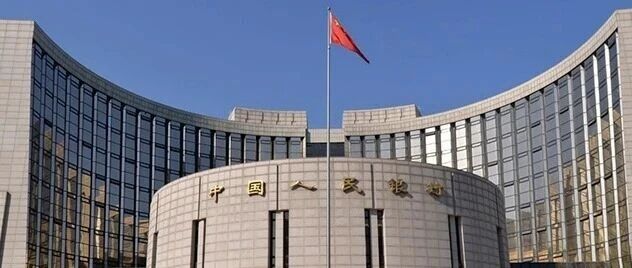
央行明确今年七大重点工作
Sou Hu Cai Jing· 2026-01-06 13:07
2026年中国人民银行工作会议召开 要点速览: ——继续实施好适度宽松的货币政策。灵活高效运用降准降息等多种货币政策工具,保持流动性充裕,保持社会融资条件相对宽松,引导金融总量合理增 长、信贷投放均衡。 ——完善结构性货币政策工具体系;高质量建设和发展债券市场"科技板"。 ——建立在特定情景下向非银机构提供流动性的机制性安排,发挥好两项支持资本市场的货币政策工具作用。 ——加强对银行间债券市场、货币市场、外汇市场、票据市场、黄金市场及有关衍生品的监督管理。 ——进一步提升金融管理和服务能力。稳妥实施好一次性个人信用修复政策。 ——强化虚拟货币监管,持续打击相关违法犯罪活动;深化科技管理与创新应用;稳步发展数字人民币。 2026年中国人民银行工作会议1月5日-6日召开。会议以习近平新时代中国特色社会主义思想为指导,深入学习贯彻党的二十届四中全会和中央经济工作会 议精神,总结2025年工作,分析当前形势,研究中国人民银行"十五五"改革发展规划,部署2026年工作。中国人民银行党委书记、行长潘功胜出席会议并 讲话,朱鹤新、曲吉山、宣昌能、陆磊、陶玲、邹澜出席会议。 六是金融高水平开放稳步拓展。完善准入前国民待遇加负 ...