单边主义

Search documents
东方亮了!美国盟友接连“倒戈”,全球贸易格局或迎大改写
Sou Hu Cai Jing· 2025-10-08 07:05
Core Viewpoint - The article discusses the shifting global trade dynamics due to the United States' unilateral trade policies, particularly its "reciprocal tariffs," which are criticized for promoting protectionism and negatively impacting global service trade [1][3][4]. Group 1: Impact of US Trade Policies - The US GDP experienced a quarter-on-quarter decline of 0.3% in Q1 2025, marking its first economic contraction in three years, largely attributed to the negative effects of its tariff policies [3]. - Net exports have significantly dragged down the US economy by 4.83 percentage points, highlighting the detrimental impact of the tariff measures [3]. - A study from Yale University indicates that if the US tariffs are fully implemented, consumer prices could rise by 2.3%, resulting in an additional annual expenditure of $3,800 per household [3]. Group 2: Global Reactions and Shifts - Countries like India, Brazil, Egypt, and Pakistan have shown support for China's stance against US trade practices, indicating a potential decline in US hegemony in global trade [1][4]. - Germany's Hamburg port saw a 11.3% increase in container throughput with China, while shipments to the US plummeted by 19%, reflecting a growing trade relationship with China [6]. - The UK has resumed its economic cooperation with China, signing a £3.2 billion deal, as it seeks to recover economically post-Brexit [6]. - Australia has shifted its stance, with Prime Minister Albanese stating that Australia will no longer pursue "decoupling" from China, given that nearly 40% of its exports are directed to the Chinese market [6]. Group 3: Broader Economic Context - Emerging economies now contribute over 60% of global economic growth, contrasting with the US's economic struggles, which include a national debt exceeding $45 trillion, accounting for 130% of its GDP [9]. - The Regional Comprehensive Economic Partnership (RCEP) covers 30% of the global population, further illustrating the shift in economic power dynamics away from the US [9]. - The article warns that continued reliance on tariff barriers by the US could lead to its isolation in the face of global cooperation trends [10][12].

视频|世贸组织总干事:全球贸易在美国单边主义政策冲击下仍显韧性
Sou Hu Cai Jing· 2025-10-08 06:07
Core Insights - The World Trade Organization (WTO) reported a resilient global trade outlook despite challenges from unilateral actions by the U.S. government, with a projected growth of 2.4% in global goods trade for the year, significantly higher than the previous forecast of 0.9% [1][2] Group 1: Global Trade Growth - The increase in global goods trade is attributed to U.S. importers placing advance orders to mitigate the impact of tariffs and a surge in demand for products related to the artificial intelligence industry, such as semiconductors and manufacturing equipment [1] - Trade among developing economies, referred to as South-South trade, is growing rapidly, with an expected year-on-year increase of 8% in the first half of 2025, compared to a 6% growth in total global trade during the same period [1] Group 2: Future Outlook and Risks - The WTO warns of a significant decline in global goods trade growth to 0.5% in 2026, influenced by weak global economic recovery and U.S. tariff policies [1] - There is considerable uncertainty regarding future trade policies and barriers, indicating that while the global trade system shows resilience, caution is warranted due to potential risks [2]
美国霸主地位不在?世贸会议中国的一个行为,让全球对美国说不!
Sou Hu Cai Jing· 2025-10-08 04:44
Core Viewpoint - The recent WTO meeting in Geneva highlighted a significant shift in global trade dynamics, with countries openly criticizing the United States for its unilateral trade practices and rallying around China's proposals for reforming the multilateral trade system [1][3][25] Group 1: U.S. Trade Practices - The U.S. has been a major contributor to the current global trade chaos, primarily through its unilateral imposition of tariffs and pressure for bilateral agreements that disadvantage other nations [5][9] - The U.S. has utilized tariffs without consulting the WTO, leading to a breakdown in the established multilateral trade order [7][9] - Countries have expressed frustration over the U.S.'s "might makes right" approach, which undermines collective trade agreements and rules [5][10] Group 2: China's Proposals - China proposed three specific recommendations aimed at addressing the trade disorder: enhancing transparency and oversight, reaffirming commitment to a rules-based multilateral trade system, and taking concrete actions to ensure the WTO can effectively resolve trade disputes [10][12][14] - These proposals were well-received because they focus on the collective interests of all nations, rather than favoring any single country [16][25] Group 3: Global Response - Countries, including traditional U.S. allies like the EU, have begun to voice their concerns about the U.S.'s approach, indicating a shift towards supporting a rules-based system [17][19] - Nations such as Australia, New Zealand, and South Korea have expressed the need for oversight on unilateral tariffs and bilateral agreements to protect their interests [19][21] - Developing countries, particularly those affected by U.S. tariffs, have openly criticized U.S. practices and supported China's initiatives as a means to counteract U.S. pressure [22][23]
印度和中国站在一起,公开批评美国的关税政策!
Sou Hu Cai Jing· 2025-10-07 07:10
Core Viewpoint - China has actively proposed a significant document at the WTO Service Trade Council in Geneva, emphasizing the importance of global service trade and urging countries to cherish this vital economic driver [1] Group 1: China's Position on Global Service Trade - The document highlights that the smooth development of global service trade is currently facing obstacles, primarily due to the tariff policies of the United States [3] - China criticizes the U.S. for its unilateralism and double standards, pointing out that while the U.S. claims unfair treatment in goods trade, it has maintained a surplus in service trade [3] Group 2: Support from Other Countries - Countries such as India, Brazil, Egypt, and Pakistan have expressed support for China's stance, indicating a collective criticism of the U.S.'s hypocritical behavior [4] - The shared interests among these nations stem from the negative impacts they have faced due to U.S. tariff policies, particularly India, which has been significantly affected [6] Group 3: Moral High Ground and Global Economic Order - China's document aims not only to protect its own interests but also to uphold the global economic order, asserting that service trade is crucial for global economic recovery [6] - The document positions China as a responsible global player, criticizing the short-sightedness and selfishness of U.S. actions that threaten global economic stability [6] Group 4: China's Global Standing - In the current international landscape, China is seen as the only country capable of directly countering the U.S., possessing both economic strength and political influence [7] - China's timely response to U.S. pressure has garnered international recognition, enhancing its role as a representative of the interests of developing countries [7] Group 5: Future Implications - The document showcases China's position against U.S. tariff policies and aims to protect the global service trade order, with support from countries like India and Brazil reflecting economic consensus and strategic wisdom [9] - This international discourse marks a new position for China in global affairs, suggesting that more countries may align with China to promote a fairer and more balanced global economy [9]
战场扩大,中国在世贸掀桌,美国遭公开处刑,印度也呼应中方行动
Sou Hu Cai Jing· 2025-10-06 14:29
Core Viewpoint - China openly criticized the United States' unilateral actions at the World Trade Organization (WTO), highlighting the negative impact of the U.S. "reciprocal tariff" policy on global service trade [3][9][13]. Group 1: U.S. Tariff Policies - On October 1, 2025, the U.S. imposed a 100% tariff on imported patented drugs unless companies establish manufacturing in the U.S., significantly impacting the global pharmaceutical supply chain, particularly affecting India [4][9]. - Additional tariffs include a 50% increase on kitchen cabinets and bathroom fixtures, a 30% increase on imported furniture, and a 25% tariff on heavy trucks, continuing the "America First" strategy [4][9]. - The U.S. Customs data indicated that tariff revenue reached $17.4 billion in May 2025, nearly double from the previous year, reshaping global trade dynamics [7]. Group 2: Impact on Global Trade - The WTO meeting on October 3, 2025, saw China presenting a document outlining three main harms of the U.S. tariff policy: undermining multilateral trade rules, negatively affecting service trade, and exacerbating challenges for developing countries [9][11]. - The global service trade growth is projected to decline by 0.3 percentage points due to the tariff war, affecting multinational companies' outsourcing strategies [11]. - Countries like India and Brazil reported significant economic impacts, with India's pharmaceutical exports dropping by 12% and Brazil's economic growth potentially decreasing by 0.5 percentage points if U.S. tariffs persist [15]. Group 3: Multilateral Response - The meeting prompted a united response from multiple countries condemning U.S. protectionism, contrasting sharply with the U.S.'s long-standing unilateralism [15][17]. - China's call for maintaining WTO rules and establishing a global trade order based on rules rather than power received increasing support from other nations [13][25]. - The concept of "shared responsibility" proposed by China is gaining recognition, emphasizing the need for an inclusive rule system for the healthy development of service trade [25]. Group 4: Long-term Implications - The ongoing trade situation represents a fundamental clash between multilateralism and unilateralism, with China advocating for reforms within the WTO framework [23][25]. - The restructuring of global supply chains is evident, with increased costs in intermediate goods trade by 12% in the first half of 2025, prompting companies to reassess their production capacities [19]. - The U.S. faces domestic repercussions from its tariff policies, with household expenses rising by $1,200 annually due to tariffs, ultimately affecting consumer prices [21].
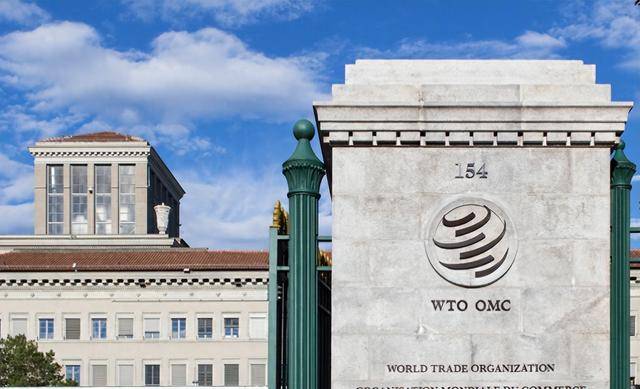
东边亮了!美国盟友集体反水,全球贸易版图必将重写...
Sou Hu Cai Jing· 2025-10-06 09:40
世界贸易组织3日在瑞士日内瓦召开服务贸易理事会年度第三次会议。中方主动设置议题,揭批美国"对等关税"单边主义和保护主义本质,指出美国限制 措施对全球服务贸易带来负面溢出影响,要求美方切实遵守世贸组织规则,与各方共同促进全球服务贸易健康稳定发展。 "五眼联盟"的裂痕更具标志性。英国商业大臣雷诺兹宣布重启中英经贸联委会,年内访华推动贸易升级,在北海风电和数字丝绸之路项目上与中国签下32 亿英镑大单。要知道,英国2024年对华贸易额达1230亿英镑,占外贸总额14.7%,在脱欧后经济衰退的背景下,中国市场已成其救命稻草。澳大利亚的摇 摆同样戏剧化:在终止中企租约导致千亿澳元蒸发、牛肉出口暴跌40%后,总理阿尔巴尼斯终于公开拒绝美国的"脱钩"要求。毕竟中国吸纳了其38.6%的 出口额,没人愿意和自己的钱包过不去。 除此之外, 中方还要求美方切实遵守世贸组织规则,与各方加强对话与合作,共同维护全球服务贸易繁荣稳定。中方愿与所有成员共同努力,不断深化 服务贸易领域开放水平,为全球服务贸易的健康稳定发展贡献更大力量。 这场没有硝烟的会议,清晰地照出一个事实,美国用霸权筑起的壁垒,正在变成困住自己的牢笼,曾经那些围绕在身边的 ...

特朗普再抱怨中国不买大豆,美国不明确反台独,生意不做也罢
Sou Hu Cai Jing· 2025-10-06 03:45
Core Viewpoint - The article discusses the negative impact of Trump's soybean tariff policy on American farmers and the shift in China's soybean sourcing from the U.S. to South America, highlighting the political implications and the changing dynamics of U.S.-China trade relations [1][22]. Group 1: Tariff Policy and Its Consequences - Trump's initial 34% tariff on Chinese soybeans in 2018 aimed to pressure China but resulted in a significant reduction in U.S. soybean exports, with China decreasing its import share from 34.4% to 18.9% [2]. - By 2025, the situation worsened, with China halting all soybean purchases from the U.S. for the first time in 30 years, leading to a surplus of 7 million tons in U.S. warehouses and prices dropping below $8 per bushel [4]. - The U.S. soybean farmers faced losses exceeding $100 per acre, with some expressing that they were growing "political bombs" instead of soybeans [4]. Group 2: Competition from South America - Argentina seized the opportunity created by U.S. tariffs by eliminating its soybean export tax, capturing 12 million tons of orders from China, despite its soybeans being $40 per ton more expensive than U.S. soybeans [5]. - Brazil also increased its soybean exports to China, reaching a record 66 million tons in the first eight months of 2025, while China established a blockchain platform with Brazil and Argentina to ensure the authenticity of soybean sources [7]. Group 3: Farmer Sentiment and Political Ramifications - U.S. farmers expressed dissatisfaction with government subsidies, stating they prefer market access over financial aid, as previous subsidies primarily benefited middlemen [9]. - The agricultural states, crucial for the Republican Party, are showing signs of discontent, pressuring Trump to find solutions as the trade war continues to escalate [11]. Group 4: Broader Political Context - The article suggests that China's refusal to purchase U.S. soybeans is tied to deeper political issues, particularly regarding Taiwan, which China views as a core interest [13][15]. - China's recent agricultural strategies, including a "soybean revitalization plan" aiming for a production increase to 21 million tons by 2025, indicate a long-term shift away from reliance on U.S. soybeans [17]. Group 5: Long-term Trade Implications - If China completely stops importing U.S. soybeans, the U.S. could face an annual loss of $12 billion in export revenue, which would represent 90% of the projected trade volume with China in 2024 [19]. - The global soybean trade landscape has permanently shifted, with Brazil and Argentina emerging as the new "grain warehouses," diluting the U.S. market share [19].
新华财经早报:10月5日
Xin Hua Cai Jing· 2025-10-05 00:58
Group 1 - China criticized the US "reciprocal tariff" measures at the WTO, calling for all parties to jointly maintain the global service trade order [1] - During the first four days of the National Day and Mid-Autumn Festival holiday, key retail and catering enterprises in China saw sales increase by 3.3% year-on-year [1] - The Ministry of Transport raised the typhoon defense response to level two due to Typhoon "Maidum," which is expected to make landfall in Guangdong and Hainan [1] Group 2 - The Ministry of Water Resources initiated a level four emergency response for flood prevention in four provinces due to Typhoon "Maidum," predicting significant rainfall and potential flooding [1] - The National Railway Group reported that on October 3, over 18.16 million passengers were sent by rail, with expectations of continued high passenger flow [1] - In September, the A-share market completed a total of 40.616 billion yuan in refinancing, a nearly 30% increase month-on-month [1]

中方在世贸组织批评美国“对等关税”措施 呼吁各方共同维护全球服务贸易秩序
Xin Hua Wang· 2025-10-04 10:37
Core Viewpoint - The article highlights China's criticism of the United States' unilateral "reciprocal tariffs" and protectionist measures during the WTO Services Council meeting, emphasizing the negative spillover effects on global service trade and calling for adherence to WTO rules to promote healthy and stable global service trade development [1]. Group 1 - China actively set the agenda at the WTO meeting, condemning the essence of the U.S. unilateralism and protectionism, and pointing out the adverse impacts of U.S. restrictions on global service trade [1]. - The document submitted by China states that service trade is becoming a crucial engine for global trade growth, providing developing countries with more opportunities to integrate into the global value chain [1]. - The U.S. has historically been the largest service trade surplus country, yet it selectively discusses trade losses in goods while ignoring gains in services, showcasing a double standard [1]. Group 2 - Other member countries, including India, Brazil, Egypt, and Pakistan, echoed China's statements, emphasizing the importance of a multilateral trade system for global trade operations and the need for stability and predictability in regulatory policies [2]. - The service sector is identified as a vital component of the global supply chain and the future of global trade, necessitating collaborative efforts to ensure healthy and stable global trade development [2].
商务部表态!
Sou Hu Cai Jing· 2025-10-04 00:15
Core Viewpoint - Mexico has initiated multiple anti-dumping investigations against Chinese products, which China firmly opposes as a form of protectionism that harms its legitimate rights and interests [1] Group 1: Anti-Dumping Investigations - Mexico's Ministry of Economy has launched four anti-dumping investigations against Chinese products including float glass, self-adhesive tape, PVC coated cloth, and steel bolts [1] - This year, Mexico has conducted a total of 11 anti-dumping investigations against Chinese products, nearly double the total from the previous year [1] Group 2: China's Response - China emphasizes the need for countries to collectively oppose unilateralism and not allow protectionism to spread, especially under external pressure [1] - The Ministry of Commerce has initiated an investigation into Mexico's proposed increase in import tariffs and other trade investment restrictions against China, based on relevant regulations [1] - China will take all necessary measures, including in trade and investment, to firmly protect the legitimate rights and interests of its enterprises based on the investigation results and actual circumstances [1]