
贸易保护主义

Search documents
“全球近20%进口商品受到关税等措施影响”
第一财经· 2025-12-04 03:26
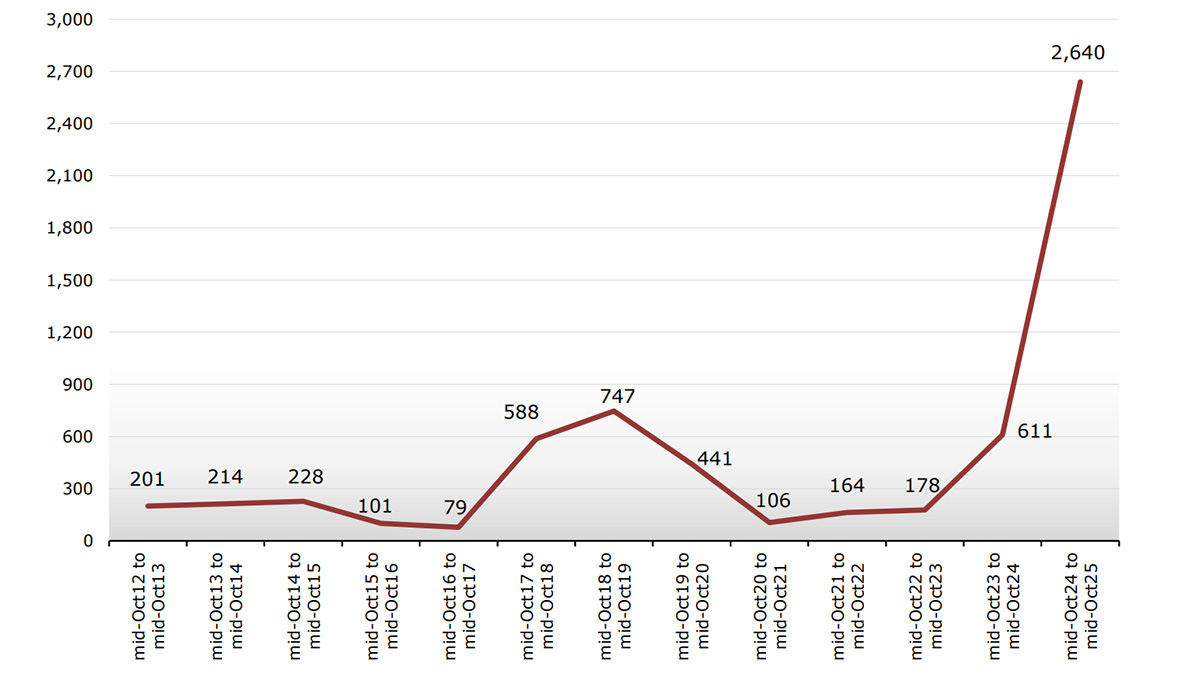
Core Viewpoint - The WTO's annual report indicates a significant increase in global trade protectionism, with the impact of new tariffs and measures on imports growing over fourfold compared to the previous year, marking the highest level in over 15 years [3][6]. Group 1: Trade Measures and Impact - From mid-October 2024 to mid-October 2025, $2.64 trillion of global imports will be affected by tariffs and other trade measures, a fourfold increase from $611 billion in the previous period [6]. - The total trade affected, including export measures, is approximately $2.966 trillion, compared to $888 billion recorded in the last report, indicating a threefold increase [6]. - WTO members initiated an average of 32.3 trade remedy investigations per month during the review period, slightly lower than the peak of 37.3 expected in 2024, suggesting potential for more measures to be implemented [6]. Group 2: Trade Growth Projections - The WTO projects a 2.4% growth rate for global goods trade in 2025, with a further slowdown to 0.5% in 2026, driven by early imports and strong demand for AI-related products [7]. - The first half of 2025 is expected to see stronger trade growth due to sustained trade increases among most WTO members, particularly developing economies [7]. Group 3: Services Trade - The WTO forecasts that global commercial services trade volume will grow by 4.6% in 2025 and 4.4% in 2026, outpacing goods trade growth [3]. - Digital services are highlighted as the most dynamic sector, with growth rates projected at 6.1% for 2025 and 5.6% for 2026, driven by the digital revolution [9]. - The importance of integrating services into national development strategies is emphasized, as services are crucial for economic diversification and resilience [10]. Group 4: Challenges in Services Trade - Despite its economic significance, services trade has not received adequate policy attention, with barriers often being more challenging to identify compared to goods trade [11]. - Many developing and least developed countries continue to be marginalized in global services trade, missing opportunities for growth and employment [11].

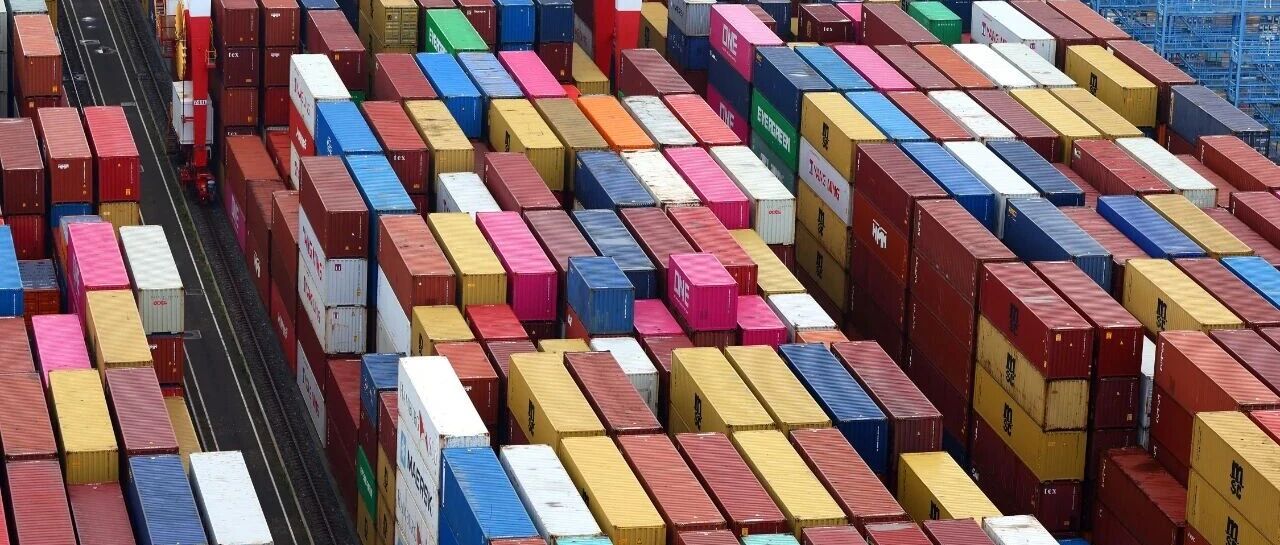
WTO总干事:全球近20%进口商品受到关税等措施影响
Di Yi Cai Jing· 2025-12-04 01:57
Group 1: Global Trade Environment - The WTO's annual report indicates that the portion of global goods imports affected by new tariffs and other import measures is set to increase more than fourfold from the previous 12 months, reaching a record high in over 15 years of trade monitoring [1][6] - WTO Director-General Iweala stated that the global trade system is experiencing the most severe turmoil in 80 years, with a significant rise in unilateral tariff measures, geopolitical tensions, and regional conflicts [2] - Nearly one-fifth (19.7%) of global imports are impacted by tariffs and similar measures introduced since 2009, up from 12.6% a year ago [2] Group 2: Trade Growth Projections - The WTO forecasts a 2.4% growth in global goods trade for 2025, with a further 0.5% growth in 2026 [8] - The report highlights that the total trade affected by tariffs and other measures is approximately $29.66 billion, significantly higher than the previous report's $8.88 billion [6] Group 3: Service Trade Insights - The WTO predicts that global commercial services trade volume will grow by 4.6% in 2025 and 4.4% in 2026, outpacing the growth of goods trade [4] - Digital services are identified as a particularly dynamic sector, with expected growth rates of 6.1% and 5.6% for 2025 and 2026, respectively [9] Group 4: Trade Policy and Challenges - Trade remedy measures, especially anti-dumping measures, remain a crucial trade policy tool for many WTO members, accounting for 46.5% of all recorded goods trade measures [7] - The report also notes that many developing economies continue to be marginalized in global service trade, missing opportunities for growth and employment [11]
于逆风中守护,在大潮中前行(寰宇平) ——世界贸易组织成立三十周年之思考
Ren Min Ri Bao· 2025-12-03 21:58
在历史的十字路口,是筑起隔绝的"墙",还是搭建开放的"桥"?面对经济全球化大势,任何一个国家, 无论大小强弱,一旦背离了潮流大势,终将落后于时代 国际经贸格局正处于深度变革之中。在世界贸易组织成立30周年之际,国际贸易体系呈现出两个突出特 点:一方面,个别国家发起的贸易战、关税战,严重冲击世界经济、损害国际贸易规则;另一方面,各 国面对挑战主动求变,各类区域和多边贸易协定激增。有国际观察人士担忧,全球经贸合作版图正被一 种由地缘政治博弈塑造的"丘陵地貌"所侵蚀。以规则为基础的多边贸易体制,这个曾经的世界经济"稳 定器",正面临前所未有的考验。 长远看,世界需要一个什么样的经贸秩序?多边贸易体制将何去何从?回答这两个问题,需要以客观理 性的全方位观察为基础,在纷乱形势中把握人心所向、大势所趋,避免一叶障目,才能不断汇聚共识和 力量,推动国际经贸合作行稳致远。 面对危机,各方的"应激反应"有其必然性。过去几十年,经济全球化高速发展已形成各国利益的深度互 嵌——世界经济这片汪洋大海,不会因局部暗礁而改变奔涌方向。正如美国哥伦比亚大学教授杰弗里· 弗里登所指出,单一国家摒弃多边主义并不意味着多边贸易体系终结,只要其他 ...
全球政商领袖齐聚从都,在逆风中找寻新路
2 1 Shi Ji Jing Ji Bao Dao· 2025-12-03 10:06
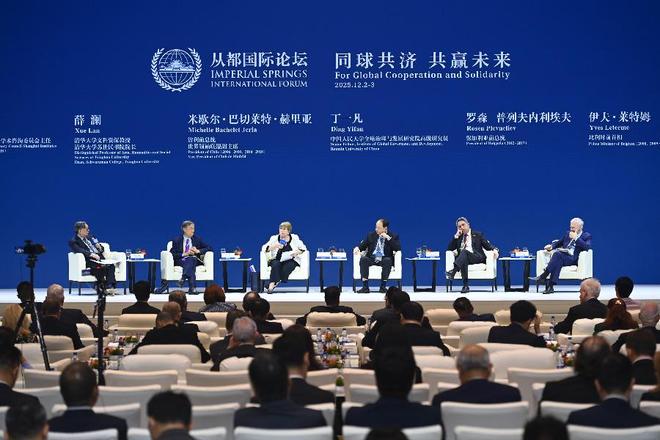
Group 1 - The 2025 Forum in Guangzhou gathered over 200 global leaders and experts to discuss international cooperation and development amidst rising protectionism and unilateralism [1] - The OECD forecasts global economic growth rates of 3.2% and 2.9% for the next two years, with a slowdown expected in 2026 due to the impact of increased tariffs [3] - Former leaders emphasized the unsustainability of trade protectionism and its negative effects on global supply chains and free trade [3] Group 2 - French President Macron's upcoming visit to China is seen as a positive signal for strengthening Sino-French relations, particularly in climate change and digital innovation [4] - The forum highlighted China's commitment to open cooperation and multilateralism, which could inject more momentum and certainty into the global economy [4] - Discussions included the need for reform in international financial systems to give developing countries a greater voice in shaping the global economic landscape [5] Group 3 - The forum addressed the challenges posed by technological revolutions, particularly in AI governance and the need for international oversight to prevent monopolization [5][6] - China's open-source model in AI is expected to benefit developing countries by providing access to advanced technologies at lower costs [6] - The "14th Five-Year Plan" emphasizes high-quality economic development and technological self-reliance, which is significant for the global economic landscape [7] Group 4 - The Chinese market is expected to improve exports to the US in 2026, while European markets may remain subdued due to inventory adjustments [7] - China's advancements in AI, particularly in large models, position it among the global leaders, with a focus on integrating AI across various sectors [7][8]
经合组织:维持今明两年全球经济增长预期 AI热潮与贸易风险并存
Yang Shi Wang· 2025-12-03 06:09
经合组织发布的报告预计,今明两年全球经济增速分别为3.2%和2.9%,与今年9月预测一致。报告 指出,三方面因素共同支撑全球需求。一是扩张性宏观政策,二是市场对新技术的积极预期,三是人工 智能带动贸易和投资增长。但报告同时发出警告,认为全球经济风险正在累积。具体包括:贸易保护主 义升级可能严重损害全球供应链和产出,人工智能领域资产高估(值)可能突然回调,各国财政脆弱性 可能阻碍经济增长。 报告还提及美国经济面临的风险,如需求承压、通胀顽固、就业市场疲软及巨额赤字。数据显示, 美国涉及加征关税的进口商品总值较非征税进口商品明显下降,说明关税正抑制美国国内需求,预计贸 易量将继续承压。由于就业市场降温、关税抬高消费价格,美国家庭消费增长将继续放缓,通胀可能更 加持久,从而减少降息空间。报告预测,美国经济增速将由2024年的2.8%降至今年的2.0%,明年进一 步放缓至1.7%。 央视网消息:经济合作与发展组织2日发布最新经济展望报告。报告指出,今年全球经济韧性超出 预期,但仍面临贸易壁垒、人工智能泡沫和财政脆弱性等风险。 报告还认为,美国关税对全球经济的影响正逐步显现,并传导至支出、企业成本以及消费价格。经 合组 ...
对话前联大主席:贸易是终极目的,多边金融机构需要深刻变革
2 1 Shi Ji Jing Ji Bao Dao· 2025-12-03 04:00
当前全球贸易身处保护主义的漩涡,如何捍卫多边主义、与不确定性共存,成为论坛的一大讨论方向。 第73届联合国大会主席、厄瓜多尔前外长玛丽亚.费尔南达.埃斯皮诺萨(María Fernanda Espinosa Garcés) 在接受21世纪经济报道记者采访时,强调了开展国际贸易的重要性,"一些国家声称国家利益至上,但 现实表明,国家之间的相互依存程度日益加深。每个国家都需要其他国家来满足自身的需求。这需要合 作,需要互动。" 而在贸易保护主义抬头的背景下,埃斯皮诺萨仍坚信世界贸易组织、世界银行等多边机构对世界经济运 行的必要性,"但是我们需要对国际金融体系进行深刻改革,让发展中国家在全球经济格局的塑造中拥 有更大的发言权和影响力。" 埃斯皮诺萨于2018年至2019年间担任联合国大会主席,是历史上第四位女性联大主席,也是第一位来自 拉丁美洲和加勒比地区的联大主席。埃斯皮诺萨曾两度担任厄瓜多尔外交部长,并出任国防部长。2008 年,她成为首位担任厄瓜多尔常驻联合国纽约总部代表的女性。 南方财经21世纪经济报道记者赖镇桃广州报道 12月1日至3日,由澳中友好交流协会、中国人民对外友好协会、广东省人民政府和世界领袖联 ...
全球经济显现韧性 美国关税影响进一步显现
Xin Hua Wang· 2025-12-03 02:22
Group 1 - The OECD's latest economic outlook report forecasts global economic growth rates of 3.2% for 2024 and 2.9% for 2025, consistent with previous predictions made in September 2023 [1] - The report highlights that while global economic resilience has exceeded expectations this year, risks such as trade barriers, AI bubble, and fiscal vulnerabilities remain [1] - The report anticipates that U.S. economic growth will decline from 2.8% in 2024 to 2.0% in 2025, further slowing to 1.7% in 2026, influenced by tariffs, slowing private consumption, and federal government shutdowns [1] Group 2 - The report indicates that the expansionary macroeconomic policies, positive market expectations for new technologies, and growth in trade and investment driven by AI are supporting global demand [1] - It warns that potential risks to the global economy are accumulating, including the escalation of trade protectionism, overvaluation of assets based on optimistic AI development expectations, and fiscal vulnerabilities hindering economic growth [1] - The report emphasizes that the impact of U.S. tariffs on the global economy is becoming more evident, affecting spending choices, corporate costs, and consumer prices, with these effects being particularly pronounced in the U.S. [1] Group 3 - The report identifies risks facing the U.S. economy, such as demand pressure, persistent inflation, a weak labor market, and significant deficits [2] - It shows that the total value of imported goods subject to tariffs has significantly decreased compared to non-tariffed imports, indicating that tariffs are suppressing overall U.S. demand, with trade volumes expected to remain under pressure [2] - The report stresses the need for countries to work towards easing trade tensions, reducing policy uncertainty, curbing inflation, addressing financial risks, and advancing reforms to enhance productivity [2]
围剿!美欧同时对中国电商出手,卖家又一生死局如何破?
Sou Hu Cai Jing· 2025-12-03 01:47
Core Viewpoint - The new wave of compliance challenges in cross-border e-commerce is driven by geopolitical tensions, with significant regulatory actions from the US and EU targeting Chinese products, marking the end of an era characterized by rapid growth based on price advantages and platform benefits [1] Group 1: Regulatory Environment - The US Congress has issued a "final ultimatum" to Amazon, requiring full disclosure of product origin information by November 28, including the percentage of US-made components and seller entity attributes [2] - The EU has initiated an anti-dumping investigation into Chinese robotic lawnmowers, citing systemic cost and price distortions in production, with a one-year investigation period [3] - Germany has announced a 23% VAT on all e-commerce packages from China, effective November 24, eliminating previous tax exemptions, with nearly 70% of international small packages entering Europe originating from China [3] Group 2: Underlying Causes - The tightening of regulations is influenced by rising trade protectionism, with countries focusing on domestic manufacturing and supply chain security post-pandemic [5] - The competition for supply chain dominance is intensifying, as Chinese cross-border e-commerce shifts from low-cost distribution to brand and localization strategies [5] - Data security concerns are emerging as new trade barriers, with US lawmakers emphasizing the need to identify whether sellers are US entities, reflecting deeper worries about data flow [5] Group 3: Impact on Chinese Sellers - The introduction of a 23% VAT in Germany significantly erodes profit margins for low-margin sellers, with an example showing a nearly 5 Euro tax increase on a 20 Euro product [7] - The potential for high anti-dumping duties from the EU could undermine the competitiveness of Chinese high-tech products, particularly robotic lawnmowers, which saw an 80.6% increase in exports to the EU in the first nine months of the year [7] - Compliance complexity is increasing, as Amazon's origin labeling requirements necessitate sellers to overhaul their supply chain data management systems, posing significant challenges for small and medium-sized sellers [7] Group 4: Strategic Solutions - A fundamental strategic shift is required for Chinese cross-border e-commerce, focusing on building brand value rather than competing solely on price [10] - Developing compliance capabilities should be viewed as a core competitive advantage, with the establishment of specialized compliance teams to monitor legal changes in target markets [10] - Diversifying market presence is crucial to mitigate risks associated with over-reliance on a single market, with opportunities in emerging markets and localized operations through overseas warehouses [10] - Embracing technological changes to reshape marketing strategies is essential, as AI-driven tools like Amazon's shopping assistant can significantly enhance conversion rates [10] - Building supply chain resilience through diversified production locations and partnerships with local firms can help balance cost and compliance needs [10] Group 5: Industry Evolution - The cross-border e-commerce sector is transitioning from a focus on quick profits to a more mature, detail-oriented approach, with compliance becoming a competitive edge [11] - Sellers who adapt quickly to the new regulatory environment may find opportunities for transformation, positioning themselves as leaders by prioritizing compliance and brand development [11]


【环球财经】经合组织维持今明两年全球经济增速预期
Xin Hua She· 2025-12-02 12:33
Core Viewpoint - The OECD's latest economic outlook report forecasts global economic growth rates of 3.2% for this year and 2.9% for next year, consistent with predictions made in September [1] Group 1: Economic Growth Drivers - Expansionary macroeconomic policies, positive market expectations for new technologies, and growth in trade and investment driven by artificial intelligence are supporting global demand [1] Group 2: Potential Risks - The report warns of accumulating potential risks to the global economy, including the escalation of trade protectionism that could severely damage global supply chains and output [1] - Overvaluation of assets based on optimistic expectations surrounding artificial intelligence development may lead to sudden corrections [1] - Fiscal vulnerabilities in various countries could hinder economic growth [1]
经合组织:全球经济显现韧性 美国关税影响进一步显现
Xin Hua Wang· 2025-12-02 10:41
Group 1 - The OECD's latest economic outlook report forecasts global economic growth rates of 3.2% for 2024 and 2.9% for 2025, consistent with previous predictions made in September 2023 [1] - The report highlights that the resilience of the global economy has exceeded expectations this year, but risks such as trade barriers, AI bubble, and fiscal vulnerabilities remain [1] - The report anticipates that U.S. economic growth will decline from 2.8% in 2024 to 2.0% in 2025, and further slow to 1.7% in 2026, influenced by tariffs, slowing private consumption, and federal government shutdowns [1] Group 2 - The report indicates that the expansionary macroeconomic policies, positive market expectations for new technologies, and growth in trade and investment driven by AI are supporting global demand [1] - It warns that potential risks to the global economy are accumulating, including the escalation of trade protectionism, overvaluation of assets based on optimistic AI development expectations, and fiscal vulnerabilities hindering economic growth [1] - The report emphasizes that the impact of U.S. tariffs on the global economy is becoming more evident, affecting spending choices, corporate costs, and consumer prices [1] Group 3 - The report identifies risks facing the U.S. economy, such as demand pressure, persistent inflation, a weak labor market, and significant deficits [2] - It shows that the total value of imported goods subject to tariffs has significantly decreased compared to non-tariffed imports, indicating that tariffs are suppressing overall U.S. demand [2] - The report stresses the urgency of reducing the substantial deficit, as the current fiscal policy path in the U.S. is unsustainable [2] Group 4 - The OECD calls for countries to work towards easing trade tensions, reducing policy uncertainty, curbing inflation, addressing financial risks, and promoting reforms to enhance productivity [2] - OECD Secretary-General Mathias Cormann states that constructive dialogue among countries is key to sustainably alleviating trade tensions and improving global economic prospects [2] - An open and smoothly functioning global market is essential for improving living standards and promoting economic growth [2]