经济安全

Search documents
安世半导体等事件表明:欧洲的“自由已死”
Sou Hu Cai Jing· 2025-10-15 18:02
Core Points - The article discusses Europe's shift away from its previously upheld values of freedom and democracy, highlighting a growing trend of protectionism and strategic intervention in the economy [1][4][12] - It emphasizes the contradiction between Europe's historical advocacy for free markets and its current actions that undermine these principles, particularly in relation to Chinese companies [3][8][10] Group 1: Economic and Trade Policies - The Dutch government's intervention in the Chinese company Nexperia, freezing its assets and operations, is cited as a significant example of this shift towards protectionism [4][5] - The EU is considering mandatory technology transfers from Chinese firms as a condition for market access, which is seen as a violation of free market principles [4][7] - The article argues that the concept of a "fair competitive environment" in Europe has effectively disappeared, replaced by political interference in business [7][11] Group 2: Geopolitical Implications - The narrative suggests that Europe now views foreign competitors, especially from China, as systemic threats, leading to a reevaluation of normal business practices through a geopolitical lens [5][11] - The shift indicates a broader trend of rewriting rules that were once considered protectionist, now framed as necessary for economic security and strategic autonomy [8][10] - The article warns that this approach could lead to a stagnation in innovation and competitiveness within Europe, locking it into a cycle of decline [12] Group 3: Ideological Contradictions - The article highlights the hypocrisy of Western nations that once championed free trade but are now adopting protectionist measures under the guise of economic security [8][10] - It points out that the weaponization of values like "freedom" and "democracy" serves to create political boundaries and justify selective criticism of geopolitical rivals [10][11] - The conclusion suggests that Europe's current trajectory may ultimately reveal the fragility of its previously held narratives about freedom and market principles [12][14]


环球时报社评:荷兰不要低估中方维护正当权益的决心与能力
Xin Lang Cai Jing· 2025-10-13 23:23
Core Viewpoint - The Dutch government announced on October 12 that it has made a "very special" decision to intervene in the operations of Nexperia, a semiconductor company owned by China's Wingtech Technology, due to potential risks to "economic security in the Netherlands and Europe" [1] Group 1 - The Dutch Ministry of Economic Affairs issued an administrative directive on September 30, restricting Nexperia and its affiliated entities' operational decisions and effectively stripping Chinese shareholders of normal control [1] - The intervention is perceived as a significant disturbance to a Chinese-controlled chip company under the guise of "national security" concerns [1]

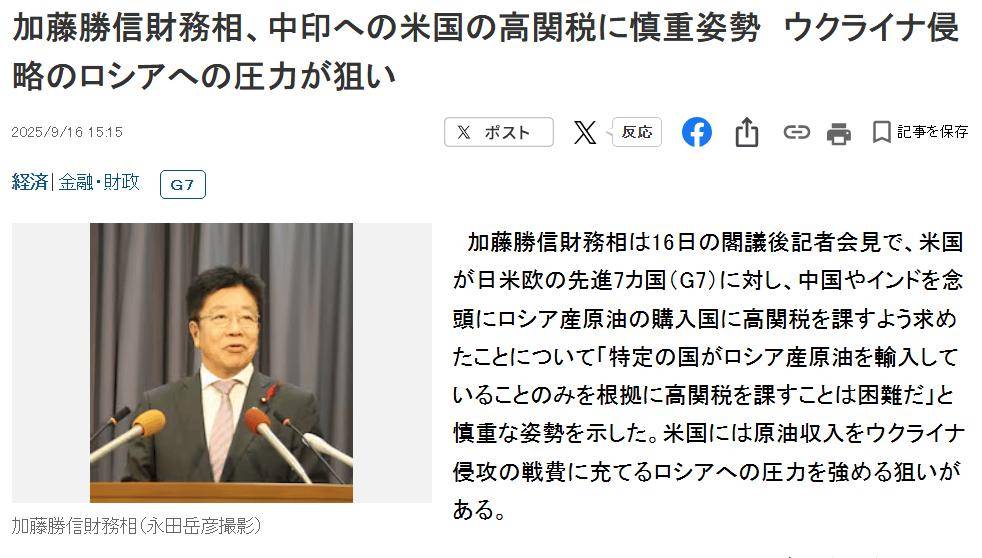
明确拒绝美国对中俄加征关税,日本怎么敢的?
Sou Hu Cai Jing· 2025-09-23 05:55
Group 1 - The core viewpoint of the article is that Japan has rejected the U.S. proposal to impose higher tariffs on China and Russia, reflecting the complexities of international trade relations and the shifting strategic landscape in the Asia-Pacific region [1][5][7] Group 2 - The U.S. proposed a coordinated action with Japan to impose higher tariffs on Chinese and Russian products, aiming to create a broader economic pressure alliance against these countries [5][7] - Japan's rejection is based on economic considerations, as China is Japan's largest trading partner, and imposing tariffs would harm Japanese businesses and increase operational costs [7][10] - Japan's energy and food security is also at stake, as it has a certain level of dependency on Russia, and increasing tariffs could weaken this relationship [7][8] Group 3 - Japan's decision reflects a geopolitical strategy to balance relations between the U.S. and China, maintaining its strategic autonomy while being a traditional ally of the U.S. [10][12] - Japan emphasizes the importance of multilateral trade systems and has consistently supported the WTO framework, opposing unilateral tariff measures [12][19] Group 4 - The rejection of the tariff proposal may lead to significant implications for trilateral relations among the U.S., China, and Japan, potentially causing dissatisfaction from the U.S. but also a better understanding of Japan's geopolitical situation [13][15] - Japan's stance supports regional economic integration in the Asia-Pacific, particularly in light of the Regional Comprehensive Economic Partnership (RCEP) [15][17] Group 5 - Japan's refusal to follow the U.S. in imposing tariffs signifies a shift in its foreign policy towards a more independent and balanced approach, moving away from sole reliance on the U.S. [18][19] - The importance of economic security is increasingly recognized in Japan's national strategy, as it seeks to maintain economic ties with both the U.S. and China [19][20]
地缘经济论 | 第六章 地缘经济新格局下的产业发展战略
中金点睛· 2025-09-23 00:14
Core Viewpoint - The article discusses the competitive geoeconomic strategy of the Trump administration, emphasizing the importance of economic security as a core component of national security, particularly focusing on the manufacturing sector and strategic industries [2][3][4]. Group 1: Competitive Geoeconomic Strategy - The Trump administration's geoeconomic strategy has shifted towards a more competitive stance, challenging globalization and emphasizing economic goals over political ones [4][5][10]. - The strategy aims to ensure economic scale advantages based on a specific industrial structure, particularly in high-tech manufacturing [15][16]. - The focus on economic security reflects a broader trend where economic and national security concerns are increasingly intertwined, leading to a more aggressive use of tariffs and investment policies [12][15]. Group 2: Manufacturing and Strategic Industries - The article highlights the significance of reinforcing the manufacturing base in the U.S. economy, noting that while the manufacturing sector's GDP share is low, its total output remains substantial [17][19]. - The U.S. military-industrial complex is particularly emphasized, with American firms leading globally in military revenue, indicating a strong manufacturing foundation [19][21]. - The competitive strategy includes a focus on strategic industries that can provide both micro and macro geoeconomic power, particularly in high-tech sectors [36][37]. Group 3: Policy Implementation and Investment - The Trump administration has implemented various policies to promote domestic manufacturing, including tariffs and incentives for foreign direct investment (FDI) [14][25]. - The article notes a significant increase in FDI commitments during the Trump 2.0 period, particularly in the semiconductor industry, indicating a shift towards attracting foreign investment [25][26]. - The approach contrasts with the Biden administration's focus on political alliances and green energy, showcasing a divergence in economic strategies [10][11][40]. Group 4: Implications for Global Trade - The competitive geoeconomic strategy has led to a decentralization of global supply chains, with U.S. trade patterns shifting towards neighboring countries like Canada and Mexico [26][28]. - The article suggests that the U.S. strategy has resulted in increased exports from allies while potentially weakening China's geoeconomic power due to the outflow of manufacturing capabilities [31][32]. - The emphasis on "friend-shoring" and "on-shoring" reflects a broader trend of reshaping global trade dynamics in response to geopolitical tensions [26][28]. Group 5: Importance of Industrial Policy - The article argues for a greater emphasis on industrial policy, particularly demand-side policies, to enhance economic security and competitiveness [42][43]. - It highlights the need for targeted government interventions to influence economic structures and maintain strategic advantages in key industries [44][46]. - The increasing use of industrial policies globally since 2018 underscores the urgency for nations to adapt to the evolving geoeconomic landscape [48][50].



美国图谋打压中国海底电缆业后,日本被曝打算跟进:换下中企供应商
Guan Cha Zhe Wang· 2025-09-15 13:19
Core Viewpoint - Japan is planning a comprehensive inspection of its submarine cable infrastructure, focusing on whether companies have used key components from Chinese suppliers, following similar actions by the United States [1][3]. Industry Overview - The global submarine cable market is dominated by three companies: SubCom (USA), NEC (Japan), and Alcatel Submarine Networks (France), which together hold about 90% market share. Since 2008, Chinese companies have entered the market, now accounting for approximately 98% of the global submarine cable manufacturing and installation alongside the aforementioned companies [1][3]. Government Actions - The Japanese government will conduct an investigation during the fiscal year ending March 2026, encouraging companies to replace Chinese components if found. Concerns about rising costs may lead the government to consider subsidies to support these companies [1][3]. - Japan's reliance on submarine cables is critical, as 99% of its international communications depend on them. Any damage or delays in repair could severely impact financial transactions and daily life [3][4]. Supply Chain and Infrastructure - The investigation will also assess the operational capabilities of companies in laying and maintaining cables, which require specialized vessels. Currently, only KDDI and NTT own such vessels, while others rely on rentals [4][5]. - A fund of $440 million was established in 2022 to encourage the construction of more cables, and future amendments to the Economic Security Promotion Act may include submarine cable services as strategic [5][6]. Geopolitical Context - Japan's actions align with U.S. efforts to exclude Chinese companies from the submarine cable supply chain, citing national security concerns. This has raised alarms about Japan's dependency on Chinese vessels for cable maintenance [5][6]. - The U.S. has faced criticism for politicizing submarine cables, which are essential for global connectivity. Excluding Chinese suppliers could hinder rapid repairs of damaged cables, impacting infrastructure reliability [6][7].

中国反制有多狠?欧美承担不起联合对中国大帨加征关税的代价!
Sou Hu Cai Jing· 2025-09-15 09:13
Group 1 - The core argument is that the likelihood of the US and EU jointly imposing high tariffs on China is low due to the significant economic repercussions they would face domestically [1][10][11] - China's manufacturing sector holds a dominant position globally, accounting for approximately 33% of global manufacturing output, which is about $5.7 trillion, surpassing both the US and EU individually [3][4] - Historical context shows that previous tariff increases led to significant market reactions, with the US stock market declining and China’s stock market rebounding, indicating the interconnectedness of their economies [4][6] Group 2 - The internal conflicts between the US and EU complicate their ability to unite against China, as evidenced by the EU's dissatisfaction with trade agreements that favor the US [6][8] - Both the US and EU rely heavily on Chinese goods, with overlapping demand for key products, making it difficult to find alternative suppliers [8][9] - The ongoing high inflation in the US and EU poses a significant risk; imposing tariffs could exacerbate inflation, leading to public discontent and political repercussions [10][11] Group 3 - China's strong relationships with ASEAN and other regions provide it with a robust economic backing, contrasting with the US and EU's interdependent and often conflicting relationship [7][8] - The time required to rebuild manufacturing capabilities in the US and EU means they are not prepared to sever ties with China, as establishing new production facilities takes years [9][10]
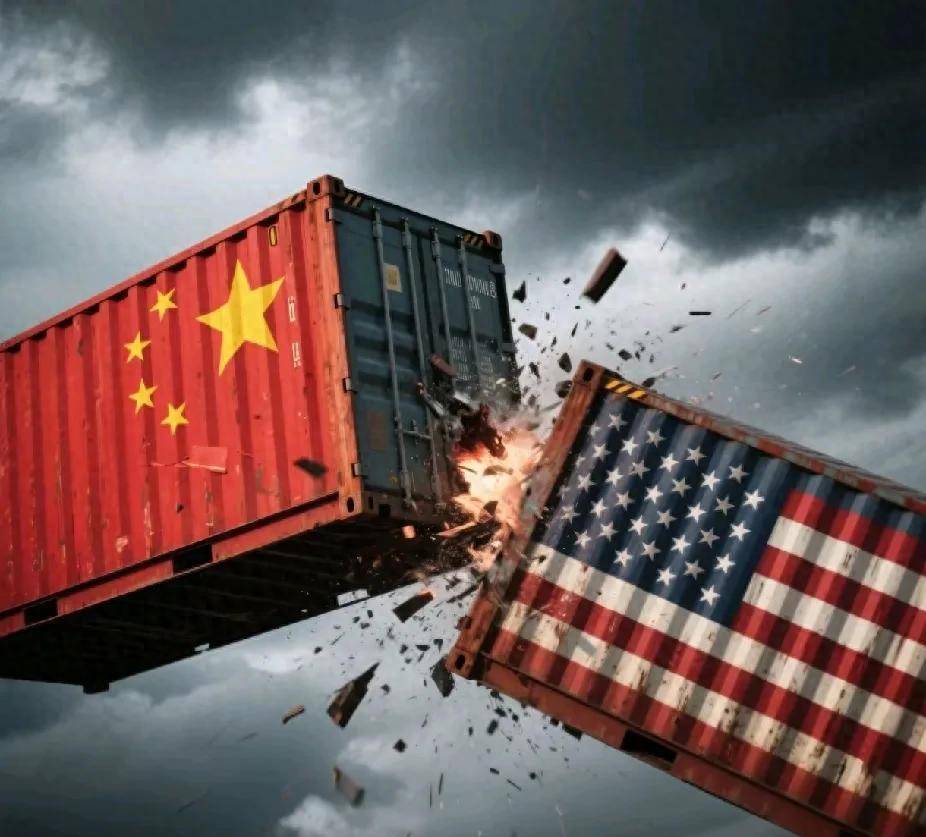
中国商务部正式通告全球,中美将在西班牙会谈:关税、管制、TikTok
Sou Hu Cai Jing· 2025-09-14 02:16
Group 1 - The core discussion points of the meeting between the Chinese delegation led by He Lifeng and the U.S. officials include unilateral tariffs, export controls, and TikTok [1] - The meeting is strategically held in Madrid from September 14 to 17, which is not in the U.S. or China, allowing for a neutral and low-profile environment to explore boundaries and limits [2] - The U.S. Treasury Secretary's visit also involves coordination with the UK, indicating that the topics discussed will encompass transatlantic and transpacific issues, including economic security and anti-money laundering cooperation [2]

韩新政府:供应链是经济创新的命脉
Shang Wu Bu Wang Zhan· 2025-09-05 17:34
Core Viewpoint - The South Korean government emphasizes the importance of supply chain stability as a foundation for economic innovation and resilience against crises, aiming to support local businesses in the global market [1] Group 1: Supply Chain Stability Initiatives - The South Korean government plans to implement a comprehensive financial support scheme for supply chain stabilization, covering the entire cycle from resource assurance to circulation and production [1] - Key products will be prioritized for domestic production, diversification of imports, and increased reserves to enhance supply chain stability [1] Group 2: Infrastructure and Crisis Response - The government aims to complete the first phase of an early warning system by the end of the year and will conduct practical training across departments to strengthen crisis response infrastructure [1] - A crisis response manual will be developed to guide actions during supply chain disruptions, ensuring preparedness [1]
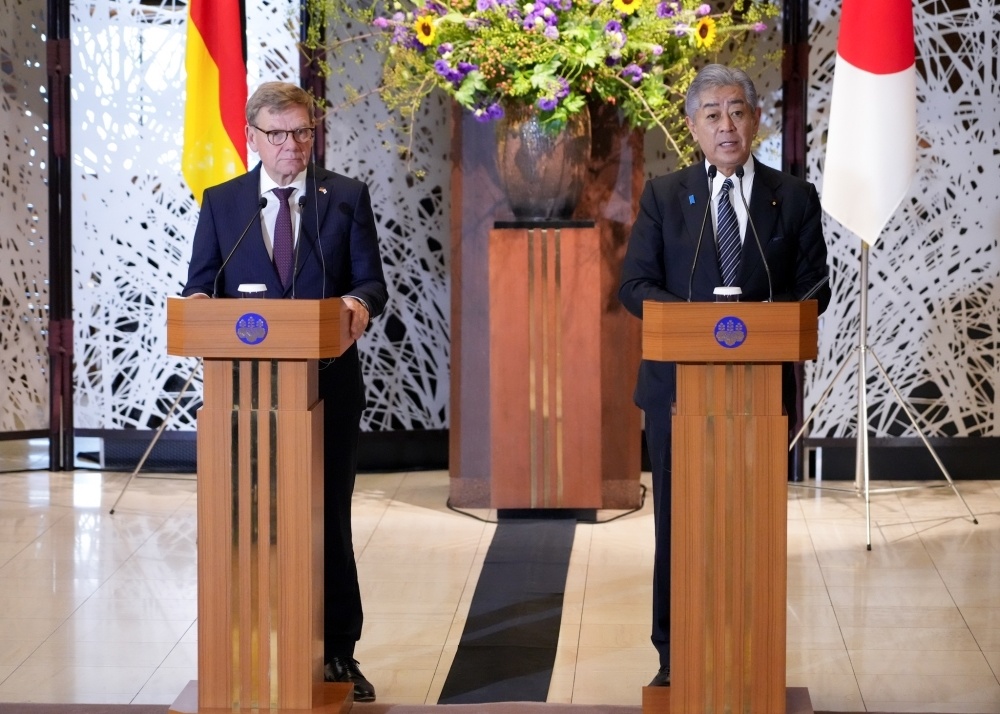
日媒:德国外长赴日与日本外相举行首次“战略对话”
Huan Qiu Wang· 2025-08-18 07:20
Group 1 - The core viewpoint of the article highlights the strategic dialogue between Germany and Japan, emphasizing their partnership in addressing regional security concerns, particularly regarding perceived threats from China and Russia [1][3]. - German Foreign Minister Baerbock expressed that Japan is a key partner for Germany in Asia, aiming to deepen cooperation through this strategic dialogue [3]. - Both parties agreed to hold a "2+2" meeting involving defense ministers and foreign ministers, and to enhance collaboration in areas such as cybersecurity, defense equipment development, and economic security [3]. Group 2 - The discussions included a shared perspective on the interconnectedness of the Atlantic and Indo-Pacific regions, with Japan welcoming Germany's involvement in Indo-Pacific affairs [3]. - Baerbock's statement prior to the visit underscored a joint stance against the so-called "China-Russia threat," criticizing China's actions in the Taiwan Strait, East China Sea, and South China Sea [3]. - The Chinese government has reiterated its position on Taiwan and South China Sea issues, opposing any military alliances or targeted military deployments under the guise of freedom of navigation [3].
默克尔早有预警,欧洲偏要制裁,如今2400亿教训来了
Sou Hu Cai Jing· 2025-07-25 14:00
Group 1 - The European Union has implemented its 18th round of sanctions against Russia, which includes a permanent ban on the Nord Stream 1 and 2 gas pipelines, affecting energy supply to Europe [1][4][12] - The economic loss for Germany due to the Russia-Ukraine conflict is estimated at approximately €240 billion, translating to over ¥1.8 trillion, indicating significant financial strain on the country [12][14] - 77% of German households report being overwhelmed by high energy bills, with 44% having to dip into savings to pay for electricity, highlighting the direct impact on ordinary citizens [14][16] Group 2 - The loss of affordable Russian gas has led to increased production costs for German industries, with major companies like BASF and Volkswagen relocating production to the United States, resulting in technology loss and job reductions [16][17] - Europe's political dependence on the U.S. has deepened, with countries like Hungary and Slovakia initially resistant to sanctions but ultimately conforming under pressure, indicating a loss of European autonomy [19][36] - The U.S. has profited significantly from the situation, selling liquefied natural gas to Europe at three times the price and attracting European companies to relocate, thereby gaining technology and jobs [25][27] Group 3 - The sanctions against Russia have not severely impacted Russia as anticipated; instead, it has successfully opened new markets in Asia, particularly with China and India, mitigating the effects of Western sanctions [29][32] - The trade volume between China and Europe is ten times that of Europe and Russia, emphasizing the critical economic relationship that could be jeopardized by potential European policies aimed at reducing reliance on China [48][50] - German industry leaders are advocating for deeper cooperation with China, recognizing the importance of the Chinese market for their exports and production [56][59]