
轻资产运营

Search documents
数字政通:公司未来自动驾驶战略聚焦“数据驱动+轻资产运营”的方向
Zheng Quan Ri Bao Wang· 2025-12-23 14:14
Core Viewpoint - The company, Digital政通, is focusing its future autonomous driving strategy on a "data-driven + light asset operation" approach, aiming to enhance intelligent applications in urban operations [1] Group 1: Strategic Focus - The company will continue to develop its self-research autonomous driving algorithm system, concentrating on low-speed, high-frequency scenarios such as urban distribution, inspection, and data collection [1] - The company is advancing its "Hundred Cities, Thousand Units" plan to expand its operational footprint [1] - The company aims to build a flexible supply system by collaborating with industry partners to create a model that combines self-developed algorithms, external hardware, and joint delivery [1] Group 2: Product Development and Deployment - The company is launching a product matrix that includes inspection, data collection, and cleaning products [1] - Demonstration operations have already been established in cities like Beijing, Tianjin, and Hefei, with plans to scale up while reducing costs and enhancing data operation capabilities and intelligent service levels [1]

盈利承压转型阵痛 跨国车企集体“降速御冬”
Zhong Guo Zheng Quan Bao· 2025-12-19 20:10
Core Insights - The global automotive market is undergoing an unprecedented deep adjustment, with major automakers like Volkswagen, Ford, and Mercedes-Benz implementing significant strategic changes in response to rising electric vehicle penetration, intensified market competition, and increasing profitability pressures [1][2][3] Strategic Adjustments - Volkswagen plans to shut down part of its traditional fuel vehicle production lines in Wolfsburg, Germany, affecting around 3,000 employees, as part of its "2030 strategy" adjustment, with a 25% reduction in R&D budget for traditional powertrains from 2025 to 2027 [1] - Ford has reduced its planned investment in electric vehicle transformation from $50 billion to $35 billion, delaying the launch of several electric models and halting the construction of a new battery factory in Germany [2] - Mercedes-Benz has initiated a three-year efficiency improvement plan aiming to cut costs by over €14 billion, focusing on optimizing supply chains and reducing non-core business investments [2] Market Pressures - The global automotive sales are projected to reach 88 million units in 2025, with electric vehicles accounting for over 42% of the market, an 8 percentage point increase from 2024, driven largely by growth in the Asian market [3] - Traditional automakers face significant profitability challenges, with Ford's electric vehicle segment expected to incur a loss of $4.5 billion in 2024, while Volkswagen's electric vehicle profit margin stands at only 3.2%, compared to 8.5% for traditional fuel vehicles [3][4] Industry Transformation - Automakers are shifting from large-scale investments and vertical integration to a light-asset operation model, focusing on strategic partnerships for battery supply rather than building in-house factories [4][5] - Companies are concentrating production capacity in high-growth markets and high-margin products, with Volkswagen increasing investment in new energy vehicles in emerging markets while reducing production in Europe [5] - Research and development budgets are being refocused on core technologies, with companies like Mercedes-Benz prioritizing autonomous driving and smart cockpit technologies [5] Future Outlook - The collective slowdown of major automakers is seen as a pragmatic response to short-term pressures and a necessary evolution in the industry's development stage, with only those able to adapt quickly to market changes and maintain financial stability likely to succeed in the long term [6]

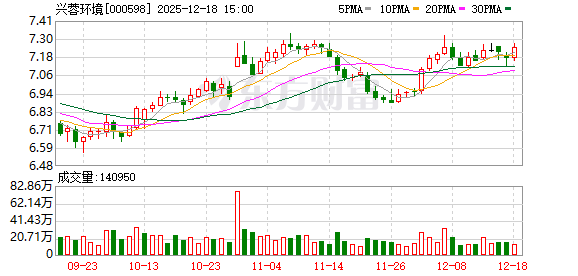
兴蓉环境:公司立足水务环保主业 持续推进供排净治一体化整合
Zheng Quan Ri Bao· 2025-12-18 08:17
Core Viewpoint - The company emphasizes a balanced development strategy of "internal growth and external mergers and acquisitions" while focusing on the integration of supply, drainage, and treatment in the water and environmental protection sector [2] Group 1: Business Strategy - The company is actively expanding its water and environmental resources in Chengdu and surrounding areas, enhancing cooperation within Sichuan province, and exploring markets outside the province to leverage scale effects and create incremental performance [2] - The company is focusing on extending its industrial chain by targeting niche markets such as reclaimed water utilization, kitchen waste disposal, waste oil resource recovery, and the resource utilization of incineration ash [2] - The company is also expanding into direct drinking water and bottled drinking water sectors, exploring strategic emerging markets in water and environmental protection [2] Group 2: Operational Focus - The company aims to develop "light asset" businesses, exploring areas such as entrusted operations, professional technical support/consulting, and water supply and drainage pipeline detection [2] - The company maintains a prudent approach in selecting investment targets, thoroughly evaluating project profitability, quality of returns, future prospects, and risk control factors [2] Group 3: Future Planning - The company plans to align closely with national and provincial "14th Five-Year" plans, further strategizing its medium to long-term development while supporting Chengdu's initiatives for industrial strength and park development [2] - The company aims to seize policy and market opportunities, deepen strategic layout, solidify its core business, and optimize its business structure [2] - The company is focused on its main responsibilities and exploring the creation of a "second growth curve" to enhance profitability and operational efficiency, thereby creating new competitive advantages and driving value growth through excellent performance [2]


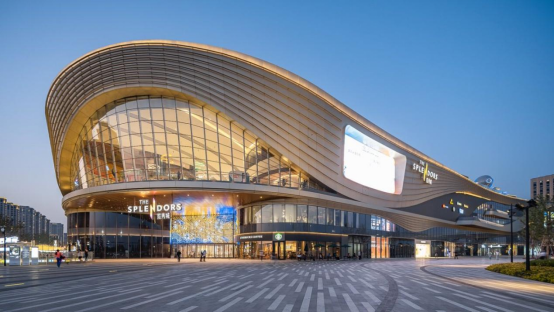
拿下梅龙镇广场20年租约:陈文博借城市更新加速恒隆转型
2 1 Shi Ji Jing Ji Bao Dao· 2025-12-17 12:43
Core Insights - Hang Lung Group is transitioning its business model from incremental development to optimizing existing assets, marking a significant shift in its strategy [1][2][7] - The company has signed a 20-year lease for the Nanjing West Road 1038 commercial property, which will add approximately 96,000 square meters to its portfolio, increasing its total area by 44% to about 312,335 square meters [1][8] - The new strategy, referred to as "V.3," focuses on light-asset operations, including leasing and upgrading existing properties, to adapt to market changes and consumer preferences [1][9] Company Developments - Hang Lung has recently engaged in multiple commercial projects in Hangzhou, Wuxi, and Shanghai, utilizing a similar operational logic of leasing and asset enhancement [1][3] - The company plans to invest at least 500 million yuan in renovations for the Nanjing West Road 1038 project, which is part of a total investment of 2.2 billion yuan [3][4] - The new company formed for the Nanjing project includes shareholders from Shanghai Jiubai and Hang Lung's subsidiary, with respective investments of 258 million yuan, 86 million yuan, and 516 million yuan [3] Market Context - The Nanjing West Road area is undergoing a transformation from single-point commercial entities to a comprehensive high-end consumer zone, supported by local government policies [8] - The rental income for the former Meilong Town Plaza has seen a decline since 2020, indicating the need for revitalization and strategic repositioning [3][7] - The overall rental levels in the Nanjing West area have fluctuated, with the former Meilong Town Plaza's rental income dropping to around 2,100 yuan per square meter per month by 2023 [3] Leadership and Strategy - Chen Wenbo, the third-generation successor, is leading the company's transformation efforts, having previously held various positions within the organization and successfully managed significant renovation projects [5][6] - The company's strategy aims to balance high-end luxury with emerging trends in consumer behavior, shifting from pure luxury to a blend of trendy and experiential retail [7][9] - The light-asset model is expected to mitigate market risks while allowing Hang Lung to maintain operational control and reduce financial pressure [9]


大行评级丨摩根大通:恒隆地产新获长期营运租约 维持首选股之列及“增持”评级
Ge Long Hui· 2025-12-16 03:47
Core Viewpoint - Morgan Stanley's research report indicates that Hang Lung Properties has successfully secured long-term operating leases for expansion projects in Shanghai and Wuxi, with projected internal rates of return (IRR) for each new light-asset project reaching double-digit percentages and payback periods within ten years [1] Group 1 - The recent addition of three light-asset leases has increased the company's property portfolio by 185,000 square meters [1] - Hang Lung Properties remains a preferred stock due to the continuous improvement in tenant sales in mainland China [1] - The light-asset operating leases are expected to start contributing to growth in the fiscal year 2028/29, providing new growth momentum [1] Group 2 - The stock valuation is attractive, with a dividend yield of 5.8% and high certainty in dividend payouts [1] - The target price set by Morgan Stanley is HKD 10, with a "Buy" rating [1]
中国金茂的“第二曲线”:以精品持有重塑城市商业版图
Xin Hua Wang· 2025-12-12 02:55
Core Viewpoint - The Chinese real estate industry is undergoing a significant transformation from "development logic" to "operation logic," with China Jinmao emerging as a pioneer in this shift, leveraging its full-cycle asset management capabilities to create a stable and certain "second growth curve" through premium holding businesses [1]. Group 1: Business Strategy and Growth - China Jinmao is focusing on a full-cycle asset management approach, which includes investment, financing, construction, management, and exit strategies, to establish a new commercial ecosystem that spans from urban cores to community ends [1]. - The company has expanded its portfolio to 80 held and operational projects, totaling approximately 3.6 million square meters, with an additional nearly 6 million square meters in construction or planning, covering major cities like Beijing, Shanghai, and Shenzhen [1]. Group 2: Commercial Development - The "second growth curve" is supported by three main commercial product lines: "Lanxiu City," "Jinmao Hui," and "Fengmao Li," which cater to urban-level, regional quality, and community-specific commercial developments, respectively [2]. - The Lanxiu City project in Changsha serves as a benchmark for urban commercial development, maintaining a rental rate of 98% over nine years and leading regional sales and foot traffic [2][3]. Group 3: Community and Regional Projects - The Nanjing Lanxiu City is branded as a "young energy field," attracting a new generation of consumers with trendy stores and quality dining experiences [3]. - The Tianjin Jinmao Hui showcases unique industrial heritage transformation, preserving historical elements while integrating modern commercial spaces [5]. Group 4: Light Asset Management - China Jinmao is exploring light asset management strategies, as seen in the Qinwang Water Street project in Hangzhou, which opened with over 100,000 visitors on its first day and features nearly 70 quality brands [9]. - The company is also expanding its hotel operations through light asset management, with successful openings planned for 2025 [9]. Group 5: Financial Performance and Market Position - China Jinmao ranks 14th in the "2024 Domestic Real Estate Company Operating Income Ranking" by CRIC, recognized as one of the fastest-growing state-owned enterprises in terms of operating income [10]. - The company is building a sustainable long-term development ecosystem supported by premium holdings, light asset operations, and REITs listings, ensuring a stable cash flow and strong performance [10].
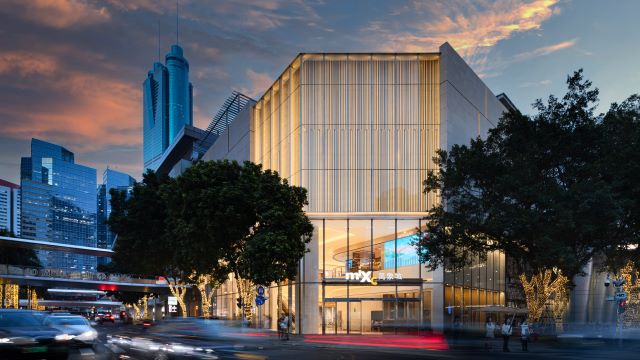
站在时代交锋处,华润万象生活书写城市品质生活新篇章
Di Yi Cai Jing· 2025-12-08 13:19
Core Insights - China Resources Vientiane Life has demonstrated resilience and growth in a challenging market environment since its listing on the Hong Kong Stock Exchange in late 2020, utilizing a unique "commercial management + property management" dual-driven model [1][2][12] - The company has successfully transitioned from a heavy asset reliance to a leading position in light asset management, significantly expanding its commercial footprint from 62 shopping centers at the end of 2020 to 125 by mid-2025 [5][12] - The firm has maintained a strong market position, achieving a compound annual growth rate (CAGR) of over 20% in revenue from 67.79 billion yuan in its first year to 170.43 billion yuan by 2024, while also increasing its core net profit from 8.16 billion yuan to 35.07 billion yuan in the same period [12][13] Business Model and Strategy - The company has established a standardized and replicable management system, a large and loyal brand tenant network, and a strong talent pool, which have been pivotal in its expansion and operational success [5][6] - China Resources Vientiane Life has set a target to expand its third-party shopping center projects by over 50 during the "14th Five-Year Plan" period, achieving this goal ahead of schedule [6][12] - The firm is focusing on urban public space operations as a new growth area, aiming to provide comprehensive services across various urban facilities, which will help mitigate risks associated with traditional residential property management [9][11] Financial Performance - The company has achieved a gross profit margin increase from 27% in 2020 to 32.9% in 2024, further rising to 37.1% in the first half of 2025, indicating improved operational efficiency and business structure optimization [12][13] - China Resources Vientiane Life has maintained a stable dividend policy, distributing over 91 billion yuan since its listing, with a payout ratio reaching 100% in 2024 and the first half of 2025 [13][14] Market Position and Recognition - Despite challenges in the real estate sector, China Resources Vientiane Life has remained in the "billion-dollar market cap" club, with a leading price-to-earnings ratio in the industry, reflecting a significant value reassessment by the market [14][19] - Major financial institutions have upgraded their ratings for the company, recognizing its ability to capture emerging brands and the potential for luxury retail recovery [14][19] Sustainability and Future Outlook - The company is committed to sustainable development, setting clear carbon neutrality goals and integrating ESG principles into its business strategy, which enhances customer loyalty and employee engagement [15][17] - Looking ahead, China Resources Vientiane Life aims to deepen its integrated business model and expand its urban space operations, positioning itself as a key player in the evolving market landscape [17][19][20]
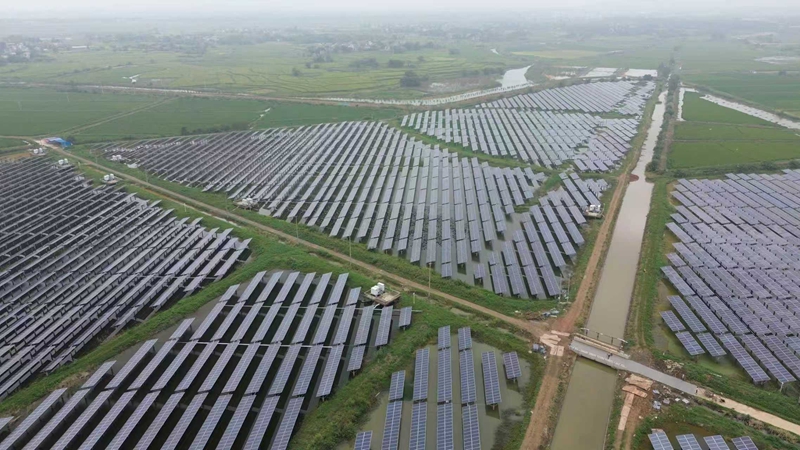
兆新股份:构建新能源运维平台 掘金“瓦斯+锂电”多能互补新蓝海
Zhong Guo Zheng Quan Bao· 2025-12-04 00:29
Core Viewpoint - The article highlights the transformation of Zhaoxin Co., Ltd. from scale expansion to quality-driven growth, emphasizing the importance of "engineering thinking" in navigating market cycles and enhancing corporate resilience [1][2]. Financial Restructuring - The new management team prioritized cash flow management, developing an internal tracking and forecasting system, and made decisive asset sales during high market prices to recover liquidity for future strategic initiatives [3][5]. - These actions led to a significant improvement in the company's financial health, allowing it to resolve historical debt issues and achieve a healthier asset structure [3][5]. Business Capability Development - Zhaoxin Co., Ltd. digitized 30 years of formula research in the fine chemical sector, reducing customer response time from months to 30 minutes through AI-assisted R&D [3][5]. - The company standardized project evaluation and decision-making processes in the new energy sector, enabling rapid completion of assessments and decisions within a week [3][5]. Governance Improvements - The company established a clear authorization matrix and operational dashboards to institutionalize decision-making processes, ensuring accountability and traceability during rapid expansion [5]. Growth Strategies - Zhaoxin Co., Ltd. identified three growth curves: globalization and high value-add in fine chemicals, engineering replication in photovoltaic energy, and smart operation of new energy assets [6][7]. - The fine chemicals segment achieved a gross margin of over 28% despite a downturn in the construction materials sector, with plans to expand into Southeast Asia, the Middle East, Africa, and Europe [6][7]. - The photovoltaic EPC business saw a revenue increase of 928.91% year-on-year, contributing 26.13% to total revenue in the first half of 2025 [7]. Strategic Alignment with National Policies - The company is actively engaging in methane utilization and lithium extraction from salt lakes, aligning with national strategies for new energy systems and resource development [9]. - A strategic partnership with Zhejiang Yiyang Energy Technology Co., Ltd. aims to create a comprehensive energy station model that integrates resource recycling and new energy generation [9]. Future Vision - Zhaoxin Co., Ltd. aims to evolve into a platform-based enterprise focused on capability output rather than asset accumulation, emphasizing light asset operations as a key growth strategy [10]. - The company plans to leverage engineering and data capabilities to shift from one-time delivery to long-term service models, driving growth through knowledge, data, and algorithms rather than solely capital expenditure [10].

兆新股份:构建新能源运维平台
Zhong Guo Zheng Quan Bao· 2025-12-03 20:28
Core Insights - The article discusses the transformation of Zhaoxin Co., Ltd. from scale expansion to quality-driven growth, emphasizing the importance of "engineering thinking" in its strategic restructuring [1][2] Financial Restructuring - The company faced significant challenges, including high-interest debt and cash flow issues, prompting a comprehensive financial overhaul led by the new management team [2] - A cash flow management system was developed, prioritizing liquidity recovery during high market prices for lithium and photovoltaic assets, which helped resolve the debt crisis [2][3] Business Development - Zhaoxin Co., Ltd. digitized 30 years of formula research in the fine chemical sector, significantly reducing response time to customer needs from months to 30 minutes [3] - The company aims to expand its aerosol business globally, targeting Southeast Asia, the Middle East, Africa, and Europe, with a gross margin exceeding 28% [4] Growth Strategies - The first growth curve focuses on globalizing and adding value to fine chemical products, while the second growth curve leverages engineering capabilities in photovoltaic EPC projects, achieving a revenue increase of 928.91% year-on-year [4] - The third growth curve involves transitioning from investment to specialized operational services in renewable energy, with a new subsidiary aimed at enhancing operational efficiency and cash flow quality [5][6] Strategic Alignment with National Policies - Zhaoxin Co., Ltd. is aligning its strategies with national goals, recently signing a strategic cooperation agreement to innovate in methane utilization and lithium extraction from salt lakes [6][7] - The company aims to create a comprehensive energy supply network by integrating various renewable energy sources and enhancing resource recycling [7] Future Vision - The long-term vision is to transform Zhaoxin Co., Ltd. into a platform-based enterprise, focusing on capability output rather than asset accumulation, with an emphasis on light asset operations [6][7]
继出售80多座万达广场后,王健林首次赎回一座,现金流恢复了?
Sou Hu Cai Jing· 2025-12-03 14:52
Core Insights - The article discusses the recent strategic move by Wanda Group to repurchase the Yantai Zhifu Wanda Plaza, marking the first time the company has reclaimed a previously sold core asset, which contrasts with its previous strategy of selling over 80 plazas to alleviate debt pressure [2][3]. Industry Dynamics - The repurchase of the Yantai Zhifu Wanda Plaza is seen as a recalibration of asset value rather than a simple reversal of previous decisions, indicating a shift in the commercial real estate sector from a focus on scale to a focus on value [3][4]. - The past two years have seen Wanda sell many plazas, particularly in lower-tier cities, which are more vulnerable to fluctuations in consumer spending and have weaker risk resistance [3][4]. Financial Context - Wanda's financial struggles, including judicial disputes and significant debt pressures, have necessitated asset sales as a means of survival, with the company facing a short-term debt and cash flow gap [6][8]. - The company has engaged in multiple asset sales, including the complete sale of Wanda Hotel Management and a 30% stake in Kuaiqian Financial, totaling over 80 plazas sold [8]. Strategic Implications - The current industry environment emphasizes the importance of high-quality assets as a stabilizing force for companies, providing consistent returns during financial strain and enhancing bargaining power in capital markets [5][10]. - Companies that continue to pursue aggressive expansion may need to reconsider their strategies, as focusing on core assets is becoming essential for survival in the current market [6][10]. Wealth Impact - The financial pressures on Wanda have significantly impacted the wealth of its founder, Wang Jianlin, whose net worth has dropped from 140.84 billion yuan to 58.81 billion yuan, reflecting broader industry challenges [12][14]. - The decline in wealth is attributed to both operational missteps and the cyclical nature of the real estate market, highlighting the need for adaptability in changing economic conditions [12][14]. Conclusion - The experiences of Wanda Group illustrate the transition in the Chinese commercial real estate sector from expansion to value reconstruction, emphasizing the necessity for companies to adapt to industry cycles and maintain core values [16][18].
