GDP增长目标

Search documents
4月29日电,泰国财政部官员表示,今年实现3%的GDP增长目标将面临困难。
news flash· 2025-04-29 07:18
Core Viewpoint - The Thai Ministry of Finance officials indicate that achieving the 3% GDP growth target for this year will be challenging [1] Economic Outlook - The Thai economy is facing difficulties in meeting the projected GDP growth rate of 3% for the current year [1]
企业信贷需求改善政策力度再创新高
Xiangcai Securities· 2025-03-11 09:55
Investment Rating - The report indicates a positive outlook for the industry, suggesting a focus on potential investment opportunities following the "Two Sessions" policy signals [3]. Core Insights - The manufacturing sector has returned to an expansion phase, with a PMI of 50.2 in February 2025, indicating improved production and new orders [8]. - The construction industry has shown significant improvement, with a PMI of 52.7 in February 2025, driven by post-holiday resumption of work and supportive fiscal policies [13]. - There has been a notable increase in corporate credit demand, with new RMB loans reaching 4.78 trillion yuan in January 2025, reflecting a recovery in the real economy [16]. - The government work report highlights a commitment to maintaining a GDP growth target of around 5% for 2025, alongside a historic high fiscal deficit rate of 4% [27][28]. Summary by Sections 1. Manufacturing Sector Recovery - The manufacturing PMI rose to 50.2 in February 2025, with production and new orders indices at 52.5 and 51.1 respectively, indicating a return to expansion [8]. - Export orders have improved, with a new export orders index at 48.6, suggesting better-than-expected export performance despite tariff impacts [8]. 2. Significant Growth in Corporate Credit - In January 2025, the new social financing scale reached 7.06 trillion yuan, with new RMB loans contributing significantly to this growth [16]. - The increase in corporate credit demand is attributed to enhanced confidence in the economy and supportive government policies [23]. 3. Government Work Report Highlights - The report sets a GDP growth target of 5% for 2025, maintaining consistency with previous years [27]. - The fiscal deficit rate is set to rise to 4% in 2025, reflecting a strong commitment to fiscal expansion [28]. - The government plans to increase the special bond quota to 4.4 trillion yuan in 2025, with a focus on infrastructure and debt resolution [29].
特朗普扬言废除芯片法案,李嘉诚拟出售巴拿马港口 | 财经日日评
吴晓波频道· 2025-03-05 17:34
Group 1 - The Chinese government has set a GDP growth target of around 5% for this year, with an emphasis on boosting domestic economic performance through increased fiscal spending and support for the real estate market and emerging industries [1][2] - The fiscal deficit is planned at approximately 4% of GDP, with a total deficit scale of 5.66 trillion yuan, an increase of 1.6 trillion yuan from the previous year [1] - The logistics industry in China showed a slight decline in the logistics prosperity index to 49.3% in February, indicating a contraction, while new orders index remained in expansion at 50.6% [5][6] Group 2 - Germany plans to establish a 500 billion euro infrastructure fund to invest in transportation, energy networks, and housing, aiming to stimulate economic growth amid recent challenges [3][4] - The establishment of this fund marks a significant shift in Germany's fiscal policy, potentially creating jobs and enhancing economic independence within Europe [4] - TSMC announced an additional investment of at least 100 billion USD in the U.S. to build advanced chip manufacturing facilities, which is expected to create 40,000 construction jobs [8][9] Group 3 - Li Ka-shing's company plans to sell its global port business, including a 90% stake in the Panama port company, for a total enterprise value of 22.8 billion USD, which is expected to generate over 19 billion USD in cash [12][13] - The number of new A-share accounts opened in February reached 2.84 million, a significant increase of 120% compared to the same month last year, reflecting heightened interest in the stock market [14][15] - The A-share market experienced a "rise and fall" pattern in February, with major indices generally rising despite a late-month decline due to external market pressures [16][17]


券商火线解读!政府工作报告释放什么信号?A股后市咋走?
券商中国· 2025-03-05 09:32
Group 1: Economic Growth and Policy Direction - The government has set a GDP growth target of around 5%, which aligns with market expectations, while the CPI target has been lowered to 2%, indicating increased government focus on price stability [2][3] - The fiscal deficit rate has been raised from 3% to 4%, with a projected deficit scale of 5.66 trillion yuan, marking a 39.4% increase year-on-year, the highest in the past decade [3][4] - The government aims to enhance counter-cyclical adjustments through various tools to stimulate consumption and investment, while also supporting the real economy and financial institutions [2][4] Group 2: Consumer Spending and Domestic Demand - The report emphasizes the importance of boosting consumption as a key strategy for expanding domestic demand, with a focus on improving residents' employment, income, and consumption capabilities [5][6] - Specific measures include a doubling of the scale for the "old-for-new" consumption policy to 300 billion yuan, and the implementation of improved vacation policies to enhance consumer spending [5][6] - The government plans to prioritize domestic demand expansion, especially in sectors heavily impacted by external uncertainties, such as service consumption and emerging consumption areas [6] Group 3: Support for Technological Innovation - The report highlights the need to develop new productive forces and accelerate the construction of a modern industrial system, with a strong emphasis on technological innovation [7][8] - Key industries mentioned include biotechnology, quantum technology, and artificial intelligence, indicating a strategic focus on these sectors for future growth [8] - The increased frequency of terms related to technology and innovation in the report suggests a clear intention to enhance the role of technology in high-quality development [7][8] Group 4: Capital Market Outlook - The report outlines a favorable capital market environment, with policies aimed at boosting market confidence and addressing concerns related to external disturbances [9][10] - It emphasizes the need for comprehensive reforms in the capital market, including optimizing stock issuance and merger regulations to attract long-term capital [9] - Analysts predict that the A-share market has likely reached a bottom, with expectations for improved performance in the second half of the year as economic policies take effect [10]

划重点!2025年政府工作报告10大看点
21世纪经济报道· 2025-03-05 09:19
Economic Growth and Fiscal Policy - The GDP growth target for 2025 is set at around 5%, reflecting a balance of domestic and international factors, aimed at stabilizing employment and enhancing people's livelihoods [2] - The deficit ratio is proposed to be around 4%, an increase of 1 percentage point from the previous year, with a deficit scale of 5.66 trillion yuan, indicating a more proactive fiscal policy [3][4] - The issuance of special bonds is planned at 1.3 trillion yuan, with a focus on supporting consumption and infrastructure, reflecting a strong intent to boost economic activity [5][6] Debt and Financing - Local government special bonds are proposed at 4.4 trillion yuan, aimed at investment construction and addressing local government debts, contributing to a total new government debt scale of 11.86 trillion yuan [7] - The increase in special bonds and their diversified use is expected to enhance project efficiency and support the real estate market [7][12] Monetary Policy - A moderately loose monetary policy is anticipated, with potential interest rate cuts and reserve requirement ratio reductions to ensure ample liquidity [8] - The focus will be on aligning monetary supply growth with economic growth and price stability, with expectations for policy adjustments post the National People's Congress [8] Consumption and Economic Structure - Special actions to boost consumption are planned, including 300 billion yuan for consumption upgrades, and measures to enhance service sector offerings [9][10] - The government emphasizes the need for structural reforms to address consumption patterns and improve the overall consumption environment [10] Industrial Development - The report highlights the importance of developing new productive forces through technological and industrial innovation, with a focus on emerging industries such as AI and quantum technology [11] - Traditional industries will also be encouraged to upgrade and innovate, ensuring a balanced approach to industrial development [11] Real Estate Market - The government aims to stabilize the real estate market with increased efforts, including the use of special bonds for land acquisition and stock housing purchases [12] - There is a clear intent to optimize policies to support the real estate sector, indicating potential easing of restrictions in major cities [12] Education and Healthcare - A high-quality education system is prioritized, with plans for expanding educational resources and enhancing vocational training [13] - The healthcare system will undergo reforms to improve service quality and accessibility, with a focus on integrating medical services and insurance [14][15]

为什么是这些目标?为什么是这些改革?|两会时间
和讯· 2025-03-05 06:29
Core Viewpoint - The government work report emphasizes the need to boost domestic demand and consumption as a primary strategy for economic growth, with a GDP growth target of around 5% for the year [1][3][9] Economic Growth Targets - The GDP growth target is set at approximately 5%, balancing the need for employment stability, risk prevention, and improved living standards, while aligning with long-term development goals [3][4] - The report indicates that achieving a 5% growth rate is feasible due to a large domestic market and recent positive economic indicators [4][11] Fiscal Policy and Debt Management - The fiscal deficit rate is proposed at around 4%, with a total new government debt scale of 11.86 trillion yuan, reflecting a significant increase in fiscal spending to support economic growth [6][7][8] - The report outlines plans for issuing special bonds and local government bonds to finance infrastructure and support consumption [6][10] Consumption and Domestic Demand - The report prioritizes boosting consumption and investment efficiency, aiming to make domestic demand the main driver of economic growth [9][11] - Specific measures include implementing special actions to enhance consumption, improving the consumption environment, and increasing residents' income [9][12] Investment Strategies - The government plans to enhance effective investment by focusing on key projects and ensuring proper funding allocation to prevent inefficient investments [10][11] - The report emphasizes the importance of private investment and encourages public-private partnerships in infrastructure and social services [10][16] Reforms and Market Environment - The report highlights the need for significant reforms to create a fair and vibrant market environment, particularly in supporting the private economy and improving the fiscal and tax systems [14][15][16] - It stresses the importance of addressing barriers to market entry and competition, particularly in the context of "involution" in various industries [18][19] Future Industries and Technological Development - The government work report outlines plans to advance future industries, particularly in artificial intelligence and digital economy sectors, to enhance consumer experiences and drive economic growth [20][21] - There is a focus on integrating new technologies into traditional industries to create new employment opportunities and stimulate economic activity [20][21]
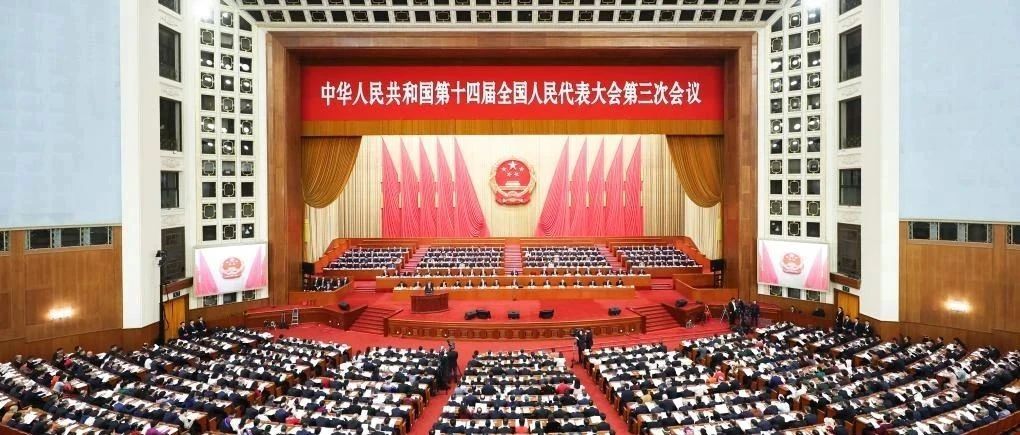
解码2025年经济预期目标:5%GDP、2%通胀、4%赤字率怎么看
Zheng Quan Shi Bao Wang· 2025-03-05 05:57
Economic Growth Targets - The GDP growth target for this year is set at around 5%, which is deemed necessary for stabilizing employment, preventing risks, and benefiting people's livelihoods [2][4][5] - The target aligns with China's actual economic conditions and development laws, and is considered achievable [2][3][4] - Factors supporting this target include the ongoing recovery of the economy, the rise of new industries, and supportive macroeconomic policies [3][4] Consumer Price Index (CPI) Target - The CPI growth target has been adjusted down to around 2%, marking the first time it has been set below 3% since 2004 [6][8] - This adjustment reflects the current economic situation, where deflationary pressures are more significant than inflationary ones [6][7] - The government aims to improve supply-demand relationships and stabilize prices through various policies [6][8] Fiscal Policy Adjustments - The fiscal deficit rate is proposed to be set at around 4%, an increase of 1 percentage point from the previous year, with a total deficit scale of 5.66 trillion yuan [9][10] - This marks the highest deficit level since the implementation of proactive fiscal policies in 2008, indicating a strong commitment to economic recovery [9][10] - The increased fiscal spending will focus on social welfare, technological innovation, and infrastructure investment [10]
李迅雷最新发声:降息降准仍有空间,2025年或降息0.75个百分点,降准1个百分点
对冲研投· 2025-02-27 12:47
Core Viewpoint - The current economic situation in China is characterized by a cyclical downturn coupled with structural issues, necessitating measures to avoid the multiplier effect of a declining real estate market and to improve the economic structure [2][28]. Economic Growth and Policy Expectations - The GDP growth target for 2025 is expected to remain around 5% [4][92]. - The policy multiplier effect in 2025 is anticipated to be better than in 2024, with expectations for new initiatives in fiscal reform, budget investment, monetary policy, high-quality development, and technological innovation during the upcoming Two Sessions [3][90]. Monetary Policy Outlook - In 2025, a reserve requirement ratio (RRR) cut of 1 percentage point and interest rate cuts totaling 0.75 percentage points are expected, likely implemented in 2-3 phases [5][78]. - The downward trend in interest rates is projected to positively impact the stability of the real estate and stock markets, contributing to a prosperous capital market in 2025 [5][80]. Structural Issues and Consumption - The global economy faces severe structural problems, including geopolitical conflicts and economic disparities, which also affect China's economic landscape [26][24]. - There is a need to enhance consumption and expand domestic demand, particularly as the wealth effect from real estate diminishes [29][30]. Real Estate Market Dynamics - The real estate sector is undergoing a mean reversion process, with a prolonged adjustment period expected due to previous overvaluation [52][54]. - The contribution of real estate to GDP was significant, accounting for 25% during its peak, and its decline will have widespread negative impacts on various industries [32][34]. Investment and Consumption Trends - Investment returns are declining, leading to a contraction in expansion plans among households and private enterprises [30][46]. - Consumption is identified as a slow variable, contrasting with investment as a fast variable, indicating a need for structural improvements to stimulate long-term demand [41][44]. Fiscal Policy Recommendations - There is a call for increased fiscal stimulus, particularly in consumer spending, with suggestions to raise the fiscal deficit level and leverage central government finances [66][67]. - The current central government leverage is relatively low compared to other countries, indicating room for fiscal expansion [70][71]. Capital Market Outlook - The capital market is expected to thrive in 2025, supported by robust policy measures and a stable GDP growth environment [93][88]. - The focus on income distribution reform could significantly enhance consumption, with potential contributions estimated at around 200 billion annually if middle and low-income groups see an increase in their income share [84][85].