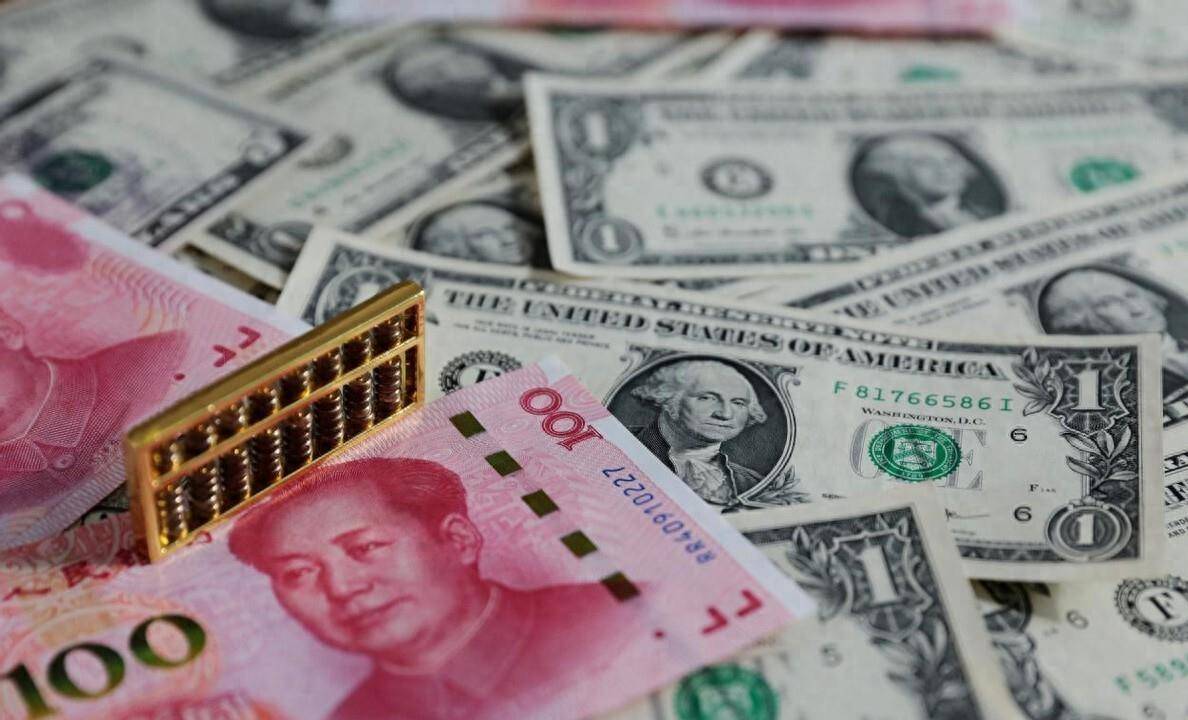
美元霸权

Search documents
收割战略失败,美联储被迫低头降息,美国国运迎来转折点
Sou Hu Cai Jing· 2025-09-20 19:01
Group 1 - The core viewpoint is that the recent interest rate cut by the Federal Reserve signifies a strategic shift in the global financial landscape, indicating cracks in the dollar hegemony system [1][5] - The traditional "tide" mechanism of dollar hegemony, which involves aggressive interest rate hikes followed by cuts to acquire undervalued assets, has been disrupted for the first time in decades [3] - The U.S. faced challenges in executing its capital extraction strategy aimed at China, as the latter successfully stabilized its economy through dual circulation strategies and made advancements in key sectors [3][5] Group 2 - The Federal Reserve's decision to cut rates without achieving its intended capital extraction reflects a strategic failure, as high interest rates have burdened the U.S. economy and diminished its competitive edge [5] - The acceleration of the global de-dollarization process poses a fundamental threat to the dollar's status as a reserve currency, necessitating a reconsideration of high interest rates [5] - The unconventional rate cut may lead to significant impacts on the U.S. economy, potentially inflating stock market bubbles and increasing the risk of a severe market correction if new technologies do not quickly achieve commercial viability [7]

美元创1995年新低,全球降息潮来袭,中国资产迎大涨
Sou Hu Cai Jing· 2025-09-20 16:39
Core Viewpoint - The Federal Reserve's decision to cut interest rates by 25 basis points has led to unexpected market reactions, including a significant drop in the dollar index to its lowest level since 1995, indicating underlying economic vulnerabilities that could impact the global financial system [2][4]. Group 1: Market Reactions - Following the Fed's announcement, both the Nasdaq and S&P 500 indices experienced declines, with market participants expressing disappointment over the smaller-than-expected rate cut [4]. - The simultaneous drop in the dollar index, which reached a 30-year low, has created a paradox where a move intended to stimulate the economy has instead led to market turmoil [4][5]. Group 2: Interest Rate Signals and Gold - The Fed's indication of potential further rate cuts in 2025 has prompted a reassessment of long-term dollar interest rates, leading to a surge in gold prices as investors seek safe-haven assets [5]. - This shift reflects a growing lack of confidence in the dollar and an increasing preference for gold as a hedge against economic uncertainty [5]. Group 3: Internal Fed Dynamics - The dissenting vote within the Fed regarding the rate cut highlights a deeper trust crisis concerning the dollar's status as the global reserve currency [8]. - Market sentiment is increasingly concerned about the stability of the dollar, with traders expressing fears that the real issue is a loss of confidence rather than the rate cut itself [8]. Group 4: Geopolitical Factors - Geopolitical developments in the Middle East have weakened the "petrodollar" system, as some countries explore alternative currencies for oil transactions, challenging the dollar's dominance [9]. - The interplay between U.S. domestic policies and the Fed's monetary strategies is creating tensions that could further erode confidence in the dollar [9]. Group 5: Chinese Assets and Market Dynamics - The Fed's rate cut and the weakening dollar may temporarily enhance the attractiveness of Chinese assets, potentially leading to increased foreign investment in A-shares and bonds [10]. - However, this influx of capital may not reflect long-term confidence in the Chinese economy but rather a search for yield and safety amid global uncertainties [10][14]. Group 6: Future Implications for the Dollar - The dollar's long-term supremacy is under threat from both structural adjustments in the global monetary system and a gradual erosion of trust [13]. - The sustainability of foreign capital inflows into U.S. assets, particularly Treasuries, is uncertain, with potential risks of rapid capital withdrawal if market conditions shift [14][15]. Group 7: Market Sentiment and Future Risks - The market's reaction to the Fed's decision indicates a growing non-rational sentiment, as the decision has not alleviated fears about the broader economic landscape [15]. - The next critical points of concern will revolve around U.S. fiscal deficits, geopolitical tensions, and shifts in reserve currency allocations by major economies [17].

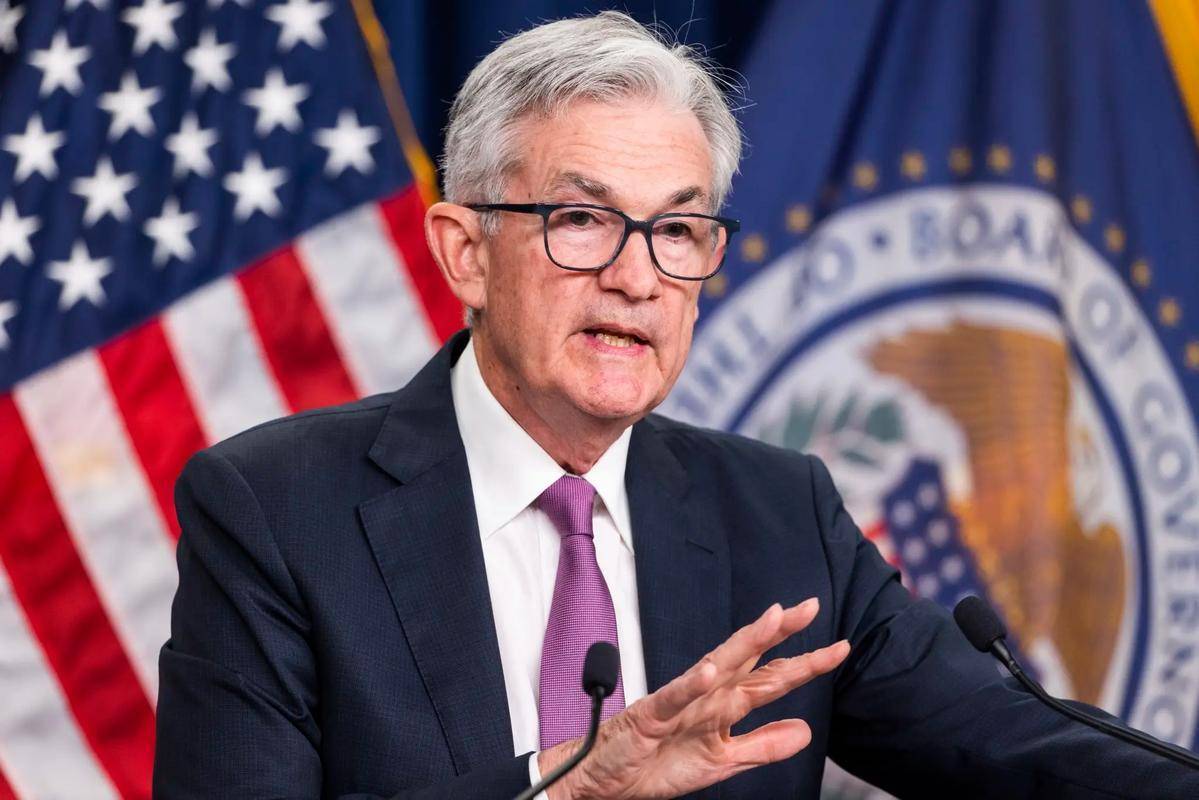
“霸凌降息”,美联储尊严碎了一地,在特朗普的施压下谈何独立?
Sou Hu Cai Jing· 2025-09-20 13:15
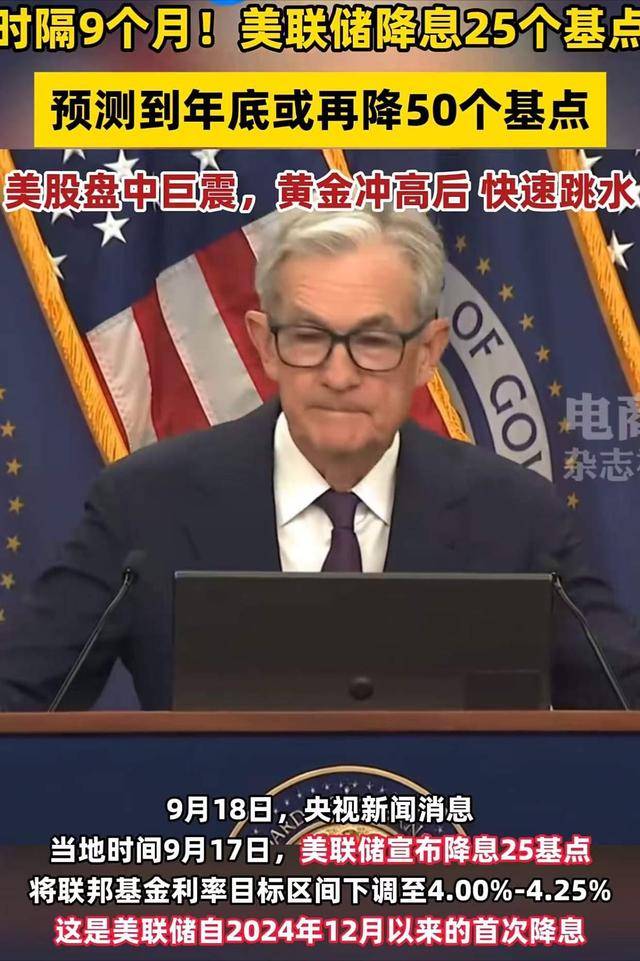
文 | 听云霭 编辑 | 听云霭 2025 年 9 月 18 日凌晨两点,对于全球金融界来说,是一个不寻常的时刻。 美联储主席杰罗姆・鲍威尔准时出现在全球记者的镜头前,他说出了那句让唐纳德・特朗普心心念念的话:下调联邦基准利率25 个基点。 资料参考:2025-09-18证券时报——凌晨!美联储宣布:降息25个基点!鲍威尔重磅发声! 1.美联储降息 降息这件事,我们之前也见过不少次,但这一次却完全不一样。 今年以来,在美国的经济领域,一直有一个巨大的争论,那就是美联储到底要不要降息。 从 9 月 18 日凌晨开始,全球金融行业的投资大佬们几乎都不约而同地发出了相同的感叹:美联储所谓的尊严,所谓神圣不可侵犯的独立性,在这一刻正式 幻灭。 以鲍威尔为代表的传统老派技术型官员,他们有着理工男的风格,始终坚持不降息。 他们觉得美国现在通胀还没散去,物价还很贵,降息根本没有理由,谁降息谁就是美国老百姓的罪人。 而另一派呢,就是以特朗普为代表的白宫西翼政客群体。 前几天,特朗普骂得都上头了,他说在自己的领导之下,美国经济这么好,随便来个人都能干得比鲍威尔出色。 这俩加起来都 150 多岁的人了,为啥骂得这么不留情面呢? ...
万亿美元、决战香港!惊心动魄的人民币保卫战
Sou Hu Cai Jing· 2025-09-20 07:20
Core Viewpoint - The Federal Reserve's interest rate hike has triggered a return of global capital to the U.S., adversely impacting emerging market currencies, particularly the Chinese yuan [1][3]. Group 1: Impact of U.S. Federal Reserve's Actions - The Federal Reserve raised interest rates by 25 basis points on December 16, 2015, marking the first increase in nearly a decade, aimed at stabilizing the U.S. economy while making the dollar more attractive [1]. - The interest rate hike led to a significant capital outflow from emerging markets, with international speculators targeting the yuan, which was already under pressure due to declining exports and capital outflows from China [3]. Group 2: Speculative Activities and Market Reactions - Speculators, including notable figures like George Soros, began shorting the yuan, betting on further depreciation, which caused the offshore yuan to drop to over 6.6 against the dollar [3][7]. - The situation escalated as the offshore yuan market became a battleground, with daily trading volumes in Hong Kong reaching thousands of millions of dollars [3]. Group 3: China's Response and Market Stabilization - In response to the speculative attacks, the Chinese government took decisive actions, including raising interbank lending rates dramatically and intervening in the currency market to stabilize the yuan [9][11]. - The People's Bank of China utilized its foreign exchange reserves, which exceeded $3 trillion, to support the yuan, ultimately consuming about $500 billion in reserves to maintain stability [9][11]. Group 4: Long-term Implications and Lessons Learned - The events highlighted the importance of financial stability and the effectiveness of rapid policy responses in mitigating the impact of external shocks [11][13]. - Following the crisis, China strengthened its financial regulations and improved its exchange rate mechanisms to prevent extreme volatility in the future [13].
美联储降息 25 基点引恐慌,美元霸权松动,黄金暴涨能避险吗?
Sou Hu Cai Jing· 2025-09-20 04:47
Group 1 - The Federal Reserve's recent 25 basis point interest rate cut is perceived as insufficient by the market, leading to increased uncertainty rather than stability [1][3] - There is a growing trend among countries to move away from the US dollar in international transactions, indicating a potential decline in the dollar's dominance due to trust issues [3][7] - The US government's strategy of increasing military spending to maintain its global position is resulting in rising fiscal deficits and interest burdens, complicating the economic landscape [5][10] Group 2 - The recent interest rate cut has not provided the expected positive impact, causing capital to flow towards gold and other safe-haven assets instead of waiting for a recovery in the dollar [7][12] - The International Monetary Fund reports that the dollar's share in global reserves has fallen to its lowest level in nearly 30 years, with over a hundred countries exploring alternatives to the dollar for trade [7][10] - The evolving global financial landscape suggests that the dollar is no longer the sole dominant currency, with new players emerging and reshaping the monetary order [12]
联储降息周期来袭,救市良药还是毒药,全球资本大逃亡!
Sou Hu Cai Jing· 2025-09-18 14:46
Group 1 - The Federal Reserve's interest rate cut is seen as a potential catalyst for market recovery, but it also raises concerns about long-term economic stability [1][4] - The current economic environment is characterized by high unemployment and inflation, creating a challenging backdrop for the Fed's decision-making [3][4] - The political landscape, particularly the influence of figures like Trump, plays a significant role in the push for aggressive rate cuts, which may have implications for economic performance and political capital [2][3] Group 2 - A rate cut could lead to lower borrowing costs for consumers and businesses, potentially stimulating economic activity and increasing consumer spending [3][7] - However, there are risks associated with such cuts, including the potential for exacerbating inflation and creating a cycle of dependency on low rates [4][8] - The impact of the Fed's actions may lead to capital flight from the U.S. market, as investors seek higher returns elsewhere, particularly in emerging markets [4][8] Group 3 - The anticipated effects of rate cuts on the housing market could alleviate financial burdens for homeowners, particularly those with existing mortgages [5][6] - The consumer market may experience a revival as lower interest rates encourage spending, but this could also lead to rising prices due to increased demand [6][7] - The potential for increased foreign investment in U.S. commercial real estate could create new opportunities, particularly in major cities [7]
美国居民部门购买力的消长与中美贸易战的互动机制|国际
清华金融评论· 2025-09-18 09:13
Core Viewpoint - The article discusses the impact of the Trump administration's policies on the purchasing power of the U.S. resident sector, highlighting the ineffective execution of these policies and suggesting that China should focus on technological breakthroughs and the internationalization of the RMB to reduce reliance on the dollar and alleviate the "Triffin dilemma" affecting the global economy [1]. Group 1: Evolution of U.S. Resident Sector Purchasing Power - The purchasing power of the U.S. resident sector has evolved from continuous expansion during globalization to structural decline due to factors such as slowing natural growth rates, debt expansion, and reshaping global demand [3]. - The core demand of the U.S. resident sector is to enhance purchasing power, which has been a driving force behind the trade war, leading to a mismatch between high pricing in the high-consumption market and declining purchasing power [3]. Group 2: Globalization and Purchasing Power Expansion - In the early stages of globalization, the U.S. resident sector benefited from low-priced imports due to China's labor cost advantages, which allowed multinational manufacturers to lower production costs and prices [6]. - The dollar's hegemony provided benefits to the U.S. resident sector by keeping interest rates low, which facilitated debt expansion and maintained low inflation, thus supporting purchasing power [7]. Group 3: Decline of Purchasing Power in Later Stages of Globalization - Post-2008, the U.S. economy's growth rate slowed, leading to a decline in corporate profits and further stagnation in wage growth for the U.S. resident sector [9]. - China's rise and shift from an export-driven economy to one driven by investment and consumption have increased competition for profit shares, thereby reducing the purchasing power subsidy previously enjoyed by the U.S. resident sector [9]. - The diversification of global central bank reserves has reduced the rigid reliance on the dollar, leading to increased volatility in the dollar's value and diminishing the purchasing power of U.S. residents when exchanging currencies [9]. Group 4: Debt Issues and Purchasing Power - The article emphasizes the importance of the non-Ponzi condition in discussing debt, noting that debt growth must not exceed the natural return rate of the economy [10]. - Post-2008, the lack of technological advancement and persistent low-interest rates have raised concerns about the sustainability of U.S. debt, leading to cuts in welfare programs that directly impact resident purchasing power [10].

中国大胜?美债35年最大危机,人民币大涨4000点,CIPS结算再创新高
Sou Hu Cai Jing· 2025-09-17 14:24
Group 1 - The article discusses the challenges faced by the US dollar and US Treasury bonds, highlighting a significant rise in the 10-year Treasury yield to 4.46%, marking the largest three-day volatility since 1981 [3] - The US Treasury's bond buyback reached a historic high of $138 billion, nearly double the previous year's total, indicating efforts to stabilize the market amid rising debt, which now exceeds $36 trillion [3][5] - There is a noticeable decline in demand for US Treasury bonds, with major domestic investors purchasing only 6.2% of a recent three-year bond auction, down from a typical 19%, reflecting growing skepticism towards US dollar assets [5] Group 2 - In contrast, the Chinese yuan is gaining traction, with the exchange rate against the US dollar reaching 7.1163, the highest since November of the previous year, supported by China's robust groundwork in international payments [7][16] - The People's Bank of China reported that the Cross-Border Interbank Payment System (CIPS) now covers 189 countries, processing 4.0295 million transactions worth 90.19 trillion yuan in the first half of the year, equating to approximately 2.5 million yuan per second in global transactions [7][11] - China's energy imports from the US have plummeted to nearly zero, while imports from Russia have increased by 16.8%, with many transactions being settled in yuan, showcasing the yuan's growing international acceptance [9][12] Group 3 - The article emphasizes that the value of a currency is underpinned by its strength and credibility, contrasting the US's $36 trillion debt and geopolitical tensions with China's focus on trade and infrastructure development [12][14] - The trend indicates a shift in global currency dynamics, with more countries recognizing the benefits of using the yuan for transactions, as it is perceived as safer and more convenient compared to the dollar [14]
“防火墙”暂时保住 美联储独立性危机引发连锁反应
Sou Hu Cai Jing· 2025-09-16 12:14
Core Viewpoint - The U.S. Court of Appeals ruled against the Trump administration's attempt to dismiss Federal Reserve Board member Lisa Cook, reinforcing the independence of the Federal Reserve and its ability to conduct monetary policy without political interference [1][4]. Group 1: Impact on Federal Reserve Independence - The ruling upholds the principle of protection for independent agency officials established in the 1935 Humphrey's Executor case, delineating the legal boundaries of presidential power [1]. - The case reflects ongoing challenges to the Federal Reserve's policy independence, as internal conflicts may arise from the Senate's confirmation of new board members [1][4]. Group 2: Implications for the U.S. Dollar and Global Economy - The potential for political interference in monetary policy could lead to a decline in investor confidence in U.S. dollar assets, resulting in capital outflows and depreciation of the dollar [4]. - Increased long-term borrowing costs could exacerbate the interest burden on U.S. government debt, while accelerating the trend of de-dollarization globally [4]. - The ruling sends a signal that Federal Reserve policies are not subject to political manipulation, temporarily stabilizing the dollar's status as a global reserve currency [4]. Group 3: Broader Political Context - The situation highlights the fragility of American democratic institutions and the ongoing struggle between administrative power and independent agencies [5][7]. - The ultimate resolution of this issue may depend on a future ruling from the U.S. Supreme Court, which could have significant implications for the relationship between executive power and independent institutions [7].

4.5万亿,人民币互换新增5国达32国,贝森特紧急喊话求与中国会谈
Sou Hu Cai Jing· 2025-09-15 17:53
Core Insights - The article discusses the cracks in the U.S. dollar's dominance and the accelerated internationalization of the Chinese yuan, indicating a significant reshaping of the global financial landscape [1][19]. U.S. Economic Challenges - U.S. tariff revenue surged to $30 billion in August, a 296% year-on-year increase, while the fiscal deficit reached $345 billion, highlighting a significant financial gap [3]. - The U.S. Treasury is pressuring the Federal Reserve to lower interest rates to alleviate debt burdens, but long-term U.S. Treasury yields remain high due to market concerns over U.S. debt and dollar credibility [3]. - Currently, 15% of U.S. annual fiscal spending is allocated to interest payments, which are unrelated to economic stimulus plans, increasing pressure on the Treasury if interest rates remain elevated [3]. Internationalization of the Yuan - The People's Bank of China has signed bilateral currency swap agreements with 32 countries, totaling 4.5 trillion yuan, with significant agreements including 540 billion yuan with major European central banks [6]. - In August, foreign capital inflow into Chinese assets reached $39 billion, indicating growing global investor interest [4]. Strategic Developments in Currency Swap Agreements - The yuan's rise is supported by strategic currency swap agreements, such as the 1.5 trillion yuan swap with the Swiss National Bank, reflecting Switzerland's need for risk hedging amid geopolitical tensions [8]. - Hungary's 40 billion yuan swap agreement, although small, signifies the potential of the yuan in Eurasian trade [8]. Gold and Yuan Interconnection - China is promoting yuan-denominated oil and gas trade, with a notable collaboration with Saudi Arabia for yuan loans to support energy projects [9]. - The establishment of a gold delivery warehouse in Saudi Arabia signifies a challenge to the "petrodollar" system, potentially creating a new "gold-yuan-oil" triangle [9]. Offshore Yuan Market Restructuring - Hong Kong remains the largest offshore yuan hub, while new centers in Singapore, Dubai, and South Africa are emerging, enhancing the offshore yuan network [10]. - The issuance of panda bonds by foreign institutions exceeded 250 billion yuan, marking a historic high and indicating strong demand for yuan-denominated financing [12]. Capital Market Opening and Digital Yuan - The foreign ownership ratio in A-shares reached 5.2%, with net inflows exceeding 500 billion yuan, reflecting increased foreign interest in Chinese markets [13]. - The digital yuan is being tested for cross-border payments, significantly improving transaction efficiency and reducing costs [13]. Regional Cooperation and Growth of Yuan Business - Cooperation with BRICS and ASEAN countries is deepening, with the BRICS payment system piloting yuan settlements [14]. - Over 50% of ASEAN enterprises reported an increase in yuan settlement ratios, indicating a growing preference for the yuan in regional trade [15]. Global Position of the Yuan - The yuan's share in global foreign exchange reserves is projected to reach 2.2% by 2025, making it the fourth-largest reserve currency [16]. - The yuan has become the third-largest payment currency and trade financing currency globally, surpassing the euro in trade financing [16]. Cross-Border Payment System (CIPS) Development - CIPS processed 48 trillion yuan in cross-border transactions in the first half of 2025, marking a 23% year-on-year increase [18]. - The establishment of payment channels in ASEAN countries, such as Malaysia, enhances the yuan's role in cross-border tourism and trade [18].