
中性利率

Search documents
保德信:美联储降息目标达成在望 有助于缓解投资者对固定收益资产忧虑
Zhi Tong Cai Jing· 2025-09-11 02:50
Group 1 - The Federal Reserve is expected to initiate a new round of interest rate cuts during the monetary policy meeting on September 16-17 [1] - Daleep Singh from PGIM indicates that the Fed's interest rate policy aims to approach the estimated neutral policy rate, but the specific steps to achieve this remain uncertain [1] - The market's expectation of rate cuts is helping to alleviate investor concerns regarding the volatility of fixed income assets, such as long-term bonds [1][2] Group 2 - The inflation rate is projected to remain above 3% until 2026, leading the Fed to adopt a gradual approach of 25 basis point cuts until reaching the estimated neutral rate of 3.0% to 3.5% [1] - This gradual strategy allows the Fed ample time to assess the impact of tariff policies on inflation and labor supply, as well as the subsequent effects of fiscal policy [1] - The August non-farm payroll report shows positive signals, with a moderate impact on the interest rate market and a more significant boost to risk assets like stocks and corporate bonds [2]
宏观深度报告:日债利率新高之后:风险与机遇
Ping An Securities· 2025-09-05 12:15
Group 1: Reasons for Rising Japanese Bond Yields - The 10-year Japanese bond yield has reached a new high of 1.63%, the highest since 2008, driven by multiple factors including weak bond auction results and reduced demand from life insurance companies[6][7]. - The bid-to-cover ratio for the 20-year bond auction on May 20 was 2.50, significantly lower than the previous auction's 2.96, indicating waning investor interest[11]. - Japanese life insurance companies, holding 17% of government bonds, are reducing long-term bond allocations due to substantial unrealized losses, with one major insurer reporting a loss of 3.6 trillion yen in FY2024[13]. - Political instability following the ruling party's loss in the July 20 elections has exacerbated bond sell-offs, leading to increased market uncertainty[17]. Group 2: Outlook and Risks - The Japanese bond yield is expected to continue rising over the next six months to a year, primarily driven by domestic inflation and interest rate hike expectations, with potential increases of over 50 basis points if the policy rate reaches 1%[30][36]. - The Japanese government debt-to-GDP ratio is projected to remain high at 237%, raising concerns about fiscal sustainability amid rising interest rates[27]. - Risks include a potential debt spiral as rising yields increase debt servicing costs, and the possibility of a "carry trade" unwind, which could lead to market volatility[6][30]. Group 3: Opportunities in Japanese Bonds - The attractiveness of Japanese bonds is increasing as yields rise, making them a viable investment option amid a backdrop of improving economic fundamentals and fiscal outlook[6][30]. - Japan's economy is on a path to recovery, with stable employment and a positive inflation outlook, which supports the long-term investment case for Japanese bonds[6][30]. - Global diversification needs are rising, positioning Japan's bond market as an attractive alternative for investors seeking options beyond the U.S. and European markets[6][30].
美联储理事沃勒:本月应启动降息,未来3-6个月可多次下调,节奏看数据
华尔街见闻· 2025-09-04 10:19
Core Viewpoint - The Federal Reserve is considering starting interest rate cuts in the upcoming meetings, with multiple cuts expected in the next three to six months based on economic developments [1][3]. Group 1: Economic Context - The call for rate cuts comes amid concerns over economic impacts from tariffs and signs of a weakening labor market, with recent data indicating a sharp slowdown in job growth [2][5]. - Inflation remains a concern, particularly with rising service sector prices keeping overall inflation above the Fed's 2% target [5]. Group 2: Rate Cut Strategy - The pace and magnitude of rate cuts will depend on incoming economic data, with the current policy rate still above the neutral rate that neither stimulates nor suppresses the economy [4]. - The Fed aims to approach the neutral rate, estimating potential cuts of around 100 to 150 basis points, but the speed of achieving this will be data-dependent [4]. Group 3: Leadership Insights - Waller has been a long-time advocate for rate cuts, previously dissenting against the decision to maintain rates in July, favoring a 25 basis point cut [6]. - He has commented on the potential for leadership changes within the Fed, indicating past discussions with Treasury Secretary Yellen but no current interviews for the Fed Chair position [6].

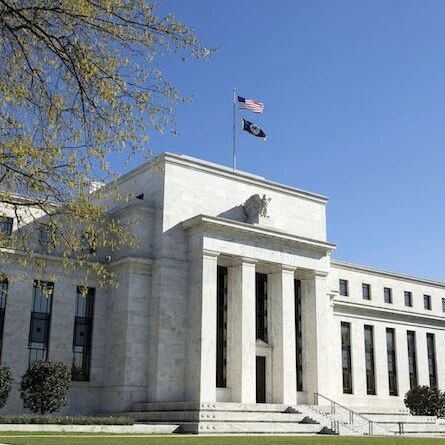
美联储政策转折点?降息进入倒计时!
Sou Hu Cai Jing· 2025-09-04 09:08
Core Insights - The Federal Reserve is likely to initiate interest rate cuts in the upcoming meeting, with a potential for multiple cuts over the next three to six months [1][8] - The direction of monetary policy is aimed at moving towards a neutral interest rate, which may require a reduction of 100 to 150 basis points [9][10] - The internal consensus within the Federal Reserve is strengthening, with key figures like Powell and Waller aligning on the need for rate cuts [10] Economic Conditions - The labor market is showing signs of significant cooling, with recent data indicating a slowdown in job growth, raising concerns about rising unemployment [5][10] - Inflation remains stubbornly above the Fed's 2% target, particularly driven by rising service sector prices, complicating the monetary policy landscape [3][5] - Waller believes that concerns about inflation from tariffs are short-term and expects inflation to return to the target within six to seven months [5] Future Outlook - The Federal Reserve's approach will be data-dependent, with the pace and magnitude of rate cuts contingent on upcoming economic indicators [8][10] - The overall monetary policy is expected to transition into a relatively accommodative phase in the coming months, prioritizing economic stability over immediate inflation concerns [10]
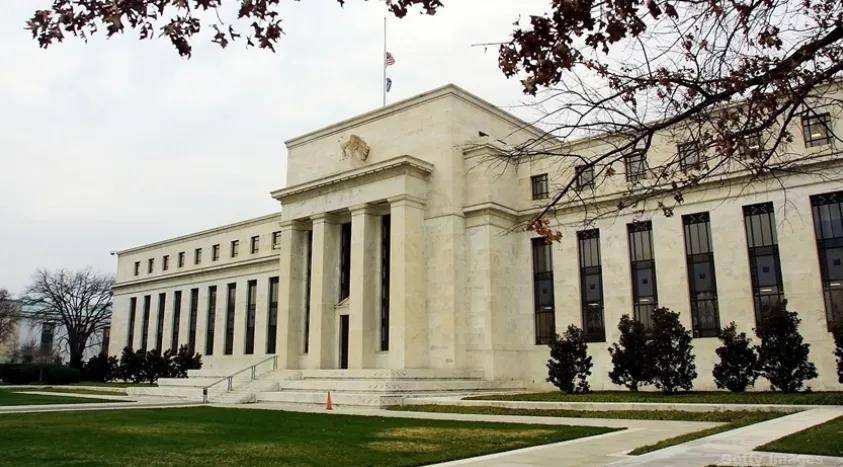
美联储9月“降息窗口”越开越大,就连鹰派官员也松口了
Feng Huang Wang· 2025-09-04 07:37
Group 1 - St. Louis Federal Reserve President Alberto Musalem predicts a gradual cooling of the job market and downplays long-term inflation concerns, potentially paving the way for interest rate cuts this fall [1][2] - Musalem expressed concerns about the labor market, noting that any increase in layoffs could lead to more significant weakness, especially with recent employment data showing downward revisions [1][2] - He estimates that the U.S. economy now only needs to create 30,000 to 80,000 jobs per month to meet population growth needs, down from over 100,000 in previous years [2] Group 2 - Other Federal Reserve officials, including Governor Chris Waller, support the idea of rate cuts due to concerns about a weakening job market [2][3] - Waller anticipates multiple rate cuts in the next three to six months to reach a neutral interest rate of 3% [3] - Atlanta Fed President Raphael Bostic acknowledges the need for rate cuts due to signs of a cooling job market, suggesting a potential reduction of around 25 basis points [3]
美联储理事沃勒:我已经明确表示,我认为下次会议应该降息。希望在劳动力市场下行前行动。我预计未来几个月将有多次降息。通胀预期锚
Sou Hu Cai Jing· 2025-09-03 15:02
Core Viewpoint - The Federal Reserve Governor Waller advocates for interest rate cuts in the upcoming meetings, emphasizing the need to act before the labor market declines [1] Group 1: Interest Rate Outlook - Waller expects multiple interest rate cuts in the coming months [1] - He believes that the inflation expectations are anchored and that the 10-year U.S. Treasury yield has been somewhat stabilized [1] - The pace of interest rate cuts does not need to follow a fixed rhythm [1] Group 2: Inflation and Economic Indicators - Waller predicts that inflation rates will begin to return to 2% within 6-7 months [1] - He asserts that tariffs will not lead to long-term inflation [1] - Other colleagues at the Federal Reserve have a much higher neutral interest rate expectation [1]
美联储理事沃勒:本月应启动降息,未来3-6个月可多次下调
Hua Er Jie Jian Wen· 2025-09-03 14:20
Group 1 - The Federal Reserve Governor Waller advocates for starting interest rate cuts this month, with multiple reductions expected in the next three to six months, depending on future economic data [1][2] - Waller emphasizes that while the direction for rate cuts is clear, the pace and extent will be determined by economic indicators, suggesting a potential reduction of 100 to 150 basis points to reach a neutral rate [2] - The current economic backdrop shows a cooling labor market with significant employment growth slowdown, while inflation pressures persist, particularly from rising service prices, keeping inflation above the Fed's 2% target [3] Group 2 - Waller expresses confidence that inflation will trend downwards after short-term disruptions, potentially returning to the Fed's target within six to seven months, despite acknowledging widespread concerns about inflation risks from tariffs [3] - Waller has been a long-time advocate for rate cuts, previously dissenting against the decision to maintain rates in July, favoring a 25 basis point reduction [3] - Waller also addresses speculation regarding his potential candidacy for the next Fed Chair position, indicating past discussions with Treasury Secretary Yellen but no current interviews scheduled [3]
特朗普史诗级干预下,美联储还有一个加强独立性的方法
Jin Shi Shu Ju· 2025-08-29 05:49
Core Viewpoint - The Federal Reserve, under Chairman Powell, is managing U.S. interest rates effectively despite political pressures, but there is room for improvement in its broader monetary policy framework [1][2]. Group 1: Interest Rate Policy - Powell indicated that the Federal Reserve will consider a 25 basis point cut in short-term interest rates at the September policy meeting, with a nearly 90% probability of a rate cut, contingent on upcoming employment data [1]. - The Fed's current monetary policy is in a "restrictive range," and risks of a weakening labor market may emerge quickly, while inflation expectations remain stable [1]. Group 2: Monetary Policy Framework - The Fed has reverted to a "symmetric average inflation targeting" approach, treating inflation above and below the target equally, aiming for maximum employment consistent with price stability [2]. - The adjustments restore the Fed's proactive ability to address inflation risks exceeding the 2% target and balance employment and price stability goals more equitably [2]. Group 3: Communication and Policy Implementation - The Fed needs to improve its communication regarding economic outlooks and potential responses, moving beyond marginal adjustments to include detailed staff forecasts with alternative scenarios [3]. - A cost-benefit framework is necessary for guiding the use of quantitative tightening tools, as the costs of the previous quantitative easing program exceeded $500 billion [2].
美联储沃勒:我们知道我们正朝着中性利率水平迈进,只是抵达的速度有多快的问题。
Sou Hu Cai Jing· 2025-08-28 23:10
Core Viewpoint - The Federal Reserve is aware that it is moving towards a neutral interest rate level, with the main question being the speed of reaching that level [1] Group 1 - The Federal Reserve's Waller emphasizes the importance of understanding the pace at which the neutral interest rate is approached [1]
美联储威廉姆斯:如果中性利率是1%或略低,现在就处在限制区域。
Sou Hu Cai Jing· 2025-08-27 13:05
Core Viewpoint - The Federal Reserve's Williams indicated that if the neutral interest rate is around 1% or slightly lower, the current rates are in a restrictive zone [1] Group 1 - The neutral interest rate is a critical benchmark for monetary policy, suggesting that current rates may be limiting economic growth [1] - Williams' comments reflect ongoing concerns about the impact of interest rates on the economy, particularly in relation to inflation and growth [1]