
碳达峰碳中和

Search documents
新华财经晚报:商务部回应安世半导体问题 中方同意荷方派员来华磋商请求
Xin Hua Cai Jing· 2025-11-08 11:12
Group 1: Carbon Neutrality and Energy Transition - The State Council Information Office released a white paper titled "China's Actions on Carbon Peak and Carbon Neutrality," emphasizing the importance of achieving carbon peak and carbon neutrality as a major decision for sustainable development [1] - The white paper outlines significant achievements in green and low-carbon energy transformation, highlighting the establishment of a robust support system for low-carbon development [1] - It stresses that the past five years have seen China firmly implement the concept of "lucid waters and lush mountains are invaluable assets," leading to historic accomplishments in green and low-carbon transitions [1] Group 2: Semiconductor Supply Chain - The Ministry of Commerce responded to the ASML semiconductor issue, noting that China has not seen substantial actions from the Netherlands to restore global semiconductor supply chain stability [2] - China has announced exemptions for relevant exports to stabilize the semiconductor supply chain and called for constructive proposals from the Netherlands to resolve the ASML issue [2] Group 3: Internet Development and AI - The "China Internet Development Report 2025" indicates that artificial intelligence (AI) will rapidly expand application scenarios and deepen user penetration, becoming a core driver for the intelligent upgrade of the real economy [3] - The "World Internet Development Report 2025" highlights significant improvements in AI model reasoning capabilities and the increasing importance of embodied intelligence across various sectors [3] Group 4: Mining and Resource Discovery - Gansu Province has discovered a super-large magnesium limestone deposit with over 700 million tons of resources, marking a significant breakthrough in mineral resource exploration [4] - The discovered limestone has diverse utilization value, serving as an important raw material for magnesium smelting and applicable in various industrial fields [4] Group 5: Platinum Market Dynamics - The global platinum market is entering a sustained shortage cycle, with supply heavily reliant on South Africa, where mining expansion takes three years, leading to a structural deficit in the industry [5]
新征程·新蓝图|加快建设新型能源体系 推动绿色转型发展
Xin Hua She· 2025-11-08 09:03
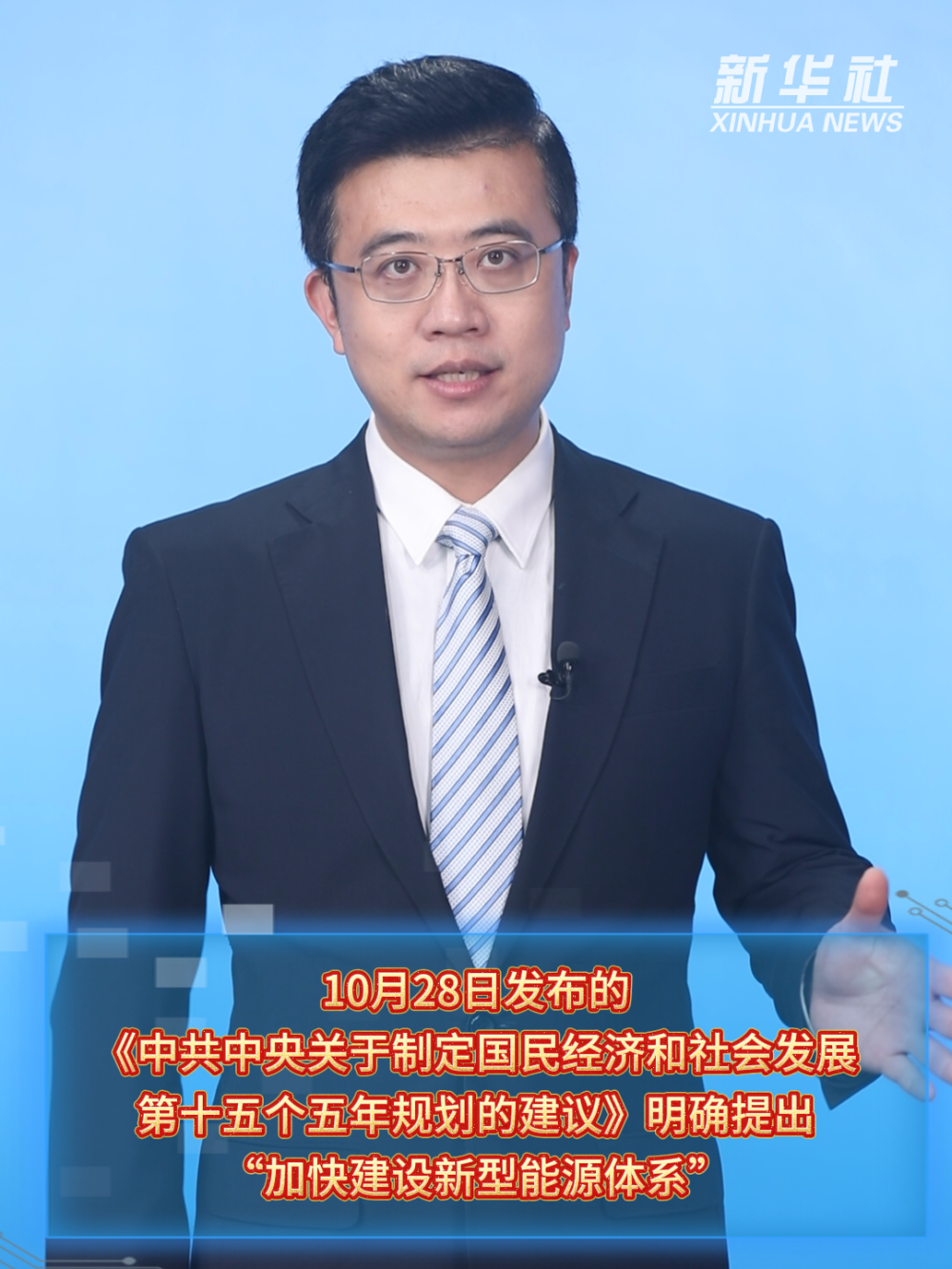
《建议》提出,持续提高新能源供给比重,推进化石能源安全可靠有序替代,着力构建新型电力系统,建设能源强国。 Harry 2 4 题华盛 JI TE NEW P t 1 声音来源: 声音来源: 中国华电集团有 副总工程师 李丁 华北电力大学国家能源发展战略研究院 执行院长 王鹏 不断增强对绿色电力保供 能源消费将更加绿色化低碳化 Supply in the same 0:00 10月28日发布的《中共中央关于制定国民经济和社会发展第十五个五年规划的建议》明确提出,"加快建设新型能源体系"。新型能源体系以非 化石能源为供应主体、化石能源为兜底保障、新型电力系统为关键支撑、绿色智慧节约为用能导向。加快建设新型能源体系,既能够推动能源 绿色低碳转型、支撑实现碳达峰碳中和,也是保障国家能源安全的重要支撑。 新华 社 XINHUA NEWS 10月28日发布的 《中共中央关于制定国民经济和社会发展 第十五个五年规划的建议》明确提出 "加快建设新型能源体系" 冠军 前 XINHUA NEWS 新型能源体系 以有影看能源为供应套体 化有能源为兜底保障 新型电力系统为关键支撑 缘色智慧节约为用能导向 加快建设新型能源体系 既能够 ...

《碳达峰碳中和的中国行动》白皮书:中国新能源发展规模最大、速度最快
Zhong Guo Jing Ying Bao· 2025-11-08 09:00
Core Insights - The white paper titled "China's Actions on Carbon Peak and Carbon Neutrality" emphasizes the importance of renewable energy in achieving China's dual carbon goals while ensuring energy security [1] Renewable Energy Development - China is prioritizing the development of non-fossil energy, aiming to increase its share of non-fossil energy consumption from 16.0% in 2020 to 19.8% by 2024, with an average annual increase of nearly 1 percentage point [1] - By the end of August 2025, the installed capacity of wind and solar power is expected to exceed 1.69 billion kilowatts, more than three times the capacity in 2020, contributing approximately 80% of the new power installations since 2020 [1] - The share of wind and solar power generation is steadily increasing at an average annual rate of 2.2 percentage points [1] Hydropower and Nuclear Energy - As of the end of August 2025, conventional hydropower installed capacity is approximately 380 million kilowatts, with pumped storage capacity at 62.365 million kilowatts [1] - There are 112 nuclear power units in operation, under construction, or approved for construction, with a total installed capacity of 125 million kilowatts, ranking first in the world [1] Green Hydrogen Production - By the end of 2024, green hydrogen production capacity is expected to exceed 150,000 tons per year, also ranking first globally [1]

新征程·新蓝图丨加快建设新型能源体系 推动绿色转型发展
Xin Hua She· 2025-11-08 08:52
10月28日发布的《中共中央关于制定国民经济和社会发展第十五个五年规划的建议》明确提出,"加快建设新型能源体系"。新型能源体系以非 化石能源为供应主体、化石能源为兜底保障、新型电力系统为关键支撑、绿色智慧节约为用能导向。加快建设新型能源体系,既能够推动能源 绿色低碳转型、支撑实现碳达峰碳中和,也是保障国家能源安全的重要支撑。 冠军 前 XINHUA NEWS 新型能源体系 以有影看能源为供应套体 化有能源为兜底保障 新型电力系统为关键支撑 缘色智慧节约为用能导向 加快建设新型能源体系 既能够推动能源绿色低碳转型 支撑实现碳达峰碳中和 也是保障国家能源安全的重要支撑 《建议》提出,持续提高新能源供给比重,推进化石能源安全可靠有序替代,着力构建新型电力系统,建设能源强国。 Harry 2 4 题华盛 JI TE NEW P t 1 声音来源: 声音来源: 中国华电集团有 副总工程师 李丁 华北电力大学国家能源发展战略研究院 执行院长 王鹏 不断增强对绿色电力保供 能源消费将更加绿色化低碳化 Supply in the same 新征程 新區零 • 加快建设新型能源体系 推动绿色转型发展 0 00 00 00 00 ...
探索“以绿制绿”新路径 大美“风光”助力零碳 钢筋丛林携手“碳”路新生
Yang Shi Wang· 2025-11-08 08:47
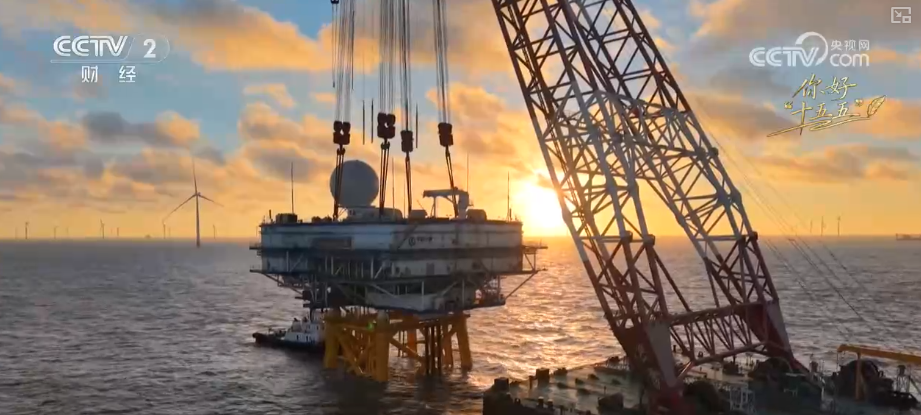
Group 1 - The "14th Five-Year Plan" emphasizes accelerating the comprehensive green transformation of economic and social development, aiming to build a beautiful China with carbon peak and carbon neutrality as the guiding principles [1] - China has established the world's largest and fastest-growing renewable energy system, with wind and solar installed capacity accounting for nearly half of the global total [1] - The challenge of integrating new energy and achieving deep carbon reduction in high-energy-consuming industries will be addressed during the "14th Five-Year" period [1] Group 2 - In Jiangsu Yancheng Dafeng sea area, significant progress is being made towards full-capacity grid-connected power generation by the end of November, with large wind turbine blades being precisely connected at heights of over 100 meters [4] - By 2025, nearly 200 sets of wind power main units have been dispatched from the port, supporting the construction of a 1.65 million kilowatt offshore wind farm [7] - The first quarter of 2025 will see China's wind and solar power installed capacity surpassing that of thermal power for the first time, raising questions about the consumption of rapidly growing new energy electricity [12] Group 3 - The plan includes the establishment of around 100 national-level zero-carbon parks during the "14th Five-Year" period, linking green electricity production with the Dafeng Port zero-carbon industrial park [14] - The wind power industry in China has a complete industrial chain and efficient production, supporting rapid domestic wind power installation growth and providing 70% of global wind power equipment [15] - The average production cycle for each wind turbine main unit is 7 to 9 days, showcasing the efficiency of the production process [15] Group 4 - The zero-carbon park is also focusing on the production of green hydrogen and ammonia, exploring pathways for "green production" [17] - A steel enterprise is participating in the zero-carbon park's planning, constructing a 135-megawatt supercritical generator set to replace outdated units and utilize waste heat and gas for power generation [19] - The collaborative carbon reduction approach is revitalizing the steel industry while addressing challenges related to emissions and waste disposal [21]
《碳达峰碳中和的中国行动》白皮书发布
国家能源局· 2025-11-08 08:22
Core Viewpoint - The white paper emphasizes that achieving carbon peak and carbon neutrality is a significant decision made by China based on the internal requirements for sustainable development, reflecting a commitment to human civilization and ecological balance [2][6][10]. Group 1: Commitment to Carbon Peak and Neutrality - China regards carbon peak and neutrality as a national strategy, promoting a comprehensive green transformation of economic and social development [8]. - The approach to achieving carbon peak and neutrality is seen as essential for addressing resource and environmental constraints, ensuring energy security, and enhancing the quality of life for citizens [9][10]. - The white paper outlines a systematic approach to carbon peak and neutrality, emphasizing national coordination, energy conservation, and the dual role of government and market forces [11][12][13]. Group 2: Energy Transition Achievements - Significant progress has been made in the green and low-carbon transformation of energy, with non-fossil energy consumption increasing from 16.0% in 2020 to 19.8% in 2024 [15]. - The development of renewable energy sources, particularly wind and solar power, has seen a threefold increase in installed capacity since 2020, contributing to 80% of new power installations [15][16]. - The clean and efficient utilization of fossil energy is being accelerated, with the share of fossil energy consumption decreasing from 84.0% in 2020 to 80.2% in 2024 [17]. Group 3: Low-Carbon Development in Key Sectors - The industrial sector is undergoing a rapid low-carbon transformation, with a focus on upgrading traditional industries and promoting green manufacturing [22]. - The transportation sector is advancing towards a low-carbon system, with the penetration rate of new energy vehicles reaching 52.2% in 2025 [25]. - Urban and rural construction practices are being transformed to enhance green and low-carbon development, with a significant increase in green building practices [27][28]. Group 4: Effective Carbon Reduction Pathways - Energy conservation and efficiency improvements are prioritized, with a reported 11.6% reduction in energy consumption per unit of GDP over the first four years of the 14th Five-Year Plan [32]. - The development of a circular economy is being emphasized, with waste recycling and resource utilization systems being established [34][35]. - The enhancement of ecosystem carbon sinks is being pursued, contributing to a significant increase in green coverage and carbon sequestration capabilities [36][37]. Group 5: Strengthening Support Systems - The establishment of a comprehensive carbon emission statistical and accounting system is underway, enhancing the ability to track and manage emissions [39]. - Economic policies supporting green and low-carbon development are being refined, with significant growth in green loans and insurance [42][43]. - Technological innovation is being leveraged to advance low-carbon technologies, with a notable increase in international patent applications in this field [44]. Group 6: Global Climate Governance Contribution - China is actively participating in and leading global climate governance efforts, promoting international cooperation and the principles of the Paris Agreement [46][47].
谋篇布局“十五五”|读懂中国全面绿色转型决心
Zhong Guo Jing Ji Wang· 2025-11-08 07:39
Core Viewpoint - The "14th Five-Year Plan" emphasizes green development as a fundamental aspect of China's modernization, aiming to achieve carbon peak and carbon neutrality while enhancing ecological safety and green development momentum [3][4]. Group 1: Green Development Initiatives - The plan advocates for a strong commitment to the concept of "lucid waters and lush mountains are invaluable assets," promoting coordinated efforts in carbon reduction, pollution control, and ecological enhancement [4][5]. - It highlights the importance of comprehensive pollution prevention and ecological system restoration, focusing on source governance and multi-pollutant control [5][6]. Group 2: Energy Transition - The strategy includes accelerating the establishment of a new energy system, increasing the share of renewable energy, and ensuring a reliable transition from fossil fuels [7][8]. - It calls for the development of a new power system, emphasizing the integration of various energy sources such as wind, solar, and nuclear [8][9]. Group 3: Market Mechanisms and Standards - The plan proposes the establishment of market and pricing mechanisms suitable for the new energy system, including a carbon emissions trading market and a comprehensive green low-carbon standard system [9][10]. - It aims to enhance the capacity to respond to climate change, particularly extreme weather events, through improved frameworks and standards [9][10]. Group 4: Sustainable Lifestyle Promotion - The initiative seeks to promote green production and lifestyle changes, including the optimization of industrial layouts and urban planning to support low-carbon transitions [10][11]. - It emphasizes the need for financial, fiscal, and technological policies to incentivize green consumption and lifestyle practices [12].

下一个五年,力争建成100个左右零碳园区
Zhong Guo Neng Yuan Wang· 2025-11-08 06:06
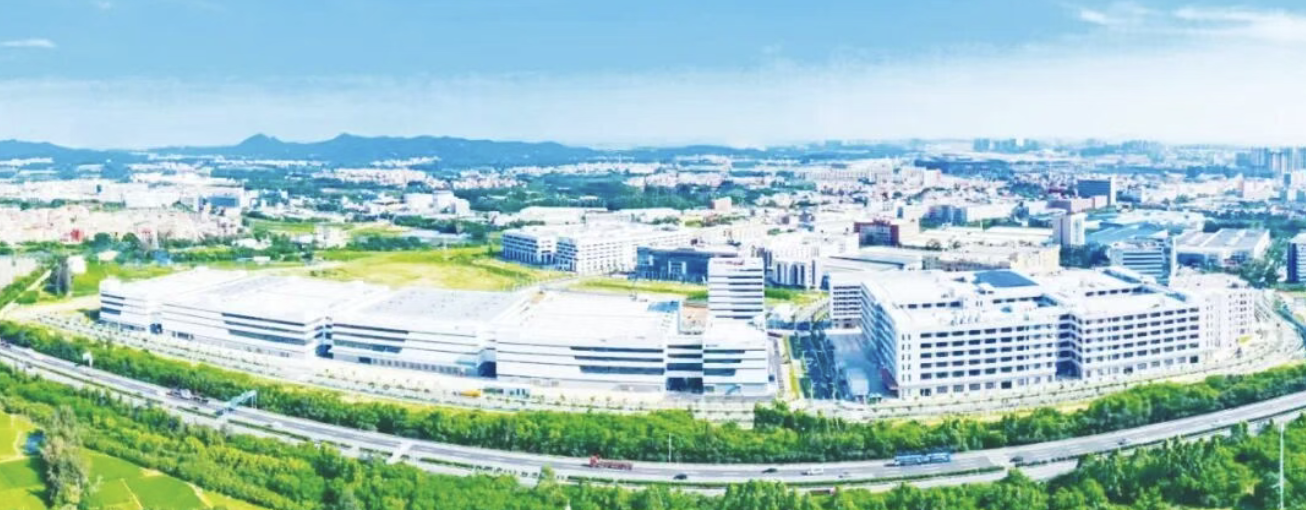
Core Insights - The Chinese government is accelerating the green low-carbon transformation of industrial structures, aiming to establish around 100 national-level zero-carbon parks during the "14th Five-Year Plan" period, creating significant growth opportunities for green low-carbon industries [2] - Zero-carbon parks are complex systems that require effective collaboration among various stakeholders, including parks, enterprises, and power grids, to explore feasible technical and economic implementation paths [2][3] Group 1: Development Trends - Various regions in China are actively pursuing the construction of zero-carbon parks as a key strategy for green transformation, with local standards and industry norms being developed [3] - The National Development and Reform Commission (NDRC), along with other ministries, has issued guidelines for zero-carbon park construction, marking a significant step towards systematic implementation [3] Group 2: Significance of Zero-Carbon Parks - Zero-carbon parks serve as experimental fields for resource coordination, enabling real-time matching of energy supply and demand while reducing overall energy consumption and carbon emissions [4] - The construction of zero-carbon parks can enhance international competitiveness by lowering product carbon footprints and helping companies meet international trade requirements [4] Group 3: Challenges in Implementation - Despite enthusiasm for zero-carbon park construction, challenges remain, including misconceptions that equate zero-carbon parks solely with renewable energy projects [5] - Key issues include ensuring stable green energy supply, top-level design of industrial planning, and establishing international recognition mechanisms for carbon standards [5][6] Group 4: Policy and Local Adaptation - A robust policy support system is essential for the success of zero-carbon parks, including green electricity trading and infrastructure development [6] - Local conditions, such as resource endowments and existing energy structures, must be considered when planning zero-carbon parks, with some regions adopting a "park within a park" model to meet specific targets [7][8] Group 5: Future Directions - Effective zero-carbon park construction requires systematic planning and precise strategies, including thorough assessments of carbon emissions and energy sources [8] - The NDRC plans to support the first batch of national-level zero-carbon parks based on local recommendations, emphasizing the need for tailored approaches that align with regional characteristics [9]
碳达峰碳中和的中国行动白皮书:中国重点降碳路径全面落地见效
Xin Hua She· 2025-11-08 05:47
白皮书指出,中国坚持系统观念,推进山水林田湖草沙一体化保护和系统治理,生态系统碳汇能力持续 增强,在世界范围内率先实现土地退化"零增长"、荒漠化土地和沙化土地面积"双减少",近20年来为全 球贡献了约四分之一的新增绿化面积。2024年,森林覆盖率达25.09%,森林蓄积量达209.88亿立方米, 草原综合植被盖度达50.52%,目前林草年碳汇量超过12亿吨二氧化碳当量。(记者魏玉坤 高敬) 新华社北京11月8日电 国务院新闻办公室8日发布的《碳达峰碳中和的中国行动》白皮书指出,中国重 点降碳路径全面落地见效。中国深入实施节能降碳增效行动、循环经济助力降碳行动、碳汇能力巩固提 升行动,取得积极成效。 白皮书介绍,中国大力发展循环经济,全面提高资源利用效率,充分发挥减少资源消耗和减少碳排放的 协同效应。截至2024年底,建成废旧物资回收网点约15万个,各类大型分拣中心约1800个。2024年,煤 矸石、粉煤灰、尾矿等七种大宗固废综合利用率达59%,较2020年提高3个百分点。 白皮书指出,中国始终坚持节能优先方针,推动能源消费革命,着力建设能源节约型社会。扣除原料用 能和非化石能源消费量后,"十四五"前四年中国单 ...
碳达峰碳中和的中国行动白皮书:中国为全球气候治理注入强大动力
Xin Hua She· 2025-11-08 05:47
Core Viewpoint - China is committed to global climate governance, promoting international cooperation and leading the new pattern of global climate governance with its own practices and ideas [1][2] Group 1: Global Climate Governance - China actively promotes the signing, effectiveness, and implementation of the Paris Agreement, maintaining the goals and principles established by the United Nations Framework Convention on Climate Change and the Paris Agreement [1] - The country emphasizes fair and differentiated responsibilities and capabilities, aiming to build a fair, reasonable, and cooperative global climate governance system [1] Group 2: Belt and Road Initiative - China deepens cooperation in green infrastructure, energy, and transportation with countries involved in the Belt and Road Initiative, making green development a prominent feature of high-quality Belt and Road construction [1] - The country has established energy cooperation platforms with six major regions and formed energy cooperation partnerships with 34 countries [1] Group 3: Renewable Energy and Emission Reduction - China exports wind power, photovoltaic, and new energy vehicle products to over 200 countries, providing 70% of global wind power equipment and 80% of photovoltaic components [2] - The export of wind and photovoltaic products during the 14th Five-Year Plan period is expected to reduce carbon emissions by approximately 4.1 billion tons for other countries [2] Group 4: Support for Developing Countries - Since 2016, China has mobilized over 177 billion RMB for projects to enhance developing countries' capacity to address climate change [2] - China has signed 55 climate change South-South cooperation memorandums with 43 developing countries and implemented over 300 capacity-building projects [2] Group 5: Future Commitment - Looking ahead, China expresses willingness to work with the international community to build an ecological civilization and tackle global climate challenges together [2]