首店经济

Search documents
从尝鲜到长线 首店经济持续升温
Ren Min Ri Bao· 2025-07-30 23:48
Core Viewpoint - The Chinese government is implementing a special action plan to boost consumption by encouraging both international and domestic brands to open their first stores in various cities, thereby stimulating economic growth and enhancing consumer choice [1][2][3]. Group 1: Policy Initiatives - The Central Political Bureau of the Communist Party of China has proposed to deepen the implementation of consumption-boosting actions, focusing on expanding both goods and service consumption [1]. - The "Special Action Plan for Boosting Consumption" encourages the establishment of first stores and flagship stores for high-quality domestic and international brands [1][3]. - Beijing's new consumption plan aims to attract 2,372 first stores by the end of 2024, with nearly 400 new stores opened in the first five months of this year [3]. Group 2: Market Trends - International brands are increasingly establishing their first stores in Beijing, with notable examples including the Swedish outdoor brand "Firestick" and the French brand "Bollingen" [2]. - The first store economy is seen as a new and vibrant consumption model, with brands like Nike and Adidas setting up their China headquarters in Shanghai to better understand local consumers [5][6]. - In Chongqing, the introduction of first stores is linked to the city's night economy, with a focus on attracting young consumers through innovative retail experiences [7][8]. Group 3: Economic Impact - The presence of first stores significantly boosts foot traffic and overall consumption in shopping malls, with some stores attracting over 10,000 visitors during holidays [3]. - Shanghai has seen a rise in sports brands opening their first stores, contributing to the development of new retail formats and enhancing the city's shopping experience [4][5]. - Chongqing has hosted over 120 events related to first store launches in the past three years, indicating a strong commitment to fostering a vibrant retail environment [7].


社零额1.42万亿元 同比增长7.2% 河南消费市场“热力升腾”
Zhong Guo Chan Ye Jing Ji Xin Xi Wang· 2025-07-30 22:17
站旁的蜜雪冰城全球总部旗舰店,排队的人流蜿蜒数十米。门头巨大的雪王雕塑身着红色披风,憨态可 掬的模样引得顾客纷纷打卡拍照。 "从开业到现在,每天都是爆满状态。到了周末,排队要等半个多小时,很多顾客都是拉着行李箱直接 来的。"据门店负责人透露,该店日均客流量5000人次,周末日均营收20万元,"五一"期间单日最高营 收突破60万元,已成为郑州新的网红地标。 消费券的发放产生了显著的杠杆效应。围绕零售、餐饮、文旅、住宿等领域,河南省级层面发放了3.5 亿元消费券,带动消费超30亿元。开封清明上河园景区相关负责人透露,文旅消费券核销后,暑期游客 量同比增长25%,夜游项目收入翻番。 服务消费进一步提质升级。河南省商务厅牵头建立了省级跨部门联系机制,构建服务消费高质量发 展"1+N"工作体系,印发实施了餐饮、住宿、老年助餐、入境旅游等6个文件;举办了"豫鉴美食"等系 列促消费活动和多场家政企业进社区直播招聘活动,提供就业岗位3570个,促进了供需对接。 "首店经济"培育出新的消费增长极。山姆、京东MALL河南首店选址落户,苏宁、盒马鲜生、鲜风生活 等加快布局;永辉等6家商超经胖东来调改后,日均客流量、营业额增长3倍。 ...
从尝鲜到长线,首店经济持续升温(中国消费向新而行)
Ren Min Ri Bao· 2025-07-30 21:58
Group 1 - The core viewpoint of the articles emphasizes the implementation of consumption-boosting initiatives in China, particularly through the establishment of flagship stores and the introduction of international and local brands to stimulate economic growth [1][2][3] - The "first store economy" is highlighted as a new consumption model that integrates urban renewal and consumption upgrades, with a focus on attracting both international and domestic brands to open their first stores in major cities like Beijing and Shanghai [3][4][5] - Beijing has seen significant growth in the number of first stores, with nearly 400 new stores opened in the first five months of the year, and a target of 2,372 first stores by the end of 2024 [3][6] Group 2 - Shanghai is actively attracting international sports brands to establish their first stores, enhancing consumer experience through innovative service offerings like professional fitness assessments [4][5][6] - The city has implemented supportive policies to streamline the process for new store openings, including financial incentives for high-profile first stores, resulting in 173 new stores in the first quarter of 2025 [6][7] - Chongqing is focusing on linking first stores with the night economy, targeting young consumers and introducing a variety of new brands to enhance shopping experiences [7][8] Group 3 - The articles collectively illustrate a trend where cities are leveraging the establishment of first stores to invigorate local economies, attract diverse consumer demographics, and create vibrant shopping environments [2][3][4][5][6][7] - The ongoing support from government policies is crucial for sustaining the growth of the first store economy, with various measures being introduced to facilitate brand entry and operational success [7][8]
汇嘉时代2025年上半年净利大增62.64% 潘锦海:供应链优化空间大,“鱼菜直达”保权益
Zheng Quan Shi Bao Wang· 2025-07-30 13:34
Group 1 - The company reported a revenue of 1.271 billion yuan for the first half of 2025, representing a year-on-year growth of 2.29% [1] - The net profit attributable to shareholders reached 67.0481 million yuan, showing a significant increase of 62.64% compared to the previous year [1] - The company has established a strong presence in the Xinjiang market with 6 department stores, 5 shopping centers, and 11 independent supermarkets, covering a total construction area of 1.07 million square meters [1] Group 2 - During the reporting period, the company introduced 224 new department store brands, filling market gaps with exclusive brands in Urumqi [2] - The company has focused on enhancing its supermarket offerings by introducing over 10,000 popular and best-selling products [2] - The application of artificial intelligence in retail has led to improvements in sales channel upgrades, personalized marketing, and supply chain efficiency [2] Group 3 - The introduction of the Feishu intelligent collaboration platform has accelerated the company's digital transformation, enhancing store management and cross-department collaboration [3] - The gross margin for the department store segment increased from 5.41% in the first half of 2024 to 7.09% in the current reporting period, while the supermarket gross margin rose from 13.61% to 18.34% [3] Group 4 - The company has optimized its supply chain by collaborating with Henan Dazhang Group, which has helped reduce operational costs [4] - Future supply chain enhancements will focus on value and quality control, utilizing AI to improve procurement processes [4]

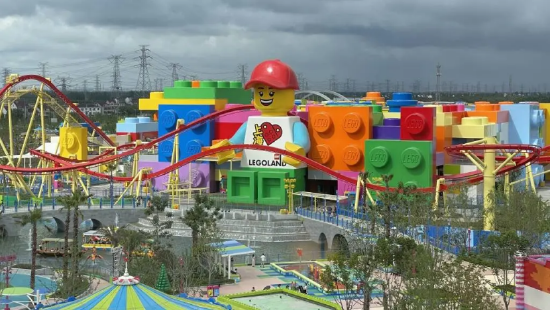
一月两次!来上海乐高乐园:人不多,还能“挂”上天|BUG
Xin Lang Ke Ji· 2025-07-29 00:16
Core Insights - The Shanghai Lego Park has faced operational issues, including a recent incident where visitors were stranded on the "Big Flying Car" ride for about 5 minutes, following a previous malfunction during its trial operation where guests were suspended for over 40 minutes [1][10] - Despite being in the peak summer tourist season, the park has not seen overwhelming visitor numbers, with most attractions having wait times around 5 minutes, indicating low visitor traffic compared to competitors like Shanghai Disneyland [3][8] Visitor Experience and Feedback - The park's ticket availability remains high, contrasting with the early sell-out of tickets for Shanghai Disneyland prior to its opening, suggesting a lack of demand for Lego Park [4][8] - Annual pass holders have expressed dissatisfaction due to restrictions on booking times and difficulties in obtaining refunds, raising concerns about consumer rights [11][13] - Visitors have criticized the park's distance from central Shanghai, with travel times exceeding two hours, making it less accessible compared to Disneyland [7][17] Pricing and Value Perception - The ticket prices for Lego Park are comparable to those of Shanghai Disneyland, with adult tickets priced at 549 yuan and children's tickets at 439 yuan, yet the park's smaller size and limited IP offerings have led to perceptions of lower value [8][17] - The park's total investment is estimated to exceed 10 billion yuan, and industry experts suggest it may take up to 10 years to recoup this investment based on projected visitor numbers, which currently appear uncertain [16][17] Market Position and Competition - Lego Park's target demographic focuses on middle-class families with children, but its smaller scale and the presence of established competitors like Disneyland may hinder its ability to attract sufficient visitors [16][17] - Analysts note that the park's branding and offerings may not resonate as strongly with adult visitors, leading to a disparity in public perception compared to the more universally appealing Disneyland [17][18]

上半年南京新开首店超200家
Jiang Nan Shi Bao· 2025-07-28 14:12
Core Insights - Nanjing has opened over 200 first stores in the first half of the year, with more than 43% being from Jiangsu and above, showcasing a trend of "quantity and quality improvement, diverse formats, and all-region collaboration" [1][2] - The first store matrix in Nanjing is continuously optimizing, with a multi-level ecosystem formed by national leadership, regional radiation, and local innovation [1] - The distribution of first stores aligns with consumption upgrade trends, with nearly 52% being in the dining sector, indicating a shift from mere sustenance to social engagement [1][2] Distribution and Economic Impact - First stores are widely distributed across major business districts and emerging areas in Nanjing, with significant contributions from core districts like Qinhuai and Xuanwu [2] - The "first store economy" is becoming a vital engine for urban economic development and consumer growth, supported by policies expanding from "first store economy" to "first launch economy" [2][3] - Nanjing has implemented over ten million yuan in support policies for the first store economy in recent years, enhancing its attractiveness for new brands [2] Future Development - The 2025 First Launch Economic Development Conference in Nanjing resulted in the signing of 19 high-energy projects, further invigorating the consumer market [3] - Nanjing aims to enhance its influence and radiation of the first launch economy by leveraging the conference platform and focusing on various fields [3] - Initiatives like the "First Creation Jinling" action will promote new consumer brand showcases and diversify consumption scenarios to drive continuous innovation in the first launch economy [3]
比拼首店资源 乐堤港招商考验持久度与差异化
Bei Jing Shang Bao· 2025-07-28 03:02
Core Insights - The article highlights the growing importance of "first-store economy" in the commercial real estate sector in Tongzhou, Beijing, with projects like Beijing Ledi Port focusing on attracting flagship and first-store brands to enhance consumer engagement and market potential [1][4][5] Group 1: Project Overview - Beijing Ledi Port has achieved a 50% leasing completion rate, with a focus on signing first-store and flagship brands, expected to comprise 30% and 20% of the total brands respectively [2][4] - The project will feature a total area of 370,000 square meters, including a shopping center of approximately 100,000 square meters, set to open in October 2022 [3] - The project aims to enhance the night economy in Tongzhou by introducing themed commercial districts, including a street market and children's area [2][3] Group 2: Brand Strategy - The project has successfully signed notable brands such as 7fresh, Capital Cinema, and Huawei flagship store, with plans to include over 260 brands by the opening, emphasizing the significance of first-store brands [2][4] - The competition for first-store resources is intensifying, with other projects like Beijing Beitou Aegean Shopping Park also focusing on attracting first-store brands [4][5] Group 3: Market Dynamics - The local government is promoting policies to support the development of first-store economy, including financial incentives for brands opening in the area [5] - Experts suggest that while first-store brands can drive initial consumer interest, maintaining long-term appeal and differentiation is crucial for sustained success [6][7][8]
天津110+首店上新,万象城、大悦城上演“顶流之争”
3 6 Ke· 2025-07-28 02:41
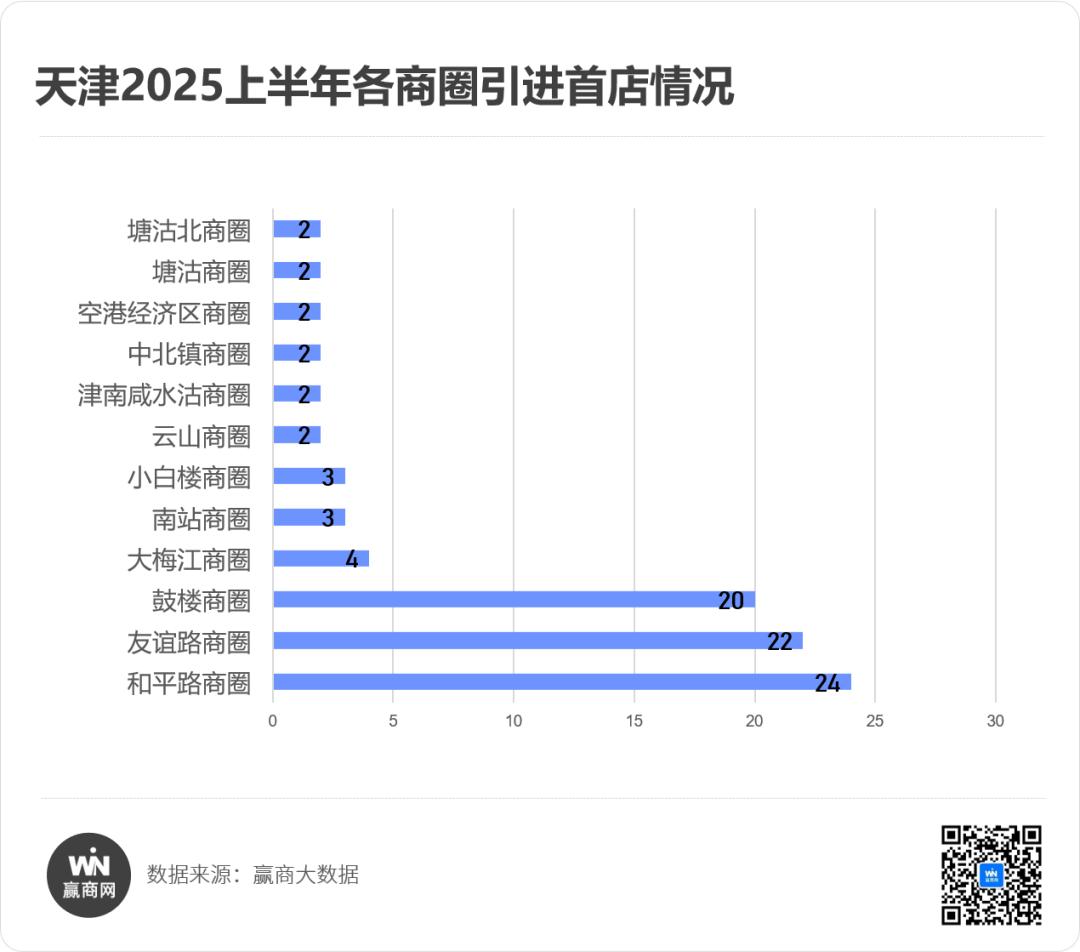
Core Insights - The "first store economy" in Tianjin is experiencing a significant surge, with 111 quality first stores and 28 general first stores set to open in the first half of 2025, marking a 131% increase compared to the same period in 2024, reaching a three-year high [1] - The focus has shifted from mere quantity to quality, with a concentration of high-energy first stores becoming a defining feature of this growth [1] - The emergence of international brands and innovative business models is enhancing consumer choices and aligning Tianjin's commercial landscape with global trends [1] Group 1: Market Dynamics - The three major commercial districts—Peace Road, Friendship Road, and Drum Tower—account for 59.4% of the total first stores, forming a stable "commercial golden triangle" [2] - Friendship Road and Drum Tower are dominated by Tianjin MixC and Tianjin Joy City, respectively, showcasing a "single project-driven" development model [2] - The Peace Road district exhibits a more inclusive development approach, with various types of first stores complementing each other and enriching the commercial landscape [4] Group 2: Competitive Landscape - Tianjin MixC leads with 22 first stores, emphasizing a high-end international positioning through a curated brand mix [6] - Tianjin Joy City follows closely with 20 first stores, focusing on a youthful and innovative approach [6] - The second tier includes Tianjin Hang Lung Plaza (6 stores), Tianjin Peace Joy City (4 stores), and Tianjin Meijiang International City (4 stores), achieving value positioning through "differentiated competition" [6][7] Group 3: Industry Trends - The restaurant sector leads with 48 first stores, accounting for 43% of the total, while retail follows with 41 first stores, representing 37% [9] - Emerging trends include a focus on casual dining and unique retail experiences, with entertainment and sports venues enhancing immersive experiences [11] - Local brands are gaining traction, with notable expansions in core districts and the rise of diverse culinary offerings [12] Group 4: International Brand Expansion - International brands are strategically entering Tianjin's segmented consumer market, with high-end brands like Lightning Paris and montbell establishing a presence [13] - The Jordan Brand flagship store caters to the youth's demand for trendy experiences, while outdoor brands like The North Face meet the needs of outdoor enthusiasts [13] Group 5: Innovative Store Formats - Retail brands are innovating their store formats, with examples like the 4.0 outlet store by Berghaus and the L4+ store by The North Face enhancing experiential retail [15] - The integration of dining and lifestyle services is evident, with concepts like the Haidilao buyer's store breaking traditional boundaries [15] - The first store economy is becoming a key driver for stimulating consumer potential and enhancing the commercial appeal of Tianjin [16]

潍坊安丘:多元融合添活力 夏日经济“烟火气”旺起来
Qi Lu Wan Bao Wang· 2025-07-25 09:02
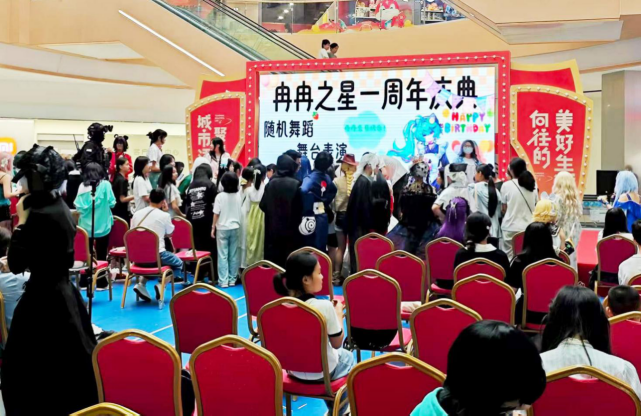
Core Insights - The article highlights the vibrant summer economy in Anqiu, driven by innovative consumption trends and events that attract young consumers [1][3][4] Group 1: Event-Driven Consumption - A recent cosplay event at the Maojie New World shopping center attracted nearly 300 anime enthusiasts, significantly increasing foot traffic and establishing the venue as a trendy spot for young people [1] - The introduction of young-oriented elements like cosplay and dance performances has created an immersive shopping experience, enhancing the appeal of the mall [4] Group 2: Youth Engagement and Night Economy - The upgraded Anqiu Moxi Drum Lane has become a hub for young consumers, offering diverse food, cultural, and entertainment options, with restaurants seeing a significant increase in patronage during weekdays and weekends [4] - The "Summer Cooling Festival" initiative, which includes subsidies for various consumer goods, aims to further stimulate spending among the youth demographic [4] Group 3: Agricultural and Tourism Integration - Anqiu is leveraging its ecological resources by promoting a "specialty planting + leisure picking" model, which has led to a nearly twofold increase in visitor numbers at local family farms during the summer [5] - The establishment of the Qingyun Comprehensive Training Base offers immersive educational experiences, attracting over 3,000 participants and boosting sales in surrounding restaurants and cultural products [6] Group 4: Flexible Management and Safety - Anqiu has adopted a flexible urban management approach to maintain order while enhancing consumer engagement, ensuring a vibrant atmosphere without compromising safety [8] - The city has conducted multiple safety inspections and risk assessments, addressing over 130 safety hazards to ensure a secure environment for summer activities [8] Group 5: Future Economic Strategies - Anqiu plans to enhance its service support system to transform summer economic activities from mere foot traffic to sustained consumer engagement, contributing to the overall development of the region [8]
27%!今年上半年,南沙住宿餐饮业增速领跑广州
Nan Fang Du Shi Bao· 2025-07-25 04:15
Group 1 - The core viewpoint of the articles highlights the significant growth of the hospitality and catering industry in Nansha District, Guangzhou, with a 27% year-on-year increase in the first half of the year, leading the city [2] - Nansha is focusing on attracting young consumers by creating a "first store matrix" and promoting holiday IP and night economy, which revitalizes consumption patterns and enhances the local economy [2][5] - The introduction of 45 new commercial brands this year under the "first store+" model is reshaping the dining landscape in Nansha, supported by local government policies that provide financial incentives for new businesses [5][11] Group 2 - During the "May Day" holiday, Nansha emerged as a key player in the Greater Bay Area's holiday consumption, with over 1.4 million visitors, a 55% increase year-on-year, and hotel occupancy rates reaching 85% [6][8] - Nansha is actively developing diverse holiday economic activities, such as the "Durian Carnival" and "Coffee Culture Week," which cater to the preferences of young consumers and create new cultural consumption scenarios [8][9] - The night economy is being cultivated through unique nighttime consumption scenes, with events like the 2025 Guangdong-Hong Kong-Macao Greater Bay Area Lantern Festival attracting over 710,000 visitors and boosting local consumption [9][11]