
人民币升值

Search documents
离岸人民币对美元升破7.02关口 刷新14个月新高!
Mei Ri Jing Ji Xin Wen· 2025-12-23 08:47
Group 1 - The offshore RMB has risen above the 7.02 mark against the USD for the first time since October 2024, while the onshore RMB has surpassed 7.03, indicating a significant appreciation driven by a weaker dollar and seasonal factors [1] - The weakening of the dollar is attributed to the Federal Reserve's interest rate cuts, which have led to a decline in the dollar index, providing long-term appreciation space for the RMB [1] - The year-end "settlement tide" is a key support for the RMB's strength, as increased corporate settlement demand is expected to accelerate the release of accumulated settlement needs [1] Group 2 - The RMB is now the fourth largest payment currency globally and the third in trade financing, with international investors increasingly seeking RMB financing, driven by fundamental market demand [2] - Significant issuance of offshore RMB bonds has been reported, including a 2 billion RMB bond by Kazakhstan's Development Bank and a 6 billion RMB bond by the Indonesian government, marking a milestone in the internationalization of the RMB [2][3] - The People's Bank of China has announced new measures to optimize foreign investment, including enhancing the "Bond Connect" mechanism, which supports domestic investors in expanding offshore bond market investment channels [3]
重磅突发!人民币,大消息!股债汇,集体异动!
券商中国· 2025-12-23 07:22
Core Viewpoint - The article discusses the recent fluctuations in the bond, stock, and currency markets, highlighting the significant movements in government bonds and the offshore RMB exchange rate against the USD, as well as the adjustments in the A-share market [1][2]. Group 1: Bond Market - On December 23, the government bond futures experienced a significant rally, with the 30-year main contract rising over 0.90% during the day [1]. - The bond market saw a strong recovery after a previous decline, with the 30-year main contract closing up 0.64%, and other maturities also showing gains [2]. - East Asia Securities noted that the upward risk in interest rates is primarily driven by changes in risk appetite, with the current stock-bond valuation returning to a neutral range [2]. Group 2: Currency Market - The offshore RMB against the USD broke the 7.02 mark, reaching a new high since October 2024, with an intraday increase of over 110 points [1][2]. - The appreciation of the RMB is attributed to the weakening of the USD and the central bank's counter-cyclical adjustments, with a notable decrease in the settlement rate [3]. - The article mentions that the settlement rate has been low, indicating a lack of typical pressure for currency settlement despite the year-end increase in settlement amounts [3]. Group 3: Stock Market - The A-share market experienced a downturn, with the Shanghai Composite Index turning negative in the afternoon, and several high-position stocks plummeting [4][5]. - The decline in the stock market is linked to the performance of the Hong Kong stock market, which faced significant selling pressure, particularly in technology stocks [5][6]. - Analysts suggest that the stock market's weakness is influenced by the downward trend in the credit cycle, while the RMB's appreciation is driven by trade surplus and a weaker USD, indicating a divergence in market dynamics [6].


离岸人民币兑美元升破7.02关口 刷新14个月新高
Shang Hai Zheng Quan Bao· 2025-12-23 07:12
美元走弱与年末季节性因素成为本轮人民币升值的重要助推力。12月以来,随着美联储降息落地,美元 指数再度走弱,一度失守97。"市场预期伴随着美联储继续开展降息,将进一步压制美元长期走势,为 人民币提供长期的外部升值空间。"国家金融与发展实验室特聘高级研究员庞溟对记者表示。 新华财经上海12月23日电 人民币近期持续走强,迭创新高。23日,离岸人民币兑美元率先升破7.02关 口,为2024年10月以来首次,距离7整数关口仅"一步之遥",与此同时,在岸人民币兑美元升破7.03关 口,日内上涨近百点。 截至13时30分,在岸、离岸人民币兑美元分别报7.0283、7.0195。 事实上,此轮人民币强势行情自10月中旬起,便已拉开帷幕。期间,在岸、离岸人民币兑美元分别升值 约1000点、1200点,涨幅分别达1.58%、1.68%。 (文章来源:上海证券报) 年末"结汇潮"也是人民币走势的关键支撑。东方金诚首席宏观分析师王青对记者表示,临近年底,企业 结汇需求增加,带动人民币季节性走强。在人民币持续走强后,前期累积的结汇需求有可能加速释放。 从各类影响因素上看,预计短期内人民币还会处在偏强运行状态。 历史数据显示,春节前 ...
人民币持续升值,对你我影响有多大?这些机遇与挑战要分清
Sou Hu Cai Jing· 2025-12-23 06:53
尤其是这一轮人民币升值,并非单一因素推动,而是内外多重力量共振的结果。搞懂背后的逻辑,才能 更清晰地把握其中的机遇与风险。今天就用通俗的语言,和大家聊聊人民币持续升值的来龙去脉,以及 对我们每个人、 最近打开财经新闻,总能看到"人民币升值""逼近7.0关口"这样的话题。或许你会觉得,汇率波动是高 大上的金融议题,和普通人没多大关系?其实不然——它早已悄悄渗透到我们的消费、就业、投资甚至 海外出行的方方面面。 ...

离岸人民币对美元升破7.02关口 刷新14个月新高
Sou Hu Cai Jing· 2025-12-23 06:07
上证报中国证券网讯(记者 范子萌)人民币近期持续走强,迭创新高。 事实上,此轮人民币强势行情自10月中旬起,便已拉开帷幕。期间,在岸、离岸人民币对美元分别升值 约1000点、1200点,涨幅分别达1.58%、1.68%。 历史数据显示,春节前银行代客结售汇顺差规模往往是全年的最高水平,国内外汇市场供需关系对人民 币升值的支持力度即将达到全年最高水平。 12月23日,离岸人民币对美元率先升破7.02关口,为2024年10月以来首次,距离7整数关口仅"一步之 遥",与此同时,在岸人民币对美元升破7.03关口,日内上涨近百点。 截至13时30分,在岸、离岸人民币对美元分别报7.0283、7.0195。 美元走弱与年末季节性因素成为本轮人民币升值的重要助推力。12月以来,随着美联储降息落地,美元 指数再度走弱,一度失守97。"市场预期伴随着美联储继续开展降息,将进一步压制美元长期走势,为 人民币提供长期的外部升值空间。"国家金融与发展实验室特聘高级研究员庞溟对记者表示。 年末"结汇潮"也是人民币走势的关键支撑。东方金诚首席宏观分析师王青对记者表示,临近年底,企业 结汇需求增加,带动人民币季节性走强。在人民币持续走强后 ...
未来10年,人民币将逐步升值,最大机会在哪?
Sou Hu Cai Jing· 2025-12-23 05:16
Core Viewpoint - The former mayor of Chongqing and economist Huang Qifan predicts that the RMB will gradually appreciate against the USD over the next decade, potentially reaching around 6 from its current level above 7, driven by the natural results of China's high-quality economic development [1]. Group 1: Economic Transition - China's manufacturing is shifting from "quantity" to "quality," with industrial added value accounting for 32% of the global total, establishing a competitive advantage in sectors like automotive, shipbuilding, high-speed rail, and renewable energy [3]. - The structure of exports has changed significantly, with 60% now being high-end equipment and electronic products, indicating a move away from low-cost competition towards value-added products [3]. Group 2: Supply Chain Independence - China has achieved significant autonomy in its industrial supply chain, with over 80% of export products having more than 80% domestic added value, reducing reliance on processing trade [5]. - This shift means that China is no longer just a processing hub but is exporting with its own technology and brands, necessitating stronger domestic currency support [5]. Group 3: Foreign Investment Dynamics - Despite external pressures, China's actual foreign investment usage has doubled over the past decade, averaging about $120 billion annually, with a shift from quantity to quality in foreign investments [6]. - Foreign enterprises contribute significantly to China's exports, accounting for 30% of total exports and 50% of high-value-added product exports, which supports the demand for RMB [6]. Group 4: Implications of RMB Appreciation - For consumers, an appreciation of the RMB means cheaper imports, potentially lowering costs for education, luxury goods, and travel [8]. - For businesses, it will necessitate upgrades and discourage low-margin export strategies, promoting only those with technology and brand strength to thrive internationally [8]. Group 5: Investment Strategy Adjustments - Investors holding significant USD assets may face depreciation in value when converted back to RMB, while investments in high-quality Chinese assets could yield benefits from both economic fundamentals and currency appreciation [9]. - Huang Qifan emphasizes a gradual appreciation of the RMB, predicting that by 2035, China's per capita GDP in USD could rise from $13,000 to between $25,000 and $26,000, partly due to currency appreciation effects [9].

人民币创14个月来新高
Sou Hu Cai Jing· 2025-12-23 04:19
Core Viewpoint - The continuous appreciation of the RMB is prompting foreign trade companies to expedite their currency settlement to mitigate losses from exchange rate fluctuations, which poses challenges for small and medium-sized enterprises in maintaining their price competitiveness [1][3]. Group 1: Currency Settlement Practices - Many foreign trade operators are adopting a strategy of settling currency immediately upon receipt of funds to avoid losses due to RMB appreciation [1][3]. - Small and medium-sized enterprises prefer timely currency settlement to maintain cash flow, often avoiding hedging strategies like locking in exchange rates [1][3]. - The recent trend of RMB appreciation has led to immediate currency settlement becoming a common practice among exporters, as they seek to minimize potential losses [1][3]. Group 2: Impact of RMB Appreciation - The RMB has reached a 14-month high, which is negatively impacting export companies by reducing the amount of RMB received from USD settlements [1][3]. - Companies may face immediate exchange losses, and raising product prices to protect profit margins could weaken their competitive pricing in the manufacturing sector [1][3]. - Increased demand for currency settlement at year-end may further drive RMB appreciation, creating additional pressure on exporters [1][3]. Group 3: Market Trends and Predictions - Analysts predict that the RMB may enter a "6 era" in the long term, with expectations of continued appreciation driven by seasonal capital flows and increased currency settlement needs as the Chinese New Year approaches [5][6]. - The RMB's recent strength is attributed to a decline in the USD index and increased settlement demand from companies as the year-end approaches [6][10]. - The Chinese government is focusing on stabilizing the RMB exchange rate to create a favorable trading environment for foreign trade enterprises, rather than allowing rapid appreciation [9][10]. Group 4: Trade and Economic Growth - China's goods trade maintained positive growth, with exports increasing by 6.2% and imports by 0.2% in the first eleven months of the year [7]. - The shift from price competition to brand and technology diversification is expected as companies adapt to exchange rate pressures, aligning with government initiatives to support service exports and digital trade [7][9]. - The overall economic strategy emphasizes boosting domestic consumption and enhancing the supply of quality goods and services, which is supported by a stronger RMB [6][7].
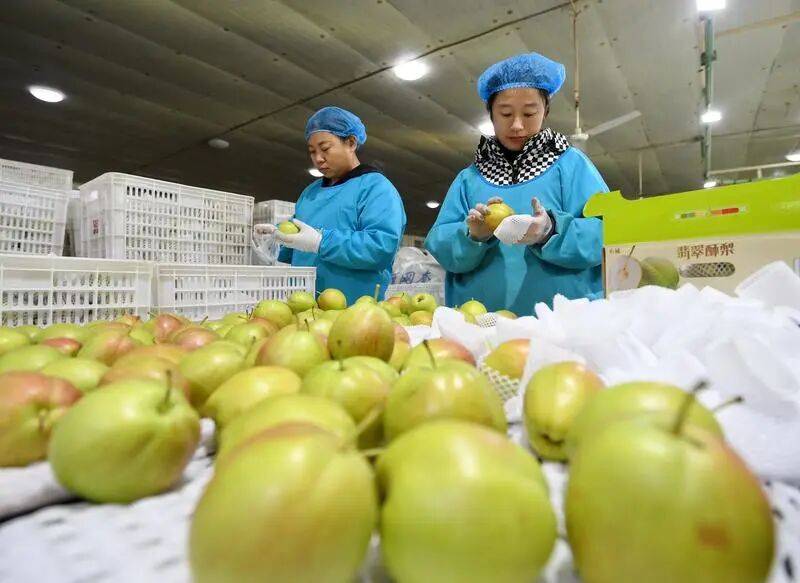
人民币创14个月来新高
第一财经· 2025-12-23 04:08
Core Viewpoint - The continuous appreciation of the RMB poses challenges for small and medium-sized foreign trade enterprises, leading them to adopt more timely settlement practices to mitigate exchange rate losses [3][5][6]. Group 1: Impact of RMB Appreciation - The RMB has reached a 14-month high, causing immediate exchange losses for export companies as the amount of RMB received from USD settlements decreases [3][5]. - Companies are increasingly settling their foreign exchange as soon as payments are received to maintain cash flow, rather than using hedging strategies [3][5][6]. - The appreciation of the RMB may force companies to raise product prices, potentially diminishing their competitive pricing advantage in the manufacturing sector [3][5]. Group 2: Market Trends and Predictions - Analysts predict that the RMB may enter the "6 era" in the long term, with expectations of continued appreciation driven by seasonal capital flows and increased foreign exchange inflows [9][12]. - The recent increase in the RMB's value is attributed to the decline in the US dollar index and heightened settlement demands as the year-end approaches [11][12]. - The Chinese government emphasizes the importance of boosting consumption and trade innovation, which aligns with the ongoing appreciation of the RMB [13]. Group 3: Recommendations for Enterprises - Experts suggest that companies should consider using financial derivatives like forward contracts to lock in favorable exchange rates during the RMB appreciation phase [15]. - The need for timely settlements is underscored by the current market conditions, where companies face pressure to manage their financial costs effectively [15].
金融期货早评:宏观:静待新消息指引-20251223
美国农业部· 2025-12-23 02:54
金融期货早评 宏观:静待新消息指引 【市场资讯】1)中国 LPR 连续七个月维持不变:12 月 5 年期以上 LPR 为 3.5%,1 年期 LPR 为 3%。2)中国央行:单笔逾期金额在 1 万元以下可一次性修复个人信用,明年 1 月 1 日 起正式实施。3)中国商务部:12 月 23 日起对原产欧盟的进口相关乳制品实施临时反补贴 措施。4)特朗普"钦点"理事米兰:美联储明年不继续降息就有衰退风险;美联储明年票委 放鹰:未来几个月内没必要降息,11 月 CPI 被低估。5)特朗普公布建同名军舰在内的"黄 金舰队"计划,首艘舰艇预计 2028 年完工,还将增加航母数量。6)日本高官发出迄今最严 厉警告,财相称针对汇市投机拥有"自由裁量权",将采取大胆行动;副财相警惕汇率"剧烈 且单边"波动。 【核心逻辑】海外方面,美联储 12 月议息会议如期降息 25 个基点,基调较市场预期的"鹰 派降息"更为温和,不仅宣布短债购买计划,鲍威尔也释放鸽派信号。11 月非农虽小幅回 升,但失业率创四年新高,已进入警戒区,美国就业市场继续降温,而美国 CPI 超预期降 温强化了降息交易,但市场怀疑数据失真,仍需关注后续的 CPI ...
粤电力A:进口燃煤采购主要通过美元结算
Sou Hu Cai Jing· 2025-12-23 01:07
粤电力A回复:投资者您好,公司暂无美元负债,进口燃煤采购主要通过美元结算,现阶段人民币升值 有利于降低燃料采购成本,未来公司将持续关注汇率走势变化。感谢您的关注。 以上内容为证券之星据公开信息整理,由AI算法生成(网信算备310104345710301240019号),不构成 投资建议。 证券之星消息,粤电力A(000539)12月23日在投资者关系平台上答复投资者关心的问题。 投资者提问:公司近期提到燃煤采购国内国外的比例约为一比一。请问国外采购燃煤是用美元结算吗? 近期人民币持续升值,人民币兑换美元汇率由年初的7.2升值到7.05,有利于发电企业降低燃料采购成 本。请问公司是否有相应的措施应对汇率变化,实现企业利益最大化?作为煤炭进口量最大的沿海发电 集团,请问公司是否有美元负债? ...
