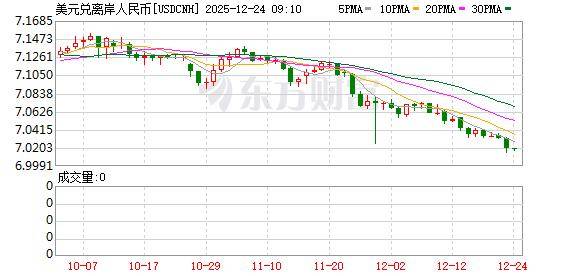
结汇潮

Search documents
美伊冲突后,结汇潮还会持续吗?
Orient Securities· 2026-03-19 04:14
Group 1: Exchange Rate Trends - The RMB entered a sustained appreciation channel in the second half of 2025, driven by a wave of currency settlement from foreign trade enterprises[6] - By December 2025, the RMB appreciated approximately 0.36% month-on-month against the USD, accelerating from a previous rate of about 0.15%[10] - The net settlement volume of enterprises significantly increased, with the settlement rate dropping to -4.8% in December, indicating a heightened willingness to settle currencies to mitigate exchange rate risks[10] Group 2: Impact of Geopolitical Events - The outbreak of the US-Iran conflict in late February 2026 led to a rise in global risk aversion, causing the USD index to rebound, but the appreciation of the USD against the RMB was limited to 0.7%[6][30] - China's lower dependence on energy imports (24%) compared to other regions (e.g., Japan and Korea at over 65%) helped maintain the RMB's strength during geopolitical tensions[30] - The China-Europe Railway Express has effectively mitigated trade pressures from the Red Sea situation, enhancing China's trade resilience compared to other Asian countries[30] Group 3: Corporate Behavior and Profitability - The rapid appreciation of the RMB has led to a situation where enterprises face "increased revenue but no profit," prompting a surge in currency settlements[6][15] - Approximately 30% of enterprises engage in foreign exchange hedging, leaving the majority exposed to exchange rate fluctuations, which supports the continuation of the settlement wave[26] - The critical threshold for triggering settlement behavior is when the RMB appreciates beyond the "foreign trade settlement balance point," which is influenced by the yield differential of US-China two-year government bonds plus a minimum profit margin of 2%[18]
【招银研究】美国经济趋势稳健,国内权益节奏放缓——宏观与策略周度前瞻(2026.01.19-01.23)
招商银行研究· 2026-01-19 12:29
Group 1: US Economic Outlook - The US economy continues to show strong overall performance with a projected real GDP annual growth rate of 5.3% by Q4 2025, driven by service consumption, intellectual property investment, and exports [2] - The CPI inflation rate for December 2025 is reported at 2.7%, aligning with market expectations, while core CPI inflation is slightly lower at 2.6%, indicating a trend towards inflation differentiation [2] - The labor market is stabilizing, with initial jobless claims at 198,000, suggesting that the unemployment cycle may have peaked [3] Group 2: Financial Markets - US Treasury yields are expected to face short-term pressure due to potential tariff increases by Trump, but the long-term trend remains downward as the interest rate cycle continues [3] - The S&P 500 and Nasdaq indices experienced declines of 0.4% and 0.7% respectively, primarily due to persistent inflation concerns impacting high-valuation tech stocks [3] - The dollar is in a mixed state, supported by resilient employment and retail data, but facing potential credit concerns due to renewed tariff threats [4] Group 3: Chinese Economic Insights - Domestic housing transactions remain low, with new home sales down 41.5% and second-hand home sales down 18.6% in major cities [7] - Export activity shows signs of recovery, with a 3.1% increase in cargo throughput and a 5.5% rebound in container throughput, indicating a positive trend in mechanical and automotive exports [7] - Corporate financing is improving, with a year-on-year increase of 580 billion in corporate loans, contributing to a stable credit growth rate of 6.4% [8] Group 4: Policy and Market Strategies - The Chinese government is focusing on boosting consumption through various initiatives, including a new round of subsidies for consumer goods [9] - The bond market is experiencing slight recovery, with the 10-year government bond yield at 1.84%, and expectations of continued support from monetary policy [10] - The A-share market is expected to slow down after a significant rally, with a focus on technology and manufacturing sectors as key growth drivers [11]

如何看待近期人民币汇率持续走强?
Xin Hua Wang· 2025-12-29 11:27
Core Viewpoint - The recent strengthening of the Renminbi (RMB) against the US dollar has raised market attention, with various factors contributing to this trend, including a weaker dollar, resilient Chinese exports, and increased attractiveness of RMB assets [1]. Group 1: Factors Influencing RMB Strength - The RMB has appreciated significantly since April 2025, moving from approximately 7.35 to around 7.01 against the US dollar [1]. - The recent rise in the RMB is attributed to a combination of a weaker dollar, robust export performance, and enhanced appeal of RMB-denominated assets [1]. - Seasonal peaks in corporate foreign exchange settlement demand have been noted, but data indicates a decrease in the settlement and purchase rates, suggesting companies are using their foreign exchange earnings to offset expenditures rather than engaging in blind currency exchanges [2]. Group 2: Impact on Residents - A stronger RMB reduces costs for cross-border consumption, studying abroad, and tourism, allowing for more favorable exchange rates [3]. - For instance, converting 10,000 USD for tuition at a rate of 7.3 could save approximately 3,000 RMB [3]. - However, residents holding USD deposits or investments may see a decrease in asset value when converted to RMB [3]. Group 3: Impact on Enterprises - Export-oriented companies may face direct pressure due to reduced exchange profits from currency conversion, while manufacturing firms reliant on imported materials will benefit from lower import costs, improving profitability [4]. - Cross-border investment returns may be negatively impacted by currency exchange factors [5]. Group 4: Future Outlook and Recommendations - The RMB is expected to fluctuate around the 7.0 mark, with market consensus becoming less uniform after breaching this level, introducing uncertainty in future exchange rates [5][6]. - The People's Bank of China emphasizes the need for resilience in the foreign exchange market and aims to maintain the RMB at a reasonable and balanced level, advising residents and enterprises to manage risks effectively [7].
人民币回到6时代,钱袋子悄悄变紧,生意账本得重新算
Sou Hu Cai Jing· 2025-12-28 01:47
Core Viewpoint - The recent appreciation of the Renminbi (approximately 1% since December) has significant implications for import and export companies, affecting their profit margins and cost structures [1][3][5]. Group 1: Market Dynamics - The seasonal factor of year-end foreign exchange settlements has led to increased demand for converting foreign currency to Renminbi, coinciding with a decline in the US dollar, which has contributed to the Renminbi's appreciation [3][6]. - The psychological effect of the Renminbi breaking through key integer levels influences market behavior, leading to increased capital inflow as more investors anticipate further appreciation [3][6]. - The appreciation of the Renminbi is generally favorable for capital markets, potentially attracting more foreign investment into A-shares and the bond market, although this does not uniformly benefit all sectors, particularly export-oriented businesses [3][6]. Group 2: Impact on Companies - Export companies face reduced profit margins due to the Renminbi's appreciation against the US dollar, which can lead to significant financial impacts if they lack hedging tools [5][6]. - Conversely, import companies benefit from lower costs, enhancing their competitive edge and bargaining power within the supply chain [5][6]. - The ability of companies to navigate these currency fluctuations is influenced by their risk management capabilities and the tools they employ, such as options and phased settlements [7][9]. Group 3: Policy and Economic Context - The fluctuations in the Renminbi are influenced by the divergent monetary policies of the US and China, with the Federal Reserve's rate cuts providing potential support for the Renminbi [6][9]. - The broader context of regional currency movements and political events also plays a role in shaping the Renminbi's trajectory, indicating that its future performance will depend on ongoing policy developments and external economic conditions [6][9]. - Companies must balance their strategies between stabilizing exchange rates, maintaining international trade, and ensuring monetary policy independence, while also focusing on effective risk management tools [9].
每周推荐 | 人民币破7的持续性?(申万宏观·赵伟团队)
赵伟宏观探索· 2025-12-27 16:03
Core Viewpoint - The article discusses the recent appreciation of the RMB, its potential sustainability, and the medium-term outlook for the currency amidst changing economic conditions and external factors [2][3][4]. Group 1: Reasons for Recent RMB Appreciation - The rapid appreciation of the RMB is attributed to the decline in the US dollar index from 99.4 to below 98, influenced by lower interest rate differentials and expectations of intervention by the Bank of Japan [2]. - A surge in currency settlement activity is anticipated to begin this week, with the actual swap points rising significantly, indicating increased trading volume [2]. Group 2: Short-term Sustainability of RMB Appreciation - The ongoing currency settlement wave is expected to support the RMB, with historical data suggesting that after two consecutive quarters of appreciation, the settlement rate typically improves [3]. - The delayed impact of the February Spring Festival may also contribute to the continued improvement in settlement rates over the next month [3]. Group 3: Medium-term Outlook for RMB - With nominal GDP recovery, the RMB and USD may enter a phase of mutual strength, supported by reduced debt pressure and improved investment and profitability by 2026 [4]. - Enhanced external demand and increased export share are expected to bolster the resilience of exports, transitioning the economy from a confidence-building phase to a "non-typical" recovery, which may sustain the RMB's strength [4].

每周推荐 | 人民币破7的持续性?(申万宏观·赵伟团队)
申万宏源宏观· 2025-12-27 13:10
Core Viewpoint - The article discusses the recent appreciation of the RMB, its potential sustainability, and the medium-term outlook for the currency amidst changing economic conditions and external factors [2][3][4]. Group 1: Reasons for Recent RMB Appreciation - The rapid appreciation of the RMB is attributed to the decline in the US dollar index from 99.4 to below 98, influenced by lower interest rate differentials and expectations of intervention by the Bank of Japan [2]. - A surge in currency settlement activity is anticipated to begin this week, with the actual swap points rising significantly, indicating increased trading volume [2]. Group 2: Short-term Sustainability of RMB Appreciation - The ongoing currency settlement wave is expected to support the RMB, with historical data suggesting that after two consecutive quarters of appreciation, the settlement rate typically improves [3]. - The delayed impact of the February Spring Festival may also contribute to the continued improvement in settlement rates over the next month [3]. Group 3: Medium-term Outlook for RMB - With nominal GDP recovery, the RMB and USD may enter a phase of mutual strength, supported by reduced debt pressure and improved investment and profitability by 2026 [4]. - Enhanced external demand and increased export resilience are expected to contribute to a non-typical recovery, potentially keeping the RMB relatively strong [4].

人民币汇率创15个月新高!管涛:双向波动或是常态
Sou Hu Cai Jing· 2025-12-25 15:17
Core Viewpoint - The offshore RMB has broken the "7" threshold against the USD for the first time since October 2024, reaching a high of 6.9985, while the onshore RMB also strengthened, nearing the "7" mark at 7.0066, marking a new high since September 2024 [1] Group 1: Factors Driving RMB Strength - The recent appreciation of the RMB is primarily driven by a weakening USD, with the dollar index dropping from above 100 to below 98 since November [2] - China's robust economic fundamentals, including a trade surplus of $1.0758 trillion for the first 11 months of 2025, have bolstered confidence in the RMB [2] - Increased demand for currency settlement by enterprises at year-end has contributed to the seasonal strengthening of the RMB, although this "settlement wave" is not the main driver of the current appreciation [2][3] Group 2: Outlook on RMB Exchange Rate - Experts caution against expecting a new cycle of sustained RMB appreciation, predicting that the exchange rate will likely exhibit two-way fluctuations rather than a unilateral trend [4] - The future trajectory of the USD is uncertain, with expectations of a potential rebound after a period of decline, which could diminish the RMB's appreciation momentum [4][5] - The complexity of China's foreign trade environment and potential geopolitical tensions may also introduce volatility in the RMB exchange rate [5][6] Group 3: Implications for Enterprises - The appreciation of the RMB presents both opportunities and challenges for businesses, benefiting capital markets and importers while exerting pressure on exporters [9][10] - Exporters are experiencing exchange losses due to the rapid appreciation, affecting their competitiveness and order flow [10][11] - Companies are advised to adopt systematic risk management strategies to mitigate the impacts of exchange rate fluctuations, focusing on maintaining a neutral stance towards currency risk [11][12]
人民币连涨14个月!出口商亏掉数万利润,老百姓却意外享福利
Sou Hu Cai Jing· 2025-12-25 09:49
Group 1 - The recent appreciation of the Renminbi (RMB) against the US dollar has reached a 14-month high, with offshore RMB surpassing 7.02 and onshore RMB exceeding 7.03 [1][3] - The appreciation is driven by two main factors: external environmental changes and seasonal domestic demand, which have combined to initiate a sustained upward trend in the RMB [4][8] - The weakening of the US dollar, particularly after the Federal Reserve announced interest rate cuts, has diminished the dollar's attractiveness, leading to a relative appreciation of other currencies, including the RMB [6][8] Group 2 - The year-end demand for currency exchange has significantly contributed to the RMB's appreciation, as many companies need to convert USD to RMB for year-end payments [8][10] - The issuance of RMB-denominated bonds by foreign entities, such as Kazakhstan and Indonesia, indicates increasing international recognition of the RMB, supporting its long-term appreciation [12][14] - The RMB's appreciation has mixed effects: export companies face profit pressures, while import companies and consumers benefit from lower costs for foreign goods [16][22] Group 3 - Export companies are struggling with the rapid appreciation, as their USD-denominated orders yield less RMB upon conversion, impacting their profit margins [18][20] - In contrast, import companies and consumers enjoy lower prices for imported goods, making travel and overseas education more affordable [24][26] - The RMB's appreciation can help stabilize domestic prices and align with national strategies to boost consumption and economic growth [26][40] Group 4 - Market consensus suggests that the RMB will maintain a strong position in the short term, influenced by the ongoing weakness of the US dollar and year-end exchange demands [29][31] - The central bank is actively managing the exchange rate to prevent excessive volatility, making it challenging for the RMB to break through the 7.0 mark [31][33] - Companies are encouraged to adapt to these changes by utilizing hedging tools to mitigate risks associated with currency fluctuations [35][37] Group 5 - The ongoing appreciation of the RMB reflects broader trends in the global financial market and the internationalization of the currency [38][41] - Companies are advised to enhance their risk management capabilities and core competitiveness in response to currency fluctuations [40][41]

人民币,刷新14个月新高!
Sou Hu Cai Jing· 2025-12-25 08:44
Group 1 - The offshore RMB to USD exchange rate broke the 7.02 mark, reaching a high of 7.01425, marking a new high since October 2024 [1] - The onshore RMB to USD exchange rate closed at 7.0287, up 95 basis points from the previous trading day, also a new high since October 2024 [1] - Analysts attribute the RMB appreciation to a weaker USD and seasonal factors at year-end, with the USD index dropping below 97 following the Federal Reserve's interest rate cuts [1] Group 2 - The central economic work conference emphasized maintaining the RMB exchange rate at a reasonable and balanced level for the fourth consecutive year, aiming to prevent excessive fluctuations [2] - The market's focus is shifting from a single-direction judgment to concerns about the volatility and stability of the exchange rate as it approaches the critical 7.0 level [2] - For foreign trade enterprises, it is crucial to focus on profit realization and cash flow management amidst exchange rate uncertainties, suggesting strategies like phased settlement and reasonable profit locking [2]
人民币强势拉升 距离7.0关口仅“一步之遥”
Sou Hu Cai Jing· 2025-12-24 01:31
Core Viewpoint - The recent appreciation of the Renminbi (RMB) against the US dollar is driven by both internal and external factors, with a strong demand for currency settlement at year-end playing a significant role [3][4]. Group 1: External Factors - The US Federal Reserve's recent interest rate cut of 25 basis points has weakened the US dollar, contributing to the RMB's strength [4]. - Market expectations suggest that continued rate cuts by the Federal Reserve will further suppress the long-term outlook for the dollar, providing a favorable environment for RMB appreciation [4]. Group 2: Internal Factors - The seasonal demand for currency settlement at year-end has increased, leading to a stronger RMB as companies convert foreign earnings [4]. - Historical data indicates that foreign trade revenue peaks in December, with significant increases in currency settlement amounts during the fourth quarter [4]. Group 3: Future Outlook - Analysts predict that the RMB will continue to appreciate moderately, with the peak of currency settlement demand potentially extending into January [5]. - The RMB's exchange rate is expected to rise approximately 0.8% against the dollar in January due to the ongoing settlement demand [5]. Group 4: Market Implications - Industries reliant on imports, companies with significant dollar-denominated debt, and certain service sectors are likely to benefit from RMB appreciation [7]. - Sectors such as energy, agriculture, and materials may see reduced import costs, while industries like aviation and tourism could experience increased revenues [7]. Group 5: Risk Management for Companies - Companies, especially those engaged in foreign trade, are advised to develop systematic currency risk management capabilities to navigate the RMB's appreciation [7]. - It is recommended that businesses adopt a "currency risk-neutral" approach, focusing on core operations and employing strategies such as RMB-denominated transactions and hedging tools to mitigate risks [7].