能源安全

Search documents
扫了这么多年,二维码还没用完?
3 6 Ke· 2025-10-09 01:52
Core Insights - The article discusses the significance and functionality of QR codes in modern life, emphasizing their integration into various sectors such as retail, logistics, and personal transactions [3][4][9]. Group 1: Evolution of QR Codes - The article traces the history of QR codes, starting from the invention of barcodes, which were created to improve checkout efficiency in retail [4][8]. - Barcodes had limitations, such as one-way information recording and small data capacity, which QR codes addressed by allowing two-dimensional data storage [9][10]. - QR codes were invented in 1994 by Masahiro Hara from Denso Wave, inspired by the need for a more efficient information encoding system [9][11]. Group 2: Technical Mechanism of QR Codes - QR codes consist of a matrix symbol system based on binary coding, with 40 different versions that can store vast amounts of information [26]. - The process of scanning a QR code involves three key steps: image capture and recognition, data decoding and parsing, and instruction execution and feedback [28][30]. - QR codes have a built-in error correction mechanism, allowing them to be scanned even if partially damaged, which contributes to their widespread adoption [22]. Group 3: Impact on Data and Energy - The article highlights the astronomical number of scans occurring daily, with projections indicating that by 2024, daily transactions through platforms like WeChat and Alipay could reach 28.27 billion [34]. - This massive volume of data poses challenges for energy consumption, as data centers require continuous operation to handle the processing and storage of transaction data [34][36]. - The concentration of personal data through QR code usage raises concerns about data security and privacy, necessitating robust management practices [36][37]. Group 4: Future of Interaction Technologies - The article suggests that while QR codes are currently prevalent, emerging technologies like facial recognition and palm print payments share the same underlying principles of network and data systems [39][41]. - The evolution of these technologies reflects a broader trend of integrating complex systems to enhance everyday convenience and efficiency in daily life [43].


中经评论:从“电气化率超欧美”看战略先机
Jing Ji Ri Bao· 2025-10-09 00:09
Core Insights - China's electrification rate is projected to reach approximately 28.8% in 2024, surpassing major developed economies in Europe and the US, with an expected increase to around 35% by 2030, exceeding the OECD average by 8 to 10 percentage points [1][2][4] Group 1: Economic Development - A high electrification rate serves as a "booster" for high-quality economic development, as electricity has the highest economic efficiency compared to coal and oil, allowing for greater economic output from the same energy input [2] - The strong stability of China's power grid and high electrification rate are key supports for emerging industries such as electric vehicles, data centers, artificial intelligence, and high-end precision manufacturing [2] Group 2: Energy Security - High electrification rates act as a "ballast" for energy security, addressing the risks associated with China's resource endowment of "rich coal, scarce gas, and lack of oil" by combining electrification with renewable energy [2] - The installed capacity of renewable energy in China has increased significantly, from 530 million kilowatts to approximately 1.7 billion kilowatts during the 14th Five-Year Plan, with renewable energy generation accounting for about 60% of total generation [2] Group 3: Green Transition - Electrification is a primary method for achieving low-carbon energy consumption, with initiatives to replace fossil fuel vehicles and coal-fired boilers with electric alternatives, contributing to reduced pollutant and carbon emissions [3] - The leading electrification rate enhances China's international competitiveness, particularly in areas such as ultra-high voltage transmission, smart grids, and electric vehicle charging standards [3] Group 4: Challenges and Future Outlook - Despite achievements, challenges remain, particularly the need for cleaner electricity sources, as coal power still constitutes a significant portion of electricity supply [4] - The focus for future development will shift from "how much electricity" to "what kind of electricity" and "how to use electricity," indicating a higher-level competition involving technology, policy, and business models [4]
从“电气化率超欧美”看战略先机
Sou Hu Cai Jing· 2025-10-08 22:55
Core Insights - China's electrification rate is projected to reach approximately 28.8% in 2024, surpassing major developed economies in Europe and the US, with an expected increase to around 35% by 2030, exceeding the OECD average by 8 to 10 percentage points [2][5] Group 1: Economic Efficiency - High electrification rates serve as a booster for high-quality economic development, as electricity has the highest economic efficiency compared to coal and oil, allowing for greater economic output from the same energy input [3] - The transition to electric energy can significantly enhance energy efficiency and reduce overall energy costs for enterprises, particularly benefiting emerging industries like electric vehicles, data centers, and high-precision manufacturing [3] Group 2: Energy Security - The electrification process, combined with renewable energy, is reshaping China's energy security landscape, addressing the risks associated with the country's reliance on imported oil and gas [3] - During the 14th Five-Year Plan period, China's installed capacity for wind and solar energy increased from 530 million kilowatts to approximately 1.7 billion kilowatts, with renewable energy generation capacity rising from 40% to around 60% [3] Group 3: Green Transition - Electrification is a primary method for achieving low-carbon energy consumption, with initiatives such as replacing fuel vehicles with electric ones and coal-fired boilers with electric furnaces contributing to reduced pollution and carbon emissions [4] - A high electrification rate supports the development of low-carbon industrial chains, providing China with a competitive advantage in the face of emerging global carbon tariffs [4] Group 4: International Competitiveness - China's leadership in electrification enhances its international competitiveness, particularly in areas like ultra-high voltage transmission, smart grids, and electric vehicle charging standards, where it has become a significant force in standard-setting [4] Group 5: Challenges Ahead - Despite the achievements, challenges remain, particularly in ensuring that electricity generation is clean, as coal-fired power still constitutes a significant portion of the energy supply [5] - The transition to renewable energy sources presents challenges related to grid stability and flexibility, necessitating innovative solutions to balance cleanliness, safety, and economic viability [5]

沙特联手俄罗斯,每天减产366万桶石油,但中国的供应无需担心
Sou Hu Cai Jing· 2025-10-08 10:46
能源市场这几年真是风起云涌,石油价格像过山车一样忽高忽低。 说起2023年那次大动作,沙特阿拉伯和俄罗斯带头搞了个石油减产协议,当时每天减产总量高达366万桶,这事儿在国际上闹得沸沸扬扬。 不少人担心全球油价会飙升,尤其是像中国这样的大进口国,会不会供应跟不上。但实际情况是,中国这边石油供应稳得一批,没啥大问题。 石油是全球经济命脉,产油国们为了稳住价格,经常通过OPEC+这个组织来协调产量。OPEC是石油输出国组织,里面主要是中东国家,沙特是老大。 后来俄罗斯等非OPEC国家加入,就成了OPEC+。2022年下半年,全球石油市场供过于求,美国那边页岩油产量猛增,油价开始往下走。 2022年10月,OPEC+就决定减产200万桶每天,从11月开始执行到2023年底。这已经是很大一笔了,占全球需求的2%左右,目的是抬高油价,保护产油国的 收入。 大家一开始都怕中国石油供应会出问题,成品油价格会不会跟着涨。但说实话,中国没那么脆弱。 首先,中国石油储备超级充足,据国际能源署数据,中国是全球最大石油储备国,战略储备加上商业库存,达到4.5亿桶以上。这能顶几个月的需求波动, 就算短期减产,也够缓冲。 其次,中国和俄罗 ...
不给美国面子!土耳其将继续购入俄天然气,能源安全才是硬指标
Sou Hu Cai Jing· 2025-10-05 18:12
Group 1 - Turkey's Energy Minister Arpaçlan Bayraktar stated that Ankara will continue to procure natural gas from all available suppliers, including Russia, without plans to comply with U.S. demands to cut off Russian gas [1][3][10] - The backdrop of this situation is complex, as Trump had previously signaled that Turkey might agree to stop purchasing Russian oil and gas in exchange for new sanctions against Moscow [2][6] - Turkey's stance prioritizes energy security and supply stability over political considerations, emphasizing the need to ensure uninterrupted gas supply for its citizens [3][5][10] Group 2 - Turkey's energy consumption is high, and the country aims to diversify its energy sources while still relying heavily on Russian gas, indicating a pragmatic approach rather than a simple alignment with one side [5][9] - The U.S. is dissatisfied with Turkey's decision, as Trump's plan would allow the U.S. to increase its energy exports to replace Russian supplies, but Turkey finds the U.S. alternatives costly and less reliable [6][9] - The geopolitical dynamics within NATO are complicated, with Turkey maintaining energy ties with Russia while being a key NATO member, creating a delicate balance between the two [8][10] Group 3 - The Kremlin views Trump's intentions as a way to force global markets to pay more for U.S. oil and gas, highlighting the economic motivations behind U.S. energy policies [7][9] - Turkey's geographical position as a critical energy transit hub complicates its ability to follow U.S. directives, as cutting off Russian supplies could harm its energy security and regional influence [8][10] - The ongoing energy strategies of Turkey, Russia, and the U.S. reflect a broader geopolitical struggle, with Turkey seeking to maintain its energy partnerships while navigating pressures from both the U.S. and the EU [9][10]

一边电力过剩,一边新能源发电不够用?一口气了解中国电力体制
Sou Hu Cai Jing· 2025-10-05 17:06
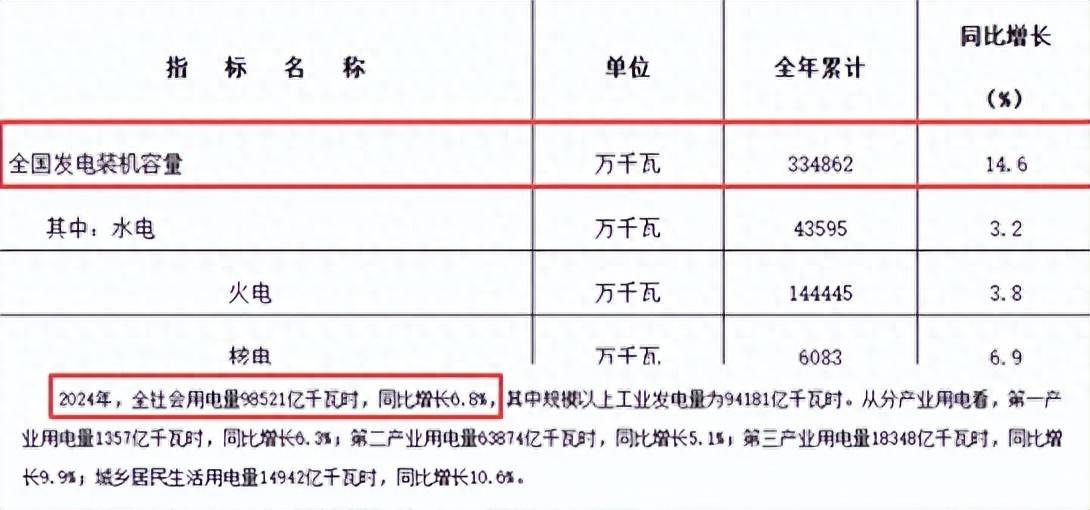
Core Viewpoint - The current situation in China's electricity supply cannot be simply characterized as "overcapacity," as the core issue lies in the mismatch between advanced 21st-century generation capabilities and a 20th-century dispatch system [1] Group 1: Electricity Generation Capacity - China's total installed power generation capacity reached 334,862 MW, with a year-on-year growth of 14.6% [2] - The installed capacity for hydropower was 43,282 MW (3.2% growth), and for thermal power, it was 144,445 MW (3.8% growth) [2] - In 2024, the total electricity consumption is projected to be 98,521 billion kWh, with a growth of 0.8% year-on-year [2] Group 2: Energy Supply and Demand Dynamics - The contradiction arises from the difference between installed capacity and actual generation, with renewable energy sources like wind and solar being less reliable [5] - Despite the apparent overcapacity, there is still a shortage of renewable energy to meet demand, leading to the approval of new large coal power projects [3][9] - The rapid growth of electricity consumption, particularly in new economic sectors like AI data centers and electric vehicles, necessitates the retention of thermal power to fill the gap [9] Group 3: Renewable Energy Challenges - The phenomenon of "abandoned electricity" results in the waste of clean power worth over a thousand billion annually, highlighting the inefficiencies in the current system [3] - The actual operating time of wind and solar power is significantly lower than that of thermal power, leading to localized overcapacity during favorable weather conditions [5] Group 4: Policy and Market Dynamics - The investment in thermal power increased by 38% in 2023, with the highest number of new projects since 2015, indicating a strategic move to ensure grid stability [9] - The current electricity market lacks real-time pricing mechanisms, which amplifies risks in the spot market and hinders the ability of renewable energy producers to respond effectively [12] Group 5: Structural and Systemic Issues - The electricity system's challenges have shifted from supply assurance to consumption and balance, necessitating systemic reforms in dispatch, trading, and pricing [14] - There are significant barriers to cross-province electricity trading, as local governments prioritize domestic consumption to protect jobs and tax revenues [12][14] - The integration of advanced transmission technologies and large-scale storage solutions is essential to address the spatial and temporal mismatches in energy supply [12]

《关于推进能源装备高质量发展的指导意见》解读︱创新驱动 应势而行 加快推进煤炭装备高质量发展
国家能源局· 2025-10-04 02:07
Core Viewpoint - The article emphasizes the strategic importance of high-quality development in coal equipment for ensuring national energy security and promoting industrial transformation, as outlined in the recent "Guiding Opinions" issued by the National Energy Administration and other departments [3][4]. Group 1: Strategic Positioning and Mission - In 2024, China's raw coal production is projected to reach 4.78 billion tons, accounting for 63.9% of total primary energy production, with coal consumption still representing 53.2% of total energy consumption [4]. - The development of coal equipment is crucial for enhancing the resilience of the energy supply chain and addressing energy security risks, especially in the context of extreme weather and geopolitical conflicts [4]. - The "14th Five-Year Plan" period has seen significant advancements in coal equipment, including integrated drilling and anchoring equipment and large-scale mining trucks, positioning China among the leaders in coal mining efficiency and safety [4][5]. Group 2: Development Pathways for High-Quality Coal Equipment - The "Guiding Opinions" focus on energy security and transition, aiming to establish a self-reliant supply chain for key energy equipment, with a clear path towards high-end, intelligent, and green development [6]. - The document outlines a comprehensive approach to tackle key challenges in coal equipment, emphasizing the need for autonomous, integrated, high-end, intelligent, and green development [6][7]. - Specific technological advancements are targeted, including high-hardness rock cutting materials and high-power density explosion-proof transmission systems, to achieve self-sufficiency in core components and algorithms [6][8]. Group 3: Innovation Ecosystem and Support Mechanisms - The "Guiding Opinions" aim to optimize the innovation ecosystem by enhancing corporate innovation incentives and expanding market access for private enterprises [9]. - A national-level coal equipment testing and verification platform will be established to facilitate the transition of technological achievements into engineering applications [9]. - Policies will be implemented to support the procurement of first sets of equipment and encourage innovative financing models for manufacturing enterprises, thereby stimulating market vitality [9][10].

乌克兰多地能源设施遭袭,部分区域实施用电限制
Sou Hu Cai Jing· 2025-10-03 10:34
Core Insights - Ukraine's Energy Ministry reported on October 3 that certain regions have implemented electricity restrictions due to missile and drone attacks on energy facilities by Russian forces [2] - The attacks have primarily targeted natural gas transportation infrastructure, prompting urgent repair efforts to restore normal operations [2] - DTEK Energy Group announced that some natural gas production facilities in Poltava region ceased operations due to large-scale attacks [2] - The national grid company indicated widespread power outages in multiple regions, with Sumy and Chernihiv being the most severely affected [2] - The Energy Ministry is actively preparing the energy infrastructure for the upcoming heating season, including maintenance, equipment reserves, and enhanced protection of critical facilities [2] Industry Summary - The ongoing conflict has led to significant disruptions in Ukraine's energy sector, particularly affecting natural gas production and electricity supply [2] - The government is taking comprehensive measures to stabilize the energy system amidst the ongoing attacks [2] - There has been no response from the Russian side regarding the attacks on Ukrainian energy infrastructure [2]
欧洲否决俄匈核电站项目,匈牙利强硬回应:绝不停止!
Sou Hu Cai Jing· 2025-10-03 04:45
Core Points - The European Court overturned the European Commission's approval for Russia to build new reactors at the Paks nuclear power plant in Hungary, citing insufficient evidence that the plan complied with EU public procurement rules [1][3][5] - Hungary's government remains committed to the expansion of the Paks nuclear power plant despite the ruling, asserting that the project is compliant with EU regulations [3][5][7] - The expansion project is crucial for Hungary's energy security, with plans to double the plant's capacity and significantly reduce carbon emissions [7][9] Summary by Sections Legal and Regulatory Context - The court's ruling supports Austria's appeal against Hungary's direct contract award to Russia's Rosatom without public tender, which Austria argues violates EU rules [3][5] - The court emphasized that the European Commission must ensure compliance with public procurement rules in addition to state aid regulations [5] Government Response - Hungary's government, represented by its EU Affairs Minister, claims the court did not find the project in violation of procurement rules but rather deemed the previous explanations insufficient [5][11] - Hungary plans to continue the project in collaboration with the European Commission to ensure compliance with EU regulations [7][11] Project Significance - The Paks nuclear power plant, which has been operational since the 1980s, provides nearly half of Hungary's electricity and is vital for achieving the country's clean energy goals [7][9] - The project involves a total estimated cost of €12.5 billion, with Russia providing a €10 billion state loan and guaranteeing 80% of it [7] Geopolitical Implications - The ruling reflects the complex geopolitical dynamics within the EU, particularly regarding Hungary's continued reliance on Russian energy despite EU pressures [9][13] - Hungary's stance on nuclear energy highlights its commitment to national energy security, even amidst broader EU sanctions against Russia [9][13]

邓正红能源软实力:欧佩克增产预期、伊拉克恢复原油供应及美国能源政策调整
Sou Hu Cai Jing· 2025-10-03 03:26
Core Insights - The article discusses the ongoing pressure on oil prices due to increased production expectations and concerns over supply surplus, leading to a decline in international oil prices [1][2] - The U.S. government's potential shutdown poses challenges to demand forecasts for the world's largest economy, while OPEC's upcoming meeting may further exacerbate supply-demand pressures [1][2] - The termination of 223 energy projects by the U.S. Department of Energy, totaling approximately $7.56 billion, primarily affects clean and renewable energy initiatives, particularly in states that supported the Democratic Party in the last presidential election [2] Oil Market Dynamics - As of October 2, 2023, WTI crude oil prices fell by $1.30 to $60.48 per barrel, a decrease of 2.10%, while Brent crude oil prices dropped by $1.24 to $64.11 per barrel, a decline of 1.90% [1] - The Iraqi oil ministry announced the resumption of oil exports from the Kurdistan region to Turkey after a two-and-a-half-year interruption, which may influence market dynamics [1] - Analysts suggest that OPEC's consideration of increasing production capacity could lead to heightened geopolitical risks in October, despite a prevailing market sentiment of oversupply by Q4 2025 [1][3] Structural Tensions in Energy Policy - The article highlights a structural tension in the oil market, where traditional supply-demand dynamics are being challenged by geopolitical factors and U.S. energy policy shifts, potentially suppressing oil prices until the end of 2025 [2][3] - The current market is characterized by a paradox of "hard supply surplus and soft control failure," indicating that traditional risk factors are becoming less effective in influencing oil prices [3] - The anticipated increase in OPEC production by 500,000 barrels per day in November reveals a conflict between market share priorities and price stabilization goals [3]