即时零售

Search documents
小象超市北京开店,美团与阿里形成「生鲜1V1」态势
3 6 Ke· 2025-12-22 02:14
Core Insights - Meituan's Xiaoxiang Supermarket aims to compete with Hema Fresh, Wumart's Pangu Store, and JD's Seven Fresh by targeting consumers with certain purchasing power and a demand for quality and shopping experience [1][15] - The offline store of Xiaoxiang Supermarket complements Meituan's existing online infrastructure, creating a competitive landscape against Hema [1][15] - The supermarket's strategy focuses on enhancing the shopping experience and leveraging supply chain advantages in fresh produce, alcohol, and prepared foods [1][6][12] Store Experience and Layout - Xiaoxiang Supermarket's layout and style are similar to Wumart's Pangu Store, emphasizing service details and cleanliness [1][2] - The store features a mix of standardized pre-packaged products and a rich variety of live seafood, along with a dining area and a bakery section [2][12] - The supermarket enhances customer service by providing tips on product selection and offering free services like steak cooking and melon peeling [4][12] Product Strategy - Xiaoxiang Supermarket emphasizes high-quality self-operated products, including strawberries, juices, and rice, while ensuring safety and quality through direct sourcing [6][8] - The product range is more extensive than Wumart's Pangu Store but still lags behind Hema in novelty and variety [8][10] - The introduction of third-party brands in the prepared food section creates a mini food market atmosphere [10][12] Competitive Landscape - Meituan's Xiaoxiang Supermarket and Happy Monkey discount stores form a three-tier structure in the fresh produce market, competing directly with Alibaba's Hema and its associated logistics [15][18] - The competition is framed within the broader trend of integrating online and offline retail, with fresh produce becoming a focal point for consumer demand [15][16] - The market is characterized by a shift towards medium-sized supermarkets replacing large hypermarkets, with a focus on unique experiences and high-quality offerings [21][23] Future Outlook - Meituan plans to expand Xiaoxiang Supermarket to all first- and second-tier cities, indicating a significant growth strategy [15][25] - The company aims to enhance its supply chain capabilities and product innovation to compete effectively against established players like Hema [25] - The ongoing competition in the fresh produce sector is expected to accelerate as consumer preferences evolve towards integrated shopping experiences [25]



“媒体+即时零售”协同,潮汕牛肉火锅“沸腾”市场新活力
Nan Fang Nong Cun Bao· 2025-12-22 01:31
Core Insights - The integration of "media+" and instant retail is revitalizing the market for Chaozhou beef hotpot, creating new opportunities for growth and consumer engagement [3][4][6]. Group 1: Market Dynamics - The first Chaozhou Beef Hotpot Culture Festival highlighted the collaboration between local cuisine and platforms like JD and Meituan, clarifying the path for integrating regional food brands with new retail channels [6][7]. - Instant retail is becoming a necessary choice for industry upgrades, driven by changing consumer demands for immediate dining experiences [12][13]. Group 2: Consumer Trends - The growth rate of instant retail is projected to reach 21.9% in 2024, significantly outpacing e-commerce growth at 6.5% and social retail growth at 3.5%, indicating a shift in consumer preferences towards immediate gratification [14][15]. - The core competitiveness of Chaozhou beef hotpot lies in its freshness, with instant retail platforms enabling quick delivery of quality products, thus addressing traditional supply chain challenges [19][20]. Group 3: Product Innovation - Brands are innovating around instant retail scenarios by developing small portion hotpot packages for single consumers and pre-packaged sauces and frozen products to cater to various consumption contexts [48][49]. - The diversity of Chaozhou beef hotpot ingredients allows it to thrive in multiple consumption scenarios, including home dining, social gatherings, and outdoor activities, enhancing its market reach [33][40]. Group 4: Supply Chain and Ecosystem - Instant retail platforms are facilitating a comprehensive upgrade of the supply chain for Chaozhou beef hotpot, optimizing processes from production to delivery and creating a robust ecosystem for quality beef supply in the Guangdong-Hong Kong-Macau Greater Bay Area [62][63]. - The collaboration with platforms like JD and Meituan not only expands sales channels but also leverages data insights to optimize product offerings, significantly enhancing supply chain capabilities [62][63]. Group 5: Future Outlook - The digital transformation in the food industry necessitates that brands embrace instant retail trends, focusing on consumer needs to optimize product supply, innovate marketing strategies, and improve service efficiency for sustainable growth [66][68].

消费新场景看活力·新产品丨无人食材超市点亮便民生活
He Nan Ri Bao· 2025-12-21 23:48
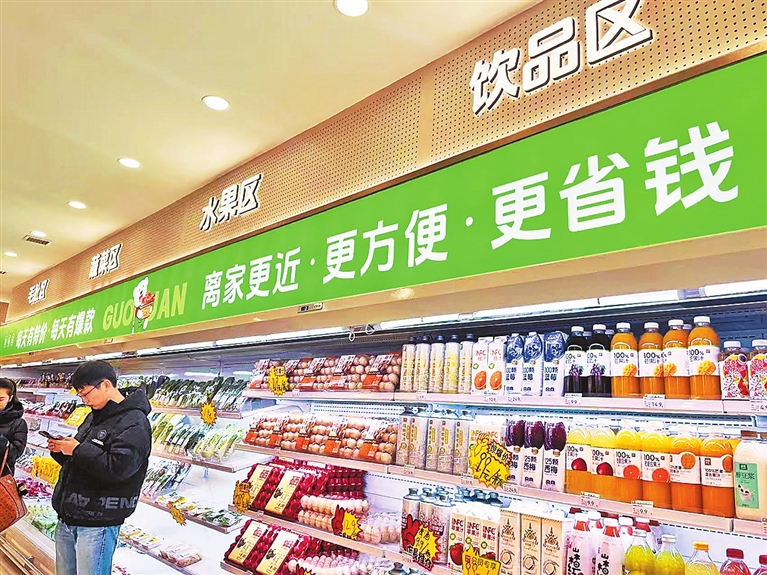
Core Insights - The article highlights the launch of a 24-hour unmanned community supermarket by Guoquan Shihui in Zhengzhou, showcasing a new retail model that combines technology with convenience [3][4]. Group 1: Business Model - Guoquan Shihui's community supermarket operates on a "daytime staffed + nighttime unmanned" model, allowing for extended operating hours and catering to the needs of night-time consumers [3][4]. - The supermarket features a self-service shopping experience, where customers can enter by scanning a QR code and complete their purchases through a self-checkout system [3][4]. Group 2: Technological Integration - The store utilizes a digital platform with high-definition cameras for product recognition and smart checkout, enhancing the shopping experience and operational efficiency [4][5]. - The management system allows for precise analysis of consumer preferences, aiding in inventory management and product placement [5]. Group 3: Market Trends - The rise of instant retail models is emphasized, with Guoquan Shihui's innovations addressing common consumer pain points such as limited shopping hours and product variety [5]. - The article notes the alignment of these developments with national economic goals to stimulate domestic consumption and enhance market potential [5].
商贸零售行业周报(12.15-12.19):多政策出台推进扩大内需,服务消费环比加速增长-20251221
Shenwan Hongyuan Securities· 2025-12-21 13:19
Investment Rating - The report maintains a positive outlook on the retail industry, indicating a "Buy" rating due to expected growth driven by policy support and market recovery [1]. Core Insights - Multiple policies have been introduced to promote domestic demand and enhance the retail sector's recovery, positioning it as a key focus for economic growth [2][5]. - The retail sector is experiencing a steady recovery, with various formats showing stable growth, particularly benefiting from the "胖改" model which enhances operational efficiency and profitability [10][12]. - November 2025 saw a year-on-year increase of 1.3% in total retail sales, although this was below market expectations, influenced by high base effects from previous policies [12][13]. Summary by Sections Investment Analysis - The retail sector is currently under pressure from short-term performance but is expected to see a significant rebound due to systematic support for quality and service transformation during the 14th Five-Year Plan [2][5]. - The report highlights that core companies in the retail sector may exceed profit expectations due to improved operational efficiencies and market conditions [2][5]. Market Performance - During the period from December 15 to December 19, 2025, the retail index grew by 6.66%, outperforming the Shanghai and Shenzhen 300 index by 6.94 percentage points, ranking first among the Shenwan primary industries [22]. - The social service index increased by 2.66%, ranking fourth among the Shenwan primary industries [22]. Policy Developments - Recent policies focus on expanding domestic demand and integrating consumer welfare with consumption promotion, aiming to stimulate market vitality [5][6]. - The retail industry is identified as a critical area for nurturing the domestic demand system, with ongoing reforms expected to enhance the sector's resilience and growth potential [5][6]. Company Updates - Major retail companies are adopting the "胖改" model to improve their operational frameworks, with significant progress reported in store renovations and supply chain management [10][11]. - The report notes that companies like Yonghui Supermarket and Bubu Gao have successfully implemented changes that have led to increased customer traffic and sales [10][11]. Consumer Trends - The report indicates that service consumption is becoming a significant growth driver, with policies aimed at enhancing consumer spending and adapting supply to meet demand [12][16]. - Online retail sales growth has been robust, with a cumulative increase of 9.1% year-on-year for the first eleven months of 2025, surpassing overall retail growth by 5.1 percentage points [15][16].
商贸零售行业周报:多政策出台推进扩大内需,服务消费环比加速增长-20251221
Shenwan Hongyuan Securities· 2025-12-21 13:14
Investment Rating - The report maintains a positive outlook on the retail industry, indicating a favorable investment environment supported by multiple policies aimed at expanding domestic demand [2][5]. Core Insights - The retail index increased by 6.66% from December 15 to December 19, 2025, outperforming the CSI 300 index by 6.94 percentage points, ranking first among Shenwan's primary industries [2][22]. - A series of policies have been implemented to promote domestic circulation and the construction of a domestic demand system, positioning the retail sector as a key focus for nurturing domestic demand [5][6]. - The retail sector is expected to benefit from systematic support for quality and service transformation during the 14th Five-Year Plan period, with core companies likely to see earnings inflection points ahead of expectations [2][5]. - Offline retail formats are experiencing stable growth, with significant improvements in same-store sales due to the adoption of the "Fat Transformation" model [9][11]. - In November 2025, the total retail sales of consumer goods grew by 1.3% year-on-year, below market expectations, influenced by high base effects from previous policies [12][19]. Summary by Sections 1. Core Views of the Week - Multiple policies are being coordinated to advance the construction of a domestic demand system, with offline retail formats continuing to recover [5][6]. - The retail sector is identified as a critical area for fostering domestic demand through innovative development [5][6]. 2. Market Performance - The retail index's performance of +6.66% positions it as the top performer among industries, while the social service index increased by 2.66% [22][23]. - Key stocks in the retail sector saw significant gains, with Baida Group up by 51.60%, Lihua Shares by 31.33%, and Shanghai Jiubai by 30.47% [25][34]. 3. Policy Developments - Recent policies focus on enhancing domestic demand and consumer spending, with specific measures to support the retail sector [6][19]. - The "Fat Transformation" model is being adopted by major retail companies to improve operational efficiency and profitability [9][10]. 4. Consumer Trends - The online retail growth rate has slowed due to the pre-emptive nature of the Double Eleven shopping festival, while offline retail is accelerating its transformation [14][19]. - The service retail sector continues to show robust growth, with a year-on-year increase of 4.2% in the service production index [15][19].
美团小象超市首店爆火背后:即时零售的下一个战场在哪里?
Sou Hu Cai Jing· 2025-12-20 22:45
Core Insights - The opening day of Meituan's Xiaoxiang Supermarket in Beijing saw over 10,000 visitors and estimated daily revenue exceeding 1 million yuan, indicating a strong consumer interest in the retail sector as online giants return to offline markets [1] Group 1: Store Location and Design - The location of Xiaoxiang Supermarket at Wanliu Hualian Shopping Center is strategically chosen, surrounded by 17 mid-to-high-end communities within a 3-kilometer radius, with an average household monthly income exceeding 20,000 yuan, aligning with Meituan's target demographic of quality-seeking middle-class consumers [3] - The store's design facilitates customer flow, with walking times from any entrance to the store not exceeding 3 minutes, enhancing accessibility and efficiency, which is crucial for instant retail [3] Group 2: Business Strategy - Meituan positions Xiaoxiang Supermarket as a "30-minute quick delivery supermarket," focusing on high-frequency consumer goods, which account for 65% of the store's offerings, significantly higher than traditional supermarkets [3] - The integration of online ordering with offline experience is becoming a trend, as consumers show preference for immediate delivery and competitive pricing, although the sustainability of promotional excitement remains uncertain [4] Group 3: Future of Instant Retail - The success of Xiaoxiang Supermarket reflects a broader trend where consumers are favoring a hybrid model of online ordering and offline experience, indicating a potential shift in retail dynamics [4] - The operational model of "front warehouses + physical stores" is being tested, showcasing a revolution in efficiency and redefining the "last mile" consumption scenario [4] - Each price tag in the supermarket represents a carefully designed consumer strategy, highlighting Meituan's ambitions in the retail sector and the ongoing evolution of new retail [4]
航空货运持续向好
Xin Lang Cai Jing· 2025-12-20 22:07
Core Insights - The overall air cargo transport situation in China has been improving, with a significant increase in business scale [1] Group 1: Air Cargo Performance - In the first 11 months, the civil aviation industry completed a total cargo and mail transport volume of 9.243 million tons, representing a year-on-year growth of 13.6% [1] - The international cargo and mail transport volume increased by 21.8% year-on-year, serving as the main driver for the rapid growth of the air cargo market [1] - The number of cargo flights has continued to grow, with operations now covering 70 countries and 170 cities, an increase of 8 countries and 27 cities compared to last year [1] Group 2: Market Demand and New Consumption Models - The weekly flight volume has increased by 15.7% compared to last year, indicating a stable demand for air cargo driven by new consumption models such as live streaming and instant retail [1] Group 3: Regulatory Developments - The Civil Aviation Administration of China has issued the "Implementation Measures for the Filing of Civil Aviation Cargo Transport Matters," which will take effect on January 1, 2026, aimed at enhancing transparency and standardization in the industry [1] - The implementation of these measures is expected to improve the authenticity and timeliness of filing information, compelling companies to enhance internal management and comply with regulations [1]
美团 “电商梦” 碎:关停团好货,退守即时零售生死战
Sou Hu Cai Jing· 2025-12-20 09:46
Core Viewpoint - Meituan has quietly shut down its "Tuan Hao Huo" business, indicating a strategic shift in response to the rapidly evolving grocery retail industry and the limitations of its existing e-commerce model [2][4]. Group 1: Business Closure and Market Reaction - The decision to pause "Tuan Hao Huo" has been met with a calm reaction from the market, with industry insiders viewing it as a recognition of Meituan's operational boundaries [4]. - Consumers largely remained unaware of the service, with some stating they only realized its existence after its closure [4]. Group 2: Historical Context and Growth Aspirations - Meituan's venture into e-commerce began in 2020, following a period of profitability in its food delivery business, which saw a gross margin increase to 18.7% [5]. - The COVID-19 pandemic introduced significant uncertainty, impacting Meituan's core businesses and leading to the launch of "Tuan Hao Huo" as a B2C platform [5][6]. Group 3: Business Model Challenges - "Tuan Hao Huo" initially thrived with substantial user growth, achieving over 10 million users and a GMV exceeding 600 million yuan in its first year [5][6]. - However, the business faced internal challenges with fluctuating positioning and a lack of clear strategy, leading to a decline in daily order volume to 48,000 by the end of 2022 [9]. Group 4: Shift to Instant Retail - Meituan is now refocusing on instant retail, emphasizing its strengths in rapid delivery and local market penetration [12][18]. - The company has announced the opening of physical stores and is expanding its logistics network to enhance its competitive edge in the instant retail sector [18][20]. Group 5: Competitive Landscape - The instant retail market is becoming increasingly competitive, with major players like Alibaba and JD.com posing significant threats [20]. - Meituan's core advantage lies in its established delivery infrastructure and user base, but it faces challenges in maintaining profitability while expanding its market share [20][21].

美团重整食杂零售业务,小象超市大店开业首日人山人海
36氪未来消费· 2025-12-20 04:24
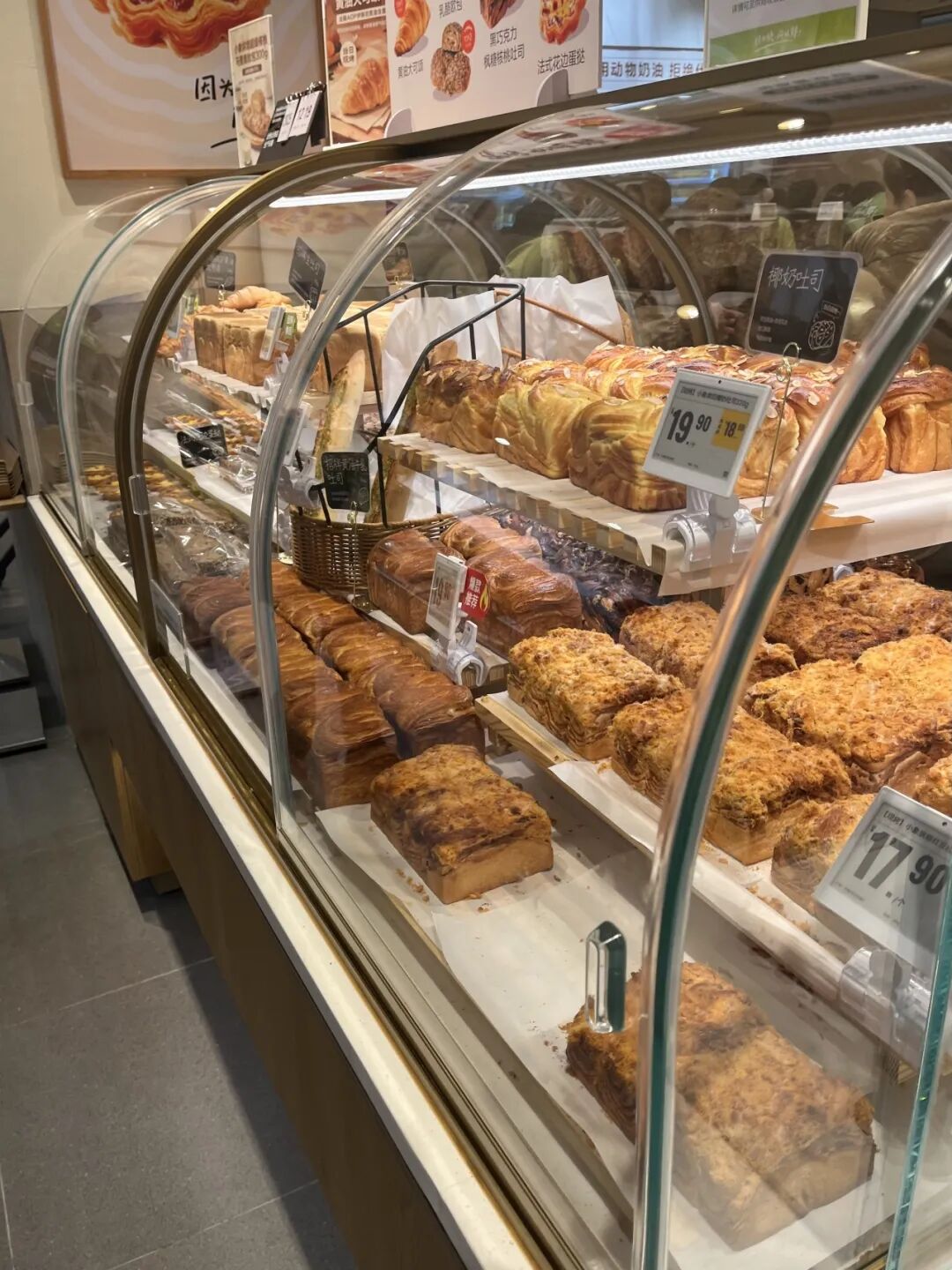
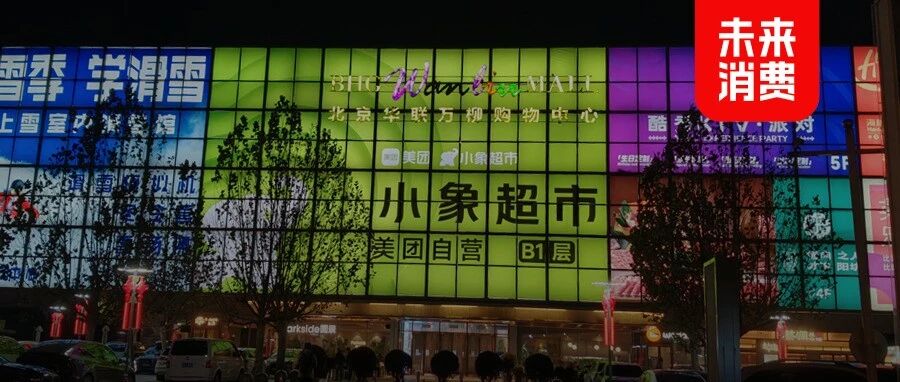
Core Viewpoint - The article discusses the opening of the first offline store of Little Elephant Supermarket, marking a significant shift from its online operations to a physical retail presence, supported by Meituan's promotional efforts [4][32]. Group 1: Store Opening and Initial Performance - Little Elephant Supermarket opened its first offline store in Beijing on December 19, attracting significant customer interest and foot traffic, with estimates of daily sales reaching between 1 million to 1.5 million yuan [4][9]. - The store's opening day saw a high volume of customers, with reports indicating that the number of people in the store often exceeded the available products, leading to comments like "there are more people than products" [5][8]. - The store featured a variety of promotional activities, including group buying options on popular items, which contributed to its initial success [6][8]. Group 2: Product Offering and Store Experience - Little Elephant Supermarket emphasizes a strong focus on fresh and made-to-order products, with areas dedicated to fresh baking, seafood, and other prepared foods, aiming to create a vibrant shopping atmosphere [11][19]. - The store includes unique features such as a craft beer section and a "store within a store" concept with a specialized dumpling shop, enhancing the overall shopping experience [15][17]. - The supermarket aims to convey a sense of freshness and immediacy, with staff dressed in themed uniforms to enhance customer engagement [19][20]. Group 3: Strategic Positioning and Market Context - Little Elephant Supermarket's offline strategy is part of a broader shift within Meituan's retail operations, which has seen the closure of less successful ventures like Meituan Preferred and Group Buying [32][33]. - The supermarket's positioning is compared to Hema Fresh, with a focus on self-owned brands and a comprehensive product range, while also differentiating itself through electronic price tags and a more aggressive marketing approach [22][25][27]. - The company plans to expand its offline presence in conjunction with its existing logistics network, aiming to enhance customer experience and operational efficiency [34][29].
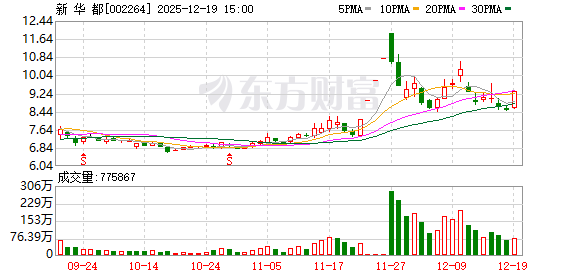
新华都:公司主动布局兴趣电商、内容电商等新兴渠道,探索即时零售模式
Zheng Quan Ri Bao· 2025-12-19 15:52
Core Viewpoint - The company, Xinhua Du, highlights the resilience and growth potential of online consumption in China, with a reported 9.1% year-on-year increase in national online retail sales from January to November 2025, and a 5.7% increase in physical goods online retail sales, which accounted for 25.9% of total retail sales of consumer goods [2] Group 1: Company Strategy - The company is actively leveraging the trend of consumption upgrading by deepening collaborations with leading brands through a matrix marketing approach to promote new product launches [2] - The company is exploring emerging channels such as interest e-commerce and content e-commerce, as well as instant retail models, to enhance its market presence [2] - The company is increasing the application of AI technology in areas such as intelligent customer service and comprehensive advertising to empower the upgrade of consumer experiences [2] Group 2: Market Outlook - The company plans to align with the national strategy of expanding domestic demand and will continue to optimize its full-link service capabilities to support the expansion of the consumer market [2]