
科技赋能

Search documents
益民基金:科技赋能,战略转型,助力公募基金行业高质量发展
Xin Lang Ji Jin· 2025-09-16 04:24
Group 1 - The core viewpoint of the article emphasizes the importance of high-quality development in the public fund industry, highlighting the role of technology and AI in enhancing investment research capabilities [1][3] - The establishment of the Quantitative Finance Laboratory by Yimin Fund aims to leverage big data and AI to empower the entire investment research process, striving to create an industry-leading intelligent investment research system [1][2] - The technology-driven model is identified as the key driver for improving investment research capabilities, focusing on dynamic screening of stocks based on extensive factor data and unique engineering model frameworks [1][2] Group 2 - The article provides an example of how the intelligent model helped Yimin Fund to reduce positions during market fluctuations in early April, effectively avoiding some market risks [2] - Yimin Fund's focus on value discovery and risk control is enhanced by its ability to construct diverse risk-return characteristic models, allowing for tailored products that meet different investor risk preferences [2] - The ongoing theme event "New Era, New Fund, New Value" reflects Yimin Fund's commitment to high-quality development and its proactive response to the industry's transformation and upgrade [3]
农业科技特派员扎根田间,全链条守护丹邱村丝苗米产业振兴路
Nan Fang Nong Cun Bao· 2025-09-15 16:00
Core Viewpoint - The article highlights the successful integration of agricultural technology and community engagement in Danqiu Village, Guangzhou, to revitalize the local silk rice industry through a comprehensive approach that includes technology empowerment, full-chain development, and rural prosperity [6][40][64]. Group 1: Agricultural Technology Empowerment - Danqiu Village has established a team of 70 agricultural technology specialists to support the silk rice industry, integrating various agricultural departments to create a service system that addresses local needs [17][21][69]. - The team employs innovative mechanisms such as a district-level coordinator system and quarterly meetings to ensure effective service delivery and problem-solving for local farmers [24][25][70]. - Digital platforms are utilized for online consultations, enhancing communication and technical support for farmers, leading to significant improvements in agricultural practices [32][35][72]. Group 2: Full-Chain Development - The silk rice industry in Danqiu Village is undergoing modernization through a comprehensive approach that includes research, production, processing, and marketing [39][40]. - The establishment of high-end processing enterprises and the application of advanced technologies are crucial for enhancing the quality and value of silk rice products [42][46]. - Collaborative models such as order agriculture and village-enterprise partnerships are being explored to create a mutually beneficial relationship among stakeholders, ensuring that small farmers share in the value chain [49][50]. Group 3: Economic Impact and Future Plans - Farmers in Danqiu Village have seen an increase in income, with profits from rice cultivation rising from approximately 1,000 yuan to 1,650 yuan per mu [53][54]. - Future plans include further technological advancements in rice variety development and the promotion of ecological farming practices to enhance the sustainability and value of the silk rice industry [66][68]. - The agricultural technology team aims to continue improving service mechanisms and expand support for various agricultural entities, ensuring ongoing development and prosperity for the local community [71][74].


三天迎客22.5万人次 集中签约超230亿元 2025中国文化旅游产业博览会成绩亮眼
Chang Jiang Ri Bao· 2025-09-15 00:35
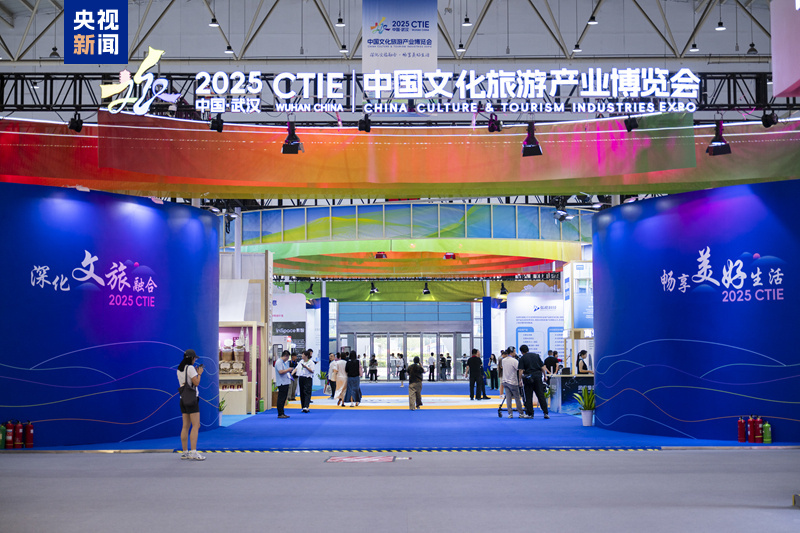
Core Insights - The 2025 China Cultural Tourism Industry Expo concluded in Wuhan, featuring a central stage and 10 indoor exhibition areas, attracting nearly 2,000 companies and 225,000 attendees [1] - The expo generated a transaction volume of 170 million yuan in cultural and tourism products, with 810 million yuan in cooperation agreements reached during five industry negotiation events, and a total of 23.28 billion yuan in project signings [1] - The event highlighted the integration of technology in cultural tourism, showcasing performances with robots, AR glasses, and immersive experiences, contributing to an annual revenue growth of approximately 10% in new cultural business formats [1] Industry Highlights - The expo included a diverse range of exhibits, with a focus on high-tech innovations that have become a significant driver for the high-quality development of the cultural tourism industry [1] - Major cultural IPs such as Universal Beijing Resort and Chimelong Paradise were featured, along with a parade of themed floats and performances from renowned domestic teams, creating a vibrant atmosphere [1] - The upcoming National Day and Mid-Autumn Festival will see a parade featuring nearly 1,000 performers, extending the excitement generated by the expo [1]
市城管局“童眼看城管”主题夏令营活动精彩纷呈 童心感知城市治理 携手守护美丽家园
Zhen Jiang Ri Bao· 2025-09-14 23:35
Group 1 - The core idea of the article is the "Children's Eye on Urban Management" summer camp series, which aims to educate children about urban management and instill a sense of community responsibility through immersive experiences [1][6] - The summer camp includes various activities that allow children to experience modern technology in urban governance, such as visiting the "smart brain" of urban management and participating in drone demonstrations [2][4] - The program emphasizes environmental awareness and sustainable practices, including hands-on experiences with waste classification and resource recycling, showcasing the entire process from waste generation to treatment [3][4] Group 2 - The activities highlight the craftsmanship and professionalism of urban management workers, allowing children to learn about different roles and responsibilities within the urban management sector [4][6] - The initiative also focuses on humanistic care, with volunteers visiting families in need and providing support, thereby fostering a sense of warmth and community among participants [5][6] - At the end of the program, children receive certificates recognizing their participation, enhancing their sense of pride and connection to urban management efforts [6]
第七届中国商业地产品牌价值论坛成功召开
Zheng Quan Ri Bao Wang· 2025-09-14 12:29
Group 1 - The 2025 China International Service Trade Fair and the 7th China Commercial Real Estate Brand Value Forum were successfully held, focusing on enhancing core functions and competitiveness in the commercial real estate sector [1] - Commercial real estate is a key carrier connecting business activities and urban spaces, reflecting the economic vitality and consumption capacity of cities [1][2] - Beijing's total office space has reached nearly 23 million square meters, with Grade A office space accounting for 12.88 million square meters, supported by over 640 industrial parks totaling 54 million square meters [2] Group 2 - Current challenges in China's commercial real estate market include insufficient effective demand, weak supply and demand performance, and a stable operating performance among leading enterprises [2][3] - The market is at a crossroads between "involution" and "evolution," with a need for companies to choose between price wars and leveraging brand, technology, and sustainability [3] - The demand for high-quality products is increasing, with a shift towards green, low-carbon, and smart offerings, indicating the arrival of a "good office" era [4] Group 3 - The focus on operational capabilities and brand building is essential for the mid-term outlook, as demand for commercial spaces becomes more intelligent, ecological, and human-centered [4] - Long-term brand value is crucial, as consumers are willing to pay a premium for brand value, necessitating standardized products and refined operations [4] - The forum included the launch of the "Comprehensive Evaluation Standards for Commercial Office Buildings (Revised Version)" and the release of the "2025 China Commercial Real Estate Brand Value Report" [4]
2025中国文化旅游产业博览会闭幕 文旅项目集中签约超230亿元
Yang Shi Xin Wen· 2025-09-14 09:38
Core Insights - The 2025 China Cultural Tourism Industry Expo concluded in Wuhan, attracting nearly 2,000 participating companies and 225,000 attendees, with a total transaction volume of 1.7 billion yuan in cultural and tourism products and 8.1 billion yuan in cooperation agreements [1][3]. Group 1: Event Overview - The expo featured a central stage and 10 indoor exhibition areas, along with an outdoor cultural tourism IP exhibition area, and included two professional exchange activities and five transaction negotiation events [1]. - The event achieved a total signing of cultural tourism projects worth 232.8 billion yuan [1]. Group 2: Technological Impact - Technology empowerment emerged as a significant highlight of the expo, utilizing cutting-edge technologies such as robotics and immersive experiences [3]. - The new cultural business formats have seen an annual revenue growth of approximately 10%, becoming a crucial driver for the high-quality development of the cultural tourism industry [3].
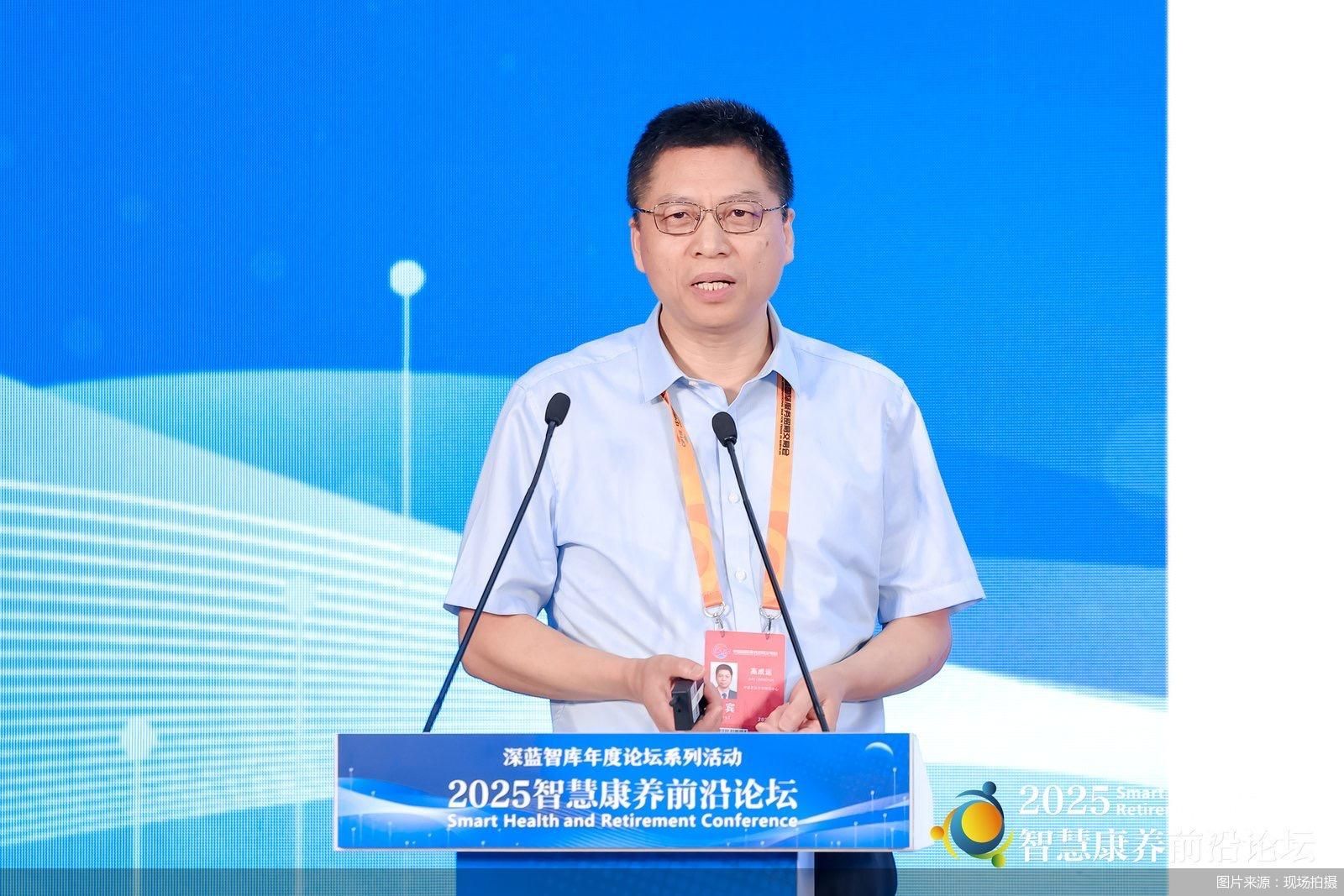
高成运:科技赋能融合型康养,六大趋势重塑银发经济新格局
Bei Jing Shang Bao· 2025-09-14 03:41
Core Insights - The forum focused on the theme of "New Patterns of Silver Economy and Comprehensive Health and Elderly Care Ecosystem," aiming to explore new paths, models, and mechanisms for the development of the health and elderly care industry in China [1] - The integration of technology and innovative systems is seen as crucial for promoting high-quality development in the elderly care industry [1] Industry Overview - The concept of the integrated elderly care industry is defined as a new industry form that centers on the comprehensive needs of the elderly, integrating resources from healthcare, elderly care, health management, culture, tourism, and finance through technological innovation [3] - This innovative model is transforming traditional elderly care services from fragmented offerings to a more platform-based, ecological, and one-stop service approach [3] Market Potential - The integrated elderly care industry is identified as a core consumption engine of the silver economy, meeting the rigid demands for health care and support services while also creating new consumption needs through integration with culture, tourism, and finance [3] - The industry acts as a powerful hub, driving upstream sectors like biomedicine and advanced manufacturing, while also fostering new professions such as health management specialists and elderly tourism planners [3] Technological Empowerment - New information technologies are constructing a "boundary-less" infrastructure for integrated elderly care, enabling a shift from "people seeking services" to "services seeking people" [4] - Innovations such as IoT, wearable devices, AI algorithms, and remote medical services are reshaping the delivery of elderly care services [4] Six Development Trends - The elderly care service is transitioning from labor-intensive to human-machine collaborative models, with AI and robots enhancing service efficiency and creating new high-quality employment opportunities [6] - The combination of age-friendly and intelligent renovations is creating new consumption scenarios, addressing safety, health management, and convenience for the elderly [6] - The emergence of elderly care robots is seen as a new infrastructure for the silver economy, with plans for pilot programs to promote their application in various settings by 2025 [6] - The rise of large integrated elderly care complexes signifies a new stage in industry development, offering comprehensive solutions for the elderly's medical, cultural, social, and residential needs [7] - Integrated technological innovations are entering an explosive growth phase, shifting the focus from reactive care to proactive intervention through advanced monitoring systems [7] - Technology platform companies are expected to dominate the new elderly care ecosystem, leveraging technology and data to create collaborative and win-win industry environments [8]
科技赋能全运,35项科技创新融合优秀案例助力赛事创新
2 1 Shi Ji Jing Ji Bao Dao· 2025-09-13 11:49
Group 1 - The core idea of the articles emphasizes the integration of technology into the 15th National Games in Guangzhou, showcasing innovative applications that enhance event management and urban development [1][6] - The Guangzhou competition area is implementing a "city through events" philosophy, creating a resource pool for technology projects and identifying application scenarios to meet empowerment needs [1][2] - A total of 35 advanced technology cases have been selected to empower various aspects of the event, including city management, event operations, and venue services, establishing a model for innovation across different fields [1][2] Group 2 - Notable technological advancements include the world's first L4 autonomous driving vehicle based on automotive-grade chips, which serves as a model for the autonomous driving industry in Guangzhou [2] - The "Wukong" robot, designed for live-line work in the power industry, has effectively reduced economic losses by over 10 million yuan by mitigating risks associated with high-altitude operations [2] - The integration of AR digital currency wallets with cultural experiences enhances cross-border payment convenience, contributing to the promotion of "Exciting Guangzhou" [2] Group 3 - Technological applications are deeply embedded in service, security, and experience aspects of the event, such as the "All Sports Guangzhou" app leveraging 5G and AI technologies [3] - The "Metaverse Sports Village" utilizes AI and digital human technology to create an immersive virtual event space, allowing audiences to experience the games beyond physical limitations [3] - A smart meteorological system provides precise weather forecasts every 12 minutes, ensuring safety for outdoor events like sailing and marathons [3] Group 4 - Guangzhou was awarded the World Smart City Award on September 4, highlighting the city's vitality and development driven by events and enterprises [4] Group 5 - The construction and operation of venues showcase a dual focus on sustainability and intelligence, utilizing recyclable materials and AI for efficient monitoring of critical infrastructure [5] - The smart management platform for sports venues has significantly reduced operational costs while ensuring effective event support and sustainable post-event operations [5] - Technologies aimed at assisting individuals with disabilities, such as navigation robots and real-time translation services, promote inclusivity and enhance participation in the games [5]
【西街观察】创新消费,国潮不只“潮”
Bei Jing Shang Bao· 2025-09-13 11:16
Group 1 - The rise of "Guochao" (national trend) is revitalizing consumer interest by merging traditional culture with modern technology, creating innovative experiences that resonate with the public [1][2] - The successful launch of China's first AAA game "Black Myth: Wukong," which sold over 10 million copies within three days, exemplifies the potential of cultural innovation powered by technology [1] - In the first half of the year, China's cultural enterprises achieved a total profit of 629.8 billion yuan, marking a 19.3% increase year-on-year, driven significantly by digital content services and internet information services [2] Group 2 - The concept of activating genuine consumer demand is crucial for cultural transmission, emphasizing the need for effective supply alongside demand [2][3] - The integration of technology in cultural products and services is seen as a beneficial exploration for the dissemination of "Guochao" [2] - The focus on human-centered technology aims to meet true consumer needs, which is essential for growth and cultural heritage preservation [3]
第十六届中国食品安全论坛在京举行
Zhong Guo Jing Ji Wang· 2025-09-12 06:44
Group 1: Forum Overview - The 16th China Food Safety Forum was held on September 11 in Beijing, focusing on the theme "Upholding Virtue and Law, Sharing Food Safety" [1] - The forum aims to promote high-quality development in China's food industry, gathering government departments, industry experts, research institutions, and corporate representatives [1] Group 2: Government and Media Roles - The Director of the Food Coordination Department of the State Administration for Market Regulation emphasized the need for social participation in food safety governance and the importance of technological innovation [2] - The Deputy Editor-in-Chief of Economic Daily highlighted the media's role in enhancing public confidence and promoting transparency in food safety information [2] Group 3: Technological Empowerment - The Dean of the Institute of Nutrition and Health at China Agricultural University proposed three suggestions for food safety governance: leveraging technology, solidifying industry responsibility, and promoting shared governance [4] - As of now, China has released 1,725 national food safety standards covering over 340 food categories, with 126 new standards published this year [4] Group 4: Industry Practices - Mengniu Group has implemented big data, AI, and IoT technologies to enhance its entire supply chain's digital transformation [5] - Meituan emphasized its commitment to food safety through data mining and AI algorithms, focusing on transparency and collaborative governance [5] Group 5: Waste Reduction Initiatives - The "Stop Food Waste" initiative launched by China Economic Net aims to promote the traditional virtue of frugality and has organized multiple volunteer activities [6] - KFC has established food stations to provide surplus food to those in need, covering over 180 cities and approximately 1,050 stores by June 2025 [6] Group 6: Internal Motivation and Responsibility - Discussions highlighted that the core of food safety's internal motivation lies in the social responsibility of food enterprises [7] - Ferrero China has initiated a zero-risk food safety management strategy, focusing on risk prevention and collaborative management across the supply chain [7] Group 7: Future Outlook - The overall food safety situation in China is improving, with a more comprehensive standard system and accelerated smart regulation [8] - The focus remains on ensuring safe and healthy food consumption, driven by virtue, technology, and multi-party collaboration [8]