自动驾驶

Search documents
港股异动 | 博雷顿(01333)逆市涨超5% 全球矿山机械高景气度持续 公司无人矿卡拓展至非洲等海外市场
智通财经网· 2026-02-13 07:14
Group 1 - Boreton (01333) saw a stock price increase of over 5%, currently trading at 21.36 HKD with a transaction volume of 54.47 million HKD [1] - Oriental Securities reported that global geopolitical disturbances are increasing, leading to a stronger demand for resource supply chain and industrial chain security, which will directly benefit the mining machinery industry through increased capital expenditure [1] - Domestic mining machinery has competitive advantages in cost-effectiveness and customized design, with significant potential for global market share growth under the trend of self-controllable resource supply chains [1] Group 2 - Tianfeng Securities noted that Boreton plans to launch a new generation of unmanned mining trucks by 2025 and expand into overseas markets such as Africa [1] - The penetration rate of new energy engineering machinery is expected to continue rising, with Boreton's product iteration to the BRT970EV model and ongoing market expansion [1] - The mining area is identified as a core application scenario for autonomous commercial vehicles, with a projected penetration rate of 50% by 2030 [1] - Boreton has introduced the original unmanned mining truck model 9M145E, equipped with a self-developed E2E intelligent driving system and smart scheduling platform for multi-device collaborative operations [1] - The company has a strong order reserve, having signed a procurement agreement for 1,000 units with Mingyang Mining and supplying 150 units to Fujian Rixin, accelerating commercialization [1]
公司问答丨寒武纪:原力聚合与公司及行歌科技没有关联关系
Xin Lang Cai Jing· 2026-02-13 07:02
Group 1 - The company has changed the official website of its brand "Xiangge" to "Yuanli Juhe" [1] - An investor inquired whether the automotive autonomous driving chip business line under Xiangge has been abandoned and if Yuanli Juhe is a new business under the company [1] - The company clarified that Yuanli Juhe is not related to the company or Xiangge Technology [1]

提前17个月成功判断理想创造移动的家这个使命有可能变
理想TOP2· 2026-02-13 04:55
Core Viewpoint - The new mission of Li Auto is "Be Proactive, Change the World," with a vision to become a global leader in embodied intelligence [1] Group 1: Company Evolution - Li Auto's previous mission focused on creating a mobile home and happiness, which has now shifted towards a broader technological ambition [1] - The company is evolving from being perceived solely as an automotive manufacturer to being recognized as an AI company, emphasizing the integration of AI with physical products [2][10] - The leadership of Li Auto, particularly CEO Li Xiang, is characterized by a commitment to continuous growth and learning from past experiences [3][4] Group 2: Leadership Insights - Li Xiang's personal growth journey includes learning the importance of communication and focusing on user needs rather than competitors [5][8] - Significant past experiences, such as challenges during the automotive industry and previous ventures, have shaped Li Xiang's approach to leadership and decision-making [6][7] - The transition to focusing on AI and embodied intelligence reflects a strategic pivot based on industry trends and personal insights gained over time [11][12] Group 3: AI Integration - By December 2024, Li Xiang recognized the critical role of foundational models in AI, understanding that they serve as a key entry point for various products and services [12] - The company is actively engaging in AI research and development, with a focus on integrating AI capabilities into its automotive offerings [13][14] - Li Auto is preparing to address the challenges of robotics and AI, indicating a proactive stance in seizing market opportunities in these emerging fields [15][16]


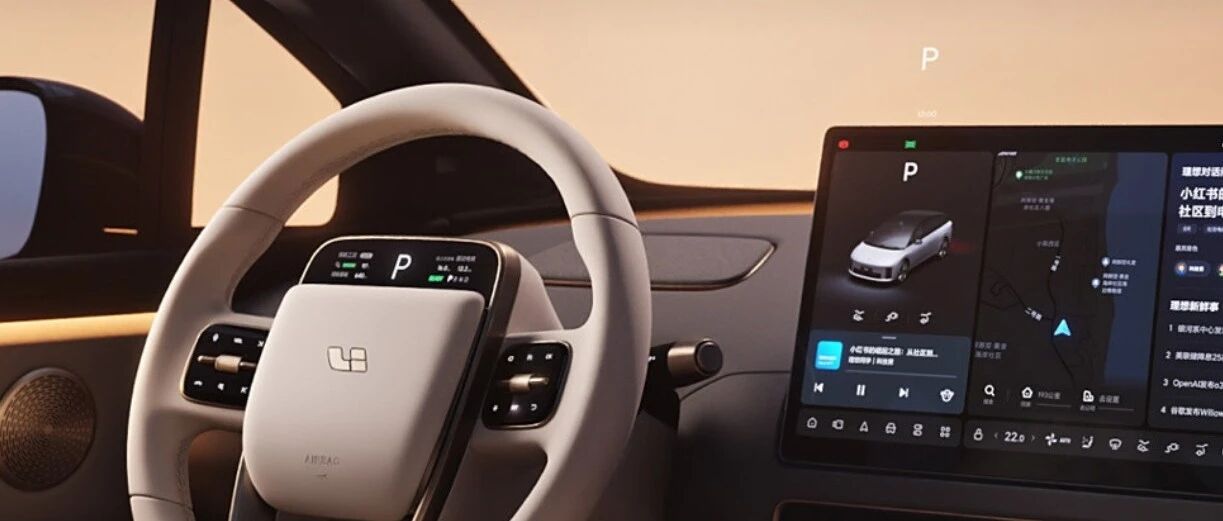
出行经济的全球大航海时代悄然开始
3 6 Ke· 2026-02-13 04:20
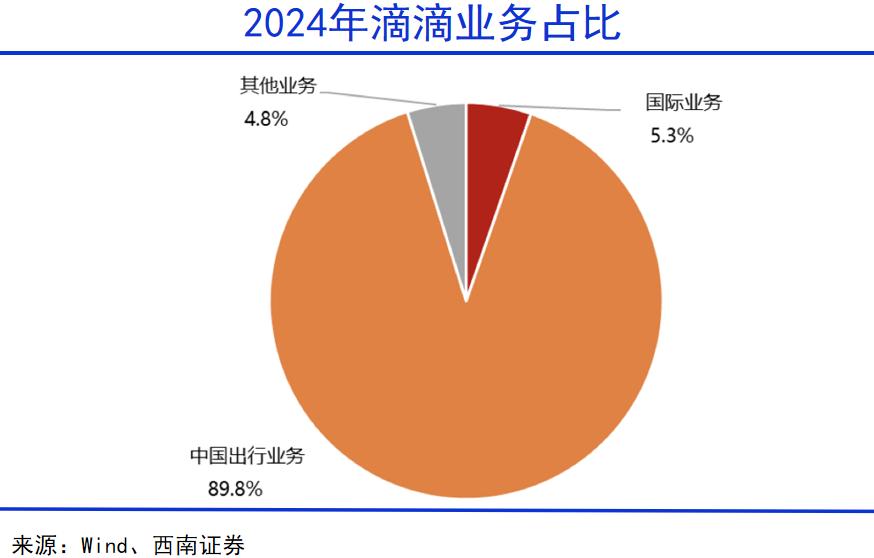
Core Insights - The article discusses the evolution and globalization of the Chinese mobility industry, highlighting key players like Didi and Cao Cao Mobility, and their strategies for international expansion [1][2][5][10]. Group 1: Didi's International Expansion - Didi began its international journey in 2015 by investing in various global ride-hailing platforms, including Grab and Lyft, and later focused on deeper market penetration in Latin America, particularly Brazil [2][5]. - By 2023, Didi had 55 million active users and 1.5 million drivers in Brazil, covering over 3,300 towns, marking a significant achievement in its international strategy [2]. - Didi's international business saw over 20% growth in Q3 2025, with a total order volume of 1.162 billion, indicating its status as a benchmark for Chinese mobility companies going global [8]. Group 2: Cao Cao Mobility's Strategy - Cao Cao Mobility, backed by Geely, achieved a Gross Transaction Value (GTV) of 17 billion yuan in 2024, making it the second-largest ride-hailing platform in China with a market share of 5.4% [9]. - The acquisition of Yao Mobility and Geely Business Travel expanded Cao Cao's service network to 12 international cities, enhancing its global footprint [9]. - Cao Cao's integration with Geely's ecosystem allows for localized operations and shared vehicle development capabilities, positioning it favorably against competitors [9][10]. Group 3: Autonomous Driving Expansion - The autonomous driving sector is a critical extension of the mobility industry, with companies like WeRide and Pony.ai aggressively pursuing global markets [11][16]. - WeRide received approval to operate a fully autonomous Robotaxi service in Abu Dhabi, marking a significant milestone in global autonomous driving commercialization [14][17]. - The competition in the autonomous driving space is intensifying, with companies like Waymo and Tesla also making significant advancements and investments [20][21]. Group 4: New Entrants and Market Dynamics - New players like Hello Mobility are expanding their business models to include two-wheeled and four-wheeled services, supported by Ant Group [21][23]. - The mobility industry in China is projected to reach 8 trillion yuan in 2024, with expectations to grow to 10 trillion yuan by 2029, indicating a robust market potential [21][25]. - The shift towards international markets is also seen in the mapping and location services sector, as companies adapt to new technological trends and consumer demands [24][25]. Group 5: Future Outlook - China's automotive exports reached 7.098 million units in 2025, solidifying its position as the world's largest automotive exporter for the third consecutive year [25]. - The article emphasizes the need for mobility companies to adapt their business models and technologies for international markets, particularly in autonomous driving and ecosystem development [25][26]. - The future of the global mobility economy is expected to be dynamic, with numerous companies vying for market share in an increasingly competitive landscape [26].
汽车早报|吉利控股旗下公司增持沃尔沃汽车股份 日产汽车第三财季净亏损283亿日元
Xin Lang Cai Jing· 2026-02-13 00:38
Group 1: Regulatory Developments - The Ministry of Industry and Information Technology is soliciting public opinions on five mandatory national standards, including "Safety Requirements for Autonomous Driving Systems in Intelligent Connected Vehicles," with a deadline for feedback set for April 13, 2026 [1] Group 2: Automotive Industry Trends - The majority of key automotive companies have reduced their payment terms to within 60 days, with an average payment term of approximately 54 days, which is a reduction of about 10 days compared to the same period last year [2] - In January, the retail sales of passenger cars in China reached 1.544 million units, representing a year-on-year decline of 13.9% [2] - Xiaomi Auto supports the "Automotive Industry Pricing Behavior Compliance Guidelines," aiming to eliminate price fraud and unfair competition [2] - Great Wall Motors expresses full support for the "Automotive Industry Pricing Behavior Compliance Guidelines," emphasizing long-termism and compliance [3] Group 3: Corporate Developments - Guangzhou Automobile Group Technology Co., Ltd. increased its registered capital from approximately 96.99 million RMB to about 120 million RMB, marking an increase of around 25% [4] - BAIC New Energy established Yuanjing Intelligent Technology Co., Ltd. with a registered capital of 5 million RMB, focusing on engineering and technology research, IoT application services, and AI software development [5] - Pony.ai has been included in the MSCI China Index, becoming the first and only autonomous driving company in this index [6] - Geely International Hong Kong Limited purchased nearly 1.45 million shares of Volvo Cars at approximately 23.99 SEK per share, totaling about 5.84 million shares acquired between February 6 and 11 [7] Group 4: Financial Performance - Mercedes-Benz Group reported a revenue of 132.2 billion euros for 2025, a year-on-year decline of 9%, with adjusted EBIT down by 40% to 8.2 billion euros [11] - Nissan Motor Company reported a net loss of 28.3 billion yen for the third quarter, with net sales of 3 trillion yen and an expected annual net loss of 650 billion yen [12] - Nissan plans to set its global production target for 2026 at approximately 3.05 million units, maintaining the same level as the 2025 forecast despite ongoing sales challenges [13]
A股盘前播报 | 美股、黄金、白银集体重挫 央行开展一万亿买断式逆回购操作
智通财经网· 2026-02-13 00:34
Market Summary - The U.S. stock market experienced a significant sell-off, with all three major indices declining, particularly the Nasdaq which fell over 2% due to growing concerns about the disruptive impact of AI on various sectors including finance, real estate, and logistics [1] - Precious metals also saw a sharp decline, with spot gold dropping over 4% and spot silver plummeting more than 11% [1] Macro Insights - The central bank announced a 1 trillion yuan reverse repurchase operation to maintain liquidity in the banking system, which may reduce the urgency for a comprehensive reserve requirement ratio cut before the Spring Festival [2] - Despite this, a reserve requirement ratio cut remains a viable option in the central bank's toolkit [2] Industry Developments - Shenzhen has launched an action plan to strengthen its semiconductor industry, focusing on AI chips and the development of autonomous drone capabilities [4] - The demand for storage chips is expected to rise significantly, driven by the growth in AI server requirements and domestic substitution, presenting investment opportunities in the related listed companies [10] - The Ministry of Industry and Information Technology is seeking public opinion on safety requirements for autonomous driving systems, indicating a critical year for L4-level autonomous driving commercialization in 2026 [11]
中东实测翻车,Robotaxi还是有点傻?
汽车商业评论· 2026-02-12 23:06
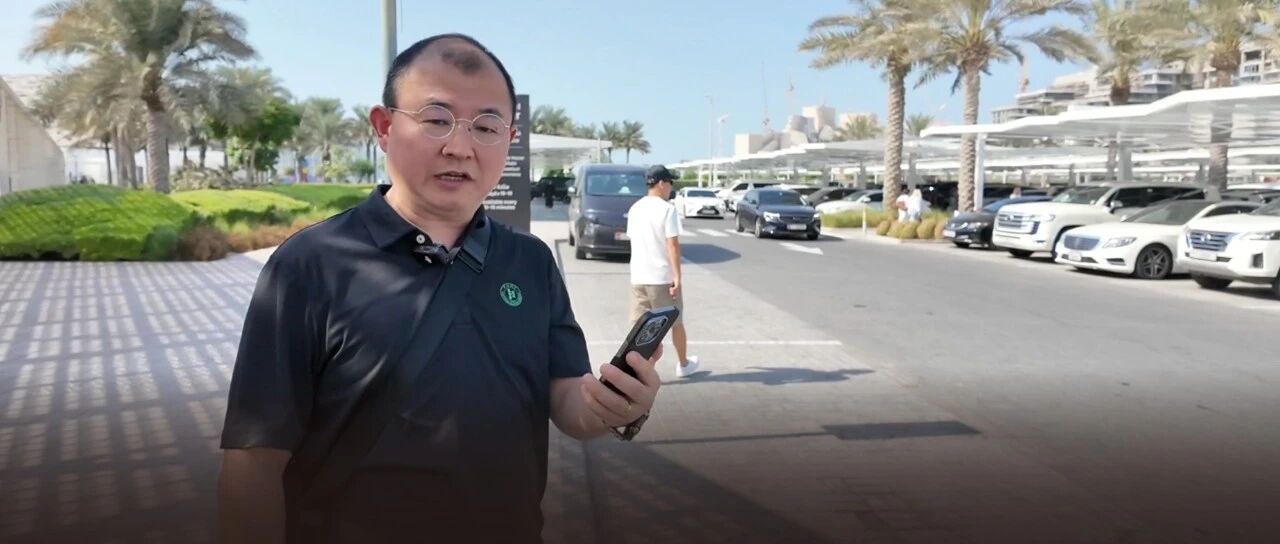
Core Viewpoint - The article discusses the rapid development of autonomous driving technology, particularly Robotaxi services, in the UAE, highlighting the ambitious goals set by the government and the involvement of leading Chinese tech companies in this sector [4][9][14]. Group 1: Autonomous Driving Goals and Infrastructure - The UAE aims for at least 25% of all trips to be autonomous by 2030, which is expected to reduce carbon emissions by 15% and accident rates by 18% [4]. - The government is investing heavily in infrastructure, including 5G networks and standardized road systems, to facilitate the deployment of autonomous vehicles [11][9]. - Abu Dhabi has completed nearly 30,000 autonomous vehicle trips, covering a total distance of 430,000 kilometers, due to supportive policies and infrastructure [11]. Group 2: Chinese Companies' Involvement - Chinese companies like WeRide, Baidu, and Pony.ai are actively participating in the UAE's autonomous driving market, with WeRide launching public Robotaxi services in Abu Dhabi as early as 2021 [14][16]. - By 2026, WeRide plans to expand its Robotaxi fleet in the Middle East to 1,000 vehicles, with a long-term goal of tens of thousands by 2030 [16]. - Baidu's Apollo Go has also entered the market, aiming to deploy 100 autonomous taxis by the end of 2025 and expand to at least 1,000 by 2028 [16]. Group 3: Challenges and Market Dynamics - The development of Robotaxi services in the Middle East faces challenges such as technological adaptation, operational complexity, and geopolitical uncertainties [20]. - The article notes that while the UAE presents a favorable environment for autonomous driving, the global market remains competitive, with companies needing to prove their business viability [20][27]. - The article highlights the potential job displacement for traditional drivers, but also suggests that new roles will emerge in the autonomous vehicle ecosystem [31].

文远知行获机构评级,股价波动受关注
Jing Ji Guan Cha Wang· 2026-02-12 21:49
经济观察网近期多家机构对文远知行发布评级,普遍认可其技术优势,但盈利时间表仍是焦点。 机构观点 2026年2月11日,麦格理首次覆盖给予"跑赢大市"评级,目标价港股46港元、美股17.5美元,看好其海 外轻资产模式及中东Robotaxi部署计划。2026年2月10日,中银国际维持"买入"评级,目标价34港元, 预计2025年第四季度收入环比增长超70%,主要受益于Robotaxi业务放量。2026年2月9日,摩根大通重 申"增持"评级,但指出其美股年内跑输相关指数,反映市场对Robotaxi领域竞争的担忧。 近期事件 2026年2月6日,文远知行与Uber宣布升级战略合作,计划于2027年内在中东地区部署至少1,200辆 Robotaxi,覆盖阿布扎比、迪拜和利雅得三大市场,全部接入Uber App提供出行服务。该合作基于现有 运营基础,旨在加速车队扩张和商业化落地。 股票近期走势 文远知行-W股价近期呈现波动。截至2026年2月12日,收盘价20.26港元,单日下跌3.98%,年初至今累 计下跌11.91%。2月9日因合作消息盘中涨超6%,但随后回落,近一周区间涨跌幅为4.59%,成交额显示 流动性较低,反 ...
禾赛科技入选MSCI中国指数!绑定英伟达,布局海外,激光雷达产能提升至400万台
Jin Rong Jie· 2026-02-12 10:33
Group 1 - MSCI announced the inclusion of 37 stocks in the MSCI China Index, including Hesai Technology, which will take effect after the market closes on February 27 [1] - Hesai Technology is the only lidar company included in this adjustment, which is expected to attract significant passive investment funds [1] - According to a report by Citi, Hesai Technology is projected to become the world's largest lidar supplier by 2024, with a monthly production and delivery capacity exceeding 200,000 units [1] Group 2 - In January 2026, Hesai Technology was selected as a lidar partner for NVIDIA's Hyperion 10 platform and has entered the C-sample stage with European automakers, indicating strong overseas market expansion potential [2] - The company has established production partnerships with 22 domestic and international automakers for 120 vehicle models, covering over 40 countries [2] - West Securities forecasts Hesai Technology's total revenue to reach 3.1 billion yuan, 4.8 billion yuan, and 6.1 billion yuan from 2025 to 2027, with corresponding net profits of 370 million yuan, 690 million yuan, and 1.09 billion yuan [2] Group 3 - Hesai Technology has three core competitive advantages: a well-defined management structure among its founders, leading R&D capabilities, and proprietary manufacturing processes [3] - The company was one of the first to propose a chip-based lidar approach, with its AT128 lidar being the first to achieve automotive-grade mass production [3] - Hesai plans to increase its production capacity to 4 million units by 2026, with a new factory in Thailand expected to begin operations in early 2027 [3]

宝马将在全球召回数十万辆汽车;乘联分会:1月全国乘用车市场零售154.4万辆,同比下降13.9%丨汽车交通日报
创业邦· 2026-02-12 10:30
Group 1 - BMW will recall hundreds of thousands of vehicles globally due to potential safety hazards related to the engine start device, affecting cars produced between July 2020 and July 2022, with estimates of up to 575,000 vehicles involved [2] - In January, the retail sales of passenger cars in China reached 1.544 million units, representing a year-on-year decline of 13.9%, reflecting a trend of significant fluctuations in January sales over recent years [2] - WeRide and Uber have launched the first Robotaxi commercial operation service in downtown Abu Dhabi, expanding their operational coverage to approximately 70% of the core area since the service began in December 2024 [2] - Waymo plans to exceed 1 million weekly paid ride-hailing orders in the U.S. by the end of this year, with plans to launch services in over 20 cities including Tokyo and London, following a $16 billion funding round that valued the company at $126 billion [2]