产教融合

Search documents
深化产教融合,提升高职院校人才培养质量
Xin Hua Ri Bao· 2025-11-28 07:20
Core Viewpoint - The increasing demand for high-level applied talents necessitates the deep integration of industry and education in vocational colleges to enhance talent cultivation quality and align educational supply with industry needs [1][2]. Group 1: Talent Cultivation and Industry Integration - The integration of industry and education is crucial for cultivating high-level applied talents amidst industrial transformation and upgrading [2]. - Vocational colleges and enterprises should establish a mutually beneficial cooperation model, creating a virtuous cycle of "talent cultivation—technology innovation—industry upgrading" [2]. - Regular meetings and communication between vocational colleges and enterprises are essential to align educational practices with industry needs [2][8]. Group 2: Curriculum Development - Developing a curriculum that meets industry demands is vital for optimizing educational supply [3]. - Vocational colleges should establish a responsive mechanism to industry technology changes and create a progressive curriculum system [3]. - A dynamic early warning system should be implemented to adjust programs and courses that are misaligned with industry needs [3]. Group 3: Practical Teaching Platforms - Practical teaching platforms are fundamental for cultivating applied talents [4]. - Vocational colleges should invest in training bases that reflect real production scenarios and incorporate advanced technologies [4]. - Collaboration with reputable enterprises to establish internship bases is necessary for providing students with practical experience [4]. Group 4: Talent Cultivation Models - The talent cultivation model should focus on vocational skills and leverage the strengths of both vocational colleges and enterprises [5]. - Implementing a comprehensive education model that integrates work, courses, competitions, and certifications is essential for aligning education with industry standards [5]. - The "1+X" certification system should be adopted to bridge academic education and vocational training [5]. Group 5: Faculty Development - Building a strong faculty team is crucial for ensuring the quality of talent cultivation [6][7]. - Vocational colleges should create a dual-mentor system involving industry professionals to enhance teaching quality [6]. - Continuous professional development and evaluation mechanisms for teachers should be established to maintain high teaching standards [7]. Group 6: Evaluation and Feedback Mechanisms - A multi-dimensional evaluation system is necessary to promote the deep integration of industry and education [8]. - Vocational colleges should develop a comprehensive evaluation index system that reflects students' knowledge and skills [8]. - A feedback loop should be established to continuously improve talent cultivation programs based on evaluation results [8].
中汇集团(0382.HK)公布2025财年全年业绩:高质量办学投入成效显著,人才培养硕果助推品牌价值跃升
Ge Long Hui· 2025-11-28 07:01
Performance Highlights - The company reported a revenue of approximately RMB 2,489 million for the fiscal year ending August 31, 2025, representing a year-on-year increase of 7.7% due to an increase in student enrollment and average tuition fees [4][5] - The number of enrolled students reached approximately 99,800, reflecting a year-on-year growth of about 4.4% [4][5] - The company has a strong cash position with cash and cash equivalents amounting to RMB 2,463 million [4][5] - The board proposed a final dividend of HKD 0.074 per share, resulting in a total annual dividend of HKD 0.14 per share, with a payout ratio of 30%, marking the 13th consecutive dividend since the company went public [4][5] Strategic Advantages - National policies are continuously promoting high-quality development in vocational education, providing strong momentum for the sector [5] - The company leverages its geographical advantages in the Guangdong-Hong Kong-Macao Greater Bay Area and Chengdu-Chongqing Economic Circle to align its professional systems with regional economic needs [5] - The company has proactively established programs in strategic emerging fields such as artificial intelligence, new energy, and health, creating a complete cycle from talent cultivation to industrial application [5] Educational Innovation - The company emphasizes a "renowned principals and teachers" approach, enhancing faculty quality through systematic training and recruitment of education experts [6] - Significant investments have been made in modern teaching facilities and advanced training bases to support talent development [6] - A diversified curriculum covering AI, industry-education integration, internationalization, innovation, and ESG has been developed, incorporating real industry projects into the classroom [6] Graduate Outcomes - The company focuses on high-quality employment and sustainable development for students, establishing an integrated support system for further education, employment, and entrepreneurship [7] - Many graduates have secured opportunities for further studies at prestigious institutions and quality domestic and international employment through partnerships and practical training programs [7] - The company has set up an "Innovation and Entrepreneurship Incubation Fund" and campus incubators to support student entrepreneurship, with a strong alumni network providing ongoing support [7] Future Outlook - The company aims to continue its mission of building a century-old prestigious school, deepening industry-academia-research collaboration [8] - It plans to leverage its geographical advantages to enhance international education and expand into vocational training and lifelong education markets [8] - Through strategic investments and educational innovations, the company seeks to cultivate more outstanding applied talents and establish a globally influential educational brand [8]

青岛上合航空交通研究院科教共创中心成立
Zhong Guo Min Hang Wang· 2025-11-28 06:12
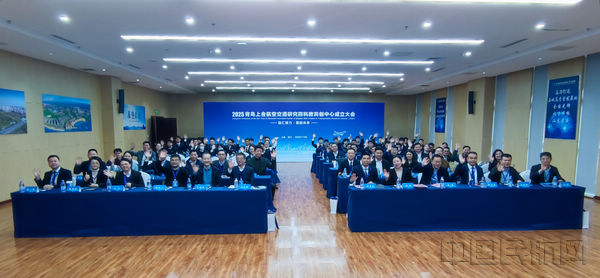
Core Insights - The establishment of the "Qingdao Shanghai Cooperation Organization Aviation Transportation Research Institute Co-creation Center" marks a significant step in integrating education and industry within the aviation sector, aligning with national strategies such as the "Belt and Road Initiative" and "产教融合" (industry-education integration) [1][3][5] Group 1: Event Overview - The signing and unveiling ceremony for the co-creation center and the ICAO TPP (International Civil Aviation Organization Training Partnership Program) qualification took place on November 26, with participation from various stakeholders including universities and aviation enterprises [1][3] - The co-creation center aims to serve as a collaborative innovation platform, integrating resources from government, industry, academia, and research to enhance aviation safety, talent development, and technology transfer [3][5] Group 2: TPP Qualification Impact - The TPP qualification signifies international recognition of China's civil aviation training quality, reflecting the industry's commitment to high-quality development and internal growth [5] - The deputy director of the Civil Aviation Qingdao Regulatory Bureau expressed expectations for the center to contribute to national aviation strategies, maintain safety standards, and drive innovation [5] Group 3: Future Development and Collaboration - Experts from various universities and aviation organizations discussed the future of aviation education and industry integration, focusing on topics such as low-altitude economy evolution and competency-based training advancements [8][9] - The Qingdao Aviation Training Center plans to leverage the TPP international network to establish a new training base, aiming to create a globally competitive aviation education and innovation hub [10]
产教融合 向新突破
Qi Lu Wan Bao· 2025-11-27 22:04
Group 1: Talent Development and Industry Alignment - The focus is on enhancing the alignment of talent cultivation with the development needs of emerging industries in Jinan, particularly in strategic sectors like intelligent connected vehicles and low-altitude economy [1][7] - Establishment of the Jinan New Energy Vehicle Application R&D Center in collaboration with companies like BYD and Geely to create a dual education model that integrates practical training within the industry [1] - Implementation of a curriculum that aligns with industry standards and job requirements, including the development of integrated courses for various technical fields and collaboration with companies to ensure students are equipped with the latest skills [1][2] Group 2: Digital Transformation in Education - The initiative aims to explore AI teaching pathways and integrate information technology deeply into educational practices, creating a new ecosystem for intelligent, immersive, and personalized learning [3] - Development of a digital teaching resource library utilizing modern technologies to enhance interactivity and effectiveness in teaching, with over 1,366 online teaching resources created [3][4] - Introduction of immersive classroom experiences using VR and AR technologies to facilitate complex learning scenarios, such as virtual fault diagnosis and repair processes in automotive education [4] Group 3: Collaborative Platforms and Industry Partnerships - Formation of the Jinan Technical Education Alliance to promote resource sharing and collaborative development among educational institutions and industry stakeholders [5][6] - Establishment of the Jinan Craftsman Academy to integrate various resources for talent training, vocational training, and technical innovation, significantly increasing the scale of social training [6] - Development of industry-specific courses and training programs in collaboration with companies like Geely and BYD, resulting in the training of over 2,000 skilled workers in the automotive sector [7]
数智赋能文旅消费新场景,第三届数字文旅产教融合大会在崇明举行
Sou Hu Cai Jing· 2025-11-27 17:34
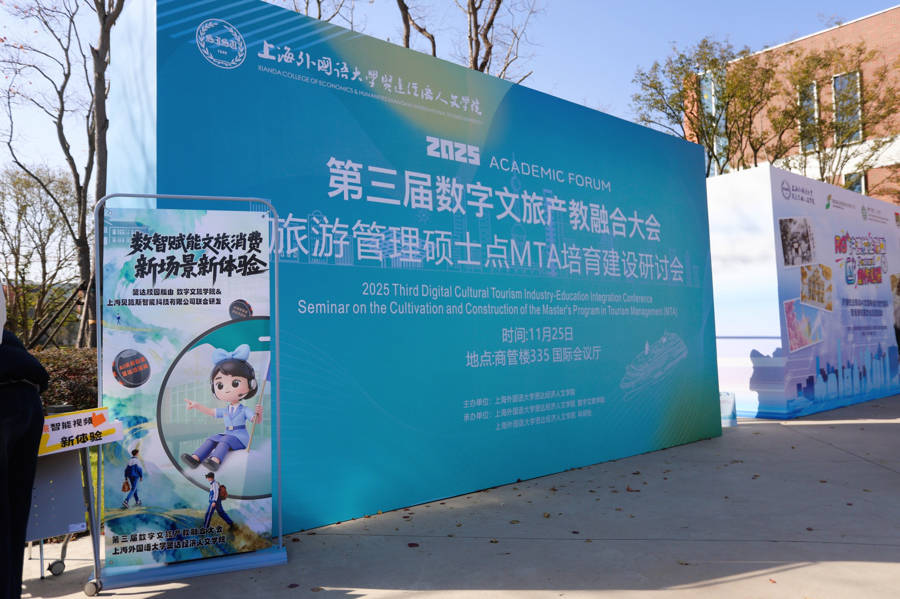
Core Insights - The third Digital Cultural Tourism Industry-Education Integration Conference was held in Shanghai, focusing on "Digital Intelligence Empowering New Scenarios and Experiences in Cultural Tourism Consumption" [2] - The conference aimed to gather resources to promote innovation in cultural tourism consumption scenarios and inject lasting momentum into the development of cultural tourism in Chongming District [4] - The integration of industry and education is seen as a key approach to address the talent supply-demand imbalance in the cultural tourism sector and drive high-quality industry development [5] Industry Development - The digital transformation of the cultural tourism industry requires collaboration between education and industry, with the conference serving as an efficient bridge for both supply and demand sides [7] - Various formats such as keynote speeches, case sharing, and roundtable forums were utilized to showcase innovative achievements and development directions in digital cultural tourism industry-education integration [9] - Companies like Ctrip, Tencent, and Zhihui shared frontline experiences on travel experience innovation, digital implementation in cultural tourism, and new consumption trends [9] Talent Development - The conference included discussions on high-end cultural tourism talent cultivation, with insights shared on the current status and trends of MTA education development [13] - The establishment of the "Xian Da Digital Cultural Tourism Alliance Industry Academy" was announced, marking a new paradigm for talent cultivation and social service [15] - Collaboration agreements were reached with various organizations to lay a solid foundation for future industry-education integration projects [15]
辽宁职教:为老工业基地振兴注入“硬核动能”
Xin Hua Wang· 2025-11-27 02:11
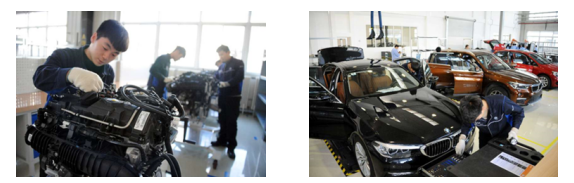
Core Viewpoint - Liaoning's vocational education is deeply integrated into regional development, serving as a driving force for revitalizing the old industrial base and enhancing skill training for local industries [2][16]. Group 1: Integration of Vocational Education and Industry - Vocational education in Liaoning is closely aligned with the needs of revitalizing the old industrial base, focusing on developing skilled talent as a key component of economic growth [2]. - The collaboration between vocational schools and industries has led to significant improvements, such as a technical team from Liaoning Mechanical and Electrical Vocational Technical College solving a major production issue for an electronics company, resulting in a 30% reduction in equipment costs [3]. - Liaoning Mechanical and Electrical Vocational Technical College has established a professional group layout that includes two provincial-level industry-education integration communities, conducting vocational skills training for 21,000 people annually [6]. Group 2: Cultural Heritage and Skills - Liaoning vocational education is becoming a vital platform for the transmission of traditional culture, with programs that combine old crafts with modern design, leading to successful products in the market [8][11]. - The development of non-heritage related courses has resulted in the training of over 1,200 traditional culture inheritors, contributing to a cultural industry revenue increase of over 300 million yuan [11]. Group 3: Social Impact and Community Development - Vocational education in Liaoning is addressing social needs by establishing quality vocational schools in remote areas, providing practical skills that directly benefit local communities [12]. - The establishment of rural revitalization colleges has created a model where vocational training is closely tied to local industries, resulting in significant income increases for local farmers [12]. Group 4: International Collaboration and Expansion - Liaoning is leveraging its geographical advantages to promote vocational education internationally, with initiatives like the "Mozi Workshop" in various countries, training thousands of skilled workers to meet local industry needs [13][15]. - The establishment of an overseas industry college alliance has facilitated the training of nearly 10,000 skilled talents abroad, promoting Chinese vocational education standards globally [15]. Group 5: Quality Improvement and Future Outlook - Over the past six years, funding for vocational education quality improvement in Liaoning has doubled, with the compliance rate of educational institutions rising from 29.65% to 83.53% [16]. - The ongoing reforms in vocational education are expected to produce more skilled talents, contributing to the comprehensive revitalization of Liaoning [16].
融合职业教育与特色产业 助推地方经济高质量发展 “美食学院”因美食而出圈(神州看点)
Ren Min Ri Bao· 2025-11-26 22:23
Group 1: Core Insights - The development of high-quality industries calls for high-quality, diversified talent, with vocational education closely linked to industry needs [1] - The establishment of specialized industry colleges, such as the Liuzhou River Snail Noodle Industry College, exemplifies the integration of vocational education and local industry development [3][4] - The Liuzhou River Snail Noodle industry has transformed into a billion-dollar industry, with sales revenue reaching 38.24 billion yuan in the first half of the year and over 49,000 physical stores nationwide [3] Group 2: Industry-Specific Developments - The Liuzhou River Snail Noodle Industry College has created training bases and developed programs that align with the industry chain, focusing on cultivating versatile technical talent [3] - The college has also introduced innovative tools like the "flavor wheel" to categorize various flavor characteristics of the product [3] - The college's international collaboration with Thailand's Liyu Vocational College aims to promote the Liuzhou River Snail Noodle brand and establish an international entrepreneurship college [4] Group 3: Other Industry Colleges - The Zixi Bread College in Jiangxi has trained over 400 students since its establishment, offering flexible courses tailored to market demand [6][7] - The college provides short-term training programs that allow students to quickly acquire skills needed for employment in the baking industry [7] - The potential for entrepreneurship is supported by the college's long-term courses and partnerships with local businesses for tailored training [8] Group 4: Emerging Industries - The Qianjiang Lobster College in Hubei was established to meet the growing demand for skilled labor in the booming lobster industry, which has an annual output value exceeding 87 billion yuan [9][10] - The college offers a comprehensive curriculum that includes practical cooking skills as well as courses in biology, nutrition, cost accounting, and brand marketing [10] - The college has expanded its programs to cover the entire lobster industry chain, with over 1,400 students currently enrolled [10]
“美食学院”,因美食而出圈(神州看点)
Ren Min Ri Bao· 2025-11-26 22:21
Group 1: Industry Development - The Luoyang snail powder industry has transformed from a street snack to a 38.24 billion yuan industry, with 49,000 physical stores nationwide and exports to over 30 countries and regions [2] - The establishment of the Luoyang Snail Powder Industry College in May 2020 has created a training base and developed programs that align with the industry chain, focusing on cultivating versatile technical talents [2][3] - The college has introduced innovations such as the "flavor wheel" for Luoyang snail powder, categorizing various flavor characteristics using professional terminology [2] Group 2: Educational Integration - The integration of education and industry is exemplified by the collaboration with Thailand's Liyu Vocational College, which aims to promote Luoyang snail powder through various initiatives, including an international entrepreneurship college [3][4] - The Zixi Bread Academy in Jiangxi has trained over 400 students since its establishment in January, offering flexible courses tailored to market demand, including short-term training programs [5][6] - The potential for entrepreneurship is supported by the academy's one-year courses and partnerships with local businesses for targeted training [7] Group 3: Employment Opportunities - The potential for employment in the baking industry is significant, with students typically receiving 2 to 3 job offers upon graduation [5] - The potential for the small lobster industry in Hubei is highlighted by its annual output value exceeding 87 billion yuan, creating over 200,000 jobs and a demand for skilled chefs [8][9] - The Qianjiang Lobster Academy was established in 2016 to address the talent gap in the lobster industry, expanding its curriculum to cover the entire industry chain and currently enrolling over 1,400 students [9]
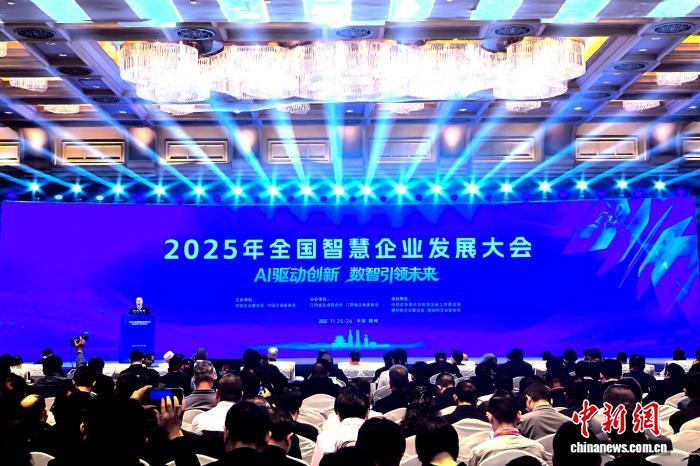
2025年全国智慧企业发展大会举行 推进企业数智化转型
Zhong Guo Xin Wen Wang· 2025-11-26 17:15
浙江大学原校长潘云鹤在题为《把握AI的发展新趋势》的主旨报告中指出,中国人工智能发展已进入 AI2.0阶段,正迈向思维与行动双轮驱动的新阶段。他提出,AI发展呈现三大关键趋势:一是要解决幻 觉问题,专用大模型更重要;二是具身智能将进一步泛化和深化;三是AI+会引领平台经济走向2.0。 工业和信息化部电子科技委主任、研究员级高级工程师王江平在题为《AI赋能工业应用要优先推进高 价值场景》的主题演讲中认为,人工智能的生命力在于应用,AI赋能工业应用要聚焦行业难点与痛 点,坚持需求导向、问题导向,优先推进效率革命、复杂性决策、个性化需求及用户新体验等高价值工 业场景应用。通过"大模型+小模型"协同路径,推动AI从通用环节向生产制造核心环节深入。 山东省科学技术协会主席凌文在题为《中国制造与工业互联网产教融合》的主题演讲中指出,工业互联 网发展需要政府、高校、研究机构深度合作,国家正推进在工业互联网、人工智能、储能等领域加快部 署产教融合创新平台,力争实现工业互联网"技术自主可控、安全可靠、标准统一、应用普及、人才充 足"的发展目标,赋能实体经济高质量发展。 中新网赣州11月26日电 (记者吴鹏泉)2025年全国智慧 ...
2024年以来,烟台市管(市直)企业共招引各类人才7982名
Qi Lu Wan Bao· 2025-11-26 11:40
Group 1 - The Yantai Municipal Government emphasizes talent development as a key driver for high-quality growth in state-owned enterprises [1][2] - The "Hundred Thousand" talent introduction project has successfully recruited 7,982 talents in 2024, with 1,923 being master's, doctoral, and overseas talents, and over 60% being fresh graduates [1] - The establishment of a "1+N" school-enterprise cooperation model aims to enhance specialized talent training, with significant partnerships formed between companies and universities [2] Group 2 - Over 3,000 training sessions have been organized in 2024 to ensure comprehensive training for state-owned enterprise staff, promoting a talent cultivation brand [2][3] - The government encourages increased investment in technological research and development, fostering a positive environment for innovation and talent attraction [3] - Events such as the "2024 Yantai Overseas High-Level Talent and Industry Matching Conference" have been held to create a synergistic relationship between talent demand and industrial development [3]