绿色转型

Search documents
“双碳”引领全面绿色转型
Jing Ji Ri Bao· 2026-01-13 22:09
Core Viewpoint - The 2025 Central Economic Work Conference emphasizes "adhering to 'dual carbon' leadership and promoting comprehensive green transformation" as one of the eight key tasks for economic work in 2026, signaling a consistent and strong policy direction for green and low-carbon development in China [1] Group 1: Systemic Transformation - The "dual carbon" initiative is seen as a profound systemic change, focusing on an energy revolution, industrial upgrades, and rule-making to achieve high-quality economic development and strategic advantages for the future [1][2] - The urgent need for a comprehensive green transformation in economic and social development is highlighted, with the "dual carbon" work being the core driver for this transition [1] Group 2: New Energy System Construction - The conference calls for the formulation of a national energy strategy and the acceleration of new energy system construction, emphasizing the expansion of green electricity applications [3] - The new energy system aims to integrate various energy sources and enhance resilience and intelligence in energy systems, transitioning from reliance on fossil fuels to renewable energy sources like wind and solar [3][4] Group 3: Carbon Emission Trading Market - The national carbon emission trading market is identified as a key policy tool for achieving "dual carbon" goals, with plans to deepen operations and expand its scope [5] - Future efforts will focus on including more high-energy-consuming and high-emission industries in the market and enhancing market liquidity through diverse trading products [5] Group 4: Overall Green Transition - Experts believe that with the implementation of the conference's directives, China will steadily advance on the path of green transformation, laying a solid foundation for building a beautiful China and achieving harmony between humanity and nature [6]
专访联合国副秘书长徐浩良:破解全球发展困局需加强多边合作
2 1 Shi Ji Jing Ji Bao Dao· 2026-01-13 16:21
Core Viewpoint - The article discusses the pressing global challenges such as debt pressure in developing countries, climate financing gaps, energy transition difficulties, and the impact of artificial intelligence, emphasizing the need for multilateral cooperation to address these interconnected issues [1][2]. Group 1: Global Governance Initiatives - China proposed a global governance initiative during the UN General Assembly in September 2025, aiming to establish a Global Sustainable Development Center in Shanghai to share experiences in green transition, digitalization, and trade with developing countries [1]. - The UNDP is collaborating with China to enhance multilateral cooperation and address the multifaceted risks facing the global economy [2][3]. Group 2: Development Financing Challenges - Developing countries face a significant annual financing gap of approximately $430 billion, while global official development assistance totals around $200 billion, highlighting the inadequacy of current funding mechanisms [5][6]. - The tax revenue as a percentage of GDP in developing countries is often below 15%, compared to over 30% in developed nations, limiting their ability to invest in essential services [4][6]. Group 3: Sustainable Development and Investment - The UNDP is working on sustainable development investment maps and roadmaps to guide private investors in aligning their investments with national development goals [7][9]. - The integration of sustainable development principles into investment decisions is crucial for achieving long-term economic growth without compromising environmental integrity [8][9]. Group 4: Digital Inclusion and Technology - There is a significant digital divide, with around 700 million people lacking electricity and approximately 2.6 billion unable to access the internet, exacerbated by the rapid advancement of artificial intelligence [10][11]. - The establishment of digital public infrastructure is essential for developing a digital economy, including systems for digital identity and secure payment methods [11][12]. Group 5: Lessons from China's Development - China's experience in sustainable development, characterized by clear long-term goals and effective governance, serves as a valuable reference for other developing countries seeking to achieve the UN's 2030 Sustainable Development Goals [15][17]. - Key factors for successful development include strong financing capabilities, a stable policy environment, and effective governance, which are critical for attracting investment and fostering economic growth [16][17].
共话中国经济新机遇丨专访:保中在高科技与绿色产业领域合作潜力巨大——访保加利亚工商会副会长托多罗夫
Xin Lang Cai Jing· 2026-01-13 13:36
Core Insights - The economic and trade relations between Bulgaria and China are improving, with significant potential for collaboration in high-tech and green industries [1] - Bulgaria's entry into the Eurozone is seen as an opportunity for Chinese companies to access the EU market, enhancing bilateral cooperation [1] Group 1: High-Tech Collaboration - China has advantages in cutting-edge technologies such as artificial intelligence, 3D printing, and drone applications, making it an important partner for Bulgaria and the EU [1] - There is a strong potential for cooperation in the drone sector, with Bulgaria looking to establish efficient logistics mechanisms by learning from China's experiences [1] Group 2: Automotive Industry - Despite Bulgaria producing about 80% of the EU's automotive sensors, it currently lacks vehicle assembly capabilities, presenting an opportunity for Chinese automotive companies to invest and set up manufacturing in Bulgaria [1] - The Bulgarian government and business community are supportive of Chinese automotive investments [1] Group 3: Green Energy and Innovation - The green transition and digitalization are core strategic directions for the EU, where China holds significant technological and industrial advantages [1] - There is an expectation for Chinese electric vehicle companies to establish production bases in Bulgaria to develop vehicles and components for the European and global markets [1] - Solar energy is identified as another key area for cooperation, aligning with EU's green energy goals, and China holds a significant share in the global photovoltaic market [1] - Chinese companies are praised for their innovation-driven development model, continuously investing in R&D and launching new products, which Bulgarian companies are encouraged to emulate [1]
高铜价加速铜产业发展出现阶段性分化
Xin Lang Cai Jing· 2026-01-13 11:54
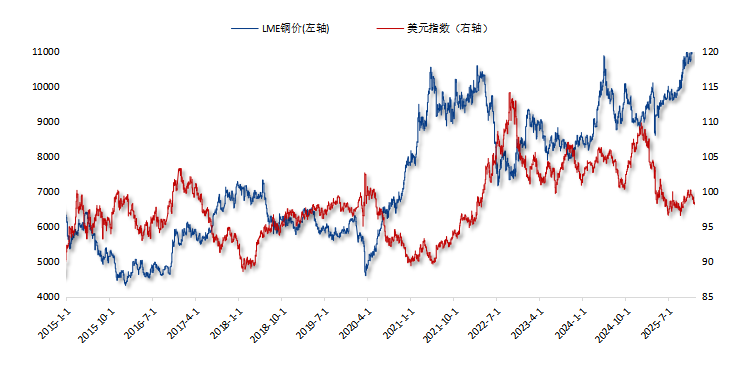
Core Viewpoint - The recent surge in copper prices on the London Metal Exchange and the Shanghai Futures Exchange reflects a fundamental transformation in the global copper industry, driven by long-term supply constraints and structural demand growth from new economic sectors such as electric vehicles, photovoltaic energy storage, and AI data centers [1][20]. Group 1: Copper Price Trends - From 2015 to 2025, copper prices transitioned from a bear market to a structural bull market, influenced by macroeconomic cycles and global monetary policy adjustments [2][21]. - The year 2021 marked a turning point for copper prices, as the global economy shifted from recovery to growth, supported by new technologies and expansive monetary policies [2][22]. - The current price increase is characterized by a dual support of macroeconomic conditions and structural industry changes, with significant demand growth from new sectors [3][22]. Group 2: Supply Constraints - The global copper supply system is facing a long-term dilemma of declining stock and limited incremental supply, exacerbated by deteriorating resource quality, extended development cycles, and increased geopolitical risks [5][24]. - The average grade of global copper mines is declining, leading to higher extraction costs, while new resource discoveries have significantly decreased [7][26]. - Geopolitical risks, such as nationalization discussions in Chile and labor strikes in Peru, have increased supply disruptions, contributing to a long-term unstable supply situation [8][27]. Group 3: Demand Growth from Emerging Sectors - The demand for copper is increasingly driven by the electric vehicle industry, with each electric vehicle requiring 80-100 kg of copper, significantly more than traditional vehicles [10][28]. - Renewable energy and energy storage sectors are forming a second growth curve for copper demand, with wind and solar energy applications expanding rapidly [11][29]. - The AI data center revolution is expected to significantly increase copper demand, with projections indicating a substantial rise in copper usage in clean energy sectors by 2030 [11][29]. Group 4: Industry Chain Differentiation and Value Reconstruction - The high copper prices are reshaping the value distribution logic within the copper industry, concentrating value towards resource-rich and high-value segments [12][30]. - Upstream mining companies are benefiting the most, with firms like Glencore and Freeport-McMoRan seeing profit increases of over 50% [12][30]. - The midstream smelting sector is facing challenges, with some companies forced to reduce production due to tight copper concentrate supplies and low processing fees [12][30]. Group 5: Future Trends in the Copper Industry - The structural transformation of the copper industry is irreversible, with copper evolving from a traditional industrial metal to a critical resource for energy transition [14][32]. - Future trends will focus on optimizing existing resources, increasing industry concentration, and emphasizing green transformation and technological innovation as core competitive advantages [14][32].

最高补助1000万元,一地支持仪器仪表等企业
Xin Lang Cai Jing· 2026-01-13 11:33
Core Insights - Shanghai has released a three-year action plan to support the transformation and upgrading of advanced manufacturing, aiming to add 100 manufacturing enterprises with an annual output value exceeding 1 billion yuan by 2028, totaling over 600 such enterprises, and to drive the addition of 500 large-scale industrial enterprises in the supply chain [2][8][11] Group 1: Main Goals - By 2028, the plan aims to add 100 manufacturing enterprises with an annual output value of over 1 billion yuan, totaling more than 600, and to increase the proportion of R&D expenses in revenue for large-scale manufacturing enterprises significantly [5][11] - The action plan emphasizes the continuous strengthening of cluster cultivation and innovation leadership in key strategic areas such as integrated circuits and instrumentation [2][8] Group 2: Structural Optimization and Upgrading Actions - The plan includes optimizing traditional advantageous industries, such as promoting petrochemical companies to shift from oil to new functional materials and enhancing the production of specialty steel and lightweight alloys in the steel and non-ferrous metal sectors [12] - It supports the strategic guidance of leading industries, particularly in integrated circuits, innovative pharmaceuticals, and high-end medical devices, aiming to cultivate internationally competitive leading enterprises [12][13] - The plan encourages the development of emerging industries, including new-generation electronic information, intelligent connected vehicles, and advanced materials, while promoting investment in low-altitude economy and commercial aerospace [12][13] Group 3: Innovation and Core Technology Initiatives - The action plan aims to release corporate innovation potential by supporting increased investment in basic research, with financial subsidies for companies meeting specific R&D expenditure thresholds [13] - It focuses on accelerating breakthroughs in core technologies, particularly in laser manufacturing, quantum technology, and new energy materials, while supporting key industry chains [13] Group 4: Resource and Support Actions - The plan emphasizes talent cultivation by supporting enterprises in attracting high-level talent and providing incentives for successful applicants [15] - It aims to enhance financial support for key industry chains, including lower interest rates and longer loan terms for manufacturing loans, as well as customized insurance services for major technological equipment [15] - The action plan also includes logistics support, aiming to build industrial logistics facilities and improve transportation infrastructure for manufacturing [15]

共话中国经济新机遇|专访:保中在高科技与绿色产业领域合作潜力巨大——访保加利亚工商会副会长托多罗夫
Xin Hua She· 2026-01-13 09:10
托多罗夫强调,绿色转型与数字化是当前欧盟战略的核心方向,而中国在这些领域的技术与产业优势明 显。他期待中国电动汽车企业在保加利亚建立生产基地,共同开发面向欧洲乃至全球市场的整车与零部 件。 他认为,光伏是保中另一个重点合作方向。中国在全球光伏市场占据重要份额,且发展太阳能与欧盟倡 导的绿色能源目标高度契合,该领域有望成为双边合作亮点。 托多罗夫称赞中国企业坚持创新驱动的发展模式。"即使已占据一定市场份额,中国企业仍持续投入研 发、推出新产品,这种以创新为本的理念值得保加利亚企业学习。" (文章来源:新华社) 保加利亚工商会副会长瓦西尔·托多罗夫近日在首都索非亚接受新华社记者专访时表示,保中经贸关系 持续向好,双方在高科技与绿色产业领域合作潜力巨大。中国在人工智能、3D打印、无人机应用等前 沿科技领域具有优势,是保加利亚及欧盟的重要合作伙伴。 托多罗夫说,以保加利亚今年加入欧元区为契机,保不仅可以成为中国企业进入欧盟市场的重要门户, 更期待推动双边合作实现结构性升级。保中两国在深化农业等传统领域合作的同时,还可以向高端制造 与联合研发延伸,共同构建更具韧性和深度的长期产业协作关系。 他特别提到无人机领域的合作前 ...
最高补助1000万元,一地支持仪器仪表等企业
仪器信息网· 2026-01-13 09:07
Core Viewpoint - Shanghai has released a three-year action plan to support the transformation and upgrading of advanced manufacturing, aiming to add 100 enterprises with an annual output value exceeding 1 billion yuan by 2028, totaling over 600, and to drive the addition of 500 new large-scale industrial enterprises in the supply chain, while significantly increasing the proportion of R&D expenses in revenue [2][3][7]. Group 1: Main Goals - By 2028, the plan aims to add 100 manufacturing enterprises with an annual output value exceeding 1 billion yuan, totaling over 600, and to drive the addition of 500 new large-scale industrial enterprises in the supply chain [7]. Group 2: Implementation Actions - **Optimizing Traditional Advantage Industries**: The plan encourages petrochemical companies to reduce oil dependency and develop new functional materials, while supporting steel and non-ferrous metal companies to strengthen specialty steel and expand lightweight alloys [8]. - **Accelerating Leading Industry Strategies**: Support for integrated circuit companies to focus on equipment, advanced processes, and materials, aiming to cultivate internationally competitive leading enterprises [8]. - **Promoting Key and Emerging Industries**: The plan emphasizes the development of new-generation electronic information, smart connected vehicles, high-end equipment, and green low-carbon industries [9]. Group 3: Innovation and Technology - **Releasing Innovation Vitality**: The plan supports enterprises to increase basic research investment, providing financial subsidies based on the amount of R&D expenditure [9]. - **Accelerating Core Technology Breakthroughs**: Focus on supporting enterprises in laser manufacturing, quantum technology, and new functional materials to conduct foundational research [10]. Group 4: Quality and Efficiency Enhancement - **Promoting Technological Transformation**: Support for enterprises to upgrade production, R&D, and design processes, with financial support for fixed asset investment loans [10]. - **Deepening Digital Transformation**: The plan includes initiatives for AI integration in manufacturing, aiming for large enterprises to achieve full digital application coverage by 2027 [10]. Group 5: Resource and Support Actions - **Strengthening Talent Development**: The plan supports enterprises in attracting high-level talent, providing priority recommendations for national and local talent cultivation programs [11]. - **Enhancing Financial Support**: Focus on promoting low-interest, high-amount, and long-term loan products for manufacturing enterprises, with interest subsidies for key component and raw material loans [12]. - **Expanding Logistics Support**: The plan aims to build industrial logistics and warehousing facilities to integrate logistics with manufacturing [12].

中国铜业何以领跑云南“百强”
Zhong Guo Jin Rong Xin Xi Wang· 2026-01-13 07:59
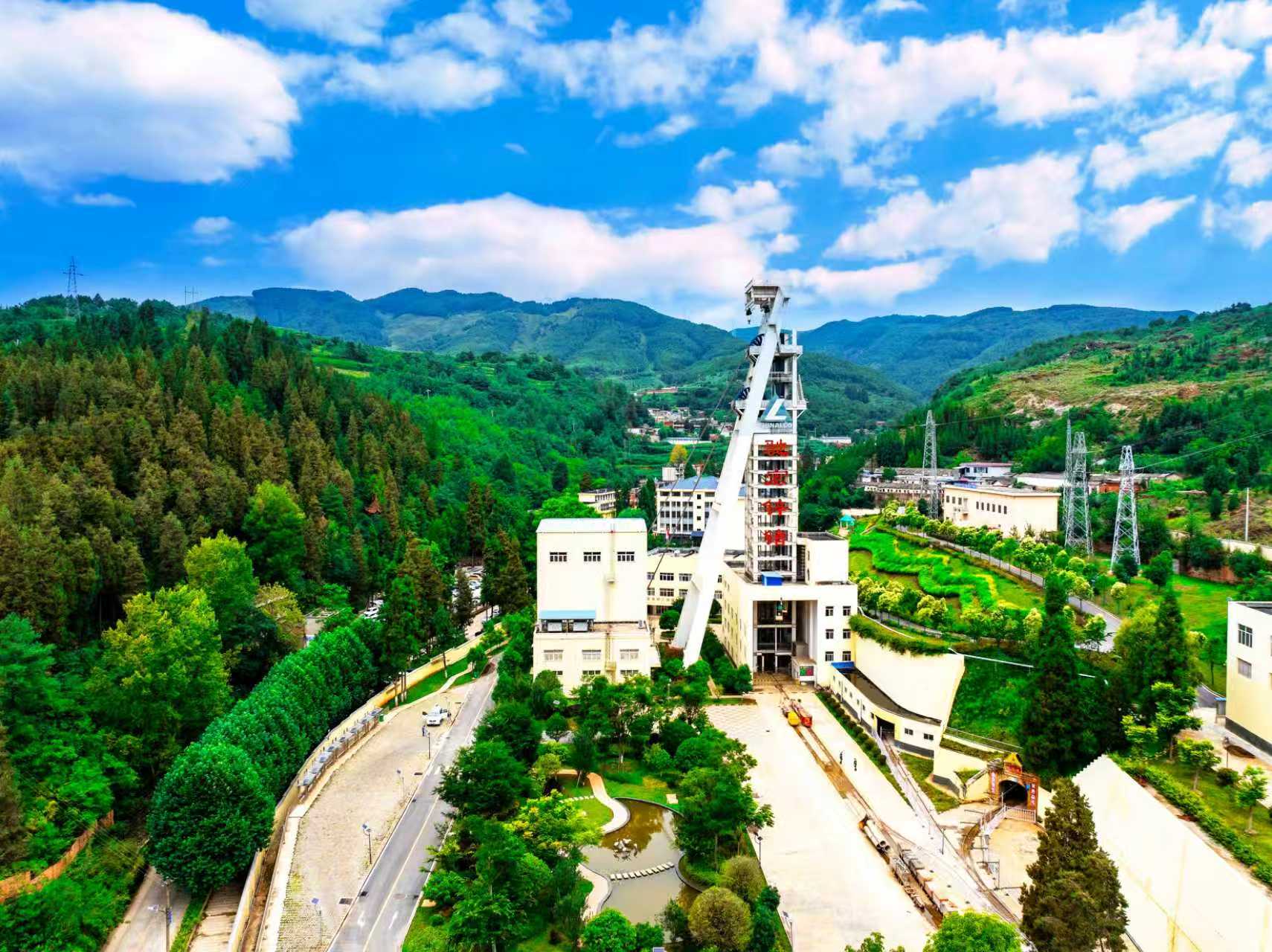
Core Viewpoint - China Copper Industry Co., Ltd. ranks first in the 2025 Yunnan Province Top 100 Enterprises list, attributed to its comprehensive industry chain layout, key project breakthroughs, technological innovations, and green transformation efforts, showcasing the synergy between central and local development [1] Group 1: Industry Synergy - The development "gravity" of China Copper stems from the deep integration of the China Aluminum Group's layout and Yunnan's resource endowment [3] - The company aims to represent Yunnan's non-ferrous metal kingdom and strives to build world-class mining and copper-lead-zinc enterprises through collaborative planning, industrial linkage, and resource sharing [3][4] Group 2: Full Industry Chain Resilience - China Copper has established a complete industry chain covering exploration, mining, beneficiation, smelting, processing, recycling, and trade, leading in copper and domestic zinc-germanium industries [4] - The company's ability to balance market fluctuations through its mining and smelting operations enhances its risk resistance and value creation capabilities [5] - During the 14th Five-Year Plan period, China Copper has focused on steady progress amid challenges, with a roadmap for improving operational quality and stability [5] Group 3: Cultural and Internal Development - The integration of party building and corporate culture is seen as a deep-seated driver of the company's development "gravity" and "endurance" [5] - China Copper has developed a "123456" party building system to foster a culture of reform and value creation, aligning all employees towards the goal of becoming a world-class mining enterprise [5] Group 4: Technological Empowerment - Technological innovation is a key focus for management at China Copper, with initiatives aimed at achieving significant efficiency improvements across the entire industry chain [8] - The company has implemented various intelligent production systems and digital management tools to enhance operational efficiency and safety [9] Group 5: Green Transformation - China Copper is embedding green and low-carbon principles into its development strategy, with projects aimed at significant reductions in pollution and resource recovery [10] - The company has established multiple national and provincial-level green factories and mines, positioning green development as a core competitive advantage for the future [10]
后年建成全智能工厂
Xin Lang Cai Jing· 2026-01-13 07:26
Core Insights - The Shanghai Municipal Government has released the "Three-Year Action Plan to Support the Transformation and Upgrading of Advanced Manufacturing (2026-2028)", aiming to build a modern industrial system centered on advanced manufacturing [1] - The plan targets the addition of 100 manufacturing enterprises with an annual output value exceeding 1 billion yuan by 2028, bringing the total to over 600 [1] - The initiative aims to drive the addition of 500 industrial enterprises above designated size in the supply chain and significantly increase the proportion of R&D expenses in revenue for manufacturing enterprises [1] Group 1: Structural Upgrading - The plan emphasizes a multi-dimensional industrial upgrade matrix, accelerating iterations in traditional advantageous industries [1] - Specific strategies include petrochemical companies shifting towards new functional materials, steel companies enhancing specialty steel production, and light industry companies creating trendy domestic products [1] - Leading industries will focus on breakthroughs in the integrated circuit industry chain, biomedicine innovation, and intelligent computing chip development, fostering international leading enterprises [1] Group 2: Emerging Industries - The plan promotes simultaneous development of key and emerging industries, including the growth of six major sectors such as next-generation electronic information and smart connected new energy vehicles [1] - New fields like low-altitude economy and commercial aerospace will be explored, with a focus on scaling products like eVTOL and humanoid robots [1] Group 3: Innovation and Incentives - The plan introduces significant incentive policies for core technology breakthroughs, focusing on frontier technologies such as laser manufacturing and quantum technology [2] - Key links in the industrial chain, including integrated circuits and large aircraft, will be prioritized for technological advancements [2] Group 4: Digital and Green Transformation - The "Action for Upgrading Capability and Quality" outlines a transformation path, implementing "AI + Manufacturing" initiatives for digital transformation [2] - By 2027, large enterprises are expected to achieve full coverage of digital applications, with the goal of establishing fully intelligent factories by 2028, achieving a robot density of 600 units per 10,000 people [2] - In terms of green transformation, the plan aims to add over 100 national-level green factories [2]
济南:不凡的2025·1.4万亿里的含金量
Feng Huang Wang Cai Jing· 2026-01-13 07:22
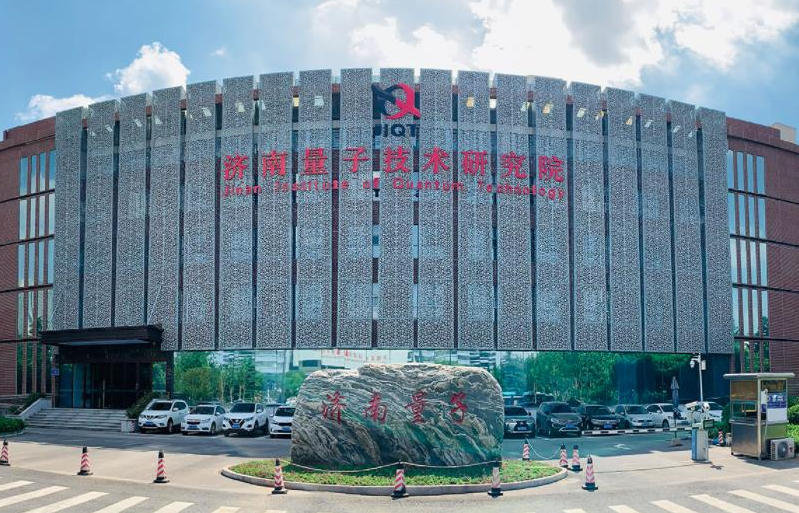
Economic Growth - Jinan's GDP reached 10,434 billion yuan in the first three quarters, with a year-on-year growth of 5.4%, indicating a strong economic performance as it aims to surpass 14 trillion yuan by 2025 [1][3] - The achievement of crossing four 1 trillion yuan milestones in five years reflects not just numerical growth but also a comprehensive enhancement in development quality [1] Technological Innovation - The establishment of the Jinan Quantum Technology Research Institute and the successful launch of significant technological innovations, such as the world's largest diameter intelligent shield tunneling machine, highlight the city's advancements in technology [3] - Jinan's ranking in the global research city index improved from 57th in 2021 to 27th in 2025, showcasing a significant enhancement in its scientific research capabilities [3] Industrial Development - The city is building a complete industrial ecosystem in the aerospace and low-altitude economy sectors, with the artificial intelligence core industry expected to reach a scale of 60 billion yuan [5] - Jinan is home to the largest production bases for hyaluronic acid, cephalosporins, heavy-duty vehicles, and new energy vehicles in northern China, indicating a robust industrial structure [5] Sustainable Development - Jinan has completely transitioned from coal heating, with a cumulative reduction of 23.5% in energy consumption per unit of GDP from 2021 to 2024, and maintains a 100% rate of good water quality in surface water [7] - The city is committed to ecological and industrial symbiosis, aligning with national strategies for ecological protection and high-quality development [7] Social Development - Jinan is focused on enhancing the "happiness index" of its residents, with significant investments in urban renewal and infrastructure, including the renovation of 2,381 old urban communities and the expansion of public transportation [9] - The city has achieved a 100% enrollment rate in nine-year compulsory education and is accelerating the construction of national regional medical centers, improving public health services [9]