自动驾驶

Search documents
开盘市场速览:三大指数集体低开,油气板块领跌,政策与消息面交织
Sou Hu Cai Jing· 2026-02-11 02:55
Market Overview - The three major indices opened lower: Shanghai Composite Index at 4124.43 points, down 0.1%; Shenzhen Component Index at 14186.65 points, down 0.17%; ChiNext Index at 3312.64 points, down 0.24% [4] - Market sentiment showed weakness at the opening, influenced by overnight fluctuations in foreign markets and a decline in the oil and gas sector, but the limited drop indicates a balanced tug-of-war between bulls and bears, suggesting a potential for a sideways market in the short term [4] Sector and Stock Performance - The oil and gas sector led the decline due to a drop in international oil prices (WTI down 0.62%, Brent down 0.35%) and easing geopolitical risks, which dampened sentiment in the energy sector [4] - Stocks related to low-altitude economy and AI applications in bidding showed positive movements due to supportive government policies [4] - Notable individual stock movements included: - Semiconductor company SMIC reported a 23.2% year-on-year increase in net profit for Q4 2025 but opened down 1.55%, reflecting cyclical pressures in the semiconductor industry [4] - Jianghuai Automobile raised 3.5 billion yuan through a private placement, leading to a 5.93% increase in stock price, indicating investor interest in new energy vehicles [4] - Hengdian Film's stock fell 10% after announcing uncertainty in box office performance for the Spring Festival, indicating risk release for high-priced stocks [4] Policy and News Highlights - Domestic monetary policy is expected to become more flexible, with the central bank advocating for effective use of interest rate cuts, which is favorable for growth stocks and high-debt industries [4] - The Shanghai government has opened over 5200 kilometers of testing roads for autonomous driving, which may catalyze the smart driving industry [4] - Zhejiang province is exploring the integration of various computing systems, presenting long-term opportunities for companies in computing infrastructure [4] International Dynamics - Geopolitical tensions are rising with Trump considering deploying additional aircraft carriers to the Middle East, which may heighten risk aversion and cause short-term fluctuations in oil prices [4] - The Federal Reserve's recent statements suggest a cautious approach to interest rate changes, which may put pressure on the US dollar index [4] - US stock market performance was mixed, with storage and cryptocurrency stocks leading declines, while Chinese concept stocks showed a 1.07% increase, indicating ongoing demand for A-share related assets [4] Commodity Market - Oil prices fell, reflecting concerns over demand and a decrease in geopolitical risk premiums [4] - Precious metals like gold and silver also declined, influenced by Federal Reserve policy expectations and fluctuations in the US dollar [4] Index Outlook - Short-term outlook suggests that the three major indices may gradually recover after the initial drop, with a focus on the 3900-point support level for the Shanghai Composite Index and volume changes [4] - Long-term support is expected from policy easing (both monetary and fiscal) and industrial upgrades, with a need to avoid high-priced speculative stocks [4] Sector Opportunities - Policy-driven sectors include low-altitude economy, AI in bidding, elderly care safety, and computing infrastructure [4] - Event-driven opportunities arise from the opening of autonomous driving testing roads and domestic semiconductor industry developments [4] - Defensive strategies may involve investments in gold and high-dividend assets to hedge against geopolitical risks [4]

锡:震荡调整
Guo Tai Jun An Qi Huo· 2026-02-11 02:38
Report Summary - **Industry Investment Rating**: The investment rating for the tin industry is "Oscillatory adjustment" [1] Key Views - The trend strength of tin is 0, indicating a neutral outlook. The range of trend strength is from -2 to 2, where -2 is the most bearish and 2 is the most bullish [3] Summary by Directory 1. Fundamental Tracking - **Futures Data**: - The closing price of the Shanghai Tin main contract was 382,000 with a daily increase of 3.33%, and the night - session closing price was 386,250 with a night - session increase of 1.06%. The closing price of the LME Tin 3M electronic disk was 49,230 with a decrease of 1.17% [2] - The trading volume of the Shanghai Tin main contract was 244,012, a decrease of 35,721 from the previous day, and the open interest was 32,207, a decrease of 1,418. The trading volume of the LME Tin 3M electronic disk was 460, a decrease of 42, and the open interest was 25,353, an increase of 5 [2] - The Shanghai Tin futures inventory was 6,385, an increase of 48, and the LME Tin inventory was 7,430, an increase of 400. The LME Tin注销仓单 ratio was 6.57%, a decrease of 0.38% [2] - **Spot Data**: - The SMM 1 tin ingot price was 385,700, an increase of 12,200 from the previous day. The Yangtze River Non - ferrous 1 tin average price was 389,800, an increase of 17,200 [2] - The LME Tin (spot/three - month) spread was -156, an increase of 1; the spread between the nearby contract and the consecutive first contract was 185,830, unchanged; the spread between the spot and the futures main contract was 5,620, a decrease of 9,980 [2] - **Industry Chain Key Price Data**: - The price of 40% tin concentrate (Yunnan) was 371,700, an increase of 12,200. The price of 60% tin concentrate (Guangxi) was 375,700, an increase of 12,200 [2] - The price of 63A solder bar was 255,750, an increase of 8,000, and the price of 60A solder bar was 244,750, an increase of 7,500 [2] 2. Macro and Industry News - The People's Bank of China will continue to implement a moderately loose monetary policy [2] - Shanghai has opened more than 5,200 kilometers of autonomous driving test roads and will expand the open range as needed [4] - TSMC's board approved a capital budget of $44.962 billion for the construction and upgrade of advanced process capacity [4] - The National Development and Reform Commission and other departments will accelerate the promotion and application of artificial intelligence in the field of bidding [4]
优化智能新能源车险供给,深圳先动手了
Zhong Guo Qi Che Bao Wang· 2026-02-11 02:37
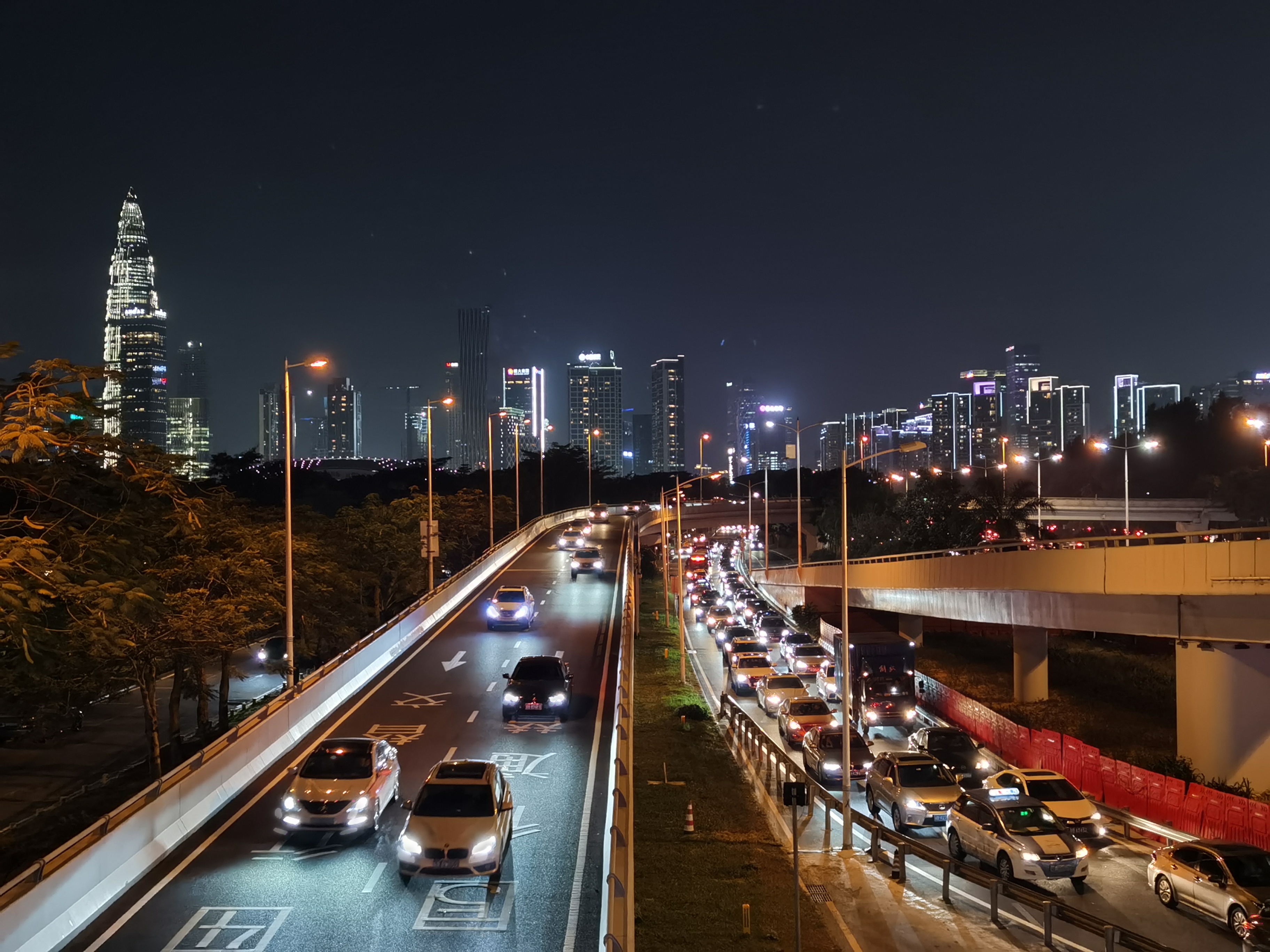
Group 1 - The core viewpoint of the news highlights the significant growth in the new energy vehicle (NEV) insurance market, with a reported premium income of approximately 157.6 billion yuan in 2025, reflecting a year-on-year increase of 33.88% [1] - The penetration of new energy vehicles and intelligent driving technologies is driving innovation in the auto insurance sector, necessitating adaptations to meet diverse market demands [1][2] - The Shenzhen local financial regulatory authority has released an action plan aimed at enhancing the insurance industry's support for technological innovation and industrial development, soliciting public feedback [2][6] Group 2 - The action plan includes sixteen specific measures to guide the insurance industry in providing comprehensive risk protection for technological innovation and industrial development, while promoting high-quality growth within the insurance sector [2][6] - Key highlights of the action plan focus on optimizing NEV insurance supply, encouraging collaboration between insurance institutions and intelligent driving developers, and exploring new insurance models such as "separation of vehicle and electricity" [2][7] - The plan aims to establish standardized repair and claims processes, reduce maintenance costs for NEVs, and promote data sharing across industries to foster better consumer habits and risk management [2][8] Group 3 - Shenzhen's initiatives in optimizing NEV insurance are seen as a model for other cities, emphasizing the need for a comprehensive framework that goes beyond mere adjustments in premium rates [3][8] - The action plan is positioned as a continuation of previous regulatory efforts, aiming to create a systematic approach to insurance for intelligent and connected vehicles [11] - The local insurance industry has been proactive in developing policies and guidelines to support the insurance needs of intelligent connected vehicles, establishing a foundation for future innovations [9][10] Group 4 - The insurance industry plays a crucial role in stabilizing economic growth and ensuring social welfare, as highlighted by recent government directives aimed at enhancing regulatory frameworks and promoting high-quality development [6] - The action plan reflects a deep integration of technology and industry, positioning NEV insurance innovation as a key financial infrastructure supporting the real economy [7][11] - The establishment of a standardized data interface among insurers, vehicle manufacturers, and operators is crucial for effective risk assessment and management [12] Group 5 - The emergence of specialized insurance products for autonomous driving is gaining attention, with recent developments indicating a shift towards dynamic pricing models based on real vehicle data [13][14] - The differentiation between "smart driving insurance" offered by automakers and traditional insurance products is significant, with the latter providing broader coverage and relying on industry data for pricing [15][16] - Ongoing efforts to establish industry standards for autonomous vehicle insurance are underway, with the aim of protecting consumer rights and facilitating technological advancements [16]
“我不是车企”——聚焦车企新一轮转型
Zhong Guo Qi Che Bao Wang· 2026-02-11 02:10
Core Viewpoint - The automotive industry is undergoing a significant transformation, with companies shifting their focus from traditional vehicle manufacturing to becoming AI technology firms, reflecting a broader trend towards integrating AI into their business models [1][5][10]. Group 1: Company Transformations - Li Auto is restructuring its organization to focus on "embodied intelligence," moving away from its previous identity of creating "mobile homes" and aiming to become one of the top three intelligent companies globally [3][4]. - XPeng Motors has set its sights on becoming an AI technology company, emphasizing its commitment to AI and autonomous driving as core components of its future strategy [3][4]. - Chery Automobile is transitioning from "Technology Chery" to a "Global AI Technology Company," showcasing its AI strategy and technological advancements [4][5]. Group 2: Industry Trends - The shift towards AI technology is not limited to new car manufacturers; traditional automakers are also accelerating their transformations, with companies like Geely integrating AI into their operations [4][5]. - The automotive market is experiencing intense competition, with over 160 brands in China, leading to a need for differentiation through AI technology to avoid price wars and product homogenization [7][8]. - The trend of transitioning to AI technology companies is becoming a survival strategy for automakers, as the traditional automotive business model faces challenges from rising costs and market saturation [10][11]. Group 3: Strategic Implications - The integration of AI into automotive products is seen as essential for creating competitive advantages and enhancing user experiences, with AI-driven innovations becoming a standard expectation in the industry [9][12]. - Companies are recognizing that the future of automotive value lies in software and AI technology rather than hardware, necessitating a shift in focus to maintain relevance in the evolving market [11][12]. - The transition to AI technology firms is viewed as a critical step for automakers to enhance their market positioning and adapt to the changing landscape of the automotive industry [13][14]. Group 4: Future Directions - The development of a "smart ecosystem" is a key goal for automotive companies, aiming to integrate vehicles with smart home and office technologies to provide seamless user experiences [15][16]. - The future automotive landscape will see companies not only manufacturing vehicles but also leveraging AI to create intelligent, interconnected platforms that meet evolving consumer needs [16].


禾赛-W早盘涨超7% 公司获纳入MSCI中国指数
Xin Lang Cai Jing· 2026-02-11 01:42
Group 1 - Hesai Technology (02525) opened over 7% higher in early trading, with a current price increase of 7.19%, reaching HKD 214.60 and a trading volume of HKD 33.2041 million [1][5] - MSCI announced its quarterly index adjustments for February 2026, effective after market close on February 27, which includes the addition of Hesai among 37 new stocks and the removal of 16 stocks from the MSCI China Index [1][5] - According to a report from Citi, Hesai is projected to become the world's largest LiDAR supplier by revenue in 2024, with a monthly production and delivery capacity exceeding 200,000 units [1][5] Group 2 - The report highlights that LiDAR is increasingly becoming a standard safety feature in smart vehicles, with multi-LiDAR solutions gaining traction in the market for advanced driver assistance systems (ADAS) and autonomous driving [1][5] - Citi anticipates that Hesai will benefit significantly from the growing trend of LiDAR installations in vehicles due to its industry leadership and large-scale production capabilities [1][5]

开盘:三大指数集体低开 油气开采及服务板块跌幅居前
Sou Hu Cai Jing· 2026-02-11 01:39
Market Overview - The three major indices opened lower, with the oil and gas extraction and service sector experiencing the largest declines. As of the market opening, the Shanghai Composite Index was at 4124.43, down 0.1%; the Shenzhen Component Index was at 14186.65, down 0.17%; and the ChiNext Index was at 3312.64, down 0.24% [1] Monetary Policy and Economic Development - The People's Bank of China released the "2025 Q4 China Monetary Policy Implementation Report," emphasizing the continuation of a moderately loose monetary policy and the flexible use of various policy tools such as reserve requirement ratio cuts and interest rate reductions [2] - The Ministry of Industry and Information Technology and four other departments issued opinions on strengthening the capacity building of the information and communication industry to support low-altitude infrastructure development, focusing on the integration of low-altitude equipment and information communication [2] - The National Development and Reform Commission and other departments published implementation opinions to accelerate the application of artificial intelligence in the bidding and tendering sector, aiming to enhance the digitalization of services and supervision [2] - The State Council forwarded opinions from the Ministry of Civil Affairs and ten other departments on further strengthening safety management in elderly care institutions, with a goal to eliminate safety risks by the end of 2026 [2] - Shanghai has opened over 5200 kilometers of autonomous driving testing roads, expanding the scope of autonomous driving based on real-world scenarios during the 14th Five-Year Plan period [2] - The "15th Five-Year Plan Outline for Economic and Social Development of Zhejiang Province" was officially released, proposing the exploration of a computing power system that integrates various computing methods [2] Company Announcements - Semiconductor Manufacturing International Corporation (SMIC) announced a net profit of 1.223 billion yuan for Q4 2025, representing a year-on-year increase of 23.2% [3] - CITIC Securities reported that Huaxia Fund achieved a net profit of 2.396 billion yuan for 2025 [3] - Jianghuai Automobile disclosed a report on its private placement, raising approximately 3.5 billion yuan from eight investors [4] - Yanjing Microelectronics announced that its fourth-largest shareholder, the Big Fund, reduced its stake by 1.08% between January 6 and February 10 [6] - The Aviation Group announced that its wholly-owned subsidiary signed an EPC general contracting contract worth 1.331 billion yuan [5]
禾赛-W高开逾7% 公司获纳入MSCI中国指数
Zhi Tong Cai Jing· 2026-02-11 01:35
Group 1 - Hesai Technology (禾赛科技) opened over 7% higher, currently up 7.49% at HKD 215.2, with a trading volume of HKD 8.0613 million [1] - MSCI announced its quarterly index adjustments for February 2026, effective after the market close on February 27, which includes the addition of Hesai among 37 new stocks and the removal of 16 stocks from the MSCI China Index [1] - According to a report from Citi, Hesai has become the world's largest lidar supplier by revenue for 2024, with a monthly production and delivery capacity exceeding 200,000 units [1] Group 2 - The adoption of lidar technology is becoming a standard safety feature in smart vehicles, with multi-lidar solutions becoming mainstream in advanced driver-assistance systems (ADAS) and autonomous driving markets [1] - Citi expects Hesai to benefit significantly from the increasing trend of lidar installations in vehicles due to its industry leadership and large-scale production capabilities [1]
港股异动 | 禾赛-W(02525)高开逾7% 公司获纳入MSCI中国指数
智通财经网· 2026-02-11 01:32
Group 1 - The core viewpoint of the article highlights that Hesai Technology (禾赛-W, 02525) has seen a significant stock price increase of 7.49%, reaching HKD 215.2, following the announcement of its inclusion in the MSCI China Index [1][1][1] - MSCI announced its quarterly index adjustments, which will take effect after the market closes on February 27, 2026, adding 37 stocks and removing 16, with Hesai being one of the newly added stocks [1][1][1] - According to a report from Citi, Hesai Technology is projected to become the world's largest lidar supplier by 2024, with a monthly production and delivery capacity exceeding 200,000 units [1][1][1] Group 2 - The article notes that lidar technology is becoming a standard safety feature in smart vehicles, with multi-lidar solutions gaining traction in the market for advanced driver assistance systems (ADAS) and autonomous driving [1][1][1] - The expectation is that Hesai will benefit significantly from the increasing adoption of lidar in vehicles due to its industry leadership and large-scale production capabilities [1][1][1]
财联社汽车早报【2月11日】
Xin Lang Cai Jing· 2026-02-11 01:22
Group 1 - In 2026, the average subsidy for scrapped and updated models is expected to decrease by 21% compared to 2025, while the subsidy for replacement models will drop by 30% [1] - The shift from fixed subsidies to tiered subsidies is expected to enhance fiscal efficiency, ensuring better funding support throughout the year [1] - The passenger car market is projected to experience a low-to-high trend in 2026, benefiting from consumption upgrades and policy support [1] Group 2 - Jianghuai Automobile has raised approximately 3.5 billion yuan through a private placement, with notable investor Ge Weidong subscribing for 2004.81 million shares at 49.88 yuan per share [2] - The investment reflects confidence in Jianghuai's collaboration model with Huawei [2] Group 3 - Zhejiang Geely Holding Group has undergone a change in legal representative, with An Conghui taking over from Li Donghui, indicating a strategic shift towards technology and operational depth [3] - The company was established in March 2003 with a registered capital of 1.03 billion yuan, involved in various automotive and investment activities [3] Group 4 - Alipay has launched a Robotaxi ride-hailing mini-program, currently operational in select areas of five cities, with plans for expansion [4] - This initiative is expected to accelerate the commercialization of autonomous driving taxis [4] Group 5 - Xiaomi has officially ceased production of its first-generation SU7, with total deliveries nearing 370,000 units [4] - The new SU7 is anticipated to continue driving sales for Xiaomi's automotive segment [5] Group 6 - In January, Toyota and Nissan reported sales increases in China, with Toyota up 6.6% to 145,500 units and Nissan up 10.1% to 50,024 units, while Honda's sales fell 16.5% to 57,489 units [6] - The decline in Honda's sales is attributed to delays in launching new electric vehicles [6] Group 7 - Hyundai is seeking to supply 50,000 IONIQ 5 autonomous vehicles to Waymo by 2028, with a total contract value potentially reaching 2.5 billion USD [6] - This represents one of the largest potential commercial orders in the autonomous driving sector in recent years [6]

盘后暴跌超14%!LyftQ4营收不及预期、Q1指引疲软,自动驾驶愿景遭市场用脚投票!10亿美元回购难掩颓势!
美股IPO· 2026-02-11 00:40
Core Viewpoint - Lyft Inc reported a dramatic financial performance for Q4 and the full year of 2025, with a record net profit of $2.76 billion primarily due to a $2.9 billion release of tax asset valuation reserves rather than pure operational growth [1] Financial Performance - Q4 revenue reached $1.59 billion, a year-over-year increase of 2.6%, but fell short of analyst expectations by $176 million [1] - The company recorded a total booking amount of $18.5 billion for the year, reflecting a 15% year-over-year growth [3] - Free cash flow for 2025 was $1.12 billion, enabling the approval of a new $1 billion stock buyback plan [3] Operational Data - Active passenger count in Q4 grew by 18% year-over-year, reaching a record 29.2 million [3] - Q4 total bookings increased by 19% to $5.1 billion, exceeding analyst expectations of $5.06 billion [7] - Lyft Silver, a simplified app version for seniors, nearly doubled its user base, serving hundreds of thousands of rides [7] Strategic Outlook - The CEO positioned 2026 as a "transformational year," focusing on deep deployment of autonomous vehicle (AV) technology [3] - Lyft plans to collaborate with partners like Waymo to create a "mixed network" of human drivers and autonomous vehicles, aiming to reduce costs by about 20% per mile by 2030 [3] - The company faces short-term challenges, including disruptions from winter storms and increased insurance costs due to California driver-related laws [3] Market Position - Despite short-term stock price pressure, Lyft executives remain optimistic about future growth [4] - Lyft's performance contrasts with larger competitor Uber, which also reported mixed results, indicating ongoing challenges in achieving profitability outside core U.S. operations [4] - Investors are looking for signs that reduced insurance costs in California will translate into lower prices and increased demand, with expectations for this to materialize in the second half of the year [5]