
品牌国际化

Search documents
王老吉加多宝“20年缠斗”,鹿死谁手?
3 6 Ke· 2025-10-17 07:58
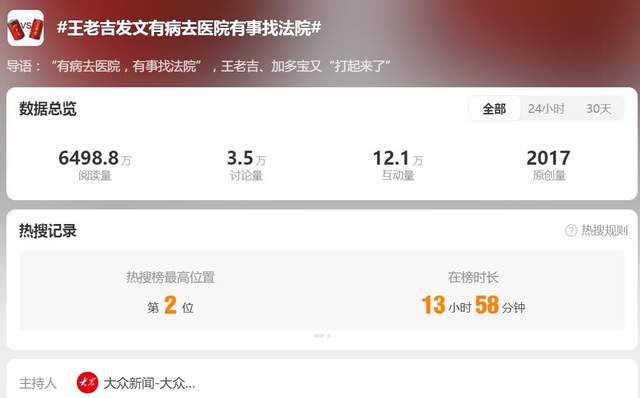
Group 1 - Wanglaoji and JDB have resumed their public feud, trending on social media with topics like "Wanglaoji has a problem, go to the hospital" and "Wanglaoji is the first to get angry" [1] - The conflict has escalated with both companies making statements regarding trademark disputes, particularly concerning the overseas rights to the Wanglaoji brand [4][10] - JDB claims to have successfully defended its overseas trademark rights in multiple lawsuits, marking a significant step in its international branding strategy [4][8] Group 2 - Wanglaoji's parent company, Baiyunshan, asserts that it holds the legal rights to the Wanglaoji trademark globally, having registered it in over 100 countries [10][11] - Both companies have been engaged in a long-standing trademark dispute, with JDB emphasizing its acquisition of the Wanglaoji brand's overseas rights in the early 2000s [10][14] - The ongoing rivalry has implications for both companies' market performance, with potential impacts on their respective sales and brand positioning [14][16] Group 3 - The herbal tea market remains a viable business opportunity, with significant growth potential in overseas markets despite a slowdown in domestic growth [14][15] - Wanglaoji reported a revenue of 6.499 billion yuan in the first half of 2025, a year-on-year increase of 8.38%, and a net profit of 1.295 billion yuan, up 15.87% [14] - JDB has also been expanding its market presence, with a reported 28.31% market share in the domestic plant beverage category, closely following Wanglaoji's 46.33% [16]

突破红海竞争,二闯港交所东鹏饮料募资加码出海业务
Zhi Tong Cai Jing· 2025-10-15 14:26
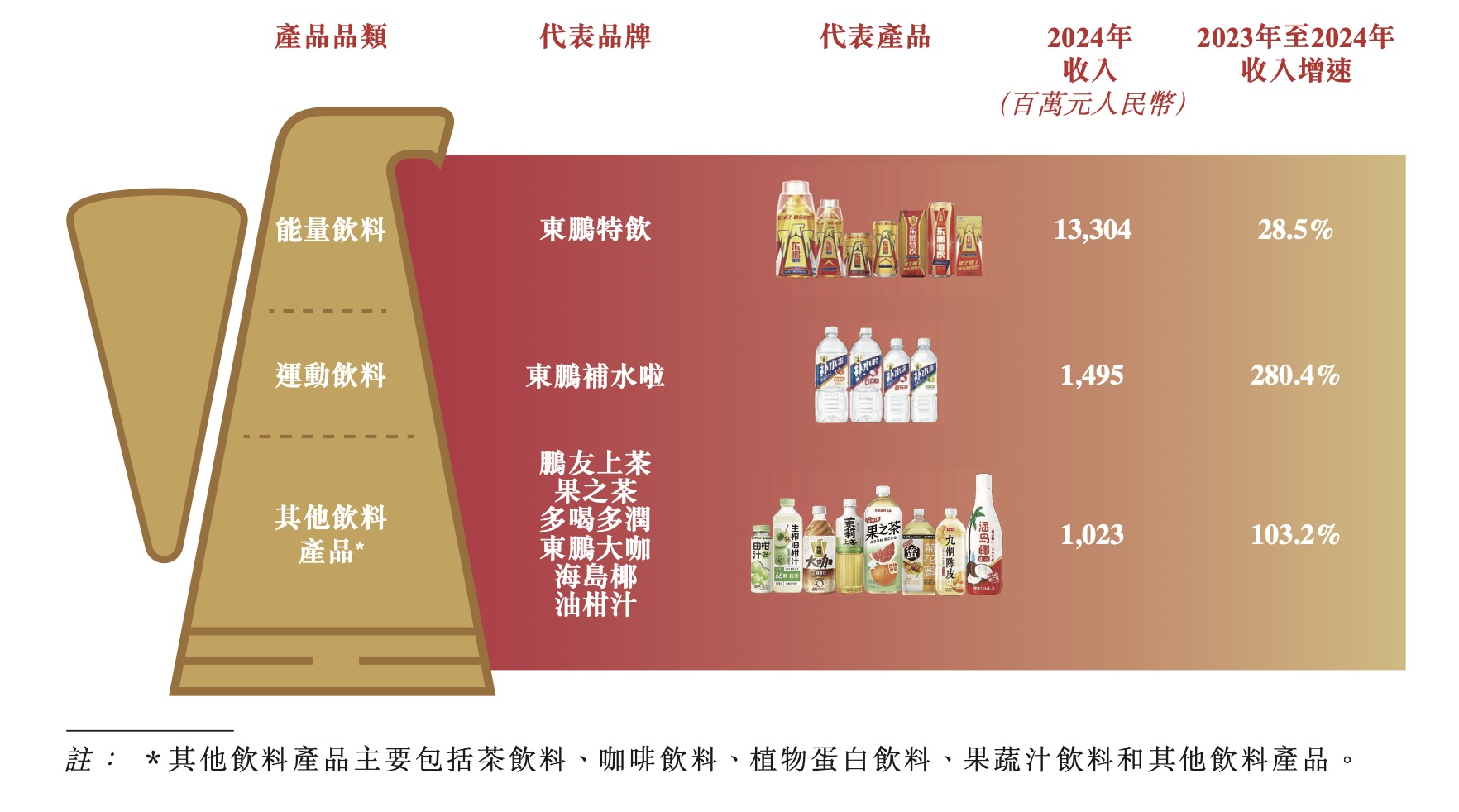
Core Viewpoint - Dongpeng Beverage is resubmitting its IPO application to the Hong Kong Stock Exchange, reflecting its determination to expand internationally and capitalize on the growing demand for functional beverages in China and beyond [1][11]. Company Overview - Dongpeng Beverage ranks first among the top 20 listed soft drink companies globally in terms of revenue growth, with a market share in China's functional beverage market increasing from 15.0% in 2021 to 26.3% in 2024 [2]. - The company has established a diverse product matrix centered around the "Dongpeng" brand, focusing on providing high-quality beverages while innovating and diversifying its product offerings [2]. Product Performance - The sports drink segment has shown the fastest growth, with the newly launched "Dongpeng Bup Shui La" generating nearly 1.5 billion yuan in revenue in 2024, a year-on-year increase of 280.4% [3]. - Revenue contributions from sports drinks are expected to rise from 3.5% in 2023 to 13.9% in the first half of 2025, indicating its emergence as a significant growth driver [3]. - Other beverage categories, including tea, coffee, plant protein, and fruit and vegetable juices, have also seen steady revenue growth, contributing 2.8 billion, 5.0 billion, 10.2 billion, and 8.8 billion yuan respectively during the reporting period [3]. Market Position - Dongpeng Beverage has maintained its leading position in China's energy drink market, with a market share of 40.1% in 2024 and a compound annual growth rate (CAGR) of 28.5% from 2022 to 2024 [10]. - The revenue from energy drinks has grown from 8.21 billion yuan in 2022 to 13.3 billion yuan in 2024, with a CAGR of 27.3% [4]. Industry Growth Potential - The Chinese soft drink market is projected to reach approximately 1.3 trillion yuan in retail sales by 2024, making it the second-largest soft drink market globally [6]. - The functional beverage sector is the fastest-growing segment, with a CAGR of 8.3% from 2019 to 2024, outpacing the overall soft drink market growth of 4.7% [6]. - The energy drink market is expected to reach 180.7 billion yuan by 2029, with a CAGR of 10.3% from 2025 to 2029 [6][8]. International Expansion Strategy - Dongpeng Beverage is focusing on international expansion, particularly in Southeast Asia, with plans to invest 1.2 billion yuan in a production base in Hainan and establish a subsidiary in Indonesia [11]. - The Southeast Asian energy drink market is valued at approximately 2.5 billion USD, with a CAGR of 6%, presenting significant growth opportunities for the company [11]. - The IPO aims to raise funds for building supply chain infrastructure to support local operations in key overseas markets [11][13]. Challenges in International Markets - Dongpeng Beverage faces challenges such as brand recognition barriers in a market dominated by international brands like Red Bull and Monster [12]. - Adapting to local consumer preferences and building distribution channels in Southeast Asia will require substantial investment and effort [12]. - The company's current overseas revenue contribution is less than 0.3%, indicating that short-term performance may be limited while focusing on strategic positioning [12].

韩束签王嘉尔撑场面,国货品牌陷 “全球代言人” 幻觉
Jing Ji Guan Cha Bao· 2025-10-14 11:18
(原标题:韩束签王嘉尔撑场面,国货品牌陷 "全球代言人" 幻觉) 10 月 13 日,韩束正式宣布王嘉尔成为品牌全球代言人。短片上线的瞬间,社交媒体被热度淹没,官宣 视频点赞破万,话题登上微博热搜。 然而网友的评论分化明显——有人称赞"太国际化了""韩束这波高级了";也有人质疑"王嘉尔自降身 段""给了多少代言费"。 毕竟近年来活跃在亚洲市场的王嘉尔,已然成为火遍日韩及东南亚市场的流量小生,连iPhone17Pro上 市,苹果都联合他借助新歌的MV《Get Loose》进行新品推广。而此前,韩束近年来官宣的代言人为贾 乃亮、赵今麦、丁禹兮、林一以及田栩宁等,相比之下,此次官宣王嘉尔为品牌的全球代言人,确实属 于极大手笔。 这场看似热闹的官宣,引发的讨论远超一场商业合作的范畴。在热度与争议之下,一个更值得追问的问 题浮出水面:一个国货品牌,请一个跨国市场的明星代言,就真的"国际化"了吗? 01 "全球代言人",国货品牌的新幻觉 近年来,"全球代言人"成为国货品牌营销语境中最具象征意味的称谓。从珀莱雅签刘亦菲为防晒产品全 球代言人、到霸王茶姬升级网球新星郑钦文为全球代言人,再到韩束官宣王嘉尔,这些举措的背后逻辑 ...
王老吉WALOVI国际罐登陆德国,上市首秀科隆Anuga展会
Sou Hu Cai Jing· 2025-10-13 03:18
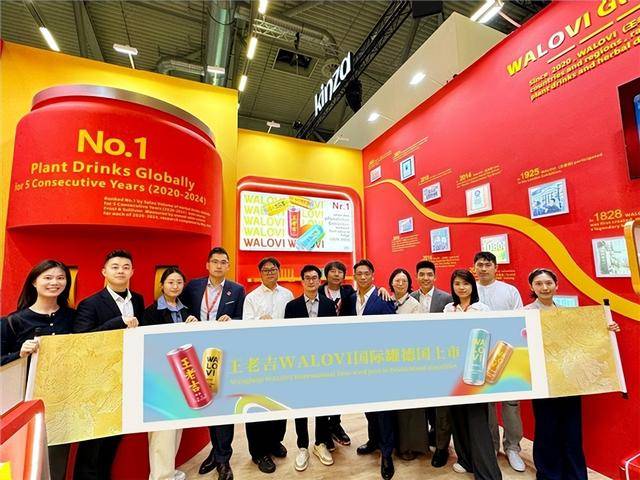
Core Insights - The launch of WALOVI international cans in Germany marks a significant step in the internationalization strategy of Wanglaoji, showcasing its entry into the European core market [1][5][9] Group 1: Product Launch and Reception - The WALOVI international cans were officially launched at the Anuga food and beverage exhibition in Germany, attracting attention from global food enterprises and buyers [2][6] - Four product variants were introduced: Roselle Pearl Red Classic, Misty Sky Green Sparkling, Bright Dawn Orange Sugar-Free, and Glazed Gold Original [2][4] - The products received high praise for their refreshing and diverse taste experiences, aligning well with current European health and flavor trends [4][5] Group 2: Market Strategy and Goals - Wanglaoji aims to leverage Germany's position as a European economic hub to expand its market presence, focusing on health-conscious consumers [4][5][9] - The company plans to deepen its European market layout through various channels, including large supermarkets and dining establishments, while adapting to local taste preferences [9] - The launch is seen as a critical point for capturing the growing demand for natural, low-sugar, and plant-based beverages in Europe [5][9] Group 3: Exhibition Highlights - Anuga, held from October 4 to 8, 2023, featured around 7,800 exhibitors from over 100 countries, providing a platform for Wanglaoji to showcase its products [6][8] - The exhibition space was designed to reflect a blend of Eastern aesthetics and modern style, enhancing brand visibility and engagement with attendees [8] - Positive feedback from European buyers highlighted the unique story and health benefits of the WALOVI products, indicating strong market interest [8][9]
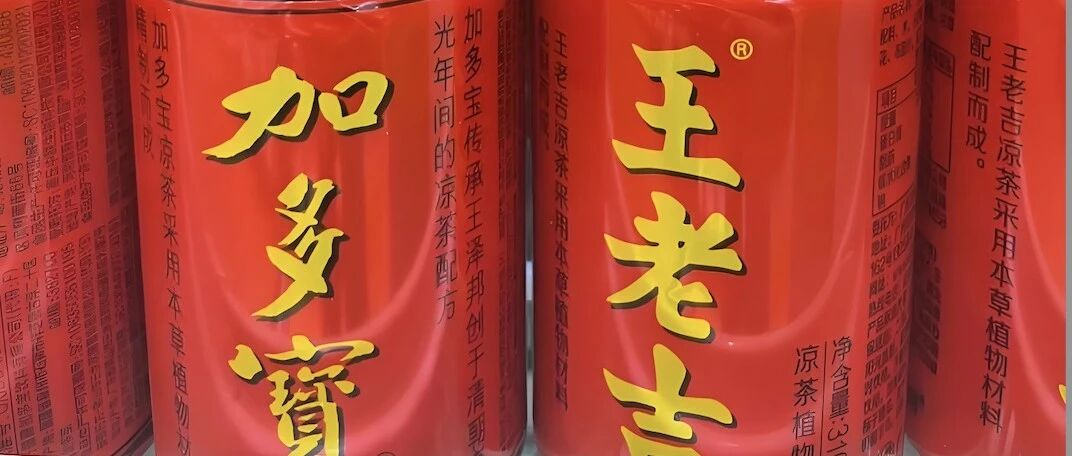
“有病去医院……”王老吉12个字怒怼加多宝
新浪财经· 2025-10-12 07:07
Core Viewpoint - The ongoing trademark dispute between Wanglaoji and JDB (Jiangsu Dahe Beverage) has intensified, focusing on the overseas trademark ownership of "Wanglaoji" [3][22]. Group 1: Trademark Dispute Developments - JDB recently claimed ownership of the overseas trademark rights for "Wanglaoji," citing victories in multiple legal cases in Canada and the EU [6][9]. - Wanglaoji responded sharply, asserting that the trademark rights belong to Guangzhou Pharmaceutical Group and accusing JDB of maliciously registering trademarks to hinder their international expansion [15][19]. - The dispute has historical roots dating back to 2011, with both companies engaging in a protracted legal battle over trademark rights [33][34]. Group 2: Legal Victories and Strategies - JDB's Multi Access Limited successfully defended its trademark rights in Canadian and EU courts, marking significant progress in its international branding strategy [7][9]. - JDB has established trademark rights in over 60 countries and regions, positioning itself as the legitimate rights holder for the "Wanglaoji" brand globally [11][14]. - Wanglaoji has also been proactive in its international strategy, launching the English brand "WALOVI" and expanding its product offerings to international markets [28][30]. Group 3: Market Position and Financial Performance - Wanglaoji reported a revenue of 6.499 billion yuan in the first half of 2025, reflecting an 8.38% year-on-year growth, with profits also increasing significantly [27]. - The plant-based beverage market is experiencing rapid growth, with a compound annual growth rate of nearly 10% from 2019 to 2024, indicating a favorable environment for both brands [31]. - As of June 2025, Wanglaoji holds a 46.33% market share in the plant beverage category in China, while JDB follows with 28.31% [31].
“有病去医院……”王老吉12个字怒怼加多宝
Xin Lang Cai Jing· 2025-10-12 06:43
Core Viewpoint - The ongoing trademark dispute between Wanglaoji and JDB has intensified, focusing on the overseas trademark ownership of "Wanglaoji" as both companies exchange statements and claims regarding their rights [2][4][9]. Group 1: Trademark Dispute - JDB recently claimed ownership of the overseas "Wanglaoji" trademark, citing victories in multiple legal cases in Canada and the EU [5][9]. - Wanglaoji responded sharply, asserting that the trademark rights belong to Guangzhou Pharmaceutical Group and accusing JDB of misleading the public [7][8]. - The dispute has historical roots dating back to 2011, with various legal battles and arbitration outcomes affecting both parties [12][14]. Group 2: Market Position and Strategy - Wanglaoji reported a revenue of 6.499 billion yuan in the first half of 2025, marking an 8.38% year-on-year increase, with profits also rising significantly [9]. - The company is actively expanding its international presence, having registered "Wanglaoji" and "WALOVI" trademarks in over 100 countries and regions [8][10]. - JDB is also pursuing international growth, having registered the "Wanglaoji" trademark in over 60 countries and emphasizing its marketing efforts to promote Chinese herbal tea globally [10][11]. Group 3: Industry Context - The plant beverage market is experiencing rapid growth, with a compound annual growth rate of nearly 10% from 2019 to 2024, indicating a favorable environment for both companies [11]. - As of June 2025, Wanglaoji holds a 46.33% market share in the plant beverage category, while JDB follows with 28.31% [11].
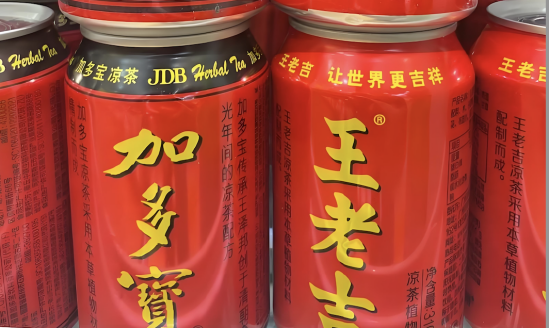
白云山旗下王老吉国际罐德国上市 亮相全球最大食品展Anuga
Zheng Quan Shi Bao Wang· 2025-10-12 04:45
Core Insights - Wanglaoji's WALOVI international can has been launched in Germany, marking a significant step in the brand's internationalization strategy in the European market [1][2] - The entry into the German market is seen as a crucial move to capture the growing demand for plant-based beverages in Europe [1] Group 1: Market Entry and Strategy - Wanglaoji's WALOVI international can is the first product launched overseas after its global release in August [1] - The company aims to deepen its market presence in Europe by establishing a multi-channel market network through large supermarkets and dining channels [2] - Germany is identified as a key market due to its status as Europe's economic center and its high standards in the food market [1] Group 2: Market Context and Consumer Trends - Germany's GDP is projected to reach $4.66 trillion in 2024, accounting for over 20% of the EU's total economic output [1] - There is a rising consumer focus on healthy eating in Germany, particularly for natural, low-sugar, and plant-based beverage categories [1] - The Anuga exhibition attracted over 170,000 professional visitors and featured around 7,800 exhibitors from over 100 countries, highlighting the global interest in food and beverage innovations [2]
两度递表,资本梦未灭,东鹏饮料为何在“金钱充裕”之下执意赴港?
3 6 Ke· 2025-10-09 15:24
Core Viewpoint - Dongpeng Beverage has re-applied for an H-share listing on the Hong Kong Stock Exchange, aiming for a dual listing in both A and H shares, following a previous unsuccessful attempt. The company, known for its flagship product "Dongpeng Special Drink," seeks to enhance its brand recognition and international presence through this listing [1][2]. Group 1: Company Background and Market Position - Dongpeng Beverage, established in 1994, is a leading player in China's functional beverage market, with its flagship product gaining nationwide popularity. The company successfully listed on the Shanghai Stock Exchange in May 2021, with its stock price soaring from an initial price of 46.27 yuan to 207 yuan by July 2021, and maintaining a market capitalization around 150 billion yuan [2][9]. - The company has previously attempted to internationalize its capital by planning to issue Global Depositary Receipts (GDR) in Switzerland, but this was halted due to tightening overseas regulatory requirements. Dongpeng is now focusing on the Hong Kong market, which is more accessible to domestic investors [2][6]. Group 2: Strategic Considerations for H-Share Listing - The H-share listing is seen as a strategic move to attract global investors and enhance brand recognition, facilitating future expansion into Southeast Asian markets. Dongpeng aims to replicate the success of international competitors like Red Bull and Monster through this listing [6][15]. - Despite appearing financially stable, with plans to utilize up to 11 billion yuan of idle funds for low-risk financial products, Dongpeng's capital structure shows room for improvement. The company has seen a significant increase in short-term borrowings and a rising debt-to-asset ratio, indicating potential financial optimization needs [6][9]. Group 3: Financial Performance - In 2024, Dongpeng reported a revenue of 15.83 billion yuan, a year-on-year increase of 40.6%, and a net profit of 3.33 billion yuan, up 63.1%. The growth trend continued into the first half of 2025, with revenues reaching 10.737 billion yuan, a 36.37% increase, and net profits of 2.375 billion yuan, a 37.22% rise [9][10]. Group 4: Challenges and Market Dynamics - Dongpeng faces challenges in maintaining growth as it relies heavily on its flagship product. The company has introduced a "1+6 multi-category strategy" to diversify its product offerings, but the profitability and market acceptance of new products remain to be tested [12][16]. - The competitive landscape in the functional beverage market is intensifying, with established brands like Red Bull and emerging competitors posing significant challenges. Dongpeng's market share has increased from 15% in 2021 to 26.3% in 2024, but it still faces the uphill task of displacing dominant players [16][17].
老铺黄金的“国际化”:试水香港,顾客却仍是内地游客
Guan Cha Zhe Wang· 2025-10-09 10:25
Core Viewpoint - The opening of the new flagship store of Laopu Gold in Hong Kong's IFC marks a significant step in the brand's internationalization strategy, attracting a high volume of customers, particularly from mainland China, and showcasing its competitive pricing advantage compared to mainland stores [1][5][10]. Group 1: Store Performance and Customer Attraction - The new IFC store has been consistently busy, with customers often waiting 30 minutes to several hours to enter, making it the only store in the area requiring such queues [1][5]. - The store's pricing strategy offers products at approximately 18% lower than those in mainland stores, which is a key factor in attracting customers [5]. - Laopu Gold's sales in Hong Kong are reportedly 30% higher than in mainland China, indicating strong market performance [10]. Group 2: International Expansion Strategy - The opening of the IFC store increases Laopu Gold's presence in Hong Kong to three locations, with plans to expand further internationally, including markets in Japan, North America, Australia, and the Middle East by 2026-2027 [8][10]. - The brand's internationalization is supported by its performance in Singapore, where its first overseas store exceeded expectations [10]. Group 3: Product Strategy and Market Positioning - Laopu Gold differentiates itself by focusing on "ancient method gold," which emphasizes cultural consumption and traditional craftsmanship, maintaining a stable gross margin of over 40% [11]. - The brand's customer base overlaps significantly with high-end luxury brands, with a 77.3% overlap with major luxury brands like LV and Cartier [11]. - The brand's unique positioning allows it to attract consumers who are cautious with spending but seek high-quality, well-crafted products [11]. Group 4: Competitive Landscape and Challenges - Laopu Gold's success poses a challenge to traditional European luxury brands, with notable interest from LVMH executives [14]. - However, there are concerns regarding Laopu Gold's ability to maintain its luxury positioning and customer loyalty, especially as it navigates the complexities of international markets [16][20]. - The brand's reliance on rising gold prices for profitability raises questions about its long-term sustainability if the gold price cycle changes [17][20].

突发!两度递表,资本梦未灭!东鹏饮料为何在“金钱充裕”之下执意赴港?|IPO锐观察
Xin Lang Cai Jing· 2025-10-09 04:38
Core Viewpoint - Dongpeng Beverage is making a second attempt to list on the Hong Kong Stock Exchange (HKEX) after its initial application was unsuccessful, aiming for a dual listing in both A-share and H-share markets, indicating its strong ambition for international expansion and capital market presence [1][4]. Group 1: Listing Strategy - Dongpeng Beverage submitted its H-share listing application to HKEX, with the same underwriters as its first attempt, highlighting its determination to succeed this time [1]. - The company aims to become the second Chinese beverage company to achieve a dual listing after Andeli, reflecting its strategic goal to enhance brand recognition and attract global investors [1][3]. - The rapid reapplication within six days after the first attempt suggests a strong commitment to the Hong Kong market [1]. Group 2: Financial Position - As of the end of 2024, Dongpeng Beverage reported cash and cash equivalents of 5.653 billion yuan, with total liquid assets reaching 14.223 billion yuan, indicating a robust financial position despite pursuing additional fundraising [2][3]. - The company plans to utilize up to 11 billion yuan of idle funds for low-risk financial products, suggesting a strategy to optimize its capital structure [3]. Group 3: Market Expansion and Challenges - Dongpeng Beverage is focusing on internationalization, particularly targeting Southeast Asia, with plans to leverage the HKEX listing to facilitate this expansion [4][8]. - The company has already begun exporting products to 25 countries, including Vietnam and Malaysia, and is establishing production bases aimed at the Southeast Asian market [8]. - However, challenges such as brand recognition, local market adaptation, and competition from established brands like Red Bull and Monster pose significant hurdles for Dongpeng's international ambitions [9][10]. Group 4: Growth Strategy - Dongpeng Beverage has introduced a "1+6 multi-category strategy," focusing on its core product while expanding into six new beverage categories to sustain growth [6]. - The company has experienced significant revenue growth, with a reported 40.6% increase in revenue for 2024 and a 36.37% increase in the first half of 2025 [4]. Group 5: Market Dynamics - The competitive landscape in the functional beverage sector is intensifying, with various brands vying for market share, necessitating Dongpeng to innovate and maintain its market position [9][10]. - The company faces pressure to enhance its distribution channels and marketing strategies to counteract competition and ensure sustained sales growth [7][10].