
外汇干预

Search documents
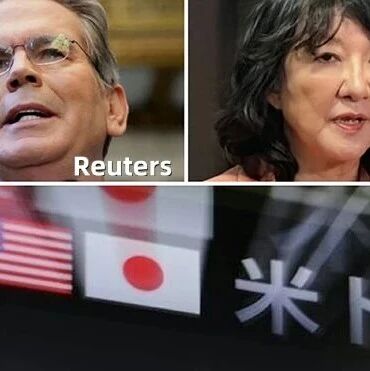
高市早苗周日发声:已做好应对市场波动准备,此前美联储“询价”引发“美日联合干预日元”猜测
Hua Er Jie Jian Wen· 2026-01-25 01:10
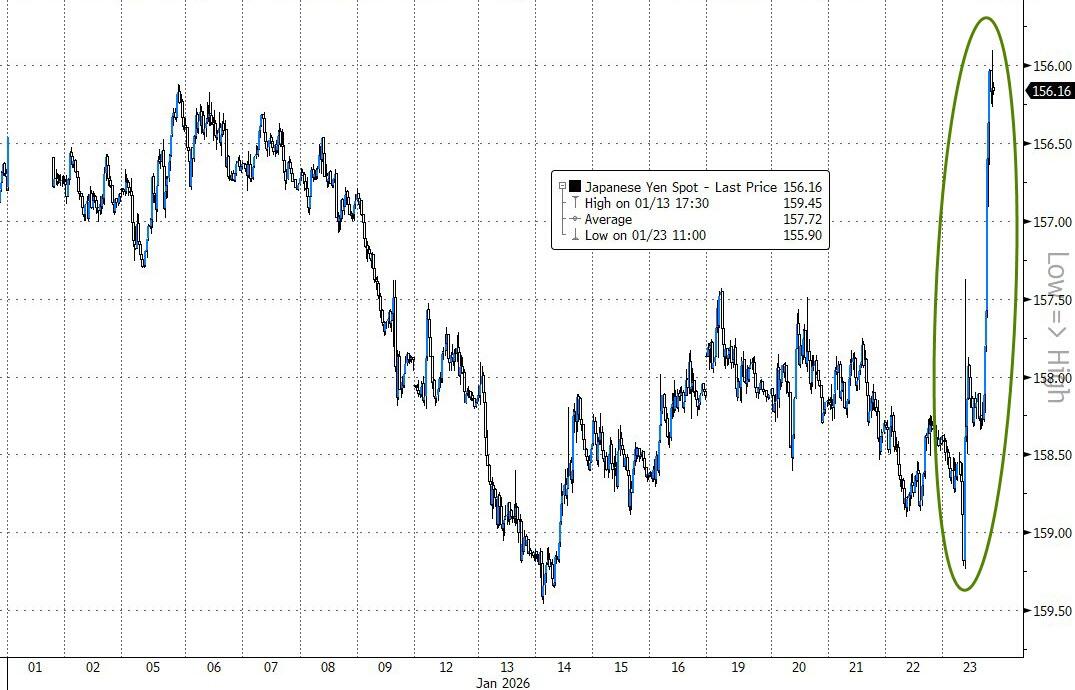
日本首相高市早苗周日针对金融市场投机行为发出严厉警告,承诺将采取必要措施应对异常波动。此前,日元在周五经历剧烈震荡并创下五个 月来最大涨幅,市场普遍猜测纽约联储的"询价"动作暗示美日可能正准备联手干预汇市。 这种紧迫感源于上周五市场的剧烈反应。华尔街见闻此前提及,在交易员报告纽约联储致电金融机构询问汇率后,日元汇率上演大逆转,盘中 两度拉升,美元兑日元一度重挫约1.75%,刷新去年12月24日以来低位至155.63。市场将美联储这一通常被视为干预前兆的举动,解读为美国 准备协助日本支撑日元的关键信号。 尽管日本官员拒绝证实干预传闻,日本财务大臣片山皋月仅强调"时刻保持紧迫关注",但纽约联储的介入引发了华尔街关于"联合干预"的热 议。分析人士指出,美联储的动作意味着潜在干预将不再是单方面的,这一预期导致日元空头加速平仓,同时也引发了对干预可能波及美股市 场的担忧。 联储"询价"引发联合干预猜测 周五日元走势的逆转始于欧市早盘,并在美股午盘时段加速。美元兑日元从盘中高点159.23大幅下挫,抹平了去年圣诞节以来的跌幅。 据彭博报道,日元的跳涨恰逢纽约联储致电金融机构询问日元汇率。此类汇率检查历来被视为政府向交易员 ...

去年8月以来最大涨幅!日元一天两波拉涨,日美联合干预汇市要来了?
Hua Er Jie Jian Wen· 2026-01-23 23:32
Core Viewpoint - The recent fluctuations in the Japanese yen have sparked widespread speculation about potential intervention by the Japanese government, possibly in coordination with the U.S. government [1][7]. Group 1: Yen Movements - The yen experienced a significant rebound after three consecutive declines, with the dollar-yen pair showing a maximum intraday drop of approximately 1.75%, marking the largest increase for the yen since August of the previous year [5]. - The first wave of yen appreciation occurred during the European market's early session, where the dollar-yen rate fell to 155.63, the lowest since December 24 of the previous year [2][5]. - The yen's recent surge coincides with political instability in Japan, as the House of Representatives was dissolved for the first time on the opening day of a parliamentary session in 60 years, with elections scheduled for February 8 [6]. Group 2: Speculation on Intervention - Market speculation about potential intervention was fueled by reports that the New York Federal Reserve contacted financial institutions regarding the yen's exchange rate, which traders interpreted as a sign of possible U.S. support for Japanese intervention [7]. - The notion of a "red line" for intervention is associated with the yen approaching the 160 mark against the dollar, a level at which Japan has previously intervened, spending nearly $100 billion to support the yen [8][9]. - Analysts noted that the recent inquiries by the New York Fed could indicate that any potential intervention would not be unilateral, suggesting a coordinated approach [8][9]. Group 3: Economic Context - The Japanese government has been under pressure due to fiscal uncertainties and rising yields, with the yen depreciating over 4% since October, raising concerns about the currency's stability [9]. - The Bank of Japan has indicated a willingness to maintain low borrowing costs while also signaling potential future rate hikes, which could impact the yen's value [11]. - There is a noted correlation between the yen's strength and volatility in U.S. equity markets, suggesting that a stronger yen could trigger broader market sell-offs [12].
瑞郎避险底色下平衡零利率
Jin Tou Wang· 2026-01-23 02:54
Core Viewpoint - The Swiss Franc (CHF) has maintained a unique position as a safe-haven currency, supported by a combination of zero interest rate policy, regular foreign exchange interventions, and a differentiated economic backdrop, allowing it to avoid excessive appreciation while preserving its core value in a volatile global monetary environment [1][2]. Group 1: Monetary Policy and Economic Outlook - The Swiss National Bank (SNB) is one of the few major central banks maintaining a zero interest rate, with a high threshold for reintroducing negative rates, contrasting sharply with the easing cycles of the Federal Reserve and the European Central Bank [1]. - The SNB reaffirmed its commitment to a 0% policy rate until the second half of 2027, even with inflation projected at only 0.4% in 2026, due to concerns over the long-term negative effects of negative rates on the Swiss pension and banking sectors [1]. - The Swiss economy, being export-oriented, faces challenges from global demand slowdown, with watch exports declining by 7.3% year-on-year in November 2025, and GDP growth forecasted to slow from 1.2% to 1.0% in 2026, alongside an increase in unemployment to 3.0% [1]. Group 2: Supportive Factors for the Swiss Franc - Switzerland's macroeconomic advantages, such as a current account surplus consistently above 4% of GDP and a net international investment position exceeding 100% of GDP, bolster the CHF's safe-haven status [2]. - Despite facing a 39% tariff from the U.S. in 2025, Switzerland quickly negotiated a reduction to 15%, leading to a rapid recovery in the trade account, with gold exports increasing significantly from an average of 0.3 tons to 128.2 tons [2]. - Switzerland's low government debt ratio of 40% and decades of political neutrality make the CHF a preferred choice for safe-haven investments amid global risks, although central bank interventions moderate excessive appreciation [2]. Group 3: Exchange Rate Dynamics - The CHF has remained within a narrow trading range of 0.79-0.81 against the USD, with the SNB's proactive measures neutralizing the impact of interest rate differentials [3]. - The CHF's performance diverges from other non-USD currencies, maintaining stability even amid global capital flows triggered by monetary policy changes from the ECB and BoJ [3]. - Short-term forecasts suggest the USD/CHF will oscillate between 0.79-0.80, with the SNB's interventions setting clear boundaries for exchange rates [3]. Group 4: Future Considerations - Key variables to monitor include the escalation of global geopolitical risks, which could lead to significant inflows of safe-haven capital, potentially surpassing the SNB's intervention thresholds and driving unexpected CHF appreciation [4]. - Changes in the SNB's intervention tools may occur if export weaknesses intensify, possibly leading to increased foreign exchange interventions or adjustments to the current deposit rates to manage CHF valuation [4]. - Overall, the CHF's trajectory in 2026 represents a new approach for safe-haven currencies, balancing the preservation of its safe-haven attributes, the health of the export economy, and stable exchange rate movements through active central bank management [4].
汇丰警告:日元结构性疲软难有“速效药” 年中前将跌至1美元兑160日元
智通财经网· 2026-01-20 23:53
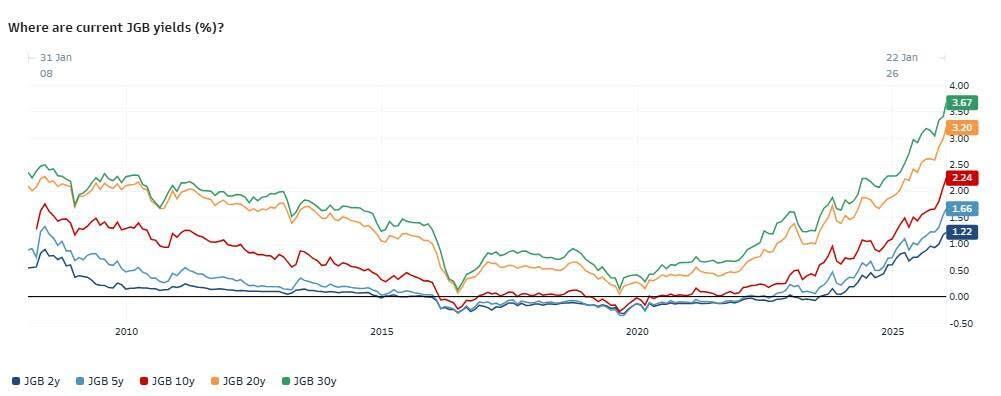
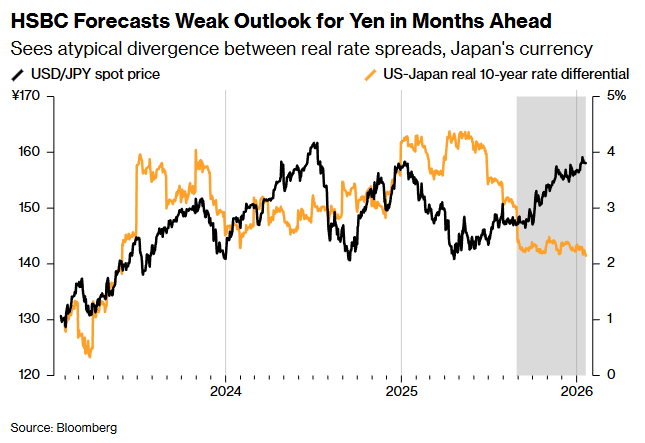
Core Viewpoint - Japanese Prime Minister Fumio Kishida announced the dissolution of the House of Representatives on January 23, with early elections scheduled for February 8, emphasizing the need for bold investment in risk management and a departure from excessive tightening [1] Group 1: Economic Policies and Market Reactions - Kishida's administration is characterized by expansionary fiscal and monetary policies, raising concerns about rapid government spending and the resurgence of inflation [1] - The traditional correlation between the yen and U.S. Treasury yields is breaking down, prompting HSBC strategists to revise their forecasts for the yen's performance in the coming months [1] - Since early October, the yen has depreciated approximately 7% against the dollar, despite a narrowing yield gap of nearly 60 basis points between Japanese and U.S. 10-year bonds [1] Group 2: Currency Dynamics and Predictions - HSBC strategists noted a "wedge difference" reflecting an expanded "risk premium" for the yen, driven by concerns over debt monetization, declining purchasing power, and persistent inflation with negative real interest rates [1] - The recent sell-off in Japanese government bonds has led to a spike in yields, prompting calls for market participants to remain calm from Japan's Finance Minister [4] - HSBC now predicts the yen will depreciate to around 160 yen per dollar by mid-year, a shift from previous expectations of strengthening to 150 yen per dollar [4] Group 3: Potential Factors Influencing the Yen - Factors that could potentially prevent further short-term depreciation of the yen include a slowdown in the U.S. economy, positive real yields on Japanese bonds, credible fiscal consolidation plans, and checks on aggressive fiscal expansion within the parliament [5][6] - The Bank of Japan's upcoming interest rate decision is expected to maintain the current benchmark rate, which may not provide direct support for the yen [6] Group 4: Government Intervention and Market Sentiment - Traders are on high alert for potential intervention by Japanese authorities if the yen continues to weaken, especially as it approaches critical levels [7] - Japan's Finance Minister indicated that all options, including direct market intervention, are on the table to address excessive volatility [7] - The upcoming press conference by Bank of Japan Governor Kazuo Ueda is anticipated to provide insights into the central bank's stance amid the yen's depreciation [8]

市场预期日本央行将维持利率不变,交易员聚焦外汇干预风险
Jin Rong Jie· 2026-01-20 00:19
日本央行周五料将维持基准利率不变,此举难以为日元提供即时支撑。分析师普遍预期,若日元进一步 走软,日本政府最早或于同日出手干预汇市,这使交易员保持高度警惕。截至东京时间周二上午,美元 兑日元USD/JPY交投在158.20附近,距离160关口不远,这一关口被视为关键防线——2024年,日本当 局曾多次在此水平附近入市买入日元以支撑汇率。知情人士上周透露,日本央行官员正密切关注汇率对 通胀的影响,因日元进一步走弱可能加快未来的加息步伐。野村 证券首席策略师松永辽太郎表示:"日 本央行可能会暗示下次加息的门槛并不高,以避免加剧日元贬值。他们或许会为最早在4月采取行动留 出空间。" ...
德银:日元疲软是政策与资金共同的选择,政府短期干预可能性不大
Hua Er Jie Jian Wen· 2026-01-16 13:22
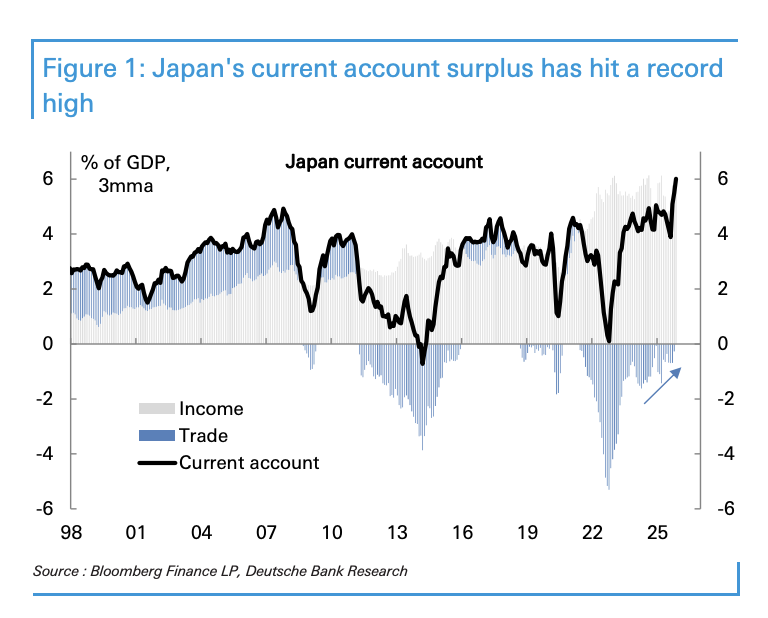
Core Insights - The report from Deutsche Bank indicates that the continued depreciation of the yen is a result of "policy acquiescence" and "capital outflow," with low likelihood of short-term foreign exchange intervention [1][9] Group 1: Economic Indicators - Japan's current account surplus has reached a historical high of 6% of GDP, indicating a significant undervaluation of the yen [1][2] - The strong performance of the basic international balance of payments is evident, with net securities investment turning positive, driven by foreign investors increasing their exposure to Japanese assets due to rising Japanese government bond yields and a strong stock market [4] Group 2: Capital Outflow Trends - Japanese companies and institutional investors continue to show a lack of confidence in the domestic market, with net outward direct investment nearing 2% of GDP, reflecting a historical high [5] - Approximately half of the direct investment income from overseas is reinvested, and a significant portion of the "repatriable" income remains in foreign currency on corporate accounts [5] Group 3: Policy Stance - Despite the evident capital outflow, the strong basic international balance of payments suggests that the market has factored in a significant policy risk premium, with the USD/JPY exchange rate exceeding the implied level from U.S. 10-year Treasury yields by 7-8% [6][9] - Current political conditions indicate that Japanese policymakers prefer to maintain a loose fiscal and monetary policy stance, which is not expected to change in the short term as long as the yen's weakness does not provoke significant domestic voter dissatisfaction [9]
吉央行今年以来共实施8次外汇干预
Shang Wu Bu Wang Zhan· 2026-01-15 16:54
据吉尔吉斯斯坦央行12月22日发布消息,吉央行当天实施了年内的第8次外汇干预,在外汇市场卖 出1.795亿美元,为2025年规模最大的一次干预行动。今年以来,吉央行共实施8次外汇干预,累计卖出 8.53亿美元。 (原标题:吉央行今年以来共实施8次外汇干预) ...
日元贬值暂缓,但日韩同时外汇干预的风险仍存
日经中文网· 2026-01-15 03:27
日本财务相片山皋月和财务官三村淳14日接连发表抑制日元贬值的言论,日元汇率出现上涨。美国财长 贝森特之前也对韩元贬值表示担忧。有市场人士指出:"日韩已具备了买入本国货币进行干预的环 境"…… 1月14日的欧美外汇市场上,日元汇率上涨,一度升至1美元兑158日元区间前半,与当天东京市场17点 时(159.1日元区间)相比,日元升值1日元左右。随着日本财务相片山皋月和财务官三村淳接连发表抑 制日元贬值的言论,市场开始考虑到日本政府实施买入日元干预的可能性,引发日元回购。此外,美国 财长贝森特对韩元贬值表示担忧,推动美元走弱、韩元走强,也一度带动日元买盘、美元卖盘。 野村国际的新加坡团队在1月14日的报告中也总结称:"韩国和日本一直对本币贬值不满,外汇干预的风 险正在上升"。报告还建议应警惕美元贬值、日元升值与美元贬值、韩元升值共振的局面。 虽然韩国的外汇储备不及日本(2025年年底超过1万亿美元),但仍是全球主要的外汇储备国之一。而 且韩国与美国关系良好,可通过货币互换协议等灵活获得美元。尽管过去十几年外汇市场规模大幅扩 大,但日韩的存在感仍不容忽视。 目前市场上多数观点认为:"在日元贬值超过2024年7月干预前 ...
日本当局拉响干预警报 日元触及18个月新低后小幅反弹
Xin Lang Cai Jing· 2026-01-14 11:24
【日本当局拉响干预警报 日元触及18个月新低后小幅反弹】智通财经1月14日电,在有关日本首相高市 早苗可能提前举行大选的消息传出后,日元近日持续下跌,周三早些时候一度跌至1美元兑159.45日 元,创2024年7月以来的最低水平。不过,日本财务大臣及日本最高外汇事务官员周三均对投机者发出 最新警告,推动日元小幅回升。 转自:智通财经 ...
美银策略师:日元未到干预线 政治风险主导短期走势
Sou Hu Cai Jing· 2026-01-13 02:12
Core Viewpoint - The potential early election in Japan may become a short-term theme in the yen asset market, as indicated by the chief Japanese foreign exchange and interest rate strategist at a U.S. bank [1] Group 1 - Reports suggest that Prime Minister Fumio Kishida is considering dissolving the House of Representatives, leading to a sell-off of the yen and Japanese government bond futures, while buying Nikkei futures in the New York market last Friday [1] - Unless the related reports are denied, the market is expected to continue the initial trend observed last Friday throughout this week [1] - The bank believes that the likelihood of foreign exchange intervention is low when the USD/JPY is below 160, but the probability of intervention will significantly increase if the exchange rate enters the 162-165 range [1]