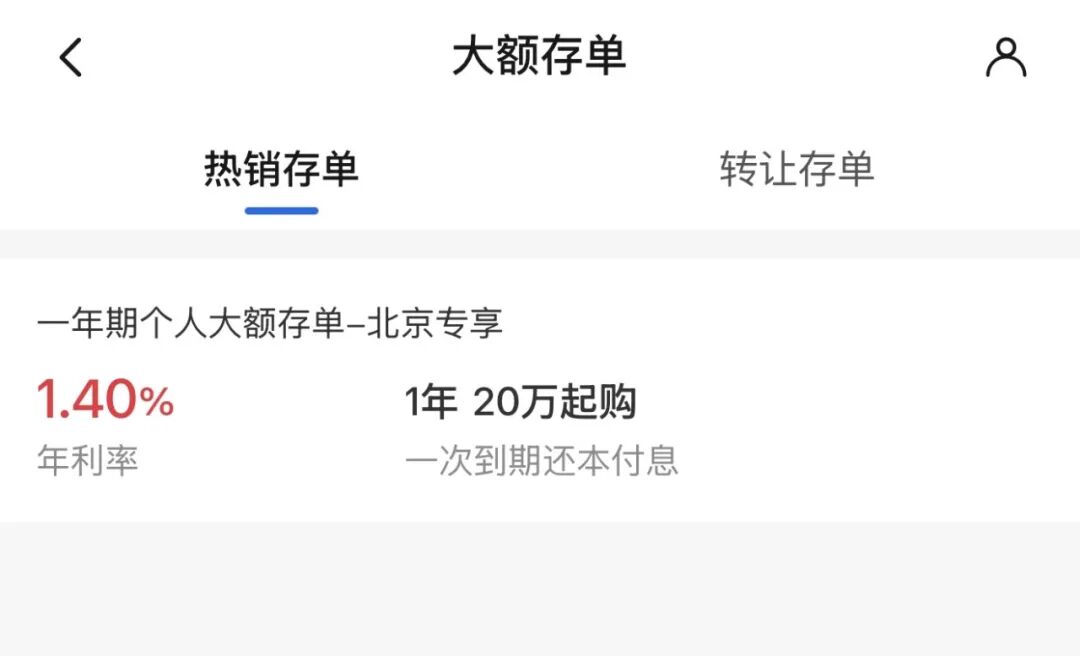
多元化资产配置

Search documents
金价飙升,北京零售额增长40.5%!现在还能买黄金吗?
Sou Hu Cai Jing· 2025-12-18 13:29
据市统计局发布数据显示1至11月,限额以上批发和零售业中,金银珠宝、化妆品等升级类商品零售额 保持较快增长,分别增长40.5%和12.3%。 结合当前金价大涨,专家给出投资建议和风险提示:黄金已经连续三年大幅上涨,作为一种避险资产, 其涨幅和波幅已经超过很多风险资产。当前市场的不确定性因素仍然很多,美联储内部分歧严重,后续 降息节奏不确定性较大,全球地缘局势尚不明朗。在这样的市场环境下,建议投资者秉持多元化资产配 置的原则,结合自身风险承受能力与投资目标,做到量力而行、理性布局。此外,投资者在参与黄金投 资时,建议选择正规渠道、正规机构和正规产品,警惕黄金投资骗局。 来源:北京新闻 今天,国际金价开盘报4338.91美元,截至上午11点小幅下跌3.13美元。记者今天走访菜百看到:投资金 方面,实时投资基础金价为每克974元,饰品金方面,足金价格为每克1320元。 中国工商银行北京市分行金融市场部交易经理乔若羽分析,黄金走强主要有三点原因: 一是美联储重 启降息周期。由于美国经济复苏动能边际放缓,就业数据表现不佳,美联储今年9月重启降息周期并连 降三次,共降息75个基点。美元指数自年内高点跌幅已经超过10%,金 ...


中信集团副董事长张文武:中信集团将发挥产融并举综合优势,助力构建财富管理新生态
Cai Jing Wang· 2025-12-18 13:27
Core Insights - The conference "2026 Annual Dialogue and Global Wealth Management Forum" focuses on the theme "China's Resilience in Changing Circumstances" and is guided by the Tongzhou District People's Government of Beijing [1] - Zhang Wenwu, Vice Chairman and General Manager of CITIC Group, emphasized the shift in asset allocation from single savings to diversified financial assets due to the current low-interest-rate environment [1] - CITIC Group, with total assets exceeding 13 trillion yuan and asset management scale nearing 11 trillion yuan, is positioned as China's largest asset management and direct financing institution [1] Group 1: Service to the Real Economy - CITIC Group has served over 15,000 national-level specialized and innovative manufacturing enterprises, achieving a coverage rate of over 98%, with 1,081 enterprises in Beijing [2] - The company focuses on technology-driven initiatives, implementing the "Rock" project to enhance high-quality technological supply in fields like intelligent equipment and artificial intelligence [2] - The firm has established over 10 institutions for overseas asset management, actively participating in cross-border financial mechanisms, thus creating a comprehensive asset management ecosystem [2] Group 2: Development of New Productive Forces - CITIC Group aims to empower the development of new productive forces by deepening technology finance services and supporting strategic emerging industries through innovative financing tools [3] - The company is enhancing cross-border service efficiency by building global capital cooperation bridges and exploring new paths for collaborative investment banking and asset management [3] - CITIC Group is constructing a value co-creation ecosystem, transitioning wealth management from a single product sales model to a customer-centric, full lifecycle asset allocation service [3]

我们,还差一个关键转折点
大胡子说房· 2025-12-09 09:49
Core Viewpoint - The article discusses the disparity between the perception of economic strength in China and the reality of its position relative to the United States, emphasizing the importance of understanding the underlying distribution rules that govern global economics [4][6][7]. Group 1: Economic Performance - In 2021, China's industrial output accounted for 30% of the global total, and its GDP reached 77% of that of the United States. However, by 2024, while industrial output increased to 35% of the global total, the GDP ratio relative to the U.S. fell to 65%, a decline of 12% [4][5]. - The article highlights that despite improvements in industrial production capabilities, China's economic growth is hindered by the existing distribution rules set by the U.S., which maintains its status as the largest consumer nation [6][7]. Group 2: Global Economic Rules - The article categorizes countries into resource countries, industrial countries, and consumer countries, with the U.S. being the largest consumer country that dictates the rules of the game [6]. - The dominance of the U.S. is attributed to its control over the distribution of global wealth, with the dollar serving as the primary currency for international transactions, reinforcing the concept of dollar hegemony [6][7]. Group 3: Military and Economic Strategy - The article suggests that to change the existing economic rules, China must enhance its military capabilities, particularly in naval power, to gain leverage in international negotiations [8][10]. - It is noted that the U.S. is currently adjusting its national security strategy to stabilize relations with China while addressing its own economic issues, indicating a shift in the dynamics of their relationship [14][18]. Group 4: Future Outlook - The article expresses optimism about China's future, suggesting that while it may not immediately become the new "game master," the current challenges faced by the U.S. could create opportunities for China [13][22]. - It emphasizes the importance of being prepared for potential economic shifts and the need for diversified asset allocation to navigate the changing landscape [35][44]. Group 5: Policy and Market Dynamics - The article stresses the significance of monitoring policy changes and macroeconomic events, as these will influence market conditions and investment strategies [45][52]. - It highlights the volatility in capital markets due to global liquidity changes, particularly in response to actions taken by major central banks like the Federal Reserve and the Bank of Japan [47][48].

对话中欧国际工商学院教授芮萌:养老金投资需要对抗“非理性”,长期封闭是必要机制
Xin Lang Cai Jing· 2025-12-09 05:33
Core Viewpoint - The Chinese financial system is at a historical juncture, emphasizing the construction of a financial powerhouse and the development of a dynamic pension finance system to support the aging population and enhance the economy [1][22]. Group 1: Understanding Pension Finance - Pension finance is not a single product but a comprehensive financial service system covering the entire personal retirement lifecycle, typically divided into three pillars: basic pension insurance, enterprise annuities, and personal pensions [3][25]. - Traditional savings for retirement is a static wealth preservation method, while pension finance is a dynamic system that continuously generates and optimizes cash flow throughout the retirement period [4][26]. Group 2: Benefits of Pension Finance - Pension finance can address longevity risk, ensuring that individuals do not outlive their savings by providing long-term, stable cash flow through various products like annuities and pension funds [5][27]. - It better hedges against inflation and preserves value, as pension products often involve professional asset allocation in capital markets, allowing individuals to benefit from long-term market growth [6][28]. - Pension finance significantly reduces the risk of funds being misused or lost to fraud, as products typically have defined lock-in periods and withdrawal rules, promoting disciplined spending [6][28]. Group 3: Challenges and Market Development - The primary challenge in promoting pension finance is a lack of awareness and understanding among the public, as many individuals are unfamiliar with long-term pension products and prefer short-term returns [8][30]. - Current pension products generally yield stable returns in the range of 3%-5%, which aligns with the goal of prioritizing safety over high short-term returns [8][30]. Group 4: Targeting Younger Demographics - Pension products should be designed with younger individuals in mind, featuring lower investment thresholds and flexible payment options to accommodate their financial situations [9][31]. - Simplifying the purchasing process and providing incentives for long-term holding can encourage younger people to participate in pension finance [10][32]. Group 5: Regulatory and Market Structure - The safety and long-term sustainability of pension products are ensured through strong regulatory oversight, with a focus on stable asset investments [12][35]. - The market for personal pension products has developed a diverse range of options, allowing for tailored investment strategies based on individual risk tolerance and retirement timelines [13][36]. Group 6: Capital Market Considerations - For pension funds to effectively contribute to solving China's retirement issues, the capital market must be cleaner and more efficient, with a focus on eliminating poorly performing companies [17][41]. - The shift towards a "silver economy" indicates a significant market potential, with approximately 330 million elderly individuals in China, representing a market size of 3 trillion to 15 trillion yuan depending on consumption levels [19][42]. Group 7: Policy Support and Industry Development - The "14th Five-Year Plan" aims to cultivate the pension finance sector into a substantial industry, balancing both protective and developmental aspects to meet the diverse needs of the elderly population [20][43]. - The demand from the elderly is multi-faceted, requiring a comprehensive service system that goes beyond basic needs to include health, social participation, and emotional support [21][43].
银行人员说漏嘴:2026年起,手里有定期存款的人,应做好这4个准备
Sou Hu Cai Jing· 2025-12-07 16:06
Core Viewpoint - The increasing preference for saving among the Chinese population is driven by concerns over unexpected events such as unemployment and health issues, as well as future expenses like children's education and housing down payments. The current investment environment is perceived as risky, making bank savings a safer option [1]. Group 1: Savings Trends - In the first ten months of 2025, the cumulative increase in RMB deposits reached 23.32 trillion yuan, with household deposits rising by 11.39 trillion yuan [1]. - The decline in deposit interest rates has led to a shift in savings behavior, with individuals preferring to keep their money in banks rather than riskier investments [5]. Group 2: Deposit Interest Rates - Starting in 2023, domestic deposit interest rates have entered a downward trend, with the one-year deposit rate dropping from 2.25% to 1.35%, resulting in a decrease of 900 yuan in annual interest income for a 100,000 yuan deposit [5]. - The demographic most affected by declining deposit rates includes middle-aged and elderly individuals who typically hold larger sums in savings [5]. Group 3: Inflation and Investment Strategies - The rising prices of essential goods have outpaced deposit interest rates, leading to a situation where interest income fails to keep up with inflation [8]. - To mitigate the impact of inflation, a diversified asset allocation strategy is recommended, such as splitting savings into different investment types, including risk-free investments and low to medium-risk products [8]. Group 4: Liquidity Preparation - Many savers prefer three-year fixed deposits for higher interest rates, but this can pose liquidity risks in case of emergencies [11]. - It is advised that savers maintain a portion of their funds in shorter-term deposits to ensure liquidity while still benefiting from higher rates on longer-term deposits [12]. Group 5: Bank Stability Concerns - Recent bank failures highlight the need for depositors to prepare for potential bank insolvencies, with recommendations to check for deposit insurance and to diversify deposits across multiple banks [16]. - Depositors should ensure that their total deposits and interest in any single bank do not exceed 500,000 yuan to minimize risk [16].

胡润研究院发布报告,反映高净值人群投资趋势 保险黄金股票还是前三名
Shen Zhen Shang Bao· 2025-12-04 17:16
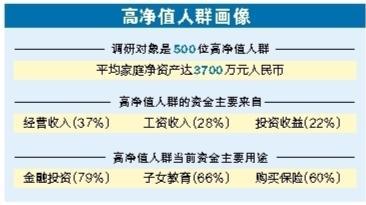
Group 1 - The core viewpoint of the report is that high-net-worth individuals in China are increasingly adopting a conservative investment strategy focused on long-term value, with a significant portion planning to reduce non-essential spending [2][3][6] - The report indicates that 30% of high-net-worth individuals identify as conservative investors, prioritizing asset preservation and growth, with 71% aiming for asset value maintenance [3][5] - A diversified asset allocation strategy is prevalent among high-net-worth individuals, with an average of 5 to 6 different types of investment products held, primarily low-risk bank products (25%) and insurance (19%) [3][4] Group 2 - 56% of high-net-worth individuals plan to increase their allocation to overseas financial products, with an average of 20% of their total assets already in foreign investments [4] - The most favored overseas investment products include overseas insurance (28%), bank savings/wealth management/money market funds (20%), and stocks (17%), with a focus on regions like Hong Kong (52%), Singapore (40%), and the United States (35%) [4] - The primary sources of funds for high-net-worth individuals are operating income (37%), salary income (28%), and investment income (22%), with business owners relying heavily on operating income (56%) [5]
胡润研究院:高净值人群计划增配的前三类资产为保险、黄金、股票
Xin Lang Cai Jing· 2025-12-04 11:25
Core Insights - The white paper released by Wantong Insurance and Hurun Research Institute explores the financial investment needs and trends of China's high-net-worth individuals (HNWIs) for 2025 [1][3] Group 1: Financial Asset Allocation - The average net worth of surveyed HNWIs is 37 million RMB, with over half being business owners [1][3] - The primary sources of funds for these individuals are operating income (37%), salary income (28%), and investment returns (22%) [1][3] - Funds are mainly allocated to financial investments (79%), children's education (66%), and insurance purchases (60%), reflecting their core wealth demands: wealth appreciation, wealth inheritance, and risk isolation [1][3] Group 2: Investment Strategies - HNWIs generally adopt a diversified asset allocation strategy, holding an average of 5 to 6 different investment products, primarily low-risk bank products (25%) and insurance (19%), along with growth assets like stocks (14%) [2][4] - To seek safety, hedging, and appreciation, HNWIs plan to increase allocations in insurance (47%), gold (42%), and stocks (34%), while reducing low-yield assets such as bank savings, wealth management, and money market funds [2][4] - 45% of surveyed HNWIs have begun to allocate overseas financial products, with overseas assets averaging 20% of their total assets, favoring overseas insurance (28%), bank savings/wealth management/money market funds (20%), and stocks (17%) [2][4] Group 3: Future Trends - In future planning, HNWIs continue to focus on education, investment, and insurance while placing greater emphasis on health care, indicating an increased awareness of preventive health insurance [1][3] - They are also adopting more prudent financial behaviors by cutting back on luxury items, social spending, and entertainment expenses, leading to a comprehensive reduction in non-essential consumption [1][3]
六大行集体下架五年期大额存单 低利率时代储户寻路多元配置
2 1 Shi Ji Jing Ji Bao Dao· 2025-12-03 13:31
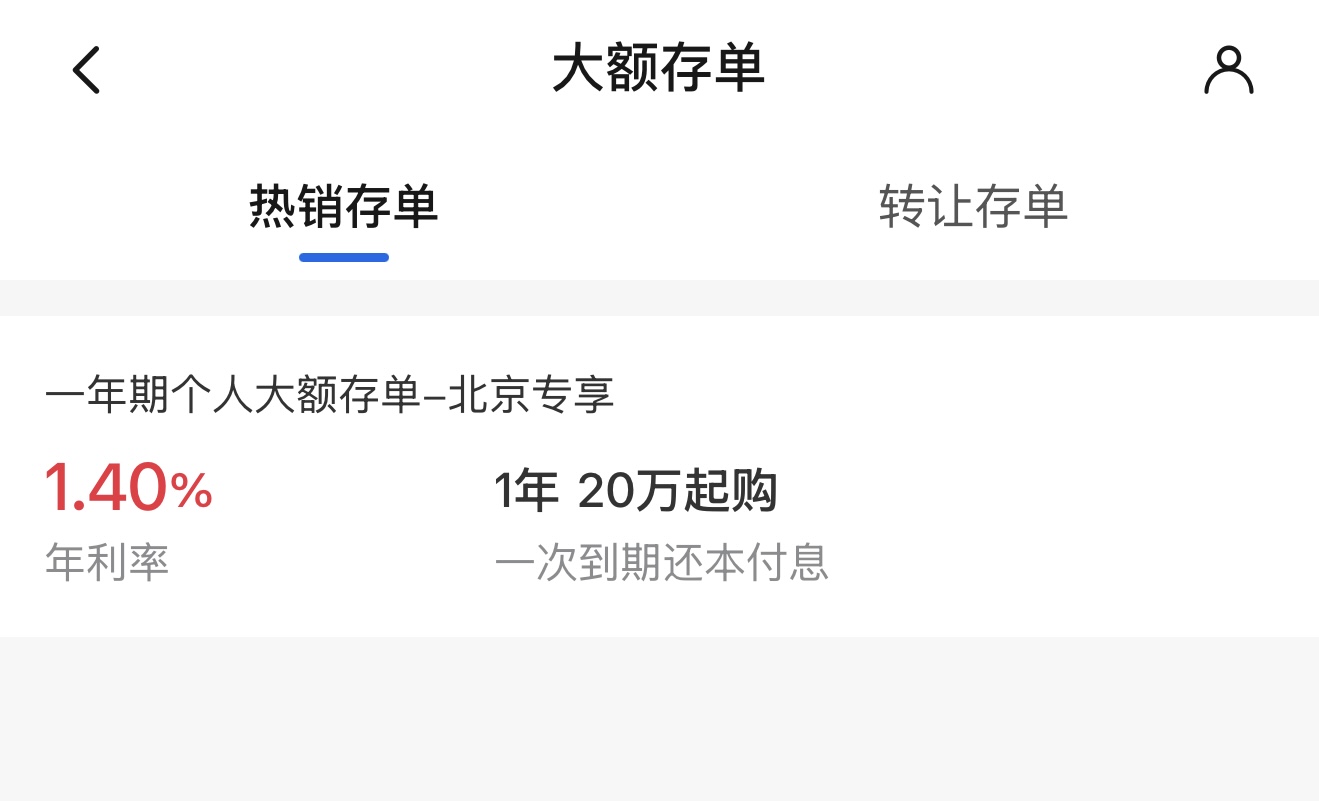
Core Viewpoint - The recent collective removal of 5-year large denomination certificates of deposit (CDs) by major Chinese banks indicates a shift in banks' strategies towards more cautious interest margin management and a potential reduction in the supply of long-term fixed-rate deposits [1][11]. Group 1: Market Changes - Major state-owned banks have collectively removed 5-year large denomination CDs from their mobile banking platforms, with current offerings limited to terms of 3 years or less, and interest rates ranging from 1.20% to 1.55% [1][2]. - The trend of discontinuing 5-year large denomination CDs is not new, as some institutions had already begun this practice last year [1]. - The interest rates for 3-year large denomination CDs are approximately 1.55%, with minimum purchase amounts typically set at 200,000 yuan [2]. Group 2: Historical Context - The development of large denomination CDs spans nearly 40 years, with their initial issuance by the Bank of Communications in 1986, followed by a long hiatus until their reintroduction in 2015 [5][6]. - The popularity of large denomination CDs surged around 2018 due to changes in the banking landscape, including the relaxation of interest rate caps and increased demand for fixed-term deposits [6]. Group 3: Financial Implications - The discontinuation of long-term high-interest deposits is primarily driven by banks' need to manage net interest margins more effectively, as the current environment of low loan rates and high deposit costs creates pressure on profitability [11]. - As of the end of Q3, the net interest margin for commercial banks was reported at 1.42%, indicating a challenging environment for maintaining high-interest deposit products [11]. Group 4: Customer Behavior - The removal of 5-year large denomination CDs has prompted customers to reconsider their investment strategies, shifting from a focus on high-interest deposits to a more diversified asset allocation approach [12][15]. - A survey indicated that 18.5% of residents are inclined to invest more, with non-principal guaranteed bank wealth management products becoming increasingly popular [14].






六大行集体下架五年期大额存单,低利率时代储户寻路多元配置
2 1 Shi Ji Jing Ji Bao Dao· 2025-12-03 13:03
Core Viewpoint - The recent collective removal of five-year large denomination certificates of deposit (CDs) by major Chinese banks indicates a shift in banks' strategies towards more cautious interest margin management and a potential reduction in the supply of long-term fixed-rate deposits [2][7]. Group 1: Market Changes - Major state-owned banks have collectively removed five-year large denomination CDs from their mobile banking platforms, with current offerings limited to terms of three years or less, and interest rates ranging from 1.20% to 1.55% [1][3]. - This year's trend deviates from the traditional year-end practice of increasing the supply of high-interest deposit products, raising market concerns [2][3]. - The interest rates for three-year large denomination CDs are approximately 1.55%, with minimum purchase amounts typically set at 200,000 yuan [3]. Group 2: Historical Context - The five-year large denomination CD has been a significant product in the banking sector for nearly 40 years, initially gaining traction in 1986 but facing a long hiatus until its reintroduction in 2015 [4][5]. - The product saw a surge in popularity starting in 2018, with interest rates exceeding 3% and even reaching 4% in some smaller banks, making it attractive to conservative investors [5][6]. Group 3: Current Trends and Implications - The decline in the attractiveness of five-year large denomination CDs is attributed to narrowing net interest margins, with many banks controlling the issuance of long-term CDs and reducing interest rates [6][7]. - As of the third quarter, the net interest margin for commercial banks was reported at 1.42%, indicating ongoing pressure on banks' profitability due to high deposit costs amidst declining loan rates [7]. - The shift towards a "differentiated supply" model suggests that only a few banks with strong liability demands may continue to offer long-term deposits, while others will focus on shorter-term products [2][7]. Group 4: Investor Behavior - The changes in the availability and attractiveness of large denomination CDs are prompting investors to diversify their asset allocation strategies, moving away from a focus solely on high-interest deposits [9][10]. - A survey indicated that 18.5% of residents are inclined to invest more, with non-principal guaranteed bank wealth management products becoming increasingly popular [9]. - Investors are now considering a mix of investment options, including stable wealth management products and money market funds, reflecting a shift in financial strategies in response to the changing market landscape [10][11].
六大行集体下架5年期大额存单,部分3年期产品已售罄
2 1 Shi Ji Jing Ji Bao Dao· 2025-12-03 12:30
Core Viewpoint - The recent collective removal of 5-year large denomination certificates of deposit (CDs) by major Chinese banks indicates a strategic shift towards more cautious interest margin management, reflecting banks' concerns over future interest rate trends [1][11]. Group 1: Market Changes - Major state-owned banks, including ICBC, ABC, BOC, CCB, and others, have removed 5-year large denomination CDs from their mobile banking platforms, with available terms now generally shortened to 3 years or less, and interest rates concentrated between 1.20% and 1.55% [1][2]. - The trend of reducing the supply of long-term fixed-rate deposits deviates from the traditional year-end practice of increasing such offerings to attract depositors [1][11]. - Some banks have indicated that even the 3-year CDs marked as "available" are often sold out, highlighting a significant shift in product availability [8]. Group 2: Historical Context - The development of 5-year large denomination CDs has spanned nearly 40 years, with their initial introduction in 1986 and a significant hiatus from 1997 until their reintroduction in 2015 [4][5]. - The popularity of these CDs surged around 2018 due to changes in the banking landscape, including the relaxation of interest rate caps and increased demand for fixed-term deposits [5]. Group 3: Financial Implications - The current banking environment is characterized by a narrowing net interest margin, which has led to a strategic decision to limit the issuance of long-term high-interest deposits, as they have become a burden rather than a tool for attracting deposits [11]. - As of the third quarter, the net interest margin for commercial banks was reported at 1.42%, reflecting ongoing pressure on profitability due to high deposit costs amidst declining loan rates [11]. Group 4: Customer Behavior - The discontinuation of 5-year large denomination CDs is prompting customers to shift their investment strategies from seeking high-interest deposits to diversifying their asset allocations [14][15]. - A survey indicated that 18.5% of residents are inclined to invest more, with non-guaranteed bank wealth management products becoming increasingly popular [14].