
消费新场景

Search documents
全市唯一!佛山创意产业园上榜广东消费新场景案例
Sou Hu Cai Jing· 2026-01-04 18:44
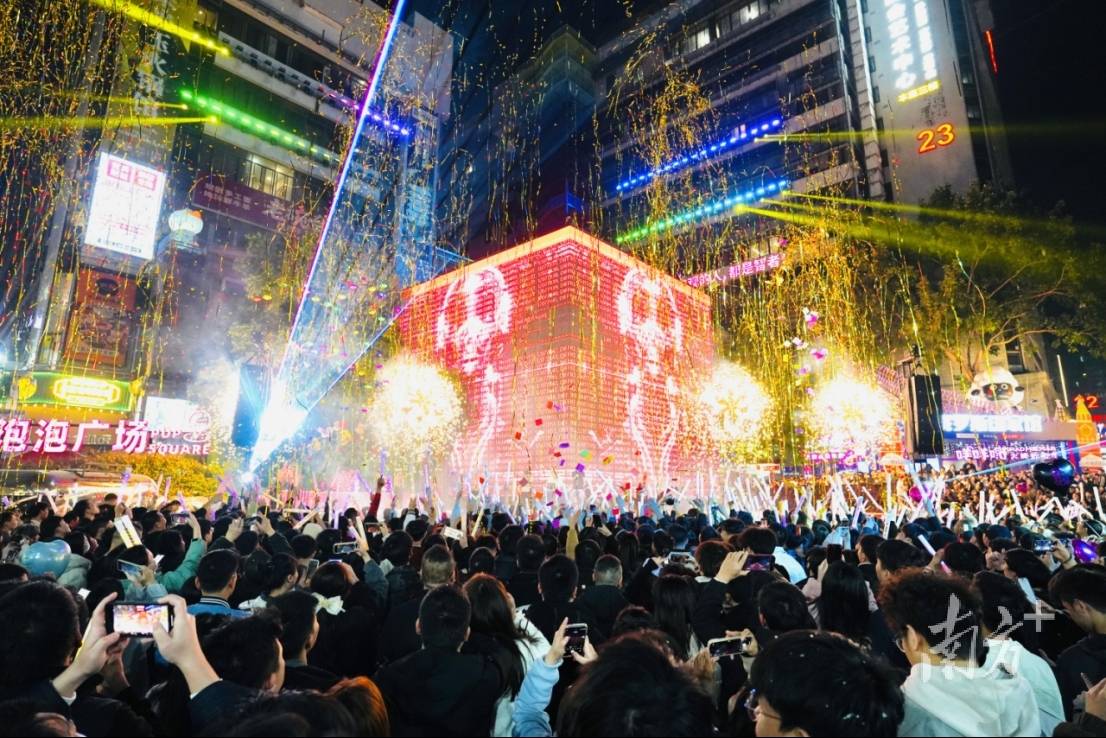
1月4日,南方+记者从禅城区文化广电旅游体育局获悉,"2025年广东消费新场景案例"于近日发布,由禅城区报送的"佛山创意产业园——旧厂焕新,创意常 新"案例成功上榜,为全市唯一登榜案例。 据悉,广东省发改委从全省报送的188个消费场景案例中评选出30个具有代表性的案例作为"2025年广东消费新场景案例"。 "旧厂焕新,创意常新"概括了佛山创意产业园成功上榜的缘由。园区前身是六家旧工厂。从2007年启动改造以来,佛山创意产业园经历18年的探索,找到了 自身的发展定位——打造以文化消费为主的文、商、旅、体、学、创、住七位一体的步行街区。 以"25H快乐智造厂"为核心,佛山创意产业园培育了美食品鉴新场景"佛山功夫夜市25H小吃街",亲子研学新场景"25H天空农场""25H梦想智造厂",创意演 艺新场景"泡泡广场裸眼3D秀"等多个消费新场景。 去年12月,佛山创意产业园正式揭牌"佛山市影视首发基地",提出将依托影视首发基地,推广"影视+佛山制造+商业+文旅+佛山功夫+佛山美食"多元化立体 城市形象,助力佛山创建粤港澳大湾区影视产业合作试验区。 目前,园区入驻了1000多户商家、企业,带动约2.5万人就业,日均客流量超 ...

冰上龙舟赛、稻田迷宫、冠军球队巡礼 “新玩法”激发消费潜力
Yang Shi Xin Wen Ke Hu Duan· 2026-01-04 06:45
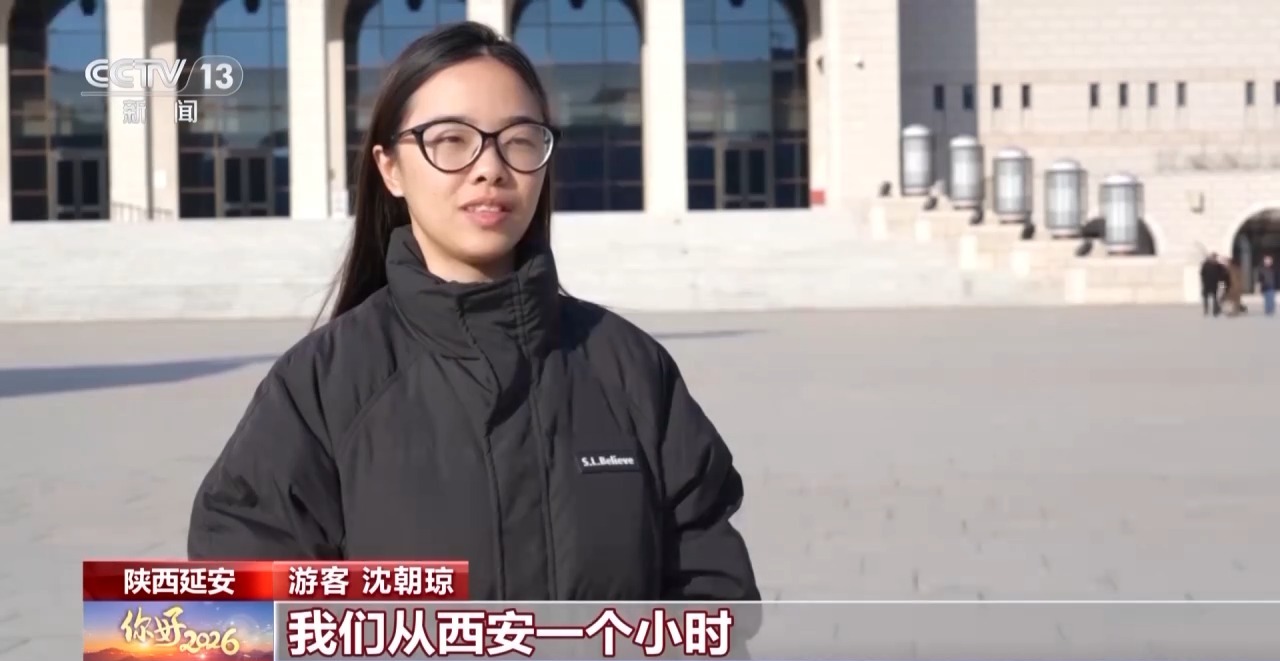
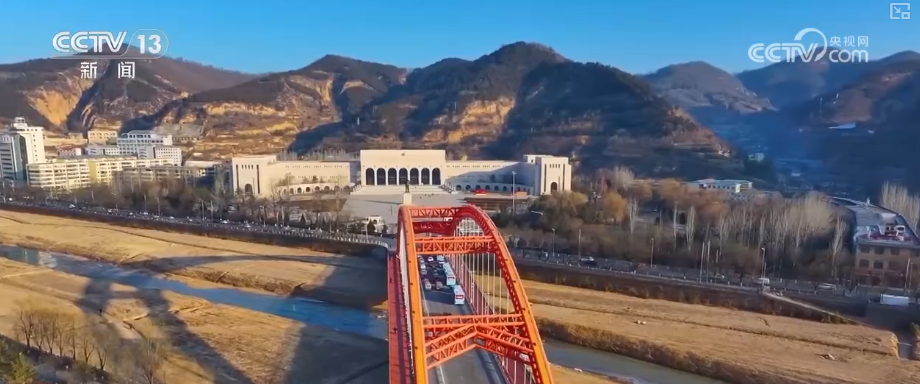
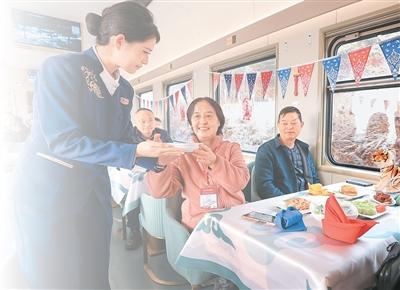
Core Viewpoint - The expansion of China's high-speed rail network is significantly enhancing travel convenience and stimulating the cultural tourism market by creating new travel corridors and increasing tourist traffic to various destinations [1][4]. Group 1: Impact of High-Speed Rail on Tourism - The opening of new high-speed rail lines has led to a notable increase in tourist visits, with the average daily attendance at the Yan'an Revolutionary Memorial surpassing 3,500 visitors, primarily driven by high-speed rail travelers [4]. - Predictions indicate that the total number of tourists in Yan'an could exceed 50 million annually following the high-speed rail's introduction [4]. - The high-speed rail network in Ningxia has established a "2-hour cultural tourism circle," attracting visitors from major regions such as Beijing-Tianjin-Hebei and the Yangtze River Delta [6]. Group 2: Innovative Travel Experiences - A new themed train traveling to Mohe, known as "China's North Pole," offers passengers immersive experiences of Northeast culture, including traditional activities and performances [10][12]. - Unique activities such as ice dragon boat races and straw maze experiences are emerging, enhancing consumer engagement and stimulating spending during the holiday season [14][18]. - The integration of sports events, like the Xiangchao League in Hunan, has led to a surge in visitor numbers, with 5.4 million attendees and a consumption boost of 620 million yuan [20]. Group 3: New Consumption Scenarios - The consumer market is witnessing a revitalization with innovative scenarios and new business formats, such as repurposed grain warehouses for art exhibitions and dining experiences in Jiangsu [22]. - In Shanghai, the influx of flagship stores into traditional markets is transforming them into trendy hotspots, enhancing consumer experiences with immersive product trials [24]. - A large tech store in Shenzhen allows customers to interact with robots and customize products, emphasizing the shift towards experiential retail [26].
新场景、新亮点不断涌现——元旦假期消费实现开门红
Ren Min Ri Bao· 2026-01-03 22:17
Core Viewpoint - The domestic market shows strong vitality and potential, with significant growth in cultural and tourism consumption during the New Year holiday, reflecting a robust economic recovery and consumer enthusiasm [1]. Group 1: Market Performance - During the New Year holiday, new commercial formats and brand openings attracted significant consumer traffic, with 675,000 visitors at Beijing's WellTown and sales exceeding 21 million yuan at ART PARK [2]. - Key monitored enterprises in Beijing achieved a total sales of 4.04 billion yuan during the holiday, with a daily average growth of 16.3% year-on-year [2]. - Major shopping districts in Beijing recorded a foot traffic of 28.226 million and total sales of 8.46 billion yuan [2]. Group 2: Cultural and Tourism Activities - The cultural tourism market thrived, with ticket bookings for Xi'an City Wall increasing by 134% year-on-year, and related searches for local food and accommodations also surged [3]. - The film industry performed well, with box office earnings surpassing 700 million yuan during the New Year period [3]. - The restaurant and accommodation sectors saw a significant increase in bookings, with popular cities experiencing a 1.6 times increase in homestay orders [3]. Group 3: Transportation and Travel - The New Year holiday saw a significant increase in travel, with an estimated 590 million people moving across regions, a 19.5% year-on-year increase [4]. - Railway passenger volume was projected at 48.223 million, up 53.1% year-on-year, while road travel reached 540 million, a 15.5% increase [4]. - The demand for ride-hailing services rose by 31%, with a notable increase in trips to tourist attractions and dining venues [5]. Group 4: Consumer Experience and Policy Support - The implementation of consumption policies, including subsidies for green and smart products, has stimulated market activity, with significant sales growth in the home appliance sector [7]. - The New Year holiday featured various cultural events and activities designed to attract younger consumers, enhancing the overall consumer experience [7]. - The expansion of visa-free travel and tax refund policies for foreign tourists contributed to a notable increase in international visitors, with a fivefold increase in inbound flight bookings to Sanya [7].
新玩法“圈粉”无数、“宝藏”打卡地体验感拉满 假期消费新意十足为文旅市场添活力
Yang Shi Wang· 2026-01-03 10:05
Group 1: High-Speed Rail Impact on Tourism - The expansion of China's high-speed rail network has transformed travel, making spontaneous trips a reality and significantly impacting people's lives [1] - The opening of new high-speed rail lines has created new "tourism corridors," injecting vitality into the cultural and tourism market [1] - After the high-speed rail opened, the Yan'an Revolutionary Memorial Hall has seen an average of over 3,500 visitors daily, with high-speed rail passengers being the main growth driver [5] - The city of Yan'an is expected to see its annual tourist volume exceed 50 million due to the high-speed rail [5] - The high-speed rail has not only improved travel speed but also introduced a new model for regional cultural and tourism industry development, creating a "2-hour tourism circle" for cities along the Ningxia rail network [7] Group 2: New Travel Trends and Experiences - Train travel has become a new trend for winter outings, with themed trains offering immersive experiences of regional culture, such as the "Shenzhou Arctic" train to Mohe [9] - Passengers on these themed trains can engage in traditional activities and enjoy performances, enhancing their travel experience [11] - The film market during the New Year holiday has seen a strong start, with box office revenues exceeding 620 million yuan, driving a consumption chain that includes dining and retail [12][14] - Various unique activities, such as ice dragon boat races and maze experiences, have emerged, stimulating consumer interest and enhancing the holiday experience [18][25] - The "Xiangchao" league in Hunan has significantly boosted local tourism and consumption, attracting 5.4 million visitors and generating 620 million yuan in revenue [28]
文旅融合,“玩”转新消费
Xin Lang Cai Jing· 2026-01-02 20:35
Group 1: New Year Activities and Cultural Events - Jiangsu province launched a series of diverse cultural and tourism activities to celebrate the New Year, enhancing the festive atmosphere for residents and tourists [1][2][3] - In Wuxi, the "2026 New Year Blessing" event featured a large crowd, traditional performances, and the launch of themed tourism routes to promote Wuxi as a "World Music City" [2] - Yangzhou's "Lake Light Reflecting Intangible Heritage" event combined natural beauty with traditional crafts, offering immersive cultural experiences through performances and interactive activities [3][4] Group 2: Tourism and Hospitality Trends - Nanjing's rural tourism saw a surge in popularity, with high occupancy rates in local homestays and a focus on family-oriented experiences [6] - In Yancheng, the "Taste of Wetlands" food promotion and cooking competition highlighted local culinary traditions, attracting visitors to experience regional flavors [7] - Suqian's winter-themed activities, including snowman building and a 10-kilometer run, aimed to create a vibrant holiday atmosphere and promote local tourism [8][9] Group 3: Economic Initiatives and Consumer Engagement - Wuxi introduced over 300 cultural and tourism integration activities along with ten consumer promotion measures to stimulate local spending during the holiday season [2] - Nantong launched a series of rural tourism promotional activities, including electronic coupons and new tourism routes, to boost consumer engagement and attract visitors [9] - Zhenjiang's revitalized old streets featured creative markets and interactive events to enhance consumer experiences and drive foot traffic [10][11]
精心打造消费新场景
Xin Lang Cai Jing· 2026-01-01 19:47
Group 1 - The core idea of the articles revolves around the development of a comprehensive event system in Guiyang during the New Year period, focusing on various themes to enhance cultural and tourism experiences [1] - Guiyang's initiatives, such as special trains and flights for New Year celebrations, reflect a proactive approach to meet public demand and enhance the tourism and cultural industry [1] - The shift from passive to active public service in the tourism sector aims to alleviate travel concerns and respect new consumption scenarios, fostering a more open and inclusive city atmosphere [1] Group 2 - The concept of "active response" in service is essential for creating new consumption scenarios, emphasizing the importance of understanding consumer needs and market trends [2] - The experience economy is highlighted as a new consumption model that requires innovation and deep understanding of consumer behavior, focusing on emotional resonance and immersive experiences [2] - The potential for economic growth lies in addressing diverse consumer demands and continuously innovating consumption scenarios to improve living conditions in Guiyang [2]
全力打造泉城特色旅游休闲城市
Xin Lang Cai Jing· 2026-01-01 00:15
(来源:邢台网) 转自:邢台网 城市的魅力,根植于其不可复制的文化底蕴。我市围绕打好百泉生态、历史文化、扁鹊康养、商务会 展、骑行运动"五张牌"持续发力,致力于推动文化创造性转化与创新性发展。系统构建的"一街一河五 湖十六泉"主体框架,将散落的泉文化、古城文脉串珠成链,形成可感知、可沉浸的城市文化景观体 系。从好南关花市街开街、邢台泉文化体验中心开放,到角楼广场修缮重现古城轮廓、320米文化轴线 浓缩千年历史,一批文旅新地标与提升后的经典景区,共同夯实了城市的文化厚度与独特辨识度。伴随 一批高品质酒店陆续开业、骑行绿道网络织密、交通路网持续升级,中心城区的综合承载力与吸引力显 著增强。这些扎实的空间优化与功能提升,正为城市"出新、出圈、出彩"铸就坚实根基。 这一年,邢襄大地甜蜜风吹,文旅业态更多元、引力更强劲。 现代旅游休闲城市的活力,源于持续涌现的消费新场景。我市敏锐把握发展趋势,推动文旅供给从观光 向深度体验加速转型。"政府引导+市场主导"模式有效激发了创新活力:以"中国七夕文化之乡"IP为引 擎,精心培育的"甜蜜经济"覆盖婚恋全产业链,成为拉动消费的新增长极;"泉城骑行"系列活动常态化 与创新化,塑造了 ...
新起点,新融合:多品牌开启消费新场景
Sou Hu Cai Jing· 2025-12-31 23:26
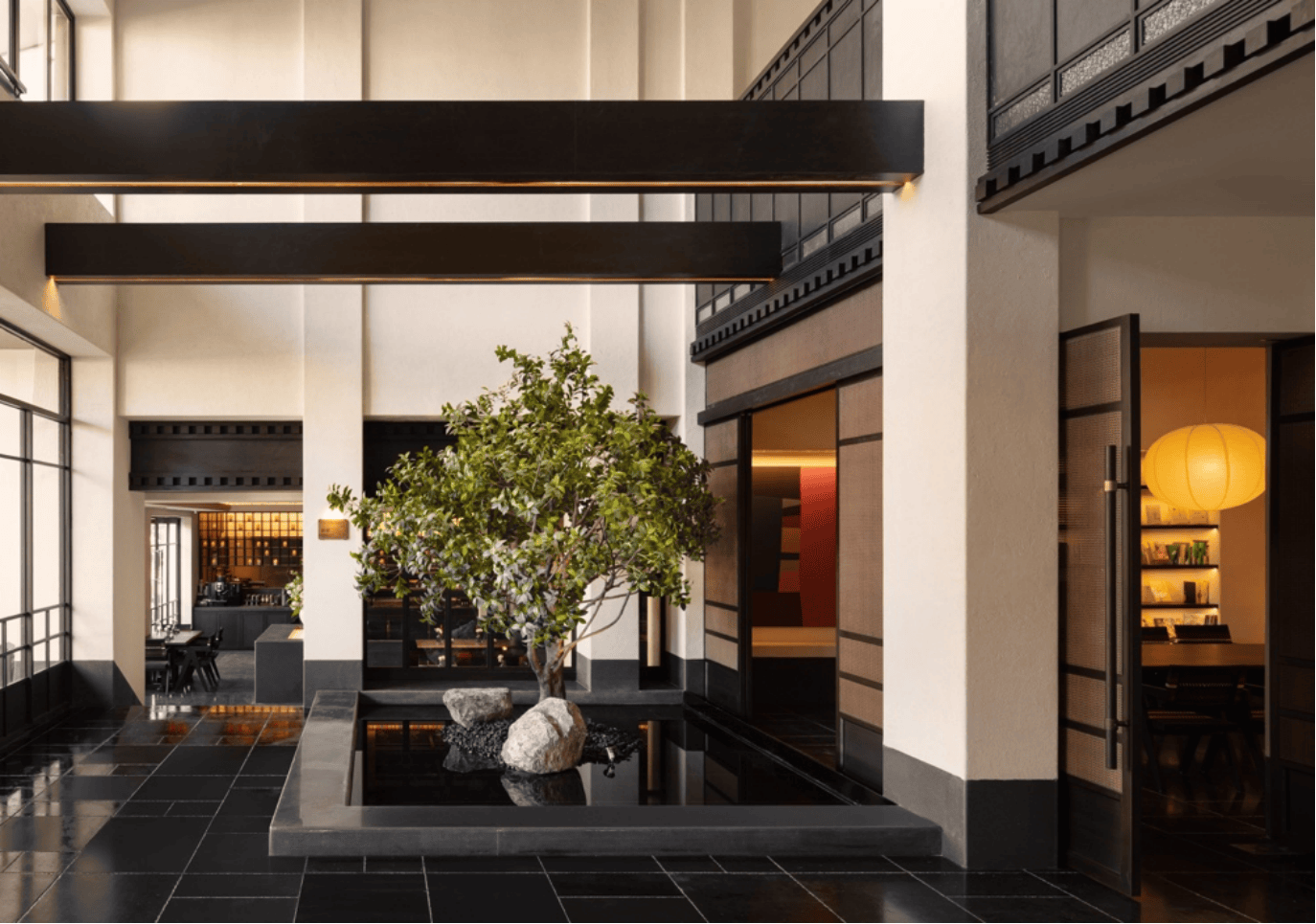
Group 1: Atour Group's Strategic Milestone - Atour Group has achieved its three-year strategic goal of "China Experience, Two Thousand Good Stores," marking the opening of its 2000th hotel in Shangri-La, Yunnan [2][4] - The new hotel signifies not only geographical expansion but also a return to the brand's original mission of providing the best experience in the service industry [4][6] - The company has built a diverse brand matrix that includes hotels and retail scenes, covering over 100 million quality lifestyle members [2][6] Group 2: Collaboration between Chengdu Gifts and Kenyue Coffee - The collaboration between Chengdu Gifts and Kenyue Coffee has resulted in the launch of a themed concept store, emphasizing the integration of urban cultural IP with popular consumer brands [7][9] - This partnership aims to create a series of co-branded products that incorporate "Chengdu elements" into everyday consumption, enhancing local cultural representation [11] - The initiative is expected to strengthen brand recognition for Kenyue Coffee while allowing Chengdu Gifts to reach a younger consumer demographic, achieving mutual benefits in cultural dissemination and brand growth [11]

关键词里感受活力中国
Ren Min Ri Bao Hai Wai Ban· 2025-12-24 22:46
Core Insights - The article highlights the vibrant trends in China's economy for 2025, showcasing various sectors such as consumer goods, tourism, and technology, emphasizing the potential for growth and innovation in the market. Group 1: Consumer Goods and Upgrading - In the first 11 months of the year, over 10 million cars and more than 100 million home appliances were exchanged under the "old for new" policy, generating over 2.5 trillion yuan in sales and benefiting over 360 million people [13][14] - The "old for new" policy has stimulated consumer demand for high-quality, green, and smart products, with significant growth in sales of smart home products and new energy vehicles, which saw production and sales of 14.9 million and 14.78 million units respectively, marking year-on-year increases of 31.4% and 31.2% [14] Group 2: Ticket Economy - The concept of "ticket economy" has evolved, transforming tickets from mere entry passes to "invitations" for exploring cities, with various benefits linked to ticket purchases, enhancing consumer experiences [15][16] - Cities are leveraging the ticket economy to stimulate consumption, with Shanghai incorporating it into its consumption promotion plans, indicating a broader trend of integrating service consumption with various activities [16] Group 3: New Consumption Scenarios - Innovative consumption scenarios are emerging across China, such as transforming industrial heritage into interactive experiences and repurposing highway service areas into diverse consumer spaces [17][18] - The development of new commercial scenes is being prioritized, with cities like Beijing focusing on enhancing shopping districts and creating vibrant night-time economies that integrate culture, tourism, and entertainment [18] Group 4: Robotics Industry - China remains the world's largest producer of robots, with the industry expected to grow significantly, as evidenced by the increase in revenue from 106.1 billion yuan in 2020 to 237.89 billion yuan in 2024, with an annual growth rate of 22.4% [21][22] - The integration of robots into various sectors, including home services and sports, is becoming more prevalent, showcasing the potential for robots to revolutionize multiple industries [20][21] Group 5: Rural Economy and "Village Brands" - The "village brand" phenomenon is gaining traction, with various cultural and tourism activities driving local economies, as evidenced by the economic benefits of over 13.09 billion yuan generated from rural cultural events [23][24] - The retail sales in county and rural areas accounted for 38.7% of total social retail sales, highlighting the significant growth potential in these markets [24] Group 6: Silver Economy and Tourism - The silver tourism market is expanding, with specialized trains catering to older travelers, reflecting a shift towards more personalized and fashionable travel experiences for this demographic [25][26] - The number of elderly tourists now constitutes over 20% of the total tourism market, indicating a growing trend in silver tourism that is becoming more mainstream [26][27] Group 7: International Tourism and Shopping - The extension of the 240-hour visa-free transit policy to 55 countries has significantly boosted inbound tourism, with a 27.2% increase in foreign visitors compared to the previous year [28][29] - The rise in international tourists is contributing to a surge in shopping, with over 10,000 duty-free stores established, tripling the number from the previous year, and a notable increase in duty-free sales [28][29]
新场景激发新活力——来自三地消费市场的调查
Ren Min Ri Bao· 2025-12-24 06:44
Core Viewpoint - The Central Economic Work Conference emphasizes the importance of expanding the supply of quality goods and services, highlighting the significance of new consumption scenarios in integrating new business formats, models, and products [1] Group 1: Consumption Scenarios and Integration - The State Council's implementation opinion stresses the need to strengthen cross-industry integration in commerce, culture, tourism, sports, health, and transportation to create impactful new consumption scenarios [1] - Local explorations in enhancing the supply of quality goods and services through cross-industry integration and new consumption scenarios are being actively pursued [1] Group 2: Case Studies of Successful Integration - In Jiangxi's Yingtan, the "Tiger Mountain Chestnut" brand has successfully integrated agriculture and tourism, achieving annual sales exceeding 1.2 billion yuan through a "farm-tourism integration" model [2] - The establishment of a smart cold storage system has extended the sales period of chestnuts from 3 months to 9 months, significantly increasing the planting area and benefiting over 1,200 farmers with an average income increase of 3,000 yuan [2] Group 3: Regional Development and Consumer Behavior - In Xinjiang's Yining, the opening of the Xingyue Mall attracted over 120,000 visitors on its first day, featuring 240 brands, including 57 first-time entries into the market, showcasing a strong demand for diverse consumption experiences [4][5] - The development of commercial facilities in third and fourth-tier cities is crucial to meet the rising demand for quality living and new experiences among young consumers [6] Group 4: Digital Transformation in County-Level Markets - In Shandong's Leling, the opening of a new fruit market equipped with a big data system has transformed the sales strategy of local fruit vendors, leading to a 60% increase in apple sales within the first month [7][8] - The implementation of digital rural initiatives is guiding the transformation of trade and commerce enterprises, promoting high-quality development in county-level markets [8][9]