诚信经营

Search documents
国庆婚恋服务不打烊:诚信应是市场永恒底色
Sou Hu Cai Jing· 2025-10-02 06:00
Core Viewpoint - The article highlights the dual nature of the marriage market during the National Day holiday, emphasizing both the genuine desire for connection and the prevalence of fraudulent practices that undermine trust and integrity in the industry [2][3][4]. Group 1: Issues in the Marriage Market - The marriage market is plagued by various fraudulent activities, including "marriage brokers" who exploit singles' emotional needs for profit through deception and manipulation [2][3]. - "Drinking scams" are prevalent, where individuals lure men into high-cost consumption under the guise of romantic interest, severely damaging market integrity and trust [3]. - "Marriage fraud" involves individuals creating false identities to extract significant financial resources from victims, leading to emotional and financial devastation [3]. - Some marriage agencies contribute to these issues by neglecting ethical standards and failing to verify member information, thus facilitating the proliferation of scams [3][4]. Group 2: Commitment of Legitimate Agencies - Legitimate marriage agencies, such as Meida Military Spouse Matchmaker, emphasize the importance of integrity and responsibility by implementing strict member verification and rejecting false matchmaking [4]. - The core value of marriage services should focus on safeguarding happiness rather than merely facilitating transactions, which can foster consumer trust and promote healthy industry growth [4]. Group 3: Collaborative Solutions - Improving the marriage market requires a collective effort from various stakeholders, including consumers, industry players, and regulatory bodies [4]. - Consumers should remain vigilant and choose reputable agencies, avoiding misleading promises of perfect matches [4]. - The industry must enhance self-regulation and establish robust mechanisms for information verification and service oversight [4]. - Regulatory authorities should intensify efforts to combat fraudulent practices and establish clear guidelines for industry participation [4].


别让违约涨价辜负黄金时段
Jing Ji Ri Bao· 2025-09-30 22:05
Core Viewpoint - The tourism market is experiencing increased demand during the National Day and Mid-Autumn Festival, but some hotels are engaging in "breach of contract price hikes," misleading consumers with inflated original prices and deceptive discounts [1][2]. Group 1: Market Dynamics - The fluctuation in hotel prices during holidays is a normal phenomenon driven by supply and demand, with increased bookings and rising operational costs justifying higher prices [1]. - Some hotels are unreasonably canceling bookings and raising prices, which deviates from the principles of contract and market regulations [1]. Group 2: Industry Recommendations - Hotel operators are encouraged to adopt a long-term perspective, focusing on integrity and service quality to build a positive brand reputation during peak holiday traffic [1]. - Utilizing social media effectively can help hotels enhance their reputation through quality service and honest business practices, leading to better customer loyalty and market returns [1]. Group 3: Consumer Rights - Consumers are urged to strengthen their awareness of rights and actively protect themselves against "breach of contract price hikes" by retaining evidence and pursuing legal avenues if necessary [1]. - Proactive consumer rights protection not only benefits individual interests but also pressures businesses to improve practices, fostering a healthier industry environment [1]. Group 4: Regulatory Actions - Regulatory bodies are advised to enhance monitoring of pricing information on booking platforms and conduct on-site inspections to ensure compliance among businesses [2]. - Establishing clear channels for consumer rights protection and reducing the costs associated with such actions are essential for maintaining market order [2].
百年前寿险大王吕岳泉的经营之道
Sou Hu Cai Jing· 2025-09-30 09:53
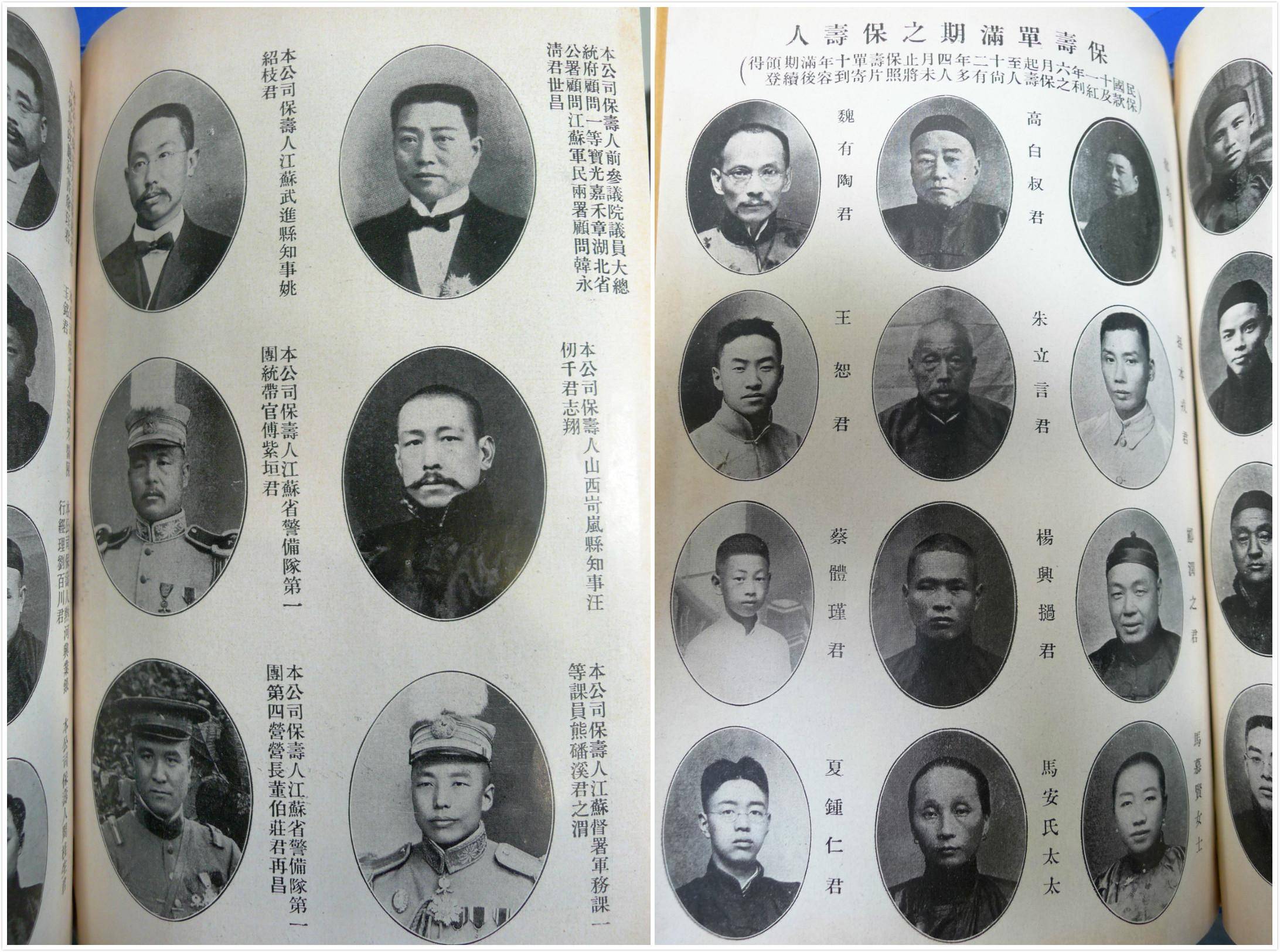
Core Insights - Lü Yuequan is recognized as the founder of China's life insurance industry and established Hu'an Insurance Company, the first Chinese-owned life insurance firm, in 1912, which became a benchmark in modern financial history and the insurance sector [1] Group 1: Achievements - Talent Strategy: Lü Yuequan invited prominent political and business figures to join the company, enhancing its reputation and credibility. He also hired foreign experts to train local employees, which rapidly elevated the company's professional standards [2] - Integrity in Operations: The company prioritized claims service, exemplified by its prompt payment of full compensation to the family of a policyholder who died shortly after purchasing insurance, setting a standard for the industry [4] - Innovative Promotion: To combat competition from foreign insurance companies, Hu'an adopted a multi-faceted promotional strategy, including advertising in major newspapers and establishing its own publications to disseminate insurance knowledge [5][6]
启动沉香行业“放心消费承诺”考评,以诚信护航“世界香都”建设
Sou Hu Cai Jing· 2025-09-29 13:40
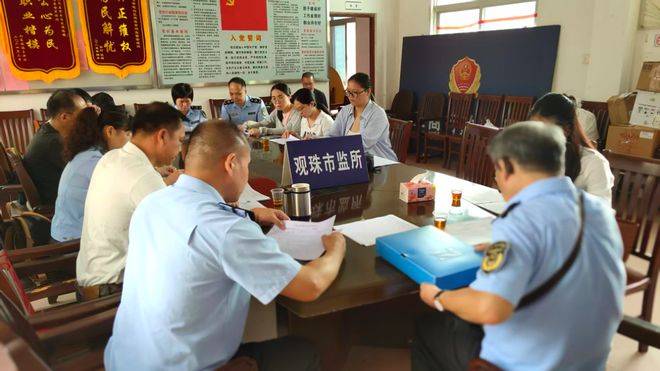
Core Points - The initiative aims to standardize the operations of agarwood merchants in Dianbai, enhancing consumer trust and promoting the region's tourism brand upgrade from "Hometown of Agarwood" to "World Capital of Fragrance" [1] - A comprehensive evaluation of 23 agarwood enterprises was conducted based on a credit scoring system that includes 21 core indicators, assessing compliance, social responsibility, and credit status [3] - The collaborative evaluation model involving multiple departments ensures professionalism and credibility, reflecting the government's commitment to industry standardization and integrity [5] Evaluation Criteria - The credit scoring system consists of three main dimensions: operational compliance, social responsibility, and credit status, with a total score of 100 points [6] - Key indicators include legal qualifications, operational transparency, product quality, and tax contributions, which are essential for assessing the overall credibility of the enterprises [6] - The focus on integrity is seen as a cornerstone for sustainable development in the Dianbai agarwood industry, distinguishing it from other regions and driving high-quality growth [6]
坚持诚信经营 北京烹协发布国庆中秋假期餐饮倡议书
Bei Jing Shang Bao· 2025-09-29 07:25
Core Viewpoint - The Beijing Catering Association issued a proposal for the 2025 National Day and Mid-Autumn Festival holiday catering services, emphasizing safety, fair pricing, and waste reduction in the industry [1][2]. Group 1: Safety Measures - Catering enterprises are required to conduct comprehensive safety risk assessments before the holiday, focusing on fire safety, kitchen operations, gas usage, electrical management, and evacuation routes to ensure no blind spots [1]. - Strict adherence to food safety laws is mandated, covering all aspects from raw material procurement to storage and transportation, with an emphasis on pest control and water safety to prevent food safety incidents [1]. Group 2: Pricing and Market Conduct - The proposal stresses the importance of fair, legal, and honest pricing practices, prohibiting arbitrary price increases during the holiday and ensuring clear pricing without misleading discounts or hidden fees [1]. - Catering businesses are encouraged to maintain a fair market order and protect consumers' rights to information and fair transactions [1]. Group 3: Service Preparation and Innovation - Catering enterprises should analyze holiday market demand in advance, preparing food supplies, staff allocation, and equipment maintenance, while enhancing employee training and service efficiency [2]. - There is an encouragement to innovate and offer dishes that reflect Beijing's characteristics and align with health principles, providing diverse service options such as dine-in, reservations, takeout, and delivery [2]. Group 4: Waste Reduction and Sustainability - The proposal advocates for reducing food waste through precise procurement, scientific storage, and reasonable meal distribution, promoting the "Clean Plate Campaign" to encourage rational consumption [2]. - Catering businesses are urged to offer smaller portion sizes, encourage takeout of leftovers, and use eco-friendly packaging materials, fostering a new trend of green, low-carbon, and economical dining consumption [2].
苏州市姑苏诚信经营商户联盟成立
Sou Hu Cai Jing· 2025-09-26 12:21
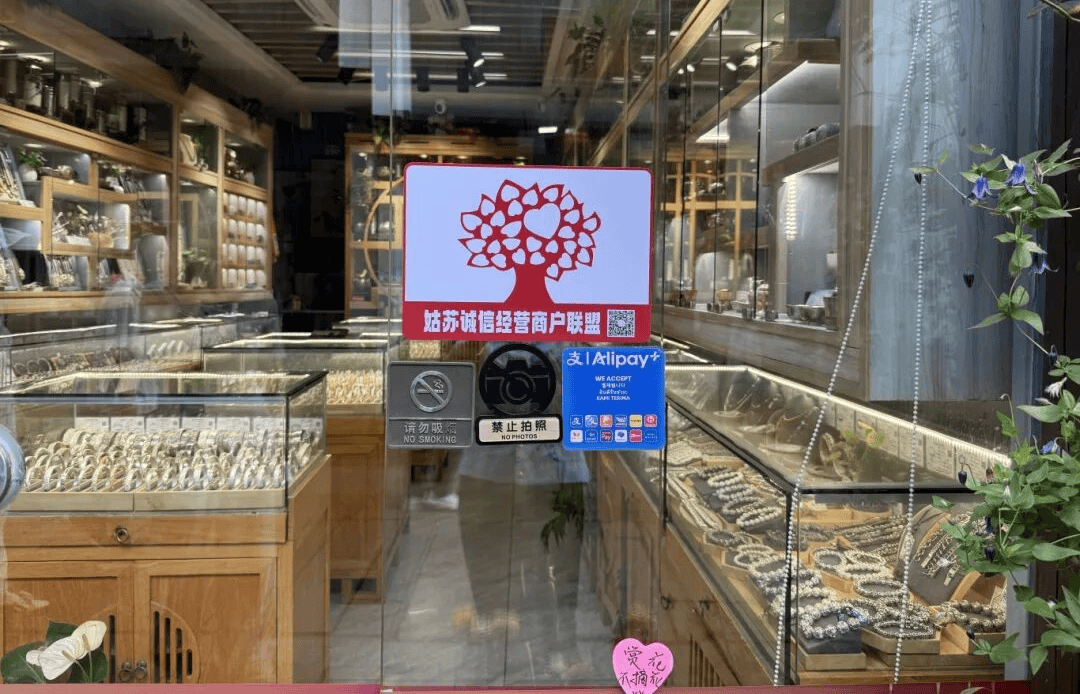
国庆中秋假期将至,苏州姑苏古城即将迎来旅游高峰。为进一步提升市民游客体验,姑苏区积极营造诚信经营的良好市场环境,致力于让每一位消费者吃 得安心、买得放心、逛得舒心。 9月26日,姑苏诚信经营商户联盟及观前商圈、石路商圈、平江路、山塘街、十全街五个分联盟(以下简称"联盟")正式成立。联盟将以"优化姑苏区营商 环境,提高商户诚信经营意识,促进姑苏区经济健康、有序、可持续发展"为宗旨,在全区推进"诚信经营在姑苏"行动,通过组织认定诚信经营商户,强 化诚信经营管理,全面营造诚信有序的经营环境、安全放心的消费环境。 着力打造"诚信姑苏" 在联盟成立大会上,人民商场被推选为总联盟会长单位,人民商场、苏州华贸中心、平江华府酒店、杜三珍、嘿啰面包被推选为观前商圈、石路商圈、平 江路、山塘街、十全街五个分联盟的会长单位。 根据联盟制定的《姑苏诚信经营商户认定标准》,"姑苏诚信经营商户"必须同时符合食品安全、质量保障、明码标价、诚信计量、真实宣传、合同履行、 公平竞争、售后服务八个条件。经营主体自愿签订《诚信经营承诺书》,在经营活动中没有违背自愿承诺内容、没有违法失信行为的,就可认定为"姑苏 诚信经营商户"。联盟授予其统一的"姑 ...
警惕“好评”陷阱
Xin Lang Cai Jing· 2025-09-25 17:16
Core Viewpoint - The prevalence of fake reviews in online shopping, driven by practices like "brushing," undermines consumer trust and market integrity [1][2][3] Group 1: Case Study and Legal Framework - A recent case in Henan province resulted in a five-and-a-half-year prison sentence and a fine of 6.25 million yuan for an individual involved in organizing fake reviews [1] - The practice of "brushing" involves creating false sales and positive reviews to artificially inflate a store's reputation without actual transactions [1][2] - Legal regulations, such as the Anti-Unfair Competition Law and the Interim Provisions on Online Anti-Unfair Competition, prohibit businesses from engaging in false transactions and misleading promotions [2] Group 2: Market Impact and Consumer Experience - The phenomenon of "brushing" leads to a cycle where genuine businesses struggle to compete against those that manipulate reviews, ultimately harming the overall consumer ecosystem [2] - Consumers often encounter incentives for leaving positive reviews, such as cash back or rewards, which can blur the lines of ethical behavior in online shopping [2] Group 3: Solutions and Recommendations - Addressing the issue of fake reviews requires a collaborative effort from merchants, consumers, platforms, and regulatory bodies [3][4] - Merchants should focus on genuine customer experiences to build real reputations, while consumers need to be vigilant about identifying fake reviews [3] - Platforms must invest in technology to detect and penalize fraudulent review practices, and regulatory authorities should enforce strict penalties across the supply chain [3][4] - Establishing a mechanism that rewards integrity and punishes dishonesty can shift the focus from "brushing" to genuine business practices [4]
新华网视评|节假日不能是“宰客日”
Xin Hua She· 2025-09-25 06:20
Core Viewpoint - The recent surge in hotel prices during the National Day holiday in Jiangxi's Jingdezhen has led to an investigation by local market regulatory authorities, highlighting consumer concerns over price gouging during peak travel times [2] Group 1: Price Surge and Consumer Impact - Hotel prices skyrocketed from under 100 yuan to over 1000 yuan during the holiday period, causing significant consumer dissatisfaction [2] - The price increase is attributed to concentrated holiday demand and rising labor costs, which are generally accepted as market norms, but the key issue is the definition of "moderate" price increases [2] Group 2: Regulatory Response - China's pricing law explicitly prohibits price gouging, and multiple regions have issued reminders to regulate pricing behavior during holidays, setting clear boundaries for businesses [2] - Businesses are required to avoid significant price hikes unless there is a clear increase in costs, and they must adhere to government pricing guidelines to prevent illegal charges [2] Group 3: Long-term Business Practices - The article emphasizes that holidays should not become "customer exploitation days," advocating for integrity in business practices as a sustainable approach [2] - Finding a balance between market dynamics and consumer rights is essential for fostering a trustworthy consumption environment and stable business operations [2]

透视西贝“预制”风波:企业的“退”与行业的“进”
Shang Hai Zheng Quan Bao· 2025-09-17 15:05
Core Viewpoint - The incident involving Xibei and the controversy over pre-prepared dishes highlights a significant trust crisis in the restaurant industry, emphasizing the need for transparency and consumer rights in the context of pre-prepared food becoming the norm [1][2][3] Group 1: Company Response - Xibei has acknowledged its shortcomings in meeting customer expectations regarding food preparation methods and has committed to nine corrective measures, including shifting more cooking processes to in-store preparation [1][5][6] - The founder of Xibei, Jia Guolong, has stated the intention to adopt a transparent approach, admitting that the production methods did not align with customer expectations [5][6] Group 2: Industry Implications - The controversy has exposed a gap in industry integrity, with experts suggesting that large chain restaurants should clearly communicate their food processing methods to satisfy consumer rights [2][3] - The incident may serve as a catalyst for the restaurant industry to move towards greater standardization and transparency, potentially leading to a healthier development of the pre-prepared food sector [8][9] Group 3: Regulatory and Market Trends - The pre-prepared food industry is at a critical juncture, with regulatory frameworks being developed to enhance transparency and consumer safety, including labeling requirements for pre-prepared dishes [4][8] - As consumer demand for transparency increases, more restaurants may abandon anonymous supply chains in favor of partnerships with reputable pre-prepared food suppliers, fostering a shift towards brand-oriented business models [8][10] Group 4: Consumer Behavior and Future Outlook - The growing consumer base, particularly among younger generations, is expected to drive the pre-prepared food market, with an anticipated annual growth rate of 20% to 30% [10] - The need for regulatory improvements and public education on pre-prepared food processes is essential to rebuild consumer trust and ensure the industry's sustainable growth [10][11]
山东省保险行业协会发布保险机构“为民办实事”“我为诚信代言”示范案例
Qi Lu Wan Bao· 2025-09-17 05:20
Group 1: Financial Education and Integrity Initiatives - Shandong Financial Regulatory Bureau and other institutions launched the Shandong 2025 Financial Education Promotion Week, highlighting the importance of financial literacy [1] - The Shandong Insurance Industry Association released demonstration cases for insurance institutions focusing on "serving the public" and "advocating integrity" [1] - Pacific Insurance Shandong Branch emphasizes integrating "integrity" into its core values, establishing a quality inspection mechanism and involving external supervision to enhance public trust [3] Group 2: Community and Risk Management Services - People’s Insurance Shandong Branch established the first "New Citizen Insurance Mediation Room" to address diverse insurance service needs, successfully resolving 69 out of 74 mediation cases [2] - Pacific Insurance Shandong Branch actively engages in disaster prevention services across various sectors, including traffic safety and elderly care, with initiatives like installing electronic zebra crossings and CO monitoring devices for elderly residents [4] - China Life Shandong Branch's "Golden Wheat Ear" plan provides risk coverage of 237 million yuan for over 1,000 farmers, while also supporting rural education and promoting agricultural products [7] Group 3: Innovative Insurance Solutions - China Life Shandong Branch collaborates with Tsinghua University on a project combining liability insurance with data-driven safety management, addressing safety risks in nearly 3,000 enterprises [6] - Pacific Life Shandong Branch's "instant claim" service exemplifies commitment to customer service, achieving a 5-hour payout of 200,000 yuan for a critical illness claim through a coordinated effort across three cities [10] - Sunshine Life Shandong Branch's "Sunshine Star Love Plan" has funded the construction of 7 schools in remote areas, benefiting over 1,400 children and improving educational infrastructure [12]