
长期价值投资

Search documents
友邦人寿闯入资管界,75后欧阳理良成了关键人物
Xin Lang Cai Jing· 2026-01-05 11:45
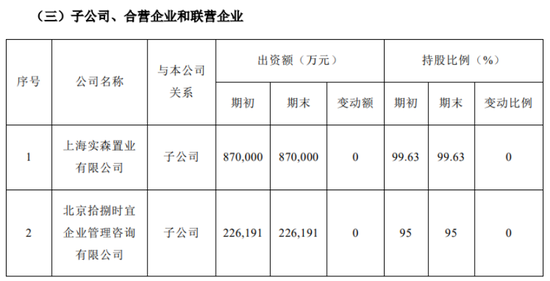
Core Insights - Ouyang Liliang has been actively participating in public events in 2025, marking a significant year following his promotion to Chief Investment Officer of AIA Life Insurance in November 2024 [1][10][11] - AIA Life Insurance has shown strong financial performance in 2025, with insurance business revenue reaching 72.816 billion yuan, a year-on-year increase of 16.64%, and net profit of 10.382 billion yuan, up 126.33% [5][16] Company Leadership - Ouyang Liliang holds multiple positions, including Assistant General Manager and Chief Investment Officer at AIA Life Insurance, and is also the chairman of Shanghai Shisen Real Estate and Beijing Shibayi Consulting [1][12] - He has over 25 years of experience in the insurance industry and has held significant investment management roles across various countries and regions before joining AIA in 2022 [1][12][13] Asset Management Development - AIA Insurance Asset Management Co., Ltd. was established and approved for operation, becoming one of the first foreign-owned insurance asset management companies in Shanghai [3][14] - The company has a registered capital of 100 million yuan, with Ouyang Liliang as the legal representative and Zhang Xiaoyu as the chairman [4][15] Financial Performance - As of the end of Q3 2025, AIA Life Insurance reported total assets of 482.243 billion yuan and net assets of 44.987 billion yuan [6][17] - The core solvency ratio and comprehensive solvency ratio were 242% and 358%, respectively, indicating a decline of 46 and 52 percentage points from the previous quarter [7][18] Policy and Strategy - AIA Insurance Asset Management aims to focus on long-term value investment strategies, emphasizing technology, green investments, and pension-related sectors [5][16] - The company is currently addressing the challenge of how to empower its asset management business to support AIA Life Insurance effectively [6][17] Policyholder Behavior - The comprehensive surrender rate increased from 0.47% at the end of Q2 2025 to 0.68% at the end of Q3 2025, with significant surrender amounts reported for specific products [8][19] - The top three products with the highest surrender amounts included AIA Yongqing Pension Group Annuity Insurance, AIA Zhizunbao Whole Life Insurance, and AIA Shuangying Life Insurance, with cumulative surrender rates of 13.66%, 4.03%, and 6.78%, respectively [8][20]

“股神”巴菲特,正式退休!
Sou Hu Cai Jing· 2026-01-01 13:15
在掌舵 60 年后,巴菲特决定退居幕后,将首席执行官职位移交给负责公司非保险业务的资深高管格雷 格・阿贝尔(Greg Abel)。不过,巴菲特并不会完全离开,他将继续担任公司董事长,并保持控股股 东的地位,确保持续的影响力。 作为对比,包含股息在内的标普 500 指数同期总回报率为 39054%。这一巨大的差距直观地展示了巴菲 特长期价值投资策略的威力,确立了其在金融史上不可动摇的地位。 伯克希尔的 A 类股股价已从 20 世纪 60 年代收购初期的每股 19 美元,飙升至如今的超 75 万美元。假 如投资者在 1965 年向该公司投入 100 美元,这笔资金如今将增长至近 1000 万美元;相比之下,同期投 资标普 500 指数仅能获得约 90 美元的回报。 现年 95 岁的传奇投资人沃伦・巴菲特(Warren Buffett)今天(2026 年 1 月 1 日)正式卸任伯克希尔・ 哈撒韦公司(Berkshire Hathaway)首席执行官一职, 结束了其长达 60 年的掌舵生涯。 2018 年股东周末期间,巴菲特在博尔斯海姆酒店与比尔・盖茨打牌,图源:WikiMedia 巴菲特,图源:WikiMedia ...

公募基金销售新规落地,明年起投资成本直降
Di Yi Cai Jing Zi Xun· 2025-12-31 14:53
12月31日,《公开募集证券投资基金销售费用管理规定》正式发布,明年1月1日起实施,标志着历时两 年多的公募基金费率改革全面收官! 编辑|瑜见 作为改革最后关键一步,销售费率调整力度拉满,全行业销售费用降幅达34%,预计每年可为投资者节 省约300亿元。叠加前两阶段降费,累计每年让利超500亿元,超额完成改革目标。 新下发的《管理规定》用两大硬核机制引导长期持有!一是赎回费全额归入基金财产,彻底切断销售机 构靠"赎旧买新"赚流量的动力;二是非货币市场基金持有满1年即免销售服务费。一"堵"一"引",从制 度上引导投资者告别短炒,拥抱长期价值投资。 记者|曹璐 ...
公募基金销售新规落地,明年起投资成本直降
第一财经· 2025-12-31 13:29
新下发的《管理规定》用两大硬核机制引导长期持有!一是赎回费全额归入基金财产,彻底切断销售机 构靠"赎旧买新"赚流量的动力;二是非货币市场基金持有满1年即免销售服务费。一"堵"一"引",从 制度上引导投资者告别短炒,拥抱长期价值投资。 12月31日,《公开募集证券投资基金销售费用管理规定》正式发布,明年1月1日起实施,标志着历时 两年多的公募基金费率改革全面收官! 作为改革最后关键一步,销售费率调整力度拉满,全行业销售费用降幅达34%,预计每年可为投资者 节省约300亿元。叠加前两阶段降费,累计每年让利超500亿元,超额完成改革目标。 记者|曹璐 编辑 |瑜见 ...

友邦保险资管获批开业:以专业赋能实体,开启“投资中国”新篇
Huan Qiu Wang· 2025-12-31 13:25
Core Viewpoint - AIA Insurance Asset Management Co., Ltd. has received approval from the Shanghai Regulatory Bureau of the National Financial Supervisory Administration to commence operations, marking it as one of the first foreign-owned insurance asset management companies in Shanghai [1][2] Group 1: Company Overview - AIA Insurance Asset Management will adopt a diversified, segmented, and specialized development strategy to enhance long-term investment capabilities and better match long-term liabilities [1] - The company aims to meet the growing investment needs of insurance funds and contribute to the development of China's real economy while cultivating local asset management talent with an international perspective [1] Group 2: Strategic Focus - The asset management firm will focus on long-term value investment strategies, emphasizing stability of returns, term adaptability, and diversified layouts to improve fund utilization efficiency [1] - AIA Insurance Asset Management plans to leverage the characteristics of insurance capital as "patient capital" to increase investments in strategic areas such as technology, green initiatives, and pension funds [1] Group 3: Market Context - The establishment of AIA Insurance Asset Management is seen as a response to the growing demand for "patient capital" in the context of an aging population and expanding domestic insurance fund scale [2] - The company will benefit from AIA Group's global investment perspective and governance framework, as well as AIA Life's extensive experience in the Chinese market [2]
上海首批外资独资保险资管来了,友邦资管、荷全资管获批开业
Di Yi Cai Jing· 2025-12-31 12:46
金融业对外开放又一重要举措在沪落地,上海国际金融中心机构集聚性持续增强。 友邦保险资管相关负责人表示,将根据主要资金委托方友邦人寿的资金久期长、风险偏好稳健的特点, 以资产负债匹配为核心,坚持"长期价值投资"策略。同时,充分发挥险资"耐心资本"特性,加大布局科 技、绿色、养老等战略领域。 自今年6月金融监管总局批准两家公司筹建,至上海金融监管局批复同意两家公司开业,仅用了半年左 右时间,体现了"上海速度",彰显了上海全面推进金融高水平对外开放、持续优化营商环境的成果。两 家公司的开业和发展,必将对丰富上海资产管理生态体系,提升上海国际金融中心的全球资源配置效率 与服务能级产生积极影响。 "中国持续推进高水平金融对外开放,为友邦保险资管获批开业奠定了政策基础。随着国内保险资金规 模不断扩大,人口老龄化加速带来养老投资需求,实体经济对'耐心资本'的需求与日俱增,保险资管行 业正迎来快速发展的机遇。"友邦人寿董事长及友邦保险资管董事长张晓宇表示。 12月31日,上海金融监管局在官网发布公告,批复同意友邦保险资产管理有限公司(下称"友邦保险资 管")、荷全保险资产管理有限公司(下称"荷全保险资管")开业,标志着我国金 ...
友邦保险资管成上海首批获批开业外资独资保险资管公司
Jin Rong Jie· 2025-12-31 10:58
Core Viewpoint - AIA Life Insurance Company has announced the establishment of AIA Asset Management Company, which has received approval from the Shanghai Regulatory Bureau of the National Financial Regulatory Administration, marking it as one of the first foreign-owned insurance asset management companies to operate in Shanghai [1][2]. Group 1: Company Overview - AIA Asset Management aims to implement a diversified, segmented, and specialized development strategy to enhance long-term investment capabilities and better match long-term liabilities [1]. - The company will focus on "long-term value investment" strategies, emphasizing stability of returns, term adaptability, and diversified layouts to improve fund utilization efficiency [1][2]. Group 2: Industry Context - The establishment of AIA Asset Management reflects the high-level opening up of the industry and enriches the diversity of asset management institutions in Shanghai, contributing to the city's development as an international financial center [1]. - The growing scale of domestic insurance funds and the accelerating aging population are driving the demand for pension investments, presenting rapid development opportunities for the insurance asset management industry [2]. Group 3: Strategic Goals - AIA Asset Management will leverage AIA Group's global investment perspective and governance framework, along with AIA Life's extensive experience in the Chinese market, to better seize investment opportunities [2]. - The company aims to enhance its core competitiveness and deepen its local presence, demonstrating confidence in the long-term positive outlook of the Chinese economy [2].
财通资管:于价值深处求索 以长期主义锻造高质量发展新引擎
Zhong Guo Zheng Quan Bao· 2025-12-30 21:11
Core Viewpoint - The article highlights the journey of Caitong Securities Asset Management Co., Ltd. towards high-quality development in the public fund industry, emphasizing its unique broker asset management gene and a decade of public fund experience, focusing on team building, counter-cyclical layout, and win-win cooperation with clients [1] Group 1: Business Structure and Performance - Since its establishment in 2014, Caitong Asset Management has developed a "one main, two wings" business structure focusing on active management of multiple assets, with total entrusted asset management exceeding 300 billion yuan and public fund management exceeding 100 billion yuan as of Q3 2025, ranking third among broker asset management institutions [1] - The company has maintained a commitment to long-term value creation and prioritizing the interests of holders, which is reflected in its significant growth in asset management scale [1] Group 2: Talent Development and Team Building - Talent is considered the core of the asset management industry, and high-quality development is achieved by prioritizing investor interests through systematic construction for long-term value [2] - Caitong Asset Management has a nearly 40-member equity team with an average industry experience of 14 years, emphasizing a "mentor-mentee" culture to build a robust talent pipeline [3] - The company has established a clear investment research philosophy focusing on "in-depth research, value investment, absolute returns, and long-term assessment," which serves as a roadmap for the development of its equity business [2][3] Group 3: Research and Investment Integration - The company emphasizes "in-depth research" as a key component of its investment strategy, focusing on vertical industry research, horizontal industry comparisons, and an international perspective [5] - Caitong Asset Management has achieved full coverage of 31 first-level industries and strengthened its research capabilities in mainstream sectors, enhancing its ability to identify emerging trends [6] - The integration of research and investment is facilitated by a structured mechanism that promotes efficiency and addresses research blind spots [5][6] Group 4: Cultural Values and Client Engagement - The core of cultural construction at Caitong Asset Management is centered on investor interests and long-termism, aiming for a three-way win among stable management, long-term investor benefits, and optimized industry ecology [7][8] - The company places significant emphasis on investor experience and education, developing a multi-layered communication mechanism and actively exploring educational initiatives to foster long-term investment perspectives among clients [8] - Caitong Asset Management has committed over 9.4 million yuan to various public welfare projects, reflecting its responsibility as a state-owned financial institution [8] Group 5: Future Plans and Strategic Direction - The company plans to reform its assessment mechanisms to align management and client interests, introduce floating fee rate products, and enhance its investment capabilities in overseas markets following the approval of its QDII qualification [9] - Caitong Asset Management aims to deepen its client-centric approach by innovating service models and enriching its educational framework to guide clients in establishing long-term investment habits [9] - The company emphasizes that asset management is a marathon, focusing on sustainable performance rather than short-term scale, and aims to convert its research advantages and assessment orientation into stable performance and clear client experiences [9]
A股,“新常态”!
Zheng Quan Shi Bao· 2025-12-24 12:38
Core Viewpoint - The A-share market is experiencing a "new normal" in cash dividends, with an increasing number of companies adopting quarterly cash dividends and multiple distributions within a year, reflecting a shift towards enhancing investor returns and optimizing market ecology [1][5]. Group 1: Increase in Cash Dividends - As of December 23, 2025, the number of companies in the A-share market that distributed cash dividends in the third quarter reached 270, with expectations for further increases [2]. - The trend of quarterly cash dividends has been growing, with the number of companies distributing dividends in the third quarter rising from fewer than 10 before 2019 to 60 in 2023, and projections indicate a surge to over 300 in 2024 [2]. Group 2: Generosity in Dividend Payments - Companies are showing significant generosity in their cash dividends, with some, like Gigabit (603444), announcing a cash dividend of 6.00 yuan per share, totaling approximately 431 million yuan [3]. - Several companies reported cash dividend yields exceeding 2% for the third quarter of 2025 [3]. Group 3: Increase in Dividend Frequency - The number of companies conducting multiple cash dividends within a year has also increased, indicating a developing ecosystem for more frequent distributions [4]. - For instance, Yuyin Co. (002177) and 37 Interactive Entertainment (002555) have both implemented multiple cash dividend plans in 2025, showcasing the trend of increased distribution frequency [4]. Group 4: Impact on Market Ecology - Analysts believe that the enhancement of cash dividends will fundamentally change the A-share market's previous focus on financing over returns, promoting balanced development in investment and financing [5][6]. - Increased cash dividends are expected to reduce speculative trading and encourage long-term value investment, creating a virtuous cycle of financing, development, and returns [5][6]. - The rise in cash dividends is seen as a sign of market maturity and prosperity, with more companies participating in this trend likely to enhance the overall investment value in the market [6].



成立六载业绩领跑!国泰研究精选解锁浮动费率基金成长密码
Jin Rong Jie· 2025-12-24 10:50
Core Insights - The article highlights the successful establishment and performance of Guotai Research Select Fund, which has achieved a cumulative return of 164.70% since its inception, outperforming its peers in the floating management fee fund category [1] - The year 2025 is identified as a pivotal year for floating fee rate funds, with regulatory support encouraging the adoption of this model in the public fund industry [1] Fund Performance - Guotai Research Select Fund has a management fee of 0.8% per year, which is lower than the average for mainstream actively managed equity products [1] - The fund ranks in the top 8% among its peers over the past year and in the top 10% over the past five years, demonstrating the effectiveness of its floating fee rate mechanism combined with quality research capabilities [1] Investment Strategy - The fund manager, Xu Zhibiao, employs a bottom-up approach focusing on long-term, high-growth companies that are often overlooked by the market, emphasizing a strategy of contrarian investing and long-term value [2][3] - The fund's investment principles include selecting high-quality sectors, leading companies, and ensuring strong financial metrics, with a particular emphasis on the qualities of the entrepreneur [3] Risk Management - Guotai Research Select Fund employs strict risk control measures, including careful stock selection based on company qualifications and valuation, as well as balanced industry allocation to mitigate risks from sector volatility [3] - The fund's design includes a two-year holding period to encourage long-term investment and stabilize the fund's capital structure, which aids in pursuing excess returns [3] Market Outlook - Xu Zhibiao anticipates that the current slow bull market in A-shares will continue, with a positive outlook on technology growth sectors, particularly companies that have established localized operations abroad [4] - The transition to floating fee rate mechanisms in the active equity fund sector is expected to lead to the emergence of more high-quality products like Guotai Research Select, enhancing investor satisfaction and promoting healthy development in the public fund industry [4]