
AI芯片

Search documents
10家航司被约谈!丨今日财讯
Sou Hu Cai Jing· 2025-11-26 16:32
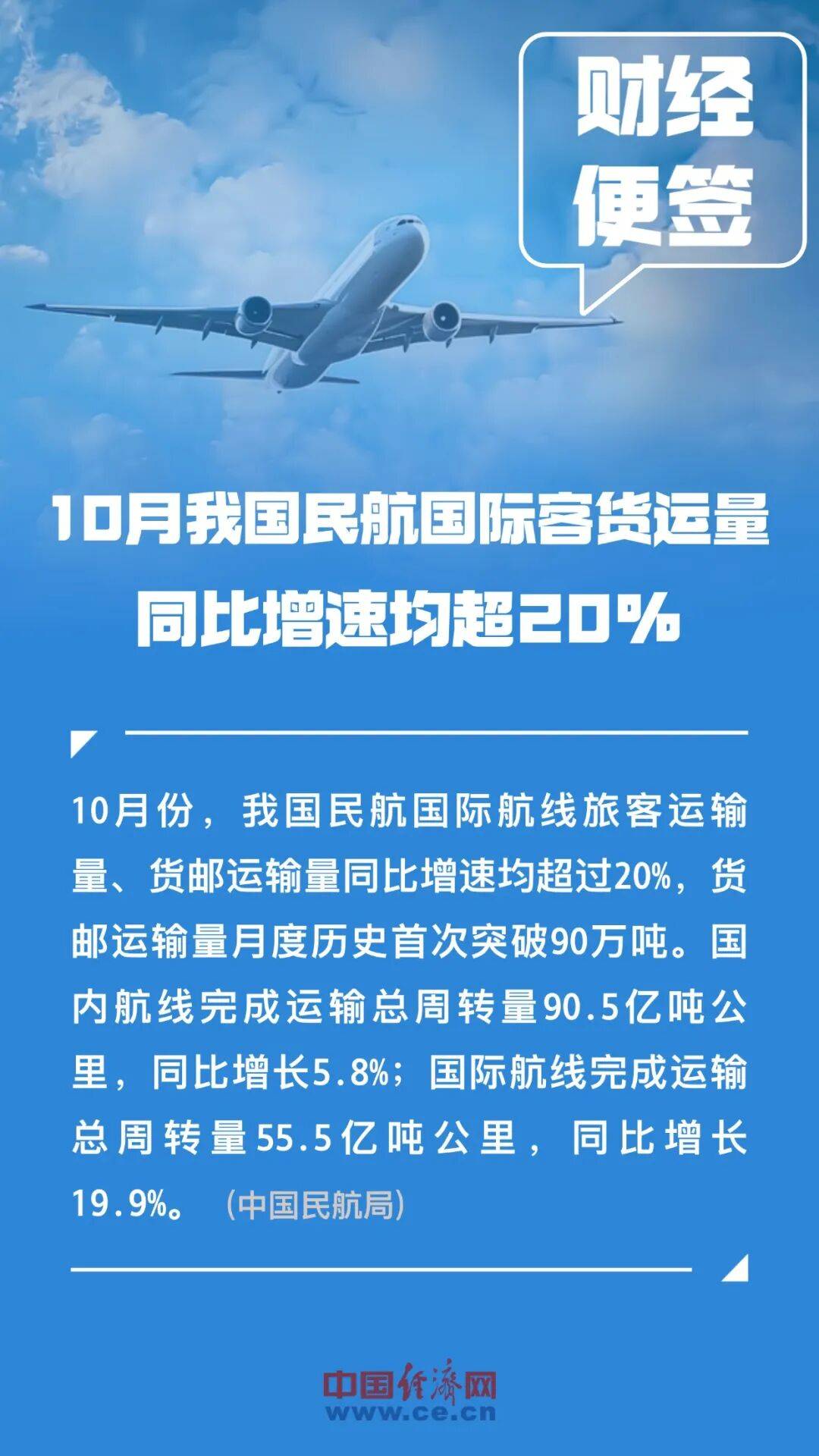
今日财讯要览 六部门联合印发《关于增强消费品供需适配性进一步促进消费的实施方案》 26日,工业和信息化部等六部门联合印发《关于增强消费品供需适配性进一步促进消费的实施方案》,提出到2027年,形成3个万亿级消费领域和10个千 亿级消费热点。 2 10月我国民航国际客货运量同比增速均超20% 中国民航局近日发布的数据显示,10月份,我国民航国际航线旅客运输量、货邮运输量同比增速均超过20%,货邮运输量月度历史首次突破90万吨。 六部门联合印发《关于增强消费品供需适配性进一步促进消费的实施方案》 10月我国民航国际客货运量同比增速均超20% 马年纪念币今日发行 A股成交1.78万亿缩量288亿 10家航司因锁座被约谈 原"华为天才少年",当选上市公司董事长 美财长:特朗普"极有可能"在年底前提名新美联储主席 英伟达回应谷歌芯片威胁 1 马年纪念币今日发行 中国人民银行26日正式发行2026中国丙午(马)年贵金属纪念币一套,该套贵金属纪念币共11枚,其中金质纪念币6枚,银质纪念币4枚,铂质纪念币1 枚。 4 A股成交1.78万亿缩量288亿 26日,深成指、创业板指双双低开高走,创业板指盘中一度涨超3%。沪深两市成 ...

英伟达市值一个月内蒸发5万亿元
2 1 Shi Ji Jing Ji Bao Dao· 2025-11-26 13:44
Core Viewpoint - The AI chip market is experiencing significant shifts, with Google accelerating the commercialization of its self-developed AI chip, TPU, which may disrupt the dominance of NVIDIA's GPUs in the computing power market [2][4]. Group 1: Google's TPU Development - Google has been developing TPU since 2013, primarily for internal AI workloads and Google Cloud services, but is now pushing for external commercialization, with potential contracts worth billions [6]. - Meta is considering deploying Google's TPU in its data centers starting in 2027, with the possibility of renting TPU capacity through Google Cloud as early as next year [6]. - Google's strategy aligns with its long-term goal of integrating hardware and software, aiming to reduce energy consumption and control costs amid rising training costs for large models [6]. Group 2: NVIDIA's Market Position - NVIDIA, holding over 90% of the AI chip market, responded to Google's competition by emphasizing its industry leadership and the unique capabilities of its GPUs [4][7]. - Despite the potential entry of TPU into major data centers, NVIDIA maintains that GPUs will not be replaced in the short term, as both TPU and NVIDIA GPUs are experiencing growing demand [4][7]. - NVIDIA's CEO highlighted the complexity of accelerated computing, suggesting that while many companies are developing AI ASICs, few have successfully brought products to market [10]. Group 3: Industry Trends - The trend of major tech companies developing their own AI chips is growing, with AWS and Microsoft also iterating on their self-developed chips, indicating a shift towards a heterogeneous architecture in the industry [9]. - Companies are increasingly adopting a multi-vendor strategy for AI training and inference, as seen in Anthropic's partnerships with both NVIDIA and Google [9]. - The AI infrastructure industry is evolving from a single hardware competition to a system-level competition, influenced by changes in software frameworks, model systems, and energy efficiency [10].


英伟达市值一个月内蒸发5万亿元
21世纪经济报道· 2025-11-26 13:05
Core Viewpoint - The AI chip market is experiencing significant shifts, with Google accelerating the commercialization of its self-developed AI chip, TPU, which may disrupt NVIDIA's dominance in the GPU market [2][6][10] Group 1: Google's Strategy - Google is pushing its TPU chip towards external clients, with Meta considering deploying TPU in its data centers as early as 2027, potentially involving contracts worth billions [6] - The move aligns with Google's long-term strategy of "soft and hard integration" and aims to reduce costs associated with large model training [6] - Google's latest TPU versions, including TPU v7 and Gemini 3, are designed to enhance its technological capabilities in the era of large models [6] Group 2: NVIDIA's Response - NVIDIA has responded to the competitive threat by emphasizing its leadership in the GPU market and the unique advantages of its products, claiming to be the only platform capable of running all AI models [4][7] - Despite the rise of TPU, NVIDIA maintains that its GPUs remain irreplaceable due to their versatility and compatibility across various AI applications [7] - NVIDIA's stock has been volatile in response to Google's advancements, indicating market concerns about its future share and profitability in AI infrastructure [10] Group 3: Industry Trends - The trend of major tech companies developing their own AI chips is growing, with AWS and Microsoft also advancing their proprietary chip technologies [9] - The industry is shifting from a GPU-centric model to a heterogeneous architecture involving multiple suppliers, as companies seek to diversify their computing resources [9] - The collaboration between companies like Anthropic with both NVIDIA and Google highlights a preference for a multi-route procurement strategy, indicating a move away from reliance on a single chip architecture [9]
一个月市值蒸发5万亿元!英伟达遭遇谷歌自研芯片冲击波
2 1 Shi Ji Jing Ji Bao Dao· 2025-11-26 12:08
Core Viewpoint - The AI chip market is experiencing significant shifts, with Google accelerating the commercialization of its self-developed AI chip, TPU, which may disrupt the dominance of NVIDIA's GPUs in the computing power market [1][3]. Group 1: Google's TPU Development - Google has been developing TPU since 2013, primarily for internal AI workloads and Google Cloud services, but is now pushing for external commercialization, with potential contracts worth billions [3]. - Meta is considering deploying Google's TPU in its data centers starting in 2027, with the possibility of renting TPU capacity through Google Cloud as early as next year [3]. - Google's TPU strategy aligns with its long-term "soft-hard integration" approach, aiming to reduce energy consumption and control costs amid rising training costs for large models [3]. Group 2: NVIDIA's Market Position - NVIDIA currently holds over 90% of the AI chip market share and emphasizes its "one generation ahead" and "all-scenario advantages" in response to competition from Google's TPU [3][4]. - Despite the potential entry of TPU into large-scale data centers, NVIDIA maintains that GPUs will not be replaced in the short term, as both TPU and NVIDIA GPUs are experiencing growing demand [1][4]. Group 3: Industry Trends - The industry is moving towards a heterogeneous deployment of ASICs and GPUs, rather than a single architecture dominating the market [2][5]. - Major tech companies, including AWS and Microsoft, are also developing their own AI chips, indicating a broader trend of companies seeking to control their computing power [5][6]. - The collaboration between Anthropic and both NVIDIA and Google highlights a shift towards a diversified supply chain for AI computing power, as companies are reluctant to rely solely on one chip architecture [6]. Group 4: Market Reactions - Following news of Google's TPU commercialization, NVIDIA's stock experienced significant fluctuations, reflecting market reassessment of GPU's future share and profitability in AI infrastructure [7]. - The AI infrastructure industry is transitioning from hardware competition to system-level competition, influenced by changes in software frameworks, model systems, and energy efficiency [7].
暴跌40%!软银成为“OpenAI链”风向标
美股IPO· 2025-11-26 11:15
Core Viewpoint - SoftBank's significant investment in OpenAI has exposed the company to volatility in AI valuations, leading to a stock price drop of approximately 40% since late October, primarily due to increased competition from Google's Gemini 3.0 [1][3][6] Group 1: Stock Performance and Market Sentiment - SoftBank's stock price has fallen about 40% since late October, resulting in a market value loss of over 16 trillion yen (approximately 102 billion USD) [3][5] - The release of Google's Gemini 3.0 has heightened concerns about OpenAI's competitive position, causing a 24% drop in SoftBank's stock price following the announcement [6][8] - The market's reaction indicates a reassessment of the risks and returns associated with SoftBank's aggressive investment strategy in AI [5][6] Group 2: Financial Commitments and Valuation Concerns - SoftBank is obligated to pay 22.5 billion USD to OpenAI in December as part of a total commitment of 32 billion USD, which could represent over 20% of SoftBank's net asset value if OpenAI's valuation reaches 500 billion USD [8][9] - Concerns about inflated valuations in the AI sector are growing, with SoftBank's CFO admitting uncertainty regarding the existence of an AI bubble [8][9] Group 3: Strategic Investments in AI Infrastructure - SoftBank's founder, Masayoshi Son, aims to build a comprehensive AI ecosystem through acquisitions and investments, including selling shares in Nvidia and Oracle to fund these initiatives [9][11] - The company holds nearly 90% of Arm, a chip architecture giant, and has recently acquired Ampere Computing LLC for 6.5 billion USD, while also planning to purchase ABB Ltd.'s robotics division for 5.4 billion USD [11][12] Group 4: Market Dynamics and Investment Strategy Shift - The era of indiscriminate buying of AI-related stocks is ending, with a shift towards more selective investment strategies as market differentiation becomes apparent [12] - Companies like Meta Platforms Inc. are opting for Google's Gemini AI chips, raising concerns for Nvidia's business and affecting its Japanese suppliers, while others like Toppan Holdings Inc. are benefiting from partnerships with Google [12][14]

谷歌TPU芯片崛起,英伟达短期需要慌吗?
美股IPO· 2025-11-26 11:15
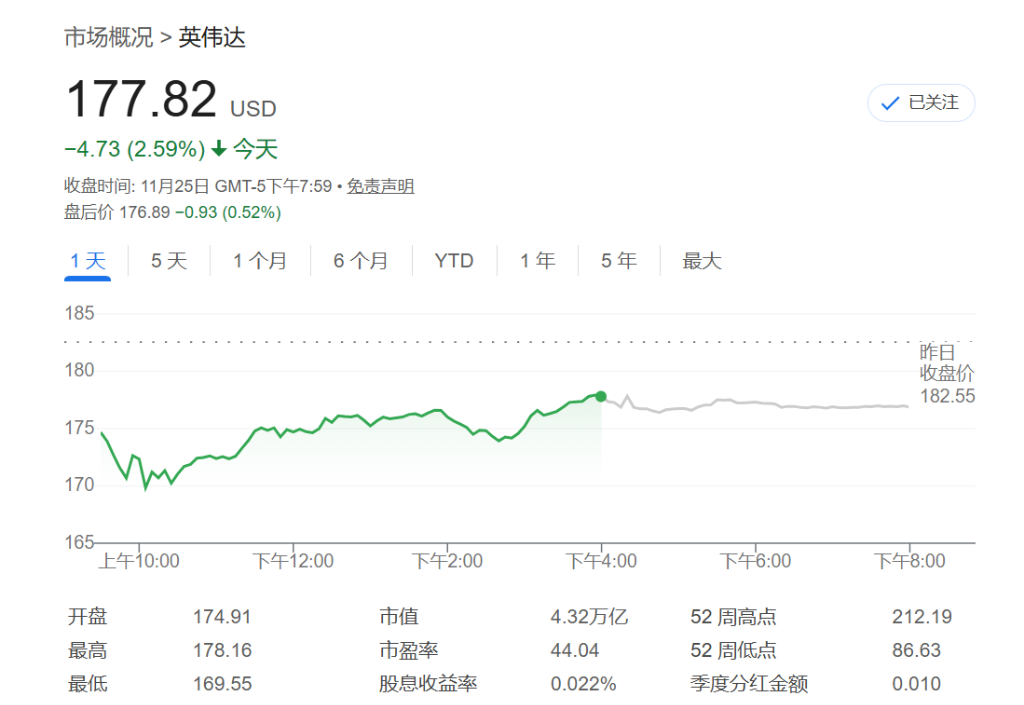
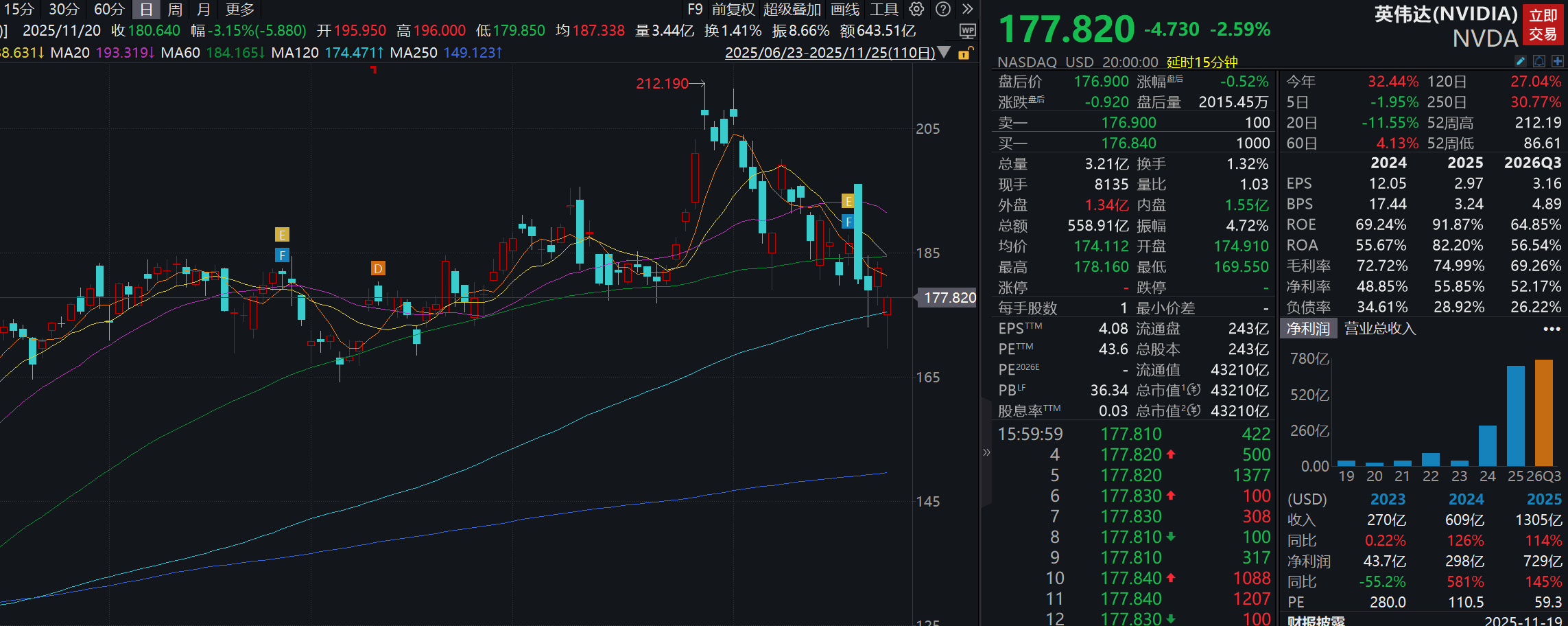
关键客户"倒戈",意味着英伟达已不再是唯一的选择。花旗认为英伟达短期地位稳固,但同时预测其AI芯片市场份额将从90%逐步下滑至2028年的 81%。 11月25日有消息传出,英伟达的大客户Meta正考虑在其数据中心大规模采用谷歌自研的AI芯片——张量处理单元(TPU),并可能最早于明年开始租 用。 这一消息犹如一颗重磅炸弹,瞬间引爆市场。在当日的市场交易中,英伟达股价一度暴跌6%,其竞争对手AMD股价更是下挫10%。与此同时,谷歌母 公司Alphabet股价则一度跃升4%。当日英伟达最终收跌约2.6%,而Alphabet则逆市收高1.6%,连续创下历史新高。 面对市场的骚动,谷歌与英伟达也迅速作出了回应。一位Alphabet的发言人表示: "谷歌云观察到,我们的定制TPU和英伟达GPU的需求都在加速增 长;我们致力于像过去多年一样,同时支持这两种产品。" 而 英伟达的发言人则表示:"我们为谷歌的成功感到高兴……英伟达领先行业一代。" 并补充说,他们相信自家芯片的性能优于包括TPU在内的ASIC (专用集成电路)芯片。 花旗:竞争加剧,但英伟达护城河仍在 AI芯片市场的"铁王座"似乎正迎来些许动摇,一则关于其关 ...
贝恩:未来十年,人形机器人产业将进入黄金发展期
Guo Ji Jin Rong Bao· 2025-11-26 09:58
Core Insights - The report by Bain & Company highlights that humanoid robots will reshape industrial production and significantly impact commercial services and home life over the next decade, ushering in an era of "universal labor" [1] - The humanoid robot industry is still in its early exploration phase, with limited applications primarily in research, guidance, and some industrial manufacturing, but is expected to enter a golden development period in the next 5 to 10 years [2][3] Market Projections - By 2035, global annual sales of humanoid robots are projected to reach 6 million units, with a market size exceeding $120 billion; in optimistic scenarios, sales could surpass 10 million units, reaching $260 billion [2] - The cost of the Bill of Materials (BOM) for humanoid robots is expected to decrease from $40,000-$50,000 to $10,000-$20,000 by 2035, a reduction of 60%-70% [2] Key Factors for Deployment - Large-scale deployment of humanoid robots depends on four core factors: reduced scaling costs and positive ROI, breakthroughs in key technologies, urgency of industry demand, and risk tolerance in application scenarios [2] - The experience from the electric vehicle industry, where BOM costs dropped by 50%-60% over the past decade, serves as a strong reference for the humanoid robot sector [2] Hardware and Technology Development - Key hardware components, such as planetary roller screws and six-dimensional torque sensors, account for approximately 40% of total costs, with potential cost reductions of 70%-80% anticipated [3] - Eight critical technological bottlenecks have been identified, including AI chips, battery and thermal management, and sensors, with performance breakthroughs expected in the next 2-10 years [3] Industry Stages and Applications - The humanoid robot industry is expected to progress through three stages: early commercial exploration, initial applications in industrial sectors, and widespread adoption in commercial and household scenarios [3] - Initial markets will include tech enthusiasts and industrial pilots, followed by durable goods industries like automotive and electronics, and eventually expanding to healthcare, logistics, and home applications [3] Strategic Recommendations - Financial investors should focus on market size, profitability, technological barriers, cost reduction potential, and cross-industry application prospects, with particular attention to planetary roller screws, tactile sensors, and AI chips as attractive investment areas [4] - Potential industry participants must define strategic goals, select competitive tracks, and establish commercialization paths to build differentiated advantages [4] - Application customers should evaluate value creation and implementation feasibility before introducing humanoid robots, considering operational efficiency, customer experience, data assets, partner selection, organizational change, and regulatory risks [4]

谷歌TPU芯片崛起,英伟达短期需要慌吗?
Hua Er Jie Jian Wen· 2025-11-26 08:51
Core Insights - The AI chip market is experiencing turbulence as rumors suggest that Meta, a key customer of Nvidia, is considering adopting Google's custom AI chips, Tensor Processing Units (TPUs), potentially starting next year [1] - This news led to a significant market reaction, with Nvidia's stock dropping by 6% and AMD's by 10%, while Alphabet's stock rose by 4% [1] - Both Google and Nvidia responded to the market concerns, emphasizing their commitment to supporting both TPUs and Nvidia GPUs [1] Group 1: Market Reactions - Nvidia's stock ultimately closed down approximately 2.6%, while Alphabet's stock closed up 1.6%, reaching a new historical high [1] - The market's reaction indicates heightened competition and uncertainty surrounding Nvidia's dominance in the AI chip sector [1][4] Group 2: Analyst Perspectives - Citigroup's report acknowledges the growing competition from custom AI accelerators like Google's TPUs and Amazon's Trainium, but maintains that Nvidia's market share will remain high, predicting a decline from 90% in 2025 to 81% by 2028 [2] - Analysts note that major companies like Microsoft and Meta still heavily rely on Nvidia's platform due to delays in their own custom chip projects [2] Group 3: Nvidia's Defensive Strategy - Nvidia has taken unusual defensive communication measures, publicly asserting its technological superiority over TPUs and emphasizing its ability to run all AI models [5] - The company also distributed a detailed memo to Wall Street analysts addressing various criticisms, which some analysts interpreted as a sign of insecurity [5][7] Group 4: Competitive Landscape - Google's AI model, Gemini 3, has been trained entirely on its TPUs, enhancing the credibility of TPUs as a viable alternative to Nvidia's products [6] - The competitive landscape is shifting, with major players like Google demonstrating significant capabilities in AI chip development [6]
谷歌、英伟达“双雄争霸”!AI芯片行情持续演绎,相关ETF或现布局机遇?
Sou Hu Cai Jing· 2025-11-26 07:51
Core Viewpoint - The AI chip sector is undergoing significant changes, with a competitive struggle emerging between Google and Nvidia, reshaping the global AI infrastructure landscape and presenting potential investment opportunities. Group 1: Nvidia's Market Response - Nvidia issued a rare "gentle" statement on social media, expressing happiness for Google's achievements in AI and reaffirming its position as the only platform capable of running all AI models across various computing scenarios, following a more than 7% drop in its stock price, resulting in a market cap loss of several billion dollars [2] - The market's concern centers around Google's self-developed TPU chips potentially undermining Nvidia's dominance in AI computing power [2] Group 2: Google's Self-Sufficient AI Ecosystem - A leading brokerage report highlights that Google is building a fully self-sufficient AI ecosystem, from chips (TPU v7p) to models (Gemini 3.0) to applications (search + Waymo), contrasting with OpenAI's heavy reliance on external computing power [5] - This ecosystem is translating into financial returns, with TPU deployments significantly reducing inference costs and stabilizing search market share above 90%, supported by strong advertising cash flow [5] - Alphabet's stock has shown a remarkable return of nearly 82% over the past year, outperforming Nvidia's 27% increase, indicating a market shift [5] Group 3: Competitive Dynamics in AI Chips - Google's TPU has evolved from an internal workload tool to a core component of its AI strategy, with Gemini 3.0 trained entirely on TPU, achieving performance benchmarks comparable to or exceeding GPT-4 [6][7] - Nvidia emphasizes its GPUs as the only universal platform capable of running all AI models, showcasing superior adaptability in various scenarios compared to TPUs, and highlighting significant performance improvements in its new Blackwell architecture [8][9] - Nvidia is also strengthening its ecosystem through substantial investments in companies like Anthropic and a long-term collaboration with OpenAI, alongside launching DGX Cloud to enhance its "GPU as a service" capabilities [10] Group 4: Industry Impact and Future Outlook - The industry is transitioning from a single-dominant player to a dual-leader model, with Google’s TPU gaining market share while Nvidia maintains its core position [12] - In the long term, the performance gap between TPUs and GPUs is narrowing, with cost advantages likely to drive TPU adoption [12] - Google is evolving beyond a search-driven company, leveraging TPU, Gemini, and its cloud ecosystem to build a self-sufficient AI empire, while Nvidia is transitioning from merely selling graphics cards to maintaining its role as the "operating system" of the AI world [12] Group 5: Investment Opportunities in AI Chips - The adjusted AI sector presents significant value, with current valuations of tech giants being much lower than during the 2000 internet bubble, indicating that AI-driven innovation will remain a key market driver in the coming year [13] - Investors may consider focusing on ETFs related to chip technology, cloud computing, and AI applications to capitalize on these trends [14][16]
每日资讯晨报-20251126
Jinyuan Securities· 2025-11-26 06:12
Core Insights - The report highlights the performance of major stock indices, with notable movements in both international and domestic markets [5][12][14] - It emphasizes the significant developments in the low-altitude economy sector, including policy updates and company activities [19] International Market Overview - The report notes that major U.S. stock indices closed higher, with the Dow Jones up 1.43% at 47,112.45 points, and the S&P 500 rising 0.91% to 6,765.88 points [12] - European markets also saw gains, with the DAX index increasing by 0.89% to 23,445.62 points [12] - In the Asia-Pacific region, the Hang Seng Index rose by 0.69% to 25,894.55 points, while the Nikkei 225 fell by 0.34% to 48,537.70 points [12] Domestic News - The report mentions that the cumulative repurchase amount in the A-share market has exceeded 130 billion yuan, marking the second-highest level in history [13] - It highlights that NIO delivered 87,071 vehicles in Q3, representing a year-on-year growth of 40.8% and a quarter-on-quarter increase of 20.8%, achieving a historical high [17] - Huawei launched the Mate 80 series smartphones, with a starting price of 4,699 yuan, which is 800 yuan lower than the previous generation [17] Company Developments - The report details that TSMC has filed a lawsuit against a former senior vice president for allegedly misusing advanced technology documents [17] - It notes that Demeanly plans to issue shares to specific investors, raising up to 3.2 billion yuan for SSD and DRAM expansion projects [17] - The report also mentions that Vertical Aerospace has received flight permission from the UK Civil Aviation Authority and has begun transition flight testing [19]