电动化

Search documents
【2025年三季报点评/长城汽车】业绩受报废税返还确认节奏干扰,新品周期仍强势
东吴汽车黄细里团队· 2025-10-27 14:11
Core Viewpoint - The company reported a revenue of 61.2 billion yuan in Q3 2025, with a year-on-year increase of 21% and a quarter-on-quarter increase of 17%. However, the net profit attributable to the parent company was 2.3 billion yuan, reflecting a year-on-year decrease of 31% and a quarter-on-quarter decrease of 50% [2][3]. Revenue Performance - The Q3 revenue was influenced by the confirmation of the scrapping tax refund in the Russian market. The wholesale sales totaled 354,000 vehicles, with year-on-year increases of 20% and quarter-on-quarter increases of 13%. The sales structure improved, with the Wei brand's sales proportion increasing by 1 percentage point due to the popularity of the Gaoshan series [3]. - The company exported 140,000 vehicles in Q3, marking a year-on-year increase of 11% and a quarter-on-quarter increase of 28%, primarily driven by the increase in Haval brand exports [3]. Profitability Analysis - The gross margin for Q3 was 18.4%, down by 2.4 percentage points year-on-year and 0.4 percentage points quarter-on-quarter. The decline was attributed to a decrease in sales of high-margin models and increased dealer rebates for Haval and pickup trucks [3]. - The company reported a net profit of 2.3 billion yuan for Q3, with a net profit per vehicle of 6,000 yuan [3]. New Product Cycle and Technology - The company is advancing its new vehicle cycle with a robust technological foundation. The CoffeeOS 3 intelligent cockpit system is being integrated into multiple strategic models, enhancing the overall intelligent travel ecosystem [4]. - The Coffee Pilot Ultra feature was officially launched in August, providing enhanced driving assistance capabilities in new models [4]. Profit Forecast and Investment Rating - Due to intensified market competition, the company has revised its net profit forecasts for 2025, 2026, and 2027 to 11.9 billion, 17.4 billion, and 22.1 billion yuan, respectively. The corresponding price-to-earnings ratios are projected to be 17, 11, and 9 times [5]. - Despite the challenges, the company maintains a "buy" rating, anticipating a strong new product cycle for the Wei and Ora brands in 2026 [5].



汽车行业跟踪报告:2025H1汽车板块营收增速略高于利润增速,整车制造利润承压
Wanlian Securities· 2025-10-27 12:54
Investment Rating - The automotive industry is rated as outperforming the market, with an expected relative increase of over 10% in the industry index compared to the broader market over the next six months [27]. Core Insights - In the first half of 2025, the automotive sector achieved a revenue of 1,928.764 billion yuan, a year-on-year increase of 7.56%, while the net profit attributable to shareholders was 80.138 billion yuan, up 6.16% year-on-year. The growth in revenue was primarily driven by the explosive sales of new energy vehicles and expansion into overseas markets [1][12]. - The overall gross margin for the automotive sector decreased to 15.56%, and the net margin was 4.34%, reflecting a decline of 0.52 and 0.06 percentage points respectively compared to the same period in 2024. This decline was attributed to price cuts and promotional strategies adopted by manufacturers to stimulate demand and clear inventory [2][14]. - The automotive industry showed significant internal differentiation among its sub-sectors, with varying performance in revenue and profit margins. The motorcycle and other segments demonstrated strong profitability, while the passenger vehicle and commercial vehicle sectors faced intense competition and profit compression [3][19]. Summary by Sections Automotive Sector Performance - The automotive sector's revenue growth slightly outpaced profit growth in H1 2025, with revenue at 1,928.764 billion yuan and net profit at 80.138 billion yuan. The growth was fueled by new energy vehicle sales and overseas market expansion, although internal competition pressured profit margins [1][12]. Sub-Sector Analysis - In H1 2025, the revenue and net profit for various sub-sectors were as follows: passenger vehicles (945.383 billion yuan, +9.73%), auto parts (716.460 billion yuan, +13.18%), commercial vehicles (172.550 billion yuan, -0.54%), motorcycles and others (49.799 billion yuan, +23.19%), and automotive services (44.573 billion yuan, -47.38%). The net profit figures showed a mixed performance, with notable declines in passenger and commercial vehicles [3][17]. - The gross margins for sub-sectors were: passenger vehicles (14.36%), auto parts (18.49%), commercial vehicles (10.40%), motorcycles and others (20.64%), and automotive services (8.02%). The motorcycle segment exhibited strong profitability, while the passenger and commercial vehicle sectors faced margin pressures due to competitive dynamics [19][21]. Investment Recommendations - The report suggests focusing on segments with strong profitability and growth certainty, particularly in the auto parts sector, which has shown resilience and quality growth. Companies involved in the "electrification and intelligence" of vehicles with high technical barriers and customer loyalty are highlighted as key investment opportunities [25].
受国产越野挤压,路虎也不香了?揽胜极光L直降19万,销售称价格还能谈
3 6 Ke· 2025-10-27 10:53
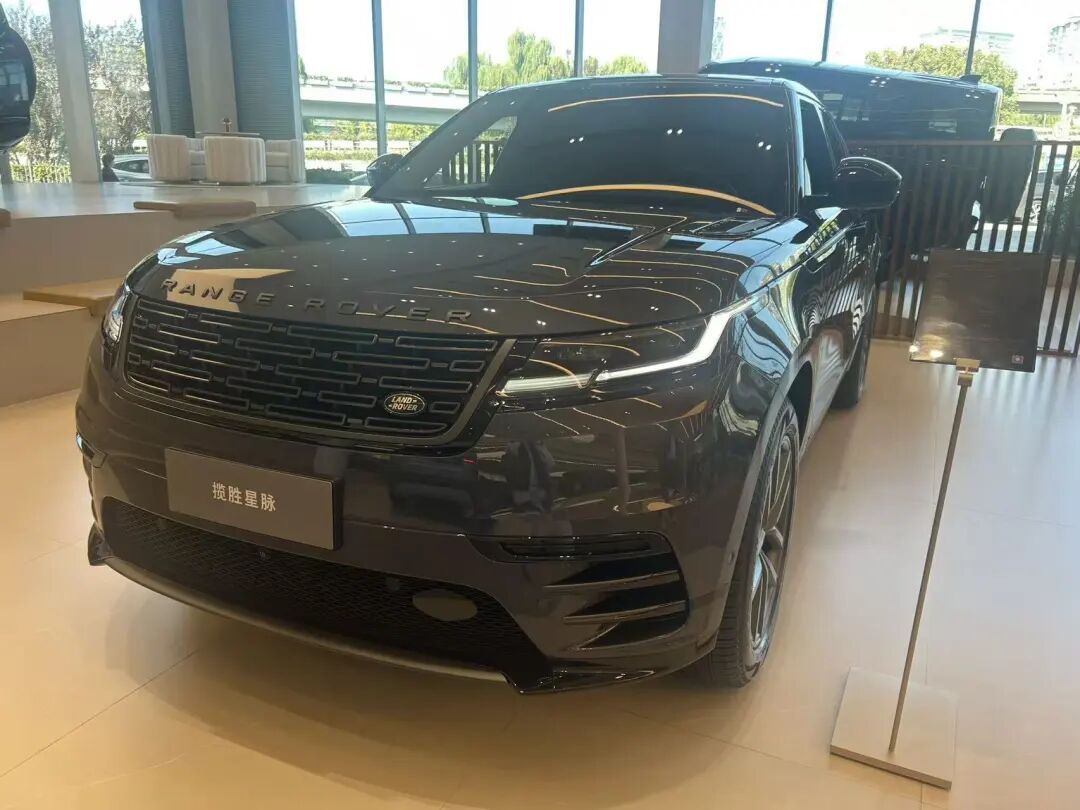
Core Insights - The significant price reduction of the Range Rover Evoque L, with a manufacturer suggested retail price of 429,800 yuan and an official discount of 190,000 yuan, reflects the weakening brand premium of Land Rover and changing market dynamics [1][2][3] - Despite the price cuts, sales of the Evoque L have not improved, with only 3,509 units sold in the past six months and just 333 units in September [1][2] - The emergence of new domestic off-road vehicles, such as the Tank 400 and Chery's Zongheng G700, has increased competition, making the "affordable" Land Rover less competitive [1][2] Pricing Strategy - The official price after discounts for the Evoque L is under 240,000 yuan, with further negotiation possible upon ordering [1][3] - Additional discounts are available for financing options, trade-ins, and purchasing insurance packages, potentially lowering the effective price further [5][6] Sales Performance - Jaguar Land Rover's global retail sales for the fiscal year 2024/25 were 428,900 units, a slight decrease of 0.7% from the previous year [7] - The brand's performance in China is particularly concerning, with a 19.7% decline in sales, contrasting with growth in other markets like North America [9] Market Trends - The overall SUV market in China is growing, with a 6.3% increase in total sales and a 12.7% increase in off-road capable SUVs [10] - However, Land Rover's sales are declining, attributed to a lag in electrification and smart technology compared to domestic competitors [10][12] Product Quality and Recalls - Land Rover has faced multiple recalls due to quality issues, impacting consumer trust and brand reputation [13][14] - Recent recalls involved significant numbers of vehicles, raising safety concerns and further complicating the brand's market position [14] Financial Performance - Jaguar Land Rover's revenue for the fiscal year 2024/25 was 29 billion pounds, remaining stable year-on-year, but net profit fell by 30.8% to 1.8 billion pounds, indicating weakened profitability [15]
社评 || 五年蓄力,努力跑好“十五五”这一棒
Zhong Guo Qi Che Bao Wang· 2025-10-27 09:21
Group 1 - The core viewpoint of the articles emphasizes the significant progress and future direction of China's automotive industry, particularly in the context of the upcoming "15th Five-Year Plan" [2][5]. - The automotive industry has seen substantial growth, with national annual production and sales exceeding 30 million vehicles for the first time in 2023, maintaining its position as the world's largest market [3][4]. - The market share of domestic brands has risen significantly, projected to reach 61% by 2024, highlighting the strong performance of local manufacturers [3]. - The production of new energy vehicles (NEVs) has surged from approximately 1.4 million in 2020 to over 13 million in 2024, with their market share increasing from 5.4% to 40.9% [3]. - The development of charging infrastructure has expanded, with a total of 17.35 million charging points established by August 2025, supporting the growth of electric vehicles [3][4]. Group 2 - The automotive industry has established a comprehensive industrial system, including smart cockpits and autonomous driving technologies, enhancing its global competitiveness [4]. - In 2023, China became the world's largest automobile exporter, surpassing Japan, indicating a shift in the global automotive landscape [4]. - The country has made significant strides in setting automotive standards, with 88 national and industry standards established in the intelligent connected vehicle sector [4]. - The "15th Five-Year Plan" aims for high-quality development, increased technological self-reliance, and improved living standards, which will further support the automotive sector's growth [5][6]. - The automotive industry is expected to strengthen its role in the national economy, focusing on sustainable growth and innovation during the "15th Five-Year Plan" [6][7].

大行评级丨瑞银:上调中国2028至2030年电力需求预测 偏好哈尔滨电气及中广核电力
Ge Long Hui· 2025-10-27 06:05
Group 1 - UBS expresses increased optimism regarding China's electricity market demand, forecasting an 8% growth from 2028 to 2030, which is double the previous estimate [1] - The firm identifies structural drivers such as AI data centers, exports, and electrification, with their impact expected to exceed earlier predictions [1] - Adjustments reflect enhanced confidence in the construction of AI data centers, accelerated growth in electricity exports, and rapid electrification, benefiting capital expenditures in power equipment and grids starting next year [1] Group 2 - UBS raises its earnings forecasts for relevant stocks by 2% to 18% for the years 2023 to 2027 [1] - The investment ratings for Daikin Heavy Industries and China General Nuclear Power (01816.HK) are upgraded to "Buy," with a preference for stocks trading at a projected P/E ratio of 15.6 times in 2026, below the historical average of 22 times and the global industry average of 50 times [1] - Preferred stocks include Harbin Electric (1133.HK) and China General Nuclear Power (1816.HK), along with interest in Dongfang Electric (1072.HK), Siyuan Electric, Yingliu Electromechanical, Goldwind (2208.HK), and Daikin Heavy Industries [1]
奇瑞商用车:后发先至 年轻却有一颗冠军的心
Zhong Guo Qi Che Bao Wang· 2025-10-27 02:33
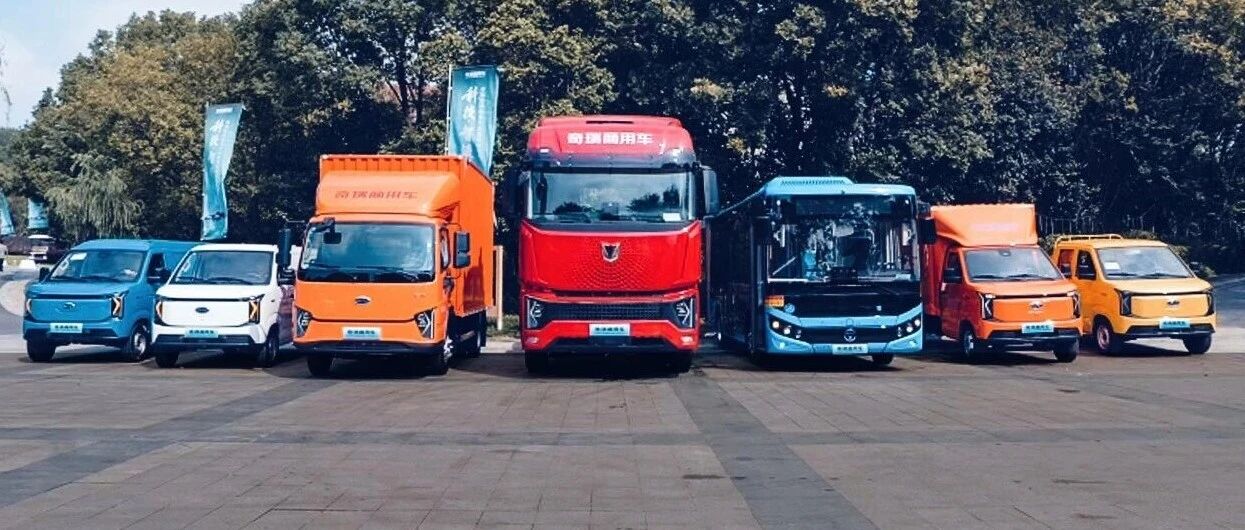
Core Insights - The 2025 Chery Global Innovation Conference showcases Chery's latest achievements in electrification, connectivity, intelligence, and sharing, emphasizing innovation as a driving force for brand advancement and global ecosystem connectivity [2] - Chery Commercial Vehicles aims to establish itself as a leading global brand by achieving annual sales of 1 million units by 2030, marking the beginning of its strategic journey in 2024 [4] Strategic Pathways - Chery Commercial Vehicles has identified four strategic pathways: full-series development, globalization, technology leadership, and quality prioritization [4] - The company is committed to developing products based on global standards, with a focus on understanding diverse customer needs and adapting to various market requirements [6][7] Technological Advancements - Chery is focusing on technology leadership and quality, aligning its product development with European and global standards, which is referred to internally as "European capability construction" [7] - The company is integrating advanced features into its commercial vehicles, such as a new vehicle networking platform that addresses operational pain points for B-end customers [9] Market Understanding - Chery recognizes the complexity of commercial vehicle usage scenarios and aims to tailor its products to meet specific customer needs, enhancing operational efficiency [11] - The company is actively working on service innovations, such as rapid rescue services and maintenance solutions, to improve customer experience and reduce operational costs [11]

奇瑞商用车高层首次集体亮相!100万辆销量目标如何实现?| 头条
第一商用车网· 2025-10-26 13:01
Core Viewpoint - Chery Commercial Vehicles is making significant strides in the commercial vehicle sector, showcasing innovative technologies and products at the 2025 Global Innovation Conference, positioning itself as a leader in electrification, connectivity, intelligence, and sharing [1][3]. Group 1: Product Innovations - Chery Commercial Vehicles unveiled ten innovative technologies and products, including autonomous logistics vehicles and a vehicle networking service platform, highlighting advancements in electric and intelligent vehicle solutions [1]. - The company plans to launch the "Zero Meter" light truck in 2024, which has quickly become a strong contender in the new energy light truck market [4]. - The heavy truck segment is undergoing a strategic transformation, with the launch of a new super heavy truck platform, indicating a robust market presence [4][8]. Group 2: Strategic Positioning - Chery Commercial Vehicles has been designated as a new growth point for Chery Group, with a strategic goal of reaching close to one million sales by 2030 [5]. - The company is transitioning from a "platform sales" model to a "scenario-based operational value" model, particularly in the light commercial vehicle sector [5][6]. - The sales of commercial vehicles have seen a year-on-year growth of approximately 62%, with light trucks rapidly climbing the sales rankings [6]. Group 3: Future Development Plans - Chery Commercial Vehicles aims to launch a new generation of platforms from 2026 to 2029, covering a wide range of vehicle types, which will enhance its global competitiveness [10][12]. - The company is focusing on developing products that meet global market demands, adhering to international standards from the outset [12]. - The strategic paths to achieve the one million sales target include full series development, globalization, technology leadership, and prioritizing quality [17]. Group 4: Market Trends and Customer Insights - The market for new energy light trucks is evolving, with a shift towards lower prices and a growing presence of small and medium-sized customers [18]. - The penetration rate of new energy heavy trucks is expected to increase significantly in the coming years, particularly in the short-haul market [21]. - Chery Commercial Vehicles is investing heavily in the large VAN market, anticipating significant growth opportunities driven by the electric vehicle trend and its supply chain advantages [15].
《2025中国汽车技术首脑(CTO)闭门峰会共识》发布
Zhong Guo Xin Wen Wang· 2025-10-24 16:18
Core Insights - The automotive industry is entering a new phase characterized by comprehensive transformation and upgrade, focusing on electrification, intelligence, and low-carbon development [1] - The automotive technology system is undergoing systematic restructuring, with significant changes in innovation paradigms and a surge in disruptive technological advancements [1] - China's automotive industry is moving towards deeper global integration and internationalization, emphasizing the importance of technology branding and innovation-driven development [1] Group 1 - Participants agreed to enhance automotive technology innovation capabilities through collaborative efforts in foresight and technology roadmap assessment [2] - There is a commitment to promote demand-driven technology supply, ensuring that user needs are integrated into the entire process of technology and product development [2] - A focus on establishing a safety baseline for technology research and application, particularly in electric vehicle safety and intelligent driving standards [2] Group 2 - A responsible technology communication environment will be constructed to avoid exaggeration and ambiguity in technical promotion [3] - There will be an emphasis on deepening automotive technology exchange and cooperation among enterprises, leveraging industry organizations and scientific societies [3]
2025年全球汽车Tier1厂商排名
自动驾驶之心· 2025-10-24 16:03
Core Insights - The article discusses the competitive landscape of global Tier 1 automotive suppliers, highlighting the rise of Chinese manufacturers in the electric and intelligent driving sectors while traditional players face challenges [2][4][5]. Group 1: Global Tier 1 Suppliers Ranking - The top 20 global Tier 1 automotive suppliers for 2025 are led by Bosch, ZF Friedrichshafen, and Denso, with strengths in automotive electronics, powertrains, and autonomous driving [2]. - Notable Chinese suppliers like Desay SV and Foryoung are making significant strides in intelligent driving and automotive electronics, indicating a shift in market dynamics [2][5]. Group 2: Trends in Electrification and Intelligence - The electrification trend is accelerating, with battery manufacturers like CATL and BYD increasing their market share, particularly in the context of rapid growth in new energy vehicles [3]. - Intelligent driving and smart cockpit technologies are emerging as core growth areas, with Chinese firms gaining market share in these domains [3]. Group 3: Market Competition Dynamics - Traditional Tier 1 suppliers such as Bosch and ZF are experiencing revenue and profit declines in 2024, despite their established technological advantages [4]. - Chinese Tier 1 suppliers are breaking through barriers in the new energy and intelligent driving sectors, challenging the dominance of international players [5]. Group 4: Regional Market Changes - The Chinese market is witnessing rapid growth in new energy vehicles, providing substantial opportunities for local Tier 1 suppliers [10]. - In contrast, the European and American markets are experiencing a slowdown in electrification but continue to demand advancements in autonomous driving and smart cockpit technologies [10]. Group 5: Technological Innovation and Collaboration - Suppliers with comprehensive capabilities in hardware, software, and system integration are expected to capture larger market shares in the future [6]. - Traditional Tier 1 suppliers are investing in Chinese startups and developing localized products to regain their competitive edge [6].



2025日本移动出行展前瞻:电动化终于迈向日本市场
Guan Cha Zhe Wang· 2025-10-24 10:27
Core Insights - The 2025 Japan Mobility Show, taking place from October 29 to November 9, represents a significant shift in the Japanese automotive market, focusing on electric vehicle (EV) transformation and consumer demand changes [1][12] - Japanese automakers, including Toyota and Honda, are accelerating their transition towards electric and hybrid vehicles in response to competition from companies like BYD and Tesla [1][12] Group 1: Toyota's Strategy - Toyota will showcase its electric product concepts, including a new Corolla replacement model available in both pure electric and hybrid versions, aligning with its European strategy [3][4] - Lexus plans to unveil a new ES sedan and a six-wheeled LS concept car, indicating a commitment to both electric and luxury segments [3][4] - Toyota is also developing a new independent ultra-luxury brand to compete with Rolls-Royce and Bentley, alongside introducing a new coupe concept under its "Century" series [4] Group 2: Honda's Focus - Honda will present two new electric concept cars, including the third model of its next-generation 0 series electric vehicles, emphasizing small and easy-to-handle electric cars [6][12] Group 3: Nissan's Approach - Nissan will focus on mass production vehicles, introducing the new Elgrand with third-generation e-POWER technology and an upgraded Ariya electric crossover [9][12] - The company aims to showcase its commitment to electrification through various global electric models, including the third-generation Leaf and models developed in collaboration with the Chinese market [9] Group 4: Mazda's Innovations - Mazda will display two concept cars that represent its future design direction and next-generation power systems, including efforts in carbon-neutral fuel and carbon capture technology [11][12] Group 5: Market Trends - Data from JATO Dynamics indicates that the share of pure internal combustion engine vehicles in Japan has fallen below 50% for the first time in 2023, with projections showing a further decline to 42.3% in 2024 [12][15] - The market for hybrid vehicles has stabilized at a penetration rate of 33.8% in the first half of 2025, while pure electric vehicles remain at a low 1.3% [12][15] - The growth in the light vehicle segment is driving the increase in pure electric models, with Japanese consumers showing a willingness to adopt electric products if quality and quantity improve [15] Group 6: Competitive Landscape - BYD plans to introduce a dedicated micro electric vehicle for the Japanese market, indicating its strategy to compete in the unique microcar segment [17] - Hyundai and Kia will also present new electric models at the show, including the Nexo hydrogen fuel cell crossover and electric commercial vehicles, highlighting the competitive landscape in the Japanese EV market [19][20]